 Sama Farrag
 Open TikTok and take a gander at your FYP. Beyond the myriad of recipes you’ll never cook and the dance trends that should have died with COVID, something strange is happening. You might see a chaotic montage of news clips, old home movies, and Neruda quotes set to a slowed-down ambient track. Probably Radiohead or Sade. You might see dreamcore, naturecore, or my personal favorite, weirdcore. You might see a hyper-specific aesthetic like Solarpunk or Old Money that feels less like a fashion choice and more like a manifesto.
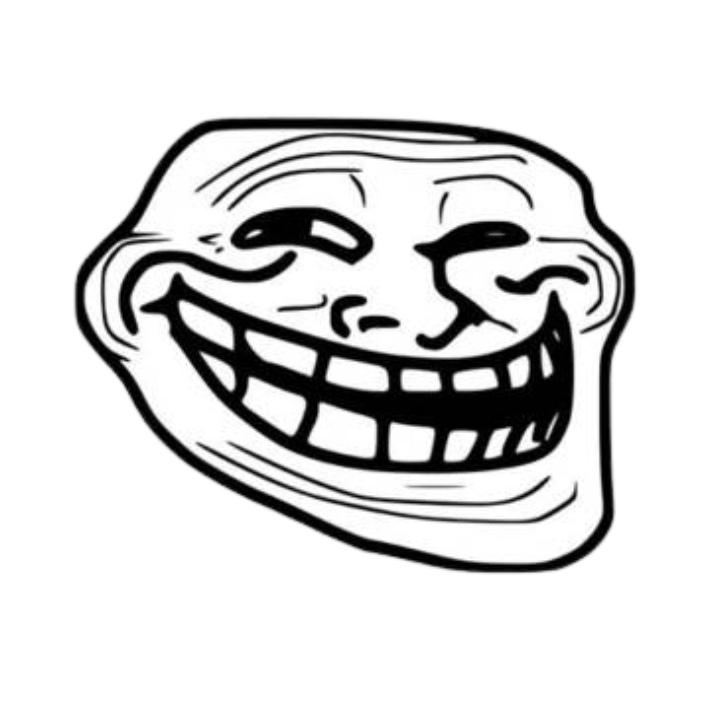
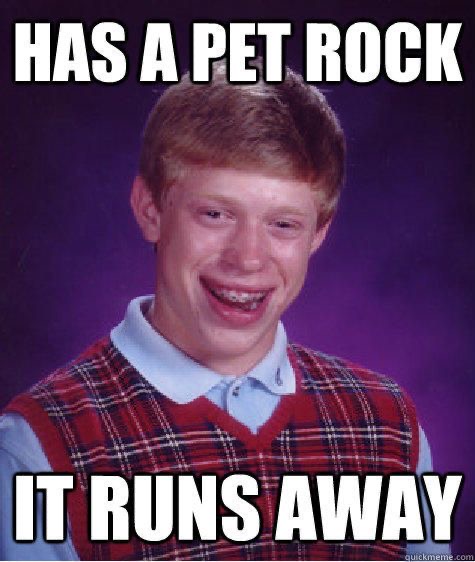
For a long time, we treated the internet as a mere delivery system. The troll face that had us in stitches on Facebook and Bad Luck Brian. The internet was a digital gallery wall where we hung real art. But we’ve hit a tipping point – it has become its own art movement. The troll face era was our collective infancy – a time of simple, slapstick gags that functioned like digital comic strips. But we’ve graduated from those crude line drawings into something far more atmospheric and, frankly, more haunting. No longer just sharing jokes but constructing entire sensory universes. The shift happened when the internet stopped trying to mimic real life and started embracing its own inherent glitchiness and absurdity. This is a shift toward a high-definition nostalgia and low-fidelity existentialism. In the past, cultural shifts were defined by a specific technique or geography. Surrealism, Dadaism, Cubism, to name a few. Today’s shifts are simply defined by the vibe. The vibe being a sophisticated, non-linear form of storytelling that relies on a specific cocktail of audio-visual cues.
This is where the concept of the simulacrum stops being something I studied at uni (shoutout Dr. Noha, I fell in love with this through your lens) and starts being the very air we breathe. When you come across a Zodiac or Carrie Bradshaw core edit, they are not a reflection of reality; you are merely looking at a simulation—a curated, distorted, and often more “authentic” version of a feeling than the real world can provide. We have moved past the point where the image represents a thing; now, the image is the thing. What is a Pisces? Is a Pisces a person born in late February, or is it a specific shade of desaturated blue, a clip of a jellyfish pulsing in neon light, and a line of Mitski lyrics flickering in a serif font? In this landscape, the person is secondary to the simulacrum. You don’t meet a Pisces; you inhabit the Pisces-core simulation. It’s a feedback loop where we begin to dress, speak, and emote to match the digital edit, turning our physical lives into a tribute to the simulation.
It is the peak of postmodernism in the palm of your hand (literally). I’ve stopped asking if the edit is accurate, because the edit has become the blueprint. When I say someone has “main character energy,” I’m not describing their personality but describing how well they fit into a pre-existing digital narrative. How much they remind me of Blair Waldorf or Spencer Hastings solely based on aesthetics. We are living in a world of simulacra where the map is more vivid than the territory it’s supposed to represent. In the traditional world, you had the artist and the audience. Today, the artist is a collective ghost. When a Carrie Bradshaw-core trend takes off, it isn’t about her column or Mr. Big; it’s about a grainy, high-contrast loop of a tutu in Manhattan traffic, stripped of its original context and repurposed to sell an aesthetic. We find ourselves feeling nostalgic for 1990s New York or 1970s Tehran—places and times we never inhabited—because the hyperreal is so much more desirable than the real.
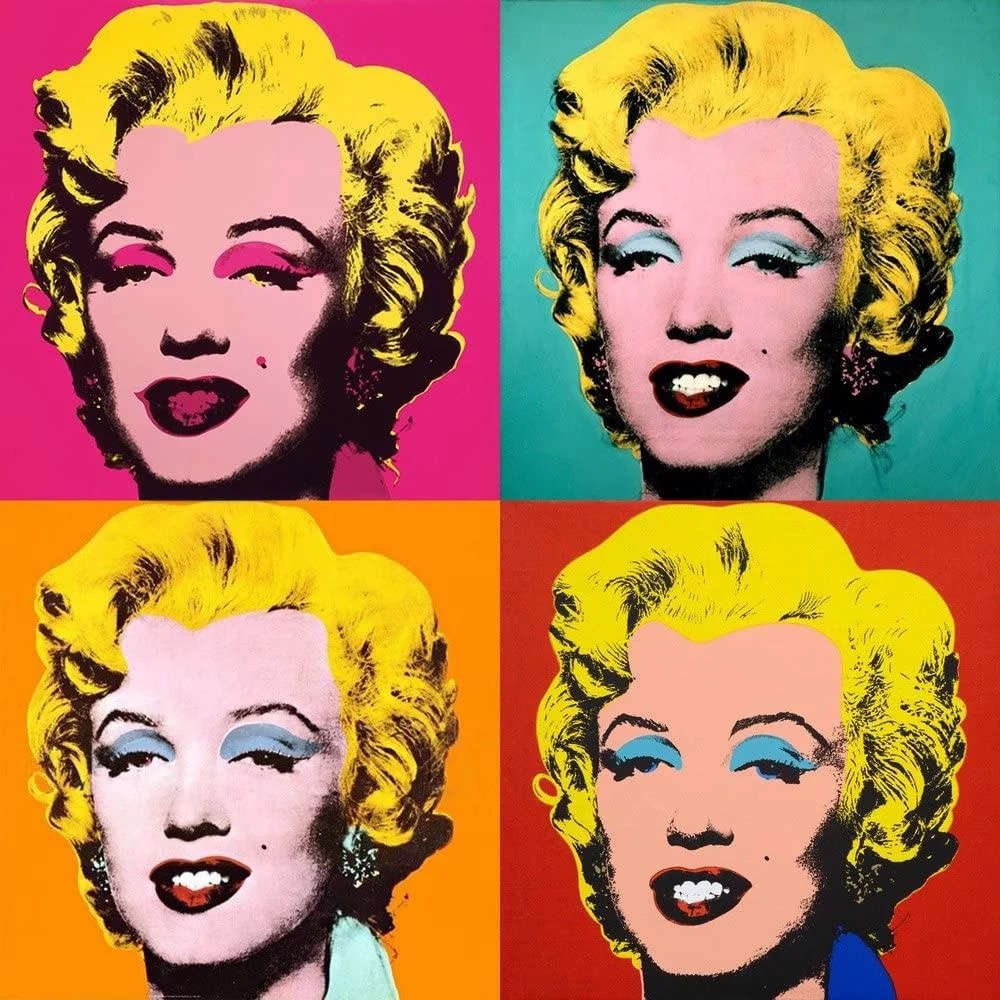
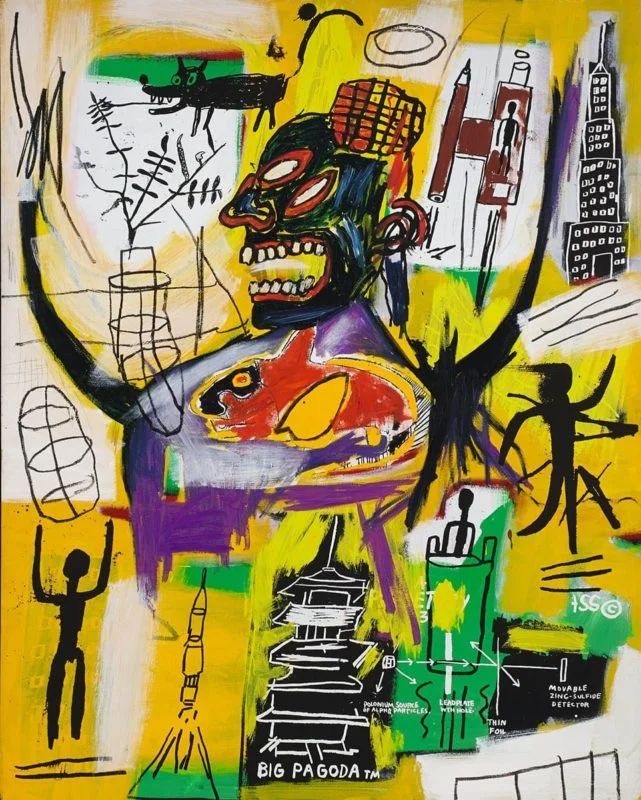
This movement doesn’t live in a gallery. It does not require a curator and a restorer and expensive airport trips to the Met or the Louvre. It lives in the flow. The creator is no longer a solitary figure in a studio; they are a collaborator with a machine. When a specific sound—a slowed-down, reverb-heavy version of a track you grew up listening to—starts trending, it dictates the emotional frequency for millions of strangers simultaneously. This is Barthes’ la mort de l’auteur—the death of the author in favor of the user, where the original intent of a song or film is stripped away and repurposed to fit a new, digital mood. Thousands of people are contributing individual brushstrokes to a massive, global canvas that evolves every minute, creating a postmodern folk art where the original copy is nothing and the collective vibe is everything. In this space, the act of selecting, scrolling, and re-sharing is the new high art.
Often these trends are dismissed as chronically online brain rot (which usually makes me feel like I’m slowly morphing into my 12-year-old cousin). But that dismissiveness misses the fundamental shift in how we process meaning. In an age of infinite content, the act of curation is the ultimate creative act. Choosing the right Allen Ginsberg poem to pair with a grainy video of a rainy street in San Francisco is the curation of a version of a mood that feels more real than the actual experience of standing in the rain by Golden Gate Bridge. We are witnessing the death of the masterpiece and the birth of the atmosphere. The death of the author and the birth of the reader (or in this case, the user). We are no longer looking for a single painting to change our lives or standing in an endless line to see the Mona Lisa; rather, we are trying to find a digital texture to inhabit. The internet has stopped being a mirror and has become a window into a thousand different realities. We’re looking at something much deeper than a few viral hashtags. It’s more like a collective survival tactic—a way for a generation to piece together some kind of meaning while the world feels increasingly disconnected—finding little pockets of sense in the chaos, one 15-second edit at a time.