 Yara Lotfy
 Some athletes chase titles. Others redefine what they mean. For Mai Soliman, boxing has never been solely about belts or headlines, rather, it has been a lifelong pursuit of resilience, identity, and purpose. Born in Cairo and raised between Egypt and Australia, the professional boxer has carved out a space for herself in one of the world’s most demanding sports, carrying the pride of two nations with every step into the ring.
In conversation with Flair Magazine, Mai Soliman reflects on the sacrifices behind the spotlight, the quiet confidence forged through discipline, and the dream that continues to guide her journey, becoming a world champion while opening doors for women in the field across the region and beyond.
1. Every athlete has an origin story. What is yours, and what ultimately inspired you to step into boxing for the very first time? Do you remember the moment you realized boxing was more than a sport for you—that it could become your life’s calling
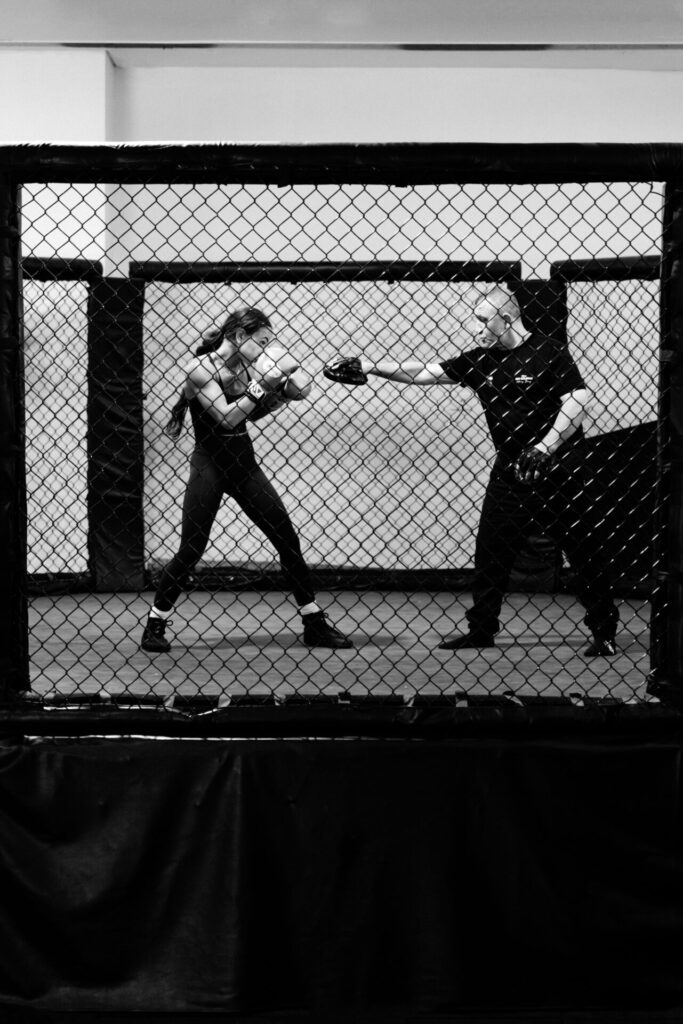
Like many athletes, my journey didn’t begin with a clear vision of becoming a professional boxer. Boxing came into my life at a time when I was searching for something that would challenge me mentally as much as physically. From the very first session, I realized this wasn’t just about learning how to fight, it was about discipline, resilience, accountability and constantly pushing beyond your own limits. The more I trained, the more I fell in love with the process. I enjoyed the early mornings, the hard sessions, the setbacks and the constant pursuit of improvement. It taught me that success isn’t built overnight; it’s built through consistency and showing up every single day, even when nobody is watching. The moment I knew boxing was more than just a sport came when I stopped measuring my progress by wins and losses. Instead, I became obsessed with becoming a better athlete and a better person every single day. I realised this wasn’t simply something, I enjoyed doing it and had become part of who I was. From that point forward, everything I did revolved around chasing the highest level possible, and that dream continues to motivate me today.
2. Growing up between Egypt and Australia, how has navigating two cultures shaped both your identity and your approach to boxing?
Growing up between Egypt and Australia has been one of the greatest blessings in my life because both countries have shaped me in different ways. Australia taught me professionalism, structure and the importance of consistency. It’s where I developed my boxing career and learned what it takes to compete at an elite level. Egypt, on the other hand, gave me my identity, my passion and an incredible sense of pride in where I come from. There’s something about representing your heritage that brings an extra level of purpose every time you step into the ring. I’ve never felt like I had to choose between the two. Instead, I’ve embraced both cultures, and I believe they’ve made me a stronger athlete and person. Every time I fight, I feel like I’m carrying two flags with me. It’s a responsibility I don’t take lightly, and it’s something that inspires me to perform not only for myself but for the people who have supported me from both countries. I hope my journey shows young people that your background isn’t something that holds you back, it can become one of your greatest strengths.
3. Boxing has historically been a male-dominated space. What challenges did you face entering the sport?
Like many women in boxing, one of the biggest challenges wasn’t simply competing, it was proving that we deserved the same opportunities and respect as our male counterparts. When I first entered the sport, there were still many preconceived ideas about what women could or couldn’t do inside the ring. Whether it was opportunities, exposure or simply changing perceptions, there were always barriers that female fighters had to overcome. Rather than becoming discouraged, I chose to use those challenges as motivation. Every difficult conversation, every doubt and every obstacle became another reason to work harder and continue raising the standard. I’ve always believed that respect is earned through preparation and performance. Instead of focusing on changing everyone’s opinion, I focused on becoming the best athlete I could possibly be. Over time, I learned that consistency speaks louder than words, and if you continue showing up and performing, people eventually take notice.
4. You made headlines for advocating for women’s bouts to be contested over twelve three-minute rounds—a format traditionally reserved for men. What inspired you to challenge this long-standing convention, and what did the backlash teach you about the current state of women’s boxing?
For me, advocating for three minute rounds was never about creating division between men’s and women’s boxing. It was about creating opportunity and giving elite female athletes the option to compete under the same championship conditions if they wanted to. When I became the first woman in the Southern Hemisphere to compete professionally over three minute rounds, I knew it was about something much bigger than myself. It was an opportunity to show case that women are capable of competing at the highest level when given the chance. Of course, there was criticism. Whenever you challenge tradition, people naturally have different opinions. But I never allowed the criticism to distract me from the bigger picture. The experience taught me that meaningful change rarely happens without resistance. Progress requires people who are willing to step outside their comfort zone and challenge the status quo. If my journey has helped create more conversations and opportunities for the next generation of female fighters, then I’m proud to have played a part in that.
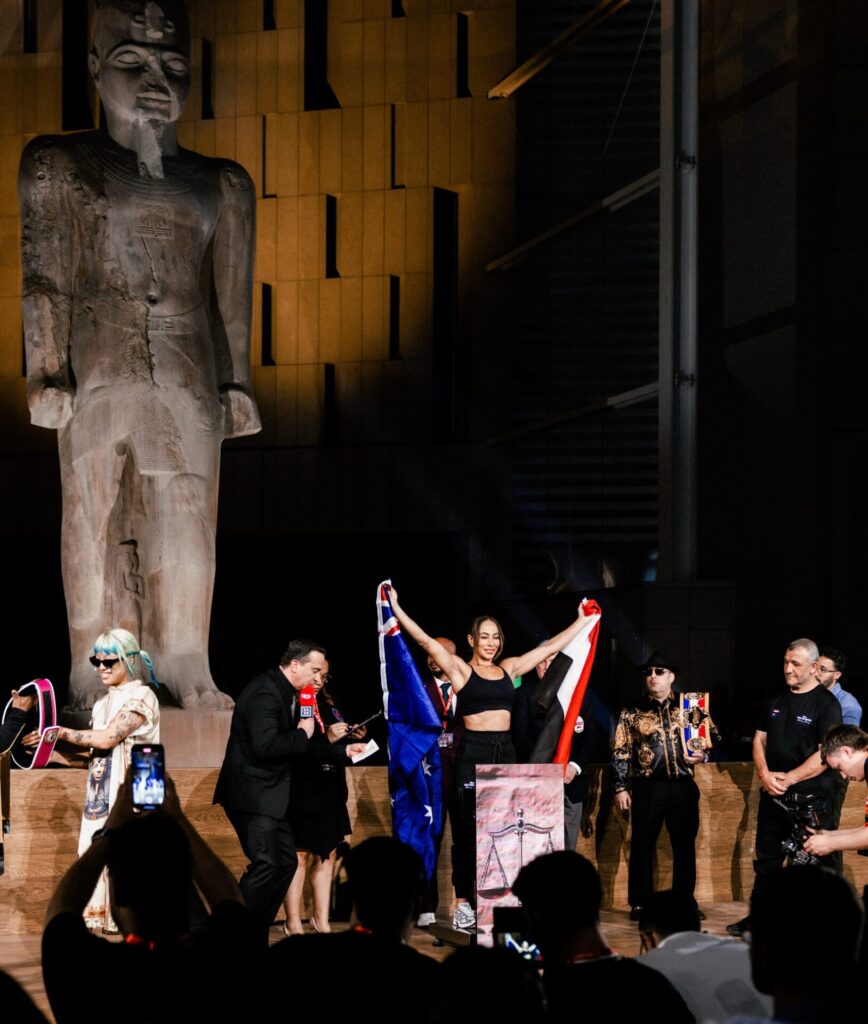
5. The “Glory in Giza” event was historic—as you became the first Australian woman to compete for a world title at the Pyramids. Did you feel more like an athlete, a representative of your Egyptian heritage, or a young girl fulfilling a lifelong dream?
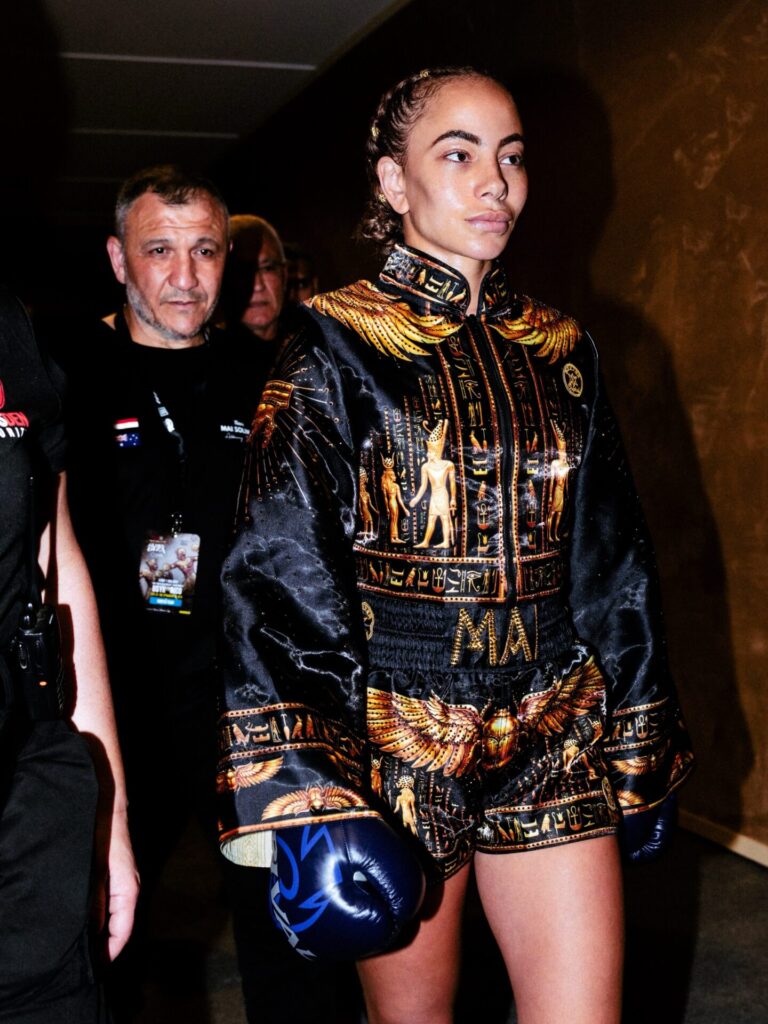
Honestly, I felt like all three. Walking out to compete in front of the Pyramids of Giza is something I’ll remember for the rest of my life. It’s one of the most iconic locations in the world, and to be fighting for a world title there made the moment even more special. As someone who was born in Cairo, it was incredibly emotional. It wasn’t just another fight, it felt like my journey had come full circle. Years of hard work, sacrifice and believing in a dream had led me back to where my story began. At the same time, I understood that I was representing much more than myself. I was representing Egypt, Australia, women in boxing and every young athlete who dreams of achieving something people tell them is impossible. That night reminded me that dreams aren’t built in one moment. They’re built through years of sacrifice, consistency and believing in yourself long before anyone else does.
6. Outside the ring, what passions, interests, or rituals help you disconnect from the intensity of professional sport? And how do you cultivate that mental resilience?
One of the biggest things that keeps me grounded is my faith. It gives me perspective and reminds me that there is always something bigger than sport. Boxing is a huge part of my life, but it doesn’t define my entire identity. I also enjoy spending quality time with family and friends, travelling between Egypt and Australia and coaching others. Helping people improve, whether inside or outside the gym, is something I genuinely enjoy because it allows me to give back through the experiences I’ve had. Mental resilience isn’t something that suddenly appears on fight night. It’s built through the habits you develop every single day. Every early morning session, every difficult training camp, every setback and every challenge contributes to becoming mentally stronger. I’ve learned that confidence doesn’t come from talking about success, it comes from doing the work. When you know you’ve prepared properly, you walk into any challenge with a quiet confidence that can’t be taken away.
7. Social media often captures the victories—the belts, the photoshoots, and the big fight nights—but rarely the sacrifices behind them. In an era where athletes are increasingly expected to cultivate a public persona, how do you stay true to yourself, and what do you wish more people understood about the realities of being a female professional boxer?
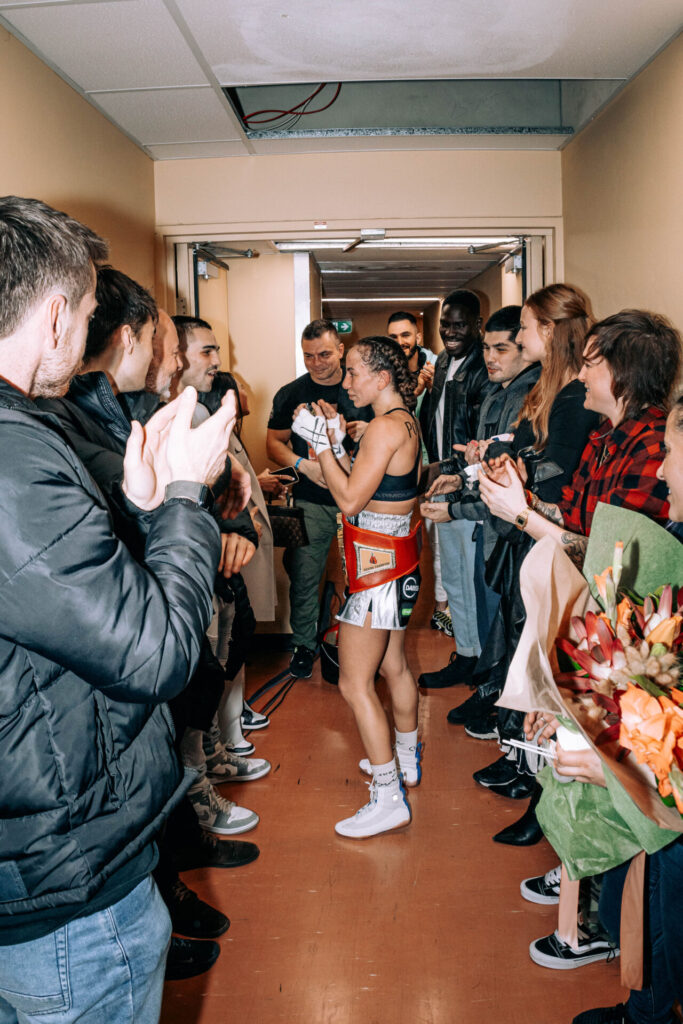
Social media is an incredible platform, but it only tells a small part of the story. People usually see the belts, the photoshoots, the interviews and the big fight nights. What they don’t see are the months of preparation that happen behind closed doors. They don’t see the injuries, the weight cuts, the missed birthdays, the long training camps, the constant travel or the sacrifices that your family and support team make alongside you. I’ve always tried to stay authentic because I never wanted people to believe success happens overnight. It doesn’t. Every achievement is built on countless ordinary days where you continue showing up, even when nobody is watching. Being a female professional boxer also means constantly balancing performance with expectations outside the ring. I’ve learned that the most important thing is staying true to yourself. Trends come and go, but authenticity always lasts. At the end of the day, I hope people remember me not only for the titles I win but for the way I carried myself throughout the journey.
8. What advice would you give to young girls in Egypt and beyond who admire your journey but hesitate to pursue careers in sports because of societal expectations?
My biggest piece of advice would be to never let someone else’s opinion determine what’s possible for your life. Every dream that has ever changed the world started with someone being told it couldn’t be done. If I had listened to those voices, I wouldn’t have had the opportunity to fight for world titles or compete on one of the biggest stages in boxing. There will always be challenges, and there will always be people who doubt you. But don’t allow that to become your reality. Surround yourself with people who believe in your vision, work harder than anyone expects and trust the process. Success rarely happens quickly. It takes patience, sacrifice and consistency. But if you’re willing to keep showing up every day, incredible things can happen. I hope young girls know that they don’t have to fit into someone else’s expectations. They can create their own path, and that’s something worth believing in.
9. Looking ahead, what are the goals or milestones you are most eager to pursue in the next few years?
My biggest goal is simply to become a world champion. Everything I do, both inside and outside the ring, is working towards that moment. Every training session, recovery session, every decision I make is focused on giving myself the best opportunity to achieve that dream. Beyond winning a world title, I also want to continue creating opportunities for women in boxing and helping grow the sport across Australia, Egypt and the Middle East. I believe we’re entering an exciting era for women’s boxing, and I’d love to continue contributing to that progress both during and after my career. More importantly, I want my legacy to be about more than championship belts. If my story encourages one young girl to believe in herself, chase her dreams and realise that anything is possible regardless of where she comes from, then I’ll consider that one of my greatest achievements. At the end of the day, boxing has given me so much more than titles it has shaped my character, taught me resilience and shown me what’s possible when you commit wholeheartedly to a dream. I hope that journey is only just beginning.
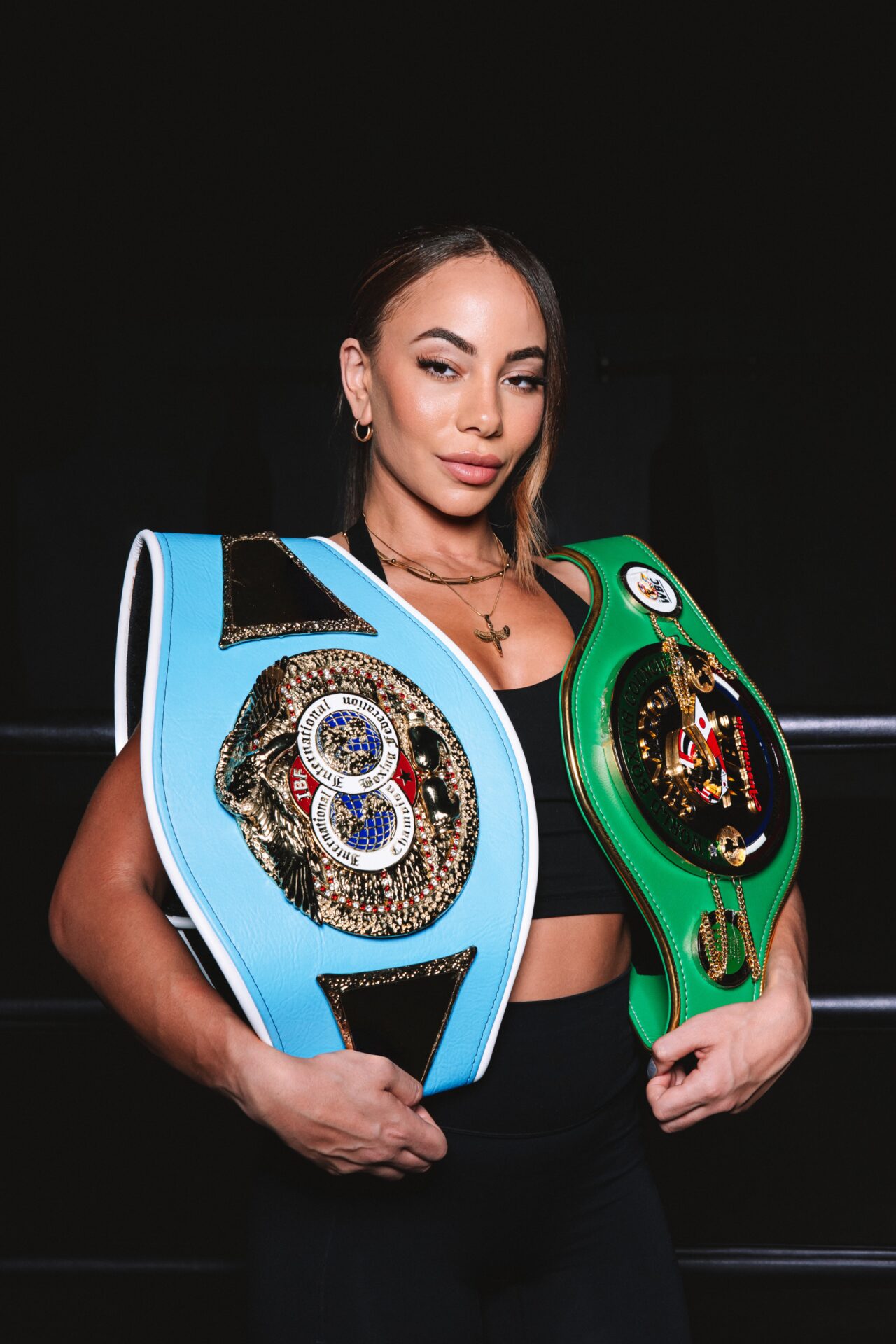
Featured in the lead image is Mai Soliman, IBF International Super-Flyweight Champion & WBC Australasia Super-Flyweight Champion. All images courtesy of Jeremy Osman.