 Flair Magazine
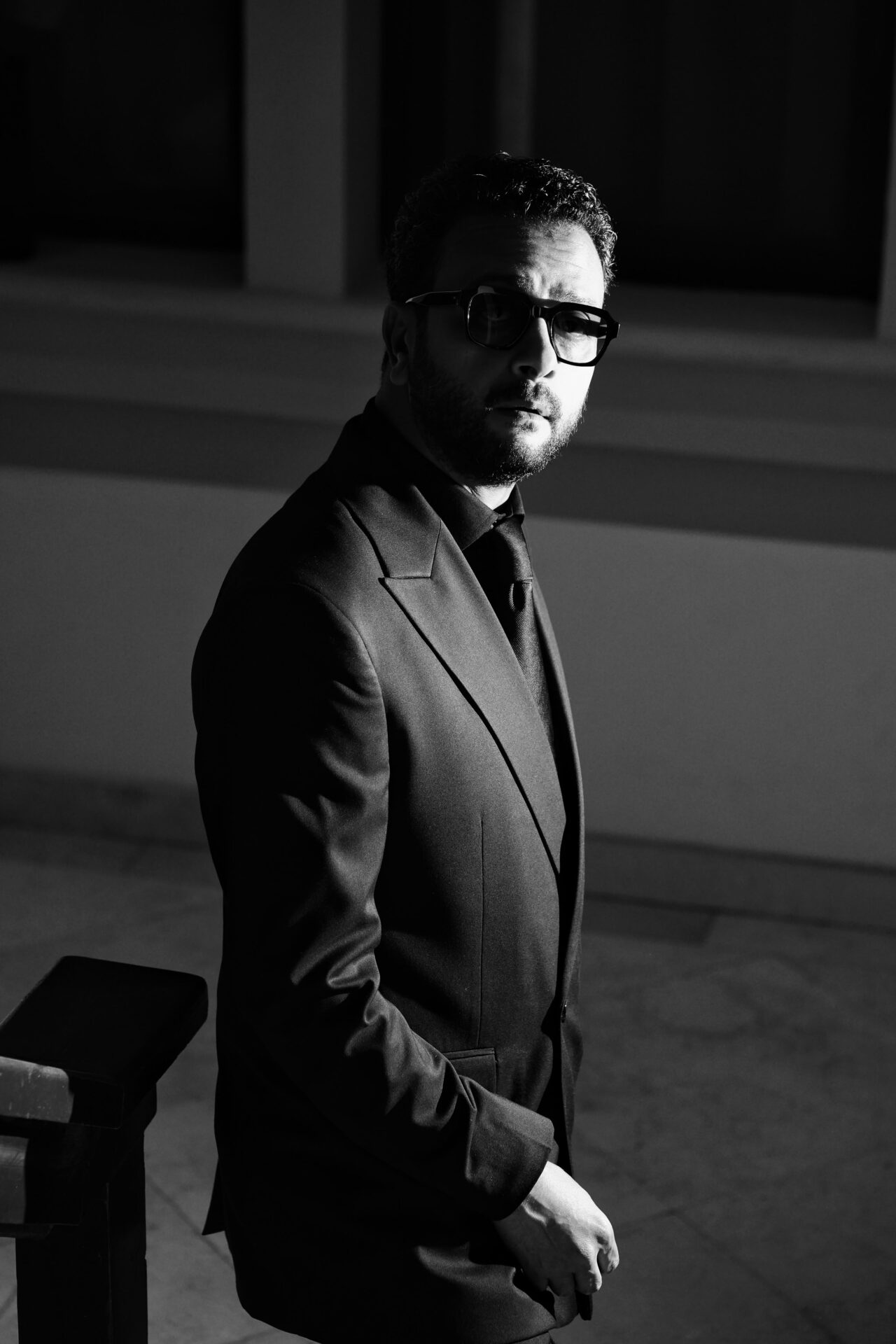
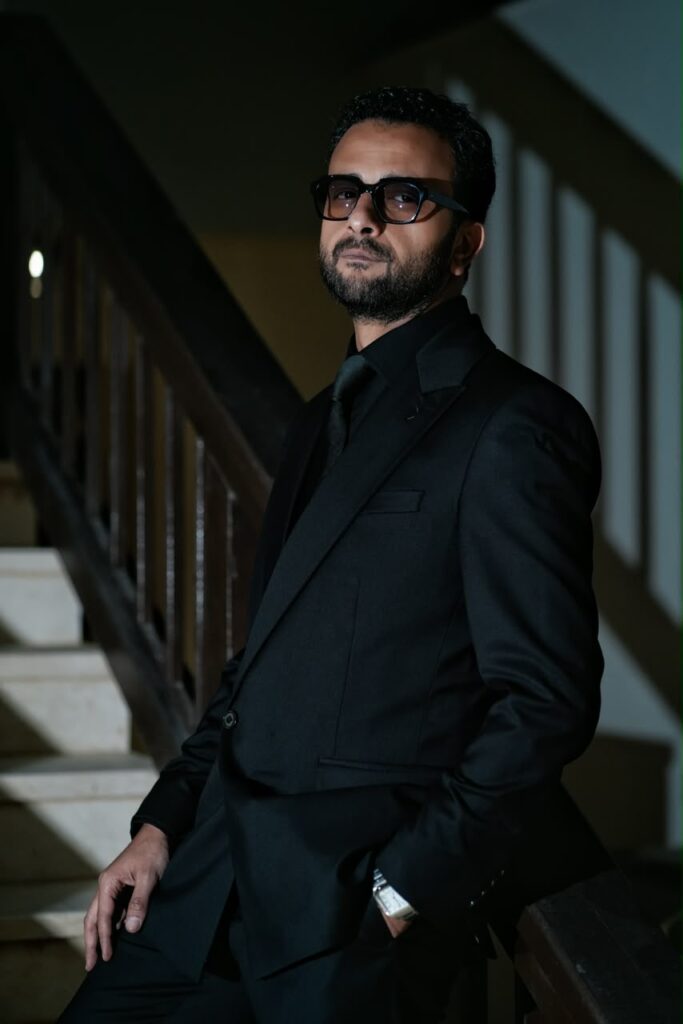
With a career spanning more than 15 years, Egyptian actor Tamer Nabil has carved a distinctive path across cinema, television, and radio, captivating audiences with his ability to fully inhabit the characters he portrays. From his debut in El Wa’ad to notable films such as Al Aslyeen and Torab Almas, and acclaimed television series including El Gama’ah, Khali Balak Men Zizi and Rasheed, to his most recent role in Hekayet Narges, his performances consistently showcase his remarkable depth and versatility as an actor.
His portrayals of Eliezer in Kira & El Gin and renowned composer Mohamed El Qasabgi in El Sett have left a lasting impression, each revealing another dimension of his craft. Now, with his upcoming international project Al Amir, alongside Ahmed Ezz, and Pedro Alonso, Nabil embarks on a new chapter in an ever-evolving career, continuing to affirm the versatility, and artistic sensibility that define his work.
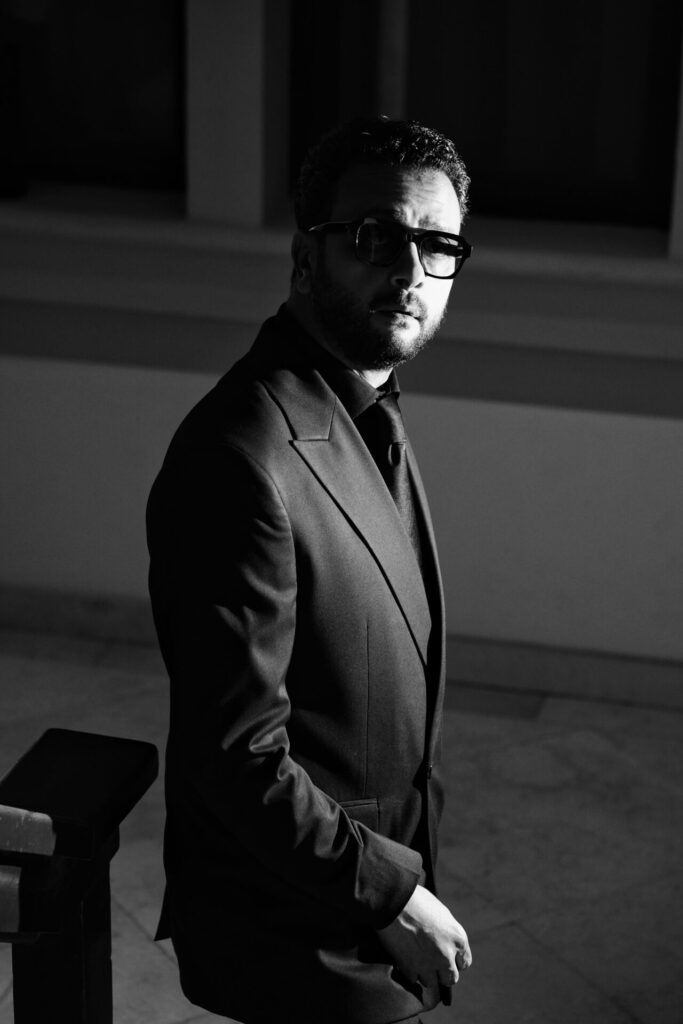
Styled by @nada_hussam
Dressed in @davanti_tailor
Footwear @alzati.eg
photographed by
@camimo_0
@whynot_eg
management @mad_solutions
1. With a journey began on the university theatre stage before evolving into a career in cinema and television. Looking back, was there a particular experience that shaped your understanding of acting and made you realise this was the path you wanted to pursue?
It was never a single experience or defining moment. My passion for acting grew out of my love for storytelling in all its forms and my fascination with cinema. I have always found myself immersed in the worlds of stories, imagining I was part of them. I was always drawn to the idea of inhabiting a story rather than simply watching it unfold.
2. Throughout your career, you have portrayed a wide spectrum of complex characters. What is it about a script that captures your attention and ultimately convinces you to explore an unfamiliar side of yourself as an actor?
The essential element for me is difference. And by that, I do not mean simply what distinguishes my character within a particular work, but rather the distinctiveness of the story’s entire world, its narrative style, the themes it explores, and the dynamics of the other characters. Above all, it is the connection I feel with the character that draws me in.
That feeling resembles the legend of El Nadaha, as though you hear a distant voice while wandering, compelled to search for its source. This sense of disorientation awakens my curiosity, intellect, and emotions. It is at that moment that I know I must follow my curiosity until I find that voice and bring the character to life.
3. You have collaborated with acclaimed directors such as Marwan Hamed and Karim El Shenawy, each bringing a distinct vision. How do they guide you in bringing their directorial vision to life while allowing you the creative freedom to develop your own interpretation of a character?
I have been fortunate to work with directors who have placed deep trust in me. In my view, trust is one of the most fundamental elements of the director-actor relationship, as it brings different perspectives closer together and fosters a deeper level of understanding. This mutual trust has allowed us to achieve a natural sense of harmony in translating their vision into performance, while also giving me the freedom to explore my own imagination and emotional interpretation of the characters. Equally important has been their openness and willingness to embrace the ideas, instincts, and feelings I bring to each role.
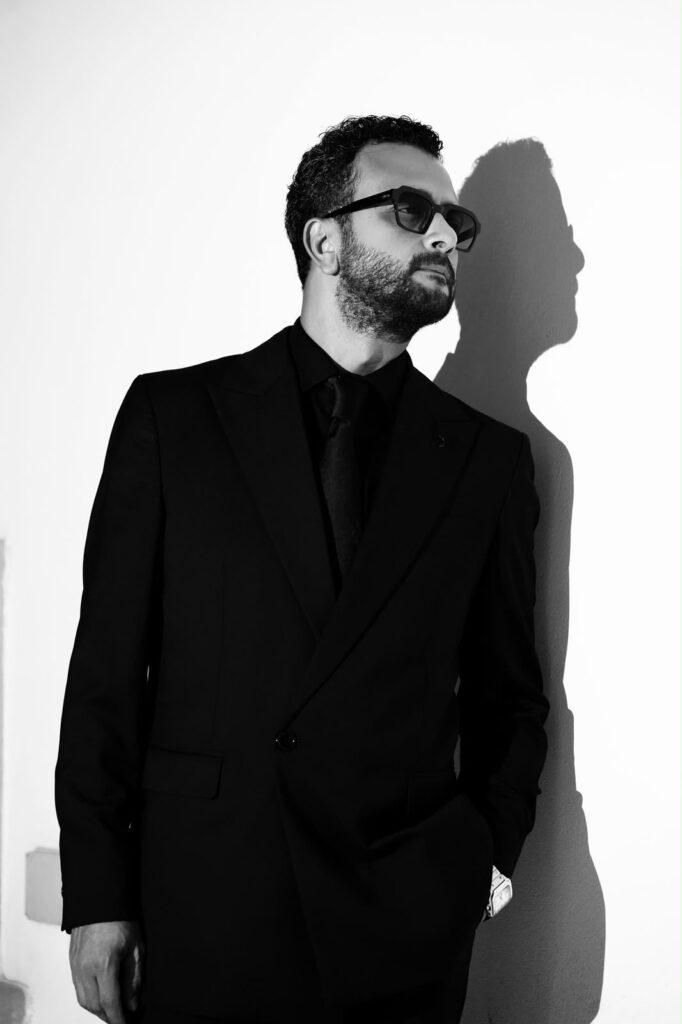
4. Your role in Kira & El Gin left a lasting impression, particularly through your emotionally charged scenes with Hend Sabry. How did you approach building a character whose identity and inner world were deeply shaped by a defining historical period?
Building a character like Eliezer did not rely on any single method of preparation. I immersed myself in studying the historical period, including the wars that took place and their impact on people who were forced to fight against their will, like Eliezer, as well as the psychological trauma they endured. I watched numerous documentaries on both World Wars and on the psychological effects of war on those who survived it.
What I remember most vividly, however, is that as part of my research, I decided to travel to Eliezer’s hometown, as mentioned in the novel. I spent several days there without really knowing what I was hoping to find. Yet, the experience stirred something within me and made me feel as though I had stepped into Eliezer’s world, as if I were living in that very era. It was an experience I had never encountered while preparing for any previous role, and it made me realize that, even when the time period is different from our own, connecting with the place itself can be essential to building a character.
5. Bringing Umm Kulthum’s world to life in El Sett while portraying the renowned composer and musician Mohamed El Qasabgi must have been a remarkable journey. How did you prepare to embody such a significant figure, and what was the most challenging aspect of bringing his story to life?
I revisited the available sources on our great composer, which, as it turned out, were rather limited, and relied heavily on recordings of Umm Kulthum’s concerts. Of course, I also drew on the creative direction and ideas I had discussed and agreed upon with the visionary Director Marwan Hamed.
The most challenging part turned out to be the most rewarding: learning to play the oud.
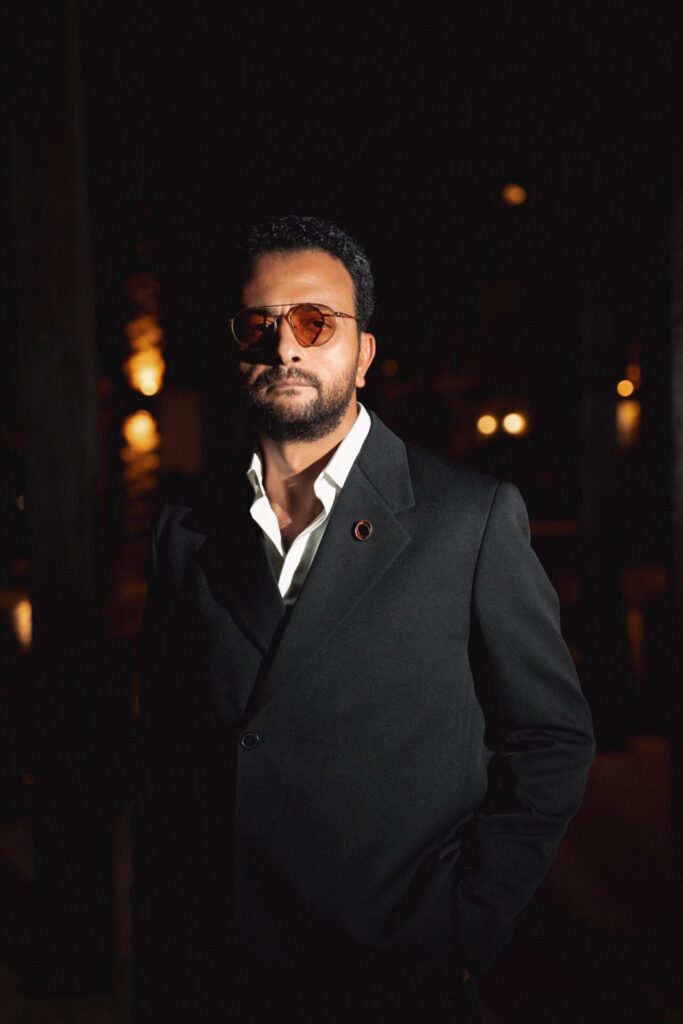
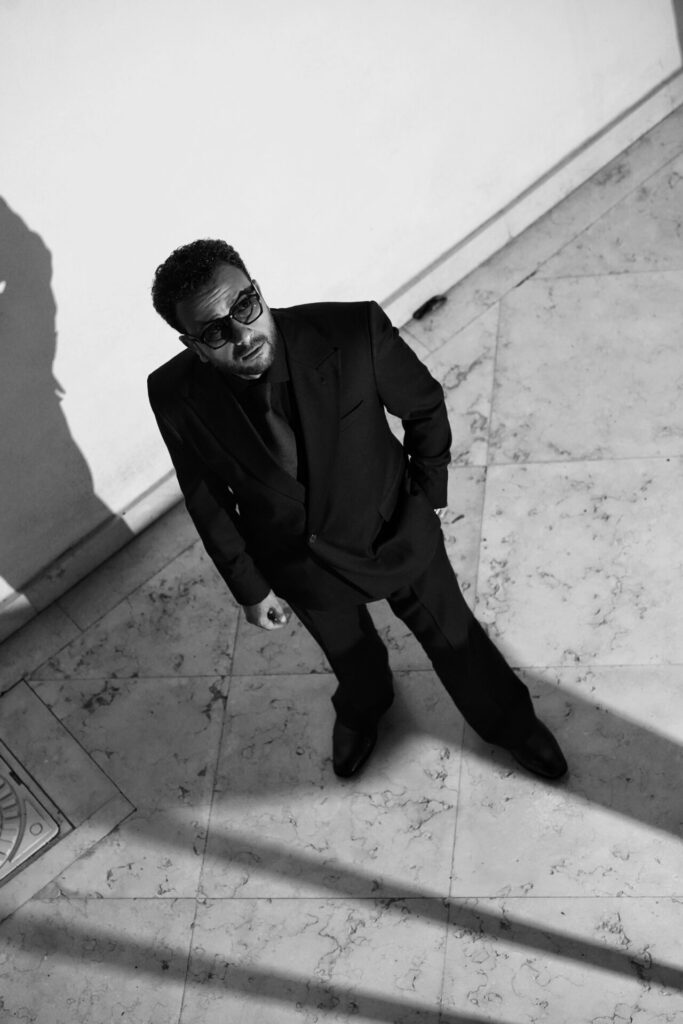
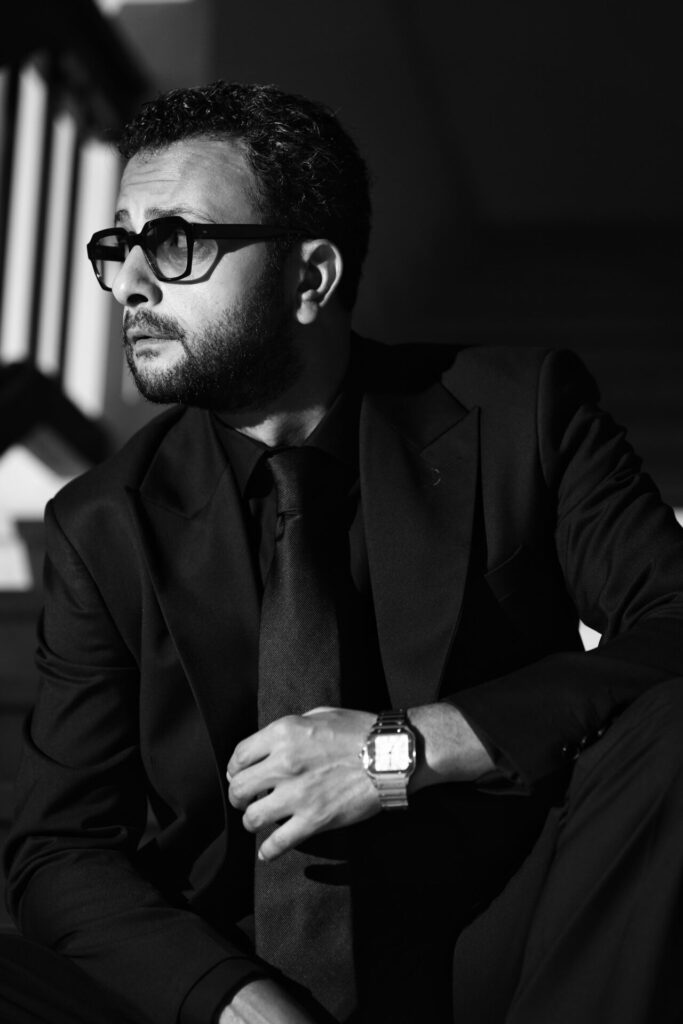
Styled by @nada_hussam
Dressed in @davanti_tailor
Footwear @alzati.eg
photographed by
@camimo_0
@whynot_eg
management @mad_solutions
6. You have been part of productions that address sensitive social issues and challenge public perceptions, such as Hekayet Narges. What responsibility do you believe actors carry in bringing such narratives to life?
I believe an actor’s responsibility lies in remaining constantly aware of what is happening within their society and in the world around them. This awareness should not be limited to moments when they are involved in a project that addresses social issues; rather, it should be an ongoing and tangible commitment, whenever possible. In essence, an actor should always remain connected to and engaged with the world around them.
7. Your upcoming project Al Amir brings together an international cast, including Ahmed Ezz, Tuba Büyüküstünand Pedro Alonso, under the direction of Stephen Hopkins. What can you share about your role, and how would you describe the experience of working on an international production?
I cannot reveal details about the role just yet without giving away key plot points. My experience working with Stephen Hopkins was truly remarkable. For me, it was a new experience, as it is with every first-time collaboration with a great director. On the production level, however, the project was enormous, bringing together a cast and crew from numerous nationalities. This reaffirmed my belief that art, my greatest passion, is a universal language that unites people across cultures. I witnessed this firsthand in the understanding and harmony that prevailed on set.
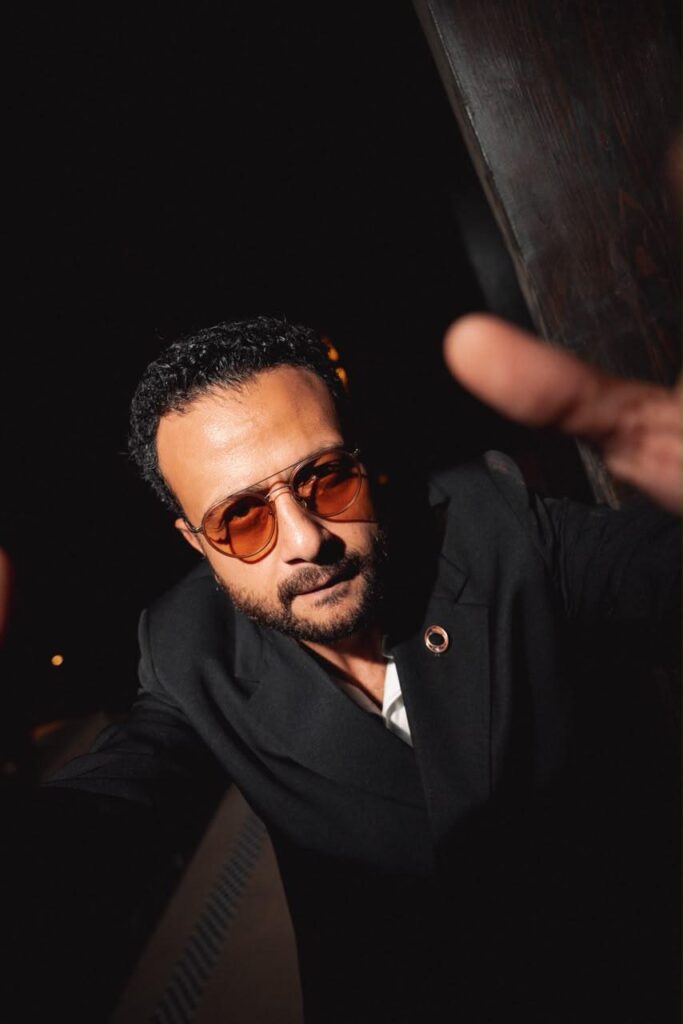
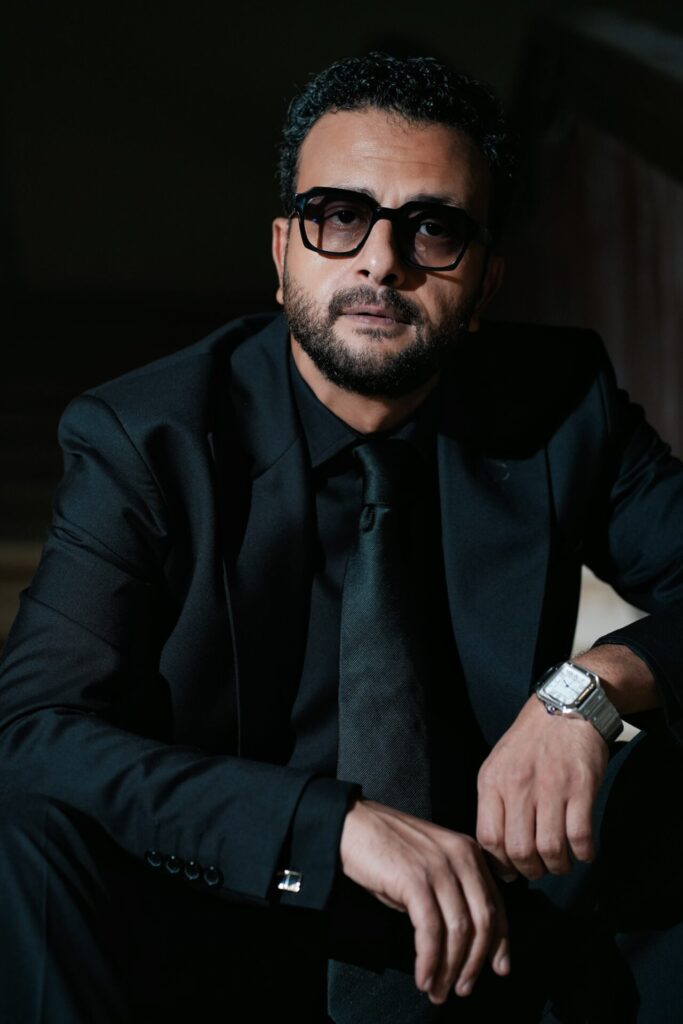
8. What kind of character or cinematic world remains unexplored territory for you as an actor? Is there a particular director or role you aspire to take on at this stage of your career?
I remain open to all genres, including those I have explored before. At this stage in my career, however, I am particularly drawn to characters that explore the human experience and identity, whether within a romantic or historical context. If I were to name a specific character I have always dreamed of portraying, it would be Shams Tabrizi.
As for directors, there are many I would love to work with, but those who stand out to me at this point are Nadine Labaki and Abu Bakr Shawky. I also deeply miss working with the great director Mohamed Yassin.
9. As we celebrate Egyptian Valentine’s Day this month, which Egyptian cinematic love story has captured your heart the most?
Without sounding unusual, I have always been particularly fond of the relationship between Ahmed Zaki’s and Soad Hosny’s characters in Mawed Ala El Ashaa.
10. Quickfire – This or That?
Movie night at home or a cinema date? A movie date at the cinema.
Action thriller or romantic comedy? Action thriller
A tightly written script or room for improvisation? A tightly written script that leaves room for emotional improvisation.
Classic black-and-white films or contemporary cinema?Both
A summer day at the beach or a rainy winter night? A rainy winter night
One Last Question: Which song have you had on repeat lately? BakalemNafsy By Bahaa Sultan
By: Ganna Ayman