 Nahla Zayed
The Human Touch in the Age of AI: Why Brands Are Bringing Creativity Back
From Christian Dior’s hand-crafted animated fantasy to Levi’s playful Claymation world, discover how brands are using human creativity, craftsmanship and storytelling to make campaigns more memorable.
Human creativity in the age of AI is becoming increasingly valuable. In a world where almost anything can be generated, the things that feel human stand out.
Personality, imagination and the creative thinking behind a campaign are becoming just as important as the final image. Because great work isn’t simply about what you make. It’s about how you make people feel.
As artificial intelligence continues to reshape the creative industry, some of the most interesting campaigns are taking a different route. Rather than relying solely on digital tools and endless possibilities, brands are putting the spotlight back on craftsmanship, artistic expression and the people behind the process.
Christian Dior: The Art of Human Creativity in the Age of AI

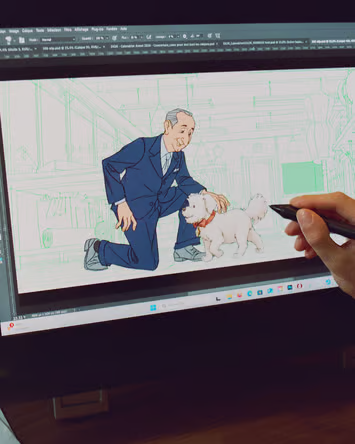
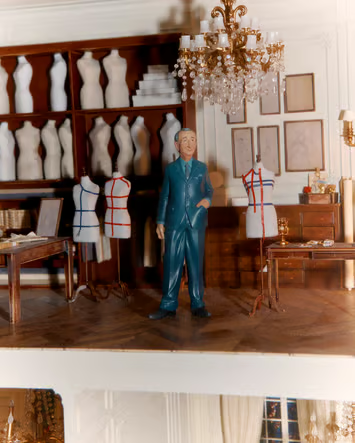
Christian Dior’s Night in Color is a particularly beautiful example. Created by French filmmaker Sylvain Chomet, the animated short takes viewers to 30 Avenue Montaigne on a snowy winter’s night in 1949. A late-night call from Marlene Dietrich sets an imaginative story in motion, bringing the House’s history to life through a cast of unexpected characters, including Rihanna as a lucky star and Josh O’Connor as the iconic Médaillon chair.

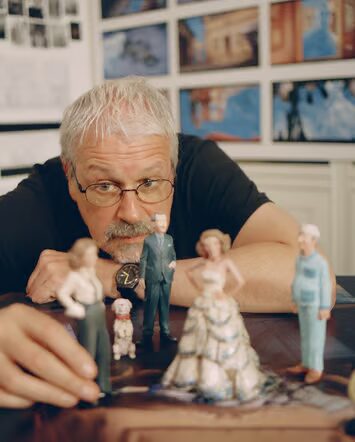
Narrated by Robert Pattinson, the film brings together familiar faces from the worlds of fashion and cinema. But what makes it particularly special is the animation itself. Created through a meticulous hand-drawn and cut-out process, the film took months of work to bring together. There’s a certain charm in its movement and details, giving the story a warmth that feels closer to an animated film than a conventional fashion advertisement.
Levi’s: Four Hours for Every Second of Animation
Levi’s takes a more playful approach with Let’s Get Fuzzy, its Holiday 2026 campaign. At the centre is Gus, a larger-than-life fuzzy creature whose journey from outsider to welcomed guest carries a simple message about belonging.

The character, sets and outfits were crafted by hand, with the campaign brought to life through stop-motion Claymation. The amount of work behind it is impressive: every second of animation required approximately four hours of filming.
The campaign also looks back to Levi’s 1995 Clayman advertisement, revisiting a technique that has long been part of the brand’s creative history. Beyond the film, the campaign puts the brand’s knitwear collection in focus, using humour, texture and character to give its holiday message a personality of its own.
Porsche: A Love Letter to the Creative Process
Porsche’s The Coded Love Letter, released in 2025, offers another example of how traditional creative techniques can give a brand story a distinctive feel. Created with Paris-based Parallel Studio, the film combines hand-drawn illustration and 3D animation, following a classic 1963 Porsche through the changing seasons.

Eight hidden references to the brand’s history and design invite viewers to look a little closer. The campaign also gives audiences a glimpse into the process, from early sketches and storyboards to the finished film, making the craftsmanship part of the story itself.
The Ritz London: Sometimes, It’s About a Feeling

The Ritz London approaches the idea from a different perspective. Its illustrated animation celebrating a rainy London afternoon is less concerned with showcasing the hotel’s rooms or amenities and more interested in capturing a feeling.
Watching the city from behind a window, taking in the rain and enjoying the comfort of being somewhere familiar. It’s a reminder that a brand doesn’t always need to show what it offers; sometimes, it only needs to make people imagine how it feels to be there.
Why Human Creativity Still Matters in the Age of AI
What connects these campaigns isn’t simply the use of traditional animation or illustration. It’s the personality behind them. Each has a distinct visual language, a creative idea that feels considered and details that invite the audience to spend a little more time with the story.
For luxury brands, this connection to craftsmanship feels particularly relevant. The industry has always placed value on the time, skill and attention that go into making something. From the construction of a couture piece to the finishing of a leather accessory, the process is part of the appeal. Bringing that same thinking into brand storytelling feels like a natural extension of what luxury has always represented.
There’s also a business consideration. As AI-generated content becomes more accessible, visual distinction can become harder to achieve. A campaign built around a recognisable creative process, the work of established artists and the time invested in bringing an idea to life can offer something more difficult to replicate: a story with a clear human point of view.
These campaigns don’t suggest that brands need to turn away from technology. Rather, they show that human creativity in the age of AI still has a distinctive role to play. Technology can open up possibilities, but imagination, emotion and the decisions behind a creative idea are what give it character.
Perhaps that’s where the real value of the human touch lies. In the decisions an artist makes, the unexpected details, the humour, the emotion and the little imperfections that give a piece its personality.
Because the campaigns we remember aren’t always the ones with the biggest production budgets or the most advanced technology. They’re the ones that make us feel something.