 Sama Farrag
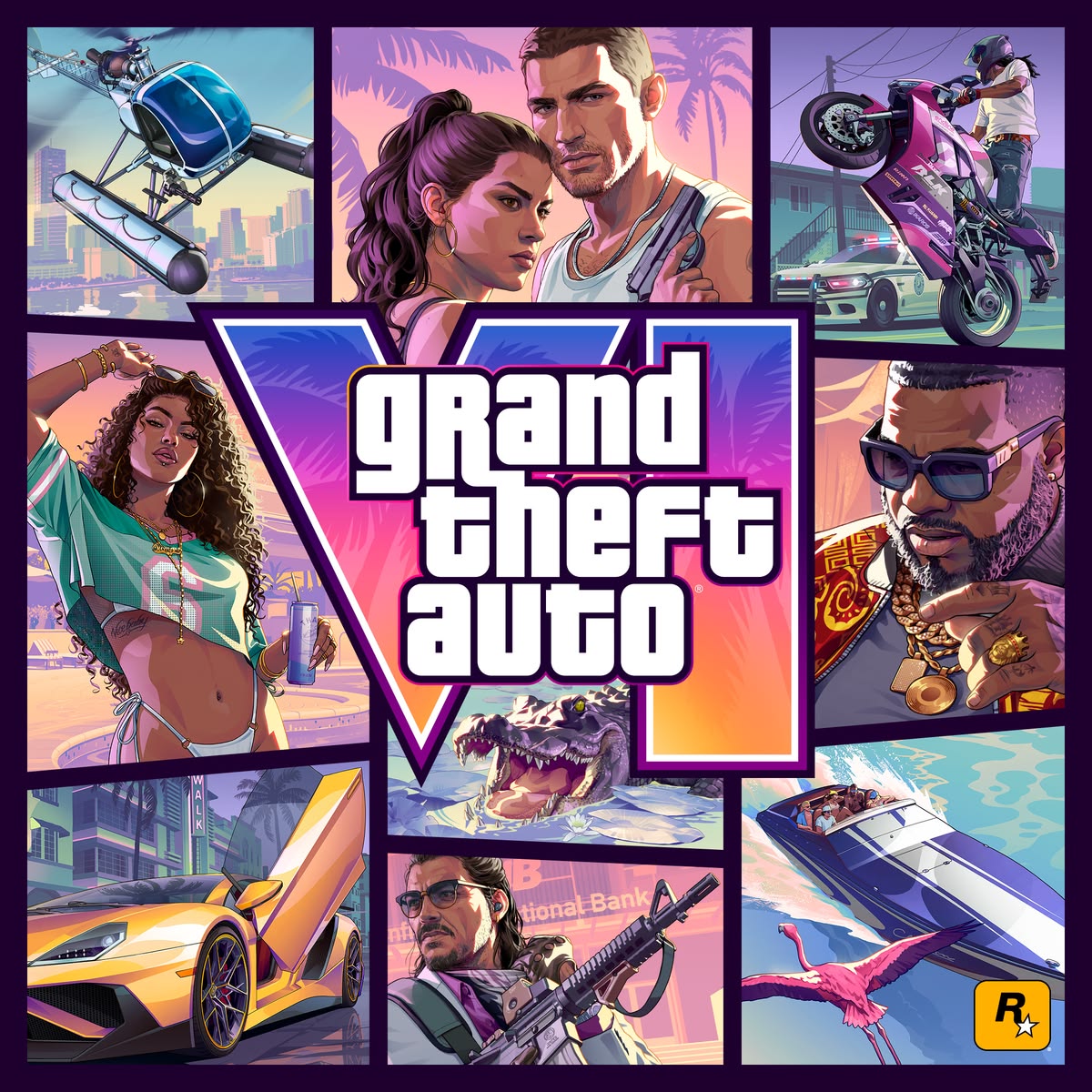
Thirteen years, two console generations and billions of online views later, GTA 6 is days away from its release. But the anticipation surrounding Rockstar’s latest instalment has become a phenomenon of its own, stretching well beyond gaming and into the worlds of entertainment, music, fashion and internet culture.
The world is in a state of mass hysteria. It happened when Beyoncé dropped a surprise album, when Taylor Swift announced she was re-recording her old albums, and when the final episode of Game Of Thrones broke the internet. Now, after more than a decade of waiting, Grand Theft Auto VI is preparing for the spotlight. Set to arrive on November 19, 2026, Grand Theft Auto VI has spent years occupying a position in pop culture: a game that people have been talking about, dissecting, making memes about and building theories around long before anyone has actually had the chance to play it.
And the numbers are difficult to ignore. According to YouTube’s 2026 Culture & Trends report, GTA 6-related pre-release videos have already accumulated more than 40 billion views globally. Not just trailer views, it includes the enormous ecosystem of content that has grown around the game, from fan theories and reaction videos to gameplay speculation and creator commentary.
For a franchise that hasn’t released a mainline instalment in thirteen years, remaining this visible is quite the achievement. But to understand why GTA 6 is such a big deal, it helps to look at what happened in the years between releases.
GTA 6: Thirteen Years in the Making
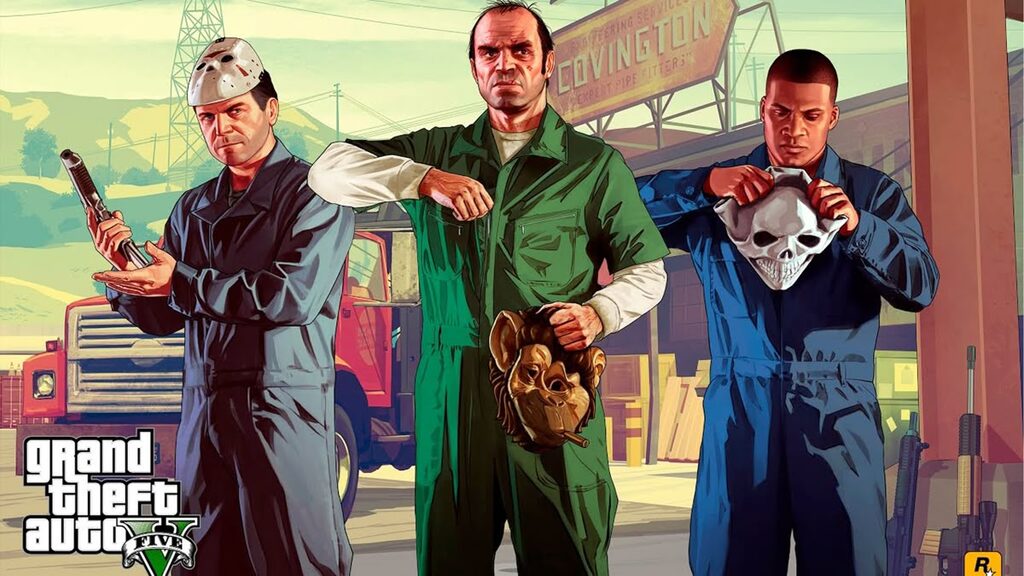
When Grand Theft Auto V arrived in September 2013, the entertainment landscape looked totally different. Instagram still had an activities tab, Vine was paving the way for TikTok, and the idea of building an entire career around streaming video games was a lot less mainstream than it is today. GTA V, however, managed to survive every shift in internet and pop culture that followed.
The game has sold more than 230 million copies worldwide, according to its parent company Take-Two Interactive’s latest regulatory filing. It has also remained one of YouTube’s ten most-viewed games every year since its release. That’s thirteen consecutive years of relevance, an impressive feat for any entertainment property, let alone a video game that has been available across three console generations.
Part of that longevity comes down to the way Rockstar built the world beyond its original storyline. GTA Online, the game’s multiplayer component, transformed Los Santos into a continuously evolving environment where players could race, run businesses, buy properties, customize cars and create their own criminal empires. Regular updates gave players reasons to return, while the introduction of new activities and experiences helped keep the game alive long after its initial release.
Then came GTA roleplay, which took the franchise’s digital universe somewhere entirely different. Through modified multiplayer servers, players began creating their own characters, occupations, relationships and storylines, effectively turning the game into an enormous improvisational TV show. Streamers built audiences around their fictional lives, while viewers followed ongoing storylines involving everything from police departments and hospitals to elaborate criminal organisations.
YouTube’s report estimates that GTA roleplay content alone generated more than eight billion views between 2010 and 2025. The appeal extended beyond gameplay, turning the virtual world into a shared storytelling experience where players could build characters, develop relationships and create their own narratives. In many ways, GTA had become a platform for digital storytelling, with its players supplying an endless stream of new characters and plotlines. GTA 6 arrives after years of players building communities, creating content and finding new ways to engage with the Grand Theft Auto universe, giving it an audience whose connection to the franchise extends well beyond the games themselves.
When the Trailer Took Over the Internet
Rockstar Games has also managed to turn the process of revealing GTA VI into an event in and of itself. The first official trailer, released in December 2023, arrived after years of speculation and immediately sent the internet into a frenzy. It accumulated more than 93 million views on YouTube within its first 24 hours, setting a record for the platform’s biggest non-music video debut at the time.
The second trailer, released in May 2025, took things even further. Rockstar reported that it received 475 million views across platforms in its first 24 hours, making it one of the biggest trailer launches in entertainment history and surpassing the first-day numbers reported for major Hollywood releases, including Deadpool & Wolverine. What makes these numbers interesting is how little conventional advertising Rockstar has depended on to generate discourse. The studio has released information selectively, allowing each trailer, screenshot and announcement to become an opportunity for fans to gather online and analyse whatever has been revealed.
The second trailer, for example, was captured entirely using in-game footage on PlayStation 5. Rather than simply presenting a cinematic overview, it offered a closer look at the environments, characters and everyday details that make up Leonida. Fans immediately began examining individual frames, identifying locations, discussing character relationships and theorizing about features that might eventually appear in the finished game. The approach has created a rather interesting relationship between Rockstar and its audience. Every new reveal becomes an invitation to participate in the marketing campaign, with fans effectively doing the work of sparking conversations, edits and reaction content themselves.
Even the game’s extended look, which premiered on Netflix in August 2026, demonstrated just how far the anticipation had travelled beyond traditional gaming channels. The roughly 30-minute presentation attracted substantial attention, with The Guardian reporting that more than 9,000 Twitch streamers covered it, prompting over five million hours of viewing on the platform alone. A video game preview becoming a major streaming and viewing event is one of the clearest indications that GTA VI is having a much wider cultural impact than earlier installments.
Vice City Has Always Been The Main Character
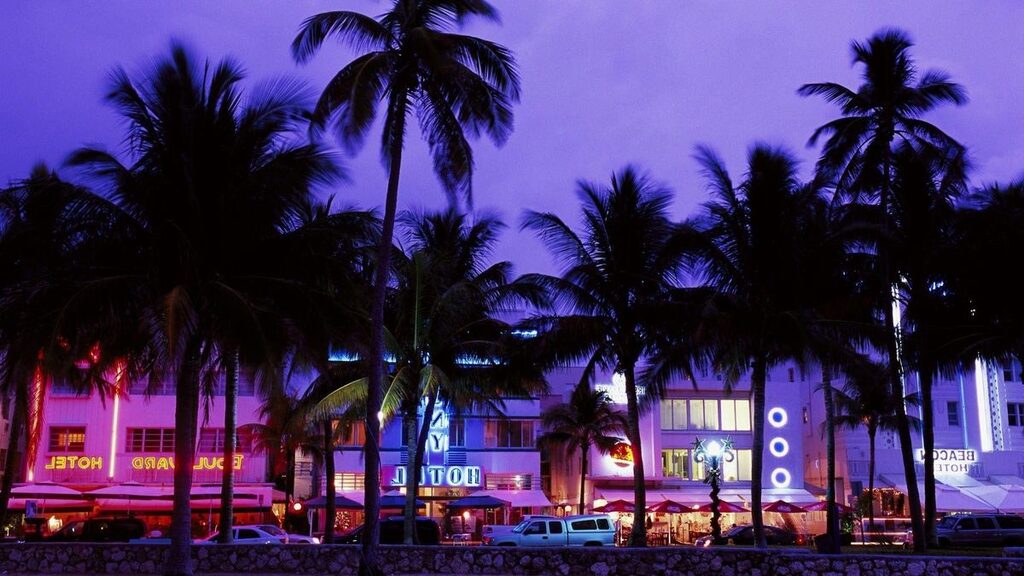
Of course, the anticipation isn’t entirely about the franchise’s history. A considerable part of GTA 6’s appeal lies in the world Rockstar is bringing back. The game returns to Vice City, the fictionalised version of Miami first introduced in Grand Theft Auto: Vice City in 2002. Its original incarnation was heavily influenced by the excess, music and visual language of 1980s Miami, complete with pastel suits, neon-lit streets and a soundtrack that became inseparable from the game’s identity, featuring everything from Michael Jackson’s “Billie Jean” and Laura Branigan’s “Self Control” to Toto’s “Africa” and Blondie’s “Atomic.” I think everyone first heard most of these songs while cruising down a highway in a stolen car and running pedestrians over.
The new instalment takes place in a modern-day setting, reimagining the city and its surrounding state of Leonida through a contemporary lens. The trailers have offered glimpses of crowded beaches, nightlife, neighbourhoods, luxury properties, highways and the spectacle of Florida’s stranger corners. The world feels deliberately recognisable, drawing inspiration from the kind of content that we already find on our feeds: viral clips, odd personalities, influencer culture and the sometimes bizarre spectacle of everyday life.
Rockstar has also introduced two protagonists, Jason Duval and Lucia Caminos, whose relationship sits at the centre of the story. Their ‘03-Bonnie-and-Clyde-esque dynamic gives the game a clear cinematic appeal, while the decision to feature Lucia as one of its lead characters marks an interesting development for the franchise. For the first time in the main series, players will follow a female protagonist as part of the central storyline, giving the franchise a lead character it has never had before. Lucia is the first fully developed, voiced female protagonist in a mainline GTA game, sharing the lead role with Jason. Earlier games included playable female avatars, but none had a central, written character with her own storyline.
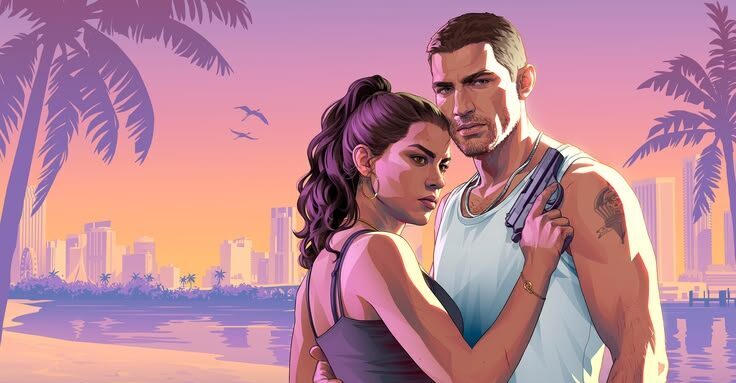
The game’s aesthetic is also part of the appeal. GTA has always had a distinguished visual identity, and Vice City offers a significantly rich backdrop for fashion, music and lifestyle references. The clothes, the cars, the interiors and the overall vibe have already given fans plenty to work with, from outfit inspos to moodboards and edits. You don’t build a world that artistic and expect it to stay strictly on the console.
When a Video Game Becomes a Cultural Economy
I think the most interesting development is what GTA 6 represents for the entertainment industry as a whole. GTA has always had a life outside the games themselves. People talk about it, make videos about it, turn its characters into memes (especially Trevor), and spend hours watching others play. That online following has kept the franchise in the conversation for years, and GTA 6 already has a massive audience waiting for it.
Consider the music. Rockstar’s in-game radio stations have historically introduced players to artists and songs across different genres and generations, often giving older tracks a new life. The first GTA 6 trailer featured Tom Petty’s “Love Is a Long Road”, creating fresh interest towards the song and its streaming numbers following the reveal. The soundtrack is therefore more than background music.
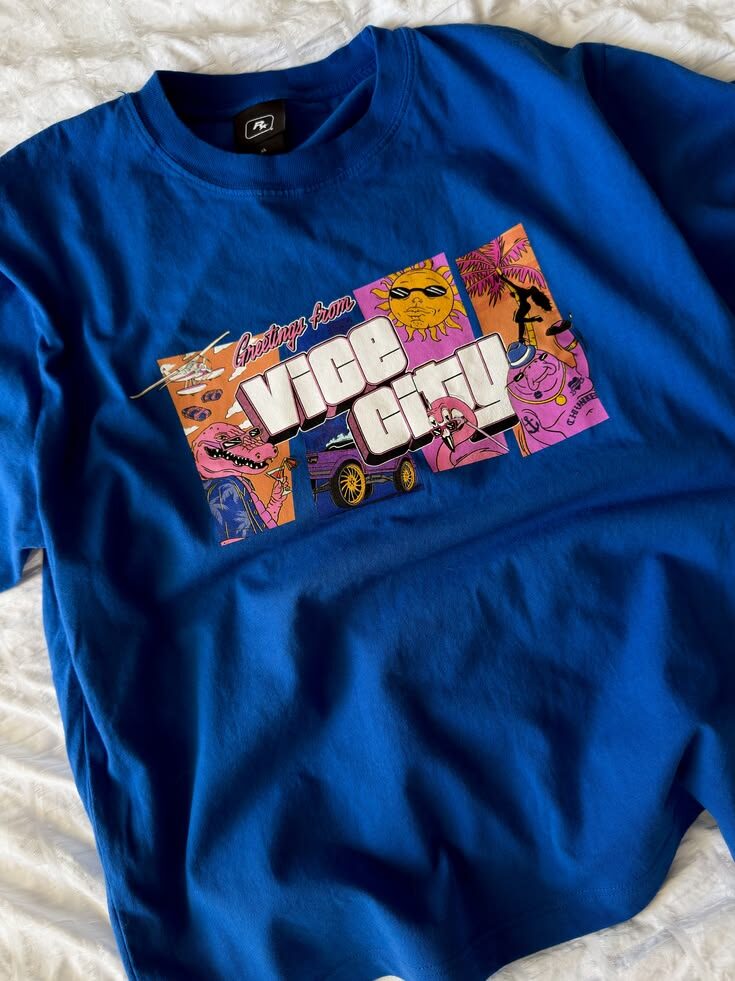
There is also a commercial opportunity extending into fashion, merchandise and brand partnerships. Rockstar has already developed official merchandise and a Vice City-inspired collection, while the game’s visual universe offers an obvious point of reference for brands interested in tapping into its audience. The challenge here is doing so without attempting to force a connection. GTA’s appeal has always depended partly on its irreverence, and audiences are unlikely to respond to collaborations that feel like straightforward attempts to capitalize on the hype.
For the wider entertainment industry, the release also raises an interesting question about attention. With millions of players expected to spend hours exploring Leonida, the game will inevitably compete with other forms of entertainment for people’s time. A PwC analysis published in November 2026 has already highlighted the potential impact on streaming, music discovery, social platforms and consumer spending, describing the release as a rare opportunity for a single entertainment property to command such a significant share of public attention.
And the commercial expectations are enormous. Take-Two’s latest filings describe the Grand Theft Auto franchise as having sold more than 475 million units worldwide, with GTA V alone accounting for over 230 million copies. GTA 6 is already generating extraordinary demand ahead of release, with Sensor Tower estimating 12.13 million digital pre-orders across PlayStation 5 and Xbox Series X|S, worth approximately $1.18 billion. While these figures are estimates rather than official sales numbers, they offer a sense of the scale of anticipation surrounding the game. GTA VI is inheriting the crown from one of the biggest commercial juggernauts pop culture has ever seen.
So, What Happens on November 19?
For all the speculation, trailer breakdowns and internet theories, the real test begins when players finally get their hands on the game. Thirteen years of hype is easy to stoke, but living up to it is a completely different beast. Rockstar has an enormous audience to satisfy, and the scale of the hype means that even the smallest details are more than likely to be scrutinised.
But regardless of what happens after launch, Before anyone has even played it, GTA 6 has already become a case study in modern pop culture – proving that something can stay relevant across a whole generation, letting audiences build an entire content ecosystem around it, and turning sheer excitement into a celebration.
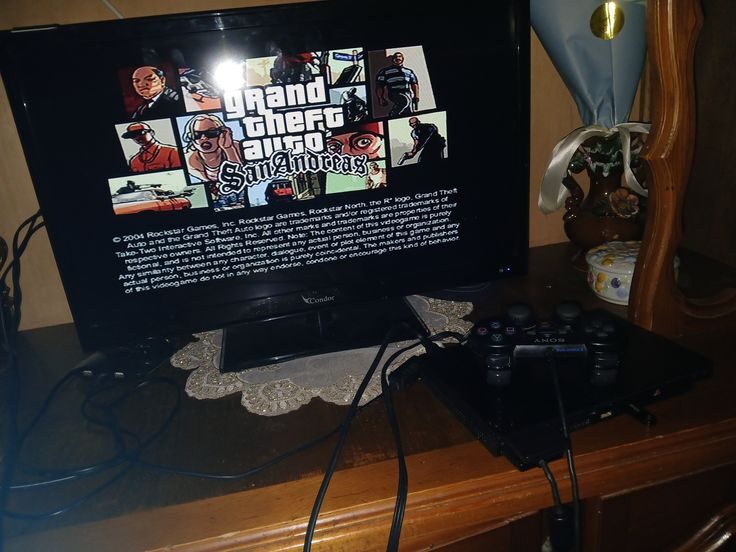
You never realise how much you love a place until you look back at the years you spent there. For a lot of us, GTA meant coming home from school, switching on the PlayStation, and losing hours upon hours to San Andreas. It meant trying to fly a plane for the first time and gloriously failing, cycling around Los Santos, getting hopelessly lost outside the city, or typing in the same cheat codes until you had them memorized. It meant arguing with your siblings over the controller, discovering songs on the radio you never would have heard otherwise, and finding different ways to entertain yourself after you’d finished the story because you just don’t want to leave.
We didn’t know it then, of course – we were just killing time until dinner. Looking back, those hours built warmth that never really leaves you. And I know it sounds silly, considering it’s just a video game, but after all these years, GTA VI is a long-overdue homecoming – a chance to return to Vice City, thirteen years older, none the wiser, and stepping right back into the world that raised us.
And so, come November 19th, the streets of Vice City are opening up again. Charge your controllers, stock up on snacks, and, boys, don’t forget to text your girlfriends.
Godspeed, my friends. I’ll see you on the other side.