 Nahla Zayed
At Narrative Summit 2026, speakers examine how authentic storytelling, distinctive national assets, and inclusive development can strengthen Egypt’s appeal to the world.
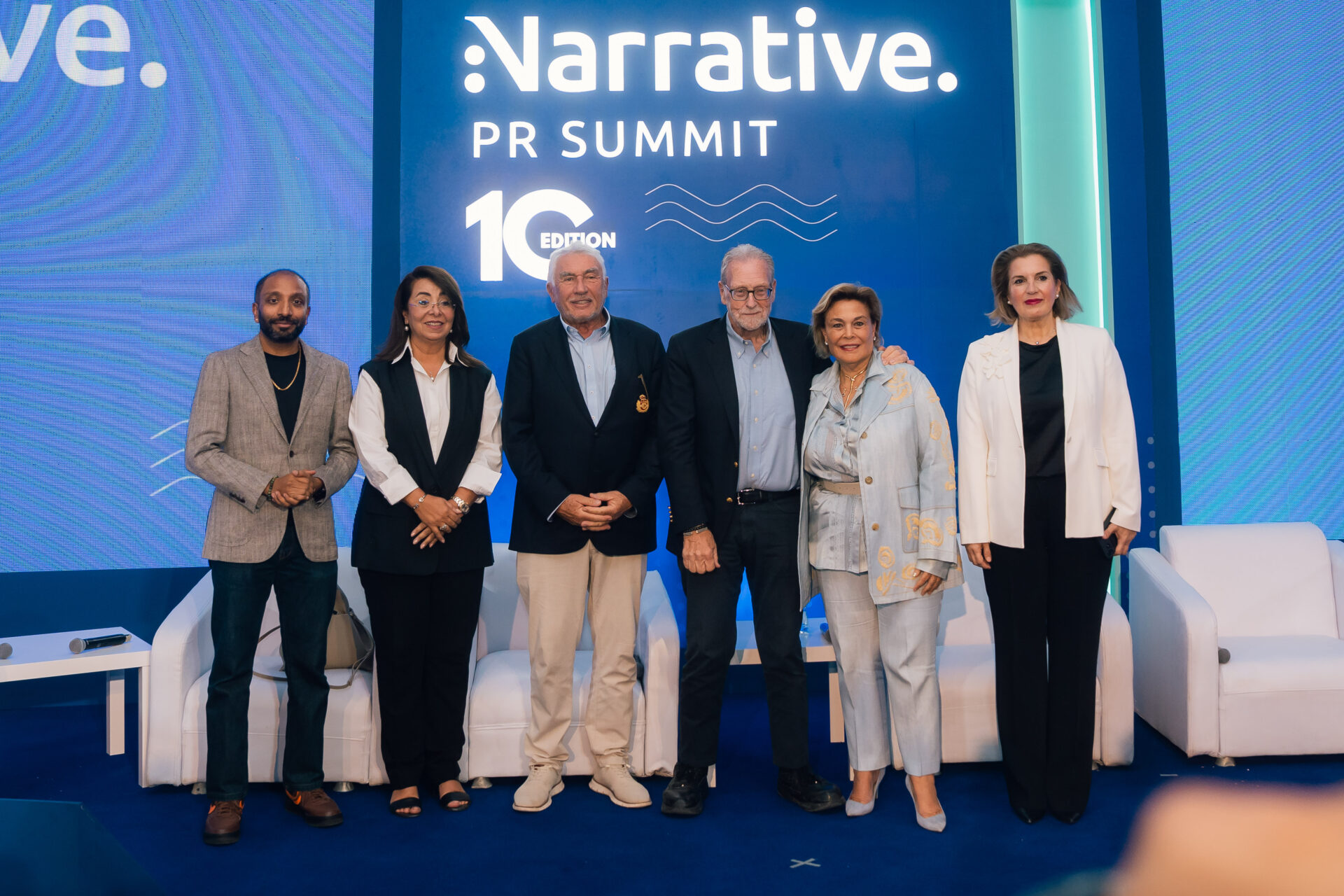
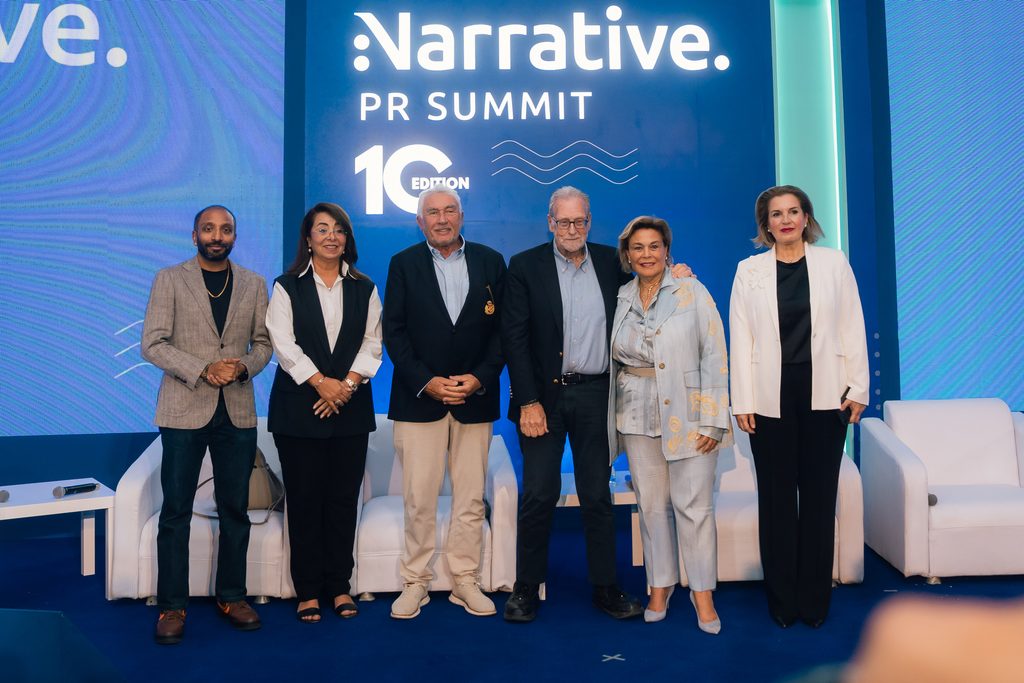
Somabay, Egypt – October 2026: A country’s global appeal depends on more than its history, landmarks, or international image; it also rests on the experiences it offers, the stories it tells, and how closely those stories reflect reality. This was a central theme of “Branding Nations: The Global Appeal,” a panel held during the 10th edition of Narrative Summit in Somabay from the 13–15 October. Bringing together international tourism, business, and cultural leaders, the session explored how Egypt can build on its distinctive identity, natural assets, and diverse communities to strengthen its position on the global stage.
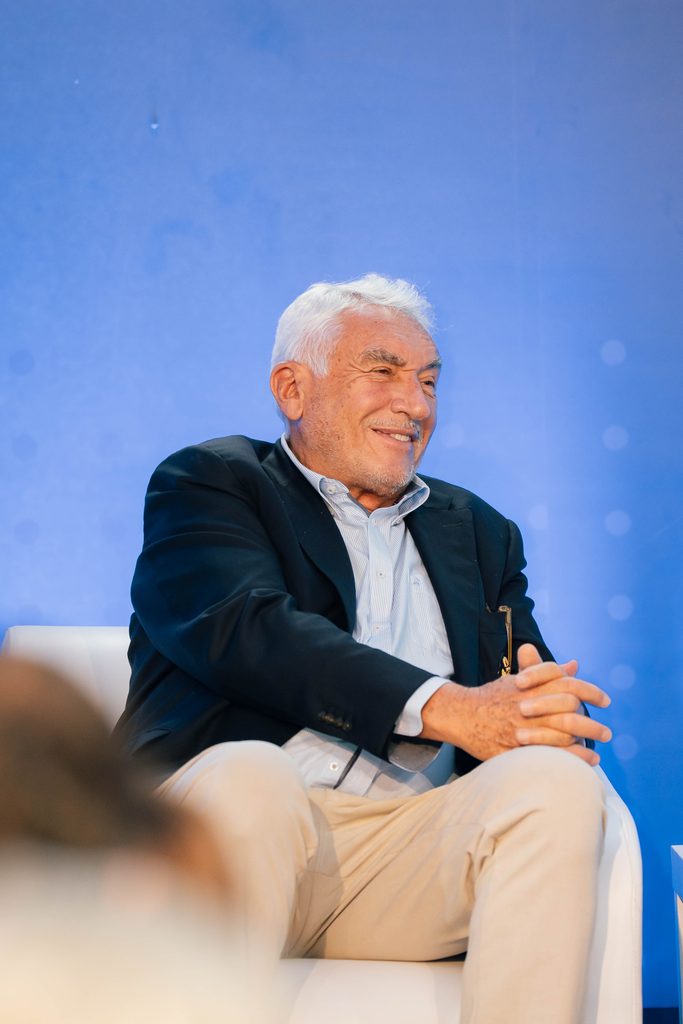
Turning to the importance of Egypt’s natural and cultural assets, Bernard d’Alessandri, Secretary General and Managing Director of the Yacht Club of Monaco, highlighted the Nile as an integral part of the country’s identity and its appeal to international audiences. His remarks underscored the importance of recognizing and communicating the assets that distinguish Egypt internationally, particularly when considering how the country can broaden its appeal and develop new opportunities.
Ghada Waly, former Under-Secretary-General of the United Nations, and former Minister of Social Solidarity of Egypt, brought these themes together by emphasizing the importance of authenticity and the responsibility Egyptians have in presenting their country to the world. Reflecting on the 10th anniversary of Narrative Summit, she noted that the event’s continued development through periods of global disruption and political instability demonstrates its resilience. Egypt, she argued, has a wealth of diversity and cultural depth to draw upon, but communicating these strengths requires a more considered approach. “Egypt is an idea, a set of values, and an experience,” Waly said, stressing that the country’s appeal depends not only on what it has to offer, but also on how those offerings are presented.
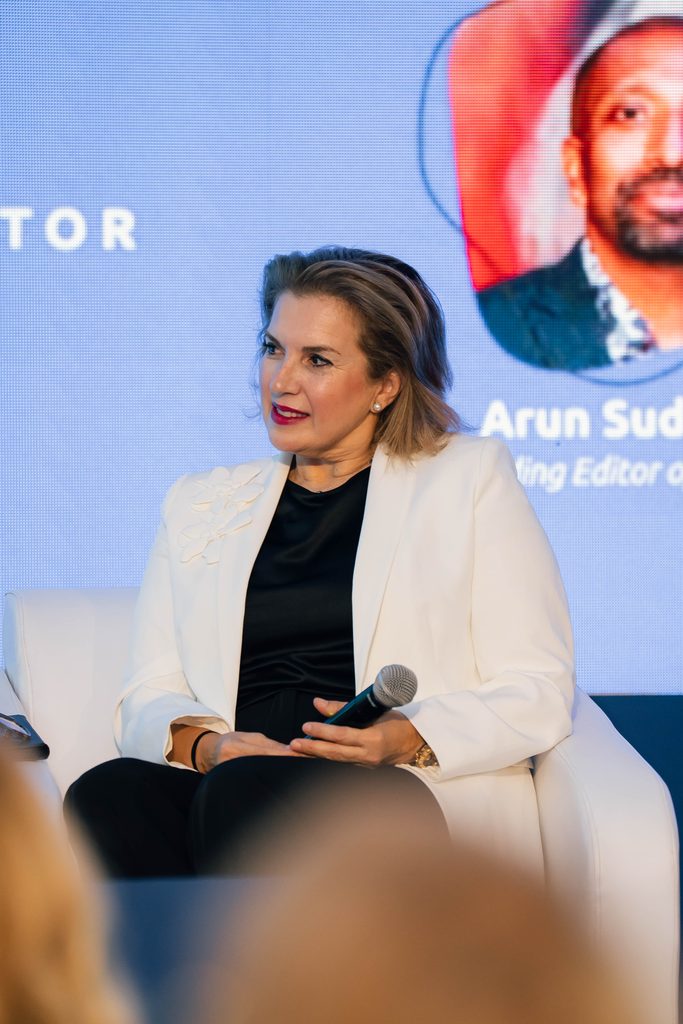
Eirini Vantaraki, Public and International Affairs Adviser and Business Relations Strategist, Head of International Relations and Member of the Executive Committee of Art Thessaloniki International Contemporary Art Fair, drew on Greece’s experience to highlight the risks of a disconnect between national branding and reality. She explained that Greece’s narrative had, at times, become detached from conditions on the ground, underscoring the need for a country’s image to reflect the experiences people actually encounter. For Egypt, she noted, a strong historical identity and a young population offer important foundations for shaping a compelling national narrative. Realizing that potential, however, requires a clear vision and a consistent connection between the country’s message and its lived reality.
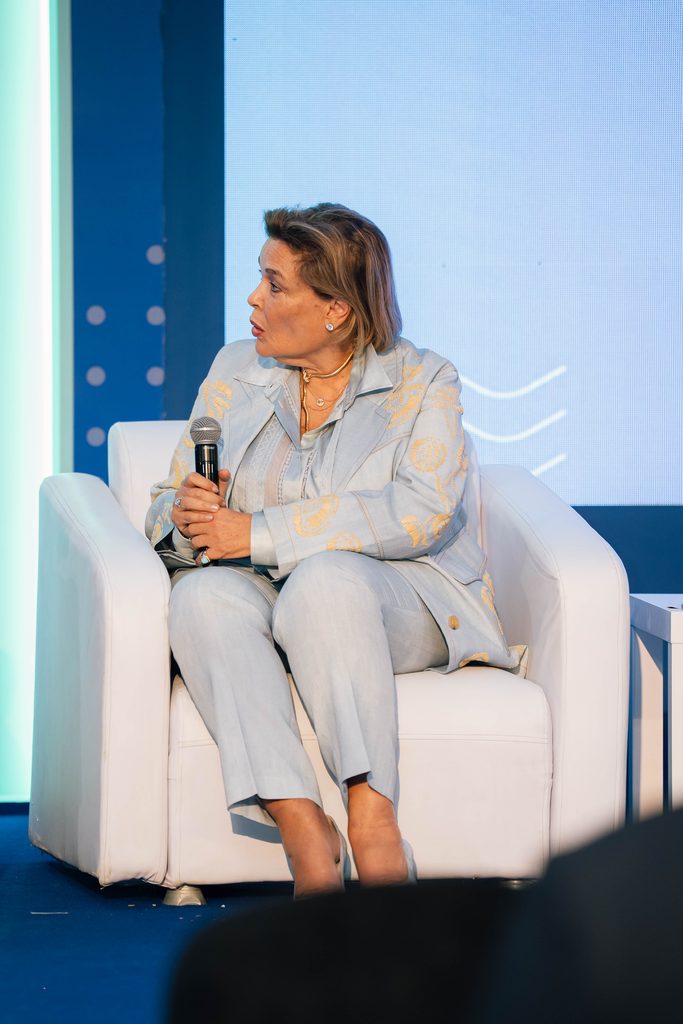
Offering a practical example of how local initiatives can contribute to a country’s broader story, Rawya Mansour, Founder and Chairwoman of RAMSCO Egypt for Building & Construction of Eco-villages, highlighted the link between women’s economic participation and sustainable agriculture. Women account for approximately 90% of RAMSCO’s workforce, where the company applies equal pay for equal work and provides formal employment opportunities for women in rural communities. Its agricultural model also combines organic vegetable production with water-efficient cultivation and biochar technology, demonstrating how businesses can create livelihoods while using natural resources more responsibly. Together, these practices illustrate how Egyptian enterprises can contribute to a more inclusive and sustainable approach to economic development.
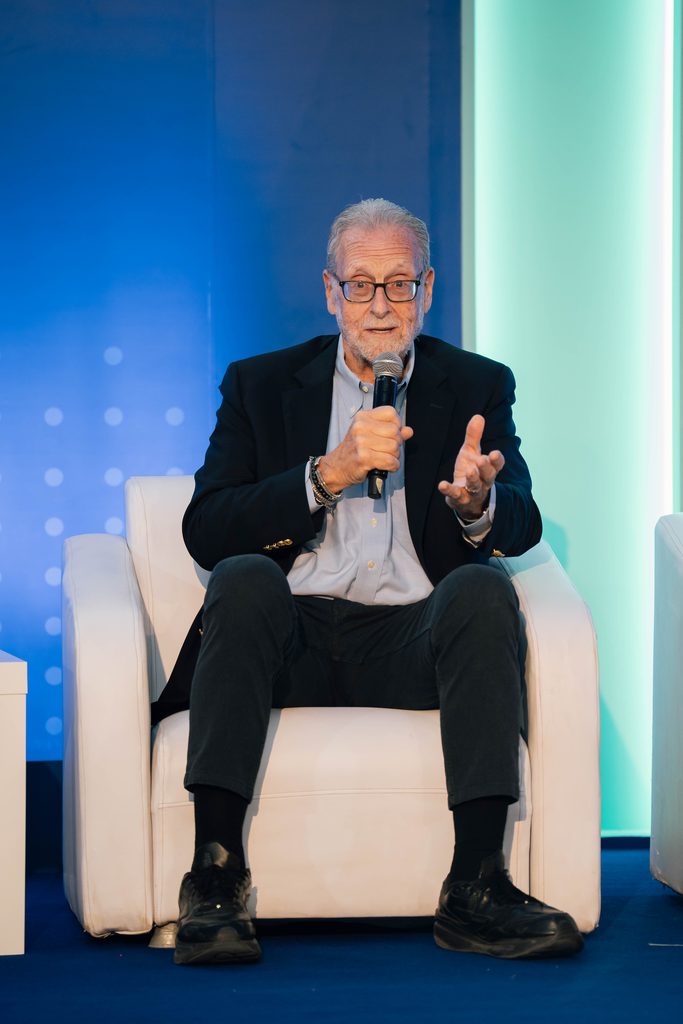
Peter Greenberg, Travel Editor at CBS News and an Emmy Award-winning travel journalist and producer, emphasized that successful destination branding begins with the people and communities that give a country its character. As travelers increasingly seek meaningful experiences rather than conventional sightseeing, he argued that destinations must communicate what makes them distinctive and deliver on that promise. Drawing on his film Hidden Egypt, which presents the country through its people and experiences, Greenberg highlighted the importance of showing audiences what makes Egypt unique. “Branding is not an image or a slogan. It is about telling your story properly,” he explained, adding that Egypt does not necessarily need more promotion as much as it needs to present its story in a way that resonates with the people it hopes to attract.
Moderated by Arun Sudhaman, Founding Editor of Earned First, the panel highlighted the importance of aligning national branding with authentic experiences, distinctive assets, and initiatives that reflect a country’s values in practice. For Egypt, the opportunity lies in bringing these elements together to tell a coherent and credible story, one that connects its rich heritage with its evolving identity and gives international audiences compelling reasons to engage with the country.environments.