 Mariyam Meeran
 There are icons who are remembered for a single outfit, and then there is Jane Birkin, who managed to turn an entire philosophy of dressing into something the fashion world still can’t stop chasing. Her style was never about the newest thing. It was about ease, imperfection, and a kind of quiet confidence that no amount of money can buy.
Her wardrobe worked because she treated it like a uniform rather than a costume. A white button-down shirt, slightly oversized. High-waisted flared jeans. A denim jacket thrown over her shoulders more often than actually worn. These were not statement pieces; they were the backdrop against which she lived her life, which is exactly why they read as chic decades later. She wasn’t performing for anyone. She was just getting dressed.
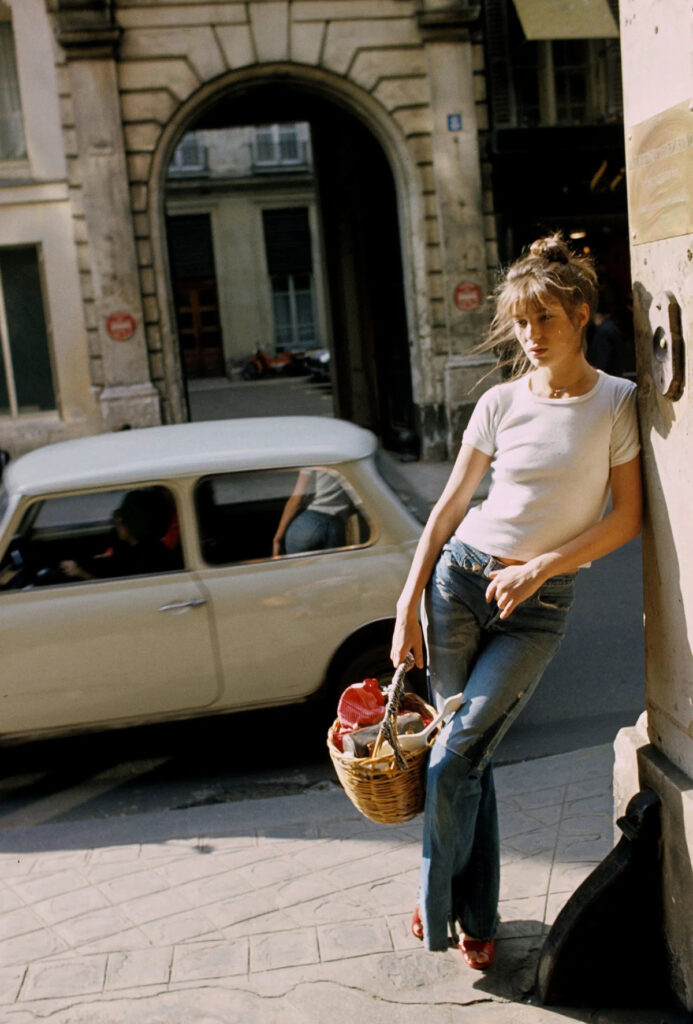
Ironically, the accessory most associated with her name today is the one she barely carried in real life. The Hermès Birkin bag, created after a famous 1984 in-flight conversation with Jean-Louis Dumas, has become a symbol of luxury excess. But the actual Jane Birkin carried woven wicker baskets slung over one shoulder, stuffed with whatever she needed that day, edges frayed, straps a little loose. The basket was the real signature: unpretentious, practical, and utterly at odds with the six-figure resale value of her namesake handbag.
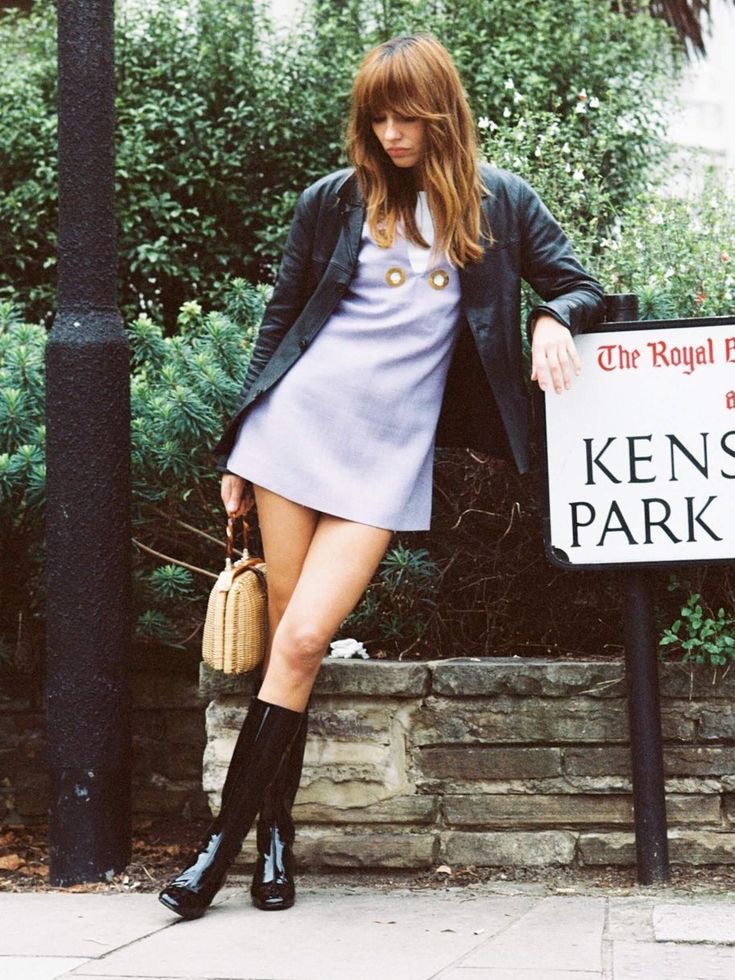
She popularized the idea that a short hemline could be modest rather than provocative simply through attitude. Her micro-shorts and mini dresses in the late 1960s and early 70s were paired with knee-high boots or sandals, never fussed over. She was frequently photographed barefoot, on beaches, in gardens, on stage with Serge Gainsbourg, treating shoes as optional rather than essential. That refusal to be fully “finished” is part of what made her look feel so alive.
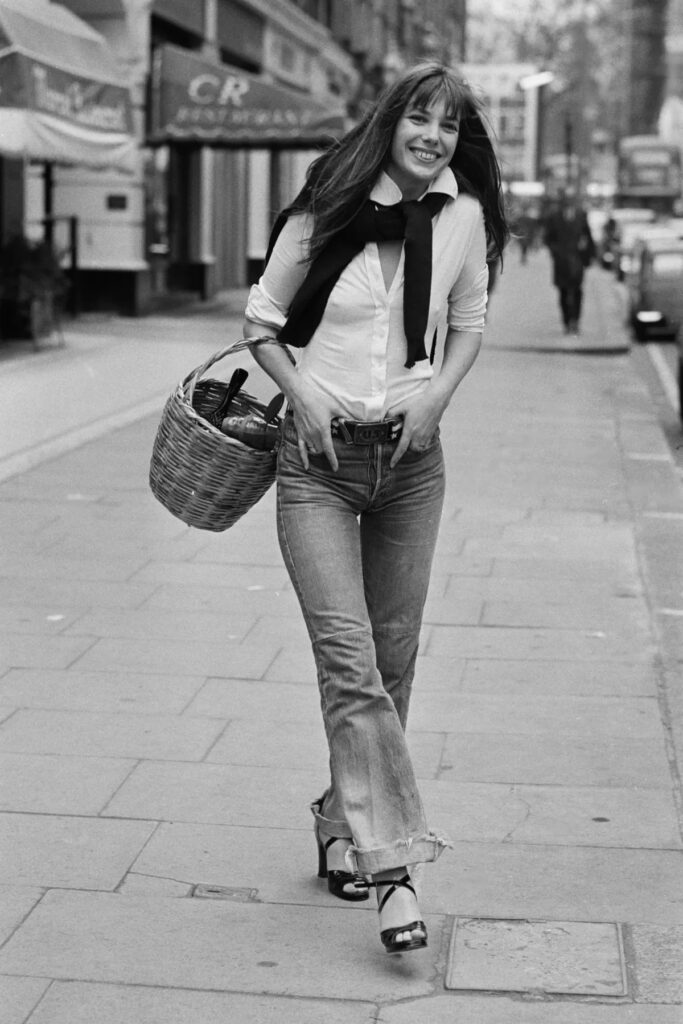
Her beauty routine was the visual equivalent of her clothing choices: minimal effort, maximum impact. Her signature fringe and long, slightly messy hair required no salon visits to photograph well. She wore little to no visible makeup, letting freckles and imperfect skin show through. In an era of heavy 60s eyeliner and later, glossy 80s glamour, her bare-faced look was almost radical in its refusal to conform.
Long before “borrowed from the boys” became a marketing phrase, Birkin was wearing men’s shirts, oversized knits, and utilitarian jackets simply because they were comfortable and available. She didn’t dress androgynously to make a statement about gender; she dressed practically, and the androgyny followed naturally. That distinction matters. It’s the difference between a trend and a genuine sensibility.
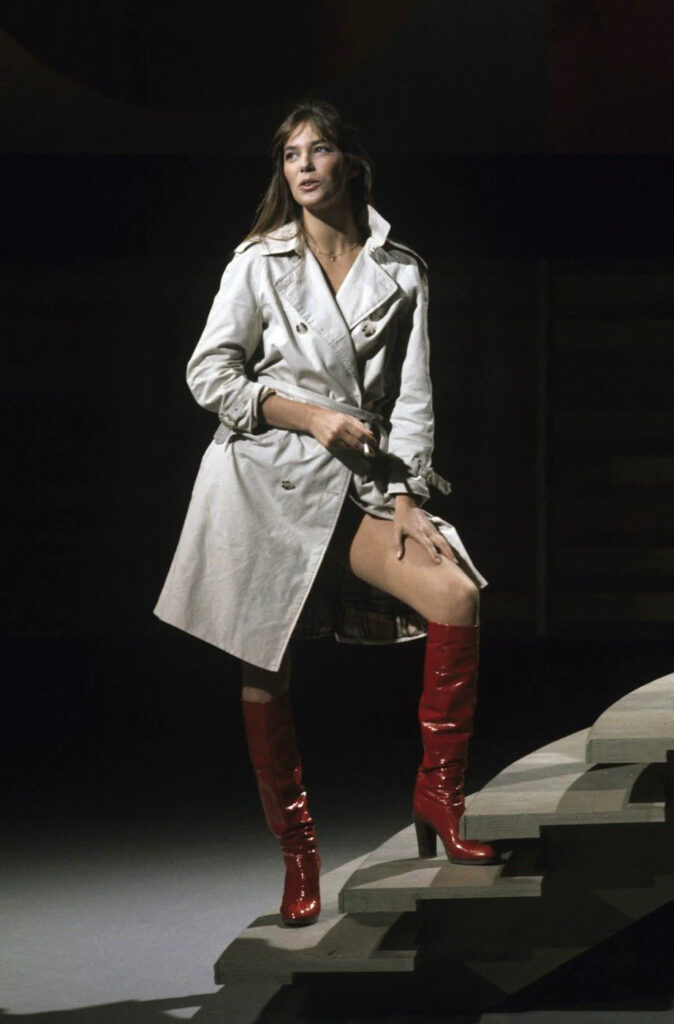
Modern “quiet luxury” and off-duty model style openly borrow from Birkin’s playbook: the white shirt, the straight-leg jeans, the woven bag, the bare face. But copying the pieces misses the point. Her wardrobe worked because it wasn’t designed to impress. It was designed to disappear so she could get on with living, singing, and raising her daughters. That’s the real masterclass: not a list of items, but a mindset. Dress like you have somewhere to be, not like you’re waiting to be photographed.
Jane Birkin never tried to be an icon. She just got dressed, and the world took notes.