 Nahla Zayed
 Beyond the headlines lies a country of dramatic landscapes, rich culture, and destinations that feel almost undiscovered.
When people think of Iran, nature isn’t usually the first thing that comes to mind. But it should be. Because Iran is one of those rare places where the landscape constantly shifts—sometimes within just a few hours—revealing a country full of contrasts, textures, and quiet beauty.
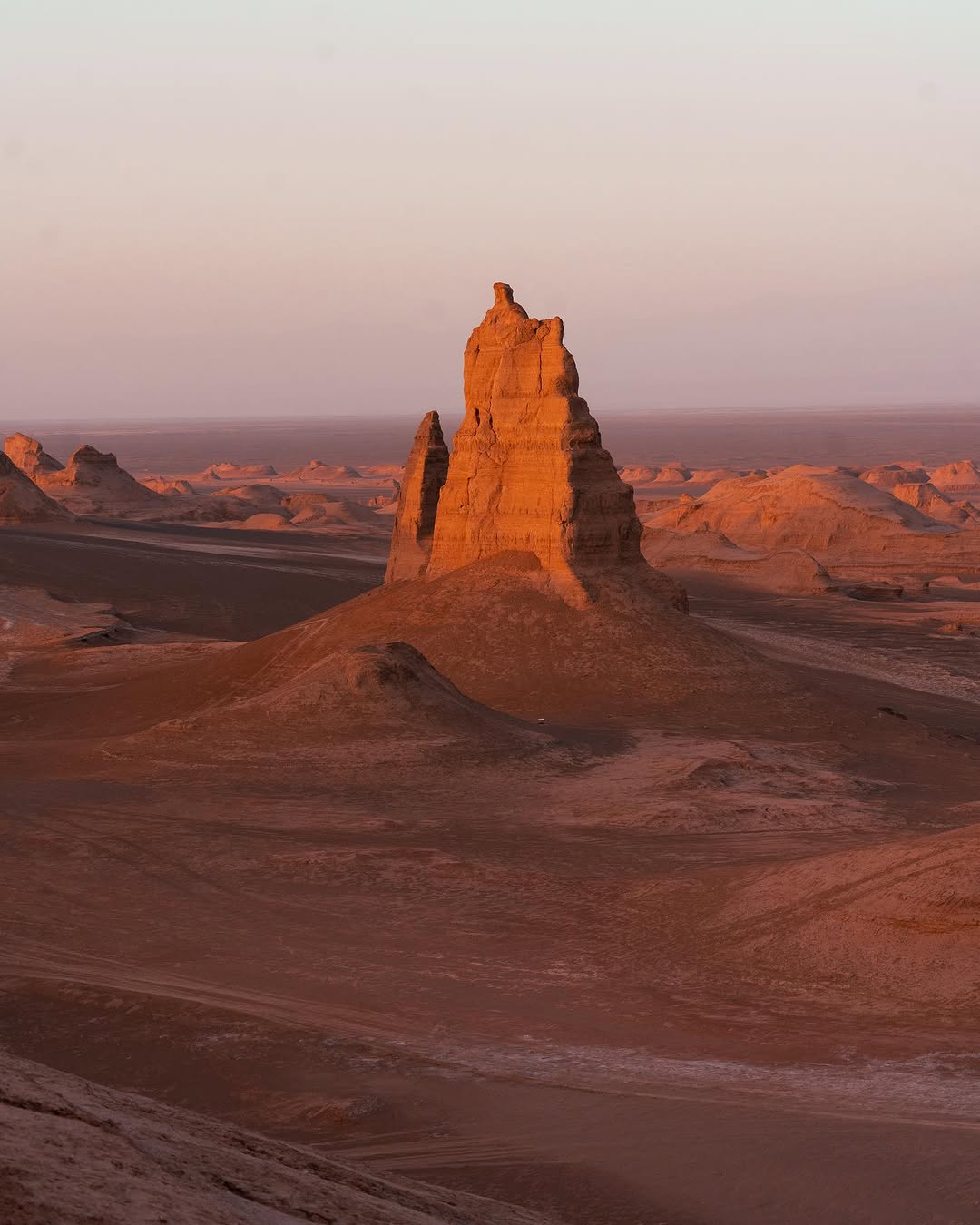
Mountains That Touch the Sky
In the north, the Alborz Mountains stretch dramatically across the horizon, home to Mount Damavand, the highest volcano in Asia. Snow-capped for much of the year, this region offers a completely different side of Iran—cool air, scenic drives, and breathtaking views that feel worlds away from the desert landscapes often associated with the country.
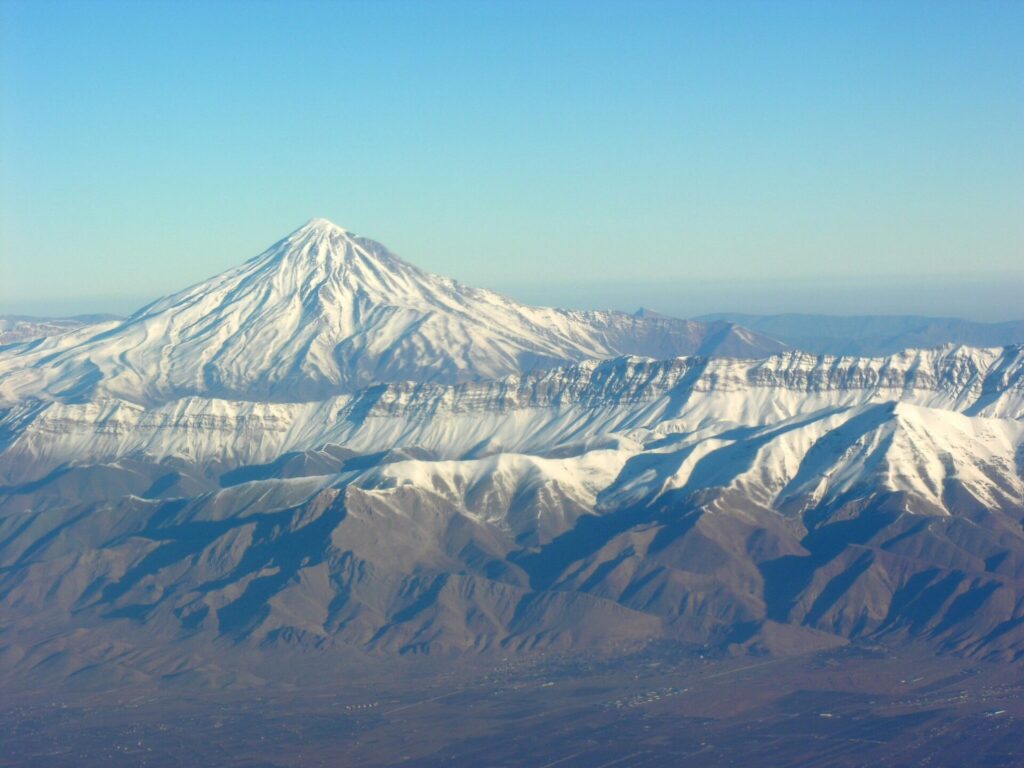
Deserts That Feel Otherworldly
Travel further south, and you’ll find yourself in the vast silence of the Dasht-e Lut, one of the hottest places on Earth. With its wind-sculpted sand formations and endless horizons, it feels almost surreal. Nearby, the Dasht-e Kavir offers salt plains and a different kind of raw, untouched beauty.
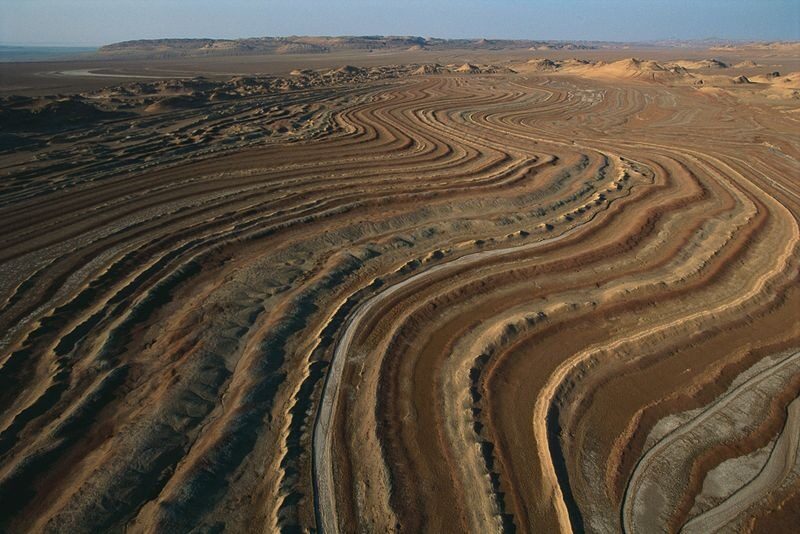
Forests by the Sea
In the north, along the shores of the Caspian Sea, the landscape transforms again. The Hyrcanian Forests—a UNESCO-listed natural wonder—are lush, misty, and filled with life, offering a striking contrast to the country’s arid regions.
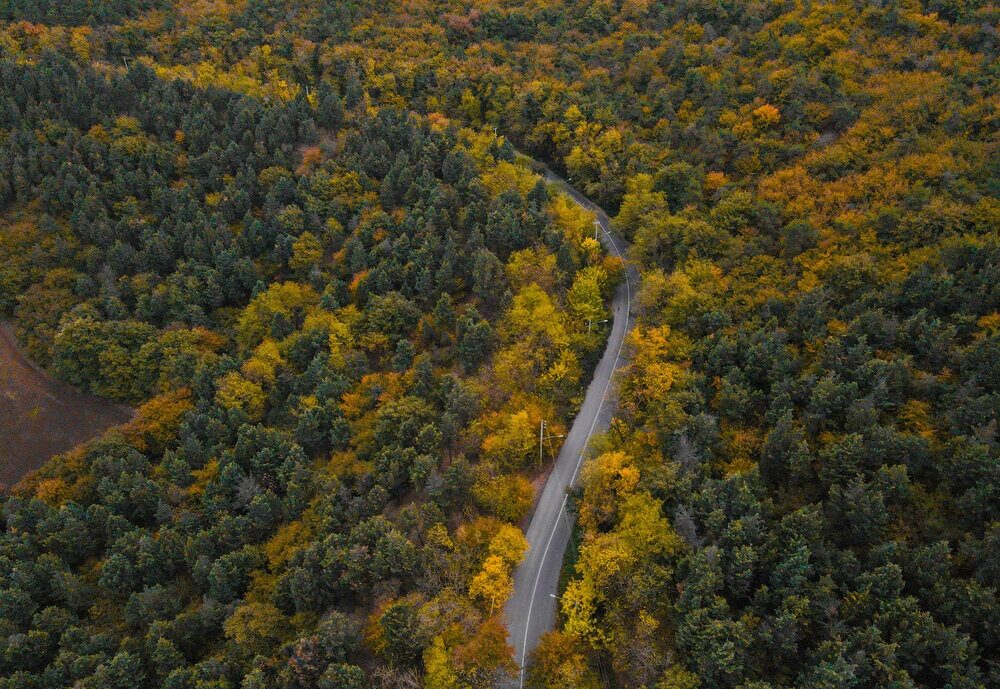
Islands and Coastal Escapes
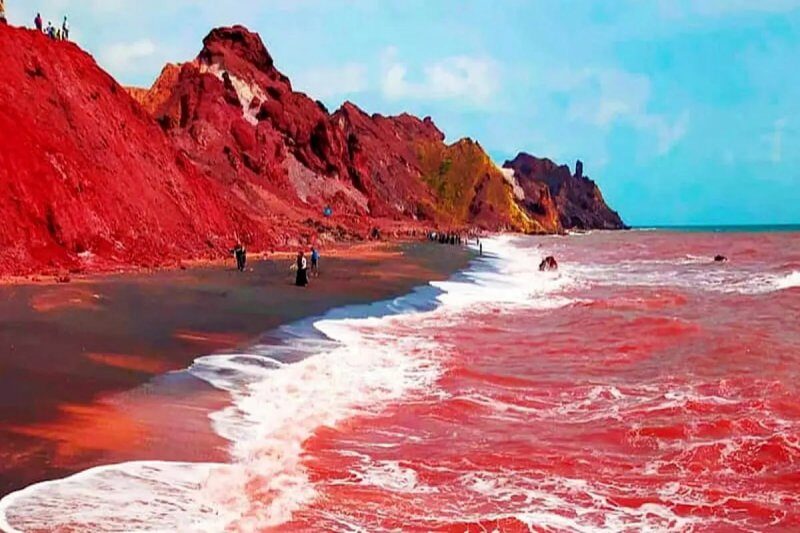
Down south, the waters of the Persian Gulf meet unique island destinations like Qeshm Island and Hormuz Island. Known for their colorful landscapes, salt caves, and dramatic coastlines, these islands are among Iran’s most visually stunning—and least expected—destinations.
Cities That Tell Stories
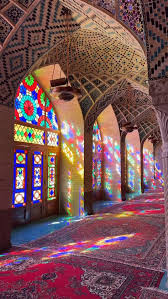
Iran’s beauty isn’t only natural—it’s deeply cultural. Cities like Isfahan, with its stunning architecture and bridges, and Shiraz, known for poetry and gardens, offer a different kind of visual richness. Meanwhile, Yazd, with its windcatchers and adobe structures, reflects how people have adapted to the environment for centuries.
A Culture Shaped by Land
Across these regions, Iran’s culture is deeply connected to its geography. Persian gardens, local traditions, and even architecture are influenced by climate and landscape—creating a harmony between nature and daily life that feels both intentional and timeless.
Why It Deserves Attention
Iran remains one of the most overlooked destinations in global travel conversations. Yet it offers something increasingly rare: diversity, authenticity, and the feeling of discovering something unexpected.
Because Iran isn’t just a place you visit. It’s a place that reshapes how you see the world.