 Nahla Zayed
 Let me share a little secret: Eid in Egypt doesn’t really begin with the first prayer. It begins with the smell: the sweet, buttery, nutty aroma ofkahk baking, curling through homes and staircases, drifting down the streets, quietly announcing that Eid has arrived.
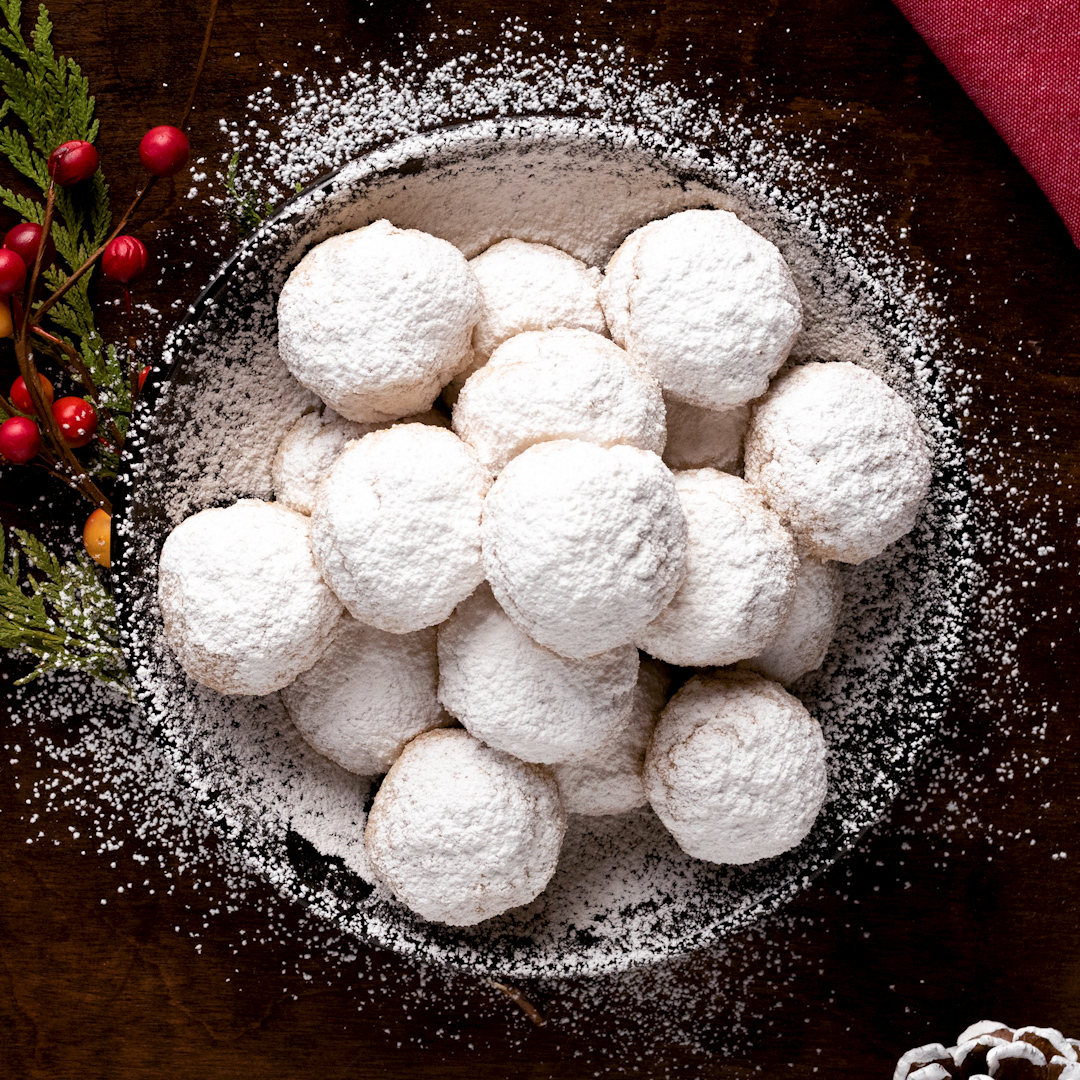
Kahk isn’t just a cookie. It’s a story. A ritual. A memory baked into every round, powdered bite. And its story stretches across centuries. Imagine Ancient Egypt, over 3,000 years ago: honey and flour shaped into small discs, stamped with delicate patterns, offered in temples to honor the gods. Centuries later, during the Fatimid Caliphate, Caliph Al-Mu’izz li-Diin Illah handed out kahk to the people of Cairo during Eid, transforming a simple pastry into a symbol of generosity and celebration. Through the Tulunid era and beyond, kahk evolved but never disappeared—linking our kitchens today to a tradition older than most of us can imagine.
For me, the real magic of kahk has always been in the making. I still remember standing on a stool beside my grandmother’s kitchen counter, flour dusting the air like soft snow, bowls of dough waiting patiently for their transformation. She would laugh as I tried to roll the discs perfectly, guiding my hands to press patterns with the moun’ash—that small, delicate metal stamp that somehow turned every cookie into a tiny work of art.
The kitchen hummed with energy: the clatter of spoons, the quiet murmur of conversations, the occasional burst of laughter when someone sneaked a piece of raw dough. Baking kahk wasn’t just about cookies—it was a ritual, a shared language of love, care, and anticipation.
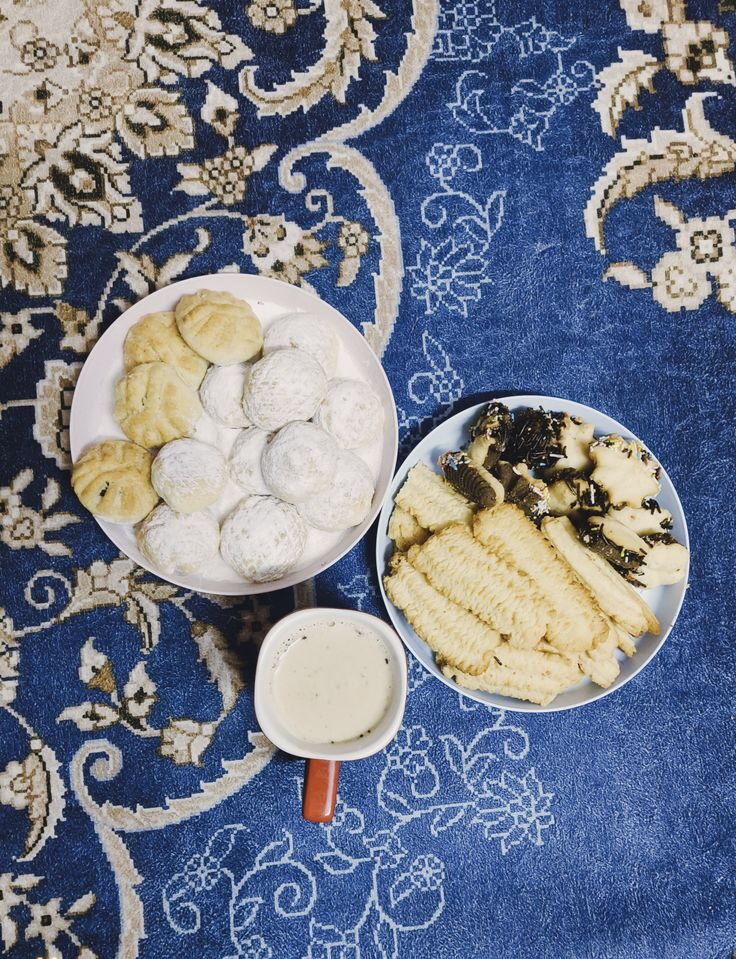
The dough would rest, sometimes almost 24 hours, before being baked to golden perfection. And then came the final touch: a generous snowfall of powdered sugar, like the whole house had been dusted with magic. Kahk comes plain or filled—with dates, malban ,walnuts, pistachios, or even chocolate for a modern twist—but no matter the variety, each bite melts in your mouth, soft and buttery, carrying centuries of history and generations of family love.
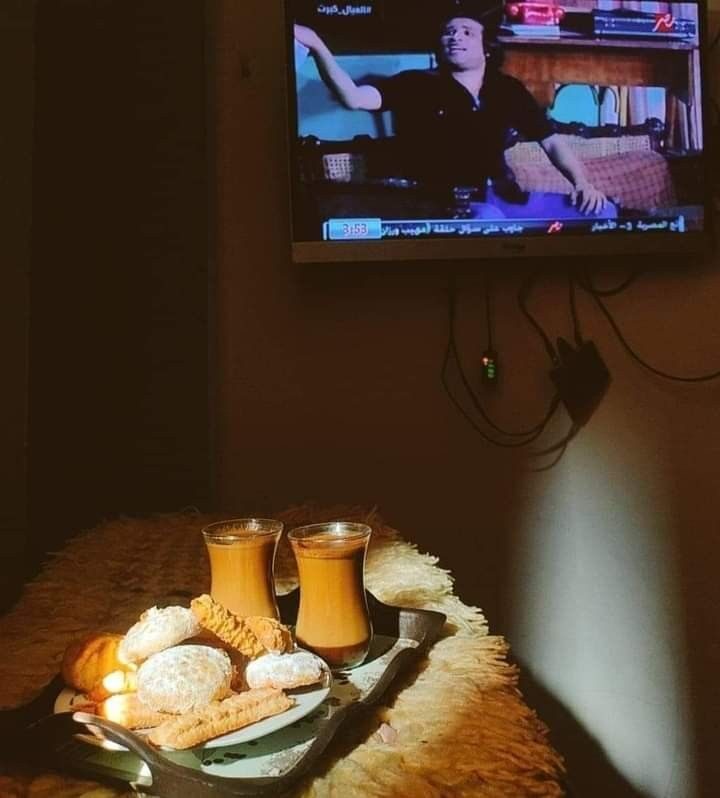
Sharing kahk has always been just as important as making it. Carrying boxes to relatives, visiting neighbors, offering sweets to children—it’s a tradition that turns every bite into a story. There’s something about giving, about seeing someone’s face light up with delight, that transforms a cookie into a memory. Even today, bakeries across Cairo offer countless variations of kahk, from luxurious artisanal versions to playful chocolate—but nothing replaces the homemade batch, imperfect and full of love.
Kahk is also about mood. I can still feel it: the warmth of the oven, the soft hum of conversation, the quiet satisfaction of seeing a tray filled with golden discs, powdered sugar clinging to my fingertips. The excitement, the laughter, the gentle chaos of everyone working together—it’s the kind of memory that stays with you, even decades later.
That’s what makes kahk timeless. It’s a bridge between past and present, between Ancient Egypt and modern kitchens, between history written in temples and the stories whispered in our homes. It’s a way to pause, to gather, to savor not just the taste of sugar and butter, but the love, the laughter, and the shared moments that make Eid magical.
So this Eid, when you take that first bite of kahk, close your eyes for a moment. Feel the soft crumble, taste the sweetness, smell that faint dusting of sugar. Remember the kitchens, the laughter, the hands that shaped it, the generations who came before. That’s the magic of kahk—it’s not just a cookie. It’s a story. A memory. A celebration. And now, it’s yours too.