 Yara Lotfy
 For Ahmed Hussein, founder of Ahmed Hussein Designs, design has never been simply about creating beautiful spaces. It is about shaping an experience—one built through proportion, light, material, craftsmanship and the details that often go unnoticed.
With a practice that spans Egypt and the region, the designer has developed a visual language that feels refined and international while remaining deeply conscious of context.
In this conversation, Hussein looks back at the experiences that shaped his creative identity, the philosophy behind his studio and the subtle elements that distinguish an exceptional interior.
1. Looking back, was interior design always the destination, or did you find your way to it unexpectedly? Was there someone early in your life who nurtured your creative eye or encouraged your passion for design?
I think design was always there, even before I knew I would make a career out of it. I was always very aware of spaces — how they felt, how things were positioned, the proportions, the lighting, even the smallest details.
Architecture gave me the foundation, but interior design gave me a more personal way to express myself. I loved the idea that you could completely change the way someone experiences a space, not only through how it looks, but through how it makes them feel.
I wouldn’t say there was one person who directed me toward design. It was more a combination of curiosity, observation, and a constant desire to create something better. Over time, that instinct became a profession, and eventually became a very important part of who I am.
2. Before clients knew the name Ahmed Hussein, what was the biggest lesson those early years taught you about building both a business and a creative identity?
The biggest lesson was that talent alone is never enough.
When I started, I learned very quickly that being a good designer and building a successful design practice are two completely different things. You need creativity, of course, but you also need discipline, consistency, patience, and the ability to take responsibility for every detail.
In the early years, I was involved in everything. I was designing, meeting clients, visiting sites, dealing with suppliers and solving problems on site. It was exhausting at times, but it shaped the way I work today.
It also taught me not to rush into creating a “signature style.” I wanted my identity to develop naturally through work. Today, I think people can recognize an Ahmed Hussein project, not because every project looks the same, but because there is a certain level of detail, balance and refinement that connects them.
3. Founding your own studio takes equal parts creativity and courage. What made you believe the timing was right to establish Ahmed Hussein Designs?
I don’t think I ever waited for a moment when I felt completely ready. I’m not sure that moment exists.
I reached a point where I had a very clear idea of the kind of work I wanted to create and, equally importantly, the way I wanted that work to be delivered. I wanted control over the entire experience — from the first concept to the smallest detail on site.
Starting Ahmed Hussein Designs gave me the freedom to build that culture.
For me, it was never simply about putting my name on a company. It was about building a studio where creativity and execution have the same importance. A beautiful concept means very little to me if it cannot be translated beautifully into reality.
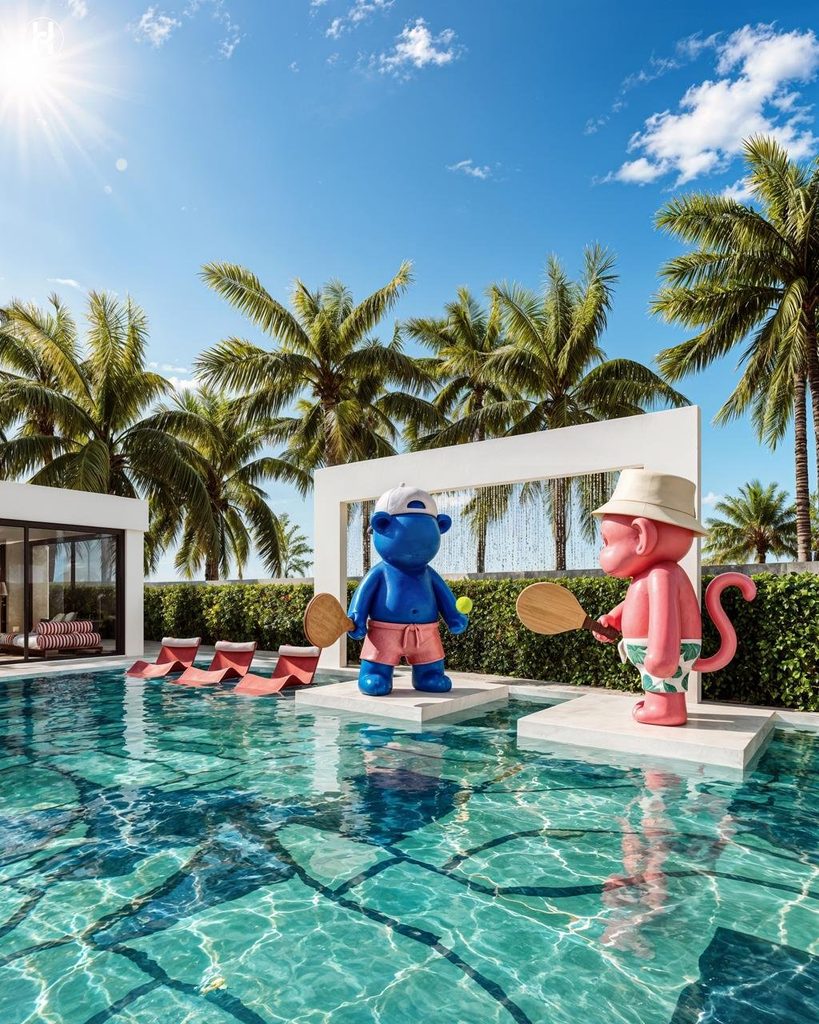
4. Egypt has a remarkable architectural and artistic legacy. How consciously does that heritage influence your work? And how do you create interiors that feel internationally relevant while remaining connected to their cultural context?
Egyptian heritage is incredibly rich, but I don’t believe you need to reproduce historical motifs for a space to feel connected to Egypt.
Sometimes the influence is much more subtle. It can come through proportion, craftsmanship, materials, textures, colors, or simply the way spaces are layered.
At the same time, I travel a lot and I’m constantly exposed to architecture, hospitality, fashion and design from different parts of the world. So naturally my visual language is international.
For me, the balance comes from context. I don’t want to design an interior in Cairo that could simply be copied and placed in Paris, Dubai or Milan without changing anything. Every project should belong to its location and to the people who will live in it.
I like spaces that feel international, but still have a soul and a sense of where they belong.
5. Your work demonstrates a meticulous attention to detail. Why are the smallest elements often the most important? And what do you hope people feel before they notice any individual design element?
Because the smallest details are usually what separate a good project from an exceptional one.
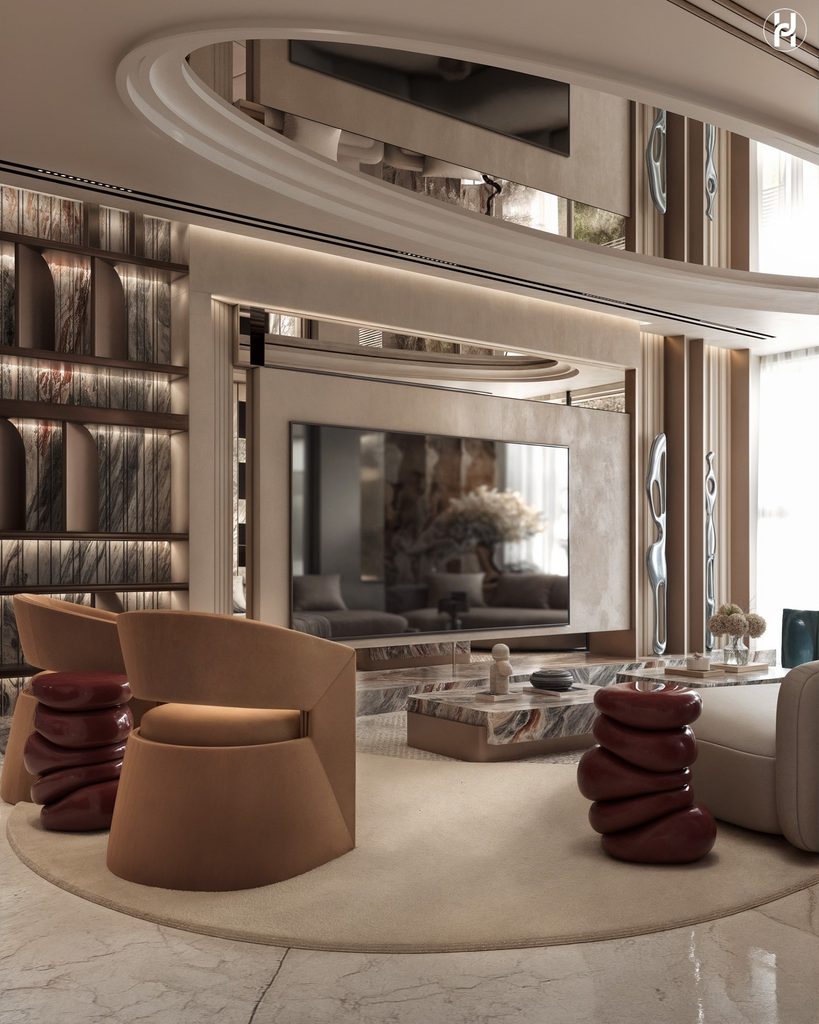
People may not consciously notice the alignment of two materials, the exact temperature of the lighting, the proportion of a piece of furniture, the shadow gap or the way a door handle feels in their hand — but collectively, they experience all of these things.
That is what interests me.
When someone enters one of our spaces, I don’t necessarily want them to immediately identify a particular marble or piece of furniture. I want the first reaction to be emotional. I want them to feel comfortable, impressed, curious — maybe even unable to explain exactly why the space feels right.
For me, real luxury is often in the things you feel before you notice them.
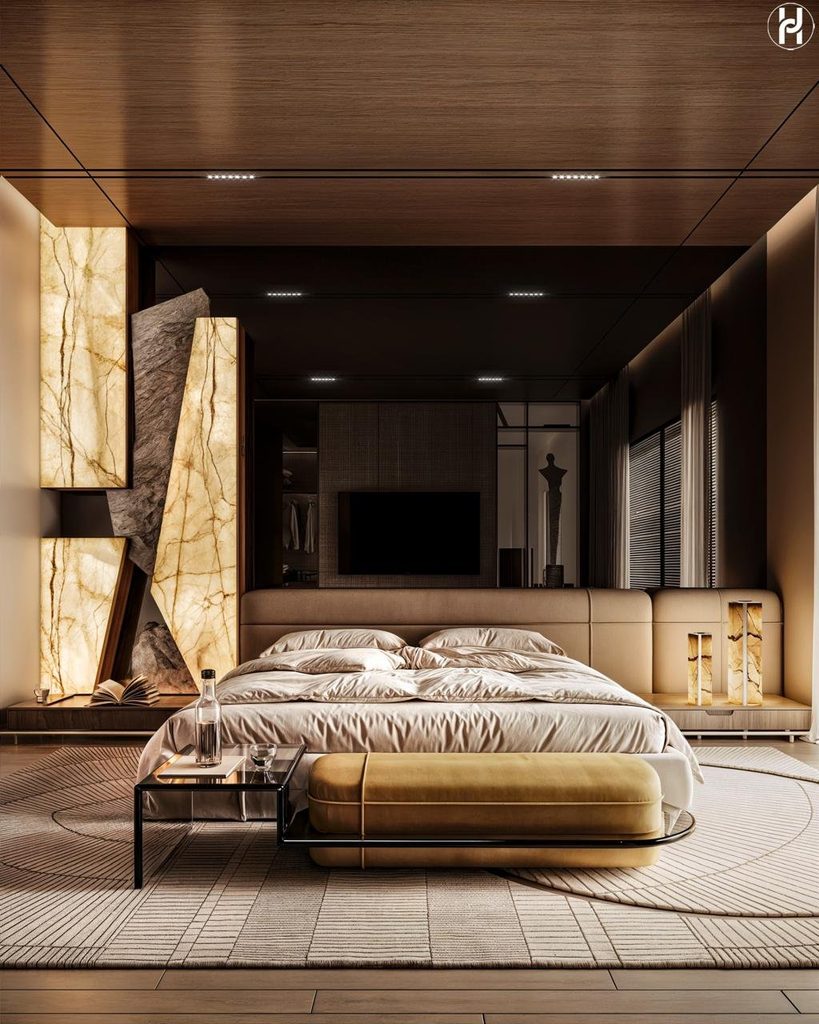
6. Where does inspiration usually find you—through travel, art, fashion, architecture, or everyday moments?
Honestly, everywhere.
Travel is probably one of my biggest sources of inspiration because it takes you outside your normal visual environment. I can be inspired by a hotel in Greece, a restaurant in Istanbul, a building in Milan, the colors of a street, or even the atmosphere of a beach.
Fashion is also very important to me because it moves quickly and constantly challenges ideas of proportion, material, color and identity.
But I try not to look only at interiors for interior inspiration. If you only follow design, you can easily end up repeating what everyone else is already doing.
Sometimes the strongest idea comes from something completely unrelated to design.
7. Looking ahead, are there any upcoming projects or collaborations you can share that mark an exciting new chapter for Ahmed Hussein Designs?
We are definitely entering a new chapter.
Ahmed Hussein Designs has grown significantly, and our work today is becoming increasingly regional and international. We are working across Egypt and the UAE, while also expanding our presence and opportunities in Saudi Arabia.
I’m also increasingly interested in collaborations that allow design to move beyond traditional interiors — into furniture, lifestyle, hospitality and other forms of design.
For me, growth is not about doing more projects just for the sake of becoming bigger. I’m much more interested in doing stronger projects, working with the right people and taking the studio into markets where we can create something genuinely relevant.
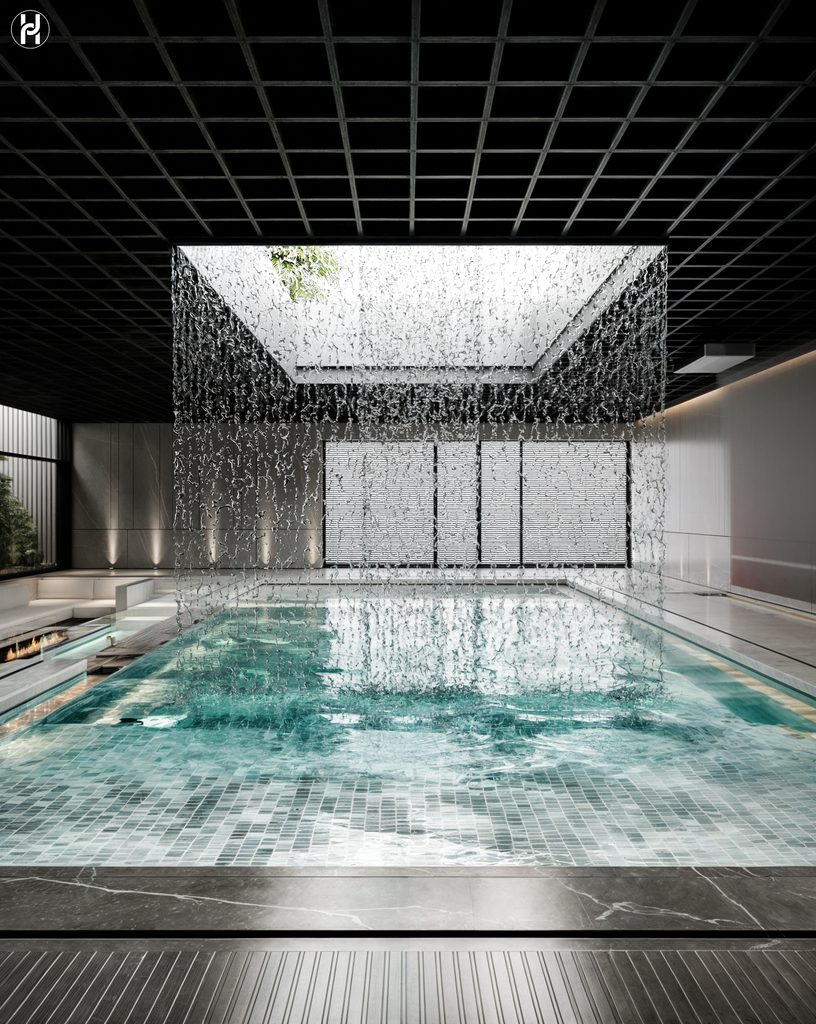
8. How do you see luxury interiors evolving over the next decade?
I think luxury is becoming much quieter and much more personal.
For a long time, luxury was associated with expensive materials, recognizable brands and spaces that were designed to impress. Those things will always have a place, but I think people are becoming more sophisticated.
The new luxury is space, comfort, privacy, craftsmanship and personalization. It is having something made specifically for you rather than something everyone immediately recognizes.
Technology will also become much more integrated, but the best technology will be almost invisible.
I believe the interiors that will age well over the next decade will be the ones that don’t try too hard to prove that they are luxurious. You will simply feel it.
9. In an era where social media often rewards trends and instant gratification, how can emerging designers stay authentic to their own creative voice?
Social media is an incredible tool, but it can also be dangerous for young designers because you are exposed to thousands of images every day.
It becomes very easy to confuse inspiration with identity.
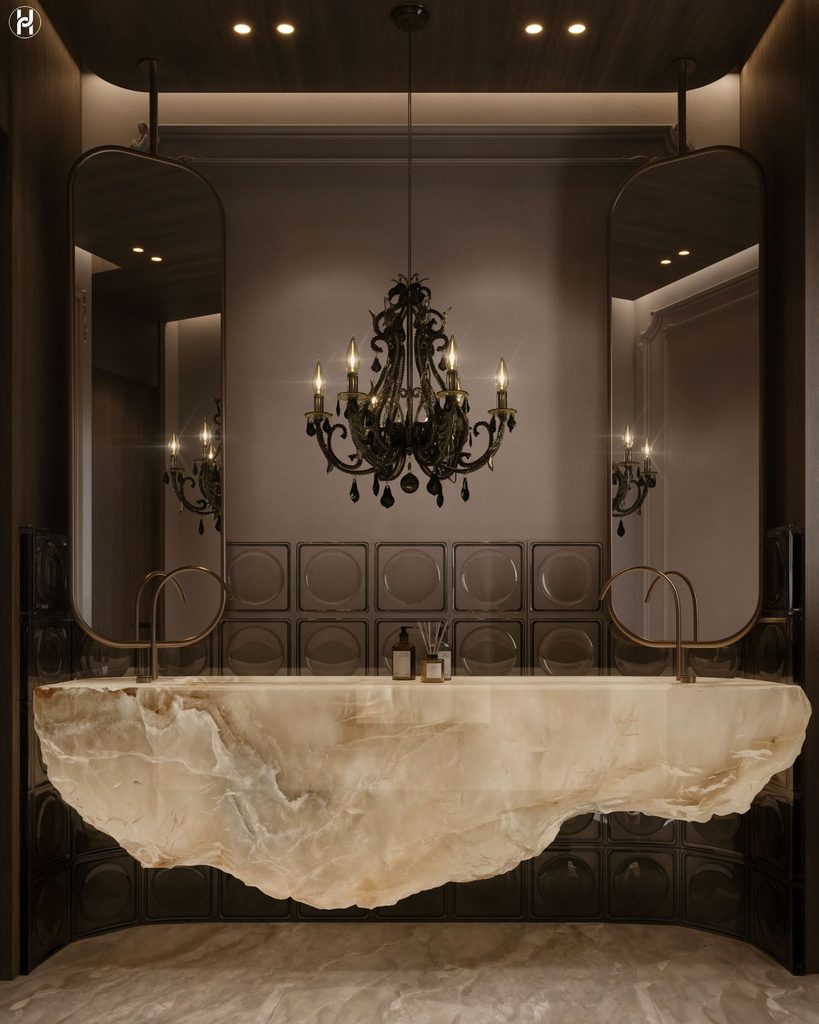
My advice is to look at everything, but don’t copy everything. Study architecture, travel, understand materials, visit factories, spend time on construction sites and learn how things are actually made. A strong designer needs much more than a good Pinterest board.
And don’t be in a hurry to have a recognizable style. Your creative voice comes from experience. It develops through successful projects, mistakes, clients, travel, problems on site and years of making decisions.
Trends disappear very quickly. Your point of view should last much longer.
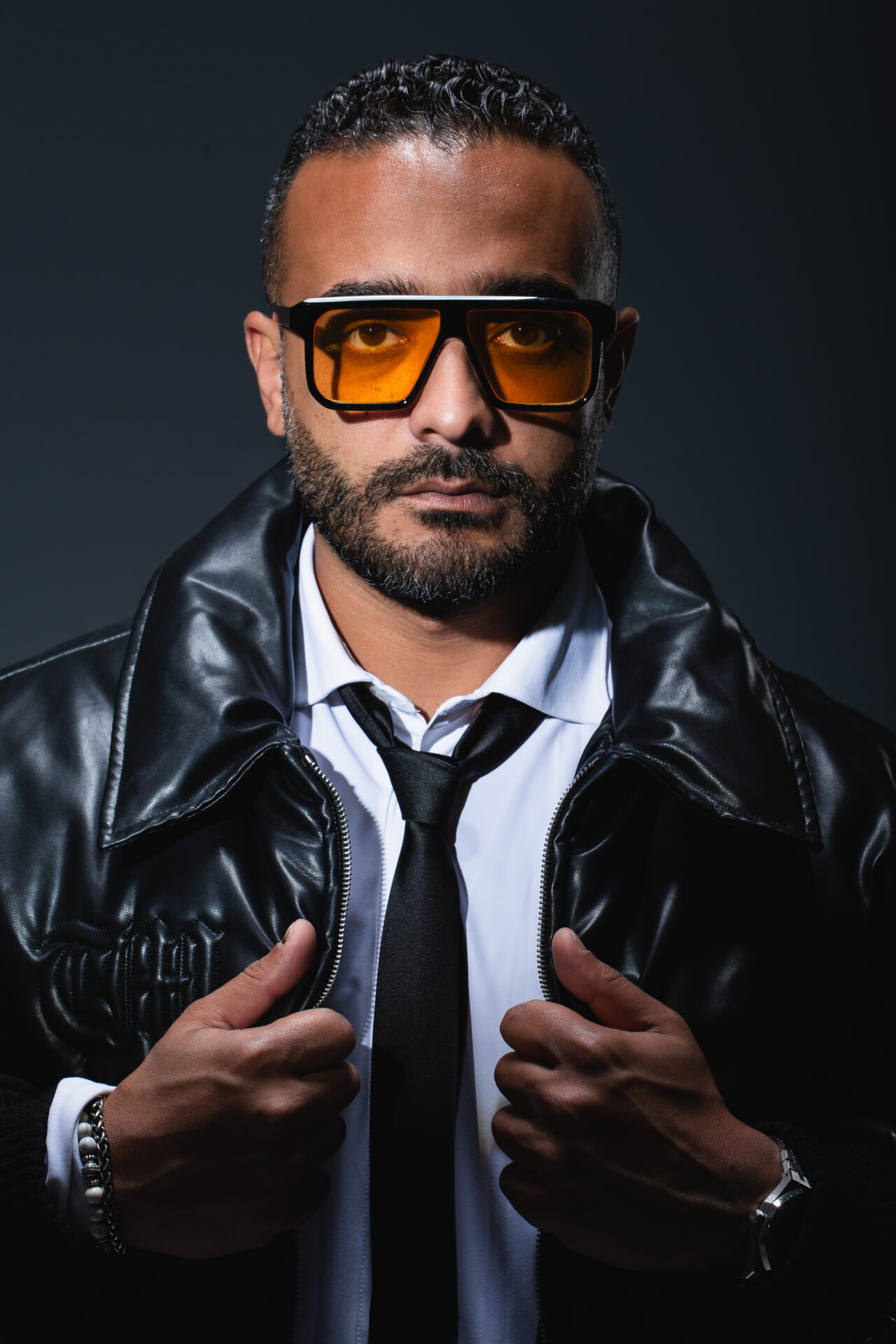
Pictured in the featured image is Ahmed Hussein, founder of Ahmed Hussein Designs. All images courtesy of Ahmed Hussein Designs photographed by Rami Bittar.