 Mariyam Meeran
 The first thing a lot of people check now isn’t a text or the weather. It’s a number. A sleep score, glowing on a phone screen before their eyes have fully adjusted to the day, quietly deciding whether last night counted as a win or a failure before they’ve even gotten out of bed.
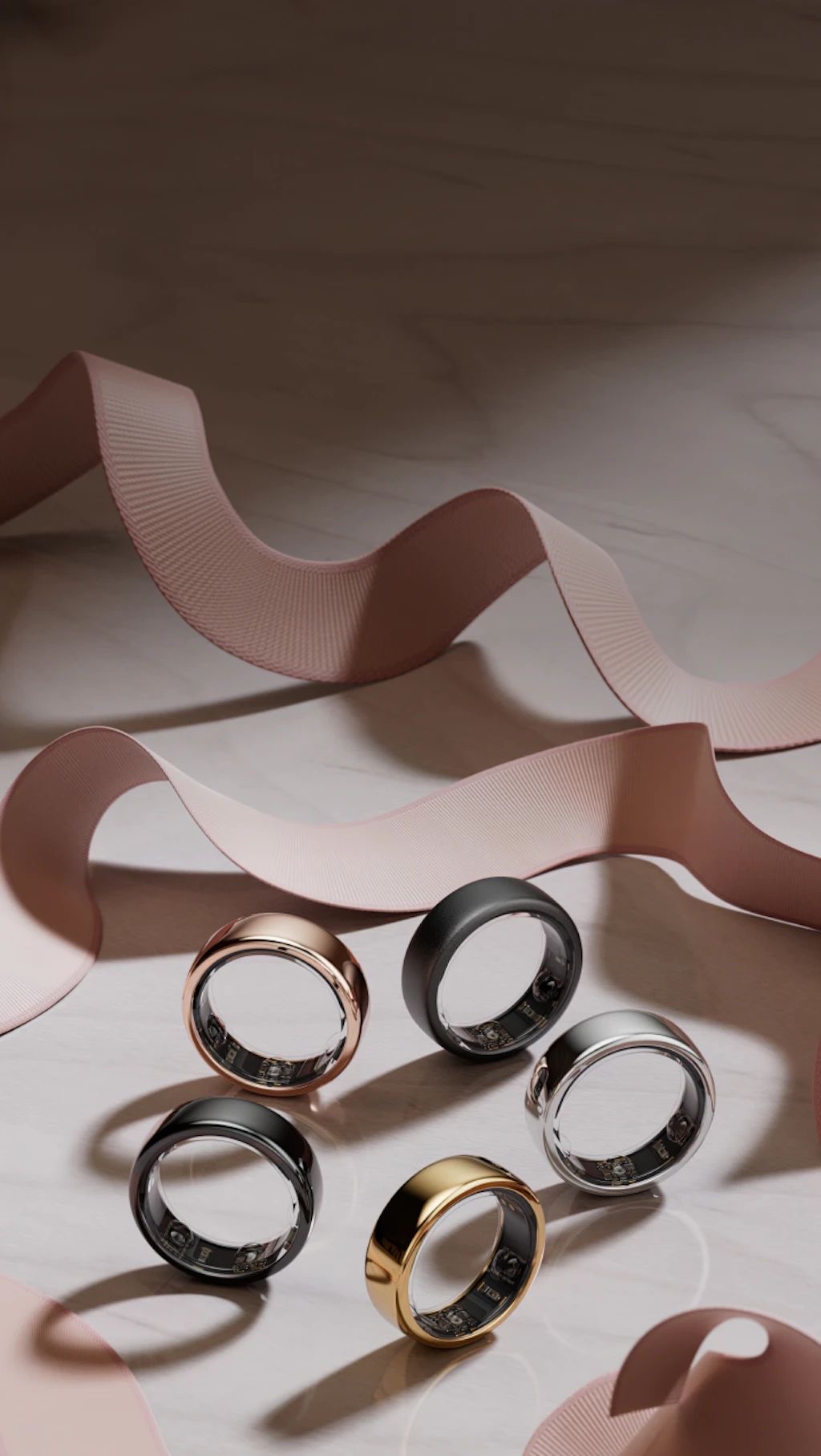
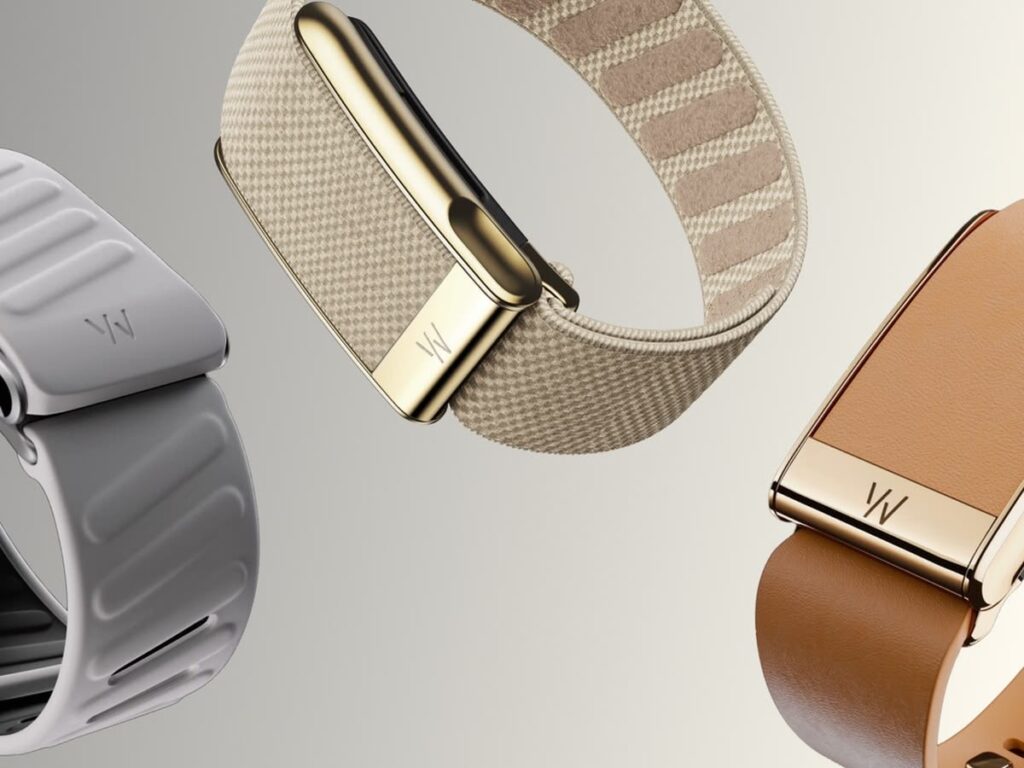
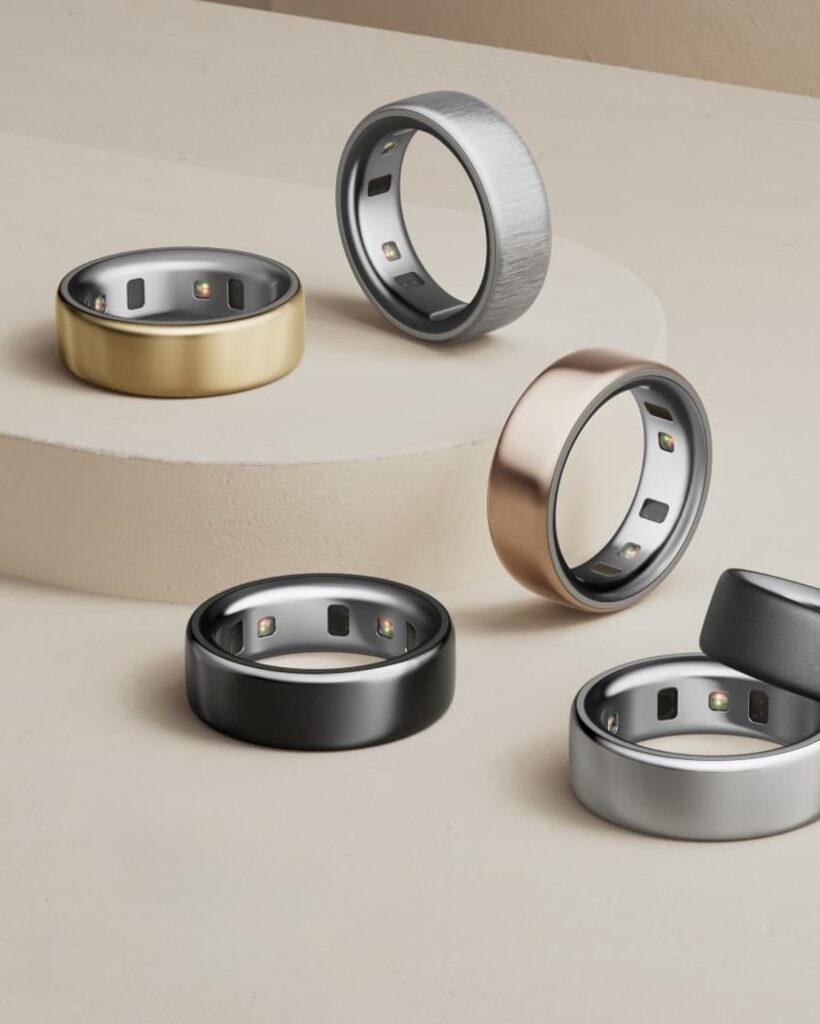
Whoop, Oura, and Apple Watches have turned sleep from something we simply experienced into something we score, rank, and compare, the same way we once tracked steps or calories. And there’s a real case for it. Rest has always mattered, but most of us never had a way to actually see it. A score gives shape to something that used to be invisible: a stressful, scroll-heavy night finally showing up in the data instead of just in how foggy the next day felt, a string of low scores gently pointing out that a busier week has been catching up with you before you’d have noticed it yourself, small proof that an earlier bedtime or a calmer wind-down routine is actually paying off. For a lot of people, that visibility becomes motivation, a quiet daily check-in with your own body that used to require guesswork.
The other side of the conversation is where it gets more complicated. Give something a number, and some people will start chasing the number instead of the feeling it’s supposed to represent. This has become common enough to have its own name: orthosomnia, the anxious pursuit of a “perfect” score that ends up working against the rest it’s meant to protect. It shows up as checking the score the instant you wake, feeling deflated over a few missing points on an otherwise fine night, or lying in bed doing the math on how bad tomorrow’s number is about to look instead of actually falling asleep. The tool built to help you rest becomes the reason you can’t, a small red number turning a perfectly decent night into something to feel bad about.
So which is it? Probably both, depending on who’s wearing the ring. The same feature that turns one person’s sleep into something they finally understand can turn another person’s sleep into something they now perform for an audience of one. A score is an estimate, not a report card, and what counts as good rest looks different from person to person, even night to night for the same person. The people who seem to benefit most treat the number the way you’d treat a friend’s opinion: worth hearing, not worth obeying, useful as a pattern over a week or two rather than as a nightly verdict.
Because that’s really the debate underneath all of this. Is quantifying rest making us take it more seriously, or just giving us one more thing to worry about doing right? The honest answer might be that the wearable isn’t the problem or the solution. It’s a mirror, not a scoreboard, and the healthiest thing you can do with a mirror is glance, not stare. Rest was never supposed to be something you win.