 Mariyam Meeran
 A decade ago, self-care meant a bubble bath and an early bedtime. Today it means a $500 IV drip infusion, a $300 a month cold plunge membership, and a waitlist for a facial that costs more than a plane ticket. Wellness hasn’t just grown, it’s gone upmarket, and the shift says as much about culture as it does about commerce.
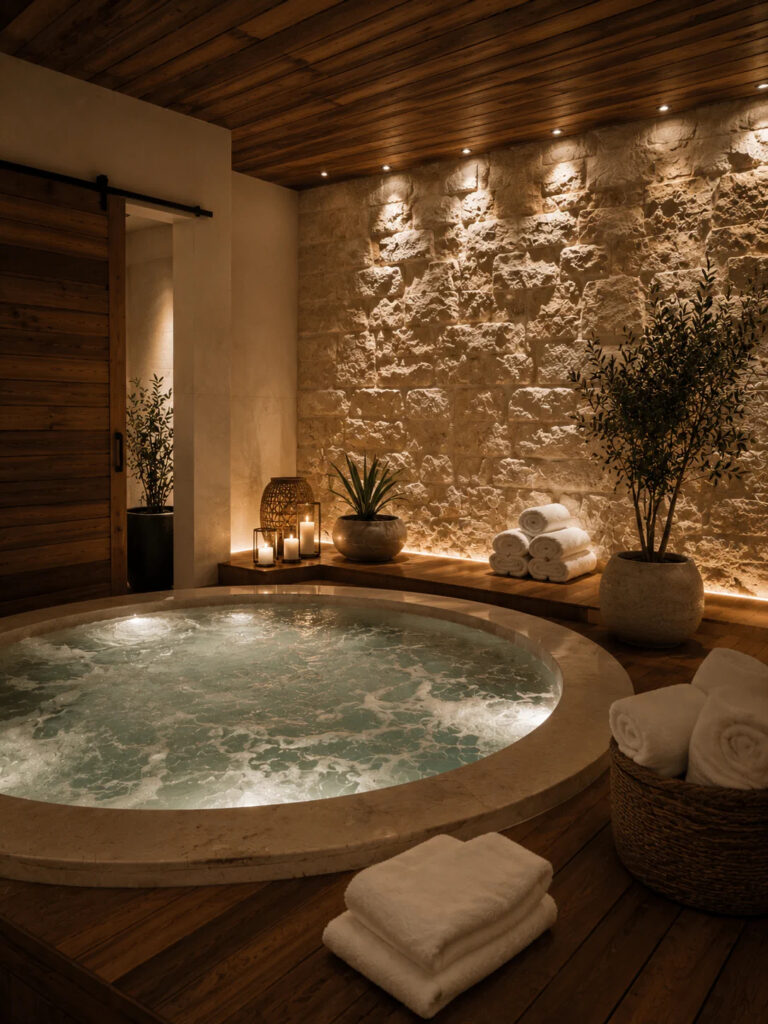
The wellness industry was once defined by accessibility: yoga mats, herbal tea, a meditation app for $10 a month. Now the frontier is IV lounges offering vitamin cocktails, cryotherapy chambers, red light therapy pods, and recovery clubs that resemble spas crossed with biotech labs. These aren’t fringe indulgences anymore, they’re marketed as essential maintenance, the same way a car needs an oil change.
The price tags aren’t accidental. In a market saturated with free fitness content and cheap supplements, premium wellness brands compete on exclusivity rather than access. A $500 IV drip isn’t just hydration, it’s a signal. It says the buyer has the time, money, and self regard to treat their body like an asset worth investing in.
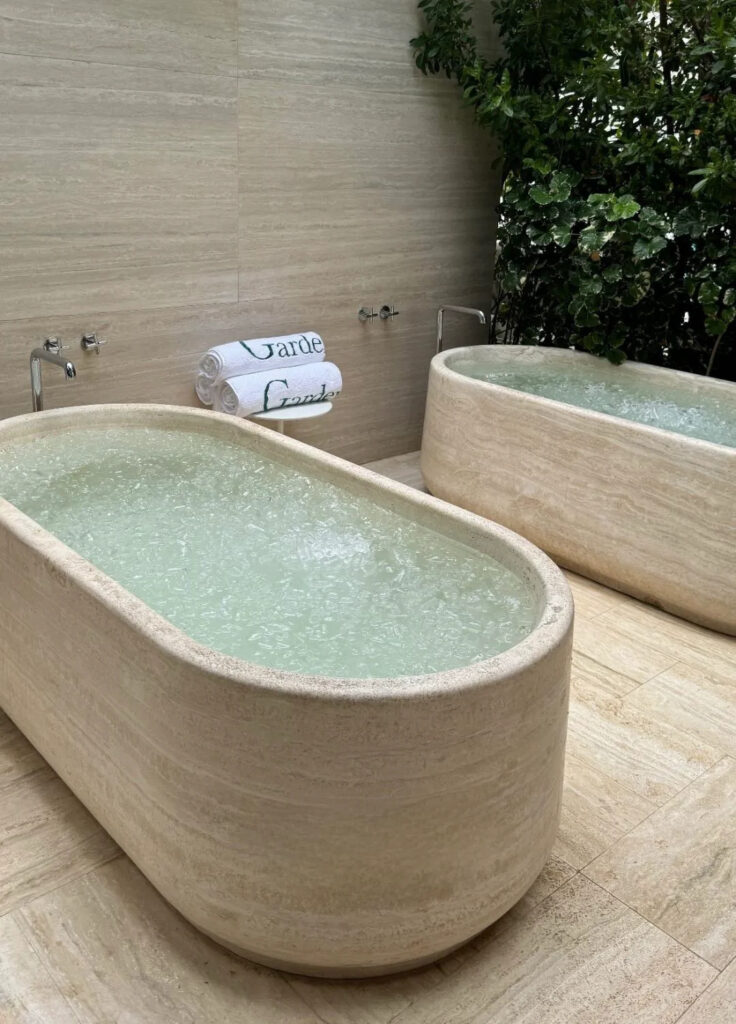
Luxury wellness sells belonging as much as biology. Cold plunge clubs and members only recovery spaces function like modern country clubs, spaces where health optimization and social capital blur together. Showing up isn’t just about the plunge, it’s about being seen doing it, posting about it, and signaling membership in a tribe that treats discipline as identity.
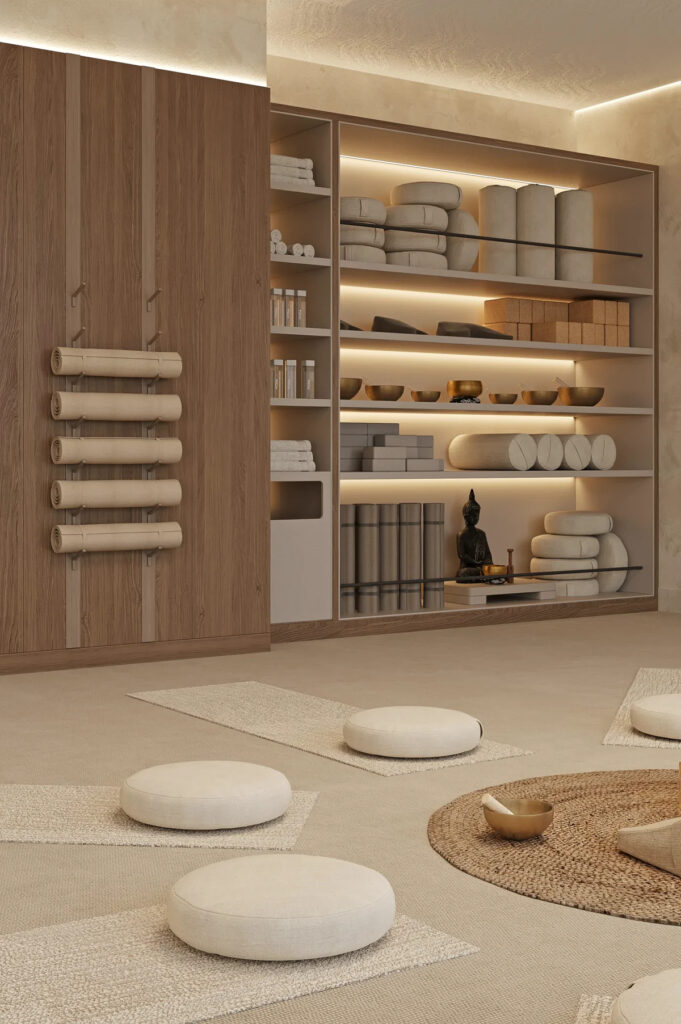
This is also a response to burnout culture. After years of hustle being glorified, rest and recovery have become aspirational in their own right. But instead of democratizing that rest, the market has done what markets often do: turned it into a tier. Basic self-care is now considered a baseline, while optimized self-care is the premium product, marketed to people who already have disposable income and want visible proof they’re using it well.
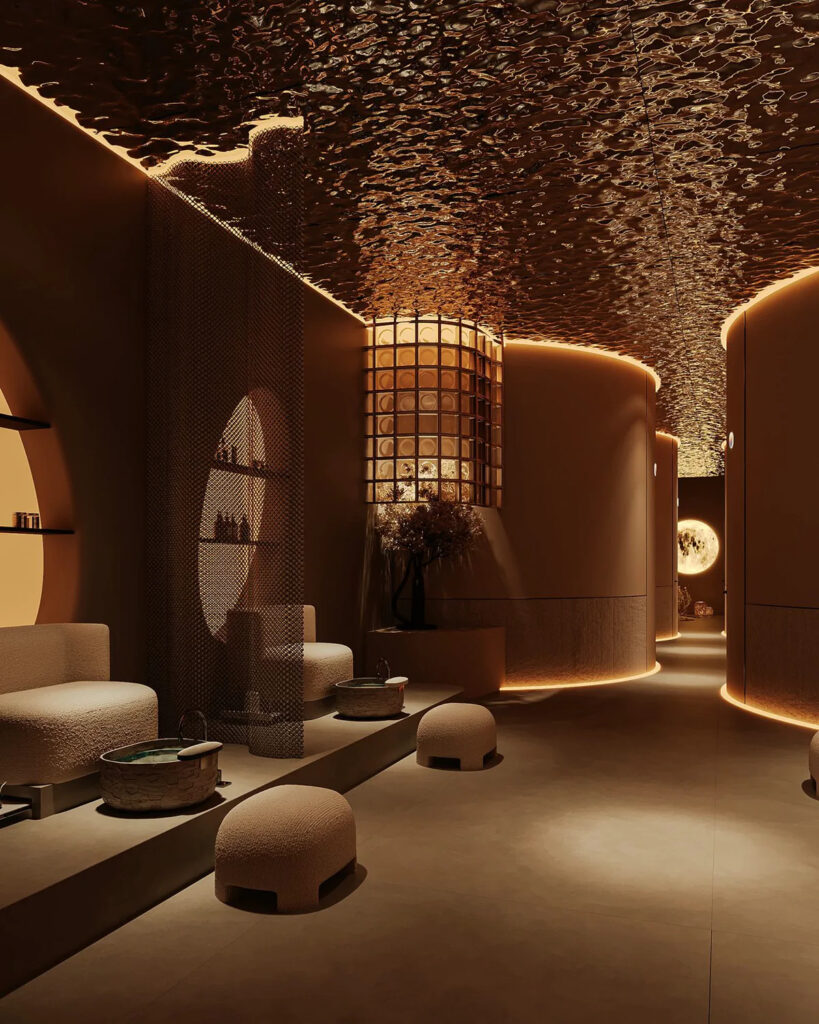
The luxury pivot raises real questions about who gets to be well. If recovery, hydration, and stress management increasingly require memberships and specialists, wellness stops being a universal right and becomes another marker of class. The irony is sharp: practices rooted in ancient, low cost traditions like cold exposure, fasting, and breathwork are being repackaged with modern price tags and boutique branding.
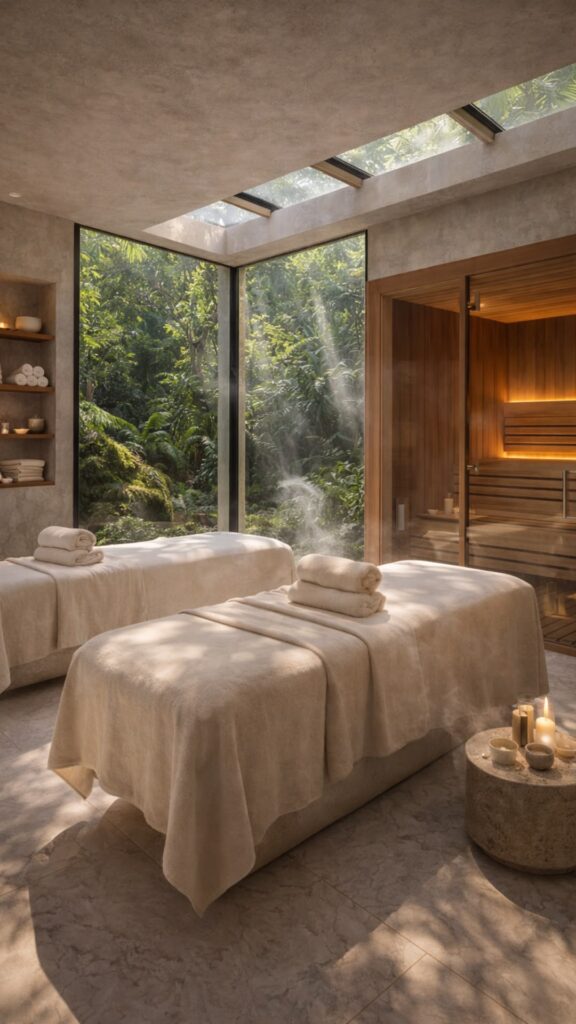
There’s also a fair case for the premium tier. Personalized IV formulations, medically supervised recovery protocols, and dedicated facilities do offer real, measurable benefits that a home bath doesn’t replicate, and some people genuinely need that level of care. But for many, the value being purchased isn’t purely physiological, it’s peace of mind, status, and the feeling of control in an uncertain world.
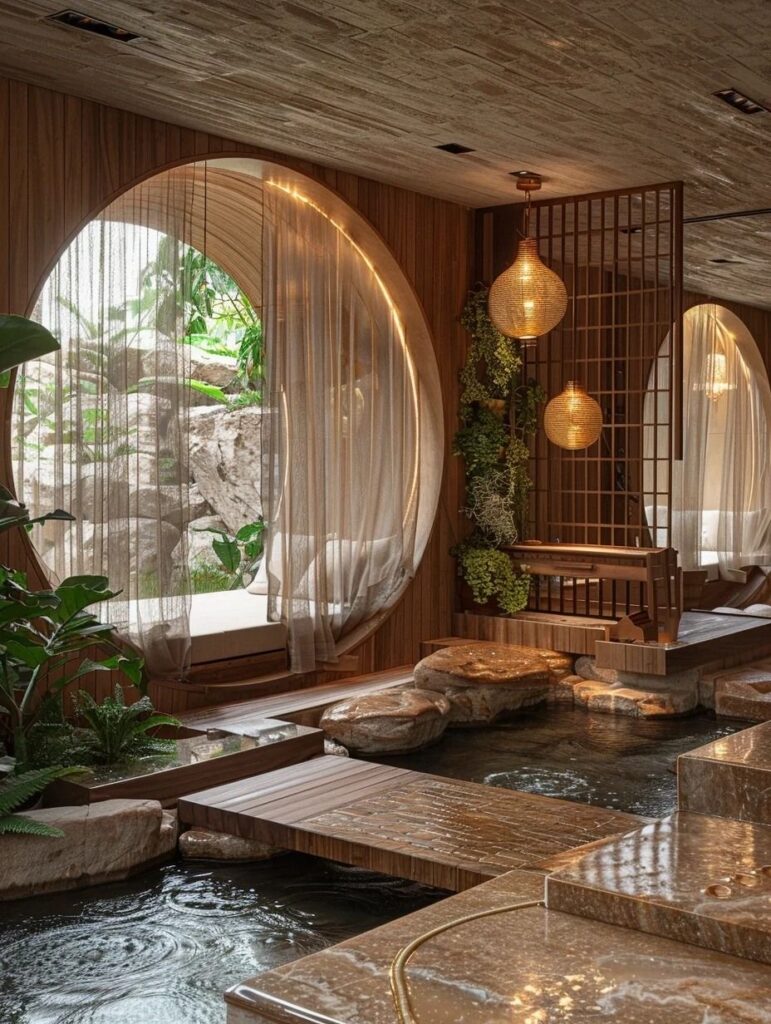
Self-care went premium because wellness became a lifestyle brand, not just a set of habits. Whether that’s exploitation of anxiety or legitimate innovation in personal health probably depends on where you’re standing, inside the cold plunge, or looking at the invoice.