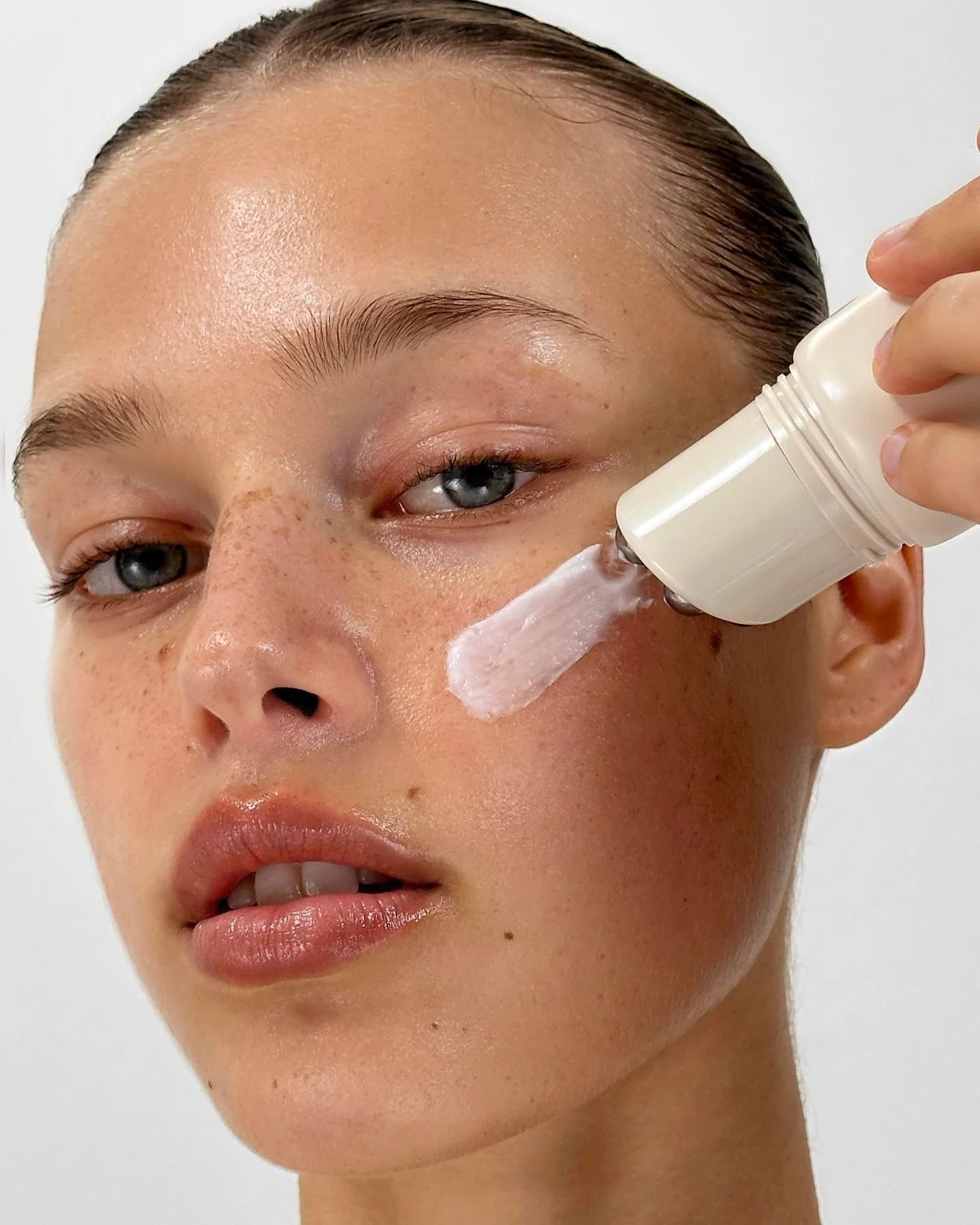
 Mariyam Meeran
 Somewhere between the rise of “clean beauty” and skincare becoming a genuine obsession, the industry started borrowing from some unlikely places. Snails. Bees. Bird spit. Bacteria that live in salt flats. Read an ingredient list closely enough, and it starts to sound less like a beauty counter and more like a biology field trip. And yet, these are exactly the ingredients people are lining up to buy.
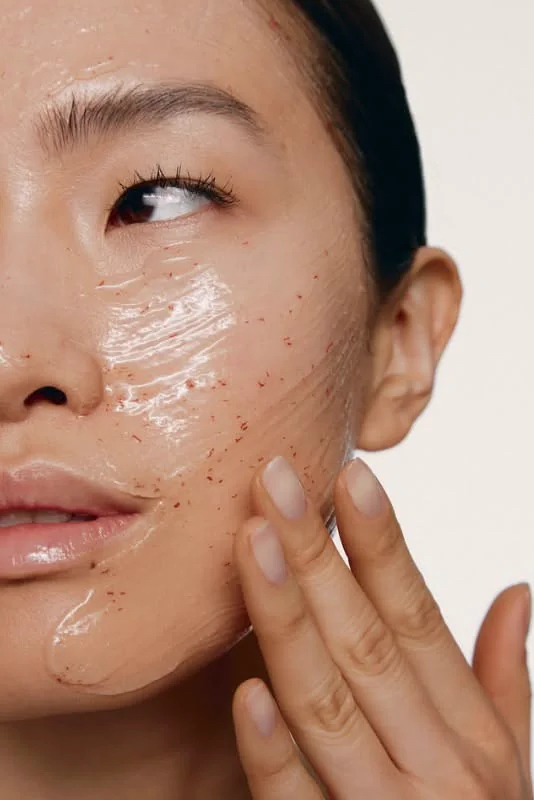
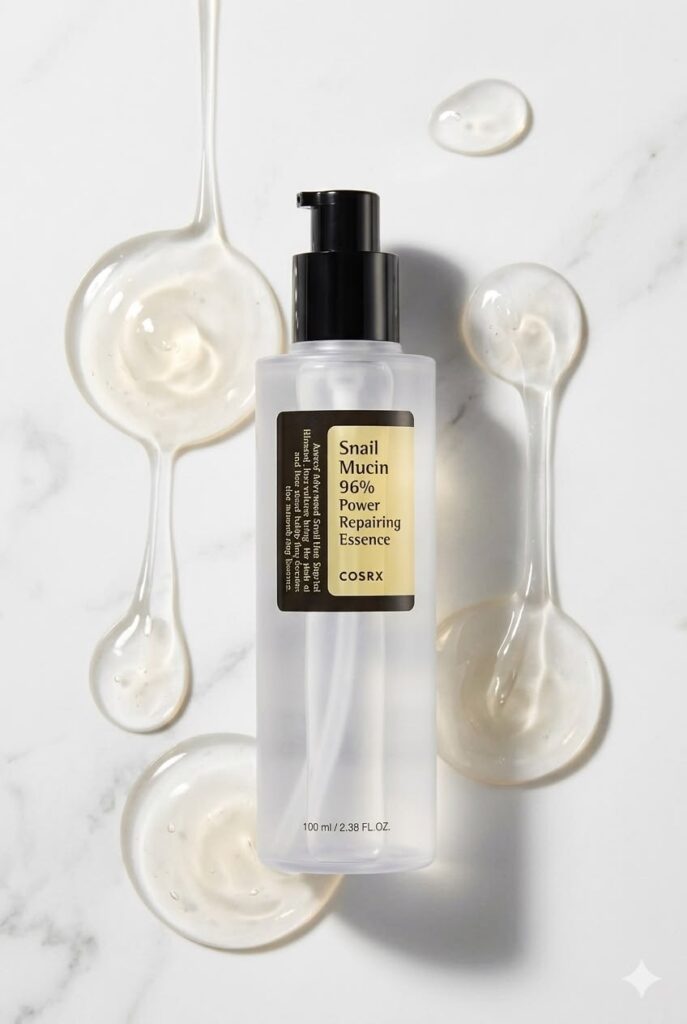
Take snail mucin, the one everyone’s heard of by now. It really is what it sounds like: the slime snails secrete to protect and heal their own skin as they move. Korean skincare brought it into the mainstream, and it’s since become a staple for hydration, prized for its blend of hyaluronic acid and proteins. It shouldn’t work as well as it does, and yet it’s one of the most requested ingredients in K-beauty today.
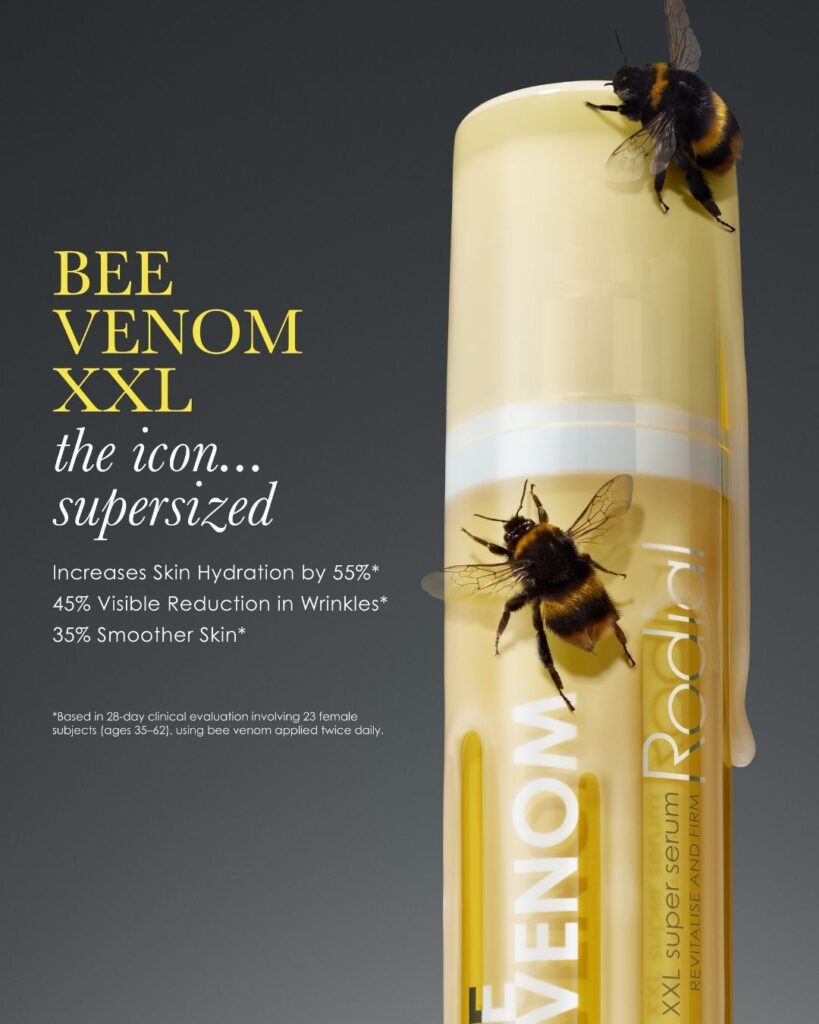
Bee venom is stranger still. Marketed under names like “nature’s Botox,” it works by applying a minute, safe amount of venom to the skin, just enough to make your body think it’s under mild attack. That response triggers increased blood flow and a small collagen boost, mimicking some of the effects people chase with more invasive treatments. It’s a strange trade: convince your skin it’s being stung, and get a glow in return.
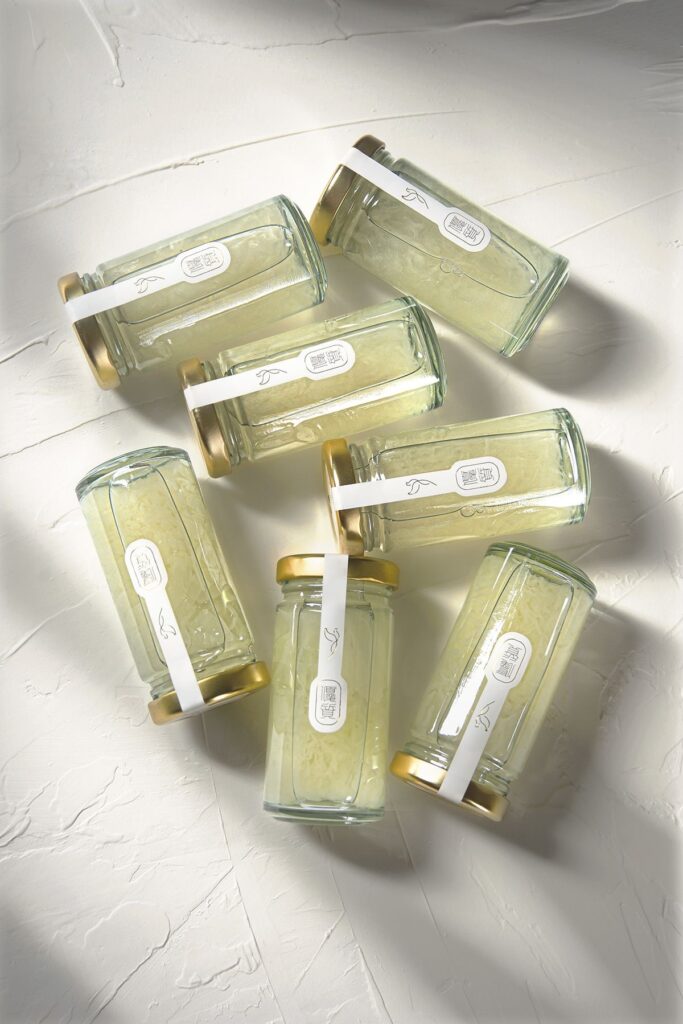
Then there’s bird’s nest extract, which sounds like it shouldn’t be real, but very much is. It comes from the nests certain swiftlet birds build almost entirely from their own hardened saliva. The ingredient has centuries of history in Chinese food and wellness traditions, long before it found its way into modern skincare for its supposed plumping effect. It’s an old, culturally significant ingredient dressed up in new packaging.
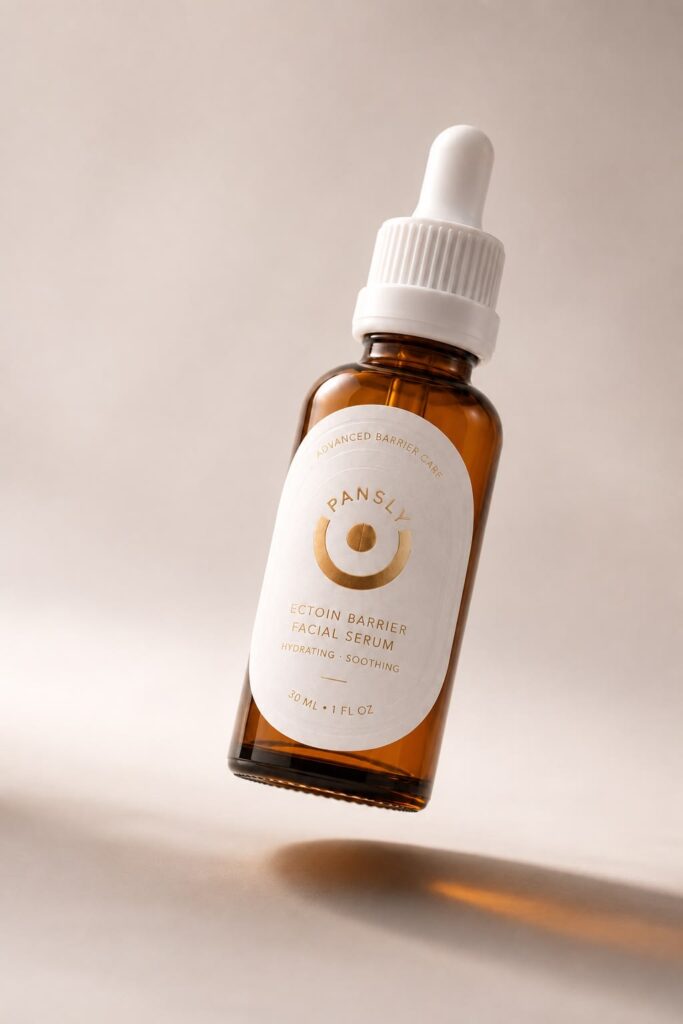
Ectoin might have the most unusual backstory of all. It’s derived from bacteria that survive in some of the harshest environments on Earth, salt deserts, geothermal springs, places where almost nothing else can live. Researchers discovered that these microbes produce a molecule that shields their cells from extreme stress, and skincare chemists realized the same molecule could help human skin cope with pollution, dehydration, and everyday environmental damage. What began as a survival mechanism for extremophile bacteria is now sold in serums.
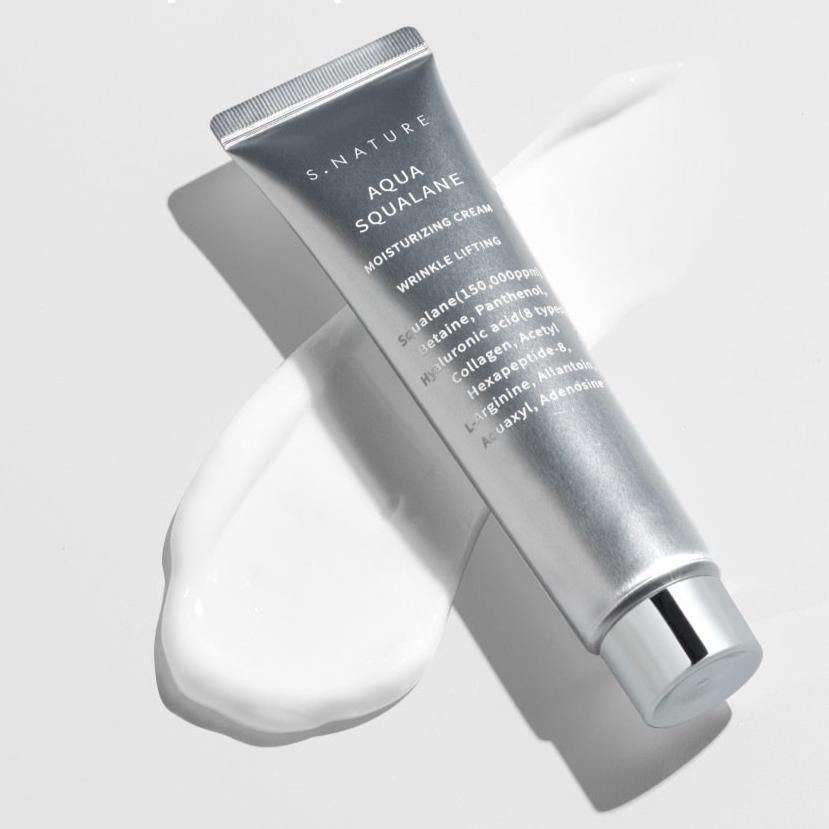
Even squalane, the mild, everyday oil found in half the moisturizers on your shelf, has an odd history. It was originally sourced from shark liver oil, since deep-sea sharks store large amounts of it to help withstand underwater pressure. Most brands have since moved to plant-based alternatives made from olives or sugarcane, but for years, that lightweight glow was quite literally coming from the ocean floor.
None of this is marketing gimmick alone. Fermentation, venom-derived compounds, and bacterial extracts have real, documented effects on skin. But there’s no denying the appeal goes beyond efficacy: a strange origin story makes an ingredient feel rare, storied, even a little magical, and in an industry that sells desire as much as results, that might be the most effective ingredient of them all.