
 Nahla Zayed
 On World Photography Day, I found myself thinking about the photographs we take without really thinking about them. The ones captured between conversations, just before dinner arrives, when the light happens to fall perfectly, or when we walk into a place and instinctively feel the need to remember it.
I studied photography in college, and for a long time, it was more than just another subject for me; it was something I genuinely loved. I think that way of seeing the world has stayed with me, even years later. It taught me to notice light differently, to pay attention to the smallest details and, perhaps most importantly, to imagine how a place might look through a camera before I even decide where I want to sit
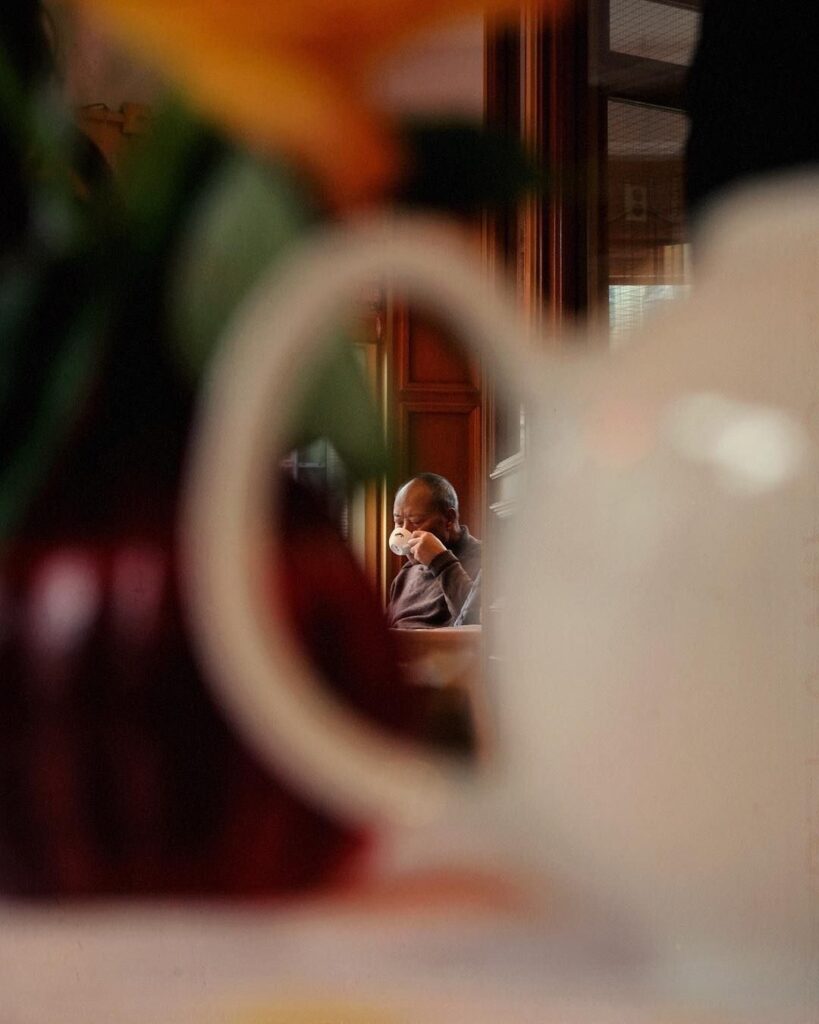
Restaurants are a perfect example. Choosing where to go is sometimes influenced by more than the menu. I find myself thinking about the space, the atmosphere, the natural light and, yes, the photographs I might come home with. Ask me about a restaurant I loved a few years ago and I may not remember exactly what I ordered, but I can probably picture the table. I remember the lighting, the room, the view, perhaps the flowers at the centre of the table, or the person sitting across from me. Sometimes, one photograph is enough to bring the entire evening back—the mood, the details, even the feeling of being there.
I think that is what photography does best. It gives us a way of holding on to something that would otherwise become just another memory.
The Details Behind the Perfect Frame
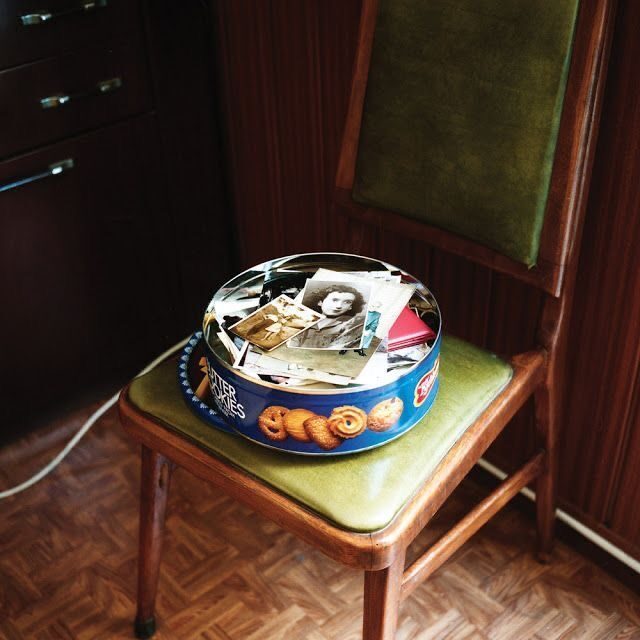
There is usually a reason we notice a restaurant before we even sit down. It might be the light coming through a window, the colour of the room, an interesting piece of furniture, a beautifully set table, or simply the way the space comes together.
Photography has a way of making these details almost impossible to ignore. It teaches the eye to notice where the light falls at different times of the day, how a room might look from a particular corner, and whether the details that first catch the eye will still feel just as striking once they are inside a frame. Sometimes, it is these seemingly insignificant details that give a place its character—and make it worth remembering.
The best restaurant interiors don’t necessarily feel designed for a photograph. They simply have a strong sense of character. Their colours, materials, architecture and surroundings create an atmosphere that makes you want to look a little longer.
When a Restaurant Has a Personality
Around the world, some restaurants have turned this sense of place into an art form, each offering a completely different reason to reach for the camera.
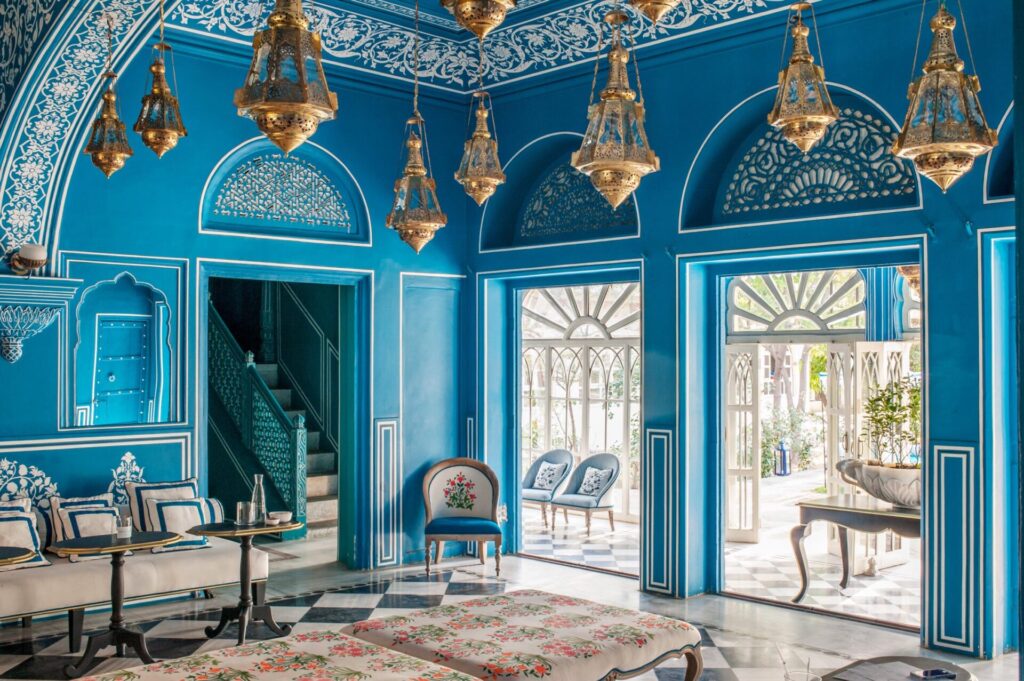
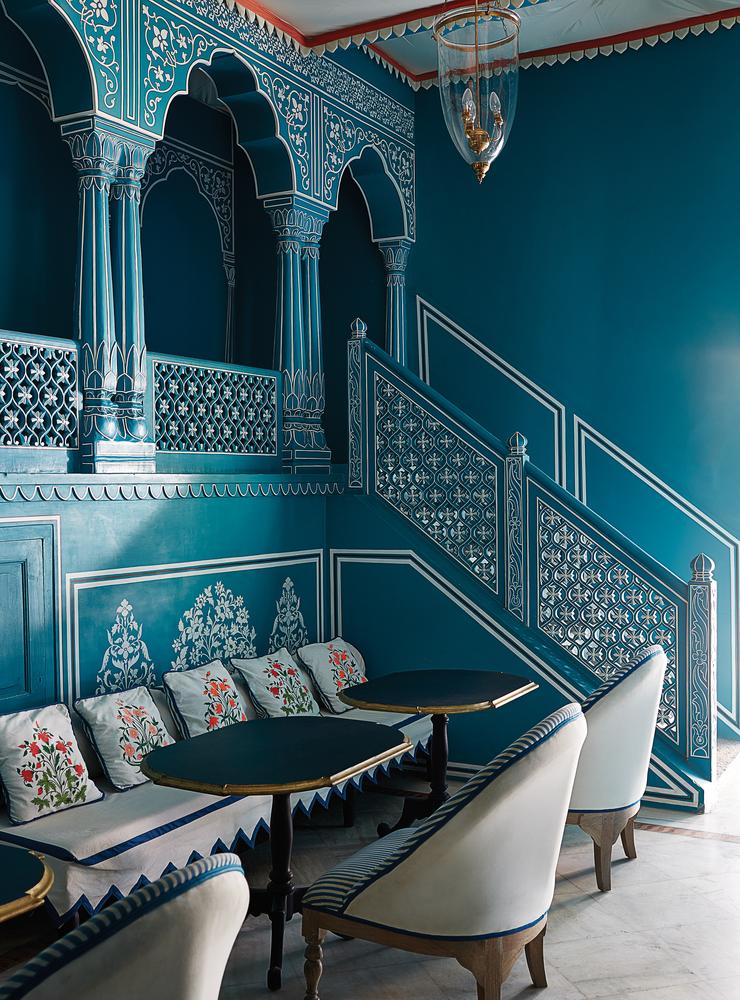
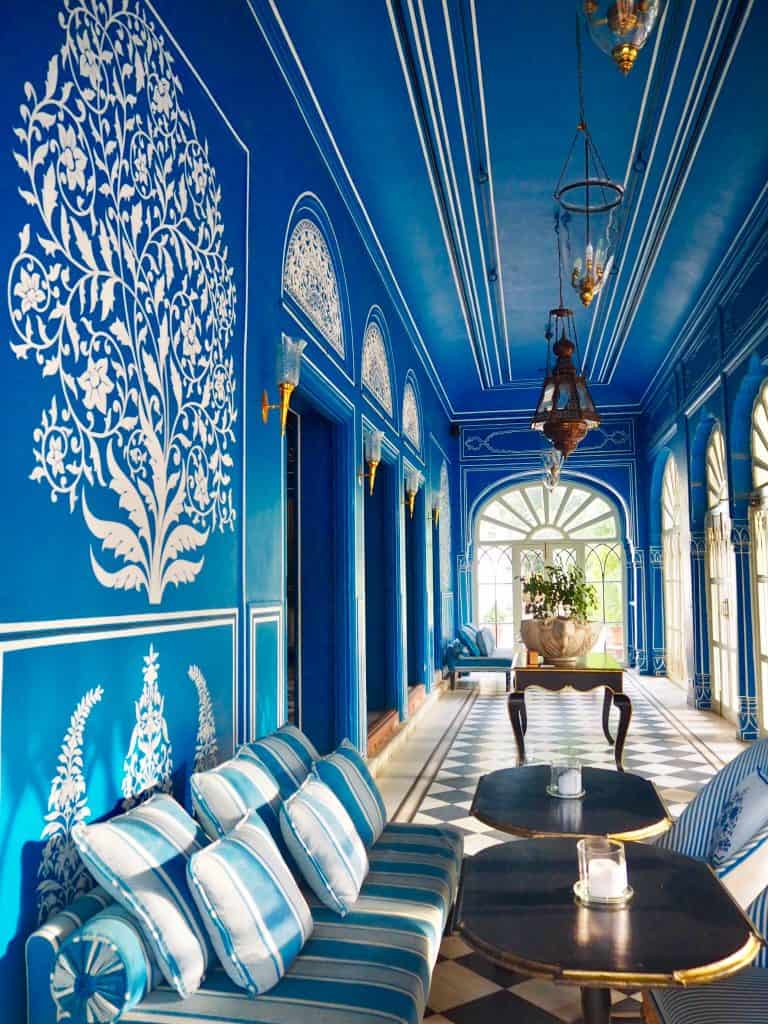
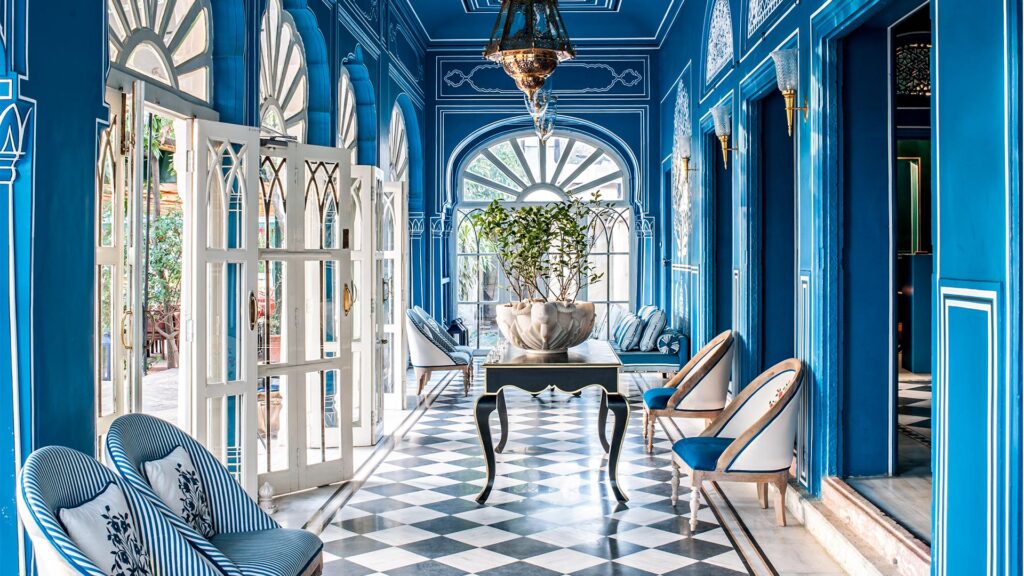
At Bar Palladio in Jaipur, colour and pattern do most of the talking. Its vivid blue interiors, intricate details and elegant pavilions create a setting deeply connected to Jaipur’s visual language, while the surrounding greenery adds another layer to the frame.
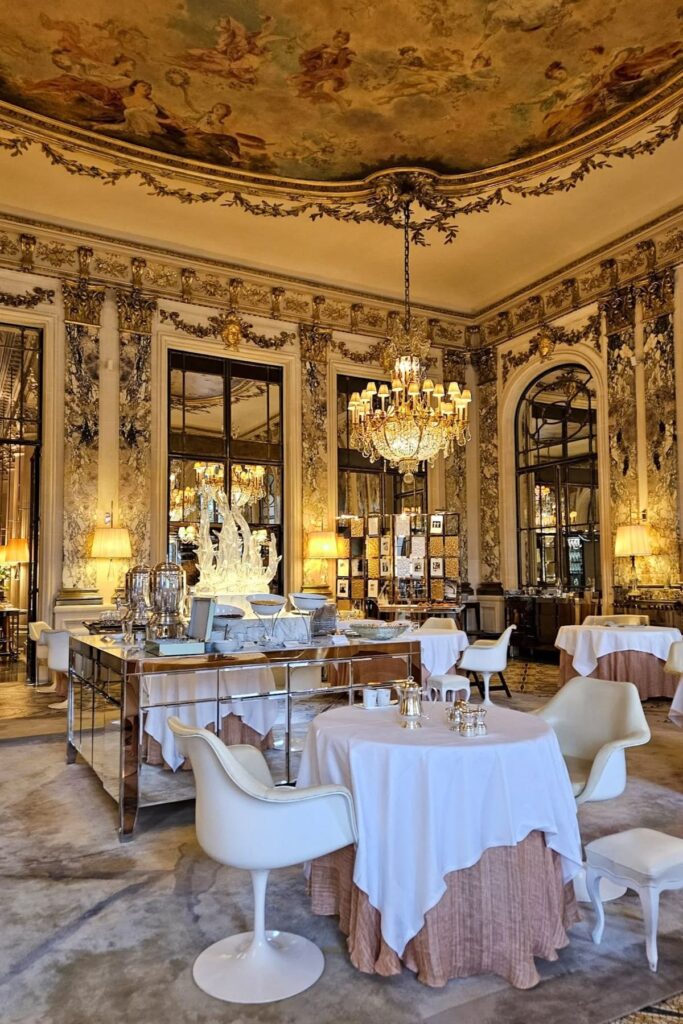
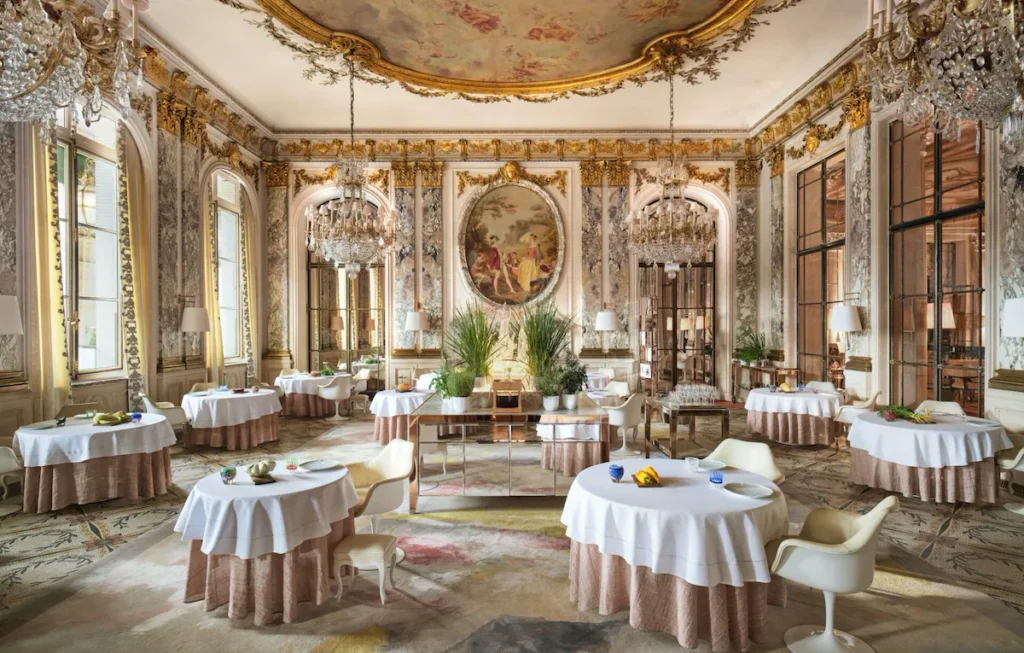
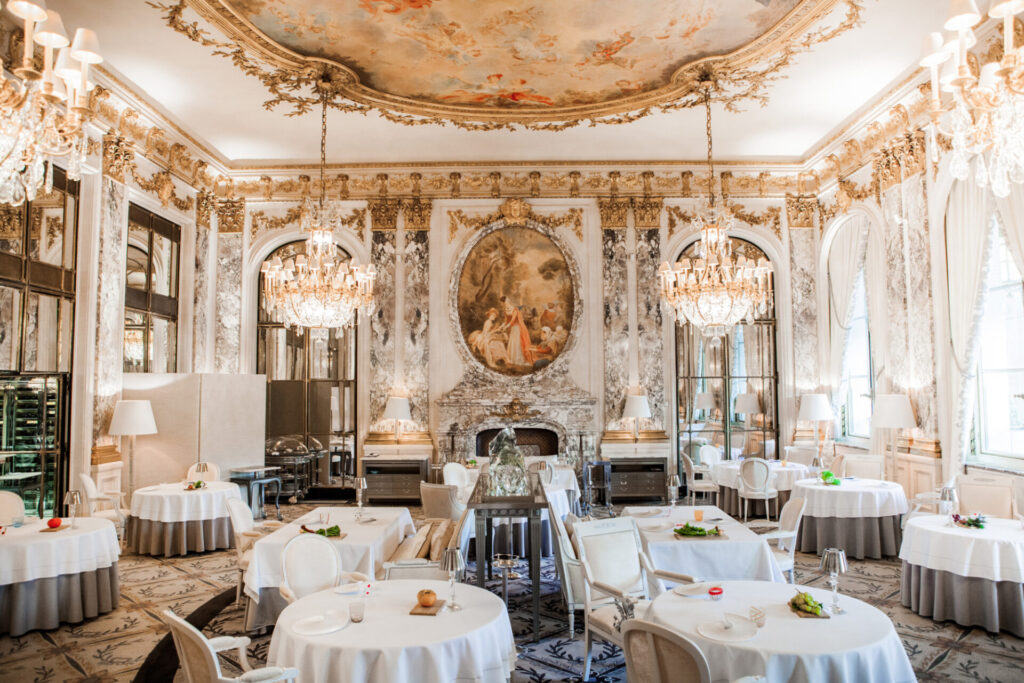
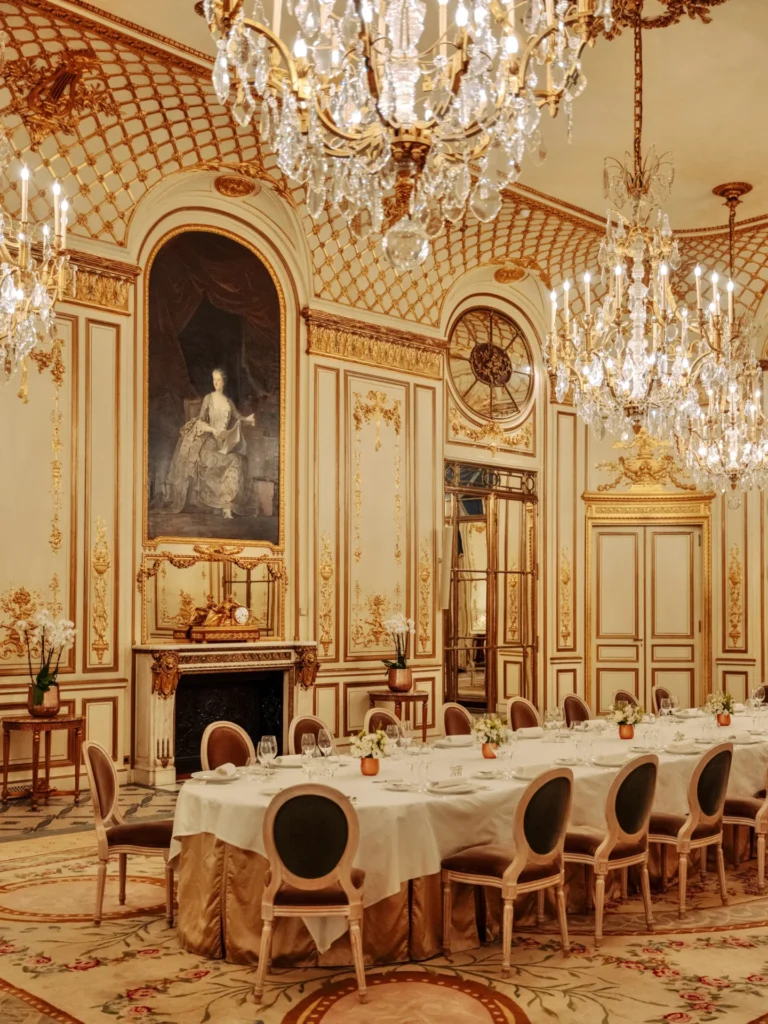
In Paris, Le Meurice draws the camera towards history. Inspired by the Salon de la Paix at Versailles, its dining room combines antique mirrors, crystal chandeliers, marble, bronzes and frescoes, creating an atmosphere where the room itself can feel like part of the occasion.
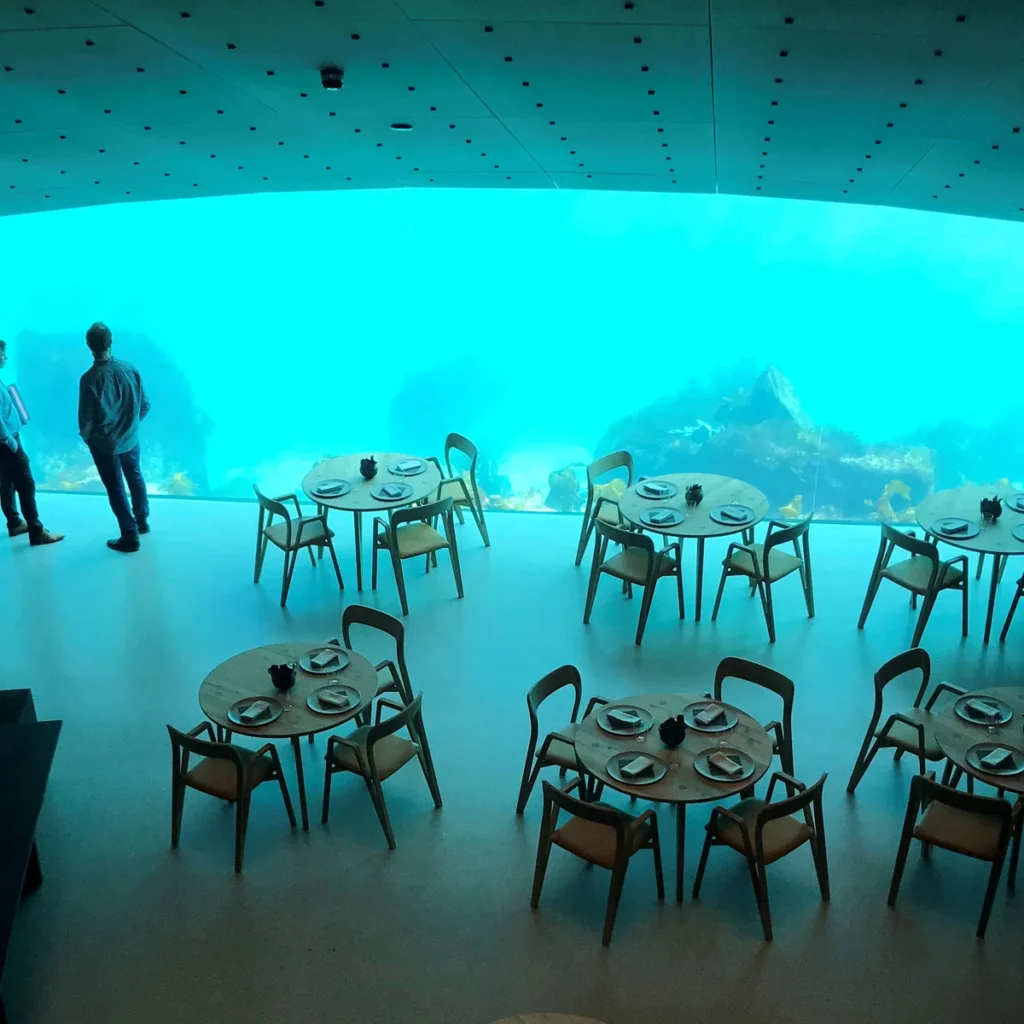
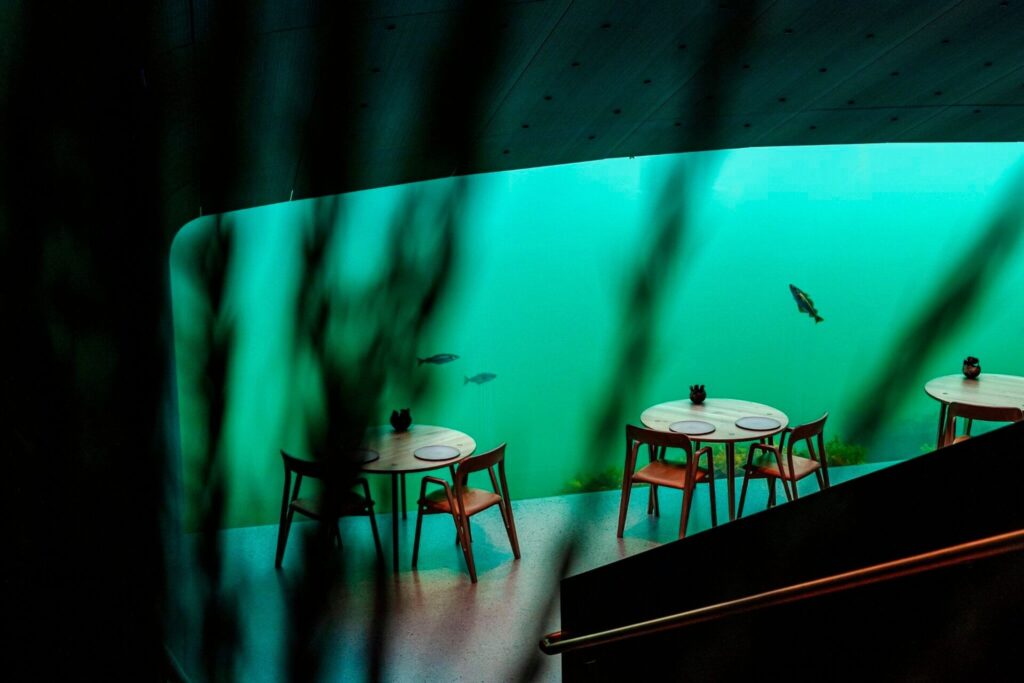
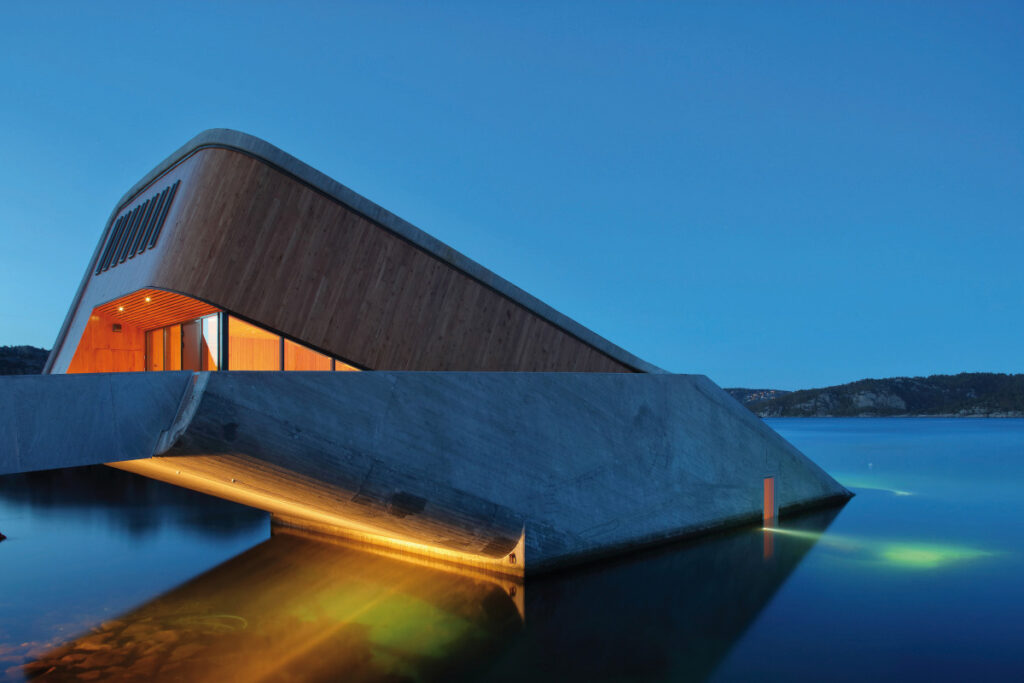
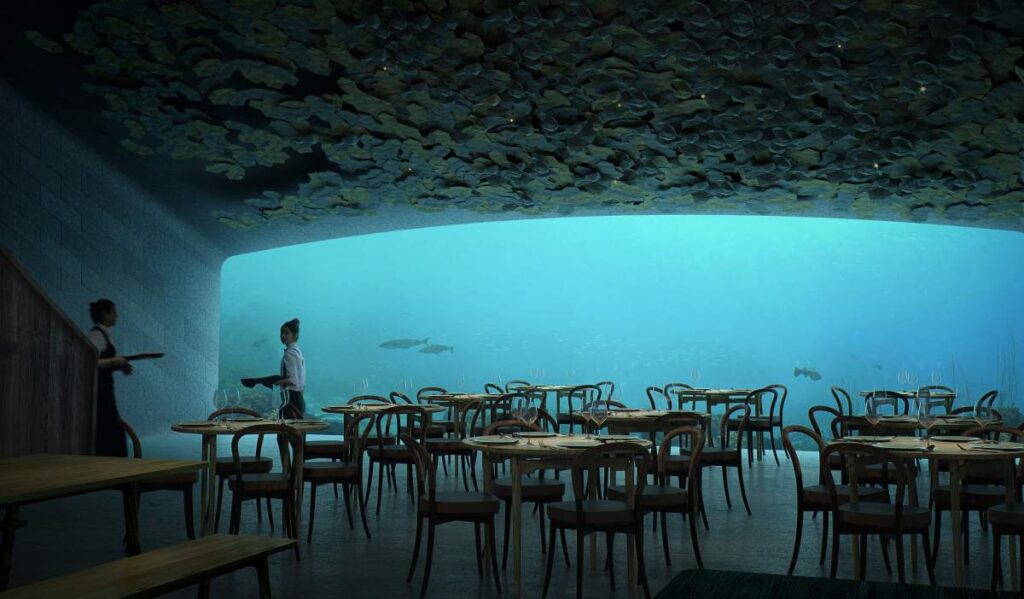
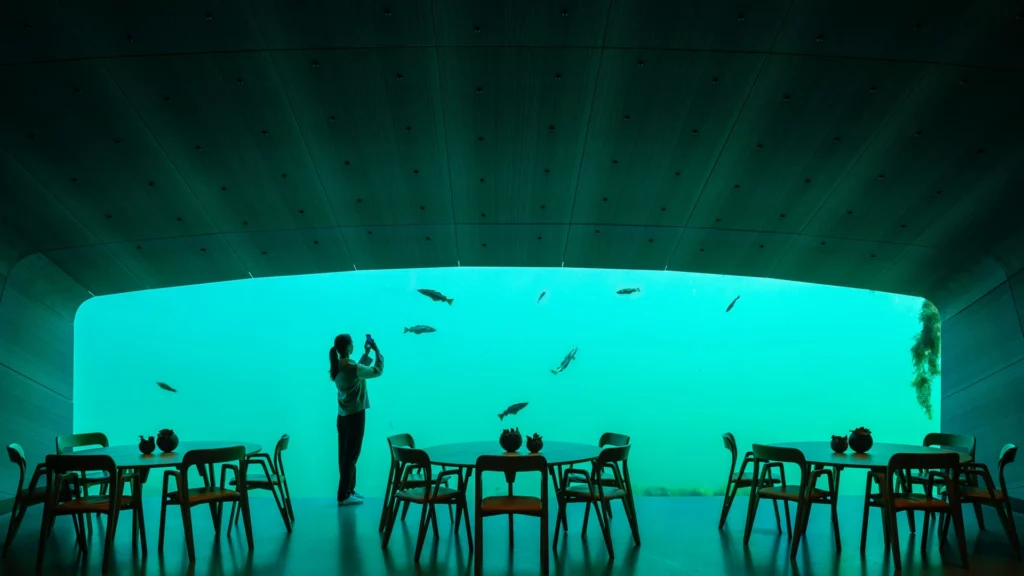
At Under in Lindesnes, Norway, it is the landscape that changes everything. Partially submerged beneath the North Atlantic, the restaurant’s panoramic window looks directly into the underwater world, turning the sea into an ever-changing backdrop to the dining experience.
At Giraffe Manor in Nairobi, the photograph can arrive before the meal does. Set within a historic manor surrounded by gardens, the experience is famously shared with resident Rothschild’s giraffes, who can appear beside the windows and tables during breakfast. It is difficult to imagine a more unexpected photograph to bring home from a meal.
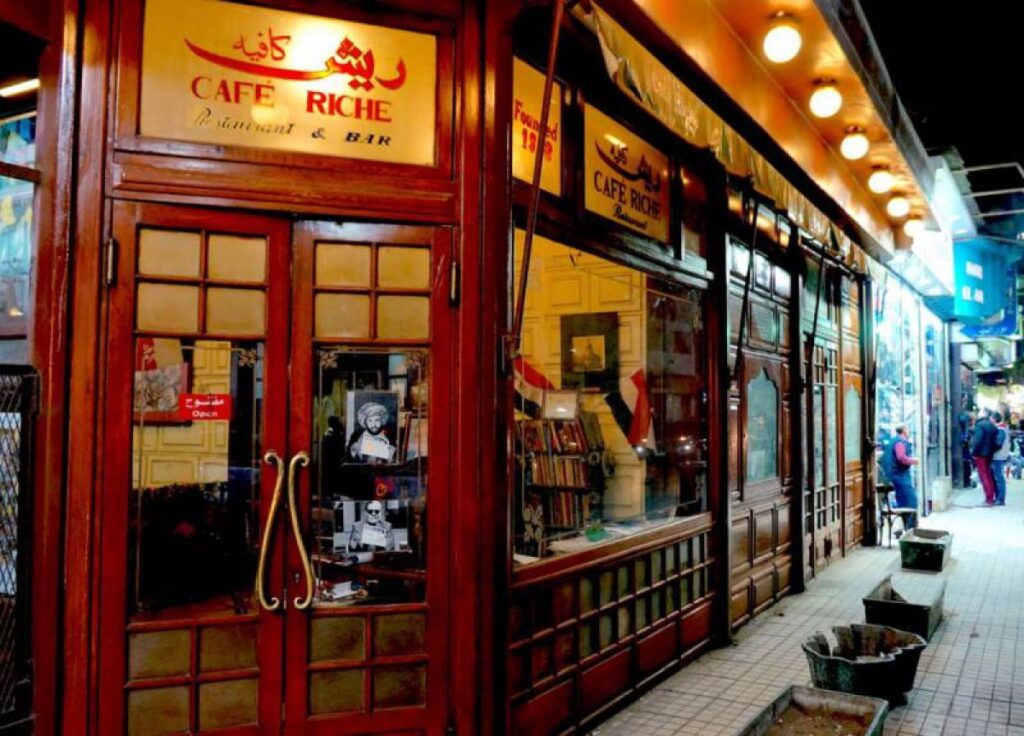
And then there is Café Riche in Downtown Cairo, which offers a completely different reason to take out the camera. Established in the early 20th century on Talaat Harb Street, Riche has been part café, restaurant and theatre, and over the decades became a meeting place for writers, artists, intellectuals and political figures. Its importance is not only in how it looks, but in everything its walls have witnessed.
Walking into a place like Riche, the photograph becomes less about finding the perfect composition and more about noticing the traces of the people and stories that came before you. The old photographs, the furniture, the narrow spaces and the feeling of a place that has remained part of Downtown Cairo for generations give it something that cannot be recreated simply through good design.
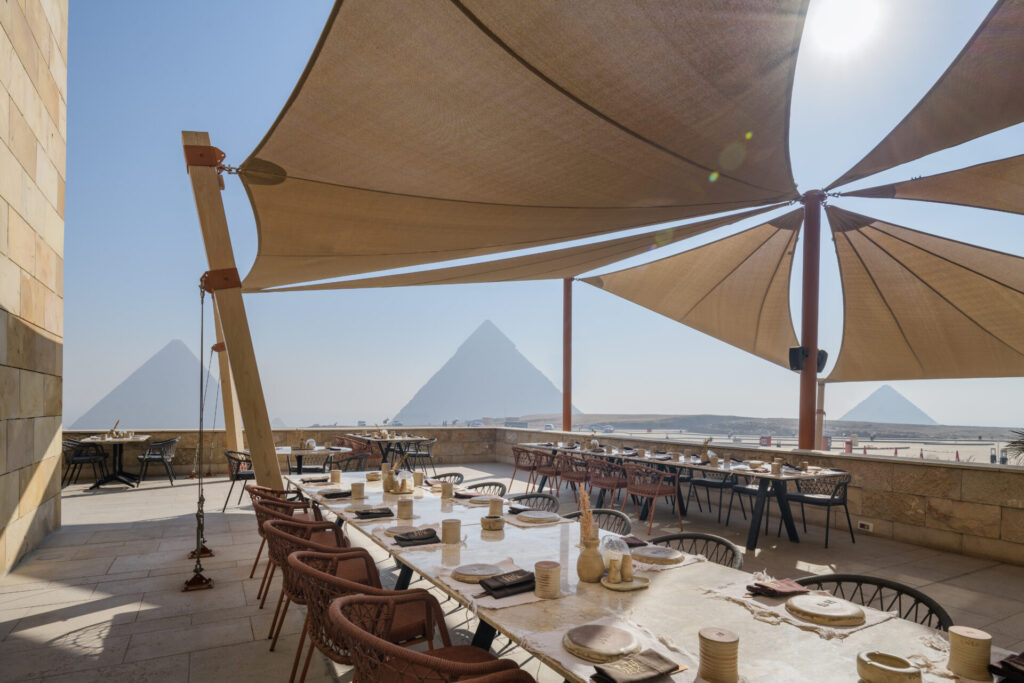
And then, in Giza, Khufu’s offers another kind of photograph, one shaped almost entirely by its surroundings. With the Great Pyramid in view, the restaurant creates a quiet contrast between a contemporary dining experience and one of the oldest landscapes in the world. Here, the view does most of the work, while the changing light gives every table a different frame.
What connects these places is not a particular aesthetic. They are beautiful in completely different ways, but each has a visual identity strong enough to make you pause. Some give us colour, some architecture, some landscape, while others give us something harder to photograph: a sense of history.
And perhaps that is what makes a place truly photographable. It is not simply being beautiful, but giving you something worth noticing — and, sometimes, something worth remembering.
The Beauty of an Imperfect Photograph
We have become very used to making photographs perfect. We find the right angle, adjust the light and take another photograph if the first one doesn’t quite work.
But the photographs we return to years later are often the ones that were never meant to be perfect. A slightly blurry picture taken while everyone was laughing, a table after dinner, someone reaching for a dish or the last few minutes of sunlight coming through the window.
Those images feel different because they capture something that wasn’t planned. They remind us that we weren’t there to take a photograph. We were there to spend time with someone, celebrate something, have a conversation or simply enjoy an evening.
The photograph just happened along the way.
What We Capture, We Remember
Looking back at an old restaurant photograph, it is often the details beyond the food that come back first. Perhaps that is why choosing a restaurant can sometimes be part of choosing the memory we want to make. We may go for the food, but we are also choosing the setting in which the evening will unfold.
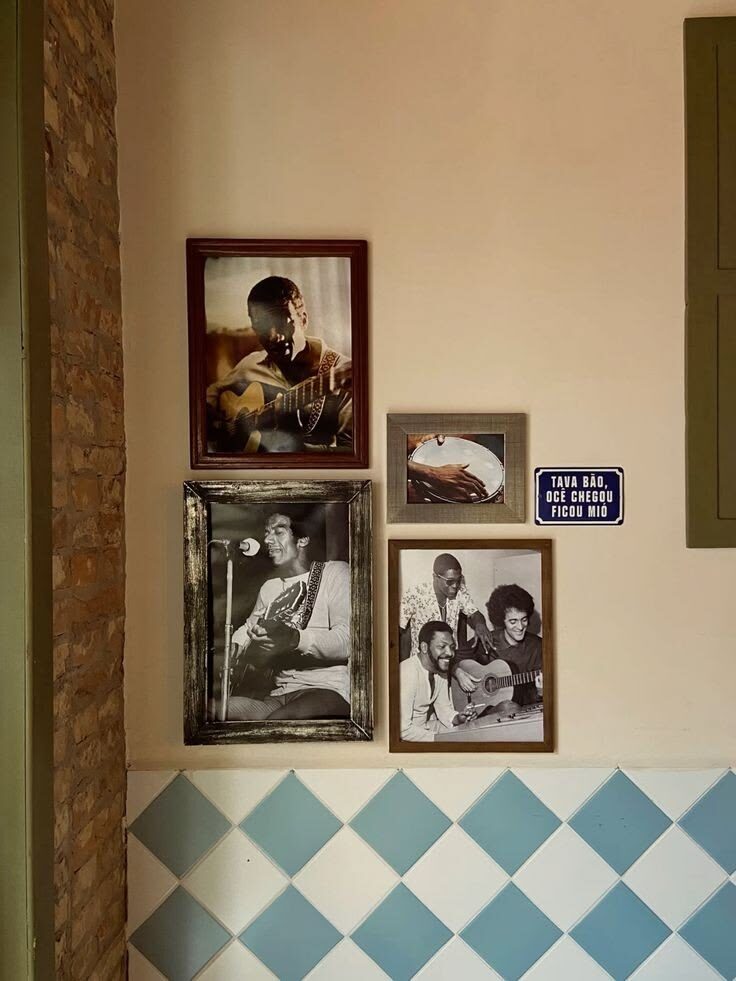
Photography has always been my way of paying attention to those details. What started as something I studied and loved in college has become part of how I experience places now.
A restaurant photograph can become more than a picture of a beautiful space. It can hold a conversation, an evening, a person, a view, or a version of ourselves that existed for just a moment.
And perhaps that is the beauty of photography: years later, one photograph can still take us back to a place we thought we had left behind.