 Nahla Zayed
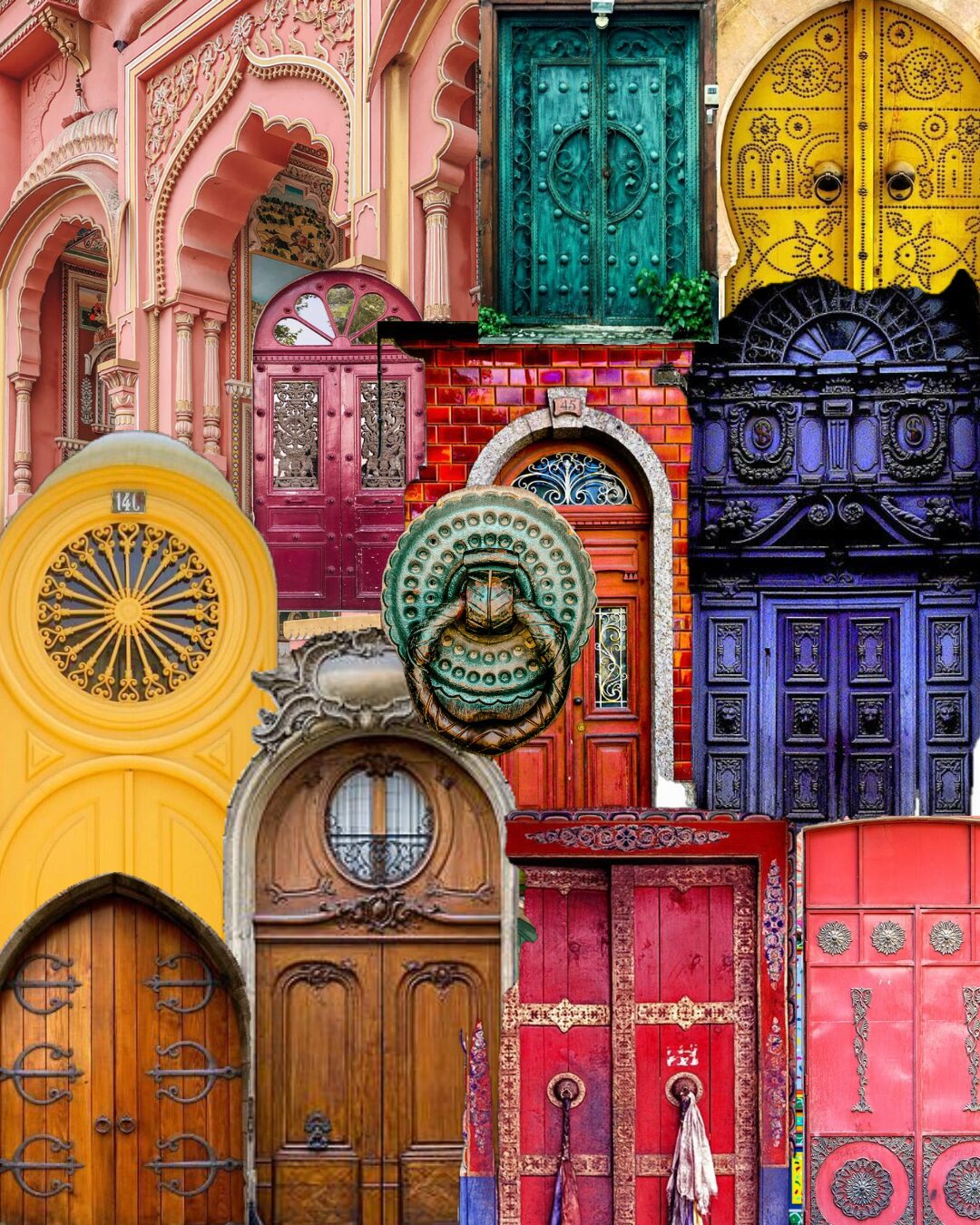
 In literature, cinema, and music, doors often appear as thresholds—quiet symbols of transition, of something just beyond reach. On platforms like Instagram and Pinterest, this idea takes on a visual form, where images of doors and windows transport us into places we may never physically enter, but can still imagine.
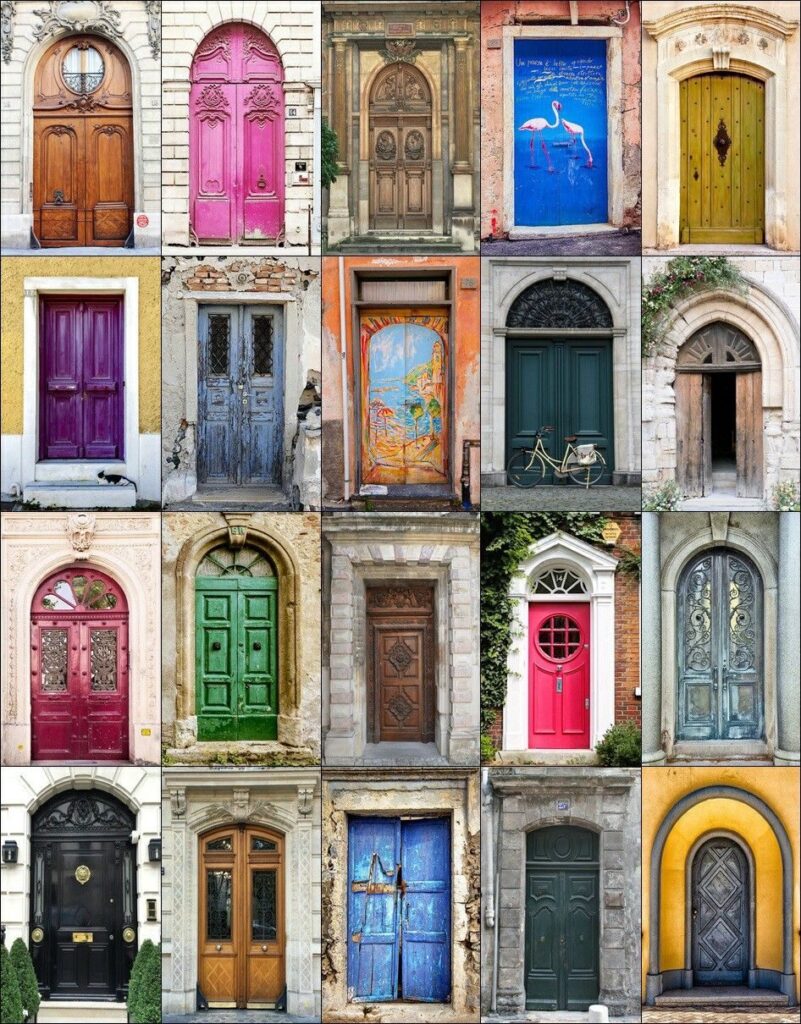
Looking through my own saved images, I realized a quiet pattern running through them—a fascination with doors.
To be fair, I grew up in Egypt, where architecture carries history within its fabric, yet everyday doors often remain understated—functional, familiar, rarely considered as design. Perhaps it was this contrast that made me notice them more later on. Not through travel, but through screens—through endless scrolling, saving, and returning to the same images from around the world.
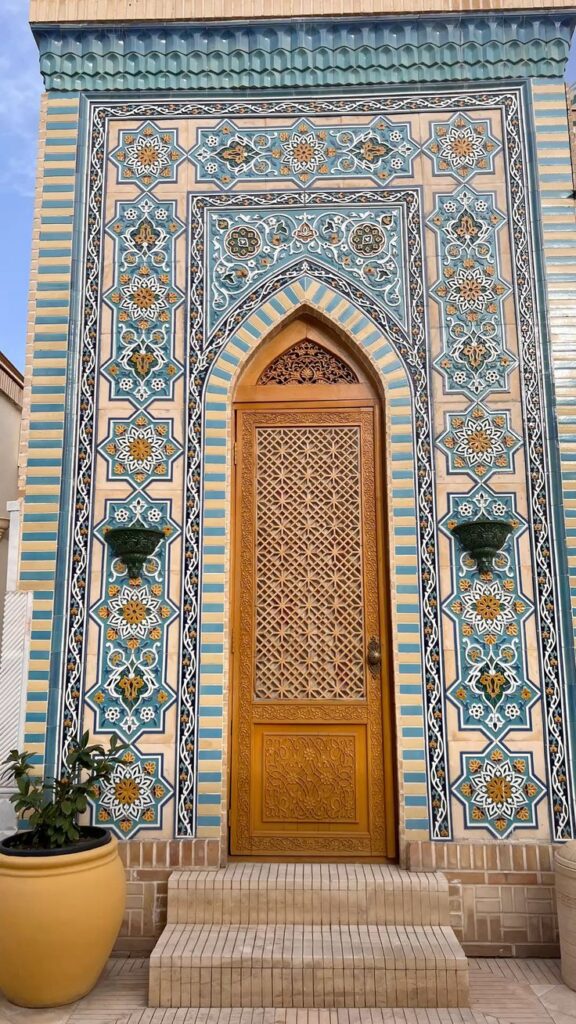
Across cultures, doors are never just architectural elements. They are markers of identity, shaped by geography, craft, and memory. From Cairo to Morocco, Paris to Istanbul, each carries its own visual language—yet all share the same quiet role: to separate, to protect, and to invite.
Let’s knock on the door of Cairo
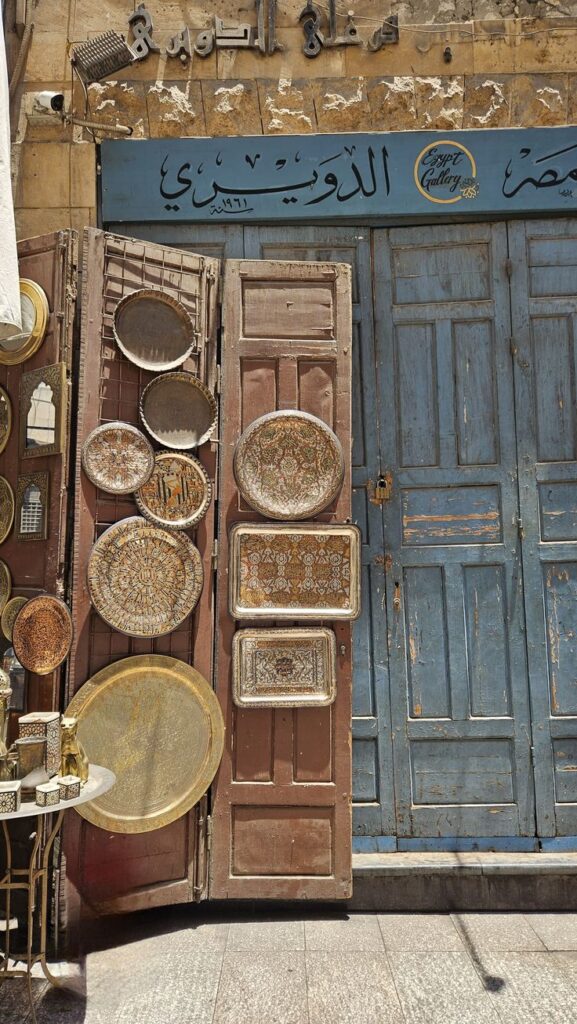
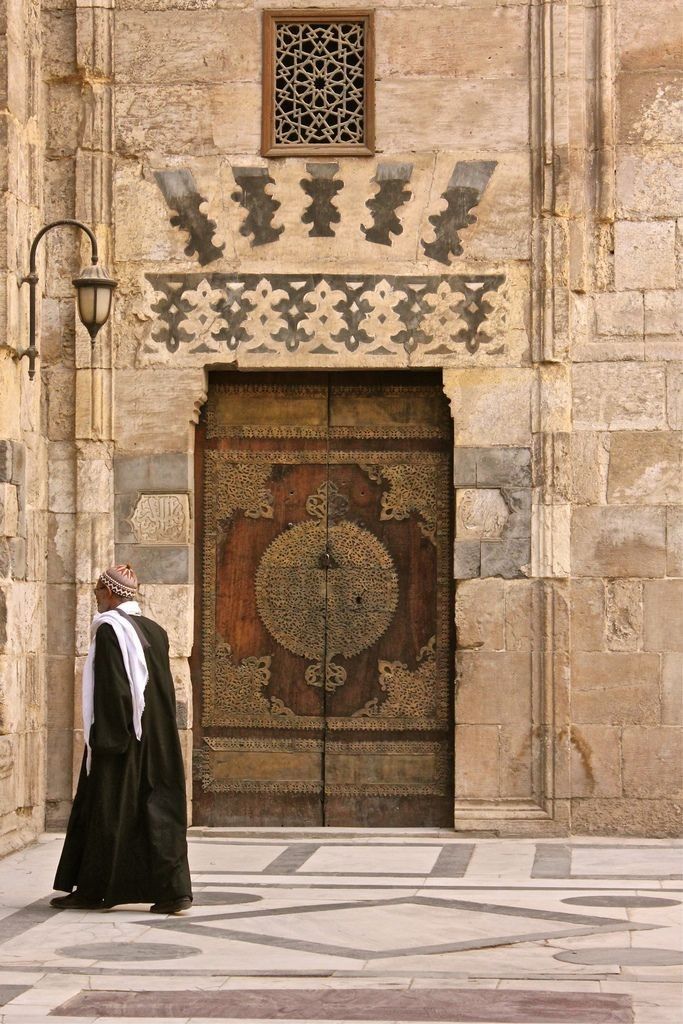
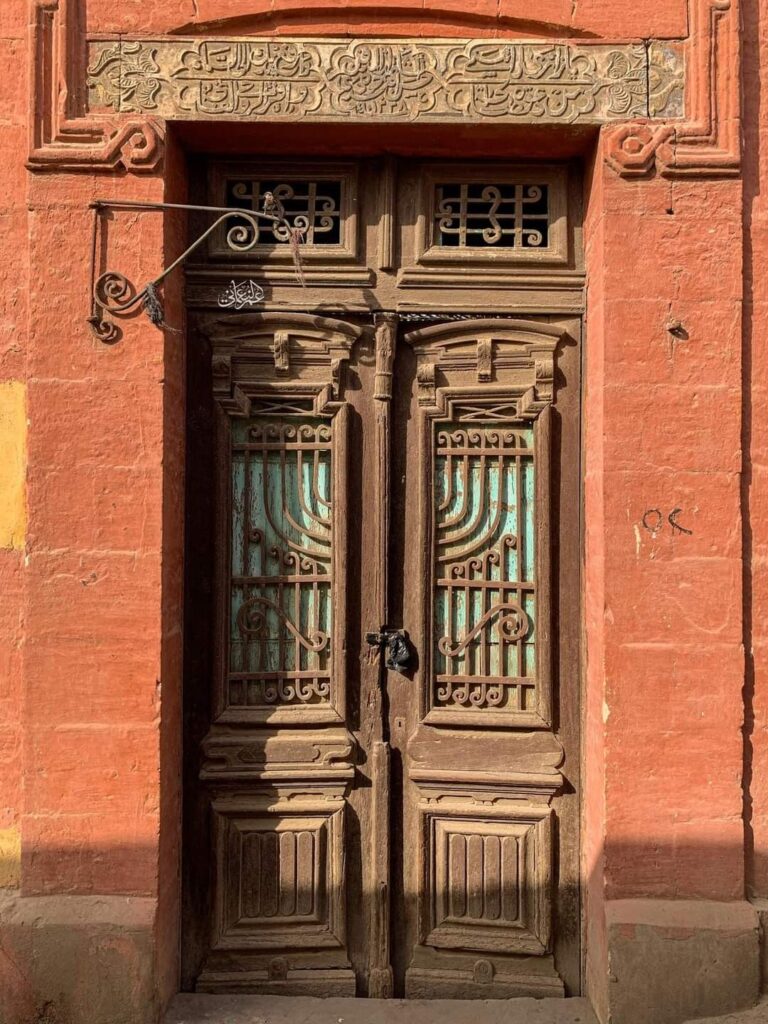
Cairo feels familiar in a different way.
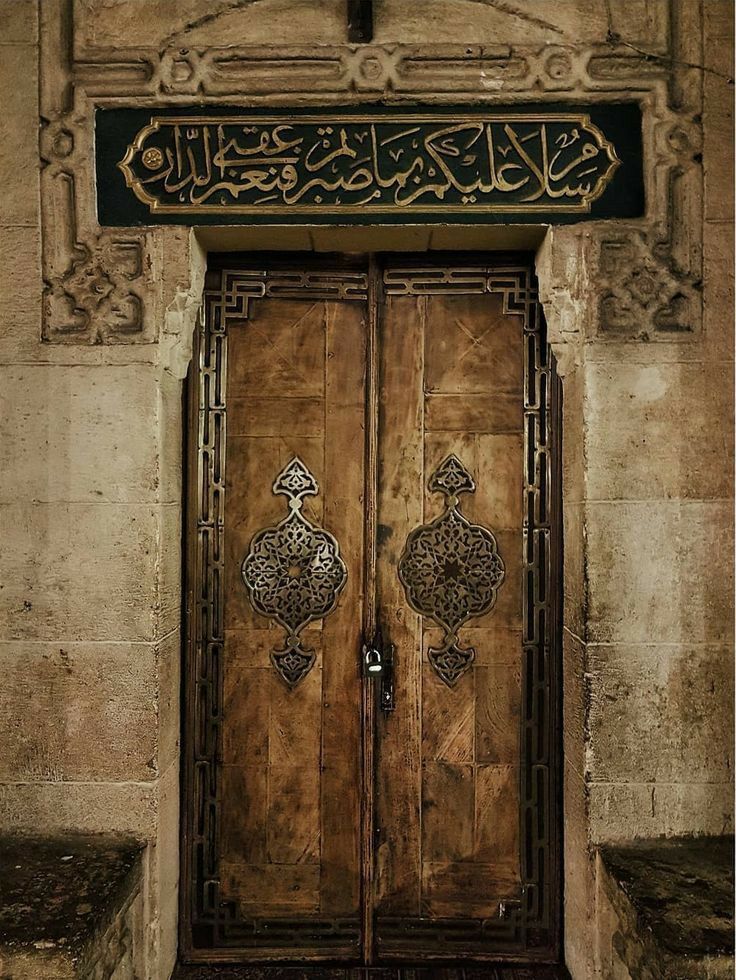
Its doors carry layers of Islamic architectural heritage—carved wood, geometric rhythm, and metal detailing shaped by centuries of craft. In the older parts of the city, many remain unchanged, holding time quietly within their surfaces.
From the historic streets of Al-Muizz Street to the gates surrounding Bab Zuweila, some of the city’s most remarkable doors still stand as part of its living architectural fabric.
Now, let’s step into Morocco
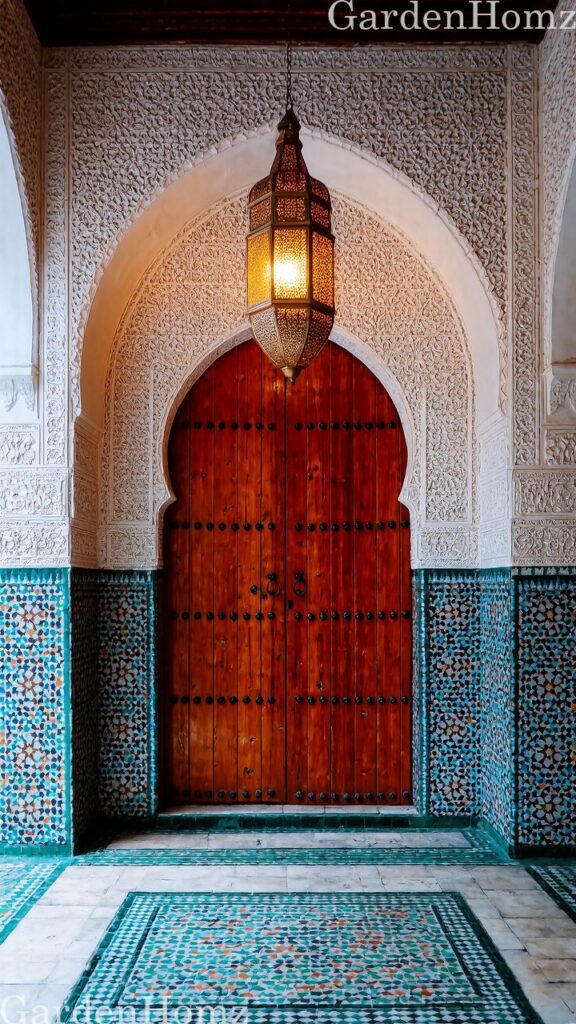
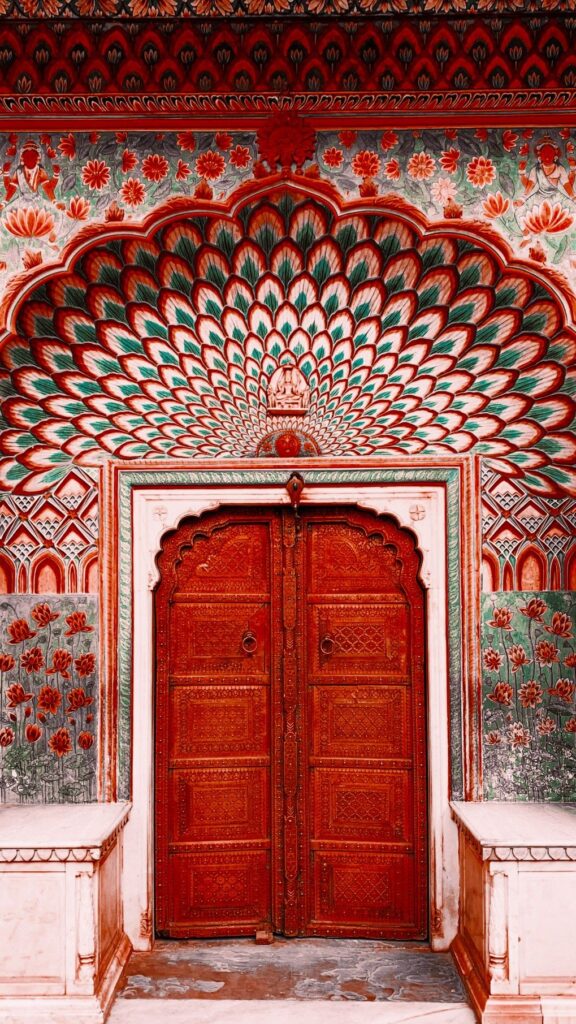
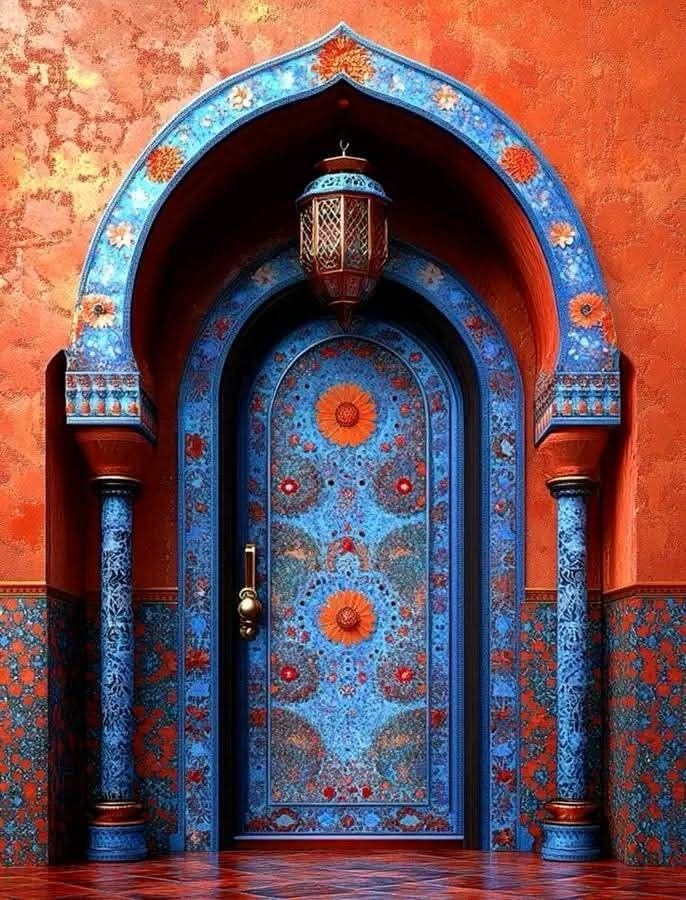
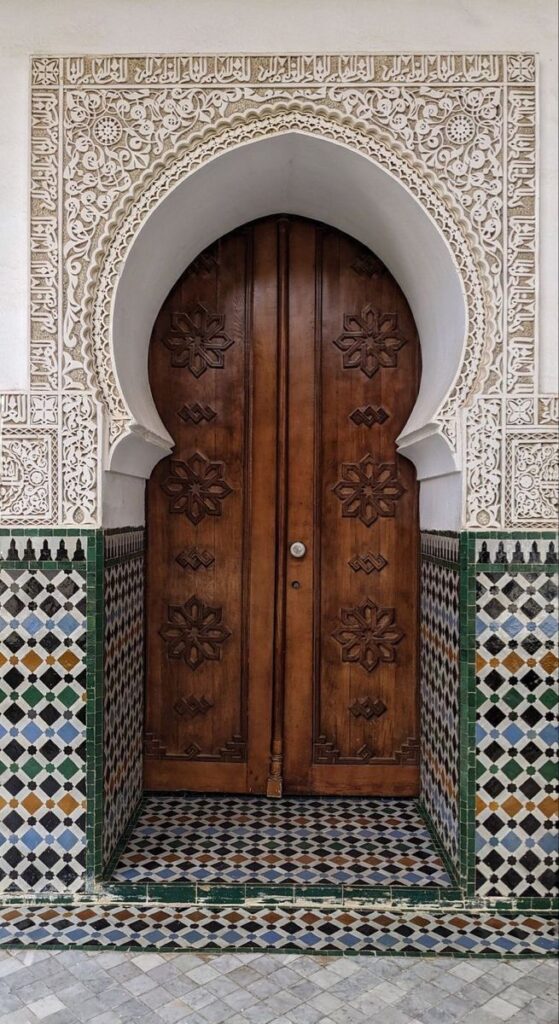
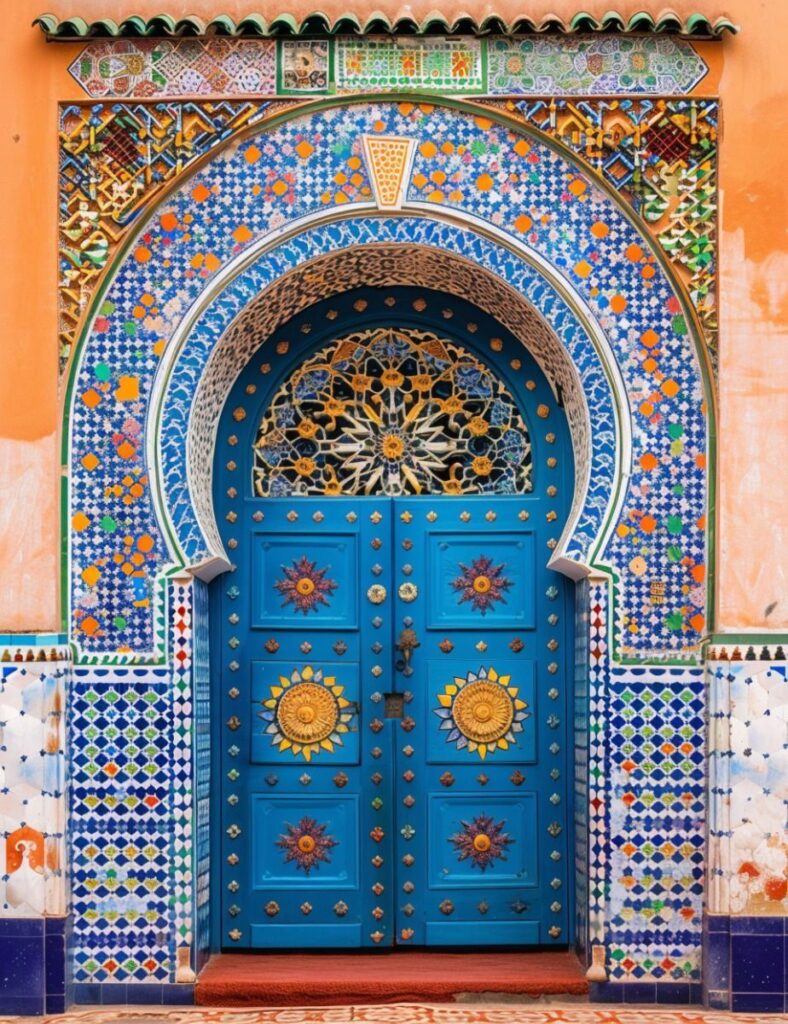
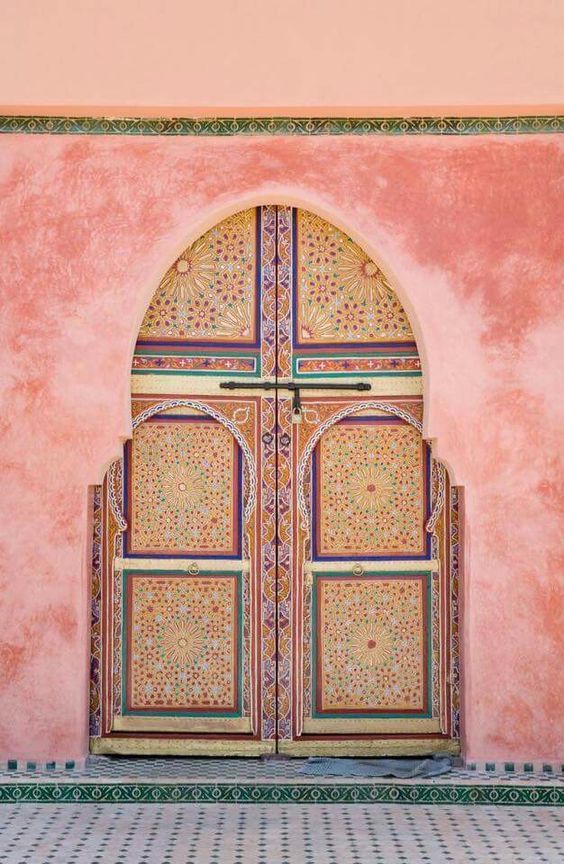
Here, color arrives first.
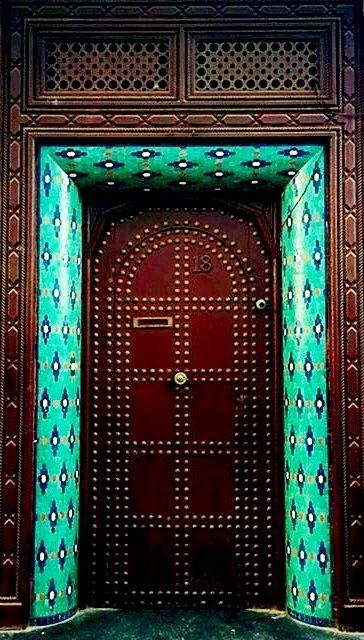
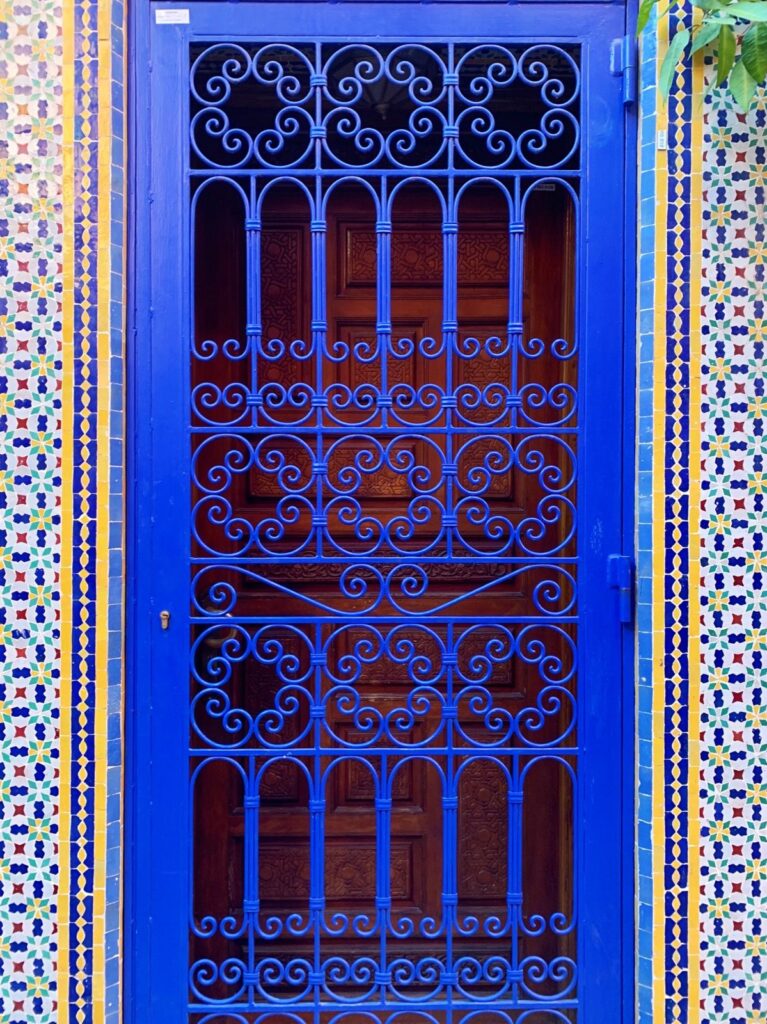
In Morocco, doors are defined by craft and ornament—zellige tiles, carved cedar, and ironwork coming together in layered composition. Rooted in Amazigh and Islamic design traditions, they feel expressive, almost alive in their detail.
Each entrance becomes a shift in atmosphere, from exterior to interior, from public to private.
Let’s pause in Paris
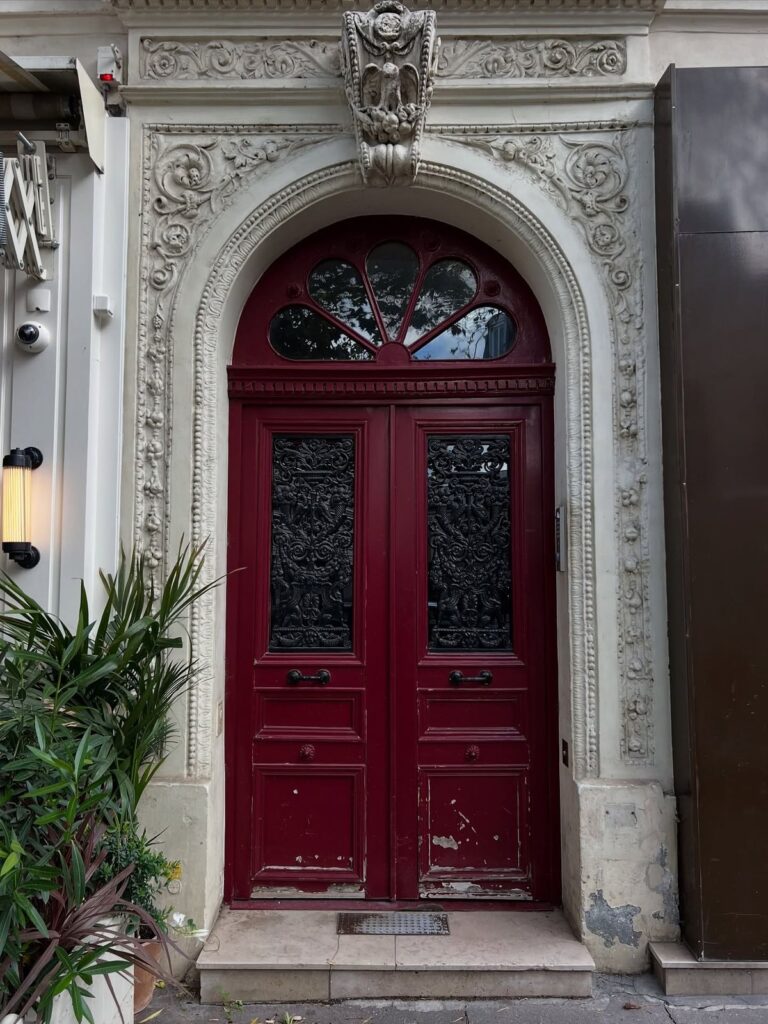
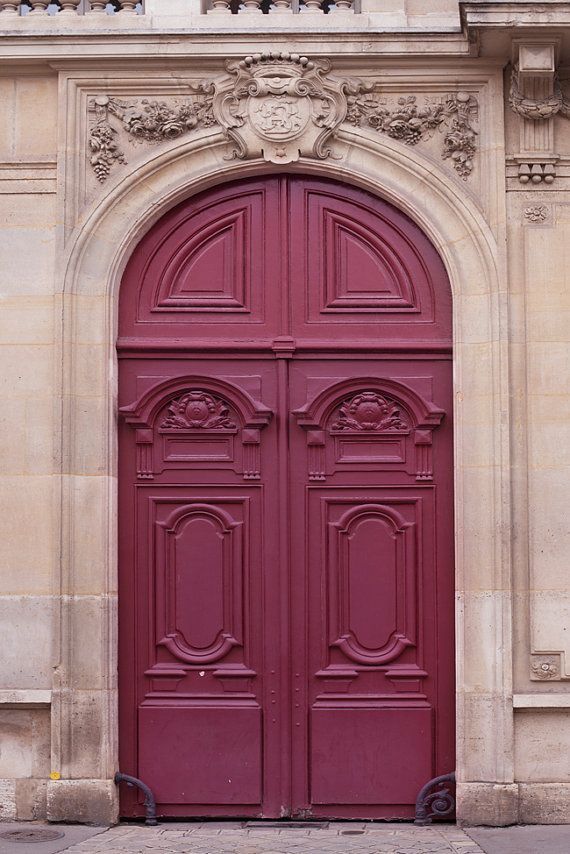
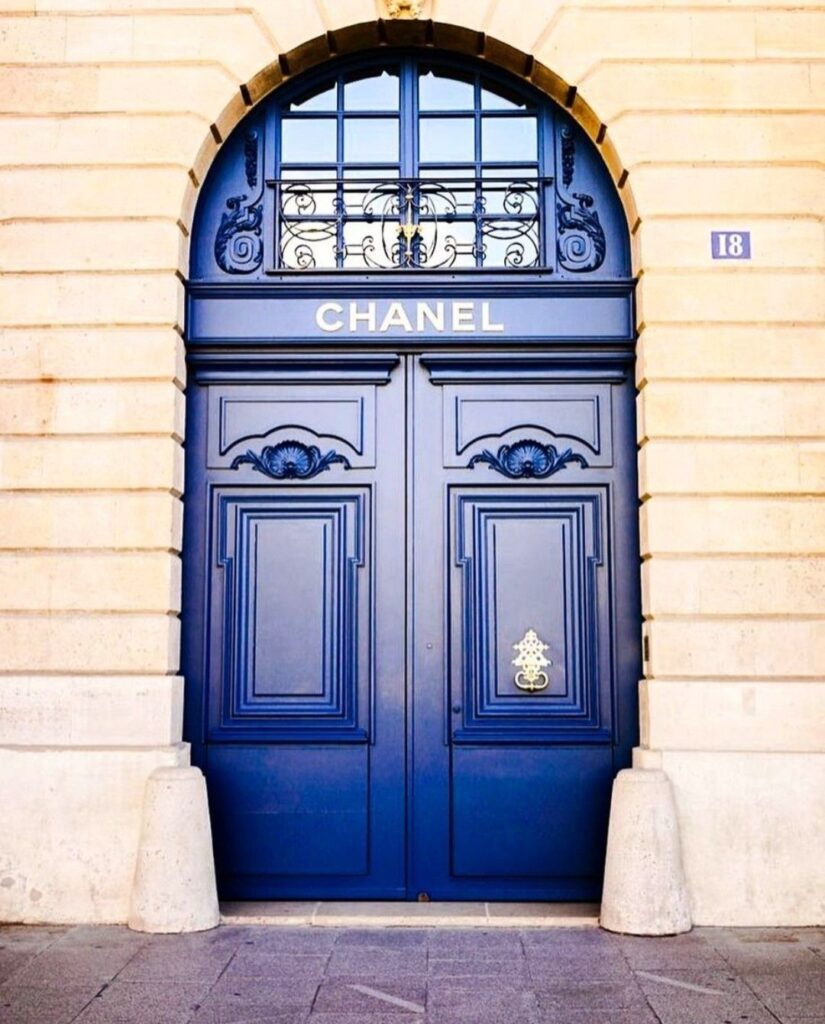
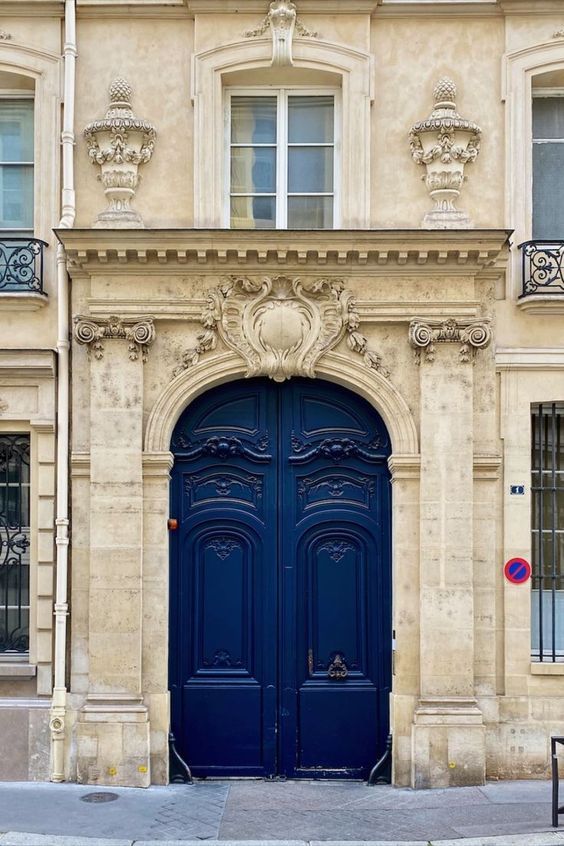
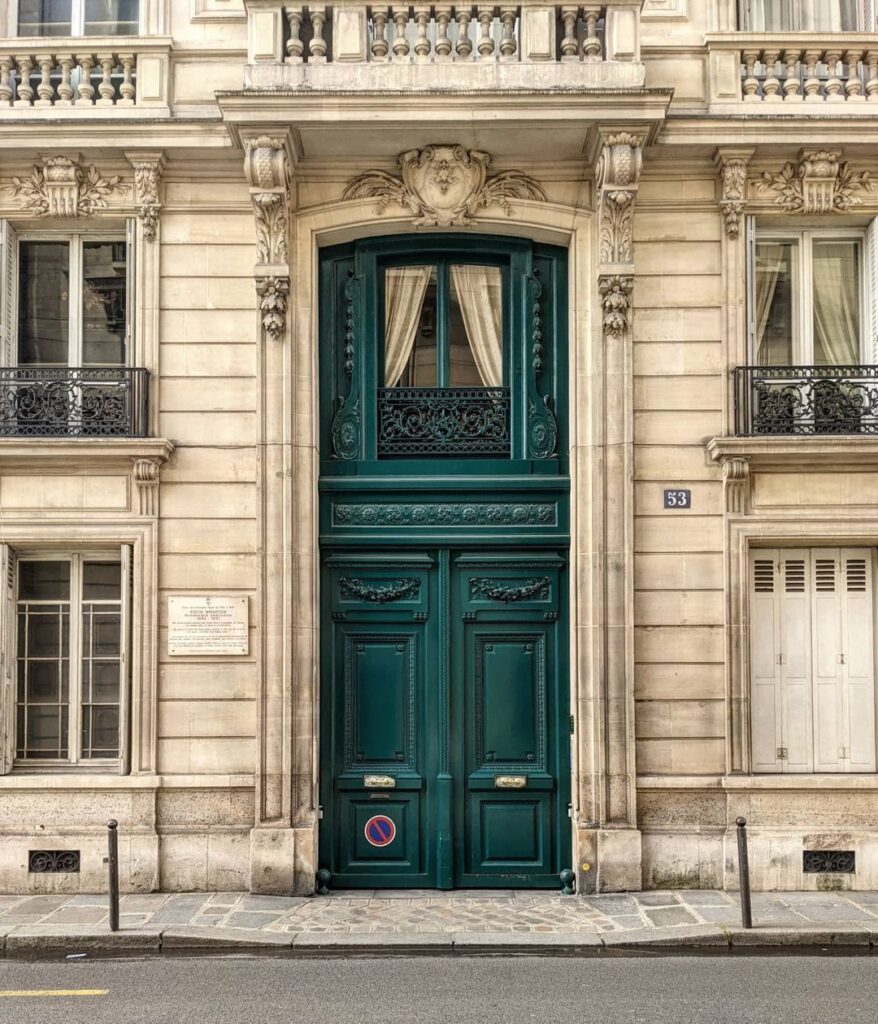
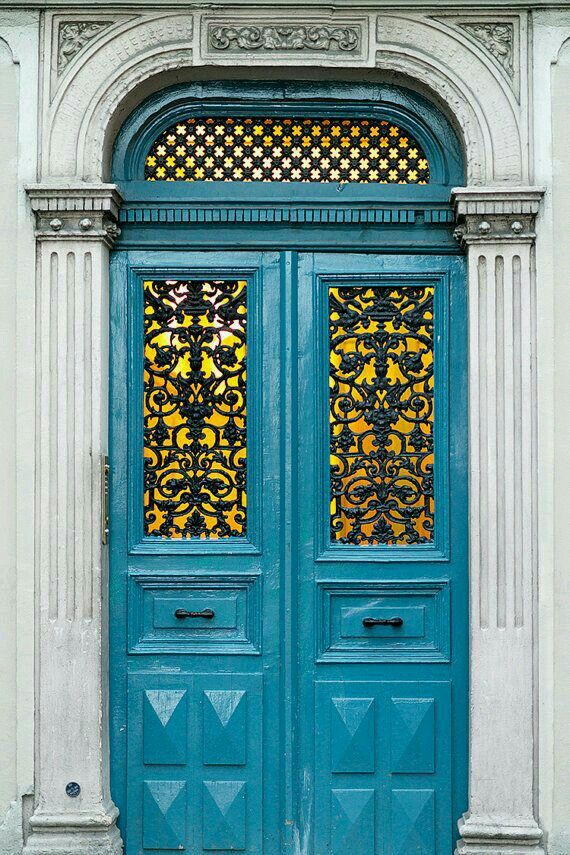
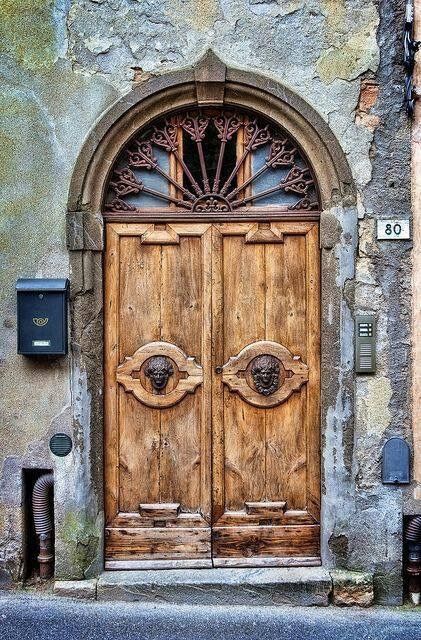
Paris speaks in restraint.
Doors sit within Haussmann façades like punctuation—balanced, measured, and consistent. Nothing is excessive, nothing is accidental. Beauty is found in proportion, in rhythm, in quiet control.
They don’t ask for attention.
They simply belong.
And finally, let’s arrive in Istanbul
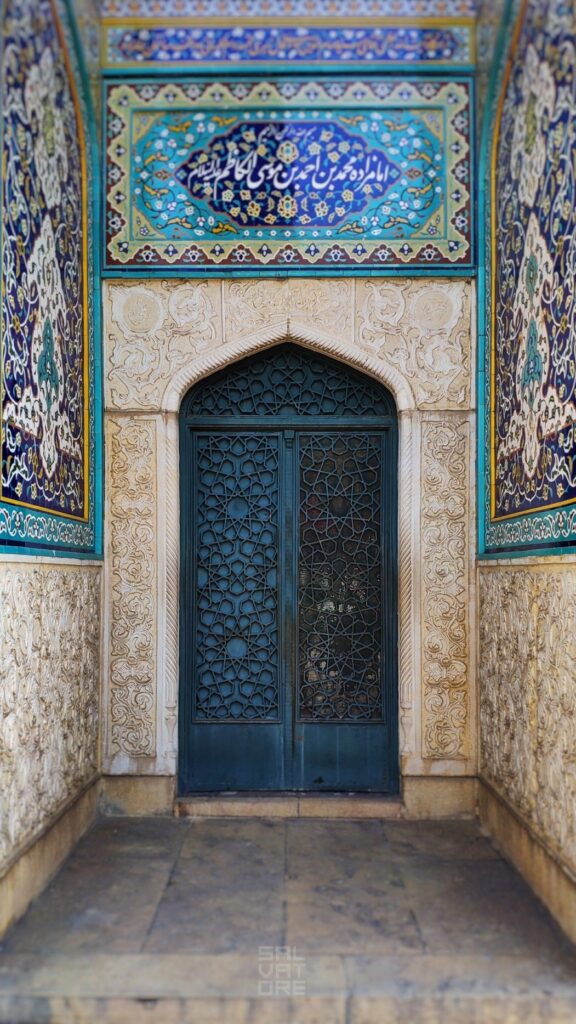
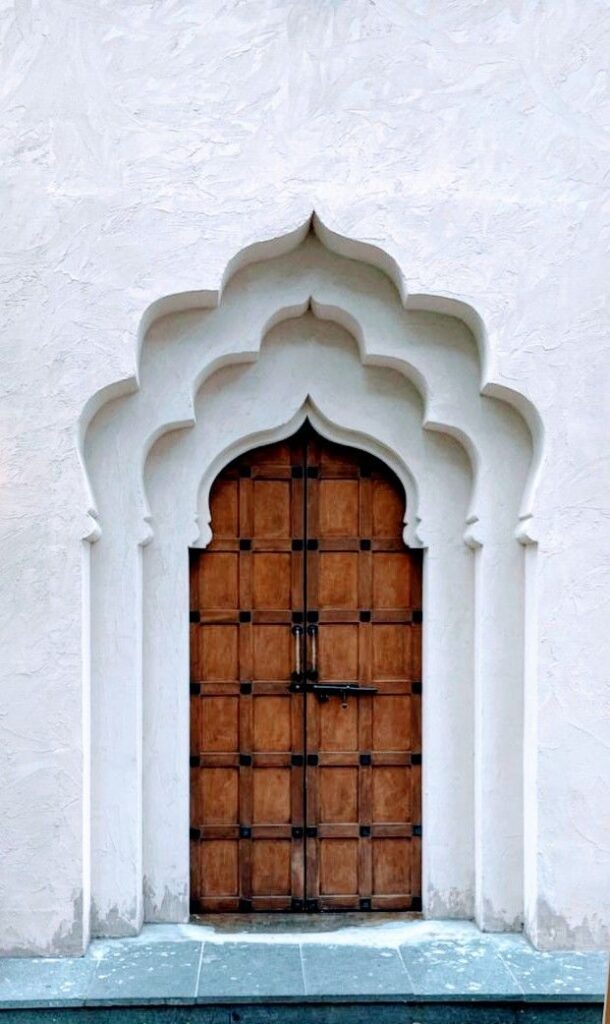
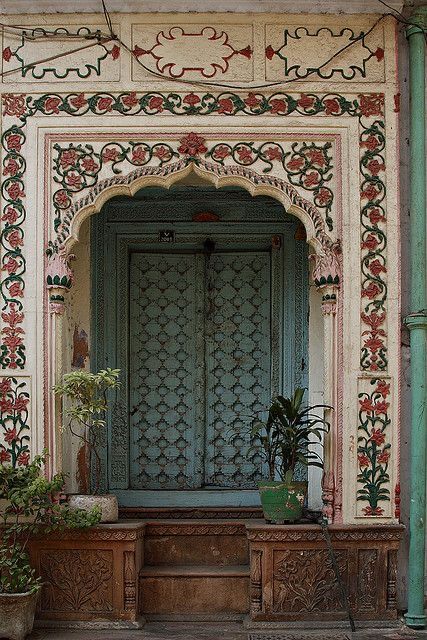
There is a sense of passage here that feels both architectural and emotional.
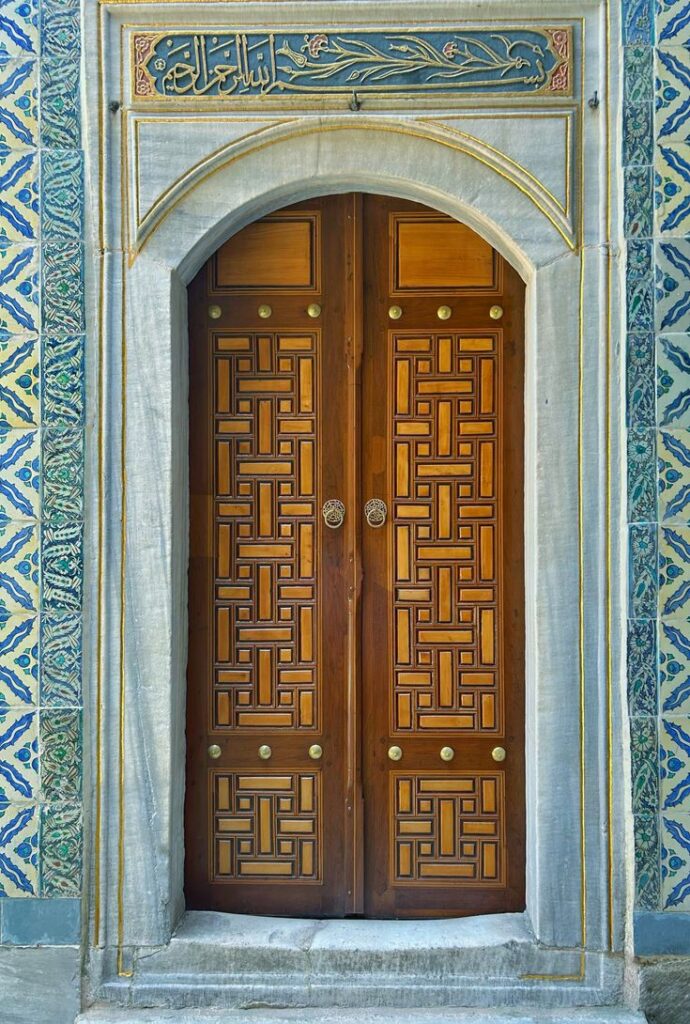
In Istanbul, doors exist between worlds—East and West, sacred and everyday, past and present. Ottoman design remains visible in the weight of timber, the curve of arches, and the carved geometry that has survived centuries.
Some doors are monumental, belonging to mosques and palaces. Others are modest, softened by time in narrow streets.
All of them, in their own way, hold transition. Looking back at this collection, I realize it was never about geography.
It was about attention. About how something as ordinary as a door shifts completely depending on culture, material, and time.
And while this began with doors, it naturally extends to windows, arches, and every frame through which we understand space.
But that, as they say, is another story. For now, this is simply a visual archive—saved, observed, and quietly revisited.
Have you been noticing doors and windows in your everyday life or travels?
Share your perspective using #DoorsOfTheWorld