 Hedayat Reda
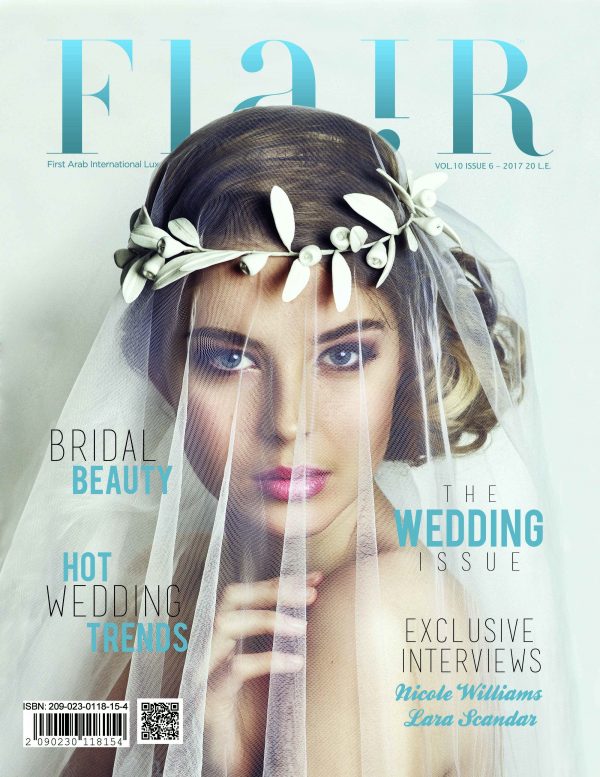
 The idea of luxury is one that has been birthed by magazines, haute couture brands and various manifestations of the media. In the 1990s and early 2000s, I defined luxury as anything I saw in Marie Claire or Vogue. Sleek outfits, high-end price tags, fabulous nights out –that included diamonds and champagne flute– tiny clutches, and effortlessly flawless makeup.
I would sit on planes and lounge at the beach reading my magazines, bookmarking skincare products I wanted to buy—Chanel, Dior, YSL—always very far outside my allowance range, while studying outfit combinations I wanted to try out at school. A belted shirt-and-jeans combo is one I remember to this day. I thought that if I could emulate the lifestyle of the women in magazines and on TV, I would have “arrived.”
Gen Z, of whom I have made a study of late, seems to have grasped that there is no “arriving”. For them, luxury and meaning are all about the story. They have come to realize that “there” is more of a journey, not the destination.
Where did it come from?
Who is behind it?
Where is it going?
These are the types of questions the kids of the late 90s and early 2010ss are asking.
As true digital natives, Gen Zers have been shaped by the rapid pace of technological change and the constant flow of information.Growing up in front of screens and living virtually online all the time, these guilt-free TikTokers and Reddit users have come to value real-life experiences in a more nuanced way. Whereas we Millennials built our ideas of luxury around things we could not have—vintage Manolos, a Pepto-Bismol-pink Birkin, oversized Audrey Hepburn sunglasses—these up-and-coming adults look beyond the items themselves– into the values and meaning behind them. Important to them is craft and authenticity, rather than labels.
Hence, localization and rootedness have become key aspects of their definition of luxury. Epitomized by the rise of brands like Fforfarah, Up-Fuse, Okhtein, and Malaika, the rebirth of handiwork and artistry is one Gen Z values deeply. Whereas “Made in Egypt,” “Made in Saudi,” or “Made in Palestine” once carried negative connotations in luxury circles, there is now a strong trend toward homegrown brands. Today’s luxury is increasingly about representing where you’re from.
Accordingly, if you want to hijack their ever-shifting minds, you have to get personal. Through their fashion choices, lifestyle choices, and the brands they support, young Middle Easterners want to feel connected to their identity and proudly represent it. The more intricate the story and crafting process, the better.
A brand that has mastered this approach is Huda Beauty. The Iraqi-American beauty mogul uses honest, blog-like storytelling, real-world feedback, and targeted campaigns to share her passions and beliefs, while supporting causes close to her heart. One example is her recent Kalamantina Lip Oil collaboration with Saint Levant, which donated $210,000 to Doctors Without Borders (MSF) to support its life-saving work on the ground in Palestine.
SIMIHAZE Beauty is another leader in this form of messaging. Founded by Dubai-raised twins Simi and Haze Khadra, the brand blends beauty with identity, spotlighting creativity and culture. Through editorial storytelling, community-driven content, and a distinctly personal aesthetic, the twins champion sustainable, skincare-first values, ensuring that all products are vegan, cruelty-free, and formulated with nourishing ingredients that do not clog pores. It is both aesthetic and functional.
Gen Z is known to care about the planet. For them clean and ethical consumption, is as important as their carbon footprint and more grounded consumer culture. Accordingly, a luxurious brand or lifestyle today is not simply one that is high-end and chic, but one grounded in principles. Roughly 73% of Gen Z consumers have stated that they consider sustainability and ethical practices when making purchases, as well as the broader cycle of consumption.
As a result, the role of sustainability in luxury today is one of the factors that most clearly differentiates this generation from previous ones.Accordingly, thrift culture, upcycling, and a healthy skepticism of overconsumption are being adopted as whole lifestyles.Owning a rare vintage piece often carries more cultural currency today than purchasing the latest logo-covered item. Berlin staples like Humana and PICKNWEIGHT are becoming internationally known, marking a rise in vintage buying worldwide. A Gen Z buyer is an informed buyer—one who cares about where their money goes and the cycle of waste involved in their buying habits.
If Gen Z is your target audience, you must consider every element of building a label or brand. From packaging to supply chain, to font use. For this digitally connected generation, luxury is less about conspicuous status and more about individuality, emotional connection, and shareable experiences. Brands like Kotn and Youth to the People, have made a study of this. Their use of authentic flavour and real-world examples– Beit Kotn, is worth mentioning here– is exactly the type of messaging that is now taking over the media circuit.
To live a luxurious life, you must feel; you must go out into the world. This is a Gen Z motto. You can see this shift in the growing interest in destinations like AlUla and Siwa—heritage-rich places where luxury is found in experiences, storytelling, and connection to place. These baby videographers wants to be a part of the story, especially the telling. “Get real with me,” they ask, as they take out their vintage cameras, Iphone 17s and video equipment – attempting to document their lives, as they are known to do. Whether this stems from being raised on algorithms and endless aesthetic inspiration or not, the message is the same: we want to matter. Accordingly, luxury must matter.
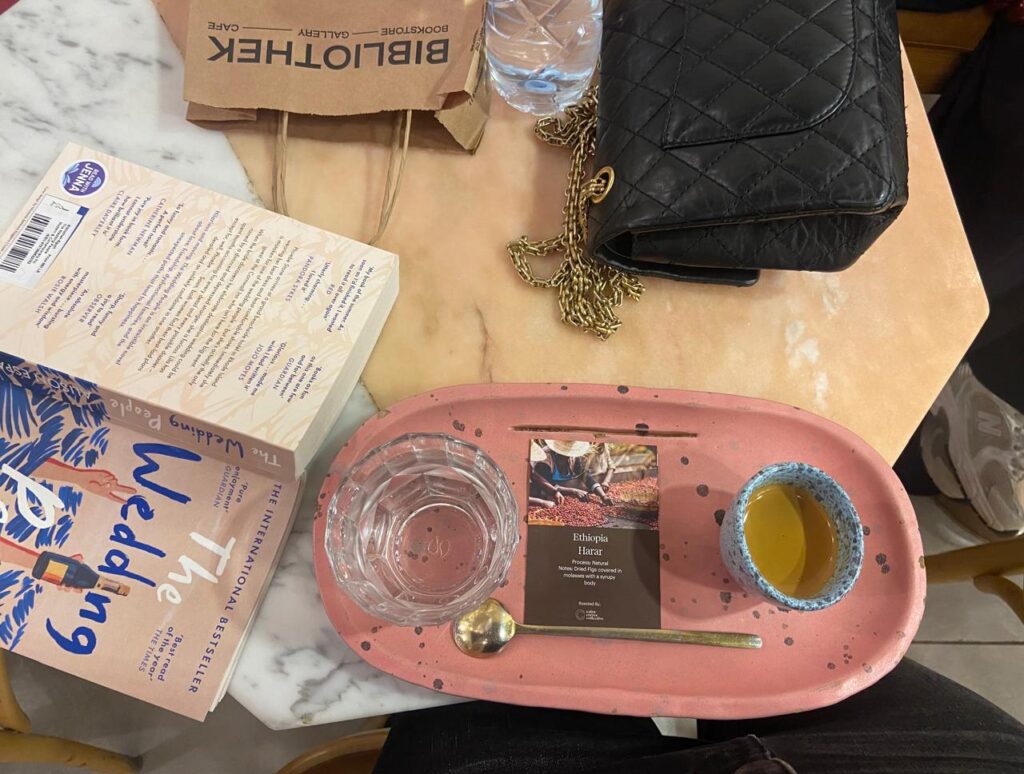
My first luxury purchase—or gift, if I’m being honest—was a classic Chanel black-and-gold 2.55 bag. It was my graduation present, and I have never cherished an item as much as I cherish this one. It remains one of my most-loved possessions, going with me to weddings, nights out and every event imaginable. While the bag itself did not buy me happiness (in the way that I thought it would), its value has appreciated over time, and mostly, the story still holds. Where it once signified the epitome of unattainable luxury to me, when it became mine I got to write the story…
I have come to realize that, for every generation, luxury is different.
It is made up of the moment it is in, as well as what it can become.
You can build it.
You can buy it.
You can learn it.
But mostly, you have to live it.
Here’s to the story. Cheers.