 Hedayat Reda
 It started at RiseUp Summit, the region’s largest entrepreneurship event. I was listening to a panel on the Capital stage and had just run into an old friend from a job I had 10+ years earlier when he moved over to introduce me to the chicest woman in the audience. Short golden hair, a white lace mini-dress embellished with small pearl buttons, mid-height dark heels, and a fiery red lip. Amongst this community of jeans, caps, and Patagonia-vest bros, she stood out as angelic—someone you would do a double take at and be curious about.
I couldn’t resist. “Where did you get that outfit?” I asked in awe. Fashion has always been a vice of mine; the more out-of-the-box the designs, the more I am drawn to them. I am forever seeking out new brands, and this dress did not look like a Zara.
“It’s thrifted,” she laughed, exposing pearly whites and showing me the small brown purse she had matched it with—also thrifted.
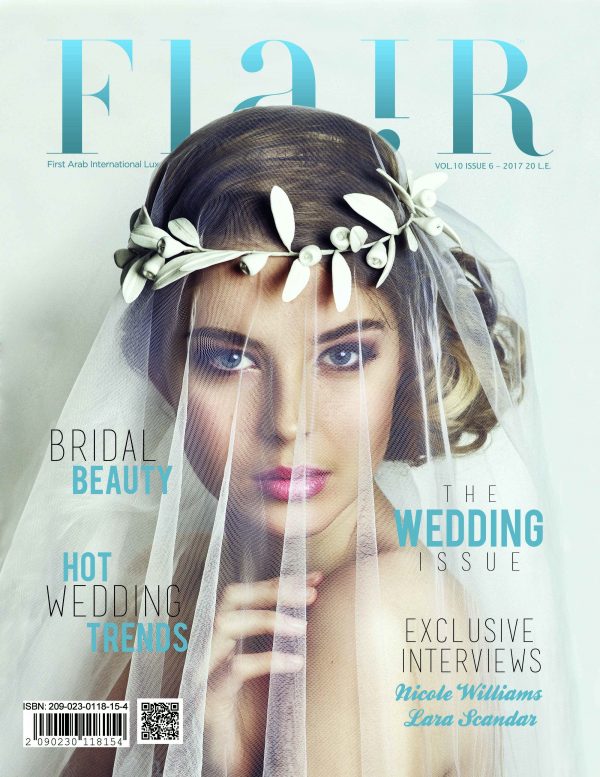
We talked a bit and got to know each other. I introduced myself as the Senior Editor at Flair; she told me she teaches at a business school in a prominent Cairo university, covering topics such as sustainability in business, entrepreneurship, and global issues. One topic fed into another until we found ourselves talking about style again.
“How does your style translate in the classroom?” I asked, curious, wondering if this outfit was just a fun one or part of her general style.
“That’s a tough one…” she began, choosing her words carefully. “At work I often add a lot of blazers to my aesthetic.” She explained how she believes in the value of dressing up, and that it is part of how she expresses herself, yet she likes to keep things true to her personal style: a strong focus on slow fashion and deliberateness in pairing. “Nonetheless, I do believe that how women dress at work impacts how they are perceived.” She segued into how sometimes she can be taken less seriously at work because of how she dresses.
“There is a general perception, especially in male-dominated industries, for men to think that women prioritize what they look like when they come to work dressed up. The perception is: ‘she’s taken the time to look like that.’ If she is not where she is meant to be professionally, they tend to think she is an airhead or that she cares more about her looks.” Nelly—my new friend—is attempting to challenge this predisposition. “I genuinely like dressing up because I feel it is a part of my identity.”
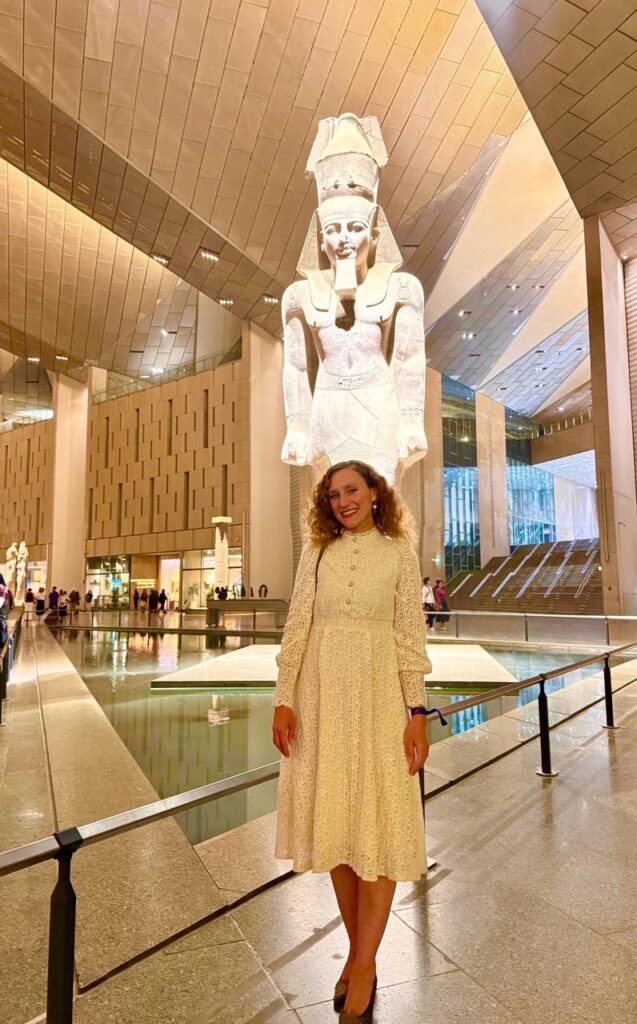
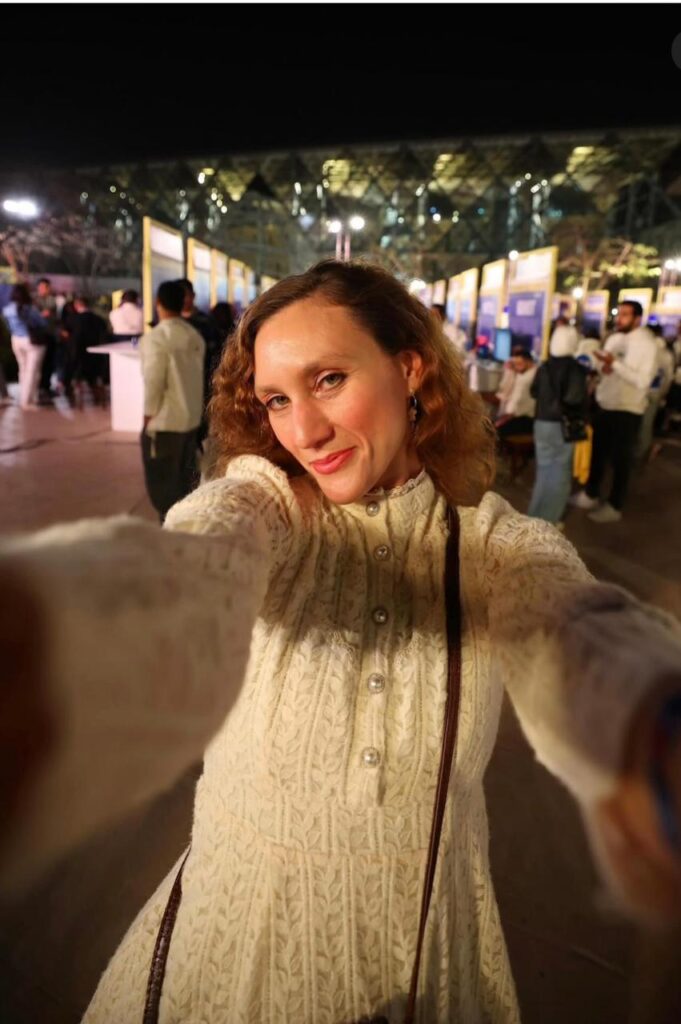
As someone who rarely dresses femininely—especially not in a work environment—I began to wonder if this was a conscious choice on my end or an absorbed misogynistic tendency, and whether or not I should be challenging it as well. Once home, my head began spinning with ideas, first and foremost of which was that I wanted to test whether people at work would react to me differently if I dressed differently.
In general, I’m a savvy-enough dresser. I have never gone to work in sweatpants, and I own a not-insignificant number of blazers. But as I rooted through my closet for something more in Nelly’s vibe—fun, flirty, feminine—I realized that I had almost nothing in that category (which speaks for itself). It also dawned on me that I work for a magazine with a team of all women and a strong emphasis on fashion, so it’s possible that I wasn’t the best testing ground for this theory.
So I put the challenge out to my friends: What do you wear to work? Do you believe that you have to downplay your femininity to be taken seriously?
BFF opinions:
Sarah – International Development Specialist
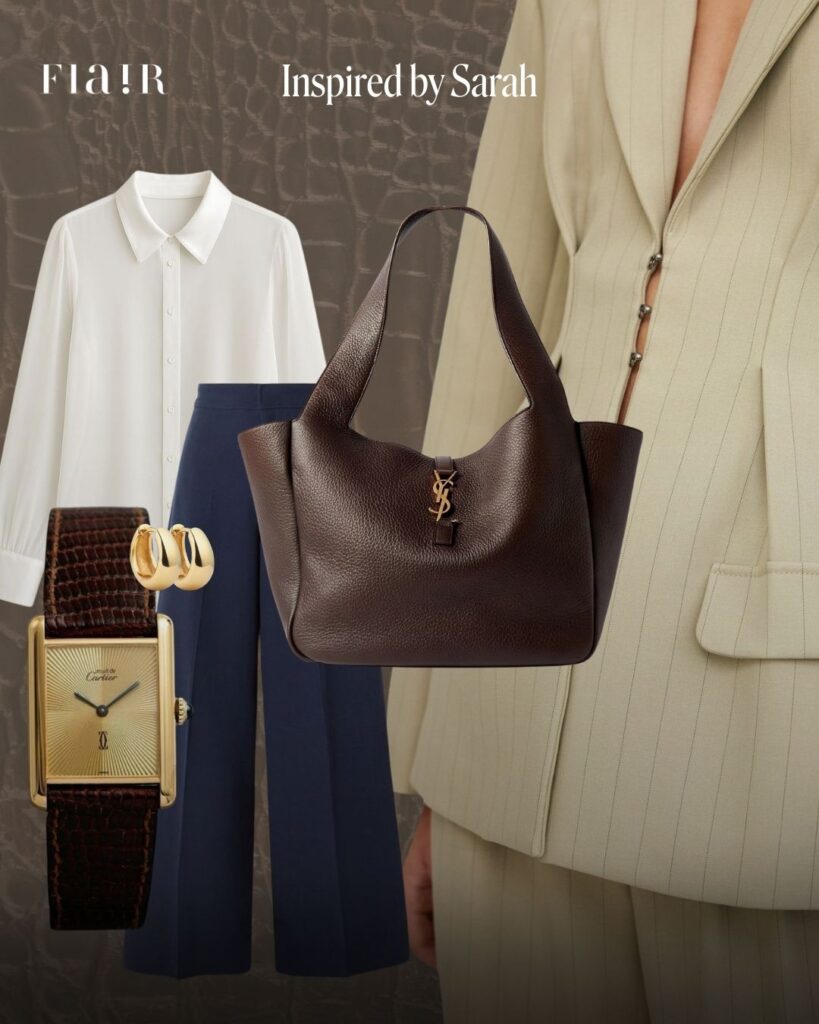
My go-to at work, if I’m going to the office, is shirts. White. Blue. Work pants. If I have a conference or a client meeting of some sort, I will add a blazer and maybe a nicer top. Sometimes a vest. What matters is that the look has to be formal.
My boss and her boss dress more femininely at work—skirts, hot pink blazers, nice blouses—but none of us would go to work in jeans.
I don’t think dressing softly undermines authority. I feel lately women are doing a corporate-meets-soft-girl vibe. A cute skirt with ballerinas and a blazer. Loose white shirts with funky jewellery and big wide pants. Things are changing.
Hana – COO at Tech Company
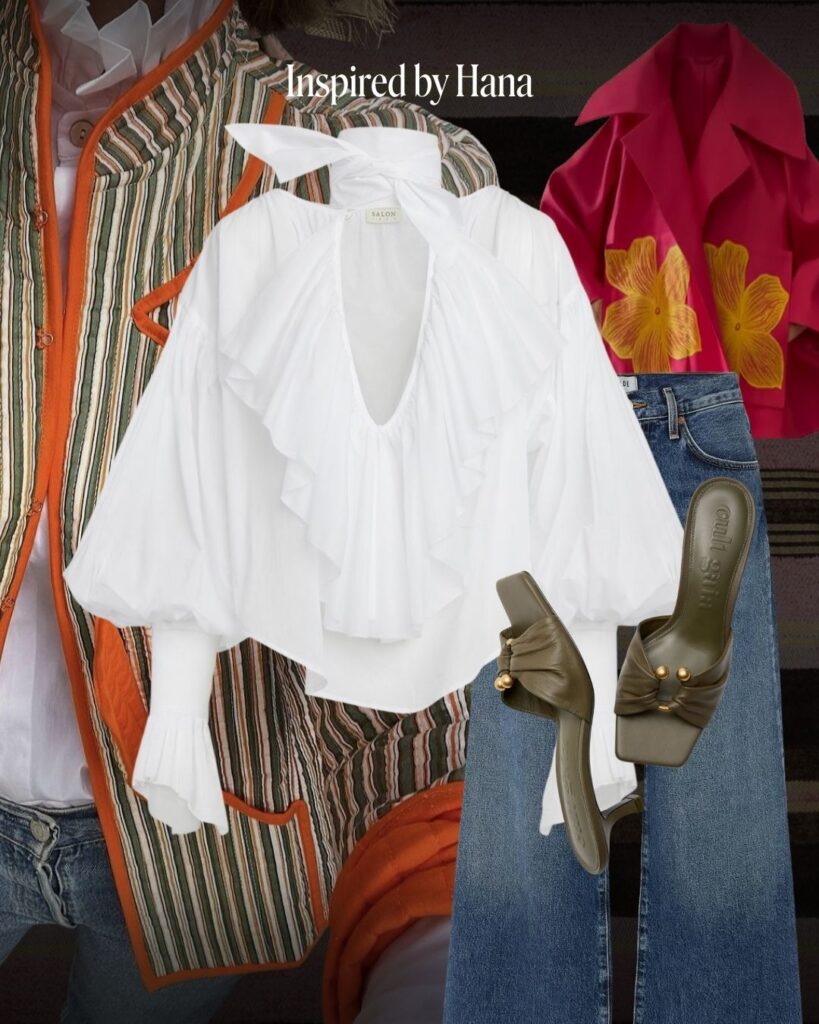
For work I like to keep things very simple and easy. I usually wear jeans and a white top. I have five of the same white top. In winter I put a jacket over it. If I have an important meeting I wear more formal pants with the same t-shirt because in the startup life things are more relaxed. If I have a meeting with the government I have to dress more formal. If I dress formal I still like to keep it feminine because I believe we don’t all need to look like robots.
There are plenty of strong women who dress femininely at work. I think dressing more feminine could make you stand out and can be used to your advantage, as long as you look professional. Whoever doesn’t want to take a woman seriously won’t take her seriously no matter what she’s wearing. How you dress depends entirely on your personality.
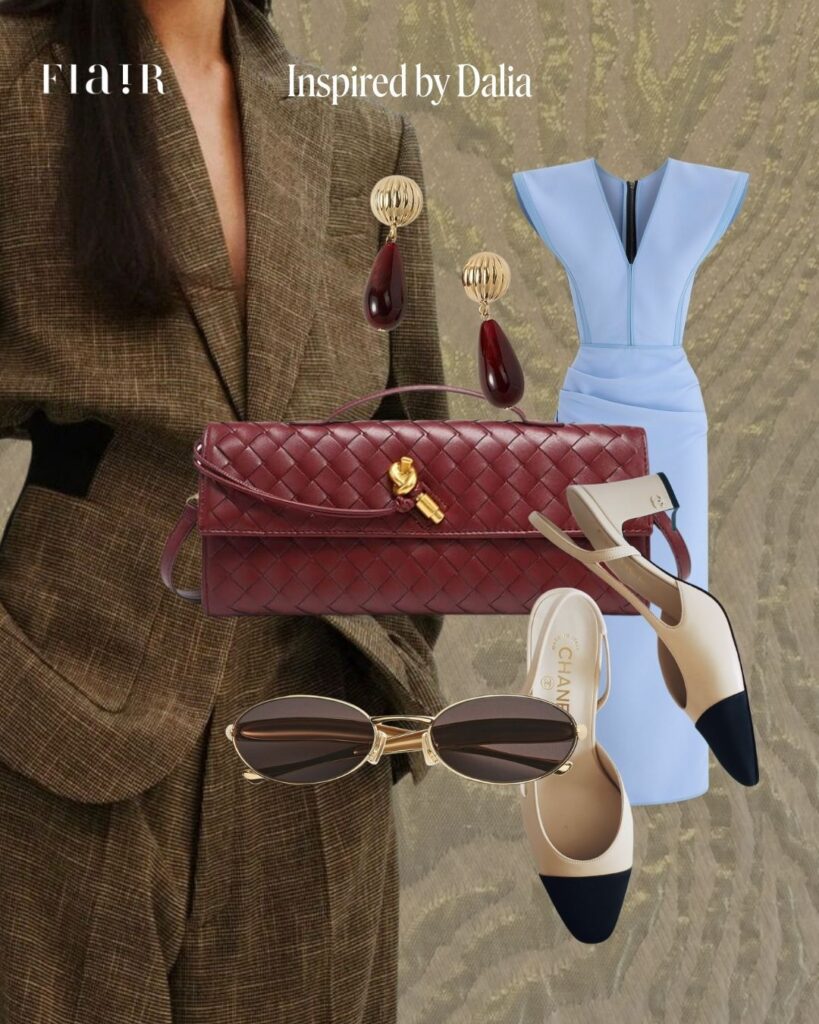
Dalia – Head of Investment Programs
I always make a point to wear standout outfits at my events and local brands to spotlight them. Personally, I dress for myself. It’s an extension of my personality, and I genuinely love fashion.
I think it does matter what you wear at work, but it’s still a choice. Men aren’t read the same way women are. When you look at some of the most powerful men in the world, they’re dressed almost comically basic on the surface—unless you know the brands, the context, or the privilege behind it. That “simplicity” is read as focus or authority, not a lack of effort.
Women don’t get that neutrality. We’re constantly assessed on how put together we are—hair, makeup, nails, bags, clothes. Too polished and it’s questioned. Too relaxed and it’s questioned. You’re either seen as impressive or all over the place, rarely just allowed to exist.
So no, dressing soft doesn’t undermine authority, but people may project their own biases onto it. I’m okay with that trade-off because how I show up visually is part of who I am, not a performance for credibility.
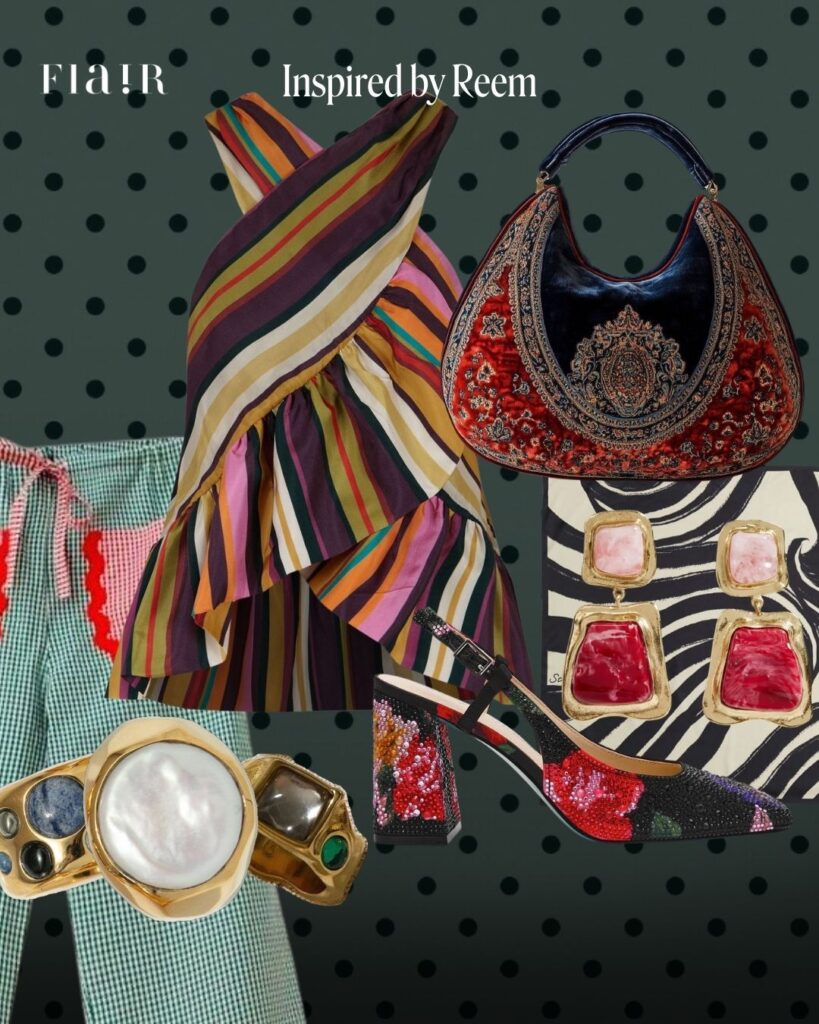
Reem – Designer and Business Owner
I like to dress colorfully. I mix patterns and plains. I tend to favour interesting colour combinations like green and pink. In general, how I dress at work sets my mood for the day. It puts me in a creative mindset and allows the juices to flow. I only wear comfortable things on weekends.
To me, how you dress at work does not undermine authority. In fact, it can serve as inspiration in the workplace. When you see that a woman took the time to put together her outfit, you know she takes herself seriously—and that can serve as a spark for others.
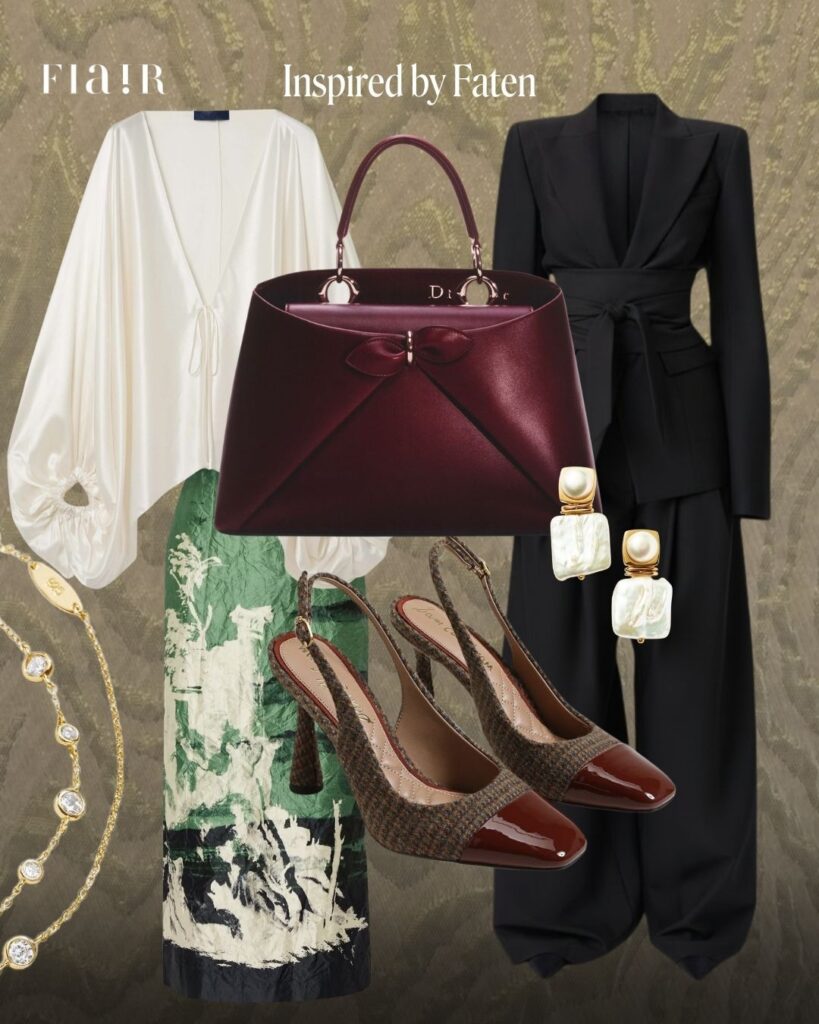
Faten – Lawyer
I alternate between dresses or blouses and pants for the most part in my field.
I believe what you wear at work is dependent on your personality. In law we often dress in a way that balances professionalism, authority, and personal style. In many courtrooms and corporate settings, the standard attire includes tailored suits, structured blazers, pencil or A-line skirts, dress slacks, and conservative blouses.
However, dressing professionally does not mean abandoning femininity. I incorporate feminine elements through color choices, tailored silhouettes, subtle patterns, tasteful jewelry, or elegant heels. The key is presenting a look that conveys competence and confidence while aligning with workplace expectations. Femininity and professionalism are not mutually exclusive—when styled thoughtfully, they can complement each other and reinforce both presence and individuality.
In hearing the opinions of my fellow women in the workplace, I found common denominators in the fact that most women dress for themselves, and that there is definitely a shift in how women portray workplace confidence through their style—not in spite of it.
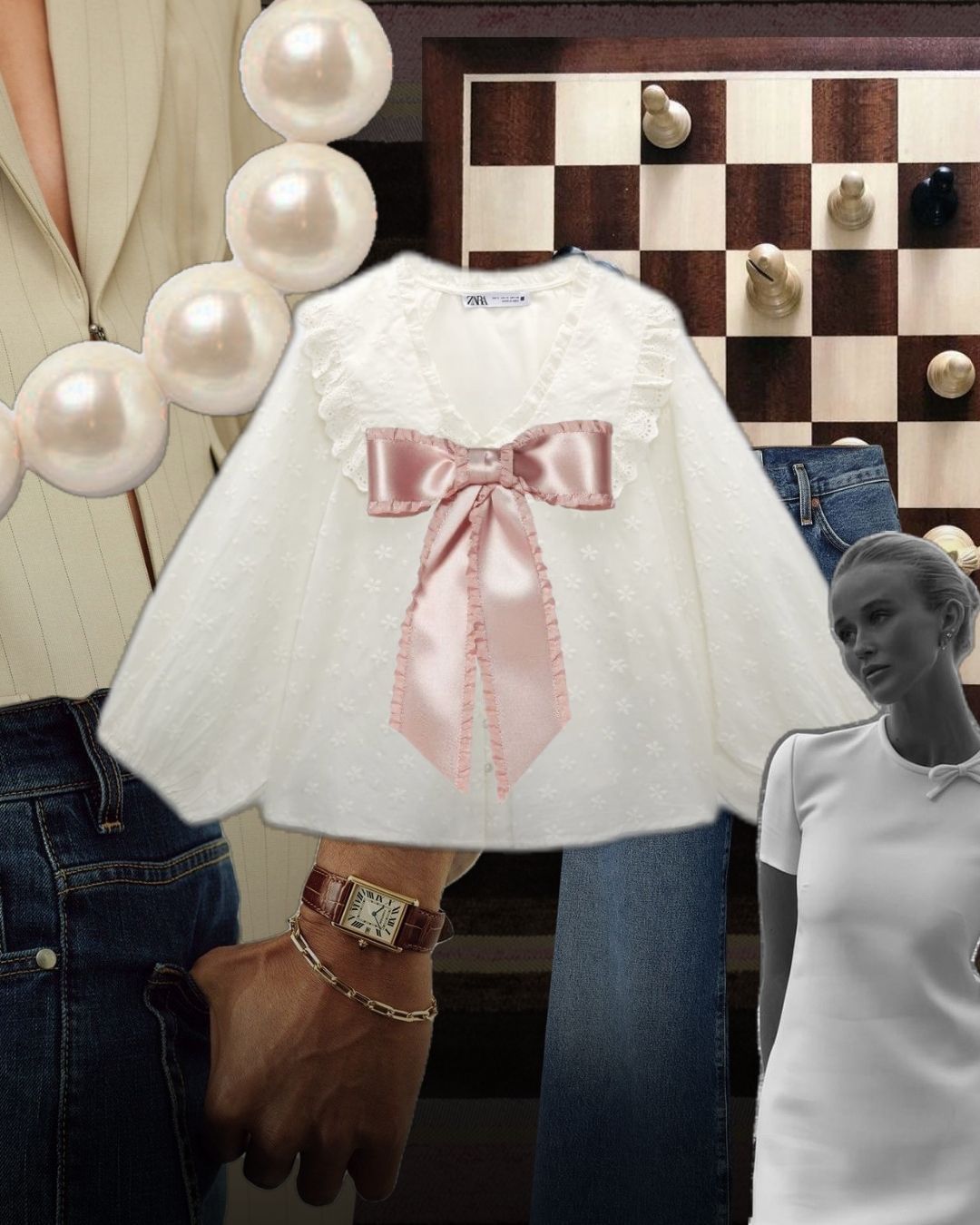
It seems that how we dress is an integral part of our personalities and that, even though some women still align professionalism with more tailored silhouettes, there is definitely a role that accessories, shapes, and colour play in how women now show up in the workplace.
On a personal note, this research inspired me to explore more feminine directions in my own dress—to play more with textures and creativity, and to use my values (the power of colour, the recycling of old things…) to express myself at all times.
Maybe one day I will also be stopped at conference and asked about my outfit.