 Nahla Zayed
 The football jersey has left the stadium behind—and somehow found its place in the front row of Fashion Week.
I’ll admit something that usually catches people off guard: one of my favourite pieces in my wardrobe is a football jersey.
Not because I’m a collector—I honestly couldn’t tell you which editions are the rarest or most valuable. I simply just love wearing mine. It’s a Zamalek jersey, the club I’ve supported for as long as I can remember, and over the past few years, it’s become one of those effortless wardrobe staples I reach for without a second thought.
Some days I style it with relaxed denim and sneakers. On others, I’ll throw on an oversized blazer, add a pair of loafers, and suddenly it takes on an entirely different personality.
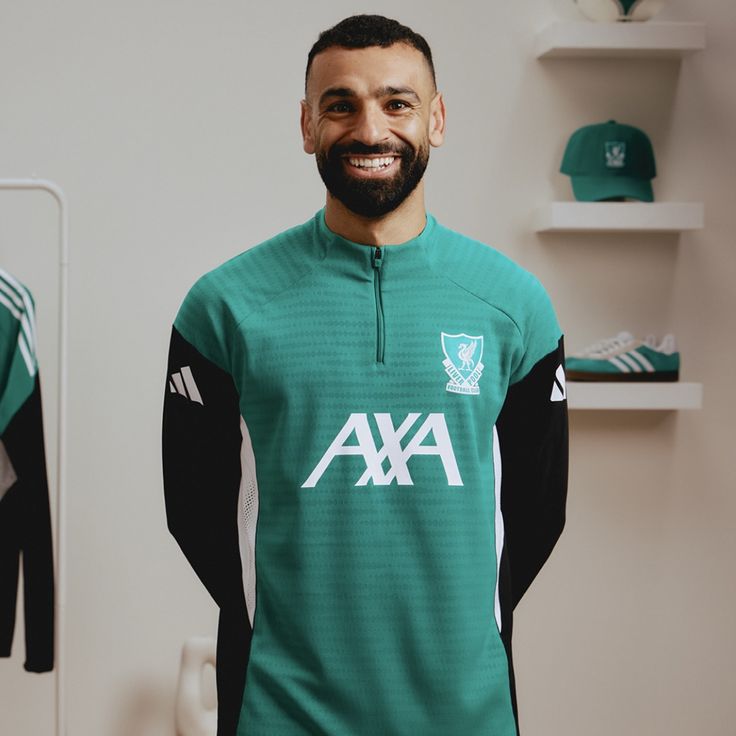
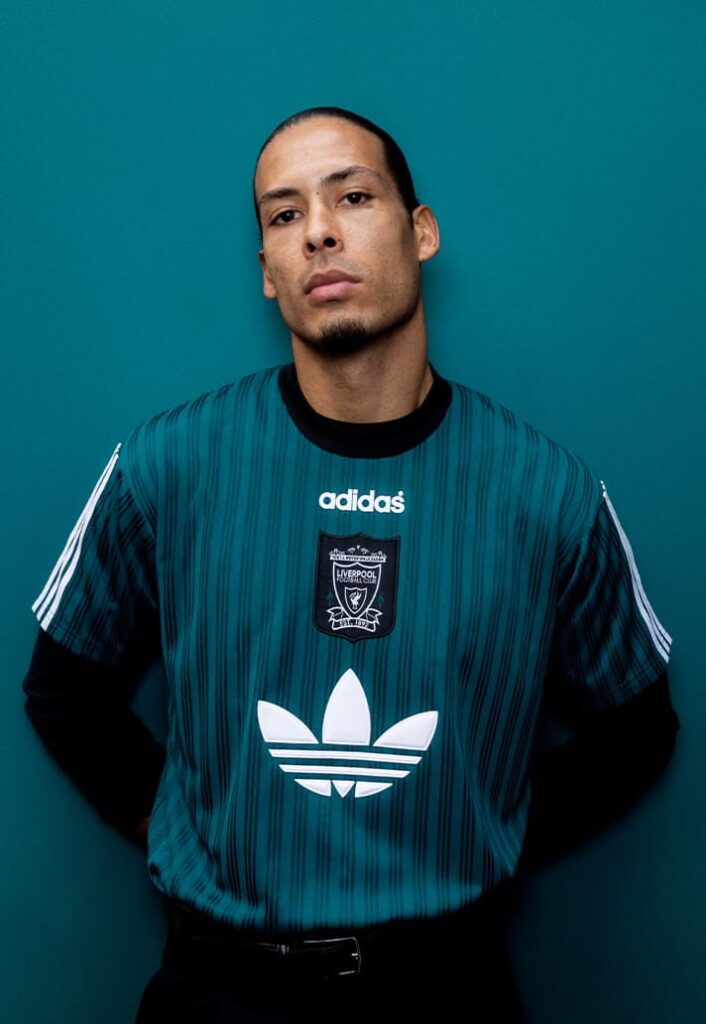
A few years ago, I would have reserved it for match days. Now, I wear it because I genuinely like the way it looks.
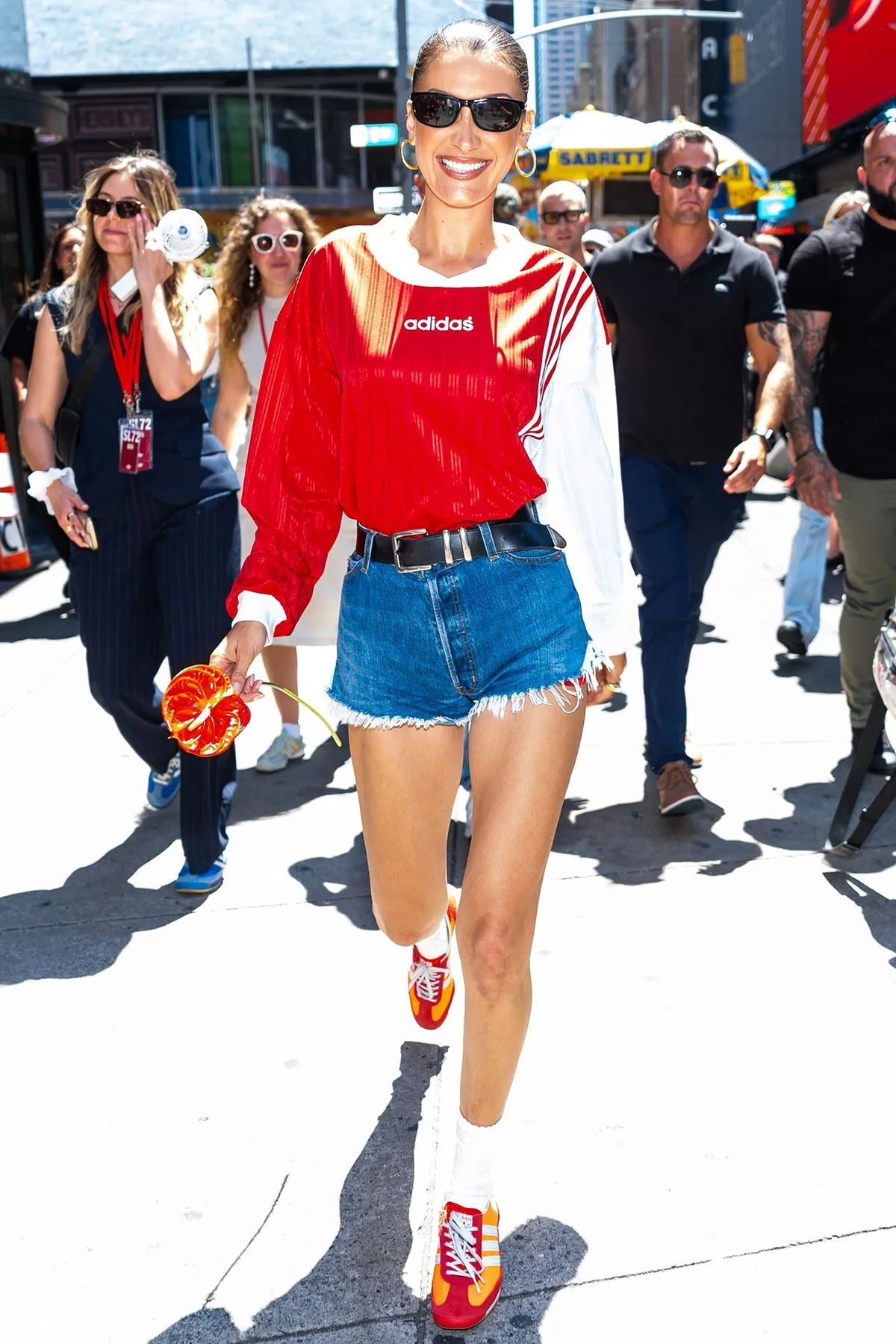
And once I realized that, I started noticing football jerseys everywhere—not in the stands, but in the places where fashion takes shape. At Fashion Week. Across Instagram. Hanging in vintage boutiques. Worn by people who, chances are, weren’t heading to a stadium at all.
Bella Hadid has been spotted in vintage football shirts more than once. Dua Lipa has styled them in her own effortless way. Scroll through street style from Copenhagen or Paris Fashion Week, and you’ll find football jerseys paired with tailored trousers, ballet flats, leather jackets, and luxury handbags.
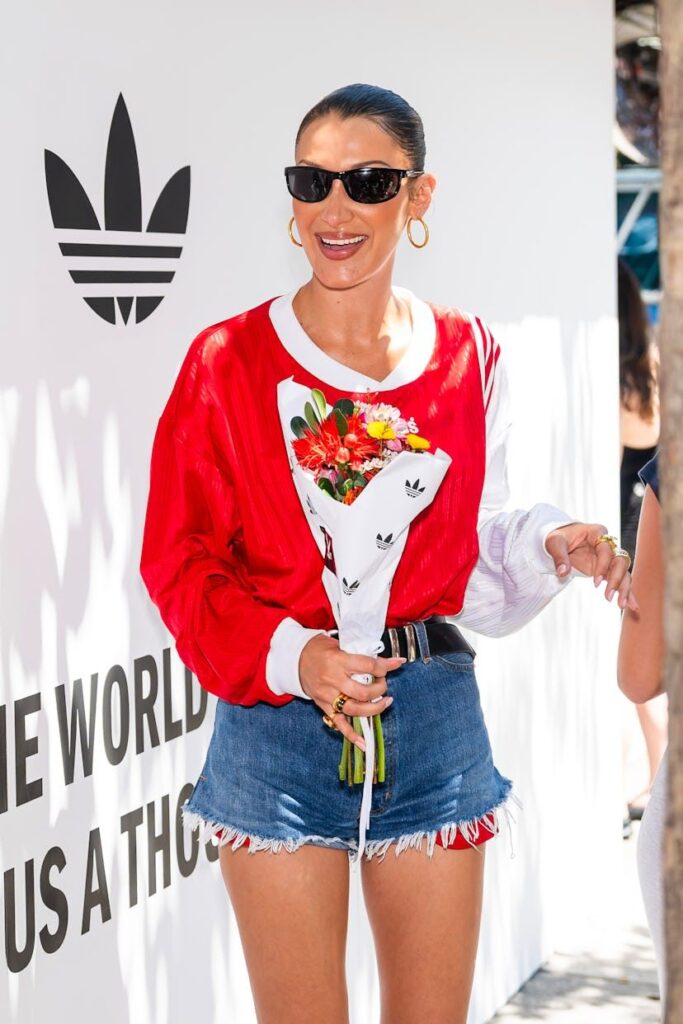
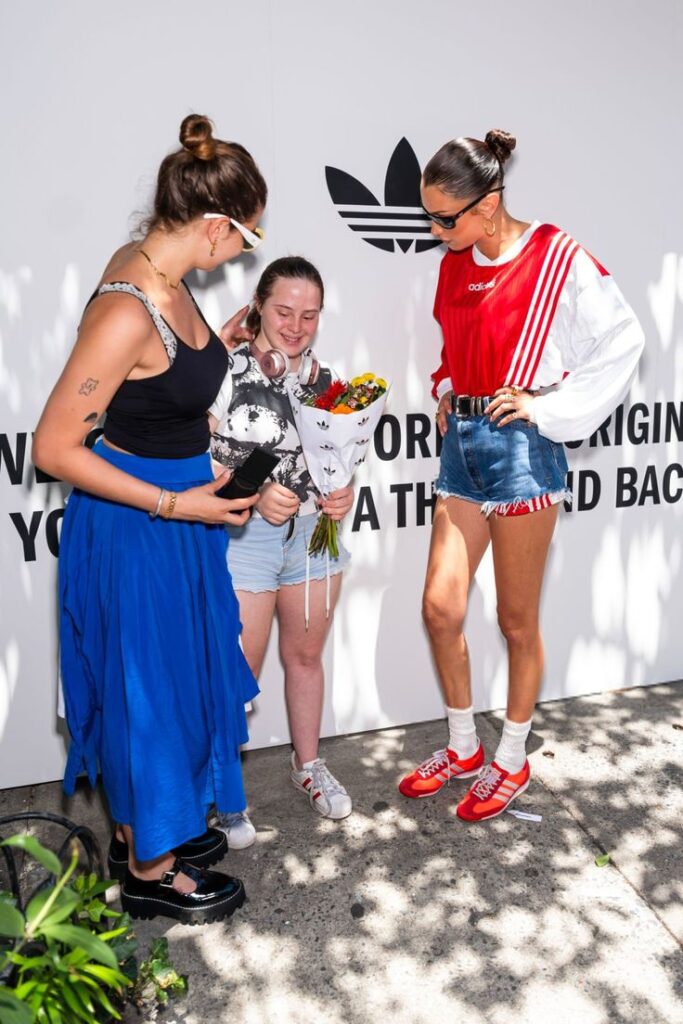
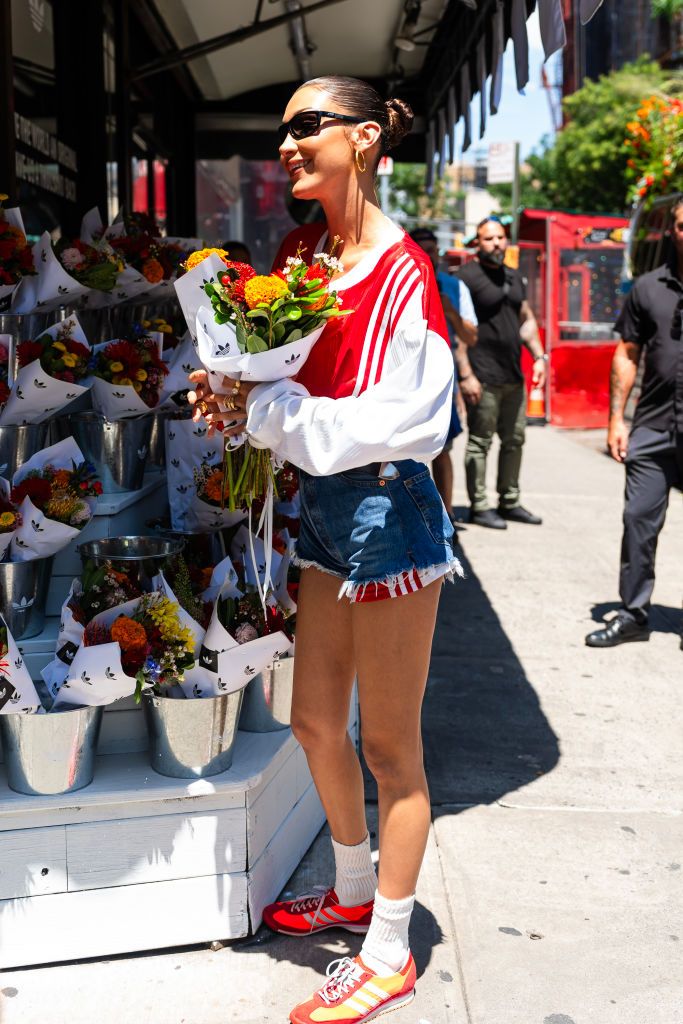
It made me wonder if everyone else had noticed the same thing.
When did football jerseys stop being something you wore to support your team and become something you wore simply because it looked good?
The answer isn’t as recent as we might think.
The Jersey Was Always Cool—Fashion Just Took Its Time
The interesting thing about football jerseys is that they never tried to be fashionable.
They were designed to represent clubs, cities, and countries. Every colour, every crest, every sponsor became part of a team’s identity, and for fans, wearing that shirt meant belonging to something much bigger than themselves.
Fashion loves pieces with history, and football jerseys have always carried plenty of it.
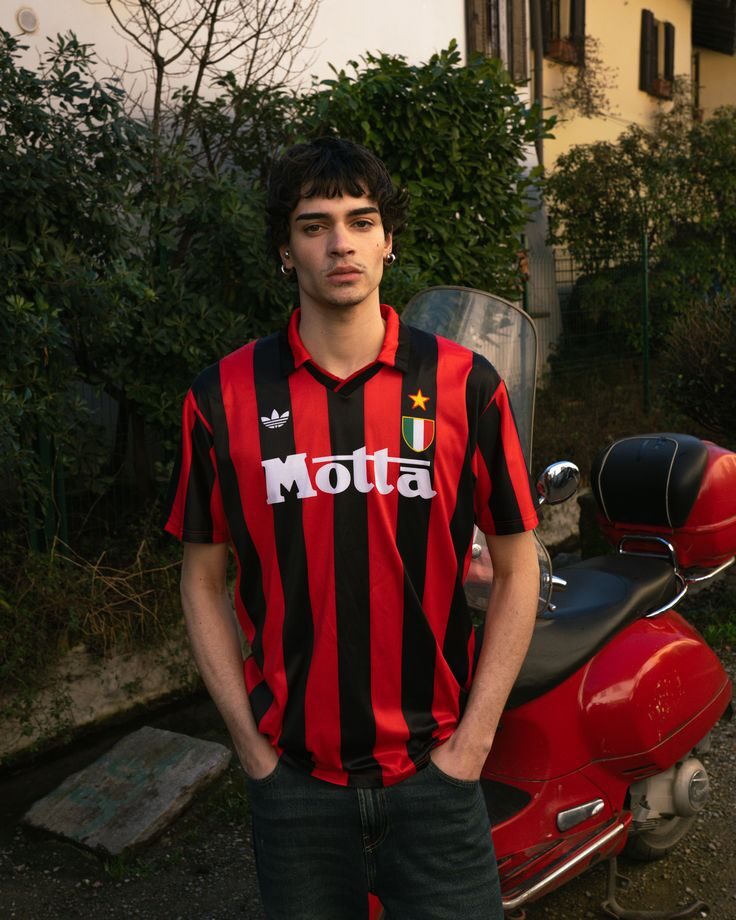
Think about Brazil’s iconic yellow shirt. Even if you don’t follow football, chances are you recognize it instantly. The same goes for Argentina’s sky-blue stripes or AC Milan’s famous red and black jersey. They have a visual identity that most fashion brands would love to create.
Maybe that’s why they feel so timeless. They were never chasing trends in the first place.
Then David Beckham Changed the Rules
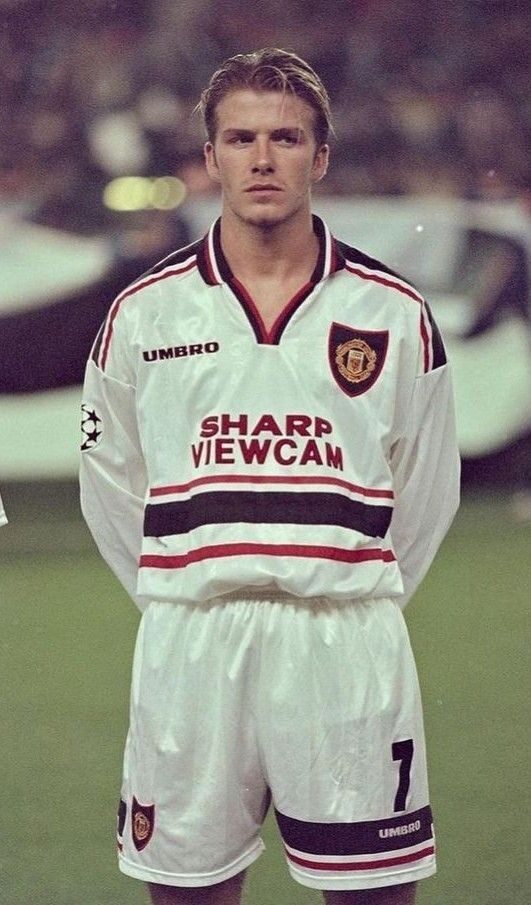
If there’s one person who deserves credit for making football feel fashionable, it’s David Beckham.
Before athletes became regulars at luxury fashion shows and fronted campaigns for major fashion houses, Beckham was already doing it.
He wasn’t just known for his performances on the pitch. People spoke about his hairstyles, his tailored suits, his tattoos, and, of course, his relationship with Victoria Beckham. Together, they became one of pop culture’s most photographed couples.
Owning a Manchester United jersey during that era wasn’t only about football anymore. It became part of a lifestyle.
Looking back now, Beckham may have been fashion’s first football influencer long before that job title even existed.
Fashion Finally Saw What Fans Had Always Seen
For years, football and fashion lived in separate worlds. Then designers started paying attention.
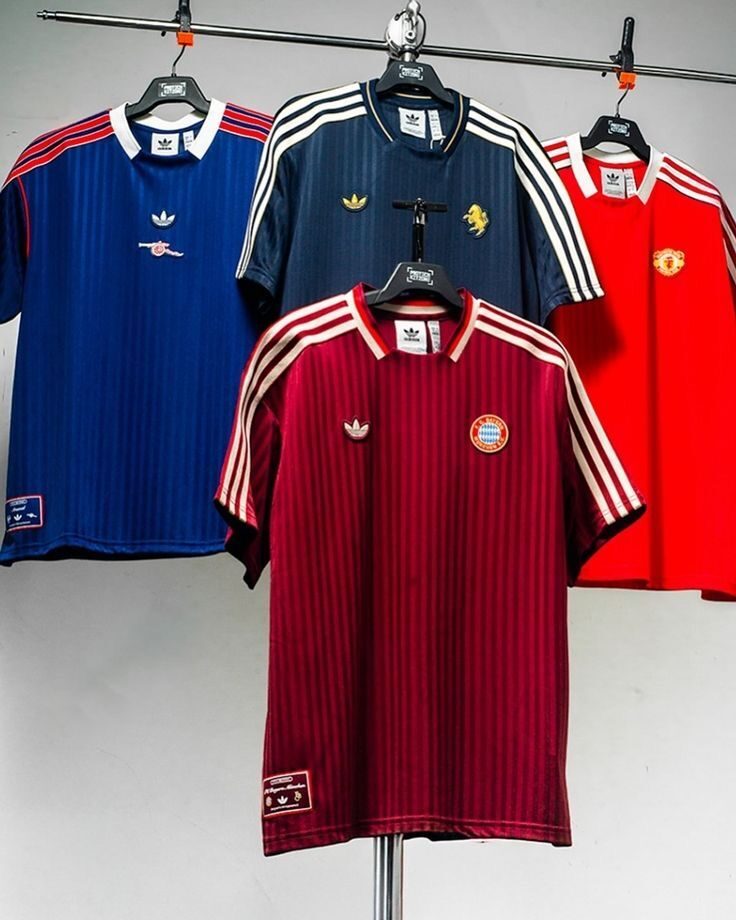
Brands like Grace Wales Bonner and Martine Rose took inspiration from football culture without making it feel like sportswear. Adidas collaborations became instant sell-outs, while vintage football jerseys started showing up in editorials, on runways, and in the wardrobes of people who simply appreciated great design.
The football jersey had become more than merchandise. It had become a statement piece.
What I love most is that it doesn’t need to be styled in a complicated way. Throw one on with a great pair of jeans, a crisp white shirt underneath, or an oversized blazer, and it somehow feels effortless.
That’s probably why it works so well. It doesn’t look like you’re trying too hard.

Why Vintage Jerseys Feel So Special
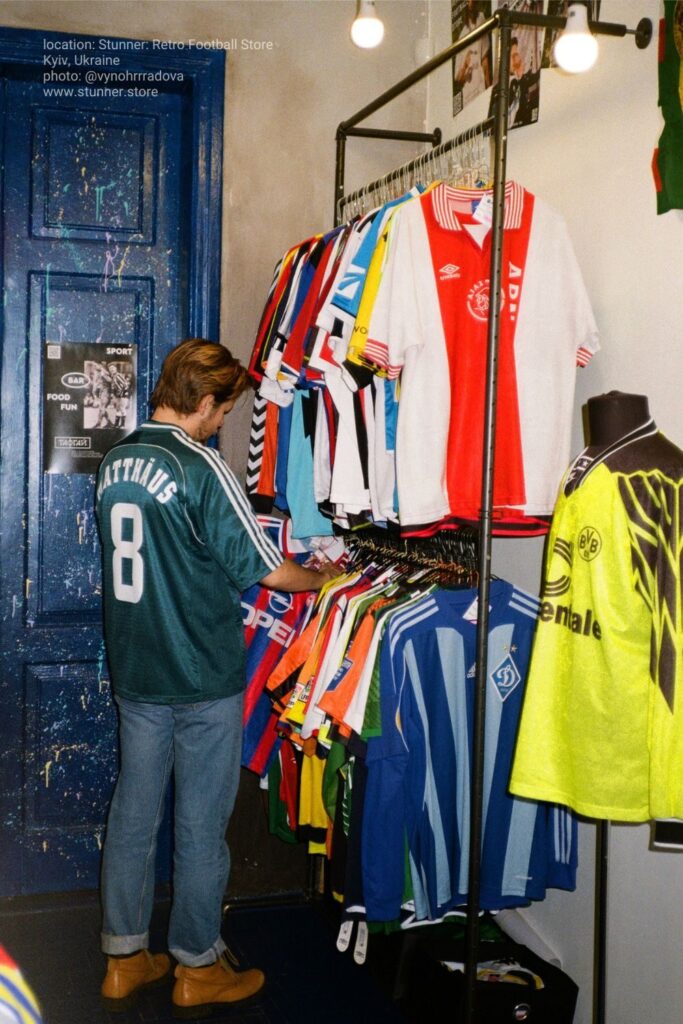
Walk into almost any good vintage store today, and you’ll probably find a football jersey hanging between old Levi’s and worn leather jackets.
That placement makes perfect sense. The best pieces in fashion usually come with a story.
A vintage Manchester United shirt instantly reminds someone of Beckham’s era. Brazil’s 2002 jersey brings Ronaldo to mind. Argentina’s striped shirt now carries two generations of memories—from Maradona to Messi.
You’re not just buying a jersey. You’re buying a moment in time.
That’s also why some vintage football shirts now sell for hundreds, sometimes thousands, of dollars. It’s not simply about rarity. It’s about nostalgia, craftsmanship, and the emotional connection people have with them.
Some pieces never really go out of style because they were never just clothes to begin with.
Flair Fact
Nigeria’s 2018 World Cup jersey became one of the most talked-about football kits ever released, attracting millions of pre-orders before it officially launched.
Maybe That’s What Luxury Looks Like Today
One thing I’ve noticed is that fashion feels a little different today.
People still love designer bags and beautiful tailoring, but there’s also a growing appreciation for pieces that feel personal. Things that have a story behind them.
Maybe that’s why football jerseys fit so naturally into modern wardrobes. They don’t need to prove anything.
Whether it’s my Zamalek jersey or someone’s vintage Brazil shirt from the ’90s, they all carry something beyond good design.
They carry memories. And maybe that’s what makes them feel luxurious in the first place.