 Nahla Zayed
 Revisiting the legendary Arab artists who shaped identity, emotion, and collective memory across generations.
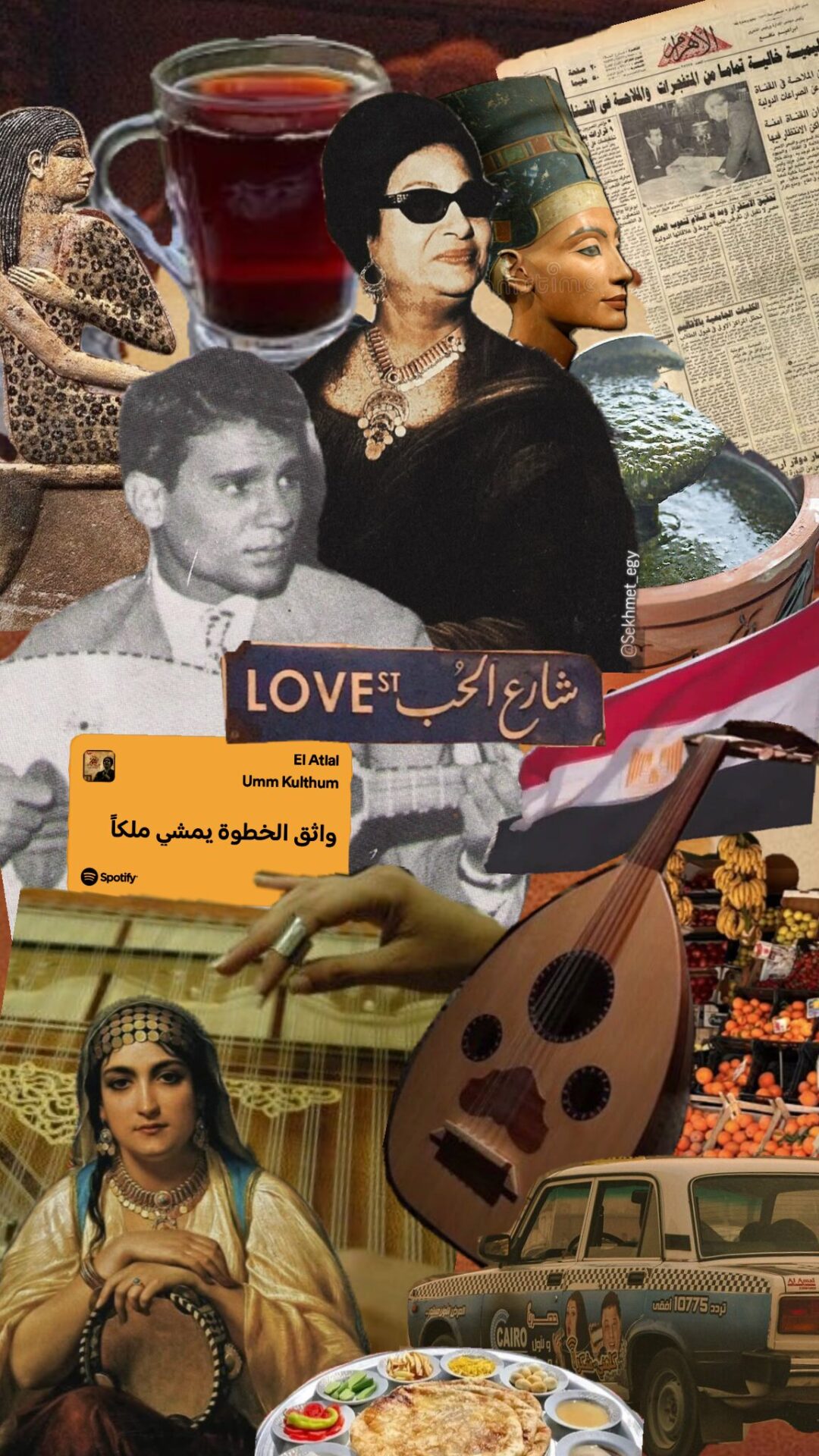
There’s a certain kind of nostalgia that only music can hold—and in the Arab world, it runs deep.
For generations, Arab music icons have been more than voices on the radio. They’ve shaped how we understand love, longing, belonging—even identity itself. Their songs didn’t just play in the background; they became part of everyday life, woven into family rituals, quiet mornings, and unforgettable moments.
You don’t simply discover these artists—you grow up with them. And over time, you realize they’ve been shaping your emotional language all along.
Umm Kulthum — The Timeless Voice of Arabic Music
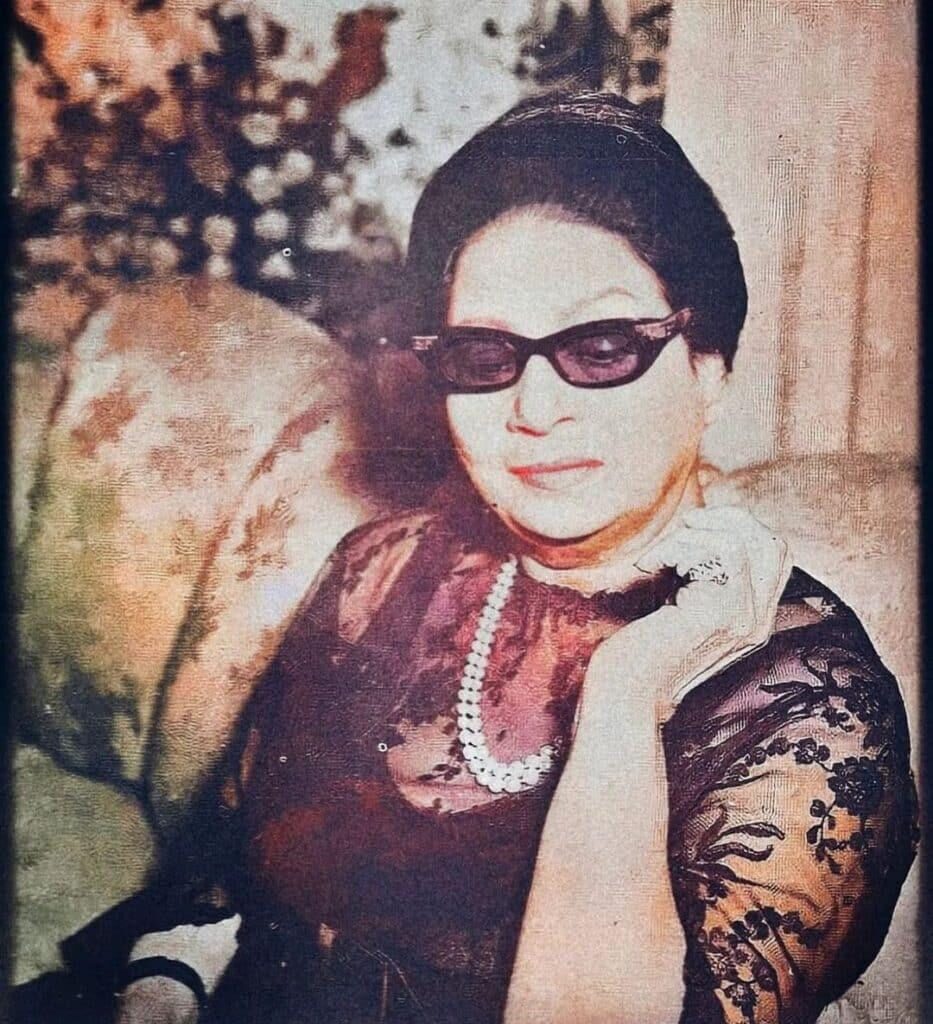
No conversation about Arabic music history begins without Umm Kulthum.
Her songs weren’t just songs—they were experiences. Whether it’s Enta Omri, Alf Leila Wa Leila, or El Atlal, each performance felt expansive, emotional, and deeply immersive. She had a way of stretching a single lyric into something unforgettable.
Umm Kulthum didn’t just define a sound—she defined a feeling. And to this day, her music demands the same attention, the same stillness.
Abdel Halim Hafez — The Icon of Romance
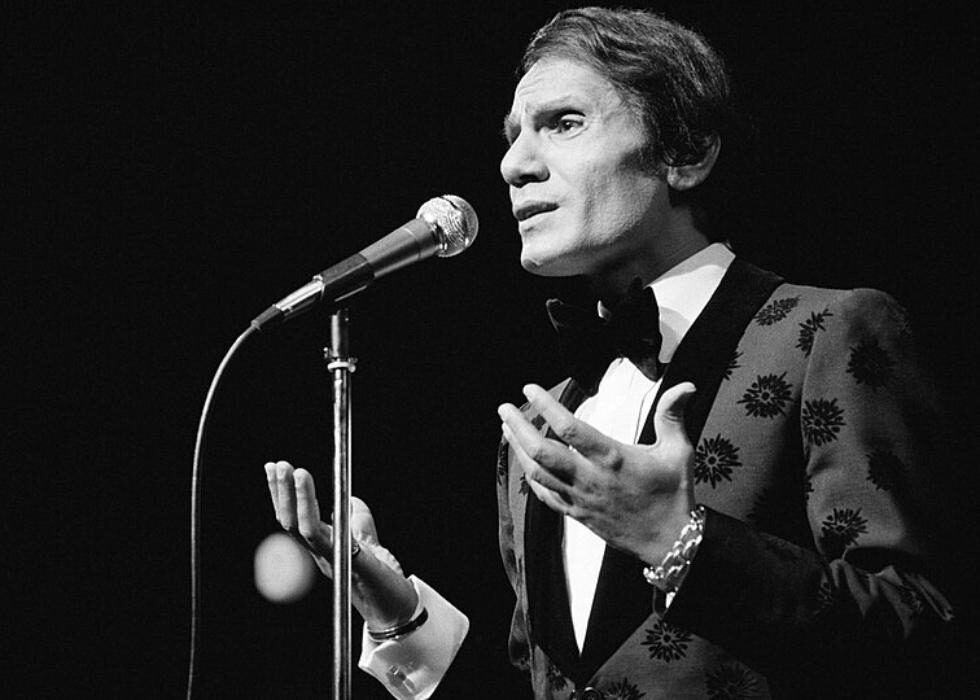
If Umm Kulthum was grandeur, Abdel Halim Hafez was intimacy.
His voice carried a softness that made songs like Ahwak, Gana El Hawa, and Zay El Hawa feel almost personal—as if they were written for you alone. He didn’t just sing about love; he made you believe in it.
Even now, his music lingers in the quiet moments—the kind you don’t always talk about, but always feel.
Fairuz — The Voice of Mornings and Memory
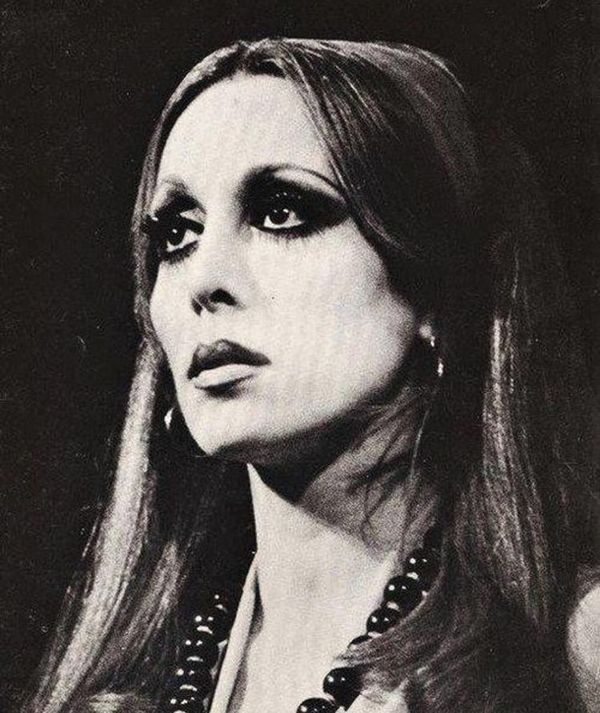
Fairuz is a ritual.
Mornings don’t quite feel complete without her—Nassam Alayna El Hawa, Kan Enna Tahoun, or Bhebak Ya Lebnan playing softly in the background. Her voice carries a sense of calm that’s hard to explain but instantly familiar.
She doesn’t just remind you of a place—she creates one. A quiet, comforting space that feels like home.
Ziad Rahbani — The Modern Cultural Voice
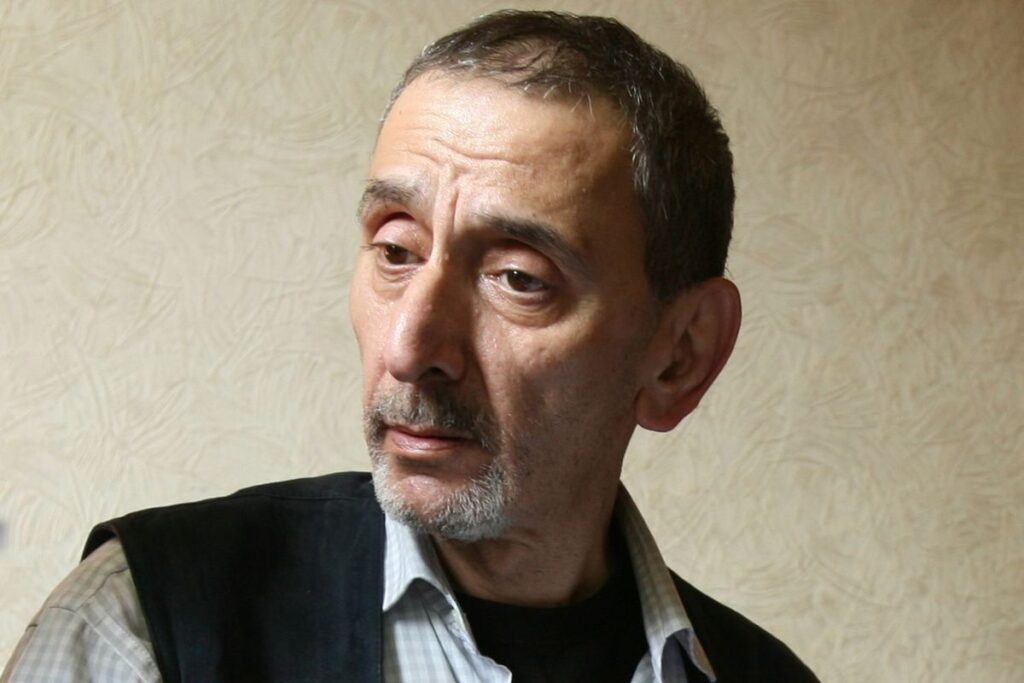
Ziad Rahbani brought something different—something sharper.
With songs like Bala Wala Chi and Ana Mish Kafer, his work blends music with commentary, reflecting everyday life with honesty and a touch of irony. There’s always something beneath the surface—something to think about.
He didn’t just create music you listen to—he created music you understand over time.
Warda Al-Jazairia — The Powerhouse Performer
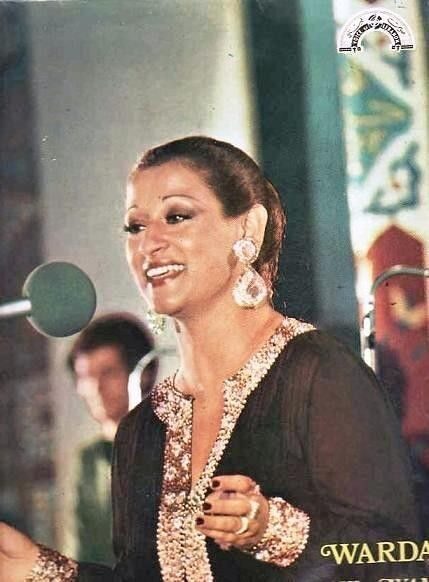
Warda was emotion, fully expressed.
Songs like Batwanes Beek, Harramt Ahebak, and Lawla El Malama carried a depth that was impossible to ignore. She sang with intensity, with presence, with a kind of honesty that filled the room instantly.
Her voice didn’t ask for attention—it commanded it.
Amr Diab — The Modern Arab Music Pioneer
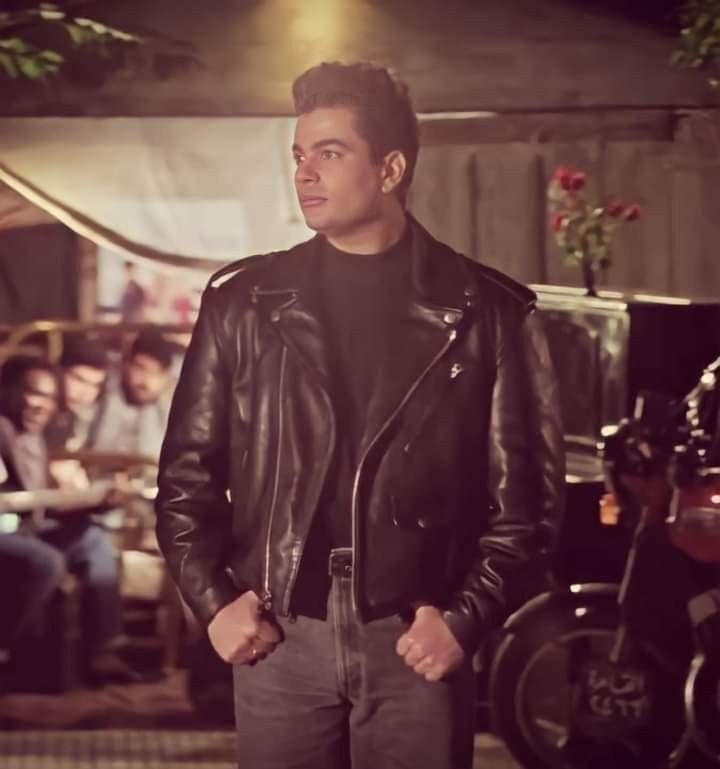
Amr Diab feels like a constant across generations.
From Nour El Ain to Tamally Maak to Lealy Nahary, his songs defined moments—summer drives, beach days, first loves, late-night playlists. He brought a modern edge to Arabic music without losing its soul.
He didn’t just evolve with time—he shaped what came next.
These artists are more than legends—they’re part of how we remember.
Their songs live in moments, in places, in emotions we return to without even trying. They shaped not just Arab music, but the way we experience it—deeply, personally, collectively.
You don’t outgrow them. You grow into them.
And maybe that’s their greatest legacy—
not just the music they created, but the memories they continue to hold.