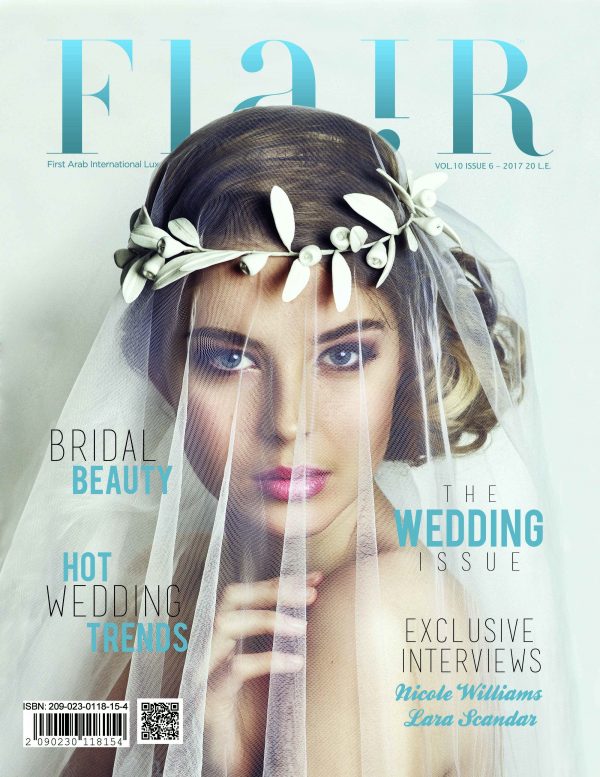
 Flair Magazine
 As two sisters who grew up as a band of triplets with their brother, Farah Hosny followed her dream to become a professional photographer, while Zeina Hosny followed her calling to becoming a couture designer. Even though each of their work is individually exceptional they often work together, becoming a force to be reckoned with. We sat to talk with the talented sisters about their work and aspirations.
How did you come to collaborate with each other?
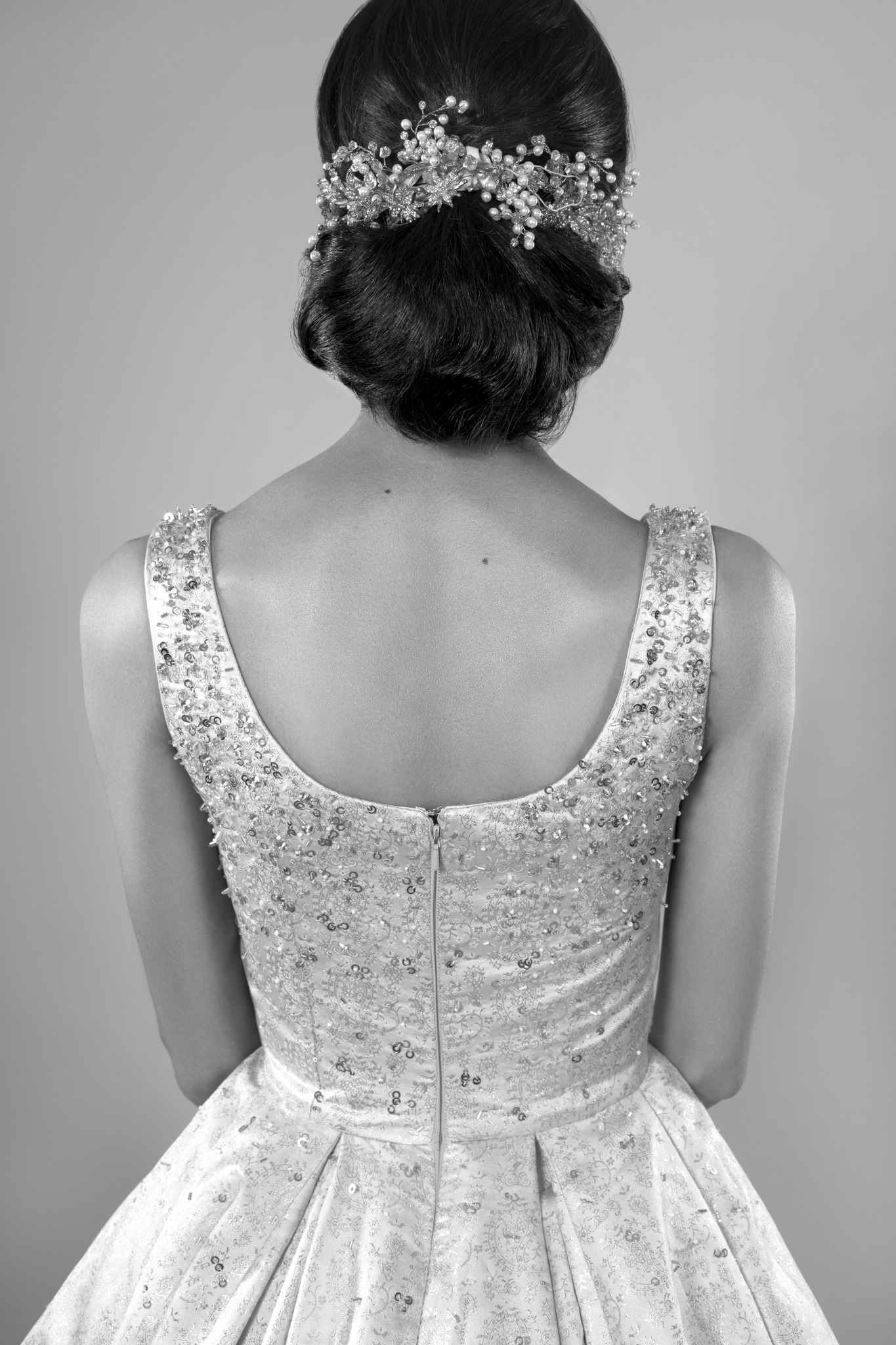
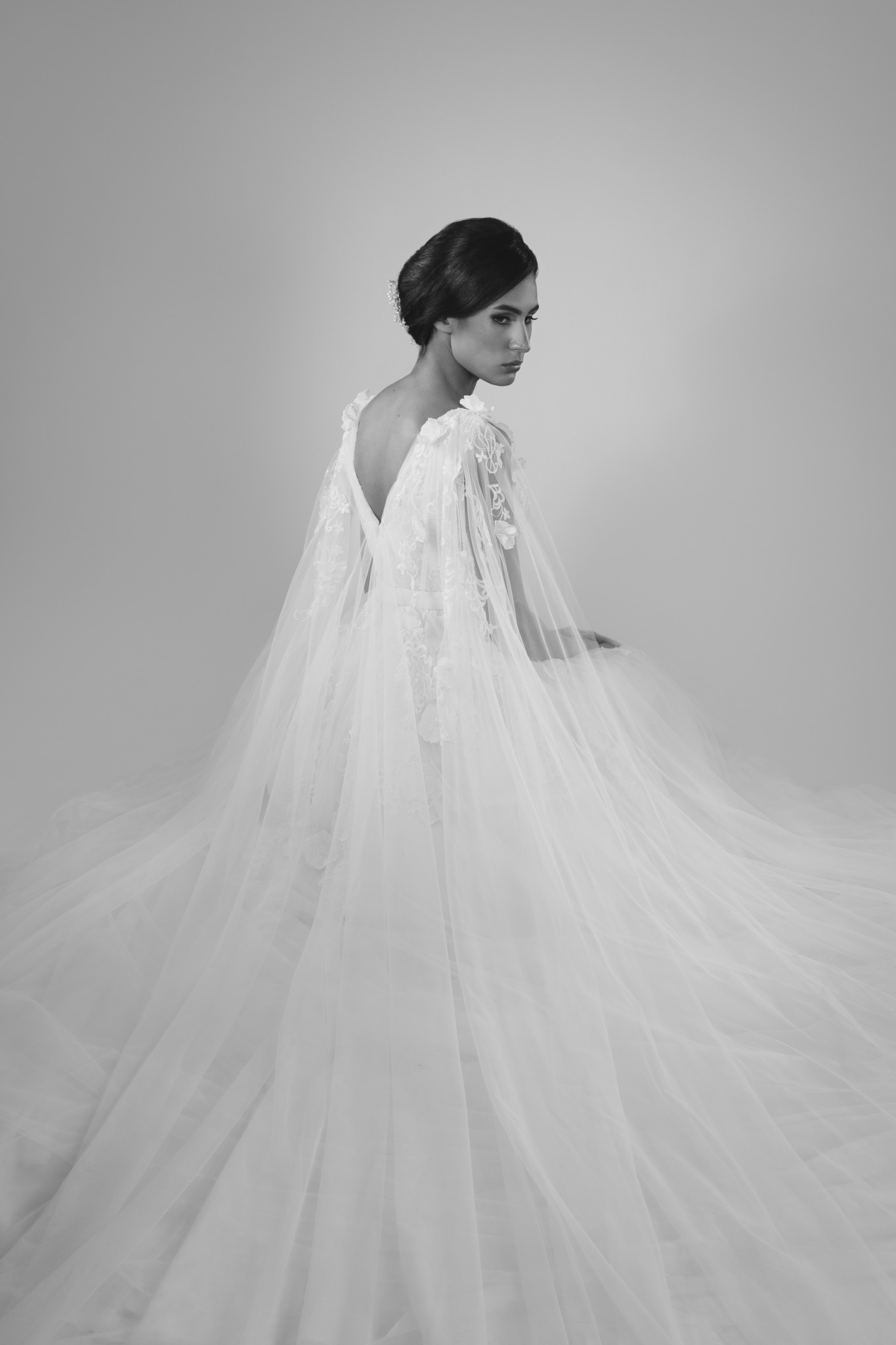
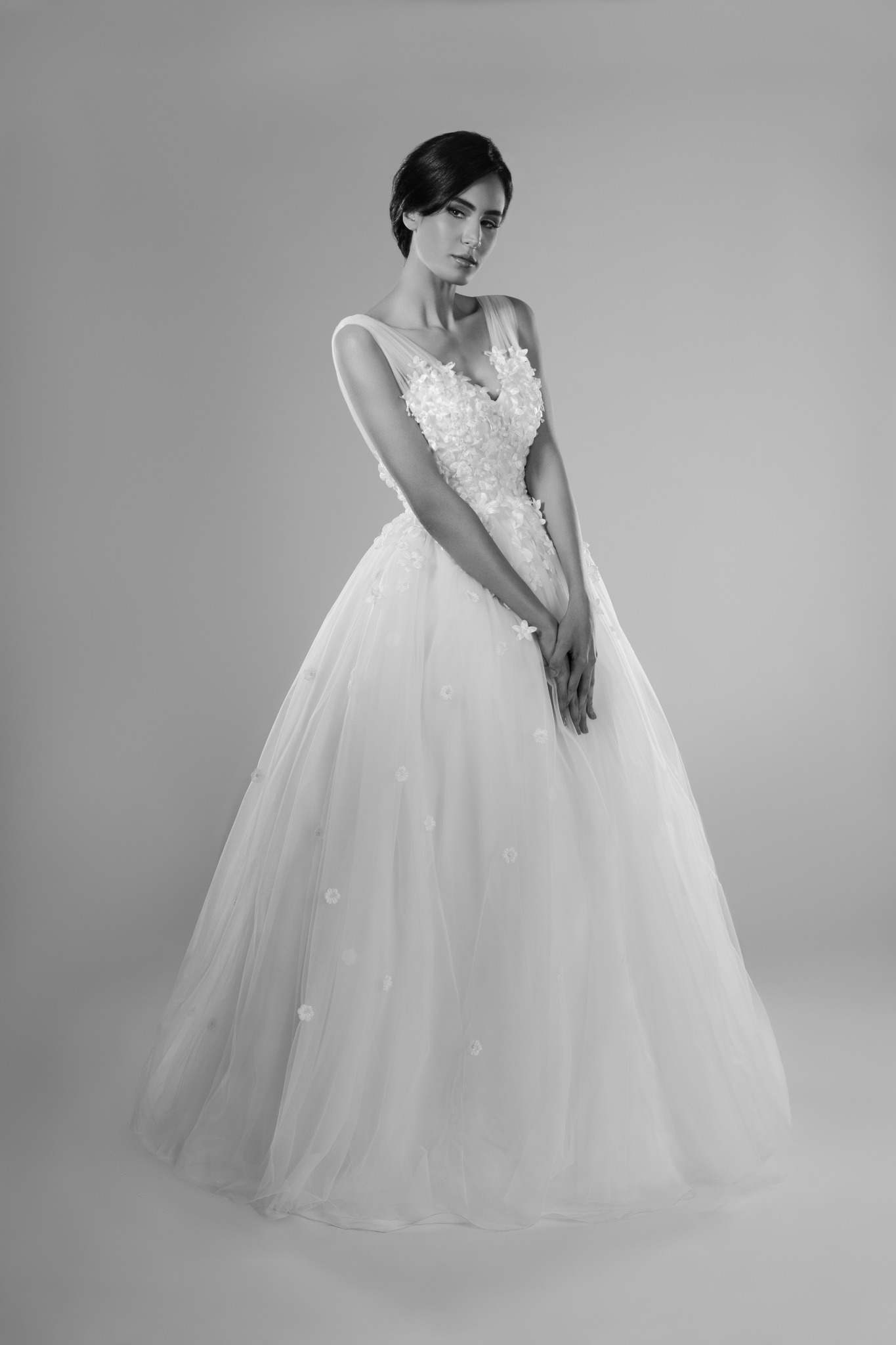
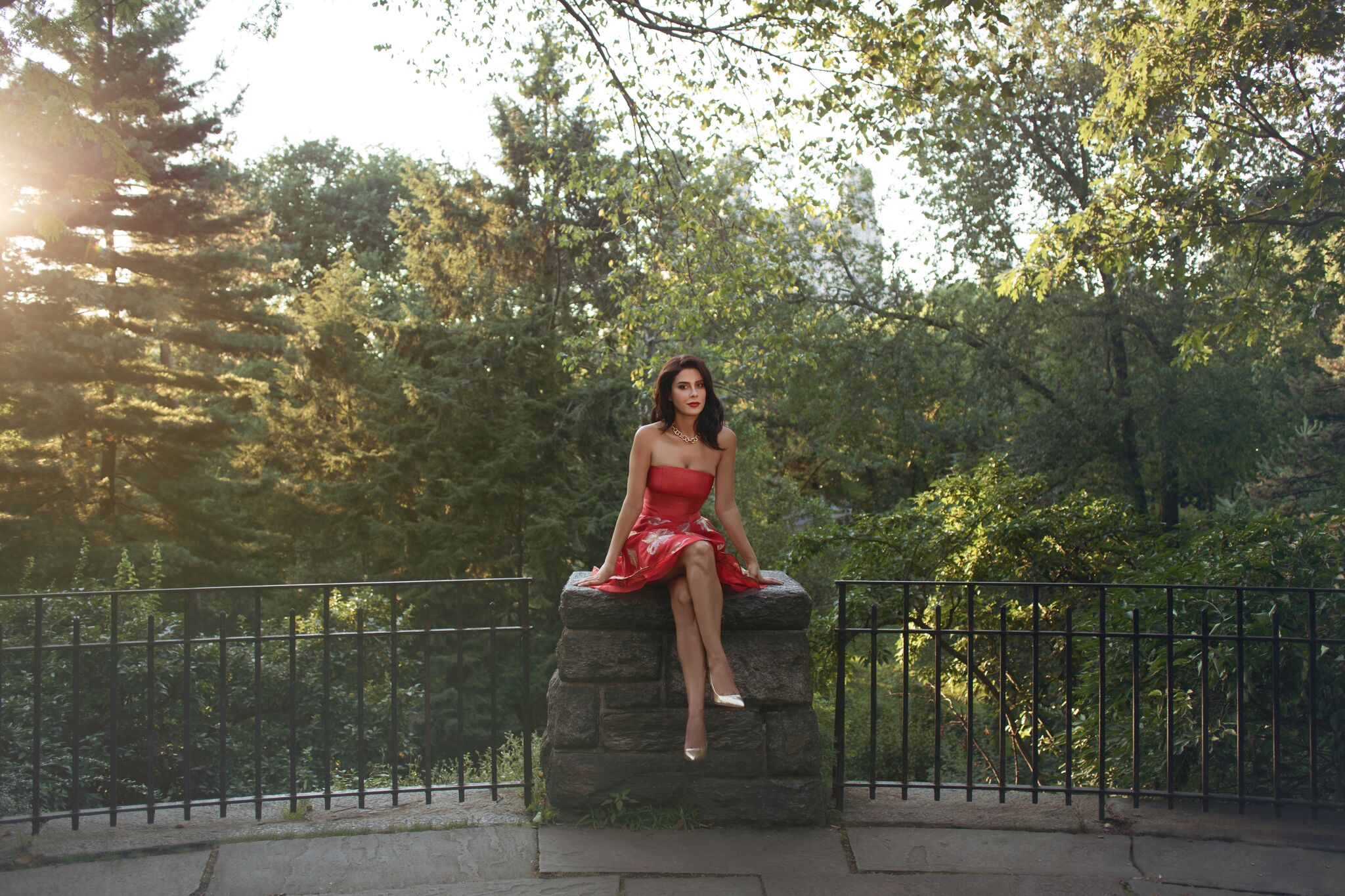
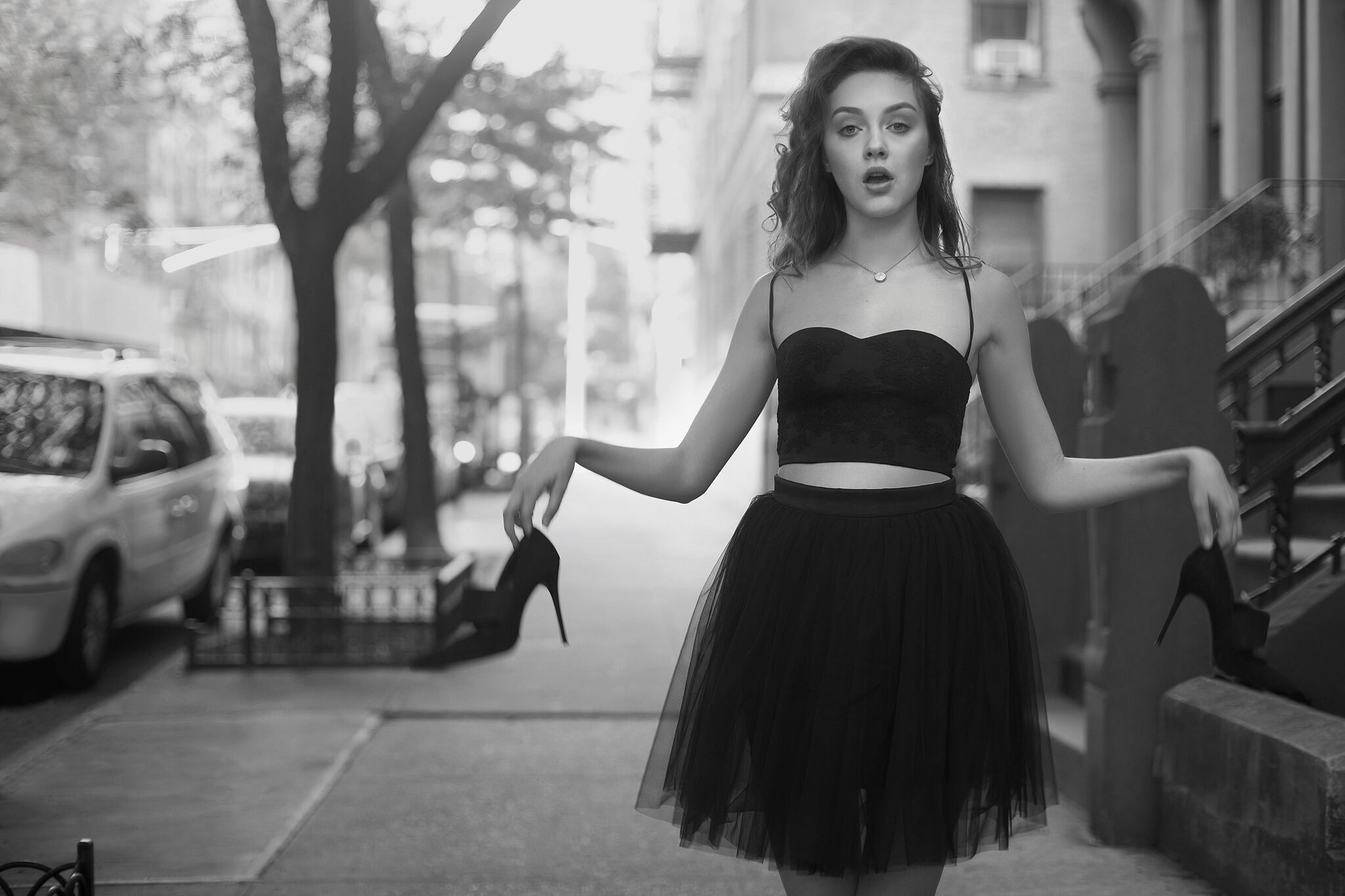
FH: We started when I went to New York to study photography. She sent me a few of her dresses and I shot them with Miss Turkey in Central Park and then with a Russian model in Brooklyn. This was our first collaboration and the second one happened to be both our graduation projects, called “Syria in My Heart”. We’re half Syrian and so the project was inspired by Syria and the dresses, and the culture. My sister’s graduation project was the dresses and mine was the photography of the dresses. When I came back, I took her room and opened my studio in her workshop, and then we collaborated on her bridal collection.
What does each of you admire the most about your sister’s work?
FH: The elegance. The class. I love that she doesn’t conform to public taste in Egypt. She always fixes herself in a unique position in the market and maintains a standard that she would never compromise.
ZH: She always refers to her rich educational background. She doesn’t like to shoot without having everything set up the way she knows it should be – specifically according to what she learned in New York. Her work is definitely more of a higher standard than what I normally see with other photographers.
Zeina Hosny
Where did you learn about design and how has it affected your current career?
I’ve always wanted to study fashion design at university but my father didn’t agree with me at the beginning. He said it’s too risky and that I should go for something that I can make a career of, so I ended up studying marketing. During my third year, I went to a workshop every other day in Damascus. It’s where I learned the know-how of fashion making, and I produced pieces for that workshop for two consecutive years. When my father noticed my passion for fashion, he agreed to take it a step further and let me study fashion at Italian fashion academy when we moved to Cairo because of the war in Syria. For three intensive years, I studied everything that has to do with fashion and I won first place out of thirty other contestants at the fashion runway competition with Red Square. That’s when my father realized I have a future in fashion, so I ended up training in Dubai with Houida Baridi after that and then in Beirut with Tony Ward.
Without my educational background, I wouldn’t know what is missing in my designs, and what is actually doable and what’s not. Training in other people’s workshops and working under experienced designers and under the pressure of real workshop was definitely necessary for me to be able to run my own workshop.
Why go for couture?
For me, casuals are very simple but I love the details I get to do in soirée/couture. I definitely prefer high fashion because it includes more details, like the embroidery, the cut lines and the fit of a dress – to exactly suit the client’s body, which gives me quite the challenge.
How do you manage client relationships, specifically when it comes to bridal dresses?
Honestly, it’s difficult because you face different personalities all the time. Some are very pushy. Some are very calm. Some let you do what you want, while others are very picky and make you change the design over and over.
We can tell that you’re all for women empowerment. How do you translate that in your dresses?
I think I have built my identity as a designer and people recognize it now. I believe that very edgy dresses and fine cuts reflect women empowerment. When a dress has a million ideas jammed into it, the woman wearing it comes off as if she doesn’t know what she’s doing, unlike the woman who’s wearing an edgy dress and is confident of what she’s wearing.
Farah Hosny
When did you discover your passion for photography?
Ever since I was a kid, I used to walk around with a camera in my hand. I decided to pursue photography when I came to Egypt. I learned from my sister’s footsteps that the only way my father was going to let me study photography after marketing is to see that I’m actually passionate about it. I took a few courses in Egypt and I wanted to train with some photographers but none of them actually accepted, so I decided to go to New York. I stayed there for one year and came back with a diploma.
What was it like to learn from artists and photographers in New York?
New York was a life-changing experience for me. I don’t think anywhere else would’ve worked for me. Just choosing to learn in New York, which is both a fashion and photography hub was right up my lane. I learned a lot from the teachers at school but more than that, from the art of the city. It’s like walking around in an open museum. We used to visit art galleries at least four or five times a week and we don’t go back to the same gallery, so that’s how rich New York is with art and inspiration.
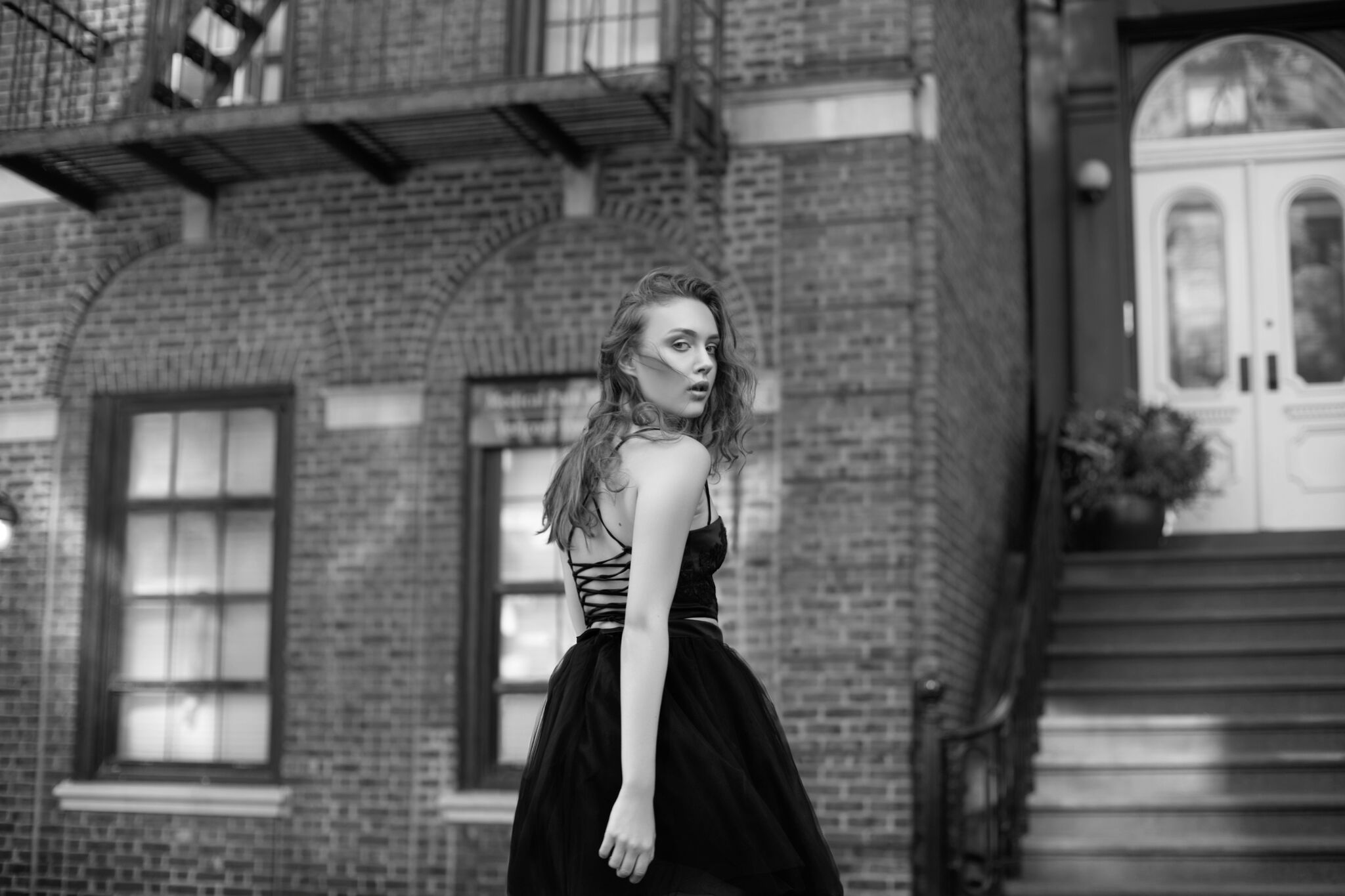
The knowledge you gain there is nothing compared to what you can gain here. It was also a very hands-on program, definitely unlike the theoretical teaching systems I came across in Egypt. I used to book studios at least twice or three times a week and I would spend my weekends there, and that’s how I learned that knowledge and experience go side by side in photography.
What impact do you hope to have on people with your work?
I would love to leave an impact where people can look at my pictures and discover the story I was trying to tell through them. I like to tell a story behind everything I shoot and I hope people can grasp it.
By Sarah Guirguis