 Yara Lotfy
 What begins with a pair of glasses rarely ends there. For Ahmed Hamdi, the founder of Nile Eyewear, the frame became a starting point for something far more ambitious: a way of translating Egypt’s character into a contemporary design language, without reducing it to the symbols the world already knows. His inspiration is found in the details—the rhythm of Egyptian life, its language, humour, gestures and the people who give its streets their unmistakable energy.
Since launching Nile Eyewear in 2012, Hamdi has built a brand defined by originality, instinct and a distinctly Egyptian point of view. Along the way, the brand has moved into international fashion and design circles, while Hamdi’s ambitions have continued to expand beyond eyewear towards a broader Arab design house.
In conversation with Flair Magazine, Hamdi reflects on the vision that started it all, and shares what it takes to build a design legacy without losing sight of where it began.
1- Nile Eyewear was born at a time when few believed an Egyptian eyewear brand could compete globally. What convinced you it was the right moment to take that leap?
Nile Eyewear was born at a very particular moment in Egypt. In 2012, after the revolution, I was working in real estate, but I felt a strong need to do something that was connected to my country — something that could contribute to Egypt and, more importantly, show the world a different side of it.
I started writing down my thoughts, ideas, and everything I wanted to achieve, and I noticed that one word kept coming back again and again: vision. At some point, I shared these thoughts with a friend, and he asked me a very simple question: “If vision is the word that keeps coming back to you, why don’t you do eyewear? You already love glasses and you always wear interesting ones.” That simple conversation became the starting point of Nile Eyewear.
I started writing down my thoughts, ideas, and everything I wanted to achieve, and I noticed that one word kept coming back again and again: vision. At some point, I shared these thoughts with a friend, and he asked me a very simple question: “If vision is the word that keeps coming back to you, why don’t you do eyewear? You already love glasses and you always wear interesting ones.” That simple conversation became the starting point of Nile Eyewear.
What started as an idea to create something Egyptian gradually became a much bigger ambition: to prove that something designed and created in Egypt could have its own identity, compete internationally, and make people see Egypt through a different lens.
2- Why eyewear? Of all the fashion categories, what made glasses the product you wanted to build your legacy around?
I’ve always loved wearing glasses, partly because they help me see better, but also because they can make you look at the world differently. And that became exactly the vision I wanted Nile Eyewear to represent.
I wanted to show Egypt from a different perspective — not only through its history, but through its creativity, its talent, and its ability to innovate. I also wanted to prove that young entrepreneurs from Egypt and the Middle East can create meaningful businesses, challenge established industries, and make the world look at something differently.
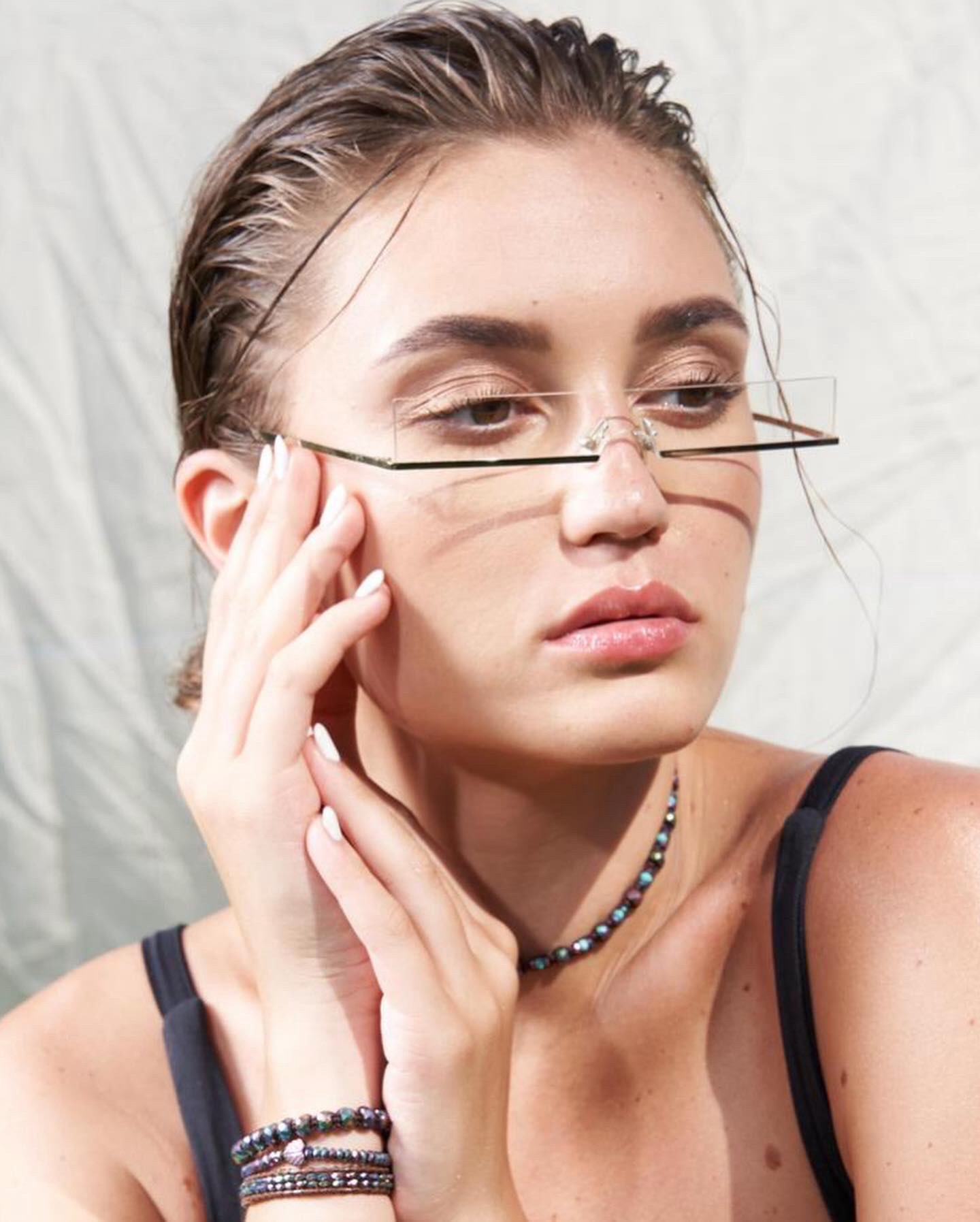
Photography @elenafrassoni @photo_milan_el
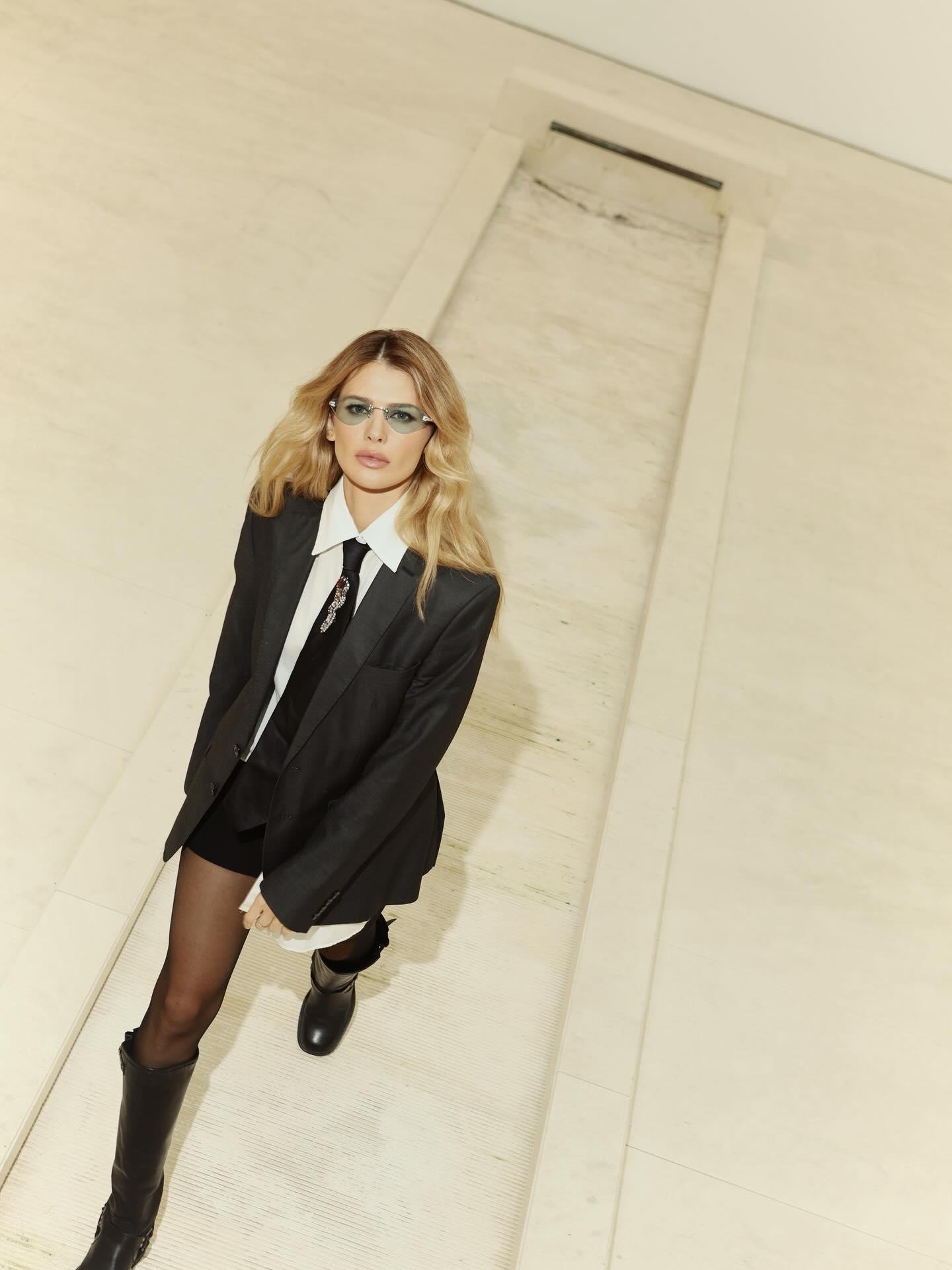
In a way, that is exactly what a pair of glasses does. It changes your perspective. It can sharpen what you see, change how you see it, and sometimes even change the way others see you.
That idea has remained at the heart of Nile Eyewear from the very beginning: to create eyewear that doesn’t just change how you look, but changes the way you see.
3 – When you founded Nile in 2012, what misconception about Egyptian-made products were you most determined to challenge?
I think every journey is made of challenges, and I’ve always believed that challenges are what make the journey worth telling.
From the very beginning, there were many challenges, but I never looked at them as something that should stop me. I actually believe they are what give the story its flavor. My journey has always felt like a movie to me. If you went to the cinema and watched a film where nothing ever went wrong and there were no obstacles, you would probably lose interest.
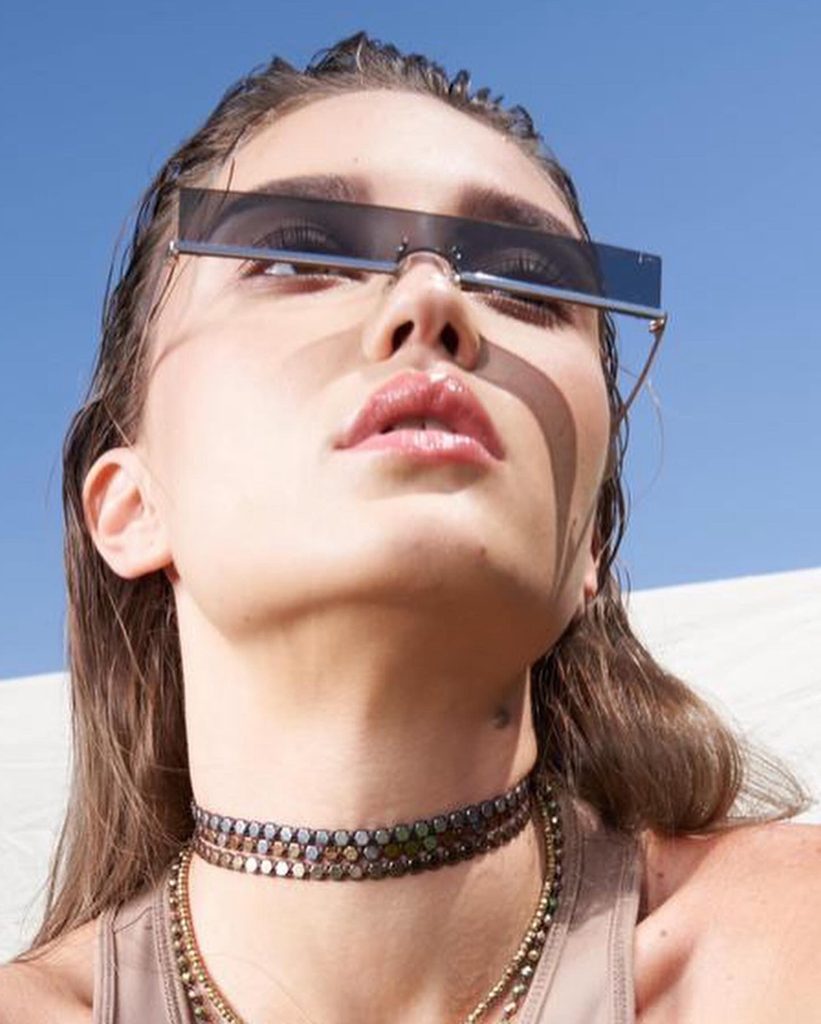
The same applies to building a brand. The challenges teach us, make us stronger, and force us to look at the next step with more clarity. Every difficult moment has taught me something that I eventually carried into the next chapter.
So, rather than trying to avoid challenges, I learned to embrace them. They are part of the story — and, in many ways, they are what make the story worth telling.
4- What aspects of Egyptian culture continue to inspire you creatively beyond the obvious historical references?
Egypt inspires me in many ways, and most of them have nothing to do with the obvious historical references. I’m inspired by my family, by my mother, may she rest in peace, and by the people I see every day — the people walking through the streets, selling simple food in local neighborhoods, or creating things with their hands using very simple tools and materials.
I’m inspired by our language, the way we speak, our expressions, our gestures, our sense of humor, and the way people interact with each other. There is something incredibly authentic and spontaneous about all of these details.
For me, this is where the real identity of Egypt lives. Our originality doesn’t only come from our ancient history; it comes from the everyday things that make us who we are today.
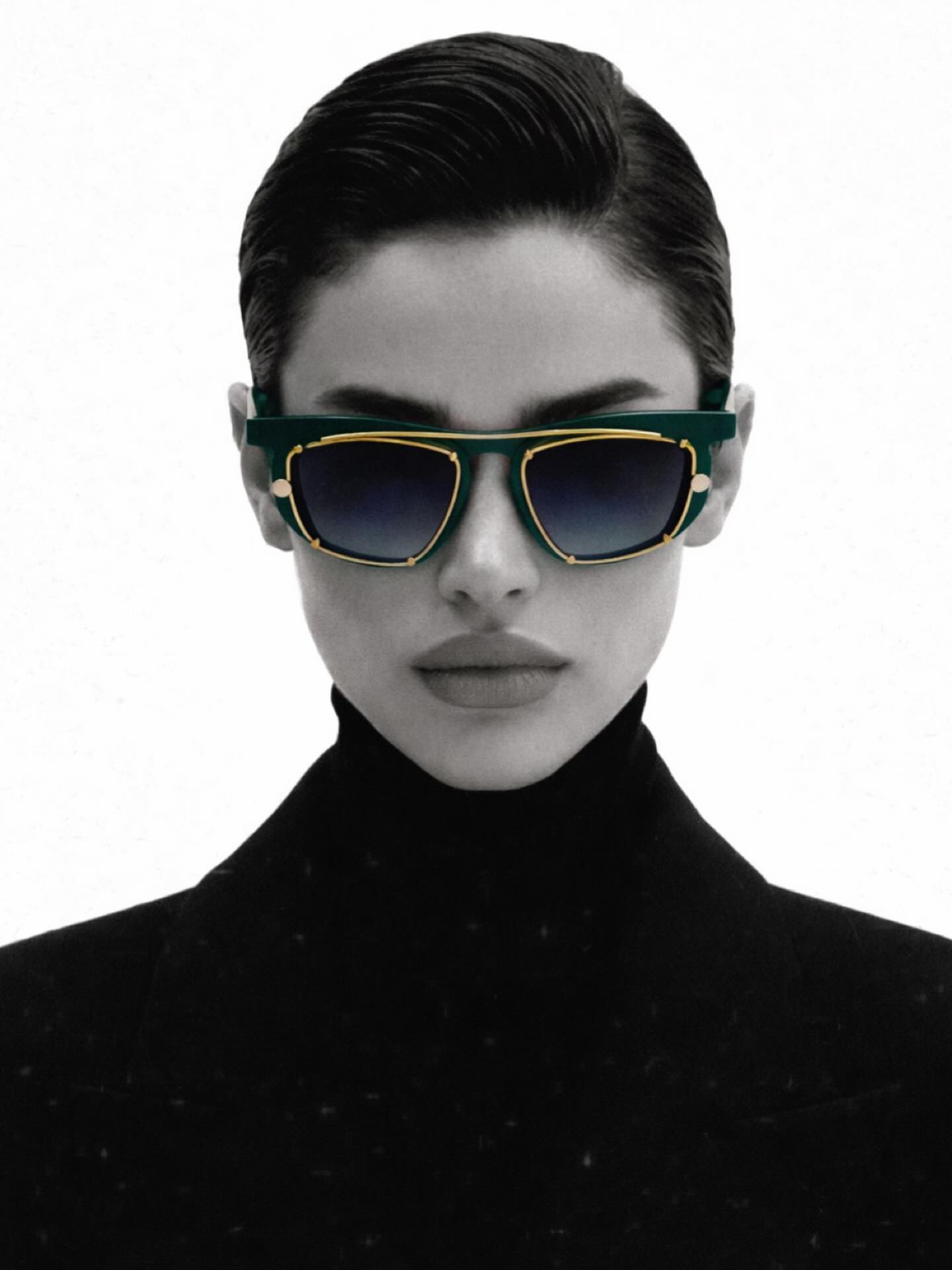
That authenticity is something I always try to capture in my work — not by simply reproducing Egyptian symbols, but by translating the spirit, energy, and character of Egypt into something contemporary.
5- Where do you think eyewear sits today within fashion? Is it still an accessory, or has it become a statement piece?
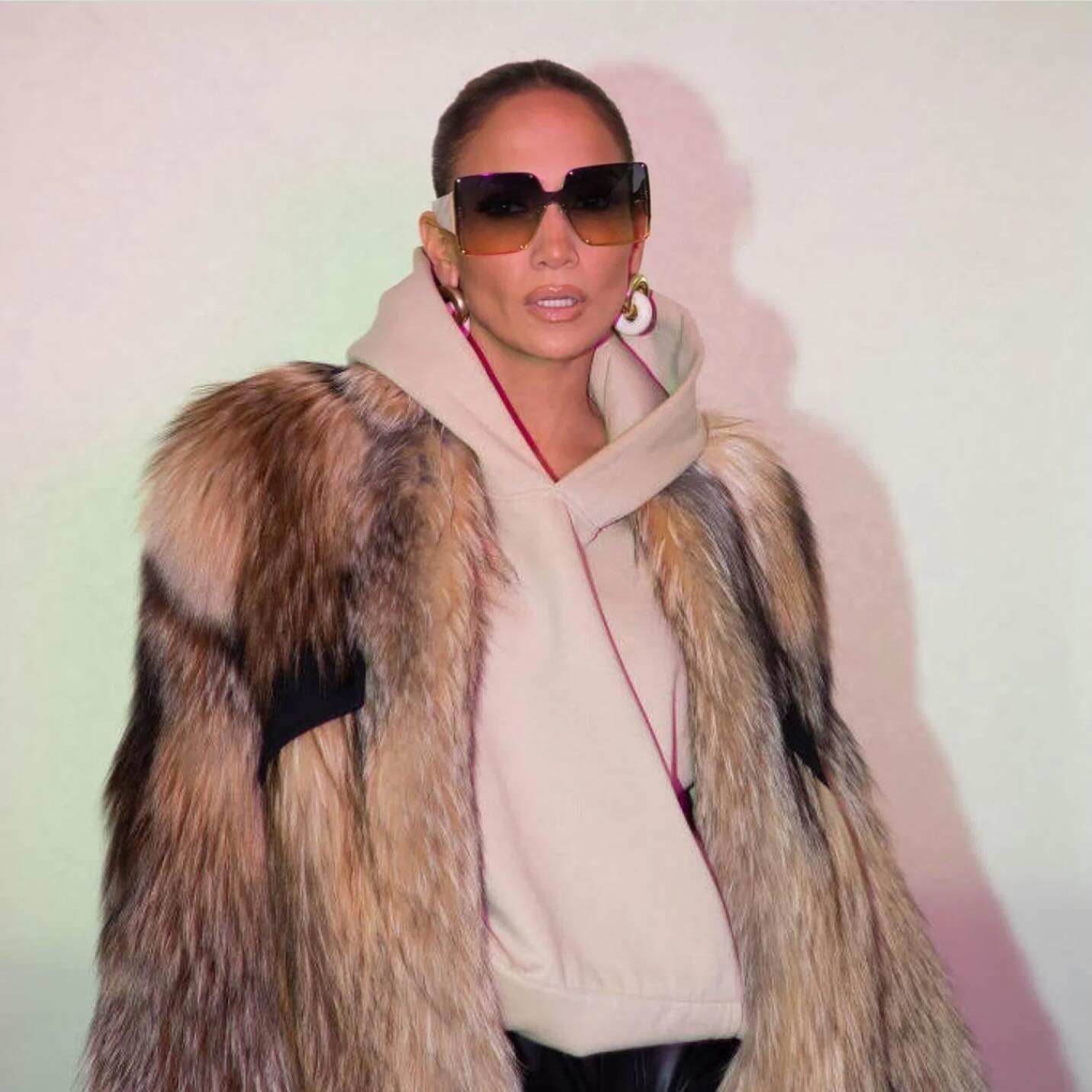
There have been many international milestones throughout Nile’s journey, and each one has meant something different to us. One of the earliest moments that really made us feel the brand could travel beyond Egypt was seeing Jennifer Lopez wearing Nile Eyewear. Later, having Andrea Bocelli wear our glasses was another incredibly meaningful moment.
We also had the opportunity to create a special project during Milan Design Week, where we developed eyewear around the relationship between architecture, the home, and the lens. It was an important experience because it allowed us to present an Egyptian design perspective within one of the world’s most influential design environments.
Being recognized among leading Arab designs by Vogue was another milestone, as was representing Nile at major international eyewear exhibitions such as MIDO in Milan and SILMO in France.
But beyond individual moments, what makes these experiences truly important to me is what they represent. They have shown us that a brand born in Egypt can enter international conversations on design, fashion, and creativity — not by trying to look like everyone else, but by bringing its own identity to the table.
6- Nile Eyewear has increasingly appeared on international design platforms. What have those experiences taught you about presenting an Egyptian brand to a global audience?
International exposure has definitely changed the way I think about our customer. What I’ve discovered is that people outside Egypt connect with Nile for many of the same reasons our customers at home do, but there is often an additional curiosity around the story behind the brand. They feel the energy behind Nile. They notice that the designs are different, comfortable to wear, and have a strong identity.
I’m also very connected to the brand personally through social media, and I think people can see the amount of passion and hard work that goes into building it. They don’t just see a pair of glasses; they feel that there is a story and a person behind the product.
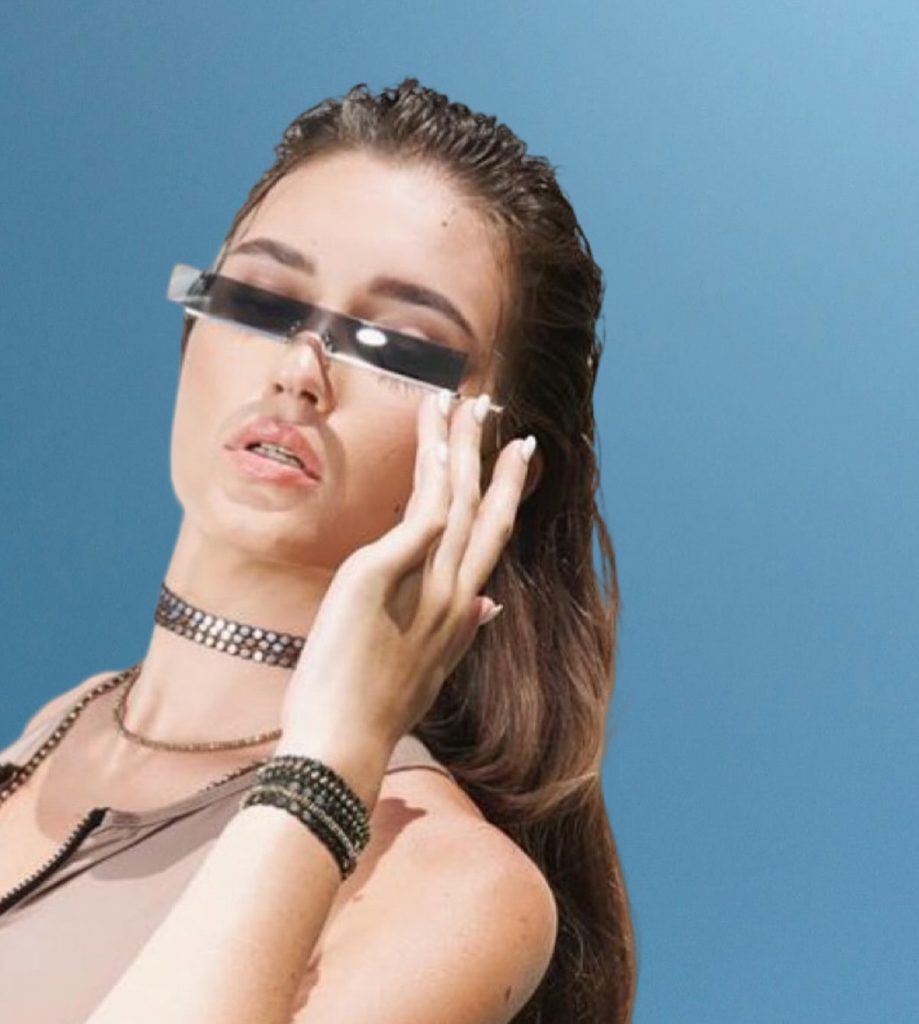
As for specific markets, I don’t necessarily look at it geographically. We are already present in different parts of the world, and we are open to any market where people appreciate **heritage, storytelling, craftsmanship, exclusivity, and originality**.
Our customer is someone who wants to be different. Someone who wants to stand out, who wants to wear something with a story behind it, and who appreciates design that feels exclusive and has a deeper meaning. So, in many ways, our market is not defined by a country. It is defined by a mindset. If you want to be different, if you want to stand out, and if you want to wear something that carries a story with it, you are a potential Nile customer.
7- How has international exposure changed the way you think about your customer? And are there global markets that feel especially important for Nile’s next chapter?
We have some exciting projects coming up, particularly collaborations with international brands that share the same vision, direction, and spirit as Nile.
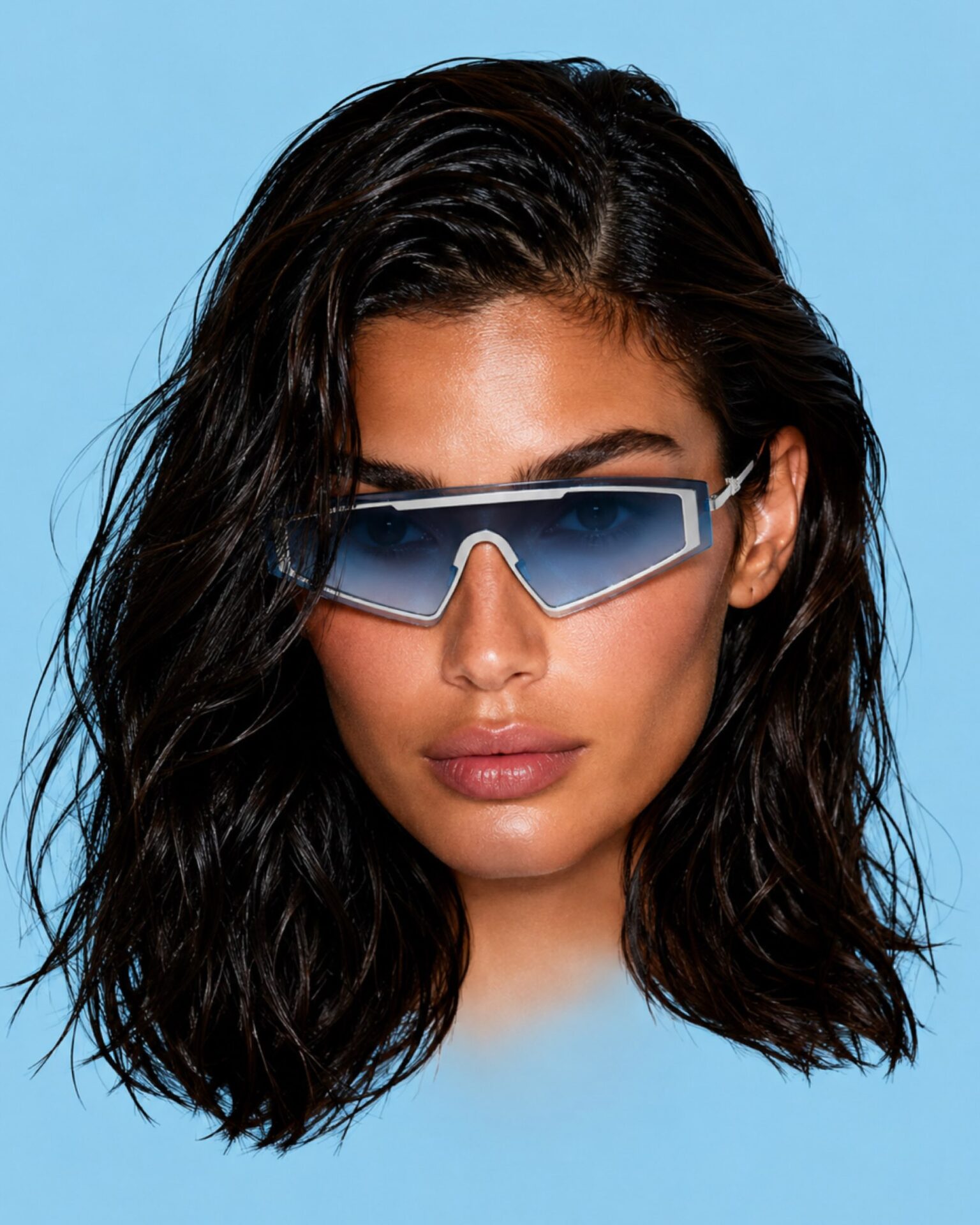
For me, collaboration is not necessarily about bringing together two fashion brands. I’m much more interested in connecting different worlds and different types of products when there is a genuine common ground between them.
It could be fashion, design, lifestyle, technology, hospitality, or something completely unexpected. What matters is that there is a shared feeling, a similar energy, and a story that makes sense for both sides. I believe the most interesting collaborations happen when two different worlds come together and create something that neither could have created alone. That’s the kind of collaboration I’m looking forward to with Nile’s next chapter.
8- Are there any upcoming collections, collaborations, or projects you can share with us?And do you envision Nile evolving into a broader lifestyle or luxury design house?
This is actually a very important question because it goes back to why I created NILE DETAILS in 2018.
At a certain point, we realized that there was a limit to how much we could express through eyewear alone. But our ambition was always bigger than one product category. We wanted to challenge the perception that brands from the Arab world could only be local or regional. We wanted to prove that an Arab brand could influence global design and fashion conversations.
That’s why we created NILE DETAILS — expanding into bags, accessories, and other products that could complement the eyewear and complete the overall look and feeling we wanted to create.
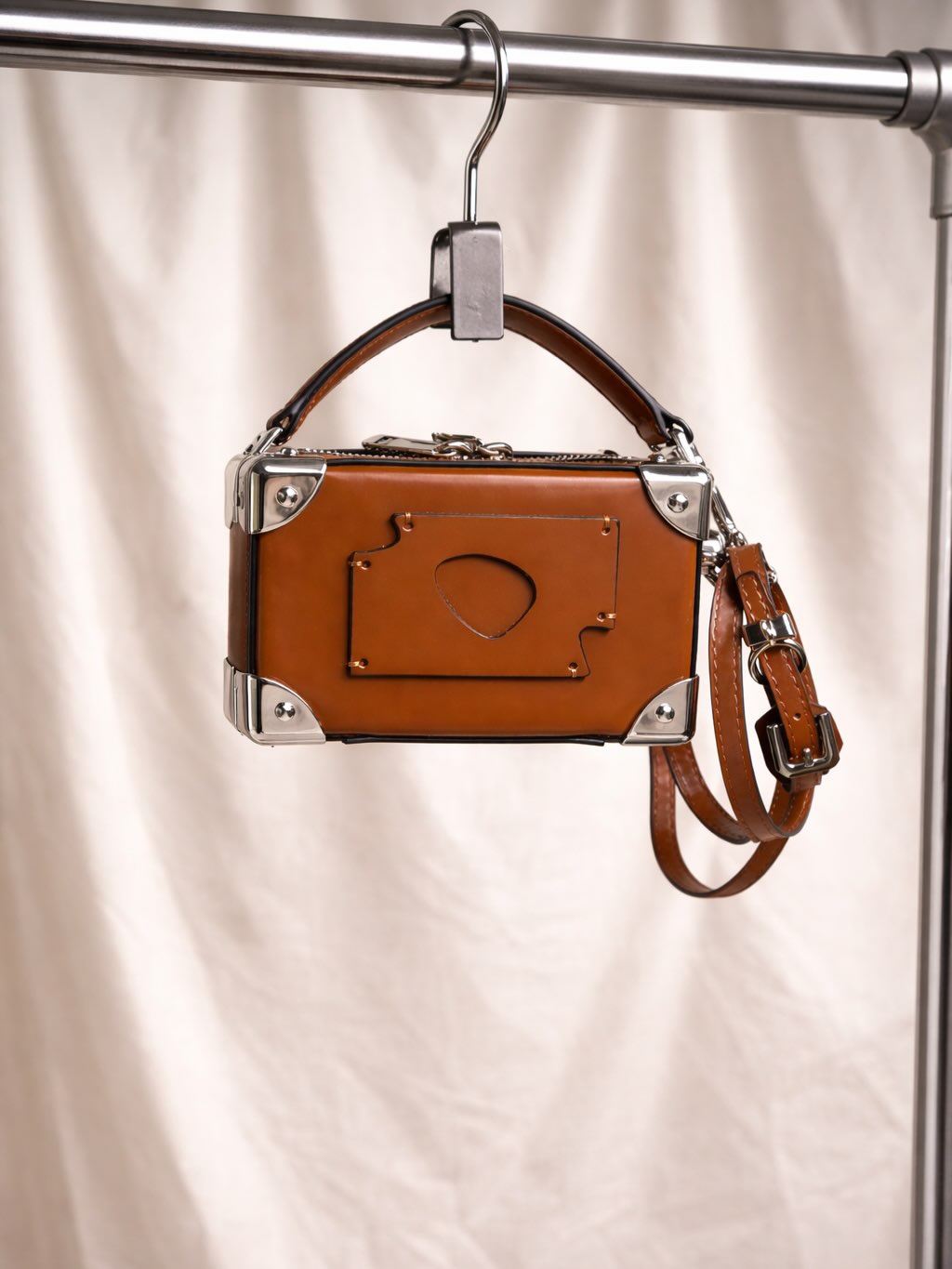
For me, it was also about entering categories where there wasn’t necessarily a strong representation from the Arab world, and showing that we could approach them with our own identity, design language, and perspective. So yes, I definitely see the potential for Nile to evolve into a broader luxury and design house. But it has to happen organically. We don’t want to create products simply to expand the business. Every category we enter has to have a reason, a story, and a connection to the world we are building.
Ultimately, I want Nile to become more than an eyewear brand. I want it to represent a contemporary Arab design house — one that can create different products, enter different worlds, and still remain unmistakably Nile.
9- What advice would you give to young Egyptian designers hoping to build globally recognised brands?
First, you have to have a vision. You have to be able to see yourself 20 years from now, even when nobody else can see it yet. Once you have that vision, you have to stick to it. Consistency is the key. So are focus and resilience, because there will be many challenges along the way.
I always believe that your story is unique because you are the one writing it. And sometimes, if everyone understands your story or agrees with every decision you make, maybe you are not creating something different enough.
You have to keep moving. Keep going. Never give up. There will always be people who tell you, “If I were in your place, I would do this,” or “I would do that.” But they are not in your place. They don’t have your experiences, your vision, or your perspective.
Your identity is your fingerprint, and your fingerprint is unique because it belongs to you. So my advice is simple: stick to your identity, stick to your dream, trust your vision, and keep moving — especially when other people cannot yet see what you see.
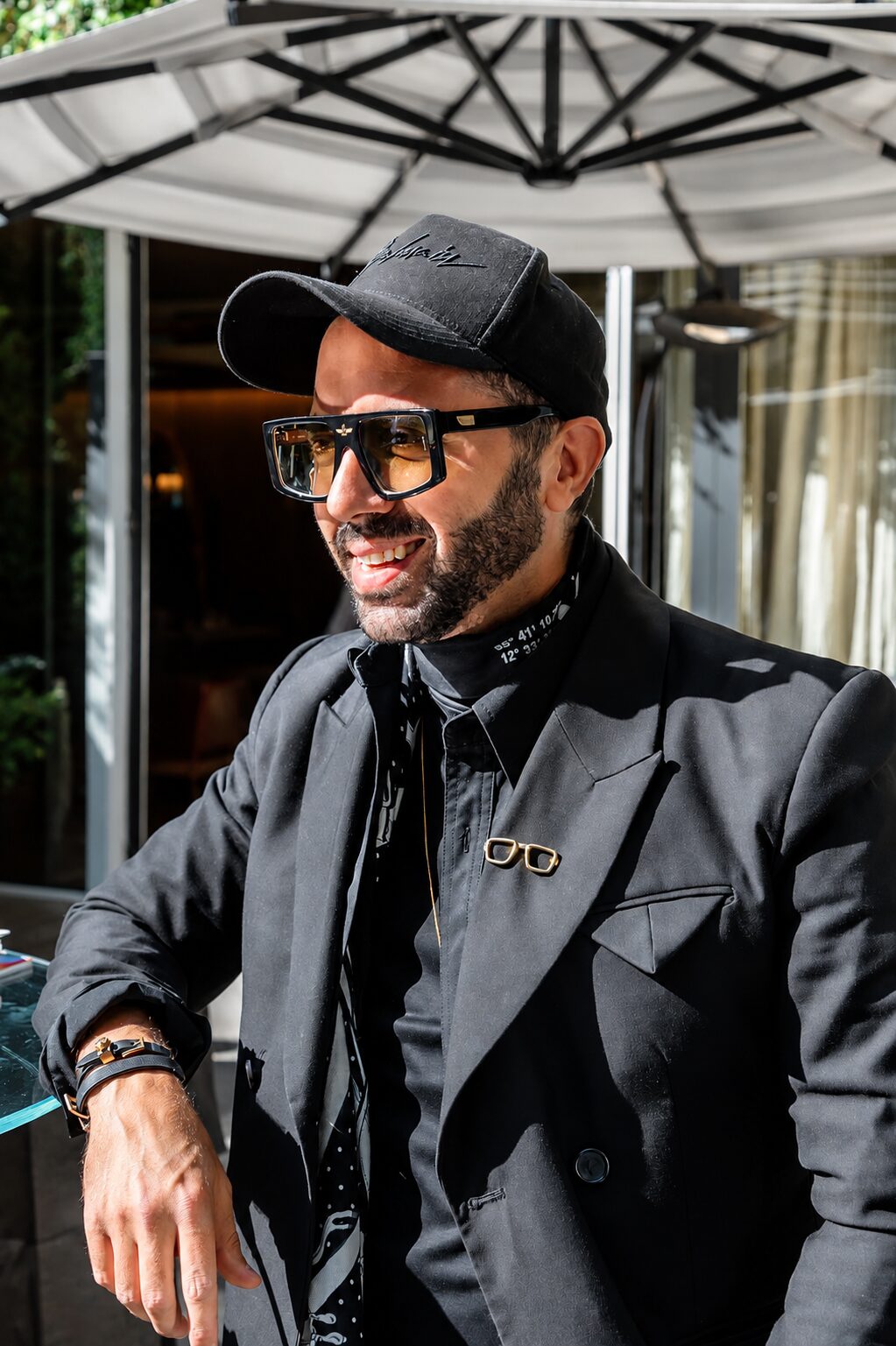
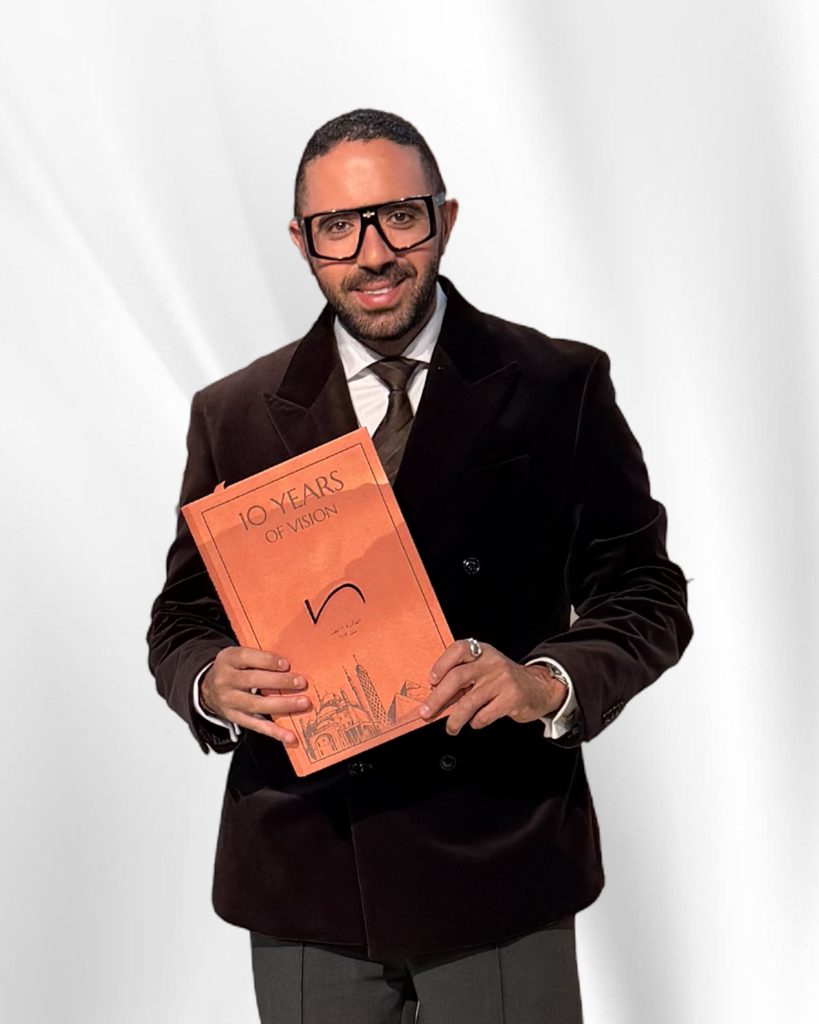
Pictured in the lead image is Ahmed Hamdi, founder and creative director of Nile Eyewear. All images are courtesy of Nile Eyewear.