 Mariyam Meeran
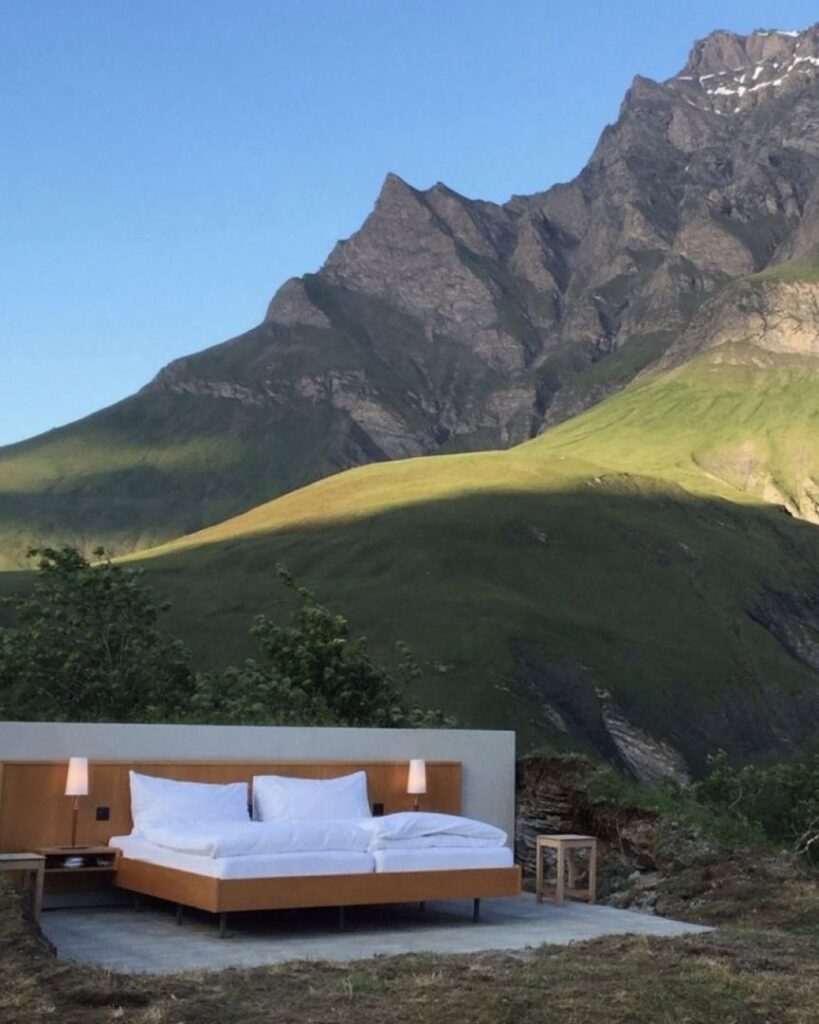
 At some point, the wellness industry ran out of new things to sell us, and landed on something almost too simple: sleep. Not the kind that happens to come with a nice hotel room, but sleep as the whole reason for booking one.
It’s easy to see why. Nearly a third of adults worldwide struggle with insomnia, and most of us have quietly accepted that we’re bad at resting, especially away from home. Hotels have caught on, and the sleep economy has ballooned into a genuine industry of its own, reportedly worth well over half a trillion dollars globally. The pitch is simple: what if the thing you actually needed on this trip wasn’t a rooftop pool or a tasting menu, but eight uninterrupted hours?
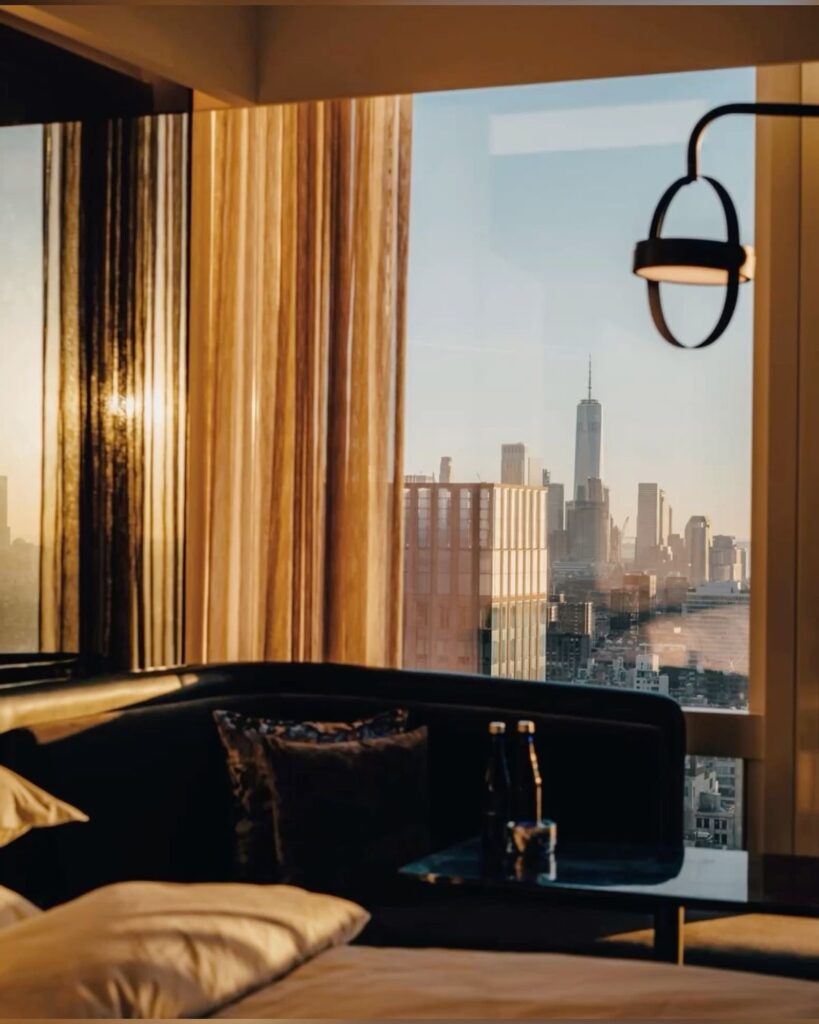
The amenities have moved well past a lavender pillow spray. Equinox Hotel New York worked with sleep scientist Dr. Matthew Walker to build what it calls “sleep sanctuaries” rather than rooms, right down to a bedside button labeled “Dark. Cool.” that instantly draws the blackout blinds and drops the temperature. Its two-night sleep program throws in melatonin-friendly meals, cryotherapy, and time on a massage table the hotel says delivers the equivalent of three hours of sleep in thirty minutes, which sounds almost too good to be tested honestly, but guests keep booking it anyway.
Other hotels have taken the theatrics even further. At the Hotel de Crillon in Paris, guests can request a Sleep Butler, someone whose entire job is to walk into your suite and prepare it around your body: the right aromatherapy, a weighted blanket, a “Sleeping Beauty” box of calming mists and journals. The Mandarin Oriental Boston takes a more technical approach, its Sleep Sanctuary package includes biometric smart goggles designed to lower your heart rate before you’ve even closed your eyes.
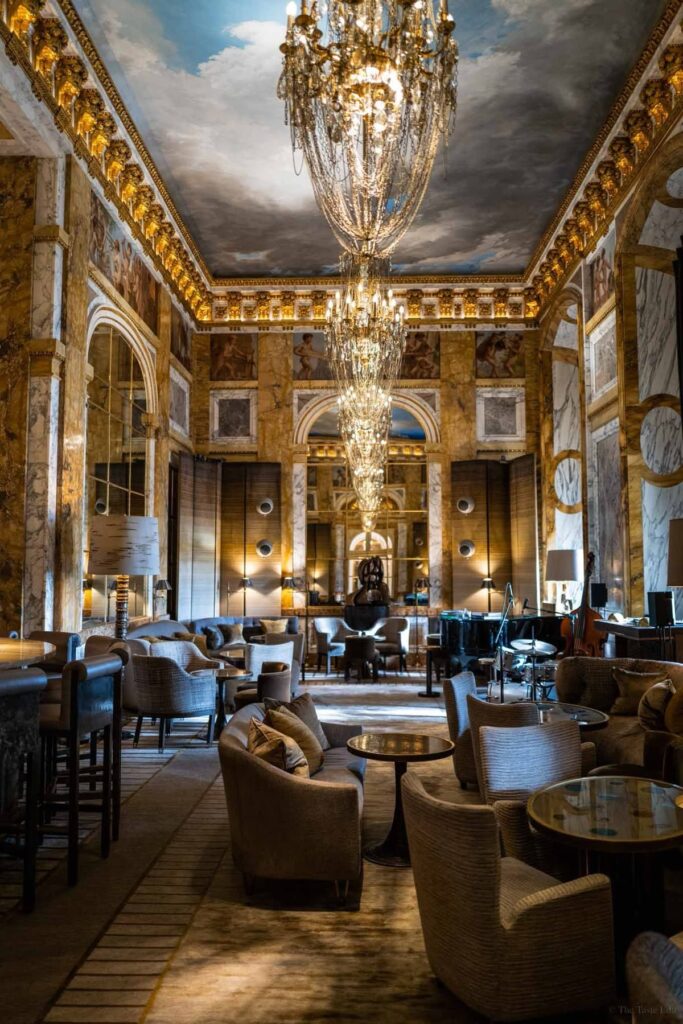
In Los Angeles, Hotel Figueroa treats sleep almost like a wellness lab experiment: an AI-regulated mattress, air purifiers, a sleep kit built around vagus-nerve oil, the language of biohacking applied to something as basic as lying down. And in Florida, Sandpearl Resort has gone fully surreal with something called Nap Therapy: a spa treatment on hydraulic beds that simulate zero gravity, where the goal, refreshingly, is just to fall asleep mid-massage.
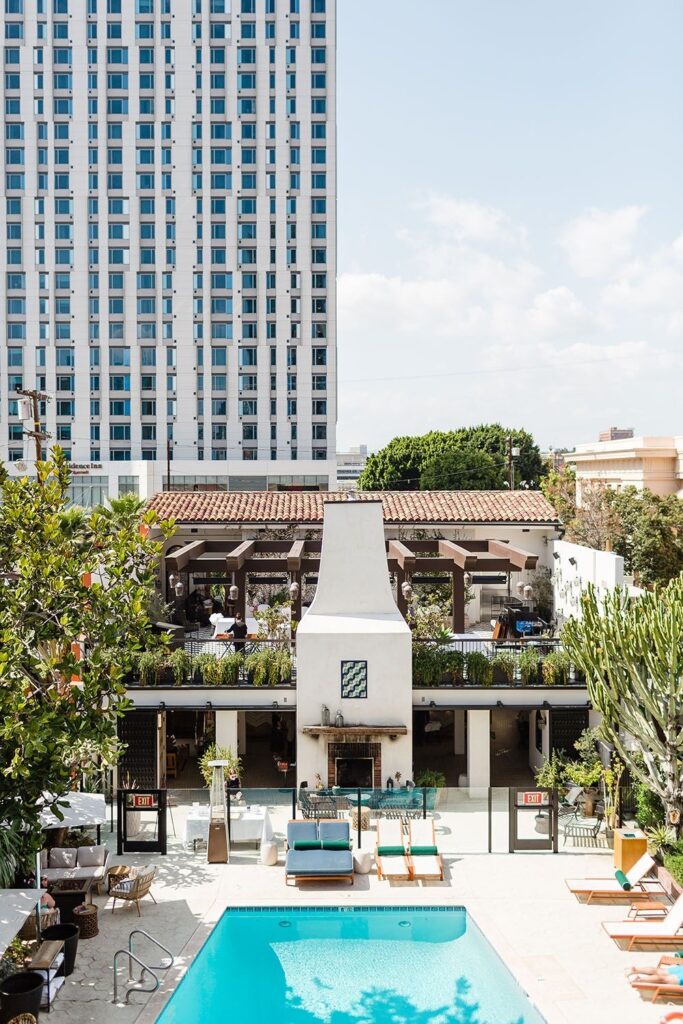
Even ordinary city hotels catering to business travelers have picked up the language of sleep science, quietly adding blackout curtains, circadian lighting, and soundproofing as standard rather than upgrade. Jet lag and stress, it turns out, are universal enough to build a whole amenity category around.
None of this is happening purely out of guest generosity. Hotels have realized that a property built around sleep earns something harder to manufacture than a nice view: trust. Guests return to places that actually solved a problem they didn’t know how to fix at home, and they’re willing to pay a premium for it.
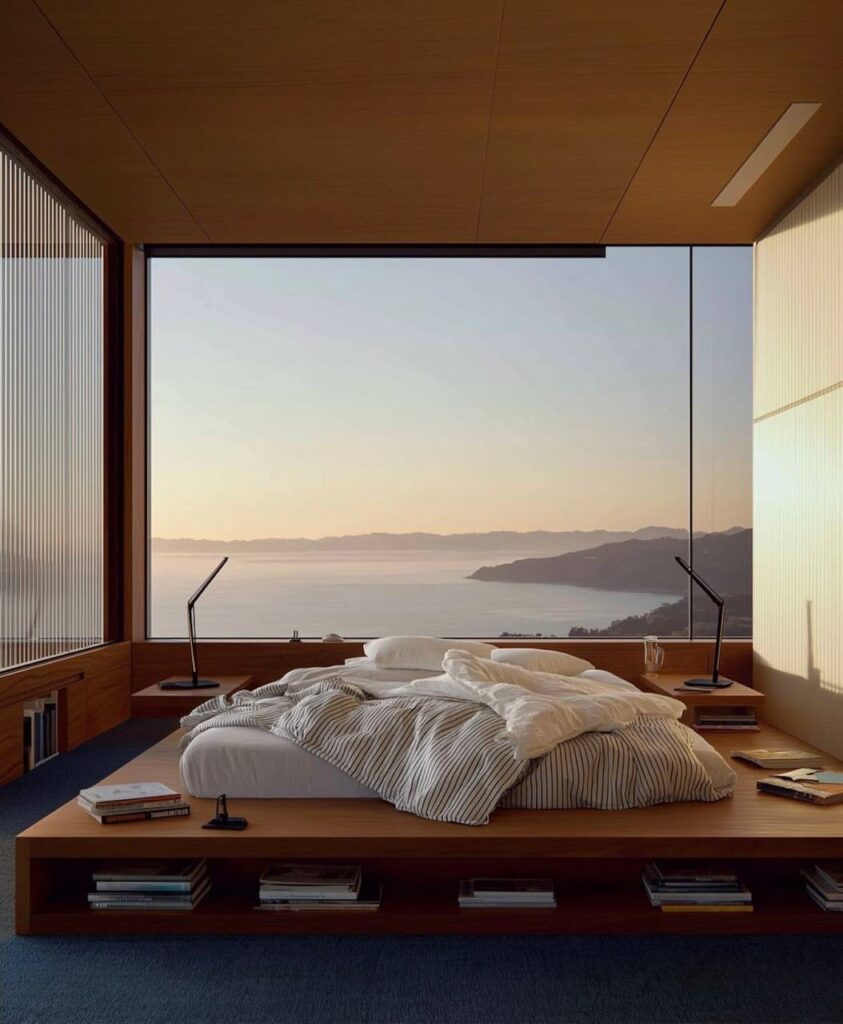
Of course, there’s a catch. Sleep, as basic a human need as it gets, is increasingly being sold back to us as a luxury, and a fairly expensive one at that. Whether that says more about the state of hospitality or the state of our collective exhaustion probably depends on how well you slept last night.
Either way, the hotels leaning hardest into sleep science seem to understand something simple: sometimes the most radical amenity isn’t a spa day or a Michelin star. It’s just doing nothing, extremely well.