 Mariyam Meeran
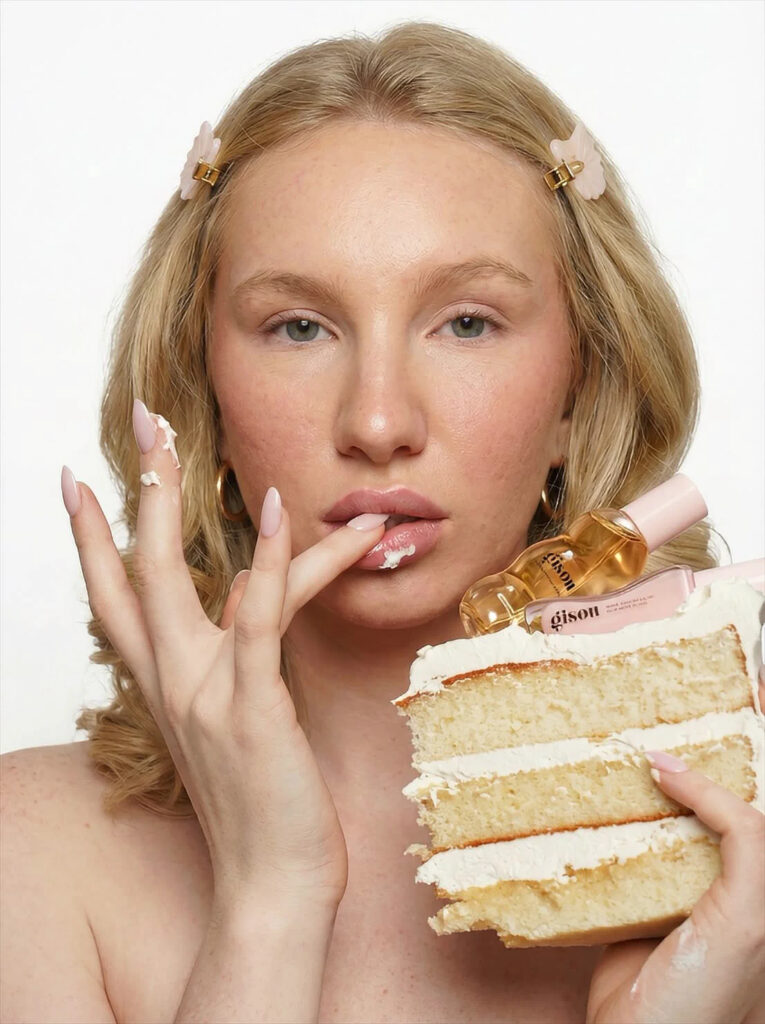
 Glazed. Whipped. Jelly. Buttery. These words no longer belong to one category. They describe a dessert and a skincare routine with equal accuracy, and that overlap isn’t an accident. It’s one of social media’s most consistent aesthetic patterns: food and beauty trading their visual language back and forth, in both directions, for years.
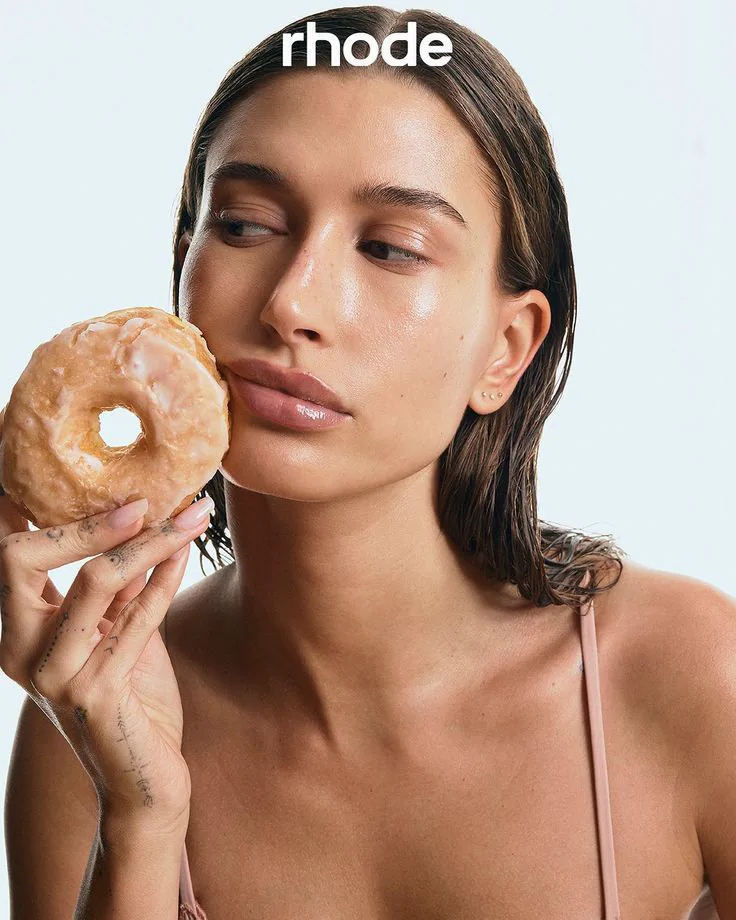
Beauty borrowed from food first. Glazed donut skin, the ultra-dewy, high-shine complexion that defined 2022, took its name and its finish directly from a dessert. Strawberry glaze skin followed a year later, moving a fruit’s color and sheen onto lips and cheeks. Mocha mousse makeup came next, riding Pantone’s chocolate-and-espresso Color of the Year straight onto eyes, lips, and bronzer, a coffee drink’s exact warmth translated onto the face. None of it needed explaining. Everyone already knows what a mocha or a strawberry glaze looks like, so nobody had to be told what the makeup should look like either.
Then food borrowed it back. The butter board, softened butter spread across wood and finished with herbs, citrus, and flaky salt, became a genuine culinary moment in 2022, prized less for flavor than for how it photographed: rich, glossy, spreadable. Beauty has since reclaimed that same appeal in “butter skin,” the soft, satin finish editors now expect to eclipse glass skin as the era’s defining look.
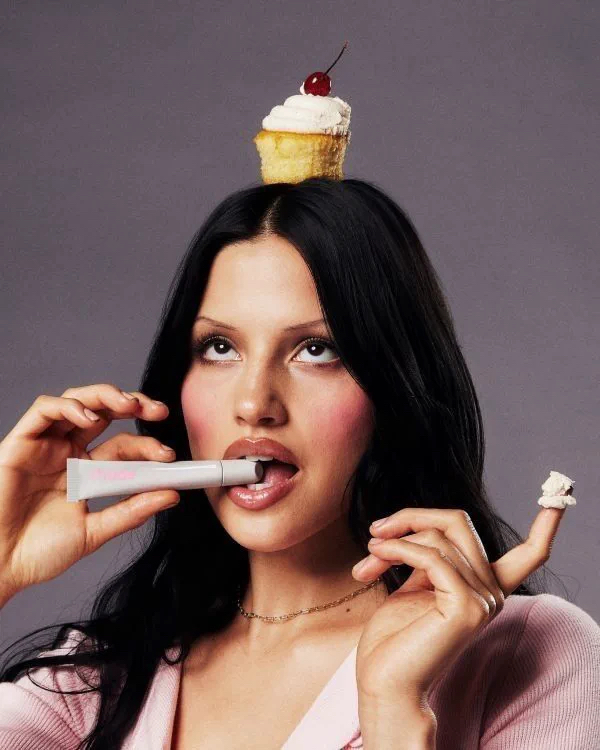
Lip products turned the crossover into an entire business model. Nowhere is the food-as-visual-language trend more literal than in lip gloss and lip tint marketing. Rhode built its cult following on flavors named and colored to match actual food: Watermelon Slice, Raspberry Jelly, Espresso, Cinnamon Roll, Guava Spritz, each tint’s shade and scent designed to evoke the fruit or dessert in its name, not just describe a color. Glossier did something similar with a limited Balm Dotcom in Banana Pudding, made in collaboration with an actual bakery, blurring the line between a beauty product and a dessert menu item. Laneige’s Lip Glowy Balm leans the same direction, with flavors ranging from Gummy Bear to Grapefruit. The pattern is consistent: naming and coloring a product after food does marketing work no ingredient list could, letting a shopper’s brain do the selling before they’ve even opened the cap.
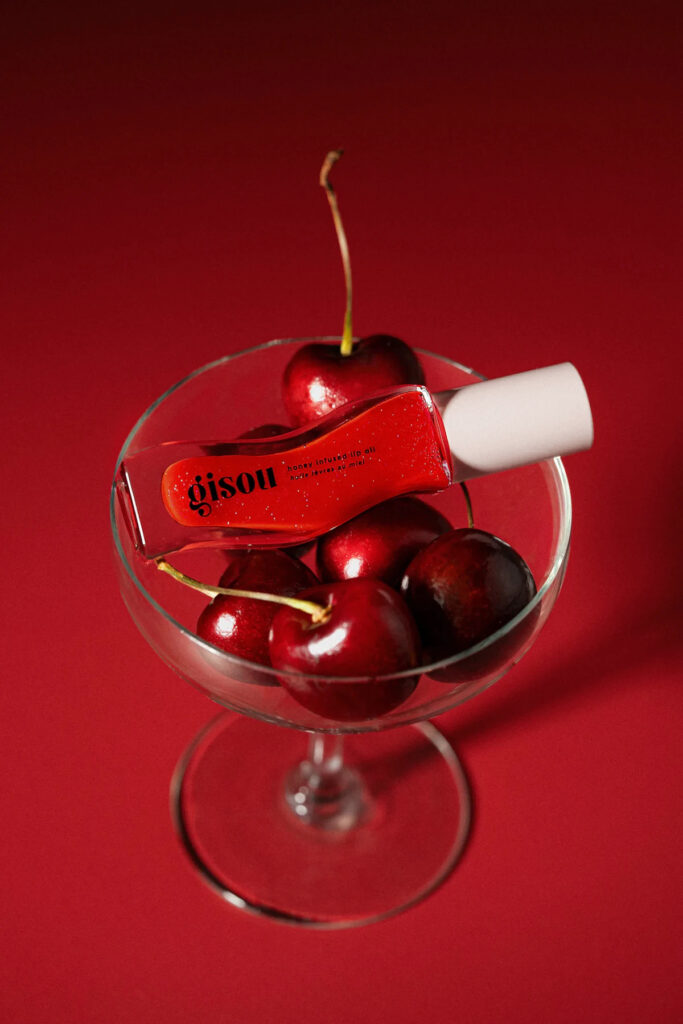
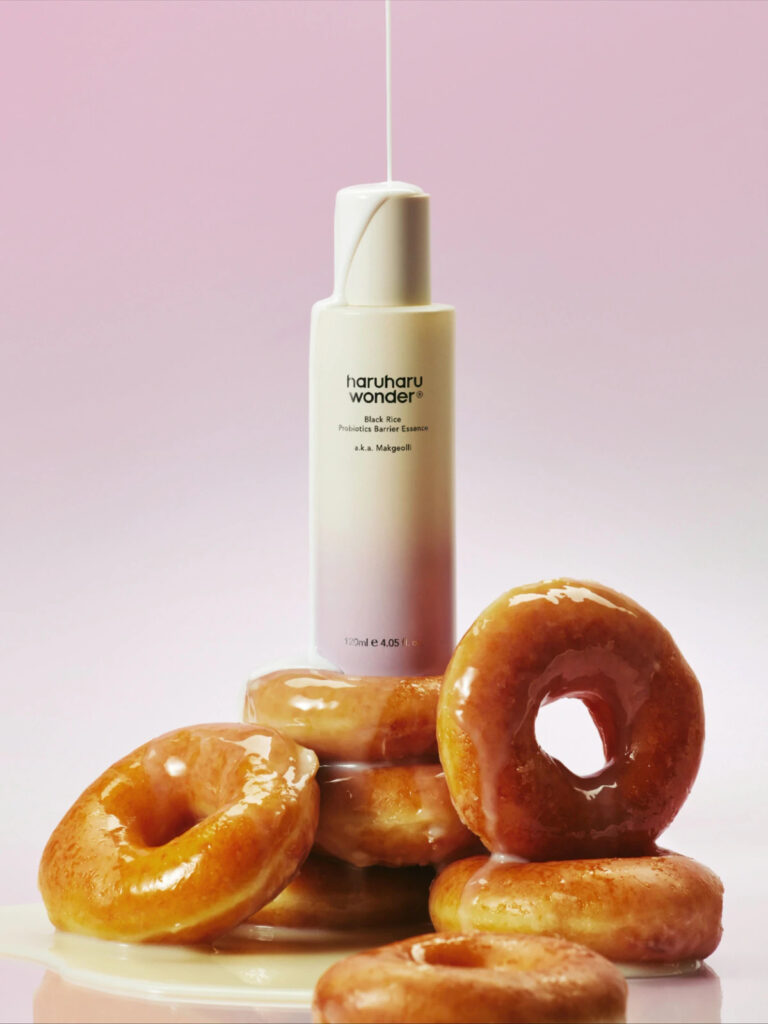
Texture is the real thread connecting all of it. Jelly masks and jelly serums succeed for the same reason jelly desserts do on video: which reads as satisfying to watch regardless of what it’s actually made of. Skincare didn’t set out to resemble dessert. Both categories simply discovered, on the same platforms, that texture is what stops a scroll, more reliably than any promised result.
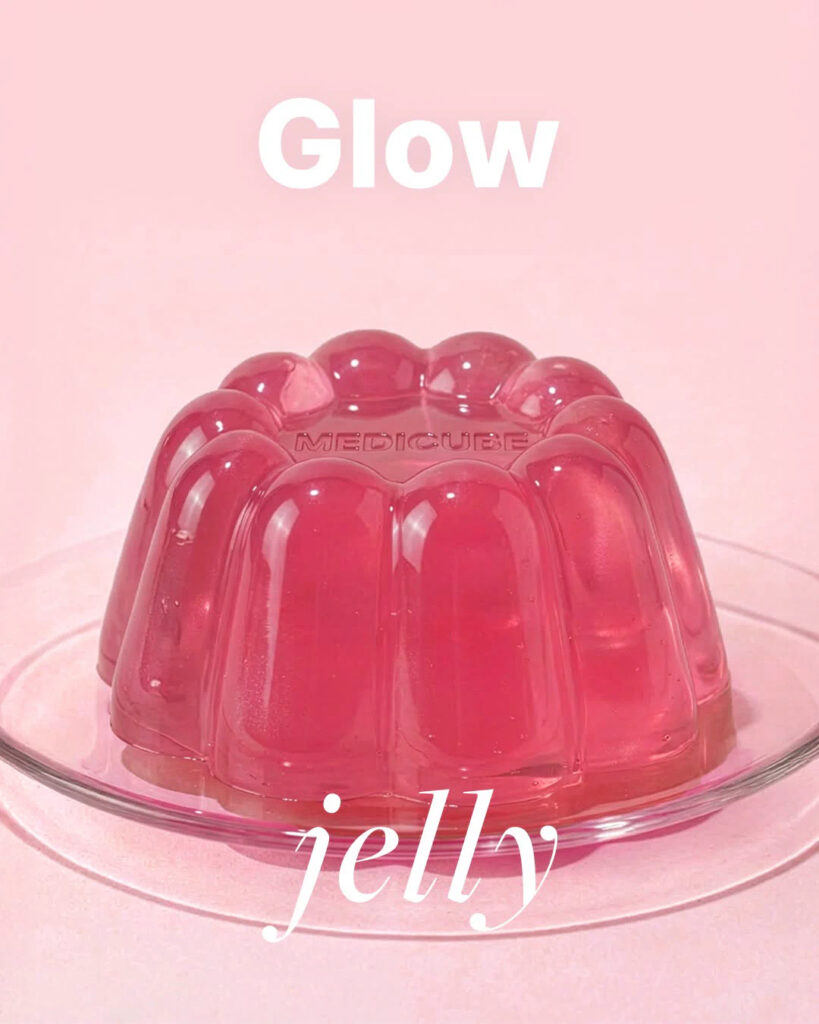
Food and beauty are both, fundamentally, desire rendered visually instead of described in words. Rich, glossy, smooth: the same three adjectives apply whether the subject is donut or a cheekbone. Running through the same feeds, sorted by the same recommendation logic, it was only a matter of time before their vocabularies merged into one.
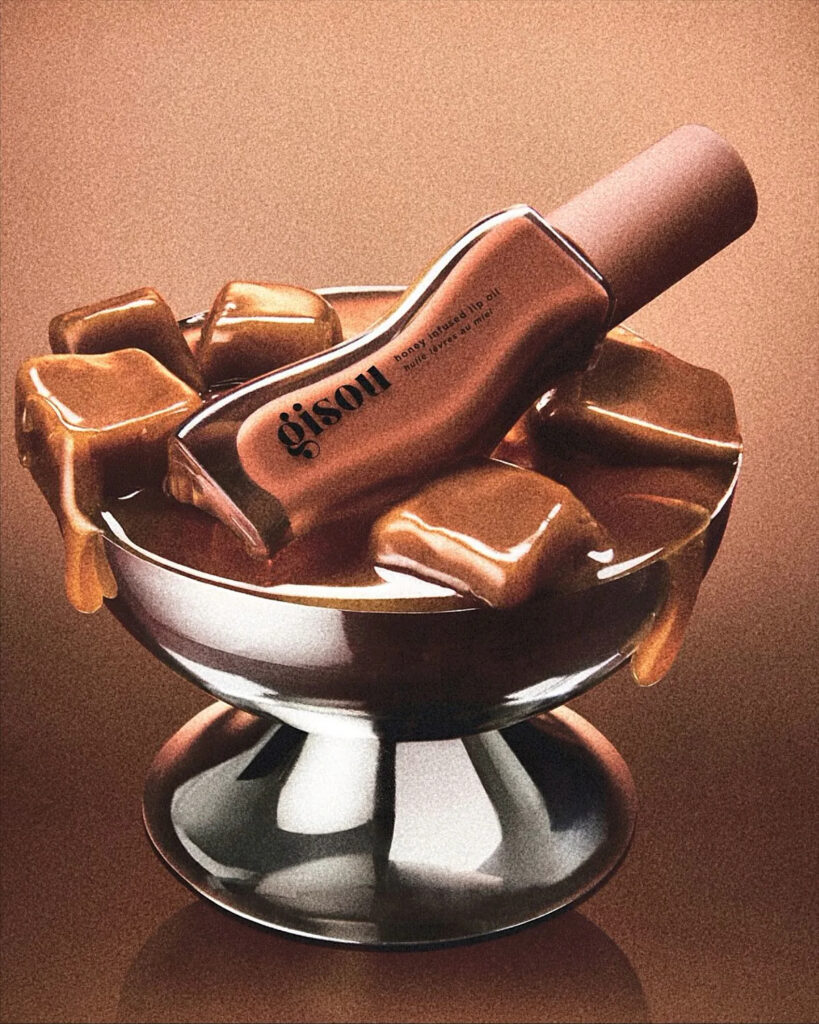
The exchange isn’t finished. If a butter board could become a face, and a donut could become a complexion, the next beauty trend borrowing from food is likely already circulating under a different name, in a kitchen video somewhere, waiting to be noticed.