 Mariyam Meeran
 There was a time when wearing the same outfit twice in public felt like a small confession, an admission that you hadn’t planned ahead, or worse, that you simply didn’t have enough. Fashion, for most of its modern history, has run on the logic of newness. New season, new silhouette, new reason to buy. To repeat a look was to break the unspoken contract between a person and their wardrobe: that style is a story that must always move forward.
That contract is quietly being torn up.
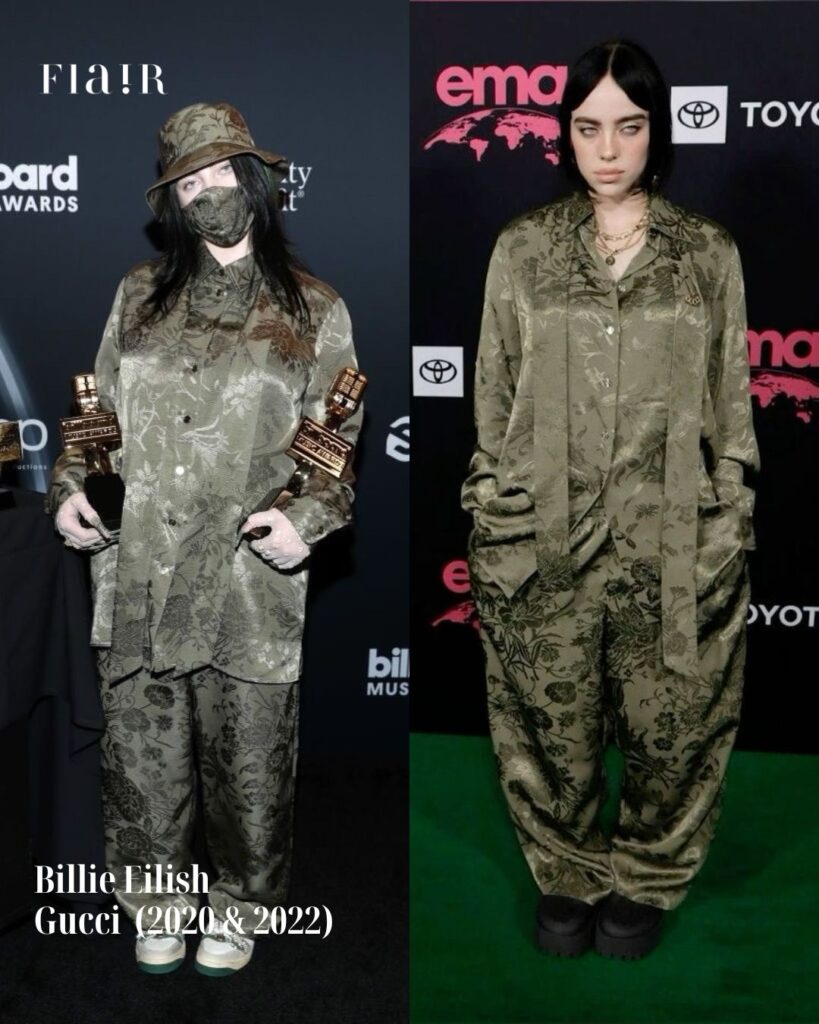
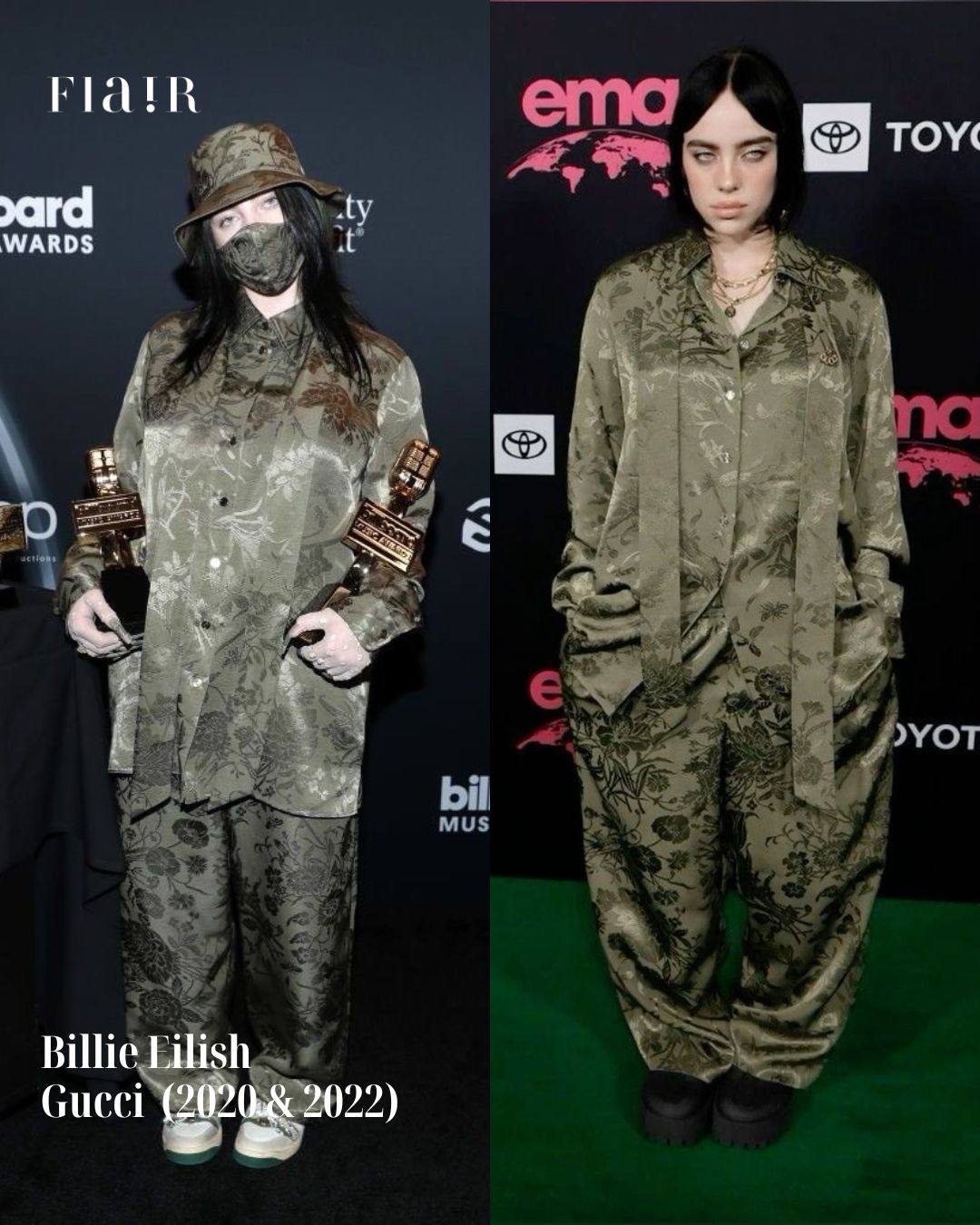
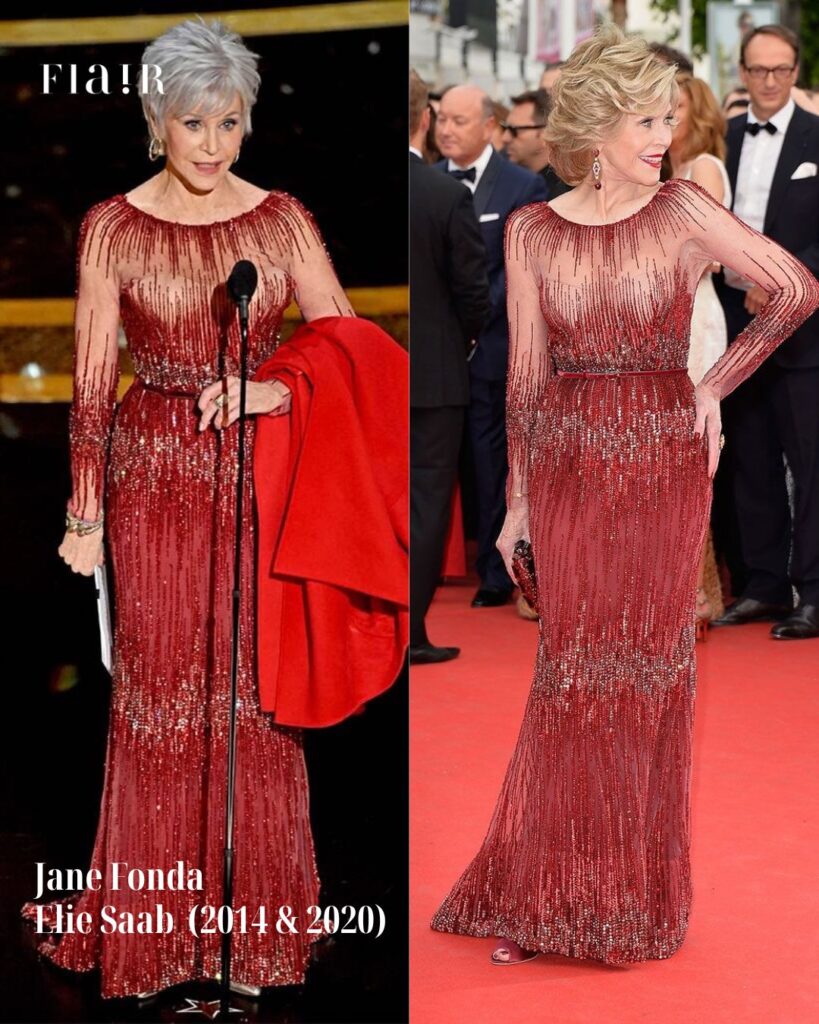
Walk through any city street or scroll through any feed today, and you’ll notice it: the same blazer showing up week after week on the same person, styled slightly differently each time. The same pair of trousers, the same signature dress, worn again not out of necessity but on purpose. What used to read as repetition now reads as recognition. You see the outfit, and you know exactly whose it is.
This shift didn’t happen by accident. Part of it comes from a growing fatigue with overconsumption, a collective unease with the idea that looking good requires looking different every single day. Sustainability has entered the style conversation not as a compromise, but as a kind of quiet flex. Wearing the same coat all winter isn’t a limitation anymore, it’s a decision, and decisions read as confidence.
But there’s something deeper at play than ethics or economy. Repetition, it turns out, is one of the fastest ways to build an identity. Think of the person who always wears the same trench, the same red lip, the same silhouette of tailored trousers. Over time, the outfit stops belonging to a season and starts belonging to them. It becomes shorthand. A signature. The kind of visual consistency that makes someone instantly recognizable, even from a distance, even without their face in view.
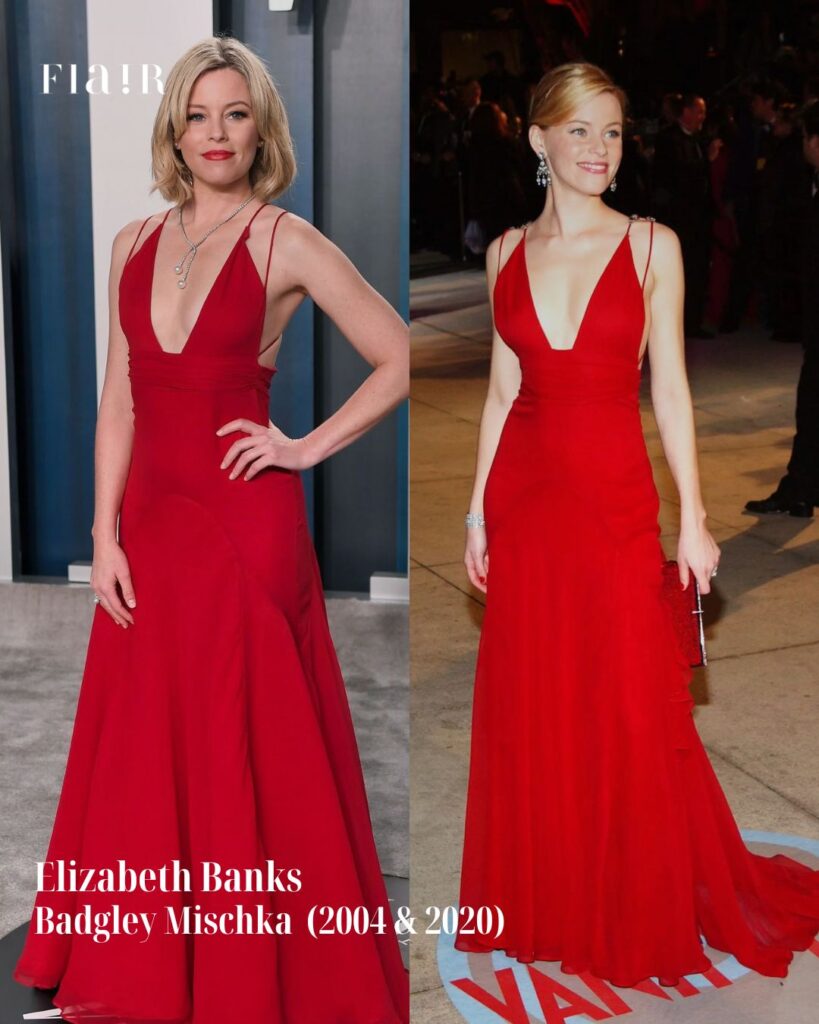
Celebrities and public figures have understood this for years, often out of necessity rather than trend. A uniform simplifies decision-making and reduces the noise around what someone is wearing so the focus stays on who they are and what they do. But now the rest of us are borrowing that same logic. In a culture that rewards constant reinvention, choosing to repeat a look feels almost rebellious. It says: I am not interested in proving myself through new purchases. I already know who I am.
This doesn’t mean fashion has abandoned its love of change entirely. Repetition today isn’t about wearing the exact same thing without variation, it’s about wearing a familiar foundation and letting small details shift around it: a different bag, a new pair of shoes, a slightly altered styling choice. The core stays constant while the edges evolve, which might be the most honest form of personal style there is.
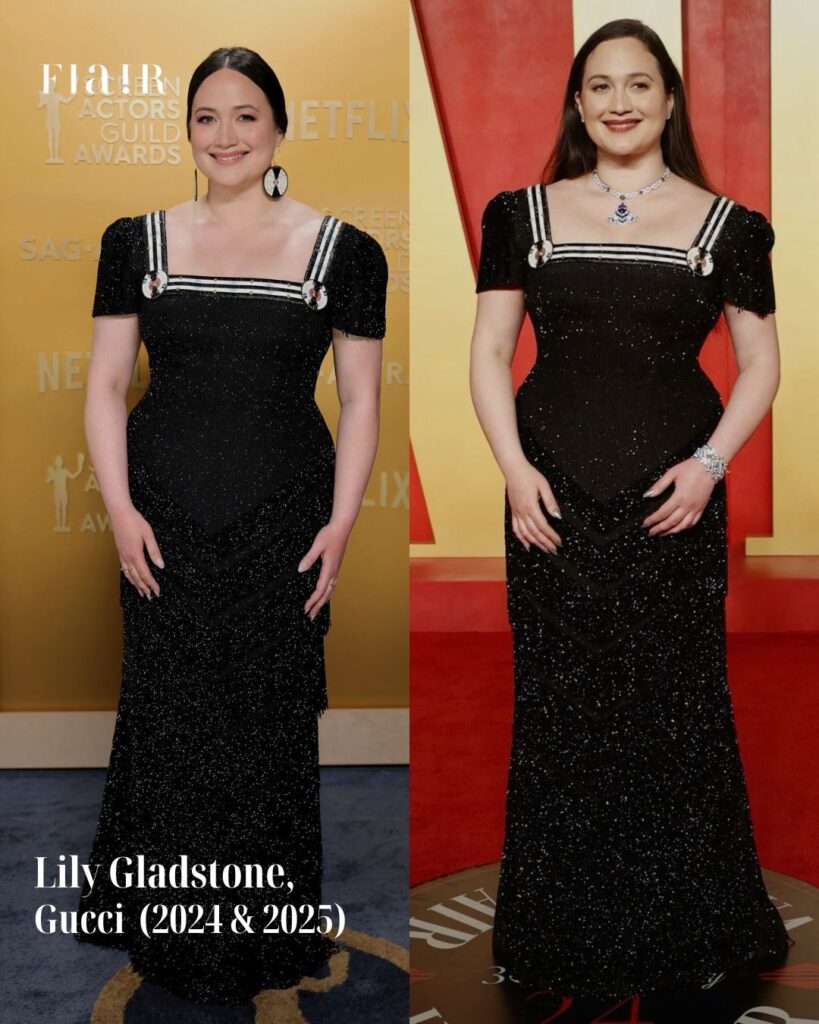
In the end, outfit repetition asks a simple but pointed question: is style about surprising people, or about being known by them? Increasingly, the answer seems to favor the latter. To repeat a look on purpose is to say that identity isn’t built through constant transformation, but through consistency worn with intention.