 Sama Farrag
 Movie soundtracks have a way of completely rewriting a film’s DNA. What makes a movie truly unforgettable, in my opinion, isn’t the cinematography, a star-studded cast, or an IMAX 70mm camera (I have personal beef with you, Christopher Nolan) – it’s the soundtrack. A phenomenal one takes a film from a forgettable 5 to a solid 15, turning you from a passive watcher into an active experiencer. Whether it’s an insanely perfect needle drop (“Where Is My Mind” by the Pixies in Fight Club) or a track that makes your chest ache (“These Days” by Nico in The Royal Tenenbaums), nothing elevates a film quite like the right music. I like to call myself a cinephile (though what self-proclaimed cinephile hasn’t seen Interstellar?) and think I have an elite taste in music, so rest assured this list is certified.
The Great Gatsby
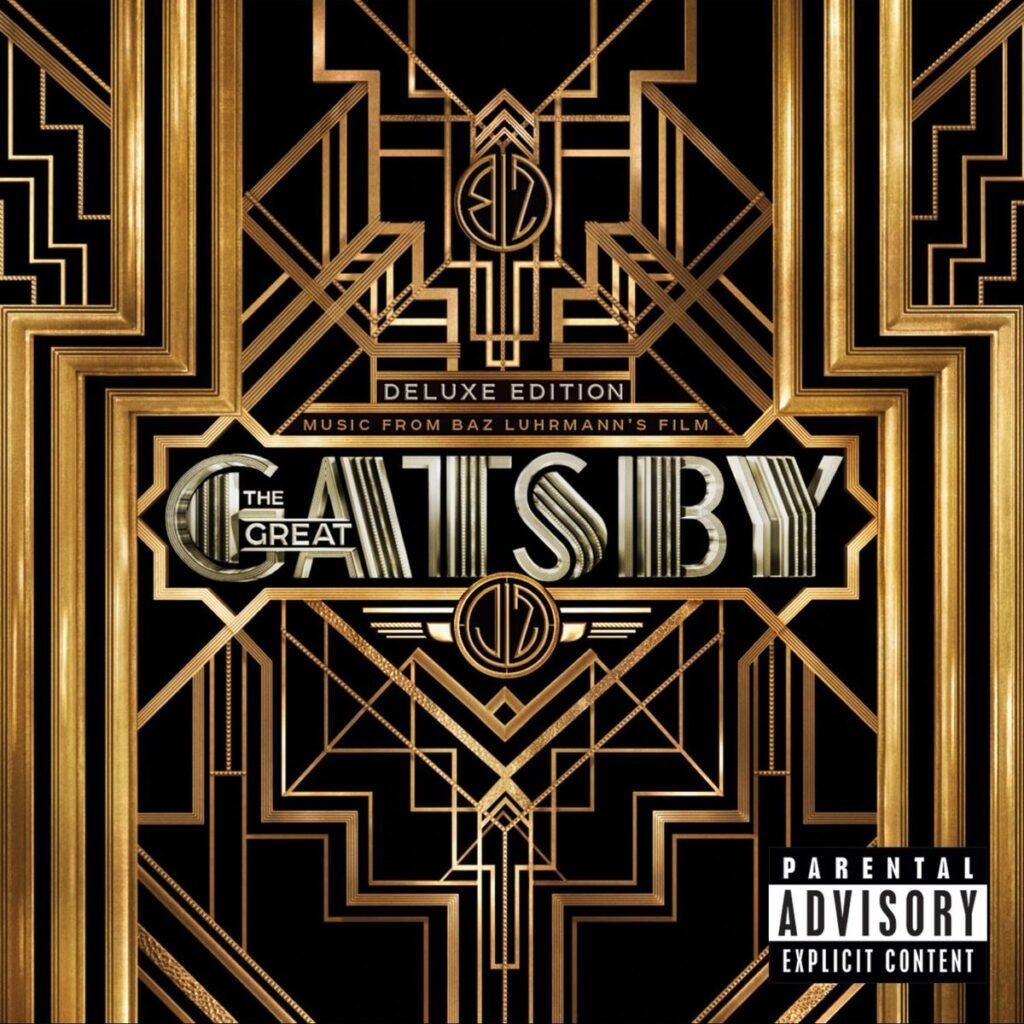
Visually lavish as Baz Luhrmann’s adaptation is, the Jay-Z-produced soundtrack carries the real emotional weight. Lana Del Rey’s “Young and Beautiful” anchors the entire film, floating through scenes like a haunting reminder of Gatsby’s doomed idealism. By weaving modern hip-hop and sleek pop production directly into 1920s jazz arrangements, the record captures the restless, intoxicating decadence of the Roaring Twenties for a modern audience.
Moulin Rouge!
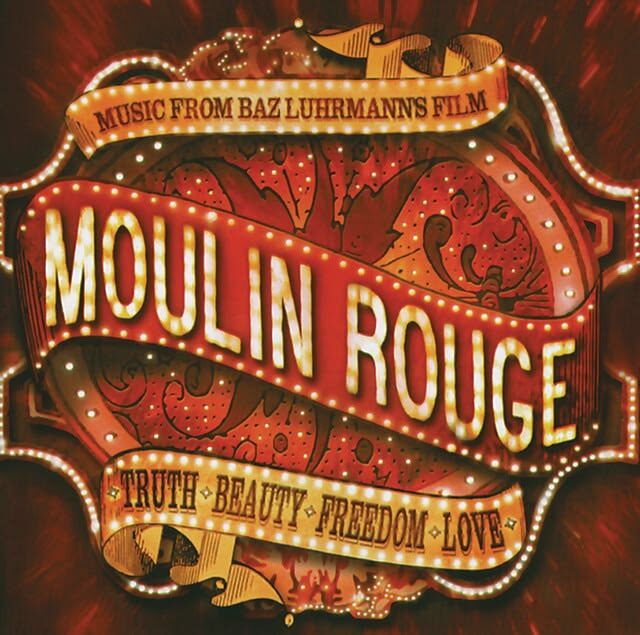
Baz Luhrmann (again) understands that tragic romance needs an equally theatrical musical language. Rather than relying on a traditional orchestral score or original showtunes, the film constructs a lush, bohemian fever dream out of iconic pop and rock anthems. Sweeping mashups like the “Elephant Love Medley” and the dramatic arrangement of “El Tango de Roxanne” turn familiar radio hits into genuine narrative dynamics, giving the story its theatrical pulse.
Mamma Mia!
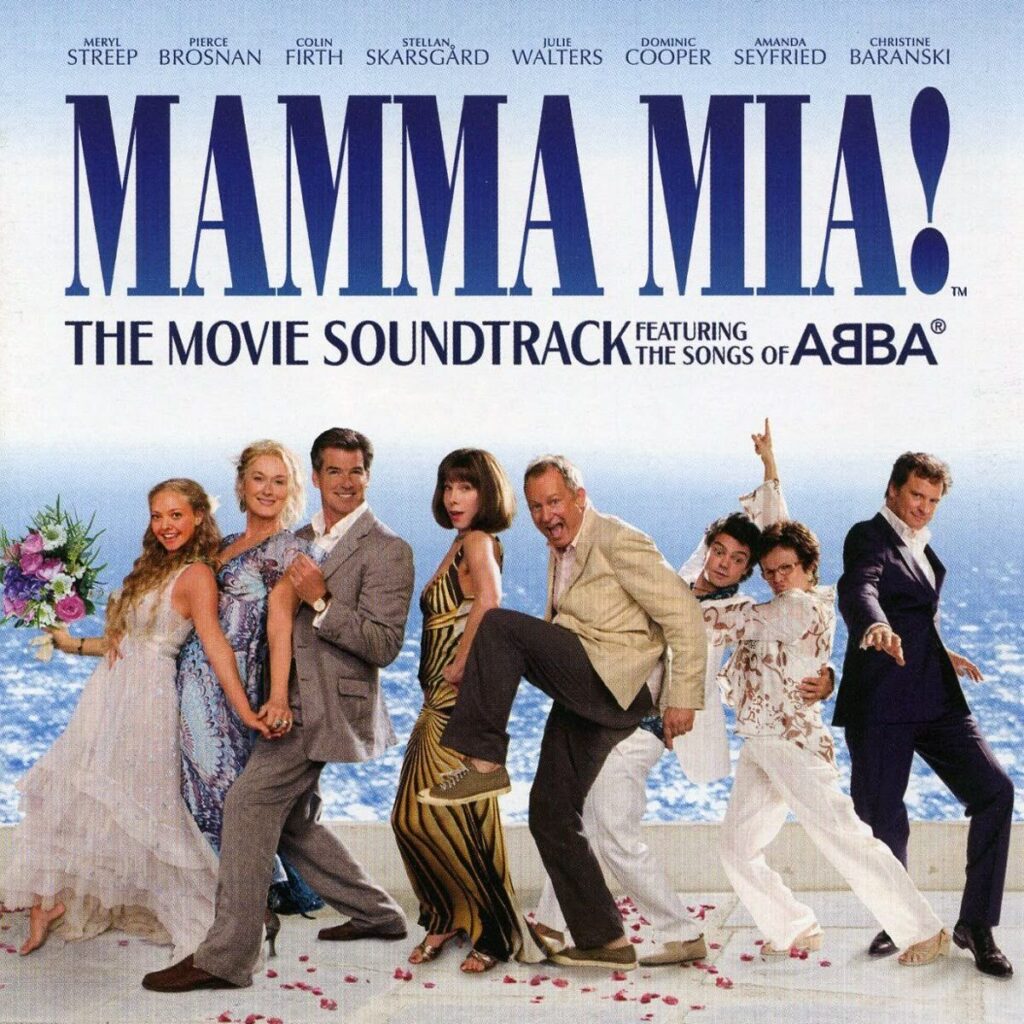
There’s an undeniable joy to Mamma Mia! that simply refuses to take itself too seriously. ABBA’s discography provides the foundation, effortlessly transforming a sun-bleached Greek island into a venue for pure pop catharsis. The music carries an uninhibited, sing-along quality that makes the entire experience feel warm, nostalgic, and entirely magnetic.
8 Mile
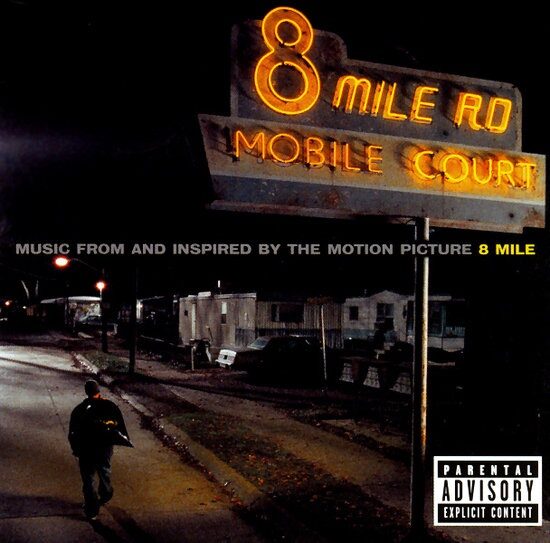
Eminem’s work on the 8 Mile soundtrack stands as a defining chapter of early 2000s hip-hop. Beyond the monumental success of “Lose Yourself” – which captures the claustrophobic tension and relentless ambition of B-Rabbit with staggering clarity – the album functions as a sharp, atmospheric portrait of Detroit’s underground rap scene, filled with crucial contributions from 50 Cent, Jay-Z, and Nas.
Black Panther
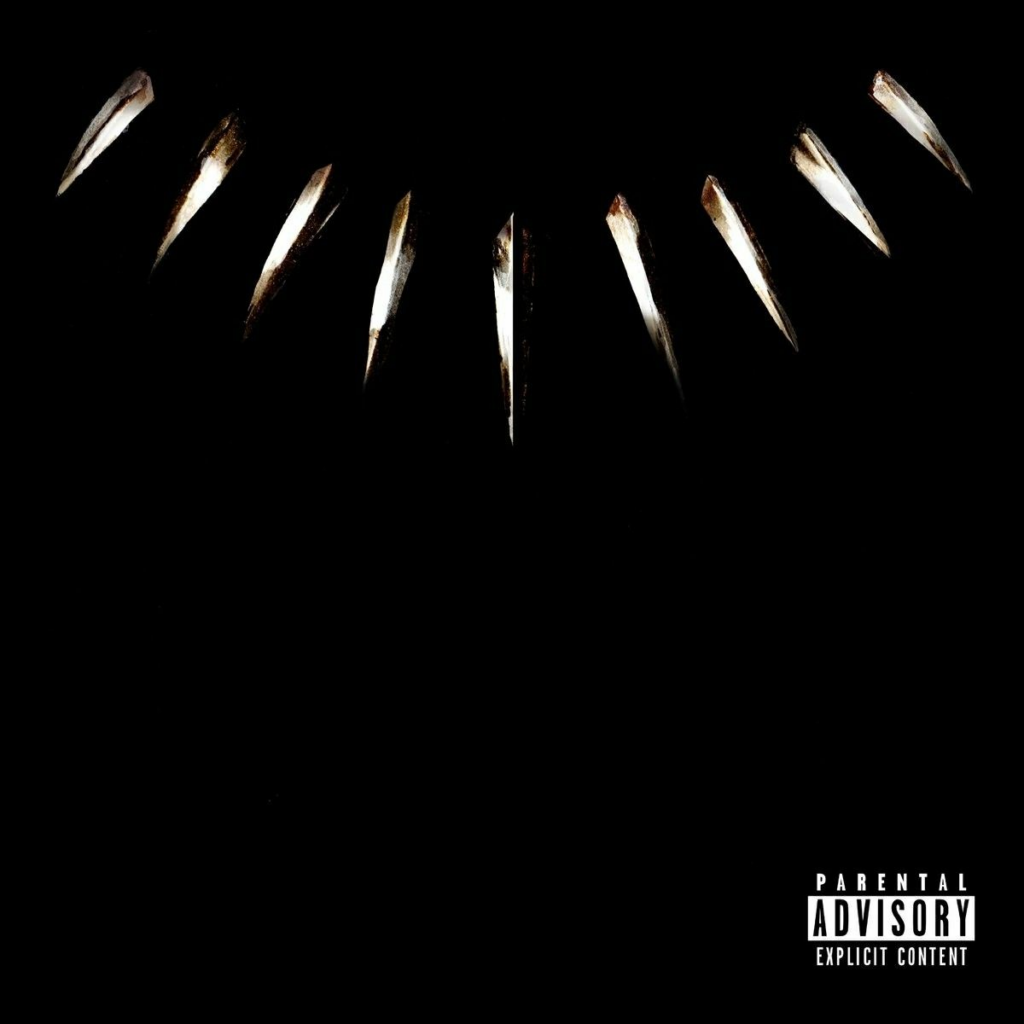
Curated and produced by Kendrick Lamar, the Black Panther soundtrack operates as a landmark piece of world-building. Lamar blends contemporary hip-hop, R&B, and traditional African instrumentation to mirror the cultural scope and political weight of Wakanda. Tracks like “All the Stars” carry a rhythmic grandeur that expands the film’s identity far beyond the screen.
Tarzan
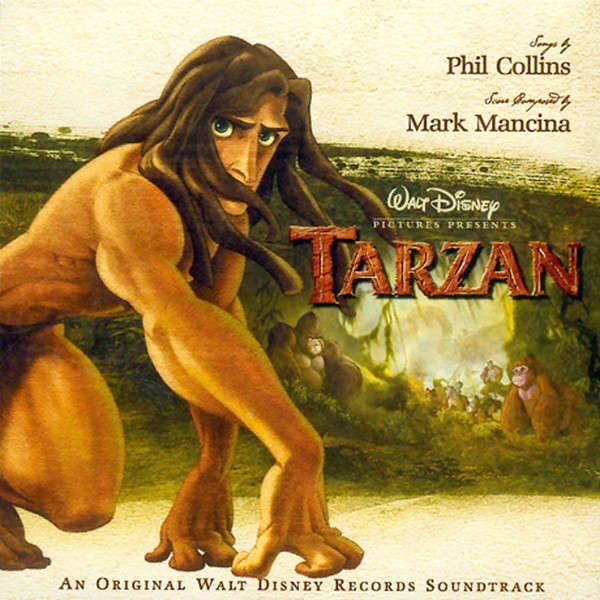
Phil Collins approached the soundtrack for Disney’s Tarzan with an ambition rarely seen in animated filmmaking. Rather than having the characters perform traditional musical theater numbers, Collins used his signature drum arrangements and soulful vocals to narrative effect. Pieces like “You’ll Be in My Heart” and “Two Worlds” provide the emotional interiority for Tarzan’s journey, grounding the animation in a deeply human rhythm.
The Twilight Saga
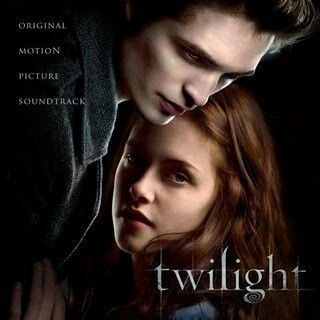
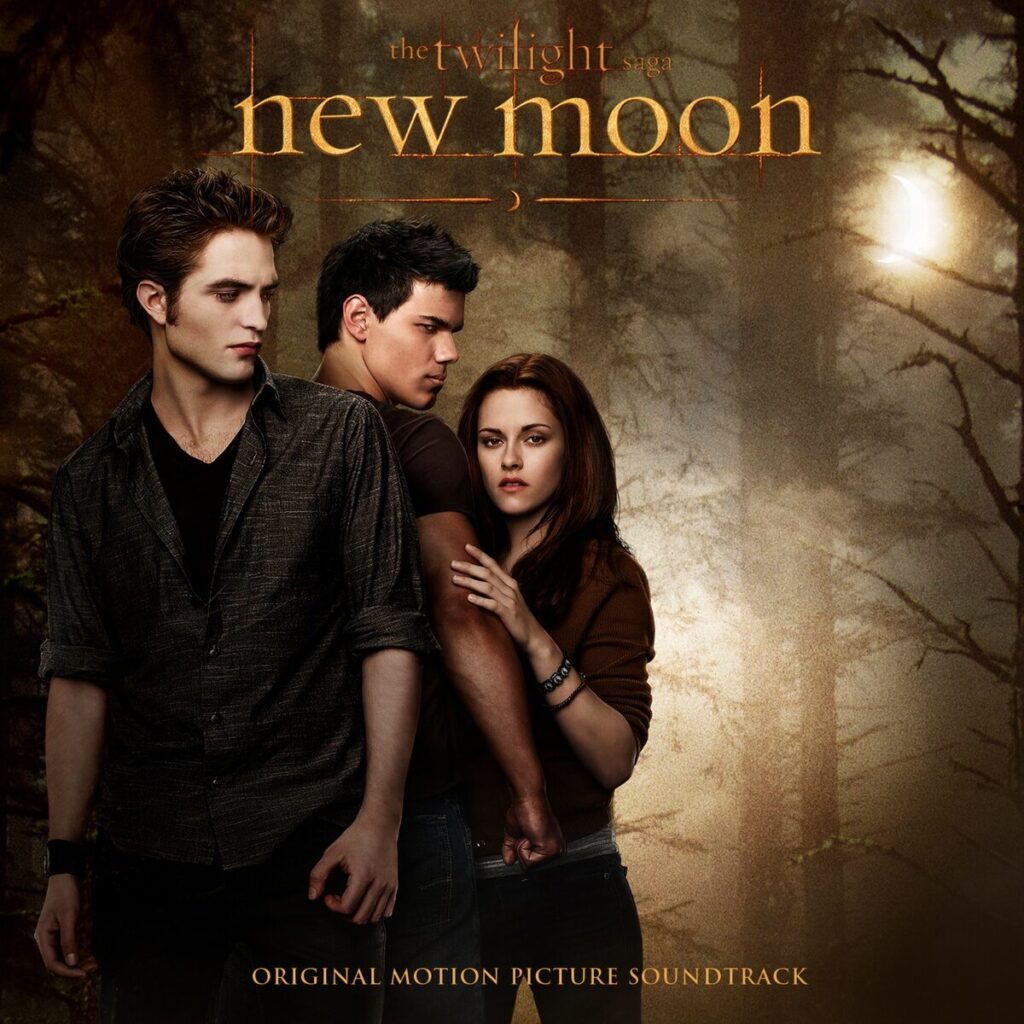
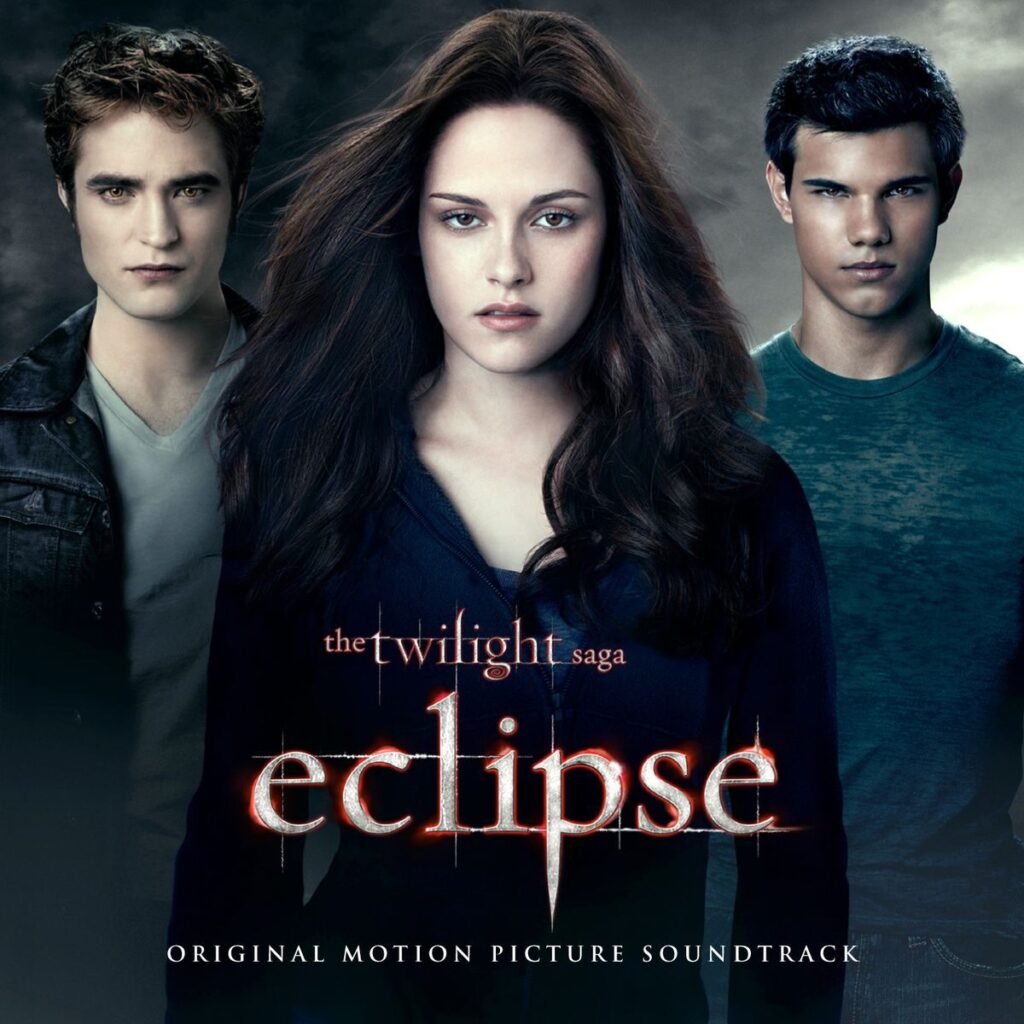
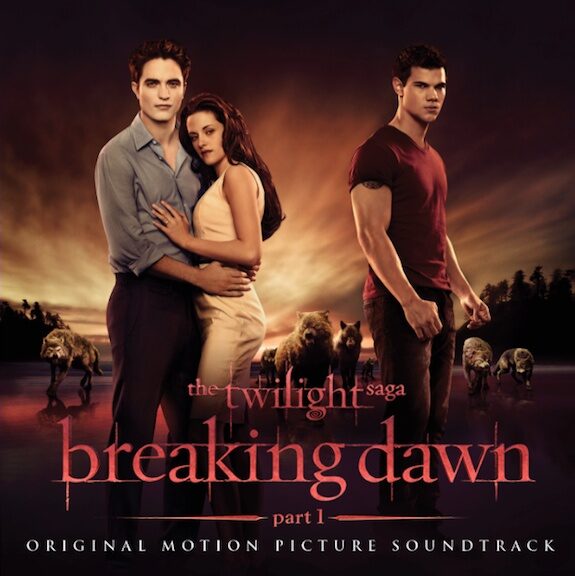
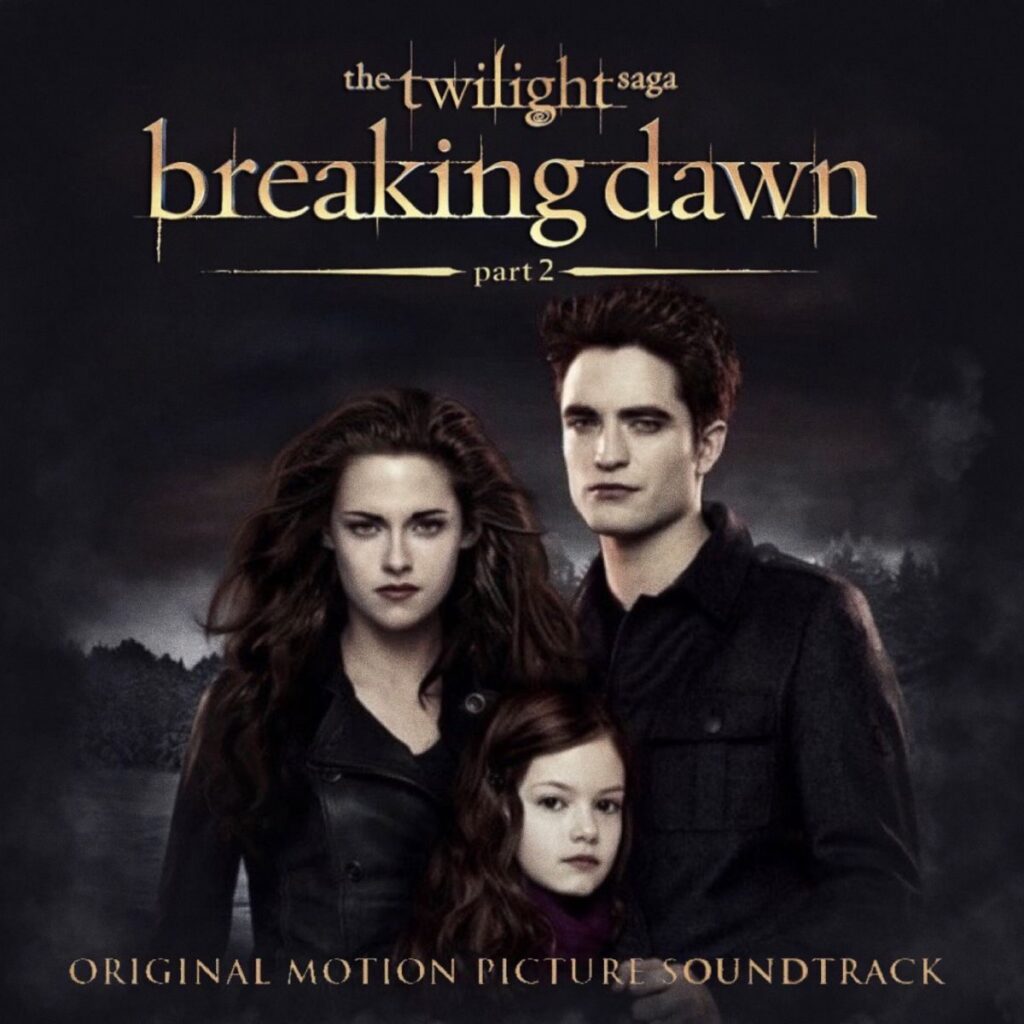
Whatever one might think of the film franchise itself (it’s perfect), the Twilight soundtracks curated one of the most definitive indie-rock mood boards of the late 2000s. Featuring custom compositions and rare cuts from Thom Yorke, Bon Iver, St. Vincent, Florence + The Machine, and my personal favorite, Linkin Park; these albums captured the damp, melancholy atmosphere of the Pacific Northwest with remarkable stylistic consistency.
The Bodyguard
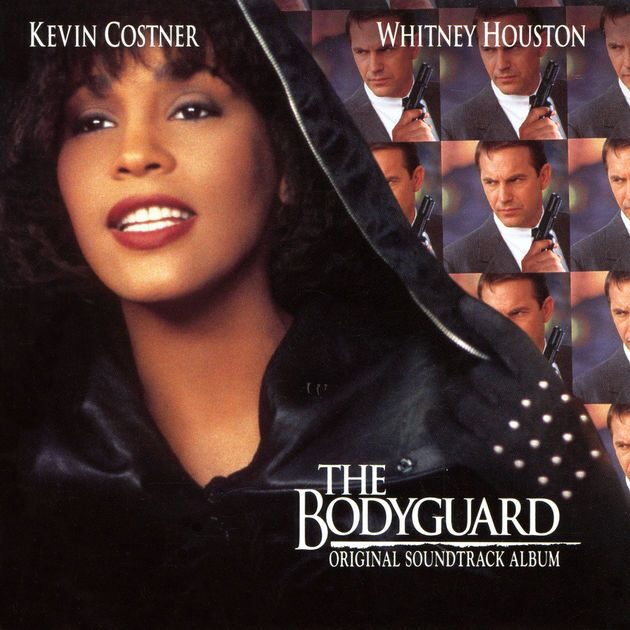
Any discussion of movie music and iconic soundtracks eventually leads back to Whitney Houston’s astonishing work on The Bodyguard. Remaining the best-selling soundtrack album of all time, the project showcases Houston at the absolute peak of her vocal power. Her rendition of Dolly Parton’s “I Will Always Love You” transcends the film entirely, standing as one of the most powerful vocal recordings in contemporary music history.
Trainspotting
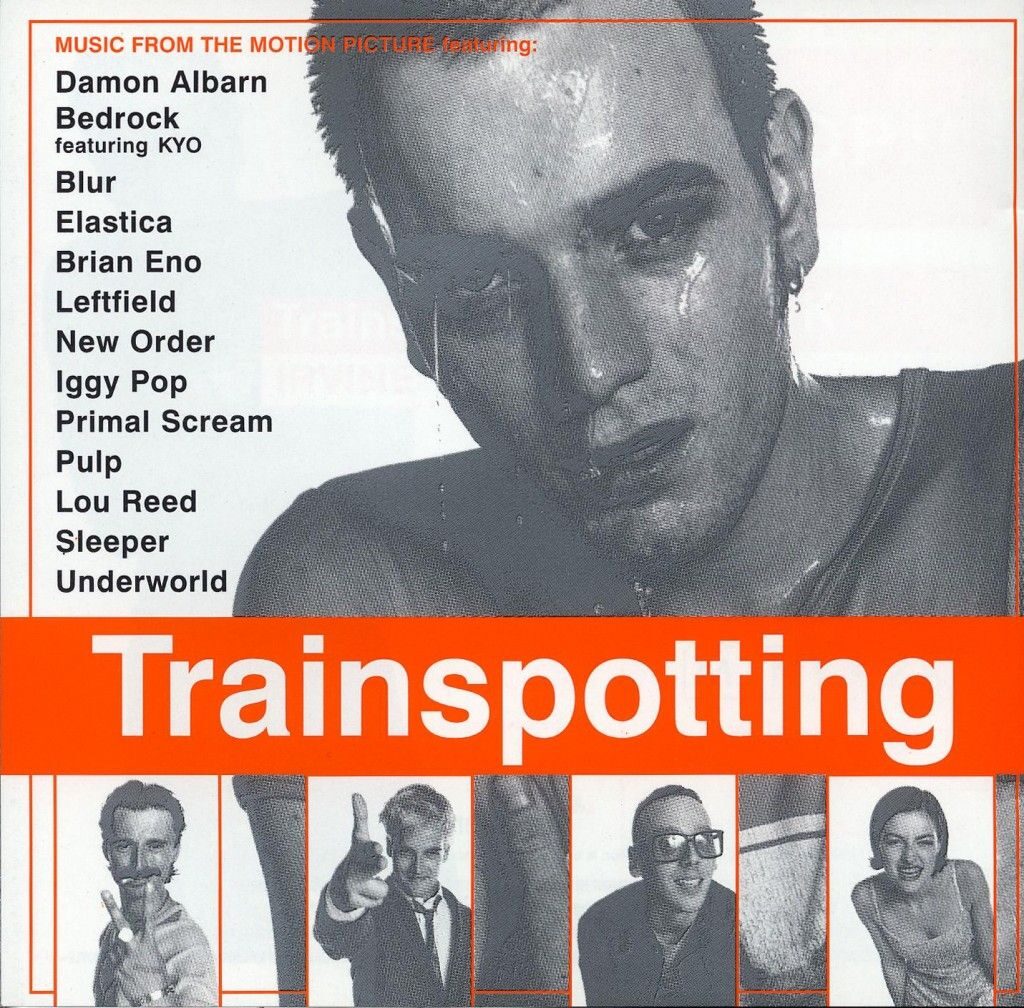
Trainspotting is my favorite movie of all time, I think. Danny Boyle’s portrait of 1990s Edinburgh youth culture draws its relentless energy from a soundtrack that essentially defined an era of British music – and the UK rave scene that fueled it. Iggy Pop’s roaring “Lust for Life” launches the opening chase as Mark Renton delivers the famous “Choose Life” monologue, but the film’s peak moment is Renton’s overdose set to Lou Reed’s “Perfect Day”. As Renton sinks straight into the carpet, Reed’s tender orchestration creates a chilling contrast. To pull off that surreal, grave-like drop, the crew literally built a trap door into a stage floor with a hydraulic lift to lower Ewan McGregor into the carpet. Closing with Underworld’s electronic anthem “Born Slippy .NUXX,” Trainspotting remains a total masterclass in capturing a subculture through sound.
Wuthering Heights
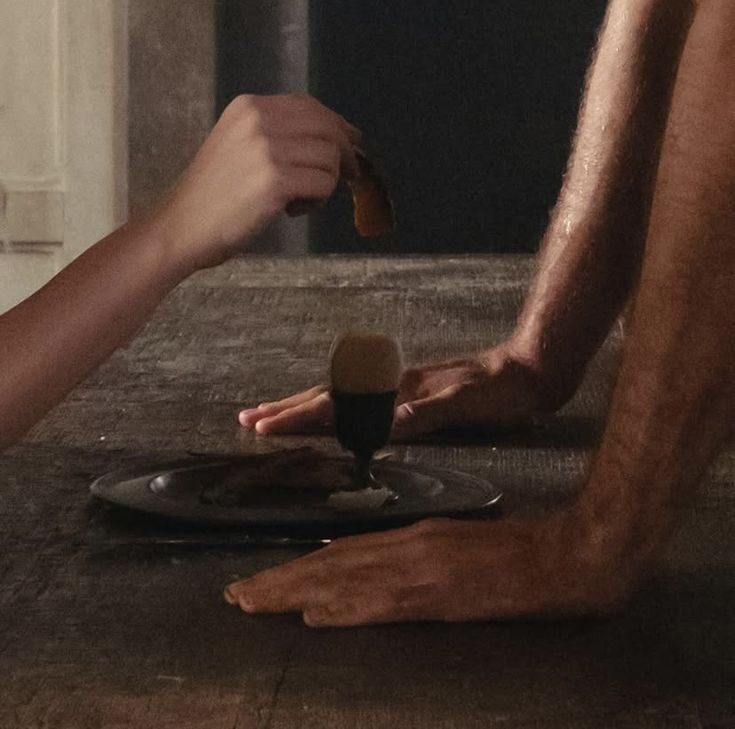
Emerald Fennell’s vision for Wuthering Heights finds its dark, obsessive heartbeat in an original soundtrack created by Charli XCX alongside producer Finn Keane. Blending heavy synth-pop, harsh electronic textures, and brooding instrumental arrangements, the music reflects the wild volatility of Cathy and Heathcliff’s relationship. The visceral lead track “House” and the agonizingly hypnotic “Chains of Love” set a modern tone that honors the gothic darkness of the original tale, giving it a fierce, contemporary pulse that I’ve stayed haunted by ever since – something I unpacked deeper in my review of the film.