 Sama Farrag
 There is a specific, unmistakable type of exhaustion that comes from staring at Netflix for forty-five minutes, endlessly scrolling through row after row of glossy, muted-grey thumbnails, hovering over six different eight-episode “prestige” miniseries, and realizing with sudden, crushing weight that you have absolutely no desire to watch a single one of them. You don’t want a grim, hyper-realistic thriller where someone’s traumatic childhood is revealed in episode seven via a series of desaturated flashbacks. And you definitely don’t want a high-concept sci-fi show engineered by an algorithm to maximize passive engagement right before it gets canceled on a random Tuesday. You are tired of heavy, prestigious homework disguised as entertainment. So, naturally, you give up, close the search tab, and throw on season three of One Tree Hill or The O.C. for the fourth time this year.
If you’ve spent any time online lately, you know this is a full-blown cultural retreat. TikTok is flooded with fan edits set to “The One That Got Away”, Twitter is locked in perpetual debate over whether Lucas Scott was actually the worst boyfriend in broadcast history (he was), and teenagers who weren’t even alive when Marissa Cooper tragically met her untimely demise are suddenly deeply invested in the soapy, high-stakes melodrama of Newport Beach, Tree Hill, and my personal favorite, Rosewood.
It is far too easy for cultural critics to dismiss this phenomenon as lazy nostalgia or comfort-seeking of a burnt-out generation, but that misses the entire point. This collective pivot back to mid-2000s and 2010s television is an emotional reaction against the cold, sterile, and fleeting nature of modern streaming culture. We are starving for a serialized narrative with a genuine heart – shows that were unabashedly melodramatic, wildly atmospheric, and completely unconcerned with being intellectual high art, but more focused on locking you into a room with characters you grew to care about for twenty-two episodes every single year.
To understand why everyone is retreating into the past, you first have to acknowledge what modern streaming stripped away from us: the luxury of time. Today, everything is cut down to eight or ten razor-thin episodes. Shows take three calendar years to produce a single follow-up season, and by the time season two actually drops, the cultural momentum has evaporated, the cast looks noticeably older, and you’ve forgotten half the plot. Modern streaming structures every show like an eight-hour movie cut into awkward chunks, where nothing truly happens until the obligatory episode-seven reveal and the episode-eight plot-twist that you saw coming all along.
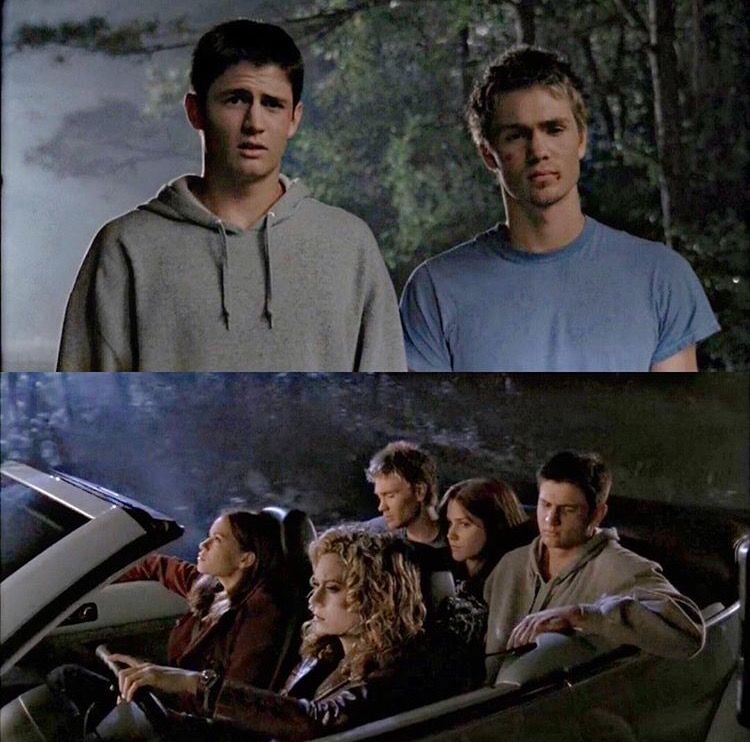
Back in 2005, television operated on a completely different rhythm. A twenty-two-episode order meant a show had room to stretch its legs, stumble around, and breathe. An entire episode could be dedicated to four characters sitting around a local diner during a rainstorm, arguing over mix CDs, making terrible romantic decisions, or dealing with a bizarre side-quest that had virtually zero impact on the overarching plot of the season.
We used to call those “filler episodes,” but looking back from our hyper-optimized present, filler was where all the soul was hiding because it was where world-building actually happened and you got to see characters in their mundane, low-stakes downtime. You watched them fail, make up, sit on the roof of a beach house, wear three layers of questionable, but lovable fast-fashion flannels, and listen to obscure indie bands. It wasn’t about watching these characters from afar as much as it was about you living alongside them in real-time from September to May. They felt like actual people in your life because the show literally gave you the hours required to build genuine intimacy. When you strip away those low-stakes, atmospheric filler episodes in favor of non-stop, plot-driven momentum, you dismantle the broader texture and the cozy, lived-in feel that turns a simple TV show into an emotional sanctuary.
There was also a fearless and shameless commitment to dramatic stakes during this era that contemporary creators seem far too self-conscious to attempt. Shows back then were not embarrassed by their own genre and they did not attempt to mask their soapy roots under layers of cynical detachment or pretentious, cinematic posturing. They tapped fearlessly into the dramatics of their era, turned the volume all the way up, and committed to the bit with ferocious intensity.
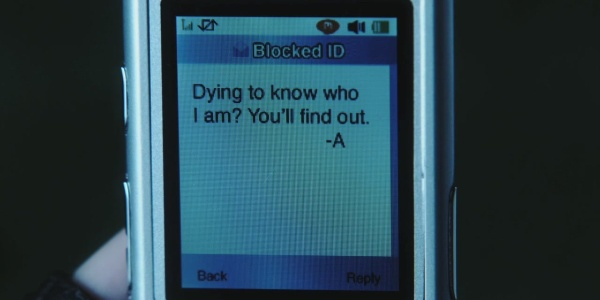
Consider Pretty Little Liars. When that series aired weekly on ABC Family, it was not a simple show you have on passively in the background while you casually scrolled through a phone. It felt urgent, even apocalyptic. Back when it was airing, my friends and I maintained a dedicated WhatsApp group chat that ran late into the night, filled with frantic, color-coded theories about who A was. We dissected every microscopic detail down to the angle of a creepy doll’s head on Spencer Hastings’ bookshelf, a stray French word scribbled on a chalkboard, or an obscure literary reference dropped in a throwaway line of dialogue. Did the plot make a single grain of logical sense half the time? Absolutely not. Rewatching it, it makes even less sense than it did before – but God, did I love every minute of it. We were dealing with an anonymous antagonist who somehow possessed the logistical budget, surveillance technology, and architectural capabilities of a rogue state, capable of constructing elaborate underground dollhouses and life-sized board games purely to psychologically torture high school students in suburban Pennsylvania.
Yet none of those narrative absurdities diminished the experience, because the show possessed an unwavering commitment to the cultural ethos of mid-2000s melodramatic television – it believed in its own heightened reality with such fierce, unironic conviction that the audience had no choice but to surrender to it, too. The aesthetic atmosphere was immaculate: stormy autumn nights, lingering shots of foggy woods, hyper-stylized gothic wardrobe choices, and a constant, underlying hum of atmospheric dread. Modern productions are so terrified of being mocked on social media that they sanitize the melodrama entirely, leaving behind a gray, lifeless husk of prestige realism. But we don’t crave strict realism when we seek out teen drama – we want grand, sweeping, romantic, and high-stakes chaos.
There is also something deeply tactile and specific about the aesthetic footprint of these shows. They existed in a sweet spot of pop culture right before algorithms began flattening everything into a homogenous, trend-driven blur. The music alone carried half the emotional weight of the entire narrative. A single needle-drop from The O.C. or One Tree Hill could completely redefine your music taste for a decade. One could argue that Imogen Heap’s “Hide And Seek” has been practically immortalized solely through its use on The O.C. (and the SNL meme that followed). And Gavin DeGraw’s “I Don’t Wanna Be” as One Tree Hill’s opening credits song? Iconic. Don’t even get me started on Glee. The reason I know so much about pop culture and was listening to Journey and Aerosmith at the ripe age of eleven is because of Glee. These shows all introduced us to melancholic indie rock, obscure acoustics, classic rock hits stolen directly from your dad’s iPod, and emotional anthems played during dramatic, rain-soaked declarations of love on a basketball court or at the end of a pier. The soundtrack was a core character in itself, driving the tone and giving the scenes an emotional resonance that stuck with you long after the episode was over. Visually, they were gloriously un-stylized in a way that feels incredibly refreshing now. The fashion was chaotic, personal, and heavily flawed: endless dark lipstick, studded belts, oversized cardigans, lace chokers, low-rise jeans, and layered band tees that felt like they were pulled directly out of a real teenager’s messy bedroom closet rather than sourced by a high-end studio stylist aiming for a viral Pinterest board. Peyton Sawyer’s closet will go down in history, and so will Carrie Bradshaw’s.
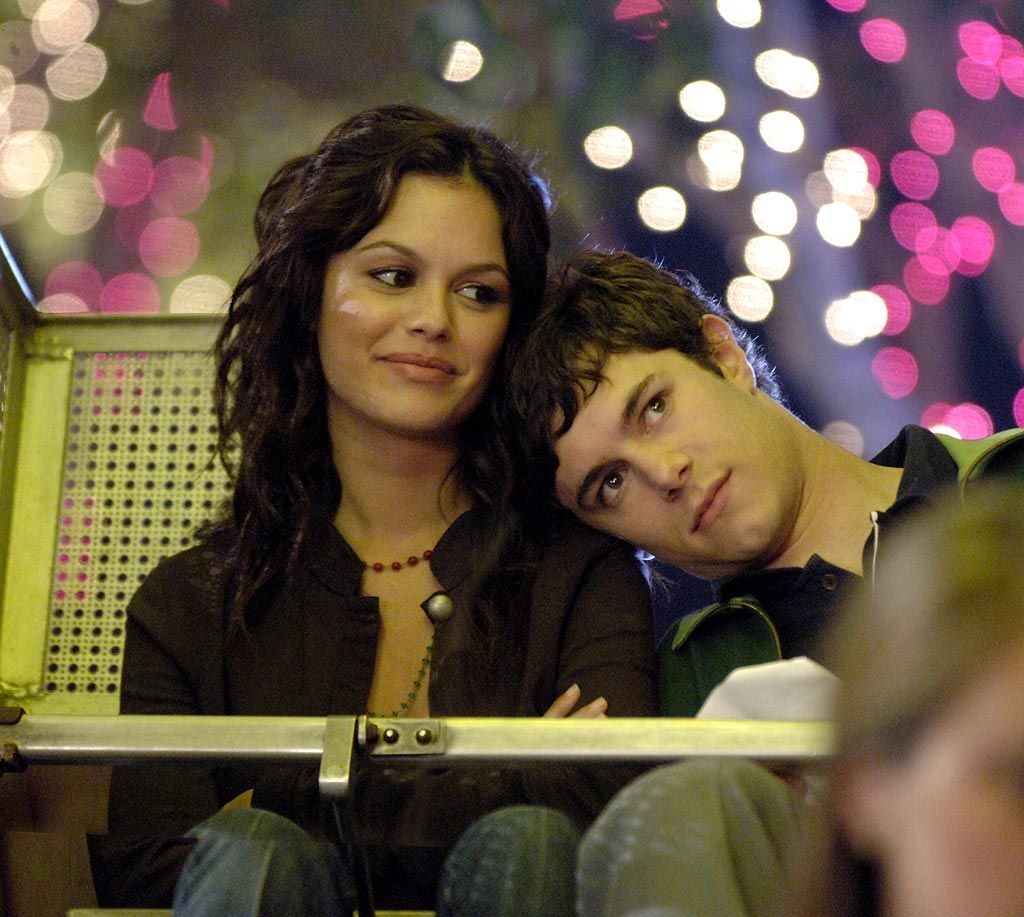
When these series get revisited today, the impulse goes far beyond passively rewatching old media; it represents a fascinating blend of cultural archaeology, artistic grounding, and a collective protest against the sterile streaming era. It is easy to laugh at the primitive plot devices – like characters dramatically snapping shut their Motorola Razr’s or sending frantic text messages on T-Mobile Sidekicks. It is just as easy to cringe at the wildly inappropriate plotlines that somehow passed through a writers’ room in 2009 without raising alarm (I’m looking right at you, Glee), or to debate how inherently toxic certain fan-favorite couples actually were with the benefit of contemporary hindsight. I’m glad that as a society, we have stopped romanticizing Aria and Ezra and acknowledged the fact that he literally groomed her.
Yet beneath the memes and the discourse lies a blunt and unapologetic rejection of how entertainment is currently packaged. Audiences are burnt out by hyper-optimized, eight-episode projects engineered by data analytics to be binge-watched over a weekend and completely forgotten by Monday morning. The current media ecosystem offers pristine, frictionless, and utterly soulless content. But viewers don’t want pristine or flawless anymore – they want the sprawling, imperfect, and deliciously chaotic television that used to define the cultural footprint.
Think about the sheer, unhinged boldness of those longer seasons. Ryan Murphy’s early run on Glee didn’t care about playing it safe; over a full 22-episode order, it seamlessly swung from high-camp satire to raw teenage heartbreak, giving us Finn Hudson singing “I’ll Stand By You” to his (well actually, not his) unborn baby’s sonogram in his bedroom, or Quinn Fabray giving birth during a regional show choir competition while the opposing team belts out “Bohemian Rhapsody”. When American Horror Story broke onto the scene, Murder House and Asylum packed thirteen episodes with wall-to-wall thematic madness – haunted rubber suits, alien abductions, possessed nuns, and Jessica Lange singing “The Name Game” in a terrifying 1960s asylum ward. Even years earlier, Sex and the City proved that a show’s stylistic environment could anchor an entire generation, whether Carrie Bradshaw was losing her life’s work on a clunky computer because she didn’t know what backing up a hard drive meant, and then proceeding to compare it to Miranda losing her mother, or wandering Manhattan in a newspaper dress after running into her ex-boyfriends ex-wife (and then apologizing to her for having an affair with the aforementioned ex-boyfriend while he was still married to her).
These shows were never afraid to be messy, absurd, or long. They understood that iconic television requires time to build a living world: endless, dramatic winters in fictional coastal towns where everyone is secretly thirty, nobody ever seems to do homework, the local coffee shop is the center of the universe, and the soundtrack sounds like a late-night indie radio show. This resurgence is a direct demand for television to reclaim its own identity to bring back the unapologetic drama, the twenty-two episode seasonal arcs, the iconic needle-drops, and the sheer narrative courage that made watching TV feel like a shared, living culture rather than just content to be passively consumed.
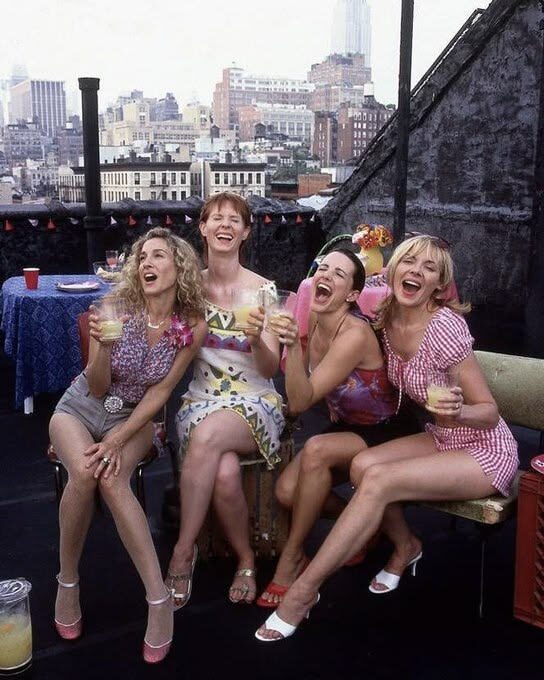
So, forget about the clean-cut breakdowns and the pretentious TV essays analyzing why we keep retreating into the past (oops). Carrie Bradshaw once sat at her laptop and nailed the exact reality of existing in a world that moves too fast: “After all, computers crash, people die, relationships fall apart. The best we can do is breathe and reboot.”
That’s the whole thesis right there. When modern streaming feels like an endless, exhausting conveyor belt of six-episode homework assignments engineered to stress us out, going back to basics is the reboot. You’re hitting pause on the algorithmic noise to sink into a twenty-two-episode absolute mess where the drama was shameless, the needle-drops were immaculate, and nobody was trying to be intellectual. Throwing on an old favorite is the ultimate palate cleanser – a reminder that tv used to be fun, chaotic, and completely unbothered by what the internet thought of it the next morning.