 Yara Lotfy
 Milan has always understood that fashion does not need to shout to leave an impression. This season, however, the city’s runways have made a particularly compelling case for looking backwards to move forward. Across Spring/Summer 2027, familiar silhouettes, house codes, archival references and distinctly Italian ideas of glamour have returned with new proportions and a contemporary ease.
With Milan Fashion Week still unfolding, Flair has been keeping an eye on the looks that deserve a second glance, the ones that feel less like fleeting runway moments and more like pieces destined to stay in the fashion memory.
Here, our edit of the looks we are still thinking about.
Gucci: The Return of the Gucci Woman
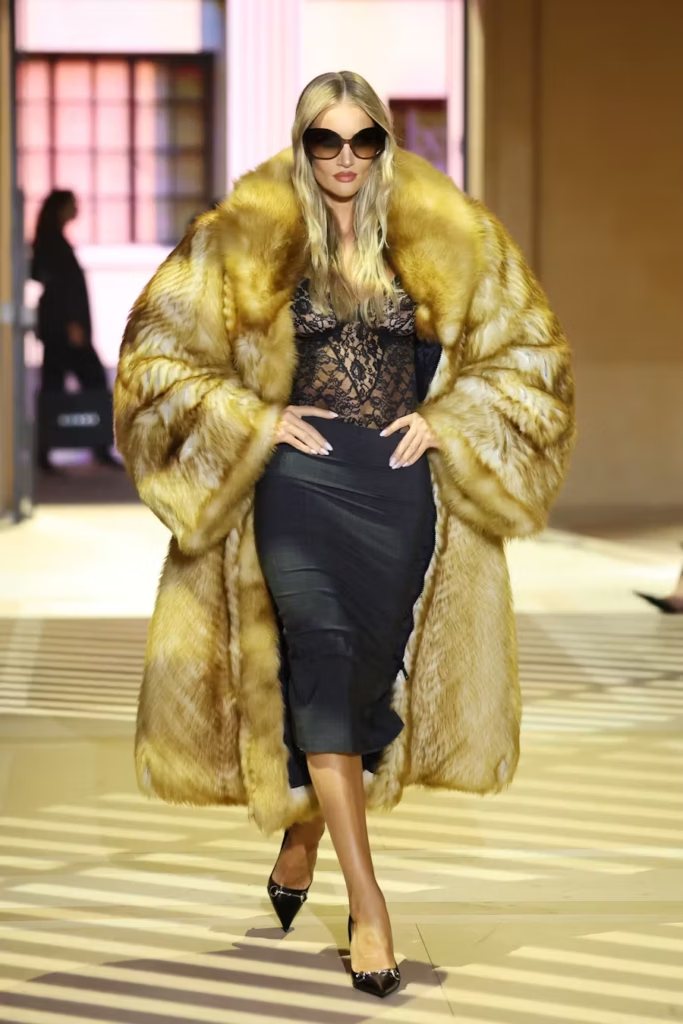
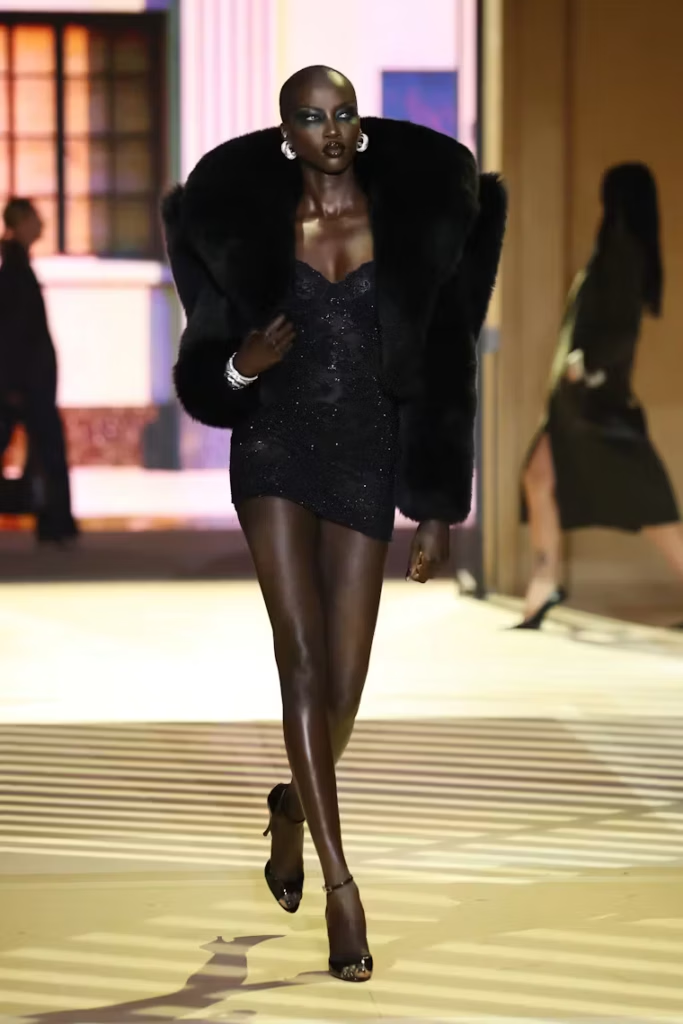
Demna’s latest Gucci collection took place inside a deliberately constructed Gucci boutique, surrounding the runway with the language of the house itself: marble, shelves, merchandise and the visual theatre of luxury.
The clothes followed suit.
There were oversized bombers, rugby shirts, tartan, tailored skirt suits, jodhpurs, riding boots, fuzzy coats and dramatic evening dresses. The collection moved between aristocratic dressing, British references, equestrian codes and the provocative glamour of Gucci’s 1990s Tom Ford era.
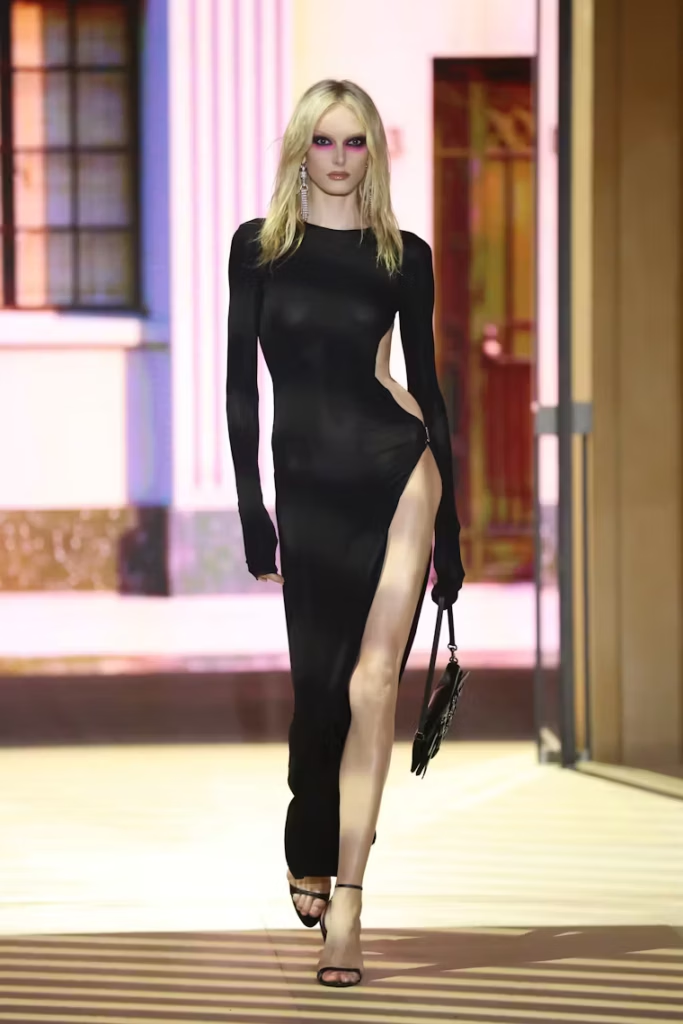
One of the most striking looks was Alex Consani’s long black dress, dramatically slit and fastened with a jewelled Gucci detail. Elsewhere, tartan skirts and oversized outerwear gave the collection a distinctly eccentric, old-world polish.
Flair favorite: The black, floor-skimming evening looks, a little dangerous, a little decadent, and very Gucci.
Roberto Cavalli: The Archive, Turned Up
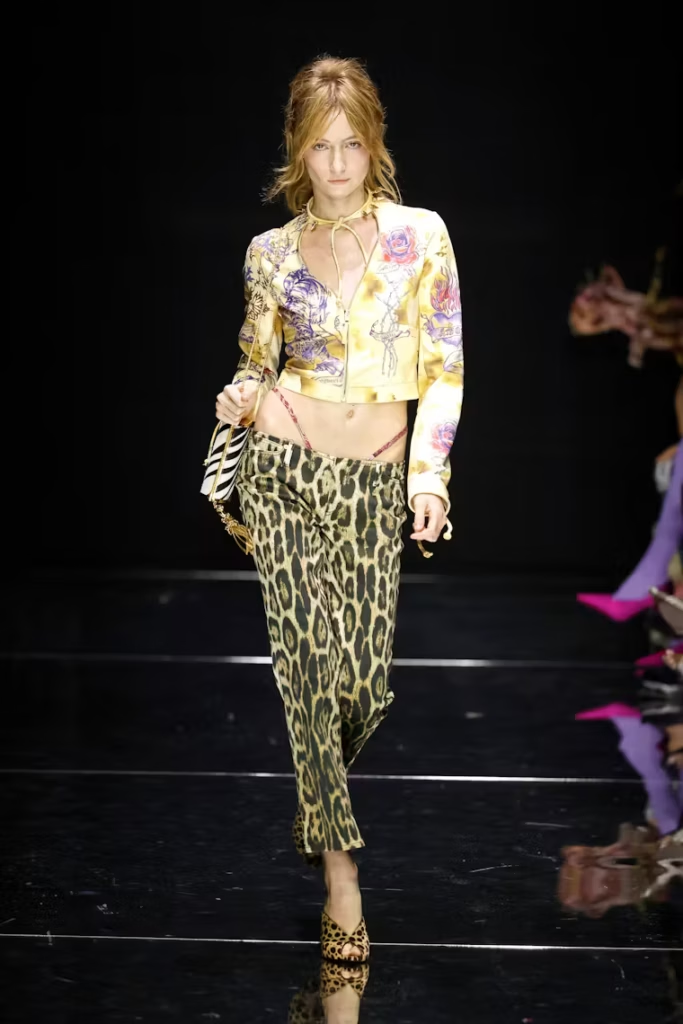
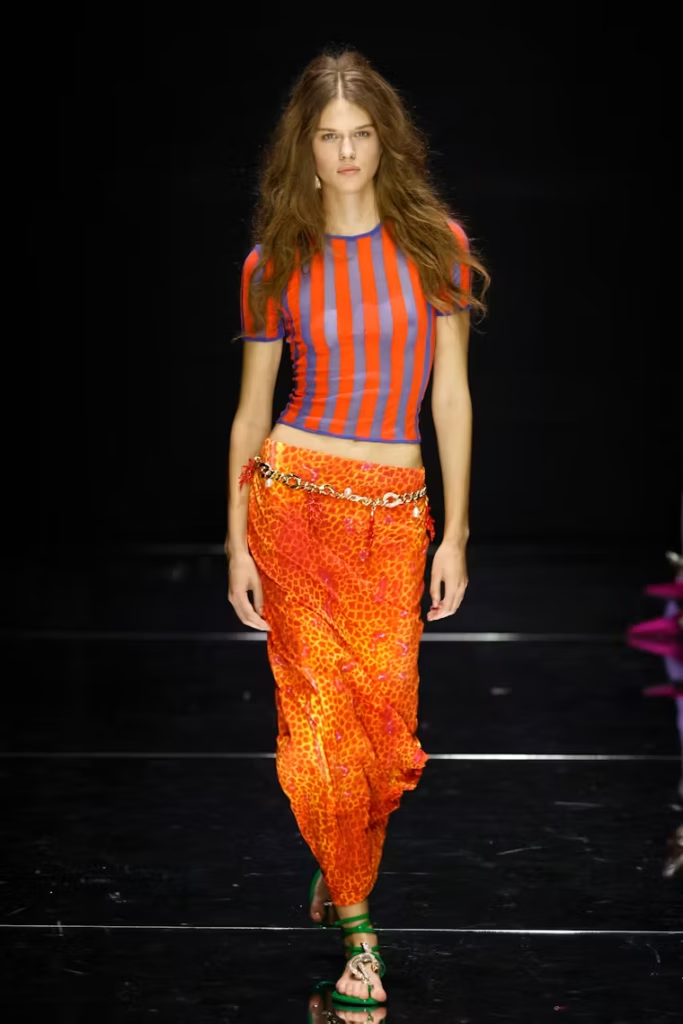
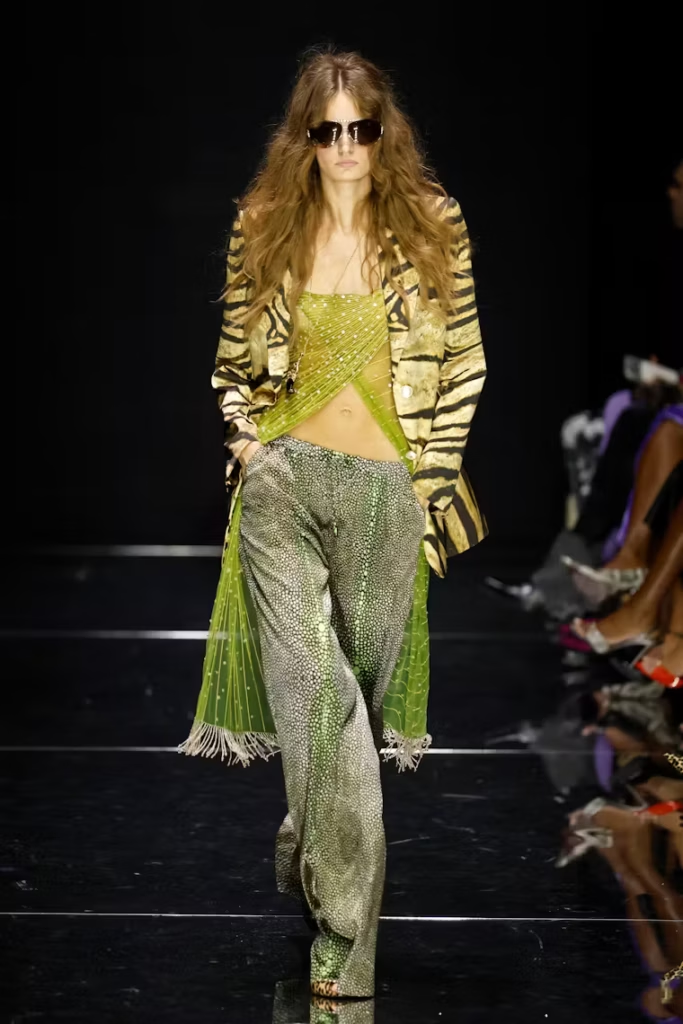
For Spring/Summer 2027, Fausto Puglisi revisited Roberto Cavalli’s signature language of animal prints, florals, flowing silhouettes and unapologetic glamour. Drawing from the house archives, the collection brought familiar Cavalli codes together in unexpected, maximalist combinations.
Rather than simply recreating the past, Puglisi treated the archive as something to be played with, making Cavalli’s heritage feel immediate, sensual and entirely of the moment.
Flair favourite: The flowing, head-to-toe printed looks where several of Cavalli’s iconic motifs collide.
Fendi: Dressing the Body
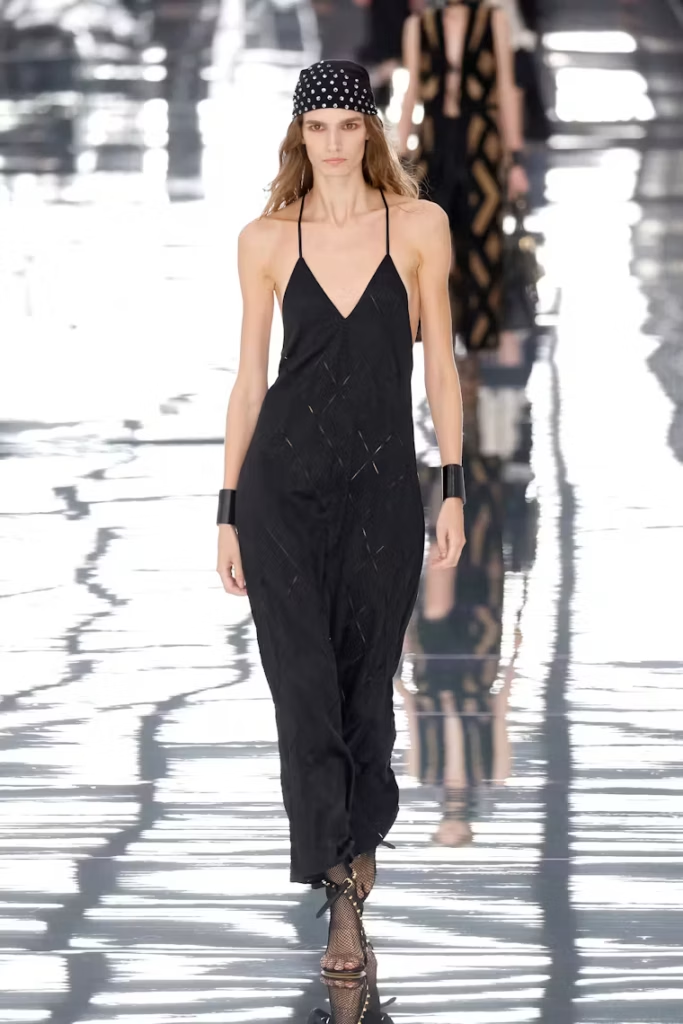
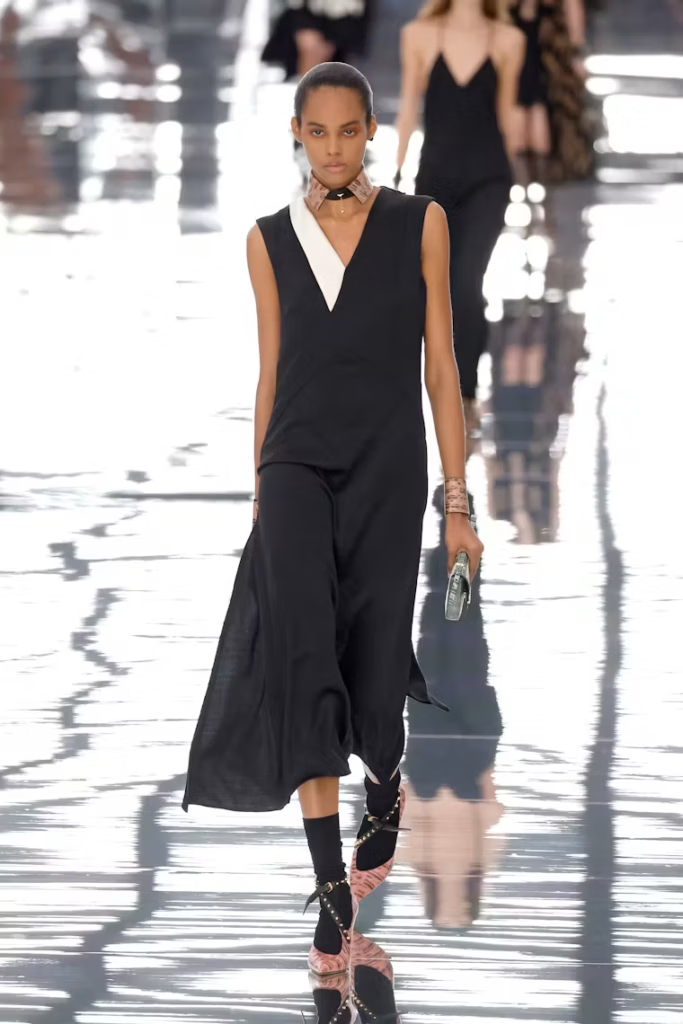
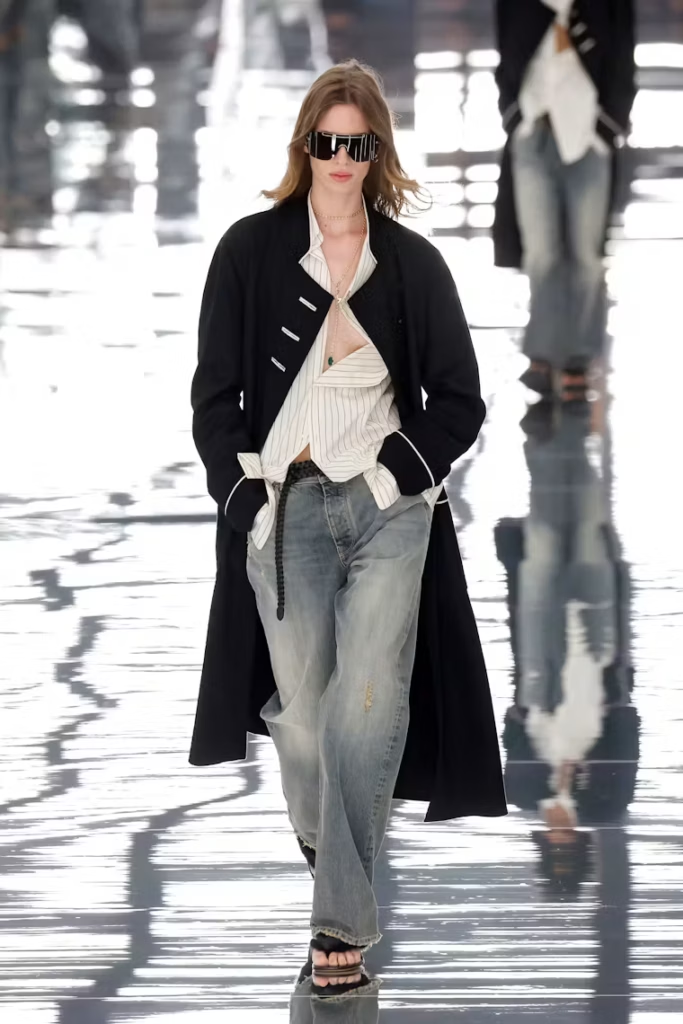
At Fendi, Maria Grazia Chiuri continued her exploration of the relationship between clothing and the body, bringing lingerie into the light rather than keeping it underneath.
Lace, embroidery, bralettes, silk, fur and animal prints were layered against one another, creating looks that felt simultaneously intimate and extravagant. There was something particularly cinematic about the collection, heightened by references to Italian pop culture and Raffaella Carrà.
The most memorable looks played with exposure and concealment: delicate underpinnings beneath heavier layers, dressing gowns transformed into daywear and masculine tailoring interrupted by distinctly feminine details.
Flair favorite: The lace-and-fur combinations, sensual without becoming predictable, and unmistakably Italian in their glamour.
Prada: The Skirt, Reconsidered
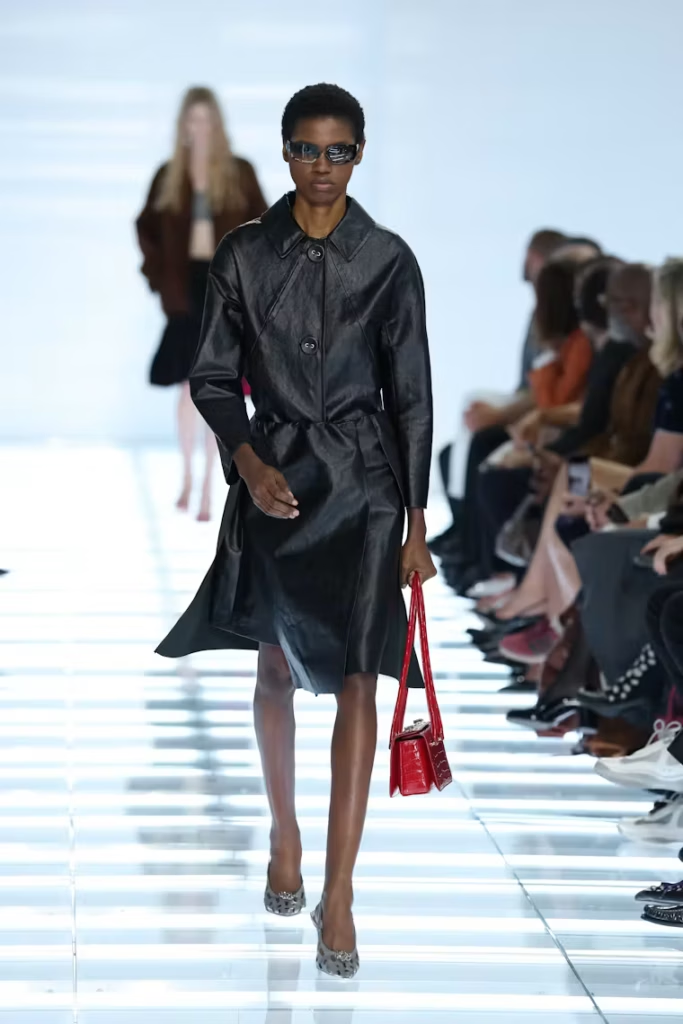
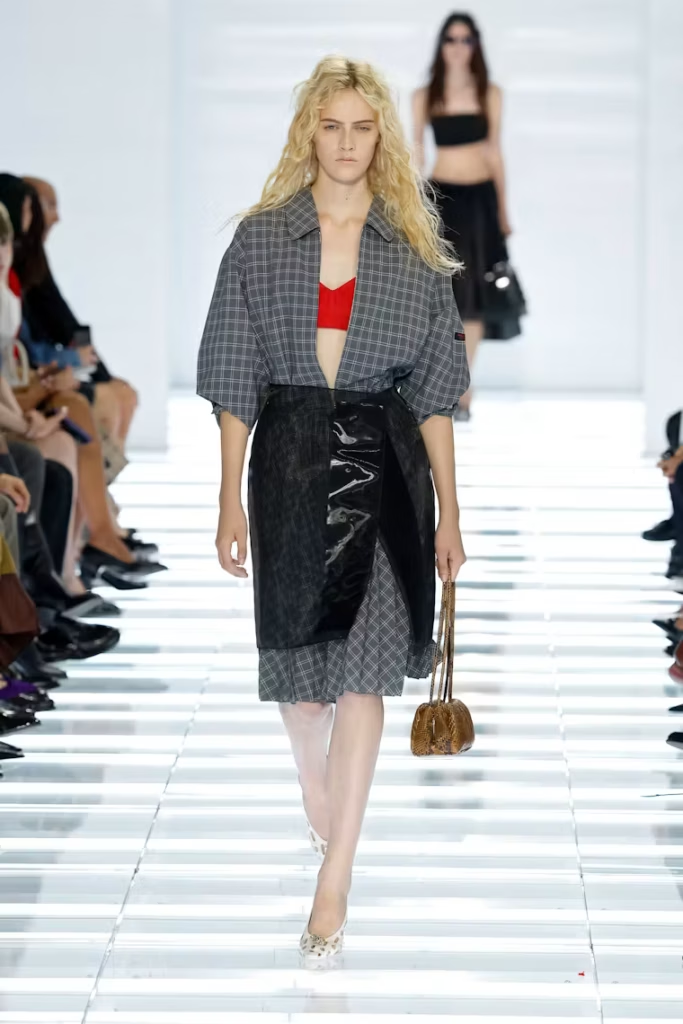
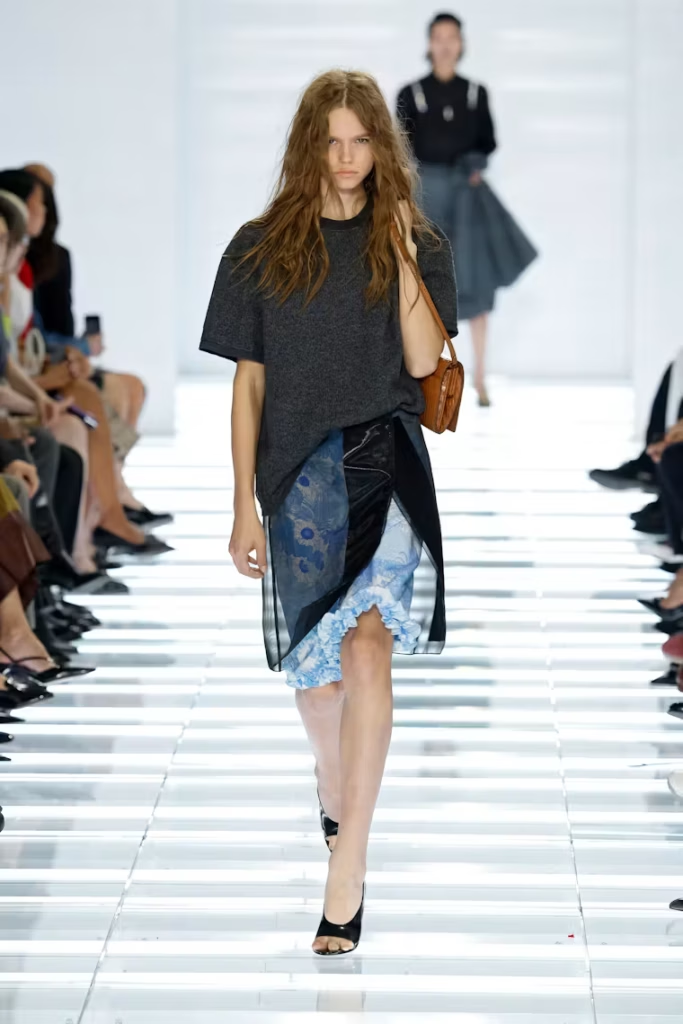
Prada opened Milan Fashion Week with a deceptively simple proposition: what more can be done with the skirt?
Miuccia Prada and Raf Simons made the familiar wardrobe staple the centre of the Spring/Summer 2027 collection, turning it into everything from sharply pleated silhouettes to embellished, structured and unexpectedly voluminous forms. Some were layered with crinoline; others came finished with crystal embroidery, enlarged fasteners and functional Velcro details.
The beauty was in the tension. Worn with simple shirts, sweaters and bra tops, the skirts became less about occasion dressing and more about possibility, proof that a familiar piece can feel entirely new when its proportions are reconsidered.
Flair favorite: The oversized, sculptural skirt worn with a pared-back top, Prada at its most recognizable, yet refreshingly strange.
Jil Sander: When Minimalism Gets a Little Wrong
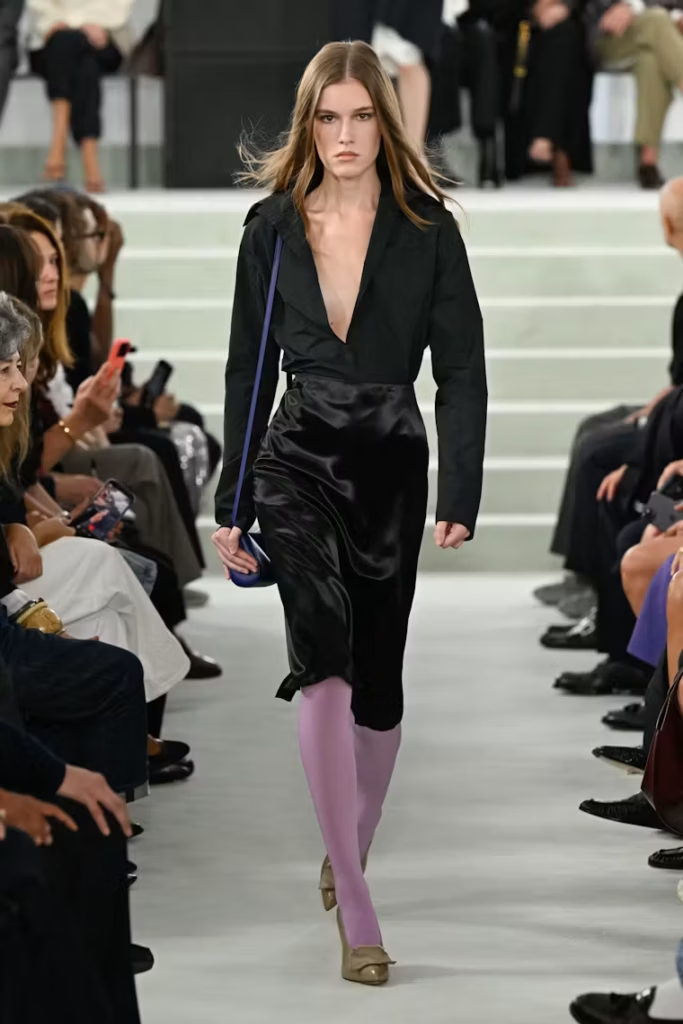
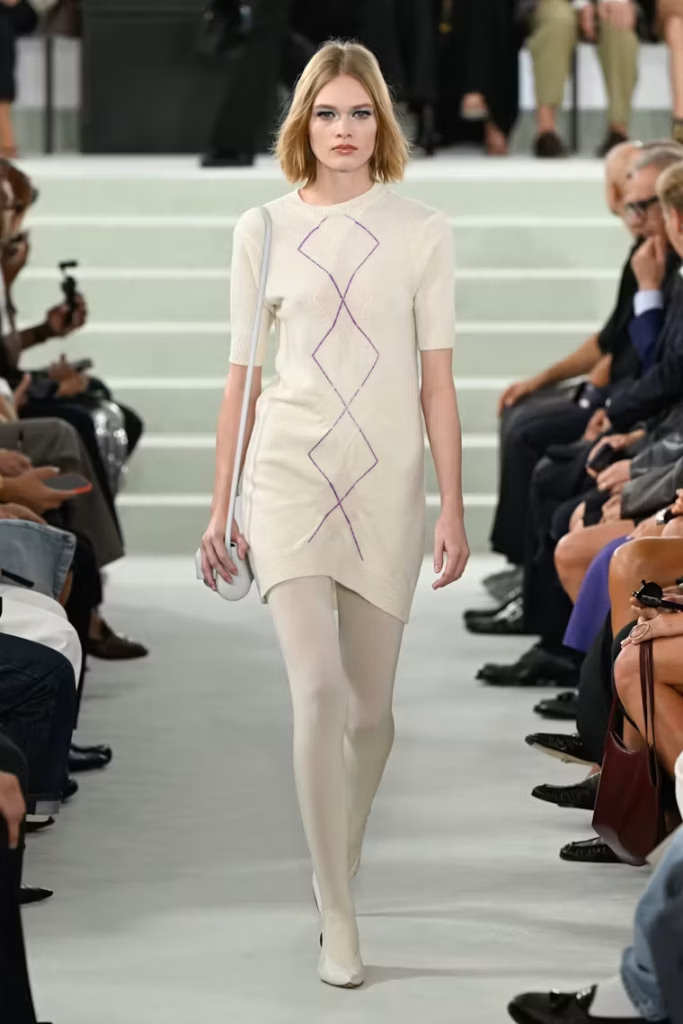
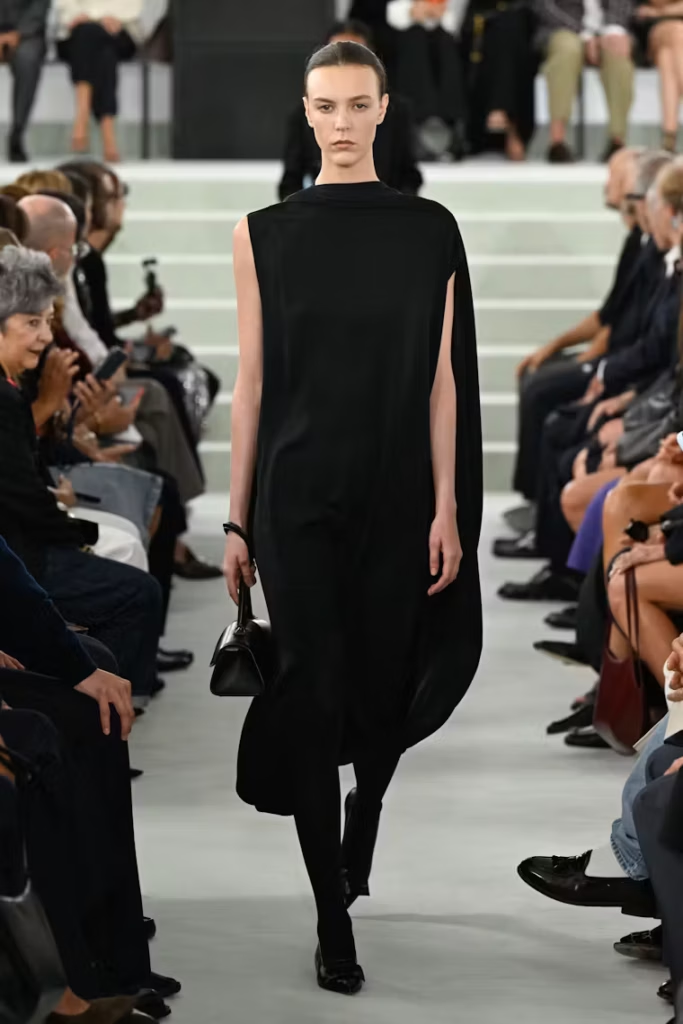
Jil Sander’s Spring/Summer 2027 collection offered a different kind of nostalgia: the memory of minimalism itself.
Designer Simone Bellotti has been questioning what minimalism can mean now that clean, perfect dressing has become almost ubiquitous. His answer was to introduce imperfection, an unexpected proportion, a slightly off silhouette, movement where there might traditionally have been restraint.
The result retained the intellectual severity associated with Jil Sander while allowing clothes to become less polished and more human. A collarless black leather coatdress established the collection’s disciplined beginning, before the silhouettes became increasingly unruly.
Flair favorite: The black leather coatdress, proof that simplicity becomes interesting again when there is just enough tension beneath it.
Max Mara: The Woman Who Travels
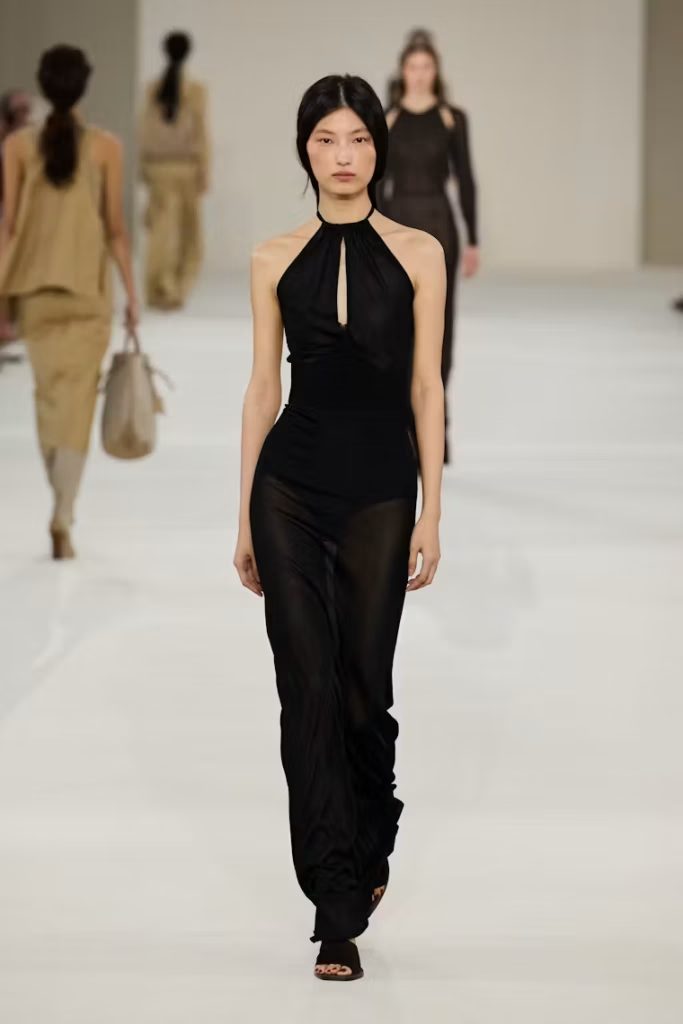
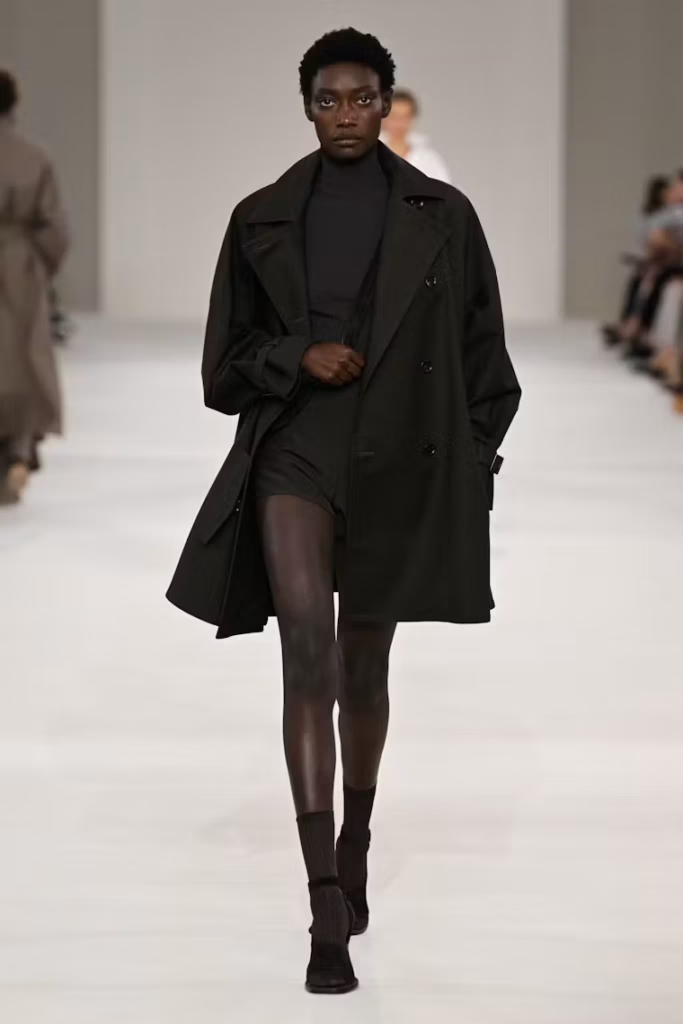
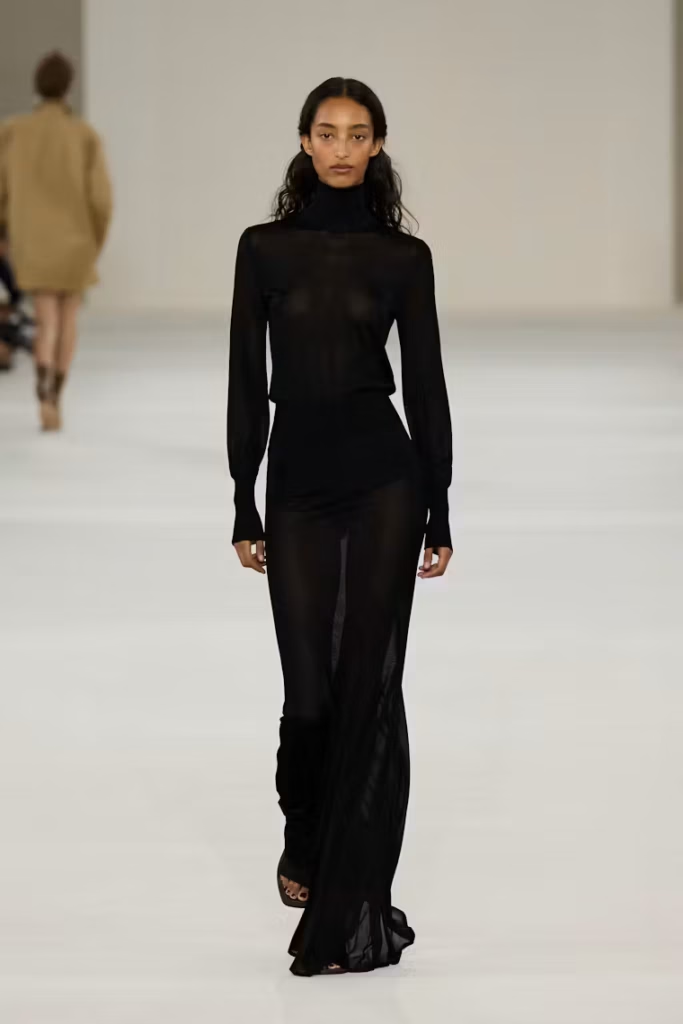
Max Mara looked to the women explorers of the 1930s, including Freya Stark, Amelia Earhart and Beryl Markham, for a collection that married utility with elegance.
Safari jackets appeared in linen and gabardine; aviator-inspired jackets came with leather straps and D-rings; fluid skirts and slinky knits softened the practical silhouettes. Even the bags were designed with movement in mind, shifting between crossbody, clutch and rucksack.
The result was less about dressing as an explorer and more about borrowing the freedom of one.
Flair favorite: The linen safari-inspired looks, polished enough for the city, relaxed enough to suggest a life beyond it.