 Hedayat Reda
 “Ya benty da kiliim, da mafrud yebaa haga be rokhs el torab.” (“My daughter, that’s a kiliim—it should be dirt-cheap.”)
Noha El Taher, founder and creative director of Kiliim, overhears a mother conversing with her daughter, at Cairo’s Turathna (تراثنا) handicrafts expo, and once again has to refrain herself from reacting. It is the argument she hears regularly, upon which her entire career has been founded. But over time she’s figured out that with some people, the product simply has to speak for itself.
“We had to create value so that people would be willing to pay higher prices, and in turn, the craftsmen could be compensated with what they truly deserve,” she explains of her business, Kiliim, a social enterprise and lifestyle brand that aims to revive Egyptian handicrafts in the home. “The daughter saw value in what we’re doing, but generationally, the mother doesn’t—because she’s used to a kiliim being a product sold on the street,” explains Noha, about the conversation she had overheard.
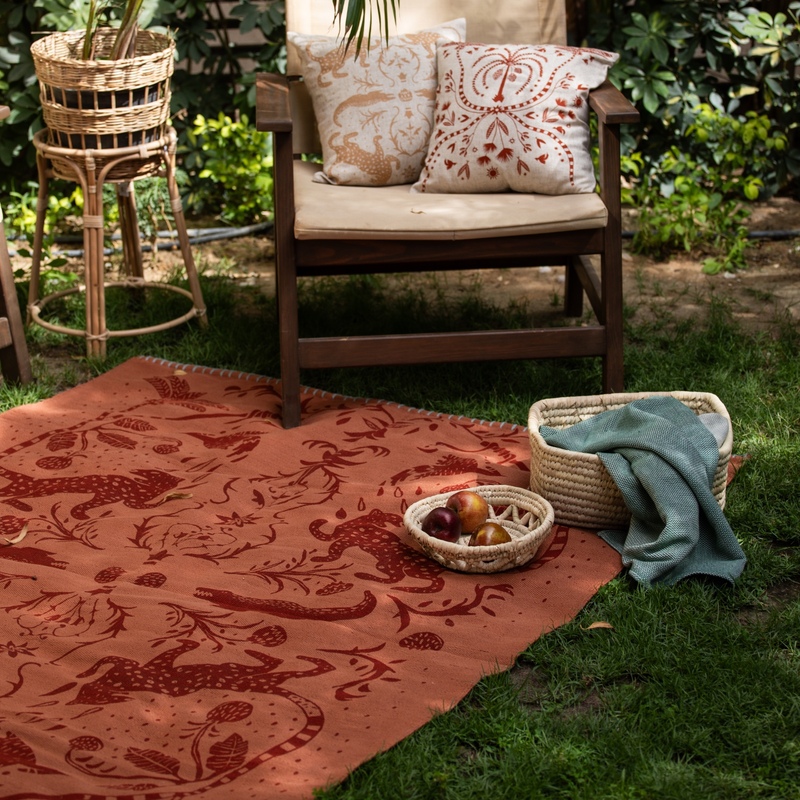
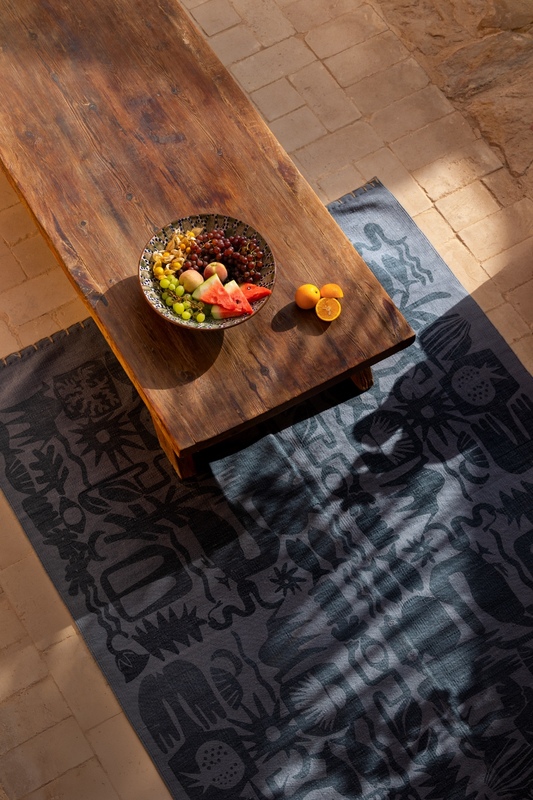
Photo Credit: Ahmed Zaatar (left) and Sara Gaafar (right)
My first encounter with Kiliim was back in 2016, the year it was founded. At the time, Noha and I were both working for the startup events company RiseUp Summit. I remember her coming into the office with her daughter Lina in her arms and a laptop full of colourful, eye-catching rug designs. Shortly after I joined, Noha resigned to focus on her business and family—and in that time, Kiliim has grown from a small kiliim-only online store into a multifaceted homeware brand that now takes part in showcases in New York and Frankfurt.
“Ana ba’ees Kiliim be ‘omr Lina. If Kiliim were a person, that is how old she would be,” Noha says, gesturing to her torso to indicate growth. Lina has just turned ten, and so will Kiliim this year. The brand, in many ways, was born with her—beginning as a modest attempt to design a custom carpet for Lina’s room when she was still a baby.
“We lived in Maadi, where there are a lot of kiliim vendors, and we were looking for something for her bedroom. We wanted something that looked Egyptian yet had a design element to it. I’m a graphic designer and care deeply about aesthetics, but most of the colours we saw were a bit off and didn’t necessarily match. So, we thought about customizing our own,” Noha recounts Kiliim’s origin story to me over coffee at the Sheikh Zayed community hub, Specialty Būn.
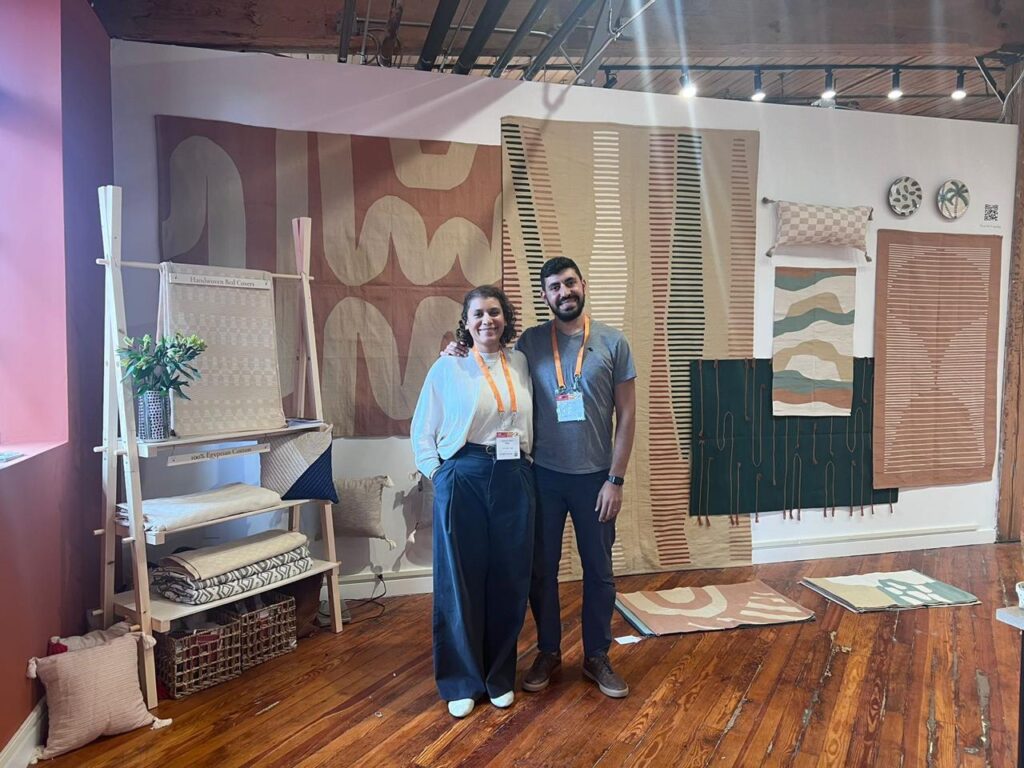
From there, her business partner and husband Ibrahim took matters into his own hands. Armed with the designs and sketches that Noha had created, he travelled to Fowaa in Kafr El Sheikh—the city most known for kiliim-making—to see what the artisans could bring to life. At first, none of the craftsmen would work with him, insisting that the art of kiliim was dying and that he would only lose money pursuing it. In Fowwa, kiliim-making is handed down from father to son. Unfortunately, as with many other trades in Egypt, the lure of higher pay and easier work means that many young men abandon their craft to become carpenters or tuktuk drivers in the metropolis.Whereas thirty years ago there were over 2,000 kiliim workshops in Fowaa, by 2016 only about 200 remained. Eventually, he found a workshop that agreed to bring the couple’s vision to reality—a workshop that Noha and Ibrahim still collaborate with today.
“But what exactly is a kiliim?” I ask, wanting to understand how it differs from a regular carpet.
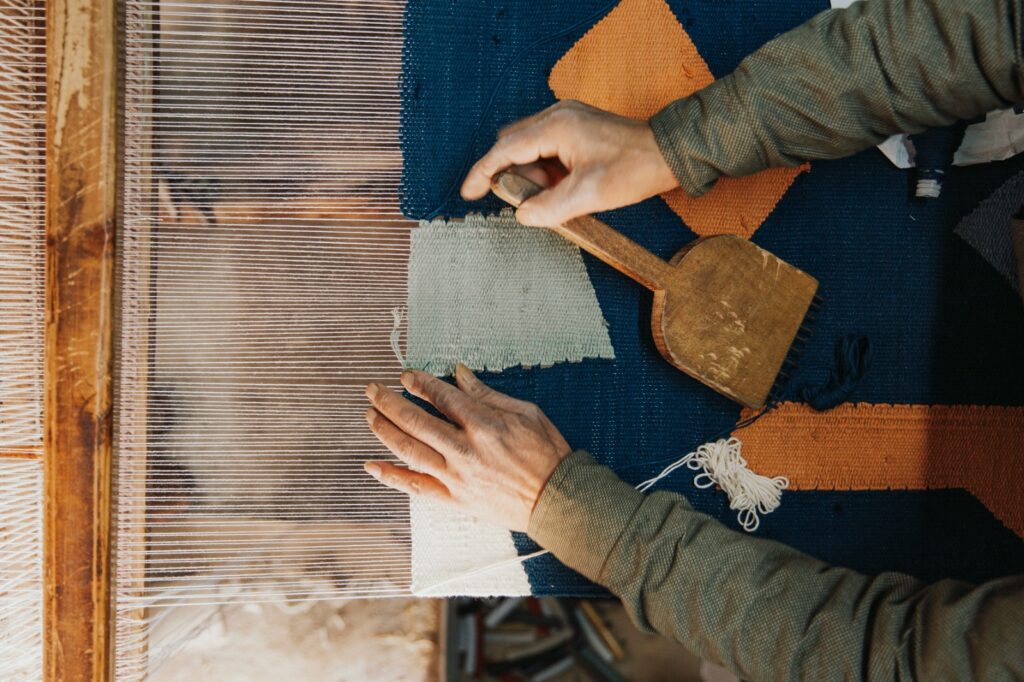
Photo Credit: Wafaa Samir
“A kiliim is a kind of carpet, but it’s flat-woven on a horizontal loom. The difference between a kiliim and a carpet lies both in the making and in the loom itself: a carpet loom stands upright, whereas that of a kiliim functions more like a table. It can take up to a month to fabricate a really intricate kiliim with detailed designs and symbols.”
“And what makes a Kiliim, kiliim?” I prod further, curious—and already guessing the answer.
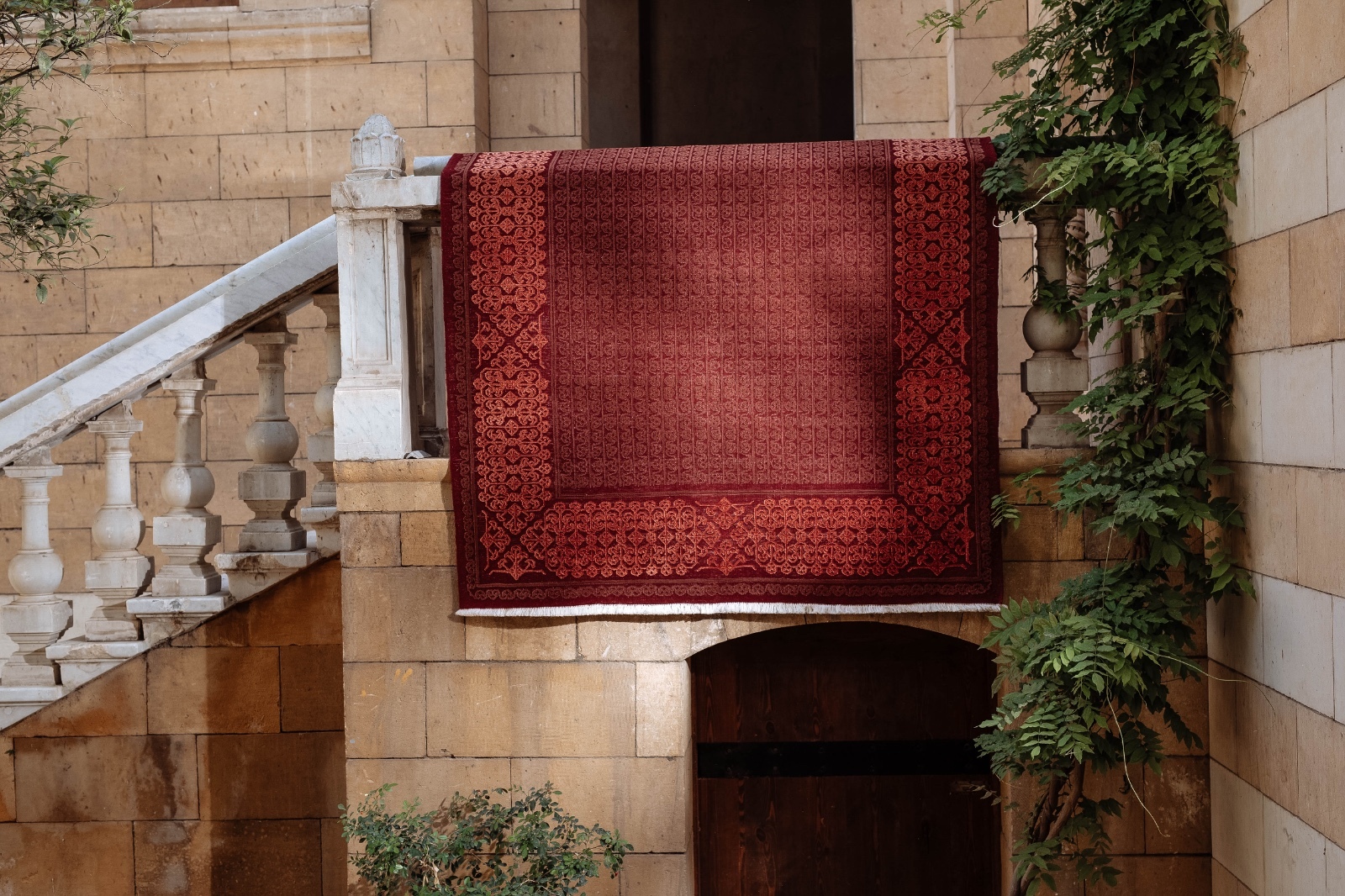
“What sets us apart is our design. It’s important for us to know what’s happening in the trend space, but we’re not dependent on it. For example, in the field of carpets, we launched a Mamluk carpet collection some time ago—we deconstructed classic Mamluk carpets and reassembled them into something new, yet still reminiscent of traditional Mamluk patterns.”
Typically a Mamluk carpet is hand-knotted, with a strictly symmetric and geometrical style and a central medallion in the middle, elements that come back and are used differently in the Kiliim version. A low pile and high pile were created, so that the background is flat-woven and the pattern elevated.
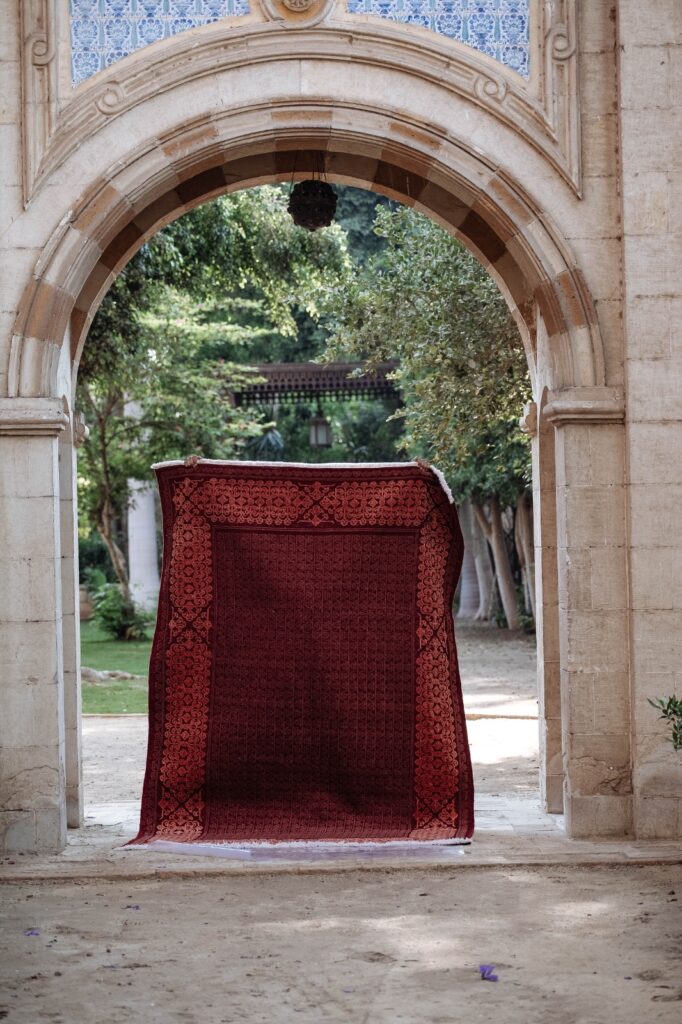
Photo Credit: Ahmed Zaatar
With a mother who has studied and teaches Islamic art, I understand the value of bringing historical art forms back to life and giving them new commercial meaning. It’s a delicate act of translation—preserving spirit while updating form. Noha elaborates that Kiliim now produces both carpets and kiliim, but that the traditional craft of kiliim-weaving is slowly fading away.
“All of the craftsmen learned from their fathers. It’s a very physically demanding craft—that’s why it’s male-dominated. Women work more on textile looms because they’re much lighter, whereas kiliim are larger and use thicker materials, so they require men’s strength. The other issue is that most craftsmen are quite old. Our youngest craftsman is in his mid-forties,” Noha continues.
“And kiliim-weaving is not an old person’s game!” I add, fired up and upset.
“This is why preserving the craft is so important to us.”
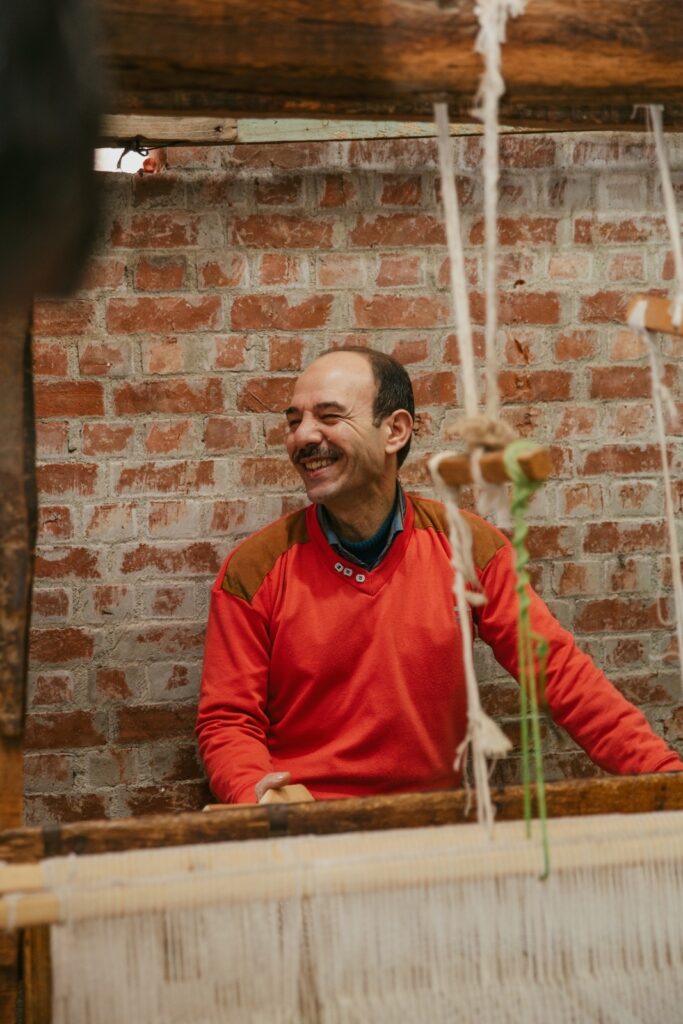
Photo Credit: Wafaa Samir
Noha takes out photos of Kiliim rugs from their catalogue, describing the use of iconography and storytelling in their collections to highlight the act of preserving. The latest Folklore collection features classic Egyptian icons such as abu erdan (the farmer’s friend), the “hamam” tower, and the hard-working donkey, whereas the Summer Solstice collection draws inspiration from the fruits and trees of al-Agami. Her most personal collection to date, Symbols, is based on her Moroccan grandmother’s jewellery and keepsakes. I’m amazed by how detailed and well-researched each body of work is, and how deeply emotional a connection is formed with each piece.
“If I had to describe Kiliim as a person, I’d say she is humble, culturally rooted, and artistic,” Noha muses, smiling at me with her sunny grin.
And that’s clear in all of Kiliim’s work—whether in the bold, statement-making rugs or the delicate earthen table and bathware that has been newly added to their catalogue.
“What’s your biggest goal for Kiliim?” I ask brightly, as we sip the last dregs of our coffees.
“As with any handmade industry, we can’t go big, because there is a limited amount of people manufacturing and it’s all by hand— so we’ll go wide. I want Kiliim to encompass all the crafts that exist in Egypt and to find new ways for those artisans to keep working, for their communities to remain sustainable, and for the crafts to live on.”
Amen, I think to myself, exhilirated and deeply inspired.
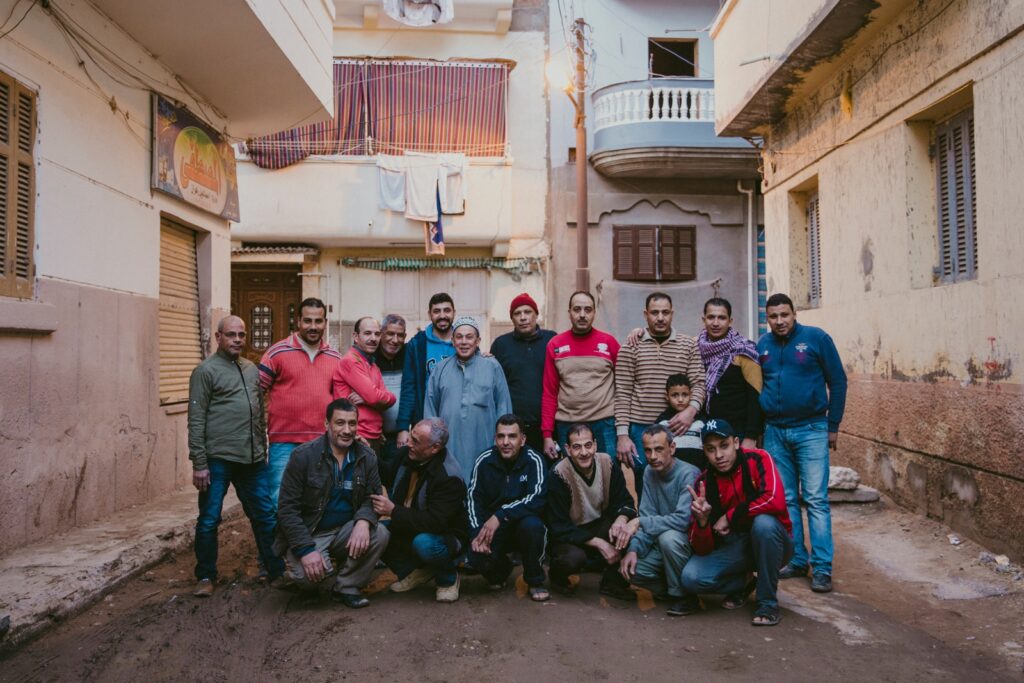
Photo Credit: Wafaa Samir