 Nahla Zayed
 By: Nahla Zayed
Squid Game Season 3 is not just the final installment of a global phenomenon—it’s a cinematic storm of chaos, cruelty, and unexpected compassion. And at Flair Magazine, we’ll say it clearly: we loved it. Not because it was easy to watch, but because it dared to challenge us emotionally, morally, and even spiritually.
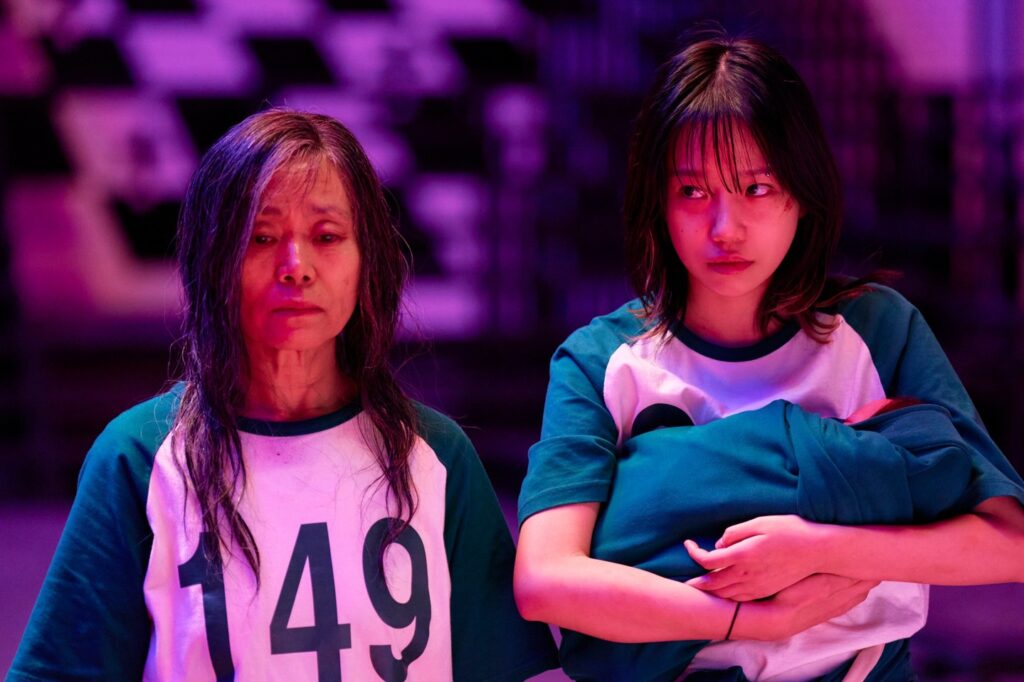
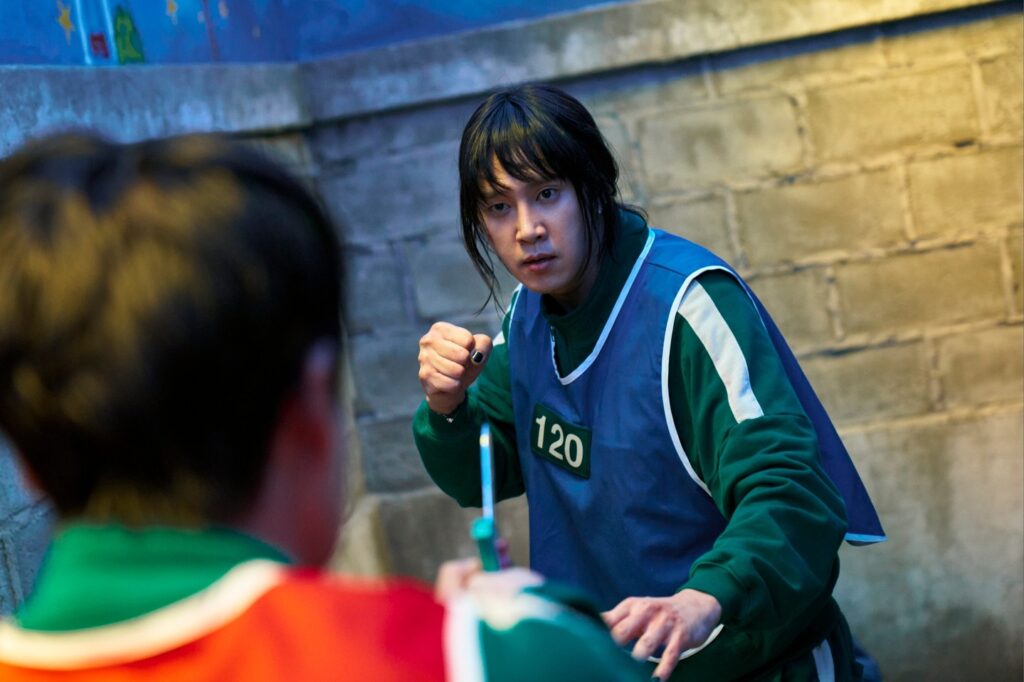
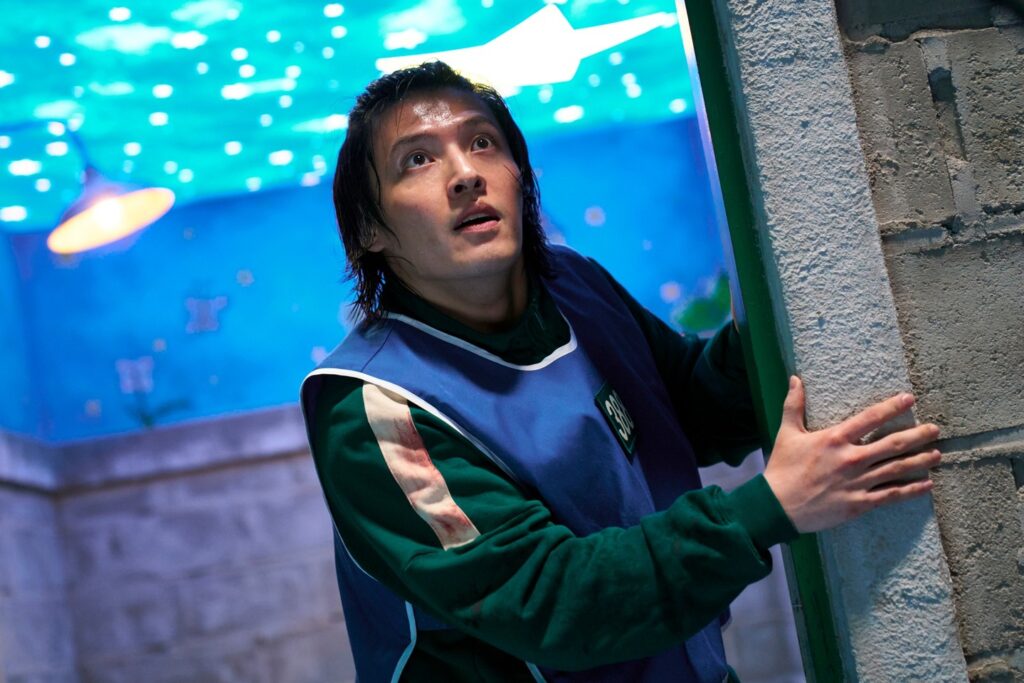
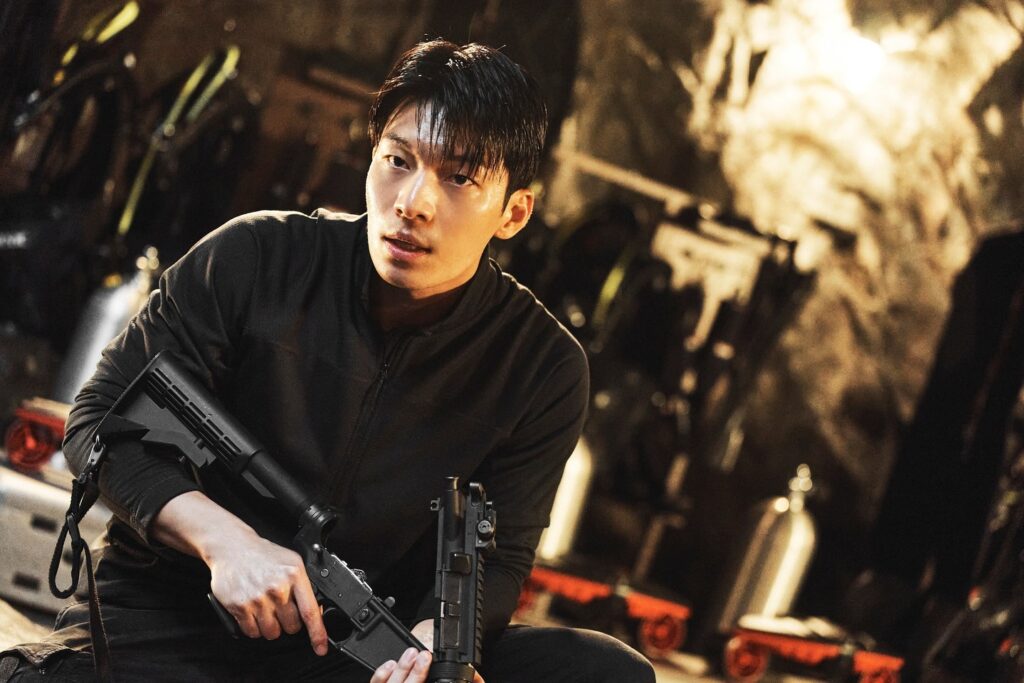
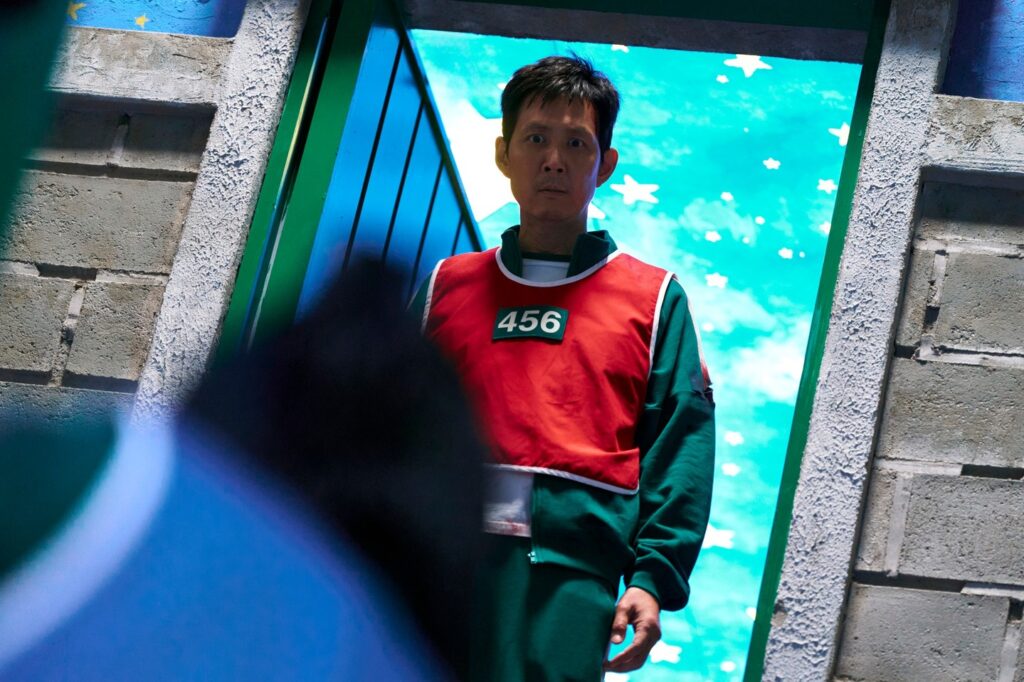
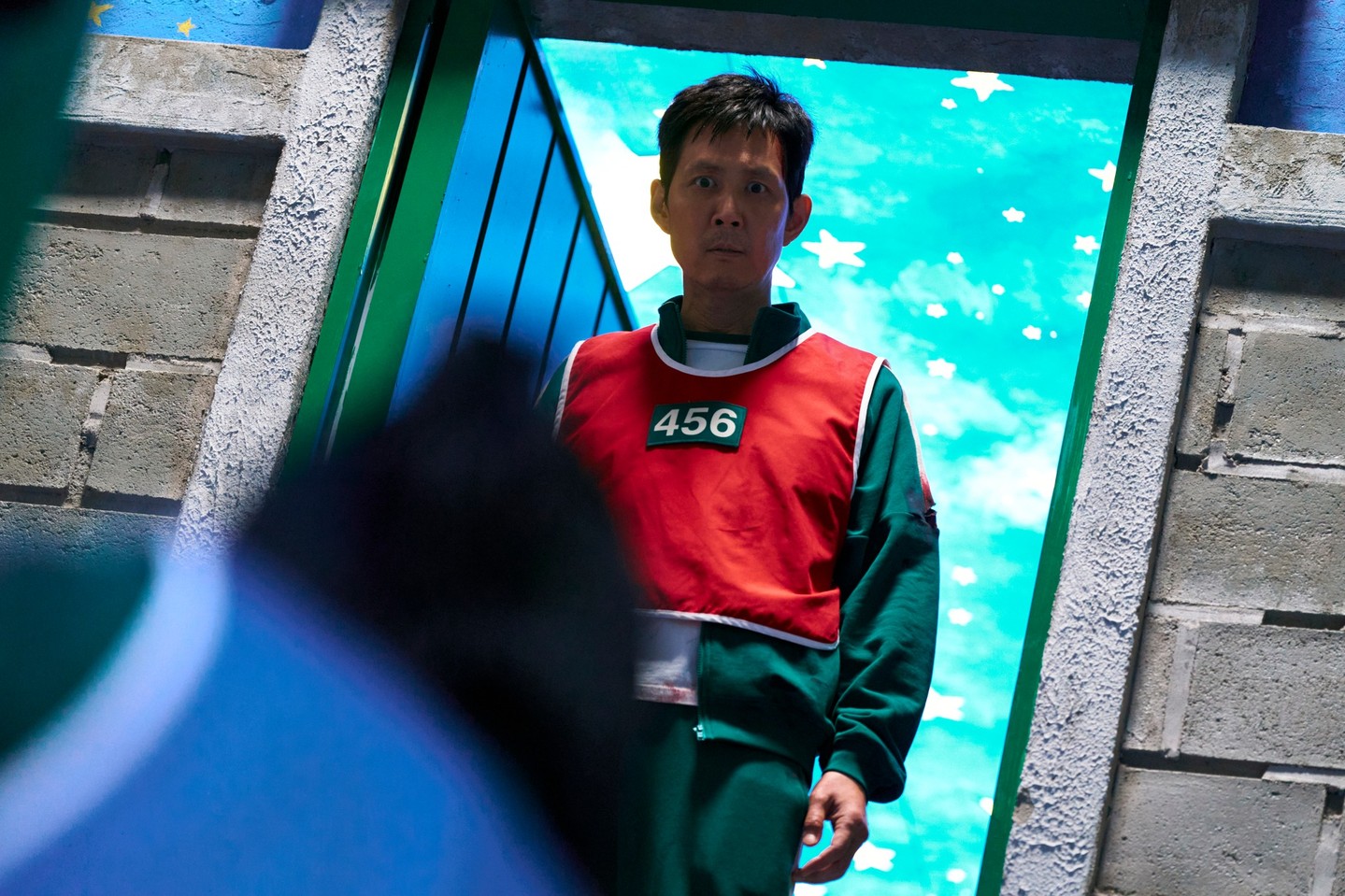
The season opens with the brutal aftermath of Season 2’s failed rebellion. Gi-hun, once determined to dismantle the system from within, finds himself powerless again—caught in a machine more monstrous than he imagined. The pink-clad guards are no longer just enforcers; this time, the masked VIPs join in as participants, turning the island into a playground for the elite’s darkest instincts.
But Squid Game Season 3 doesn’t rest on spectacle alone. Beneath the violence lies a deeper exploration of what it means to resist in a world where everything, including life, is a commodity. The introduction of a baby—born amid the bloodshed—acts as a profound metaphor: even in the ugliest of places, innocence can still exist. And for Gi-hun, that child becomes more than a symbol. She becomes a reason.
Faced with the failure of his mission and the impossible odds of protecting the last shred of purity in the game, Gi-hun makes a choice. It’s not about winning. It’s about ending the cycle, even if it means sacrificing everything. In the final challenge—Sky Squid Game—he chooses death so that the child may live.
And just before he lets go, he leaves us with a final line that lingers long after the screen fades to black:
“We are not horses. We are humans. And humans are…”
The sentence trails off—but it’s that silence, full of grief and dignity, that defines the entire season. Because at its core, Squid Game has always been about what we lose in the pursuit of survival—and what we’re still capable of saving, even in our final breath.
Yes, some of the games felt familiar. Yes, not every twist was unpredictable. But what Season 3 delivers is something far rarer: an emotional conclusion that stays with you. Gi-hun’s arc isn’t just a narrative—it’s a full-circle transformation, and actor Lee Jung-jae gives a hauntingly brilliant performance that captures every layer of heartbreak, rage, and redemption.
And the story isn’t truly over. In a cryptic final scene, the Front Man appears far from the island—this time in Los Angeles, silently watching a street-level version of the games unfold. A new recruiter. A new continent. A new cycle? Possibly. But the message is clear: Squid Game may have ended this chapter, but its reflection of greed, cruelty, and resistance still hits uncomfortably close to home.
In a world increasingly shaped by power and spectacle, Squid Game remains a rare work of storytelling that chooses conscience over comfort. And that’s why we loved this season—because it made us feel something real.