 Nadine Mustafa
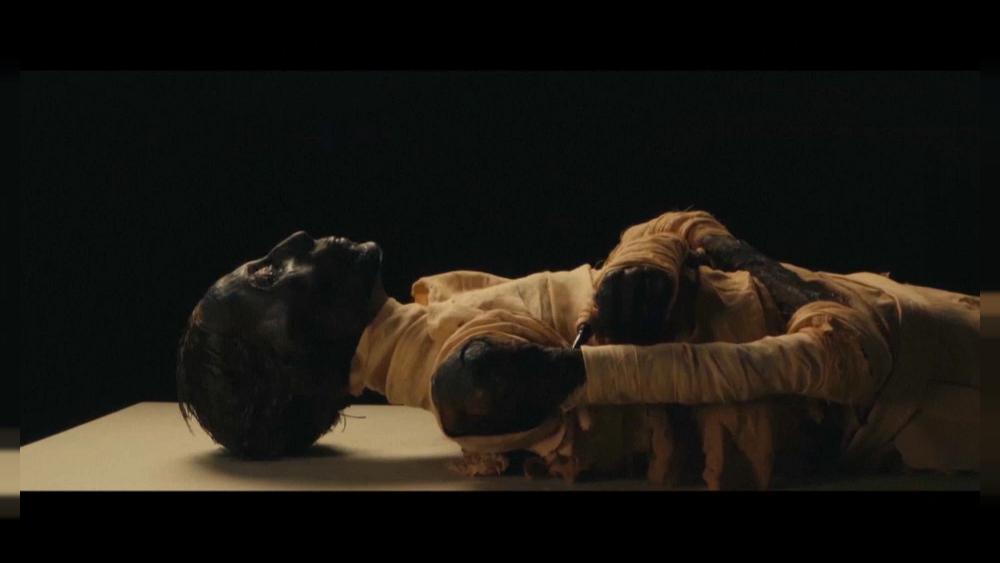
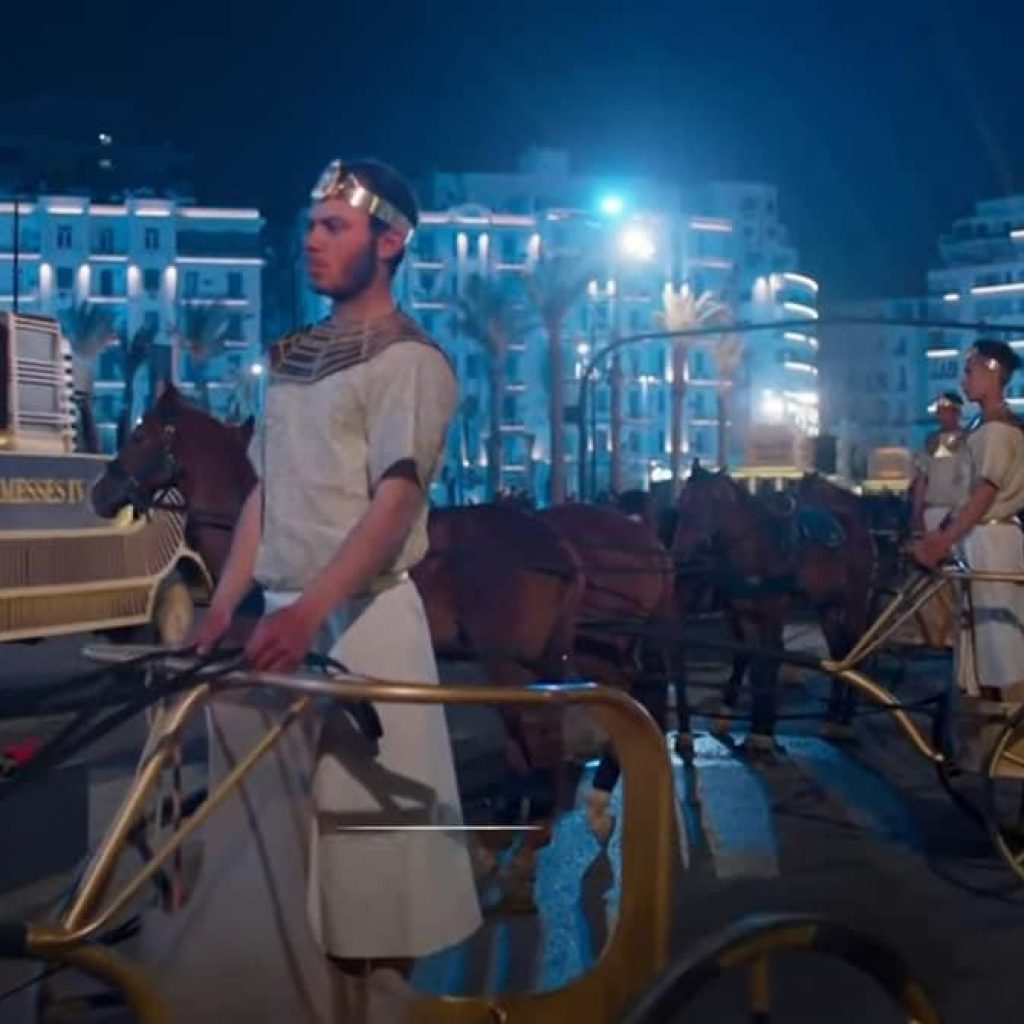
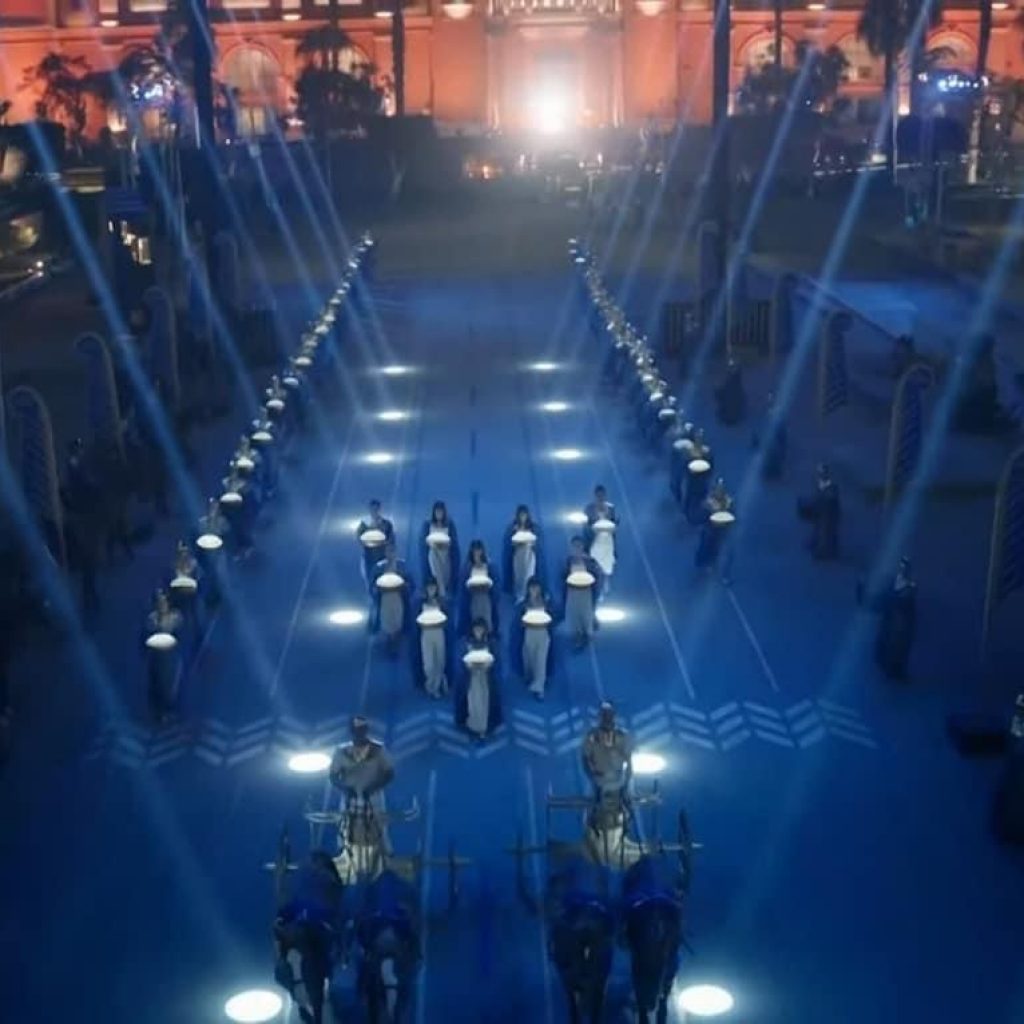
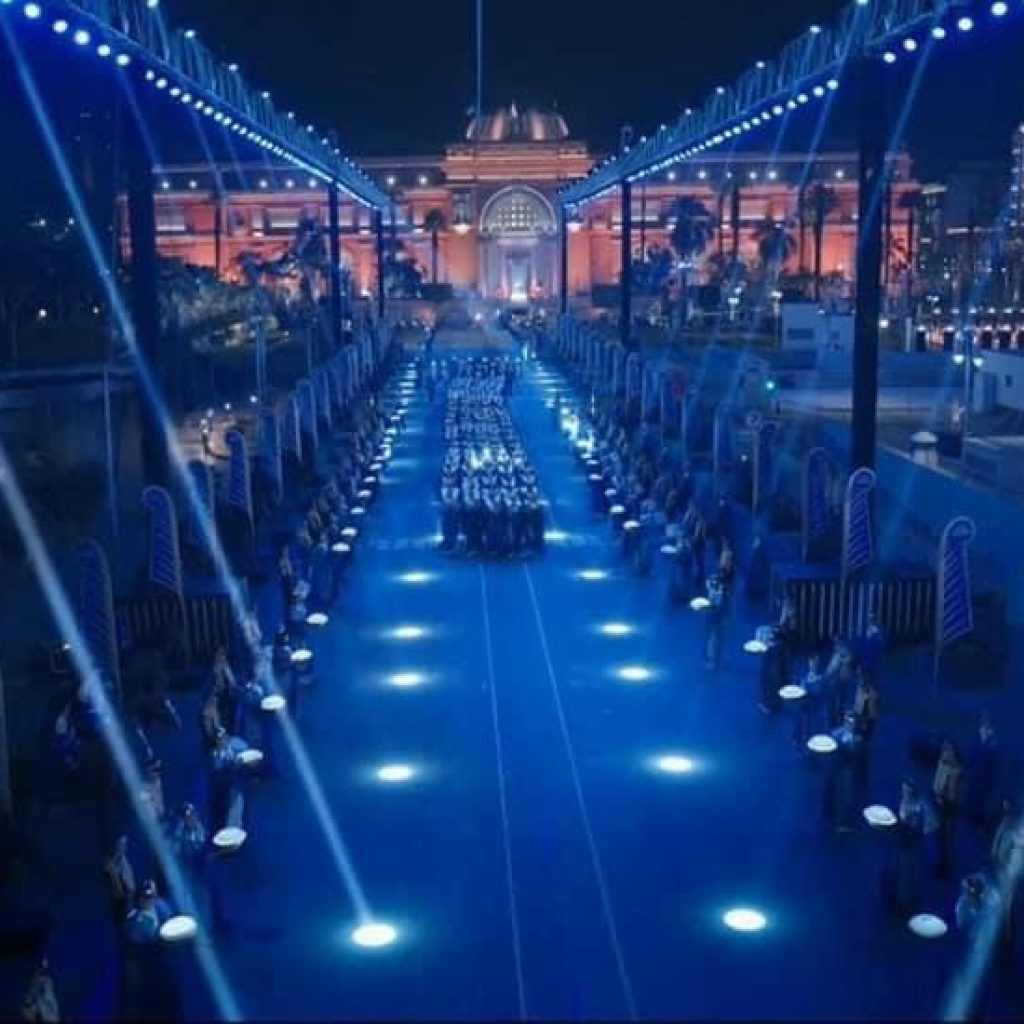
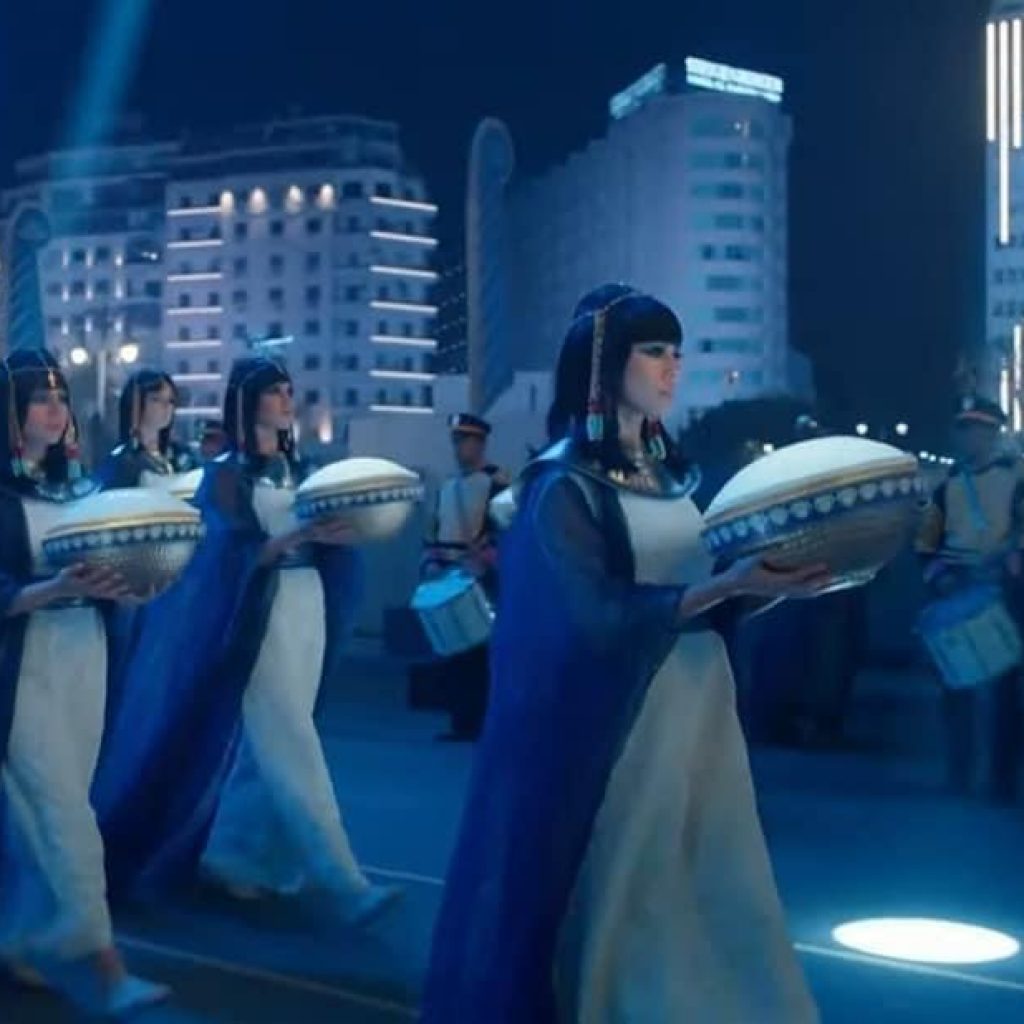
 On Saturday, Egypt organized a royal parade to celebrate the relocation of 22 of its valued royal mummified kings and queens from central Cairo to their forever residence in a vast new museum further southeast in the capital.
The pharaohs were moved to the current National Museum of Egyptian Civilisation in what is known as The Pharaohs’ Golden Parade, with strict security measures and protocol worthy of their royal lineage and rank as global treasures.
The mummies were carried in sequential order from the 17th Dynasty king, Seqenenre Taa II, to Ramses IX, who held power in the 12th Century BC, with renewed vigor.
The ceremonial event snaked all along the Nile corniche from the Egyptian Museum spanning Tahrir Square to the opened National Museum of Egyptian Civilization in the Fustat area, in which Egypt’s first Islamic capital was established.
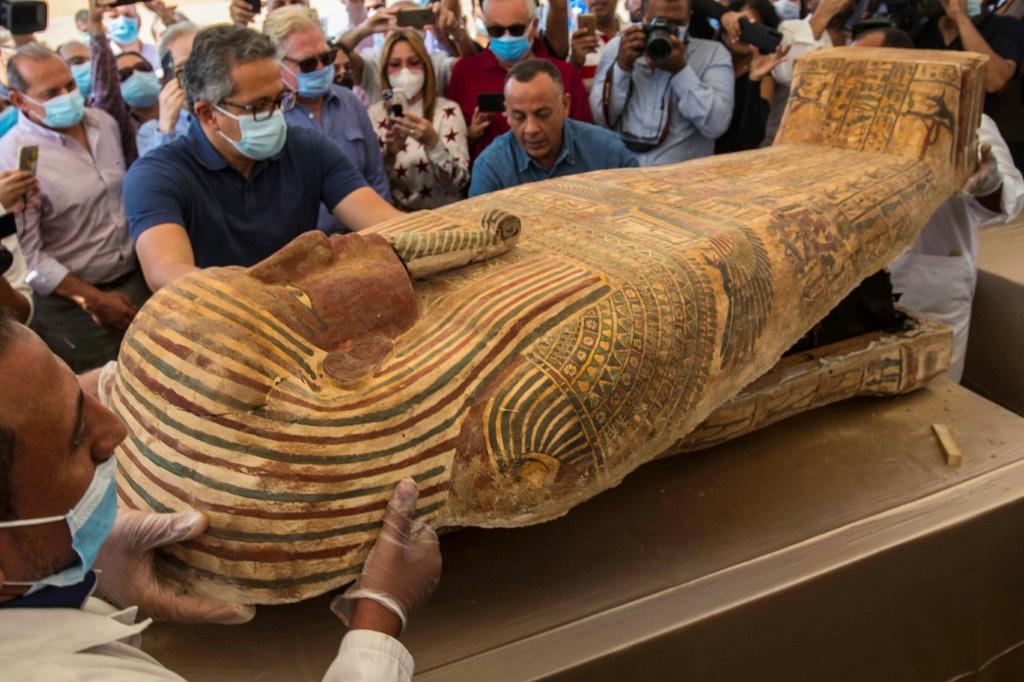
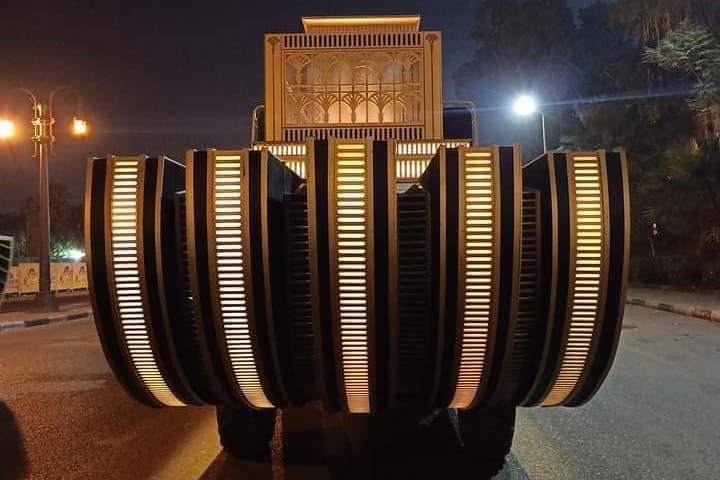
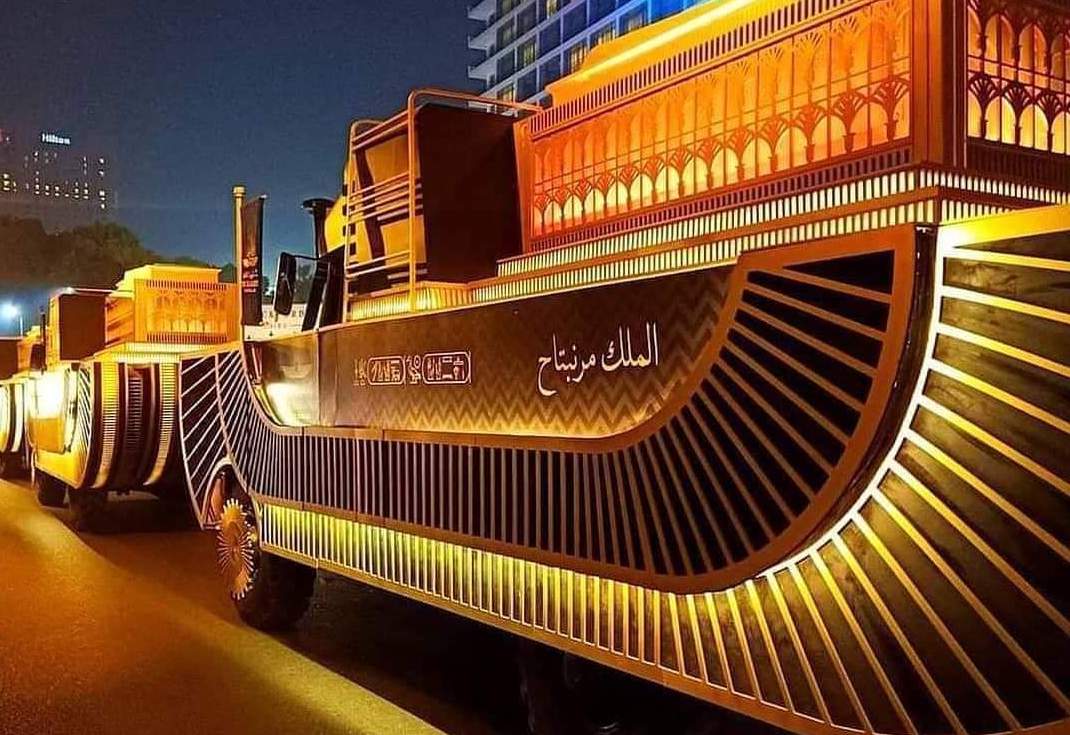
For an hour-long ride from their ancestral home throughout the older Egyptian Museum, the tombs were transferred in climatic-preserved-conditions cases mounted onto vehicles adorned with wings and pharaonic architecture. The event began with 21-gun striking salutes in honor of the once-in-a-lifetime event.
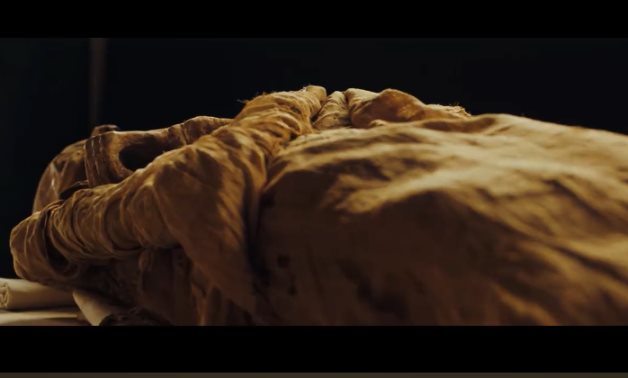
As per the ministry of antiquities, the majority of the mummies date back to the earliest New Kingdom.
Those who involve Ramses II, being one of Egypt’s most prominent pharaohs, and Queen Hatshepsut, one of the country’s few female Pharaohs who defied the patriarchal traditions through a disguise.
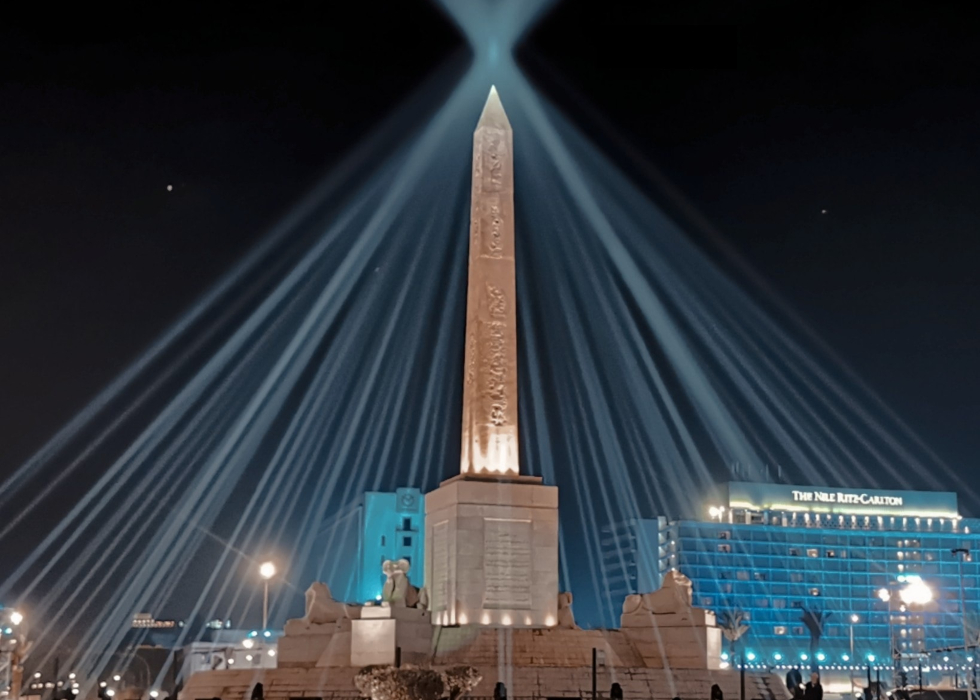
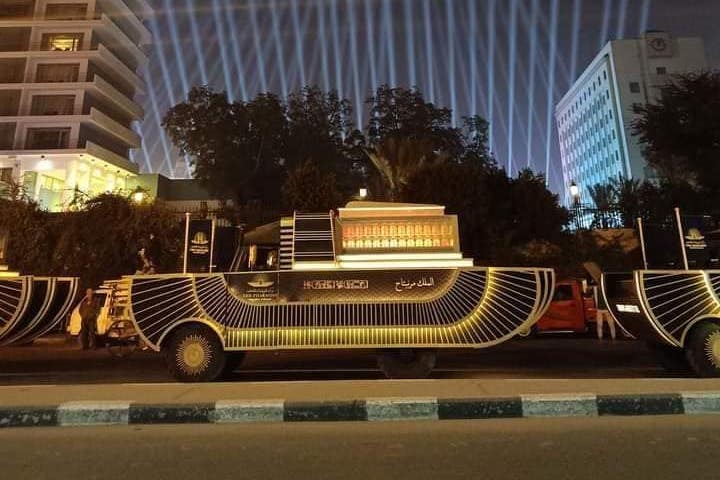
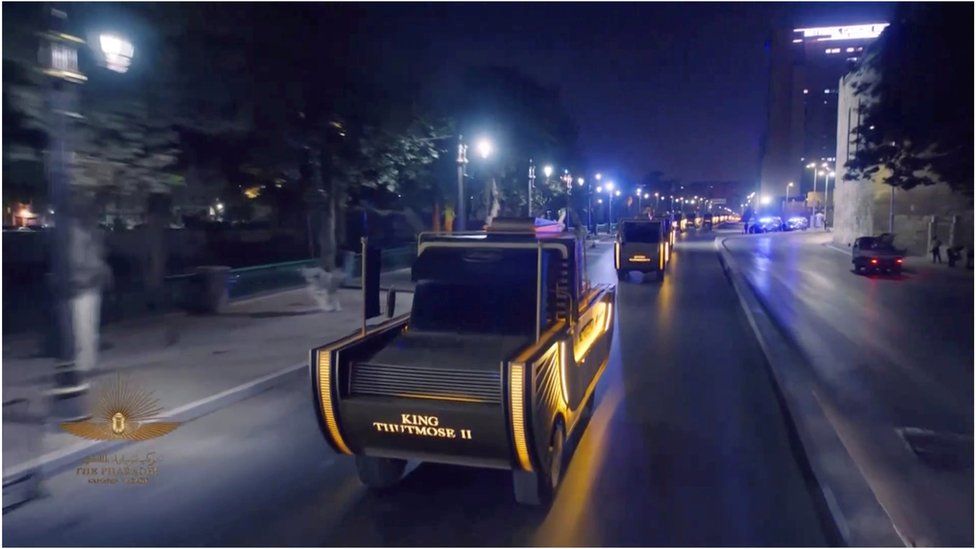
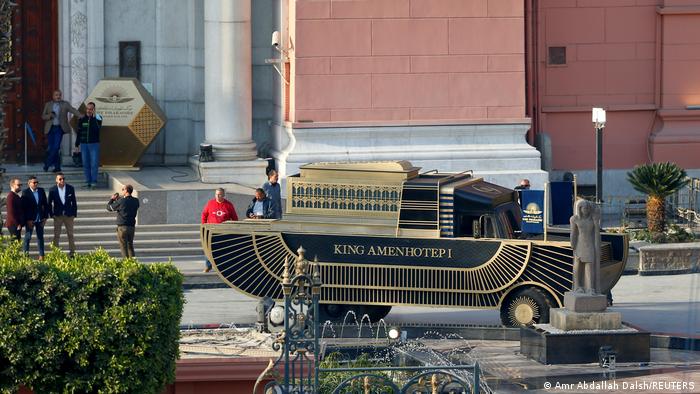
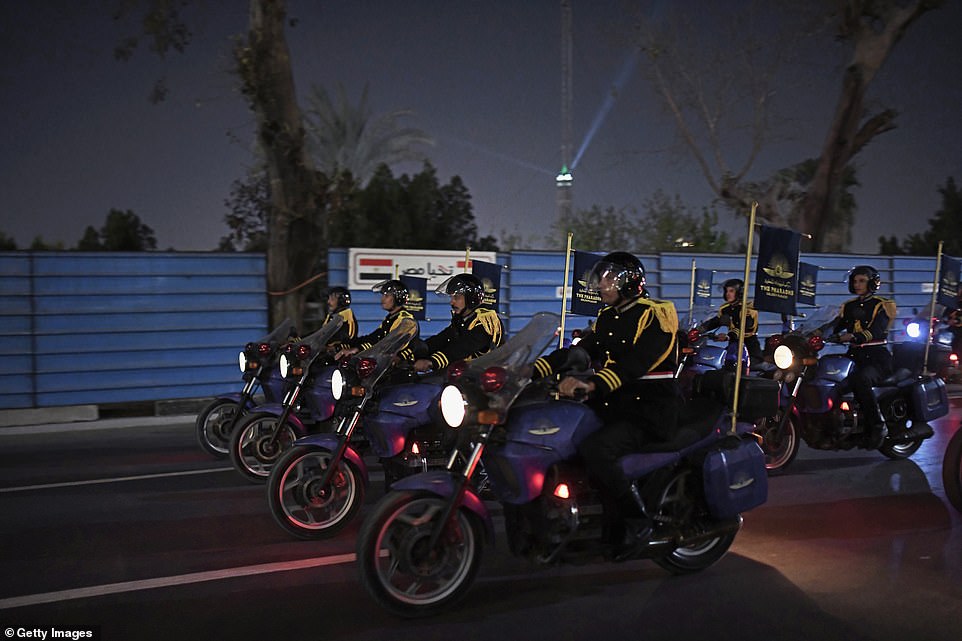
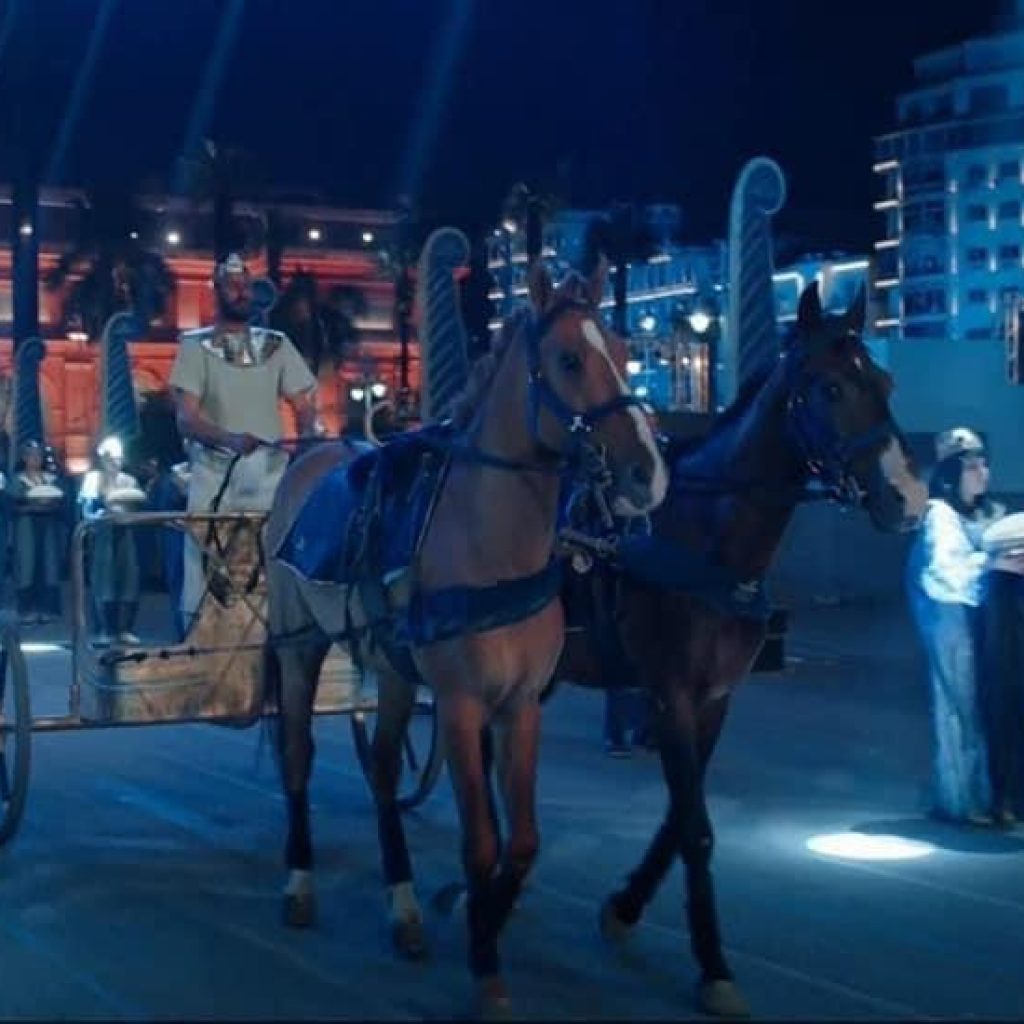
Every other mummy was transported in a customized vehicle outfitted with unique suspension systems and accompanied by a motorcade that included imitation horse-drawn battle carriages.
The emperors were initially maintained using ancient cryopreservation methods, but for the transfer, they were packed in particularly unique nitrogen-filled containers to effectively protect them from climatic environments. Ways all along the pathway have since been remodeled to ensure a seamless ride.
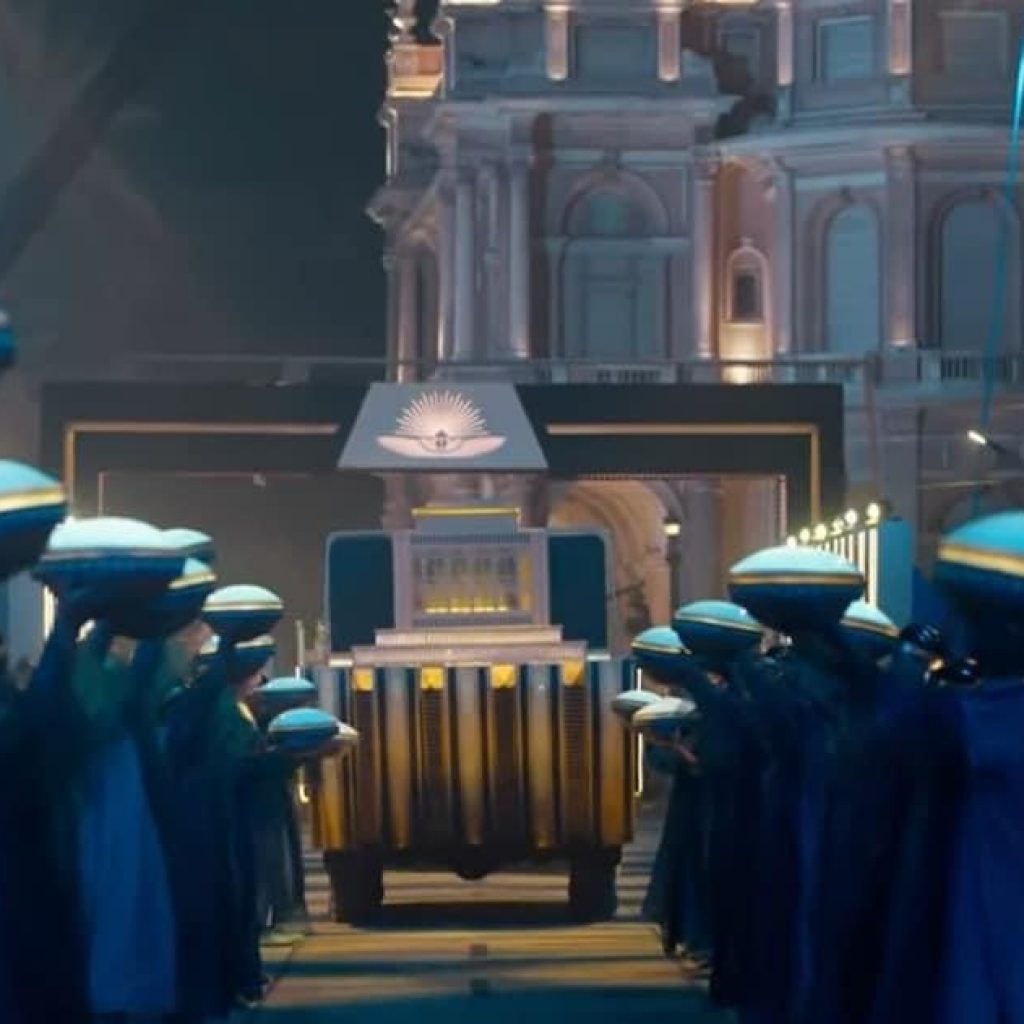
The mummies were brought to Cairo by boats floating down the Nile after they had been excavated. Many were displayed in glass boxes, while others have been kept in storage. In 1976, the remnants of Ramses II were transported to Paris for extensive renovation work by French researchers. The extravagant parade is a huge part of Egypt’s initiatives to revitalize its tourism sector, which has been hit hard by political instability since the 2011 widespread revolt as well as the global Covid-19 pandemic which took the whole world by storm.
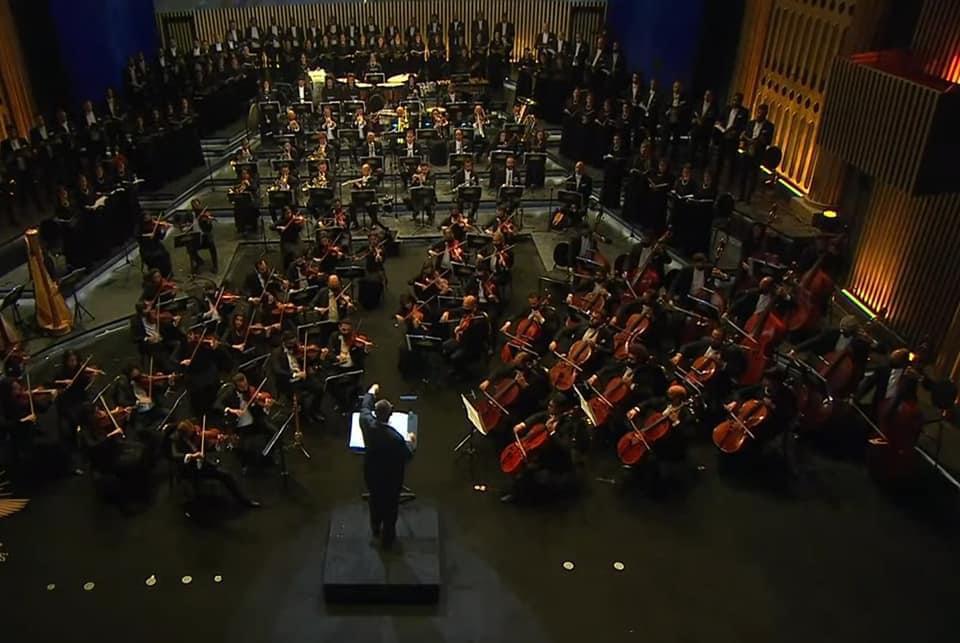
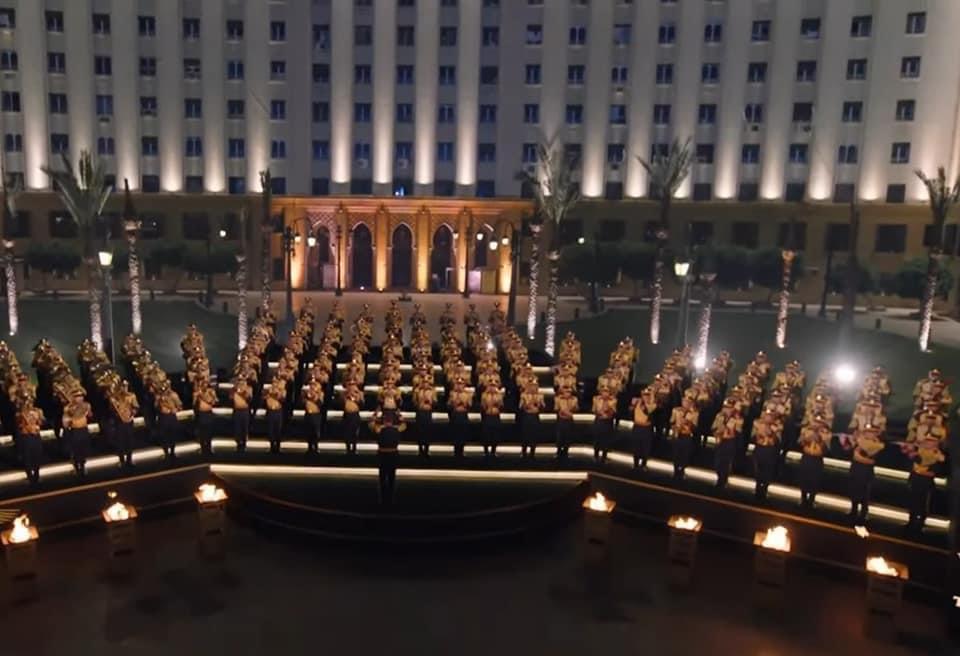
Egypt has marked its place on the map once more with this worthy event that made the whole world turn heads with such prevalence and excellence.