 Flair Magazine
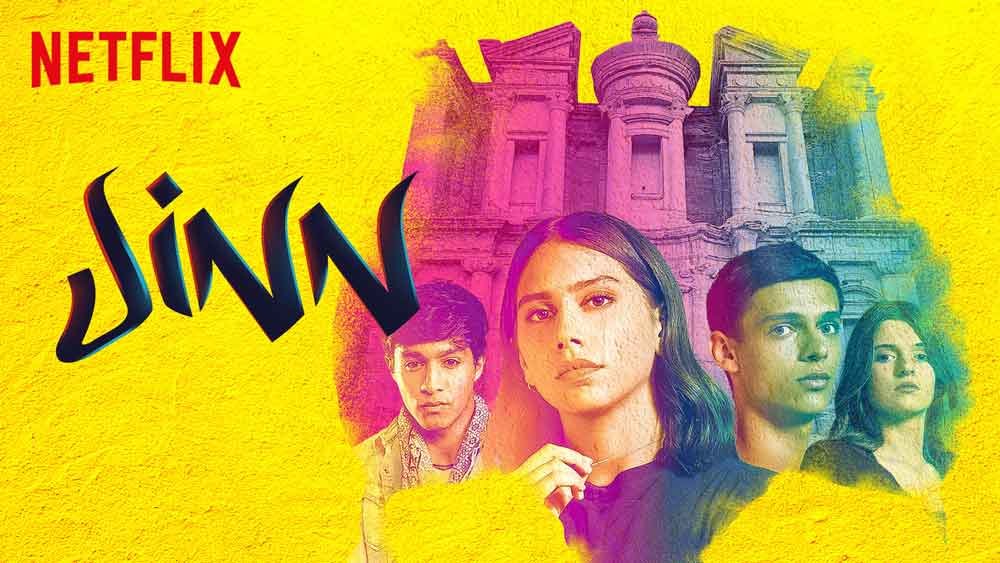
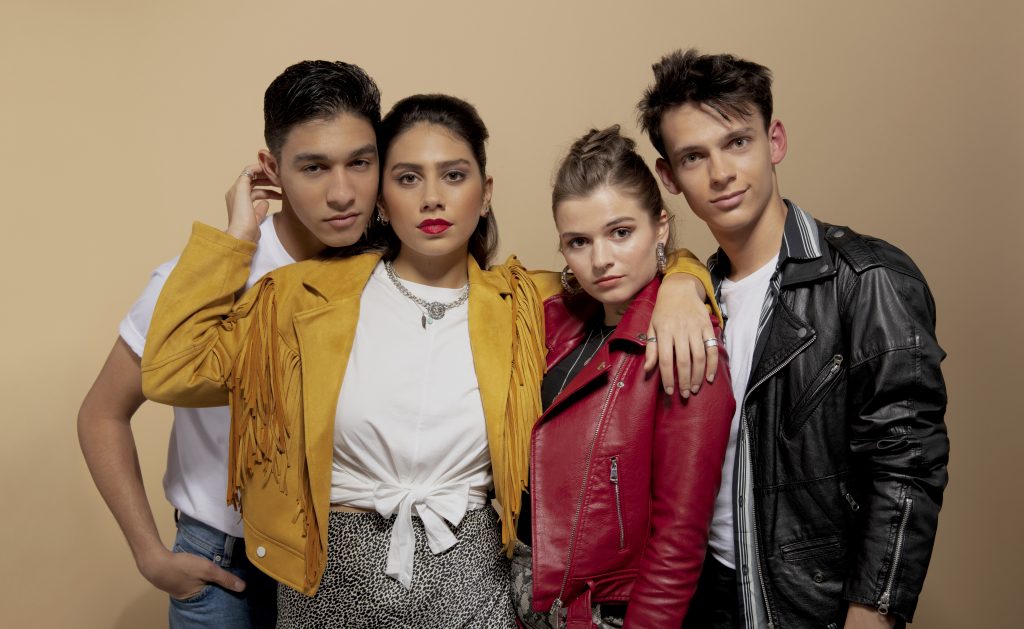
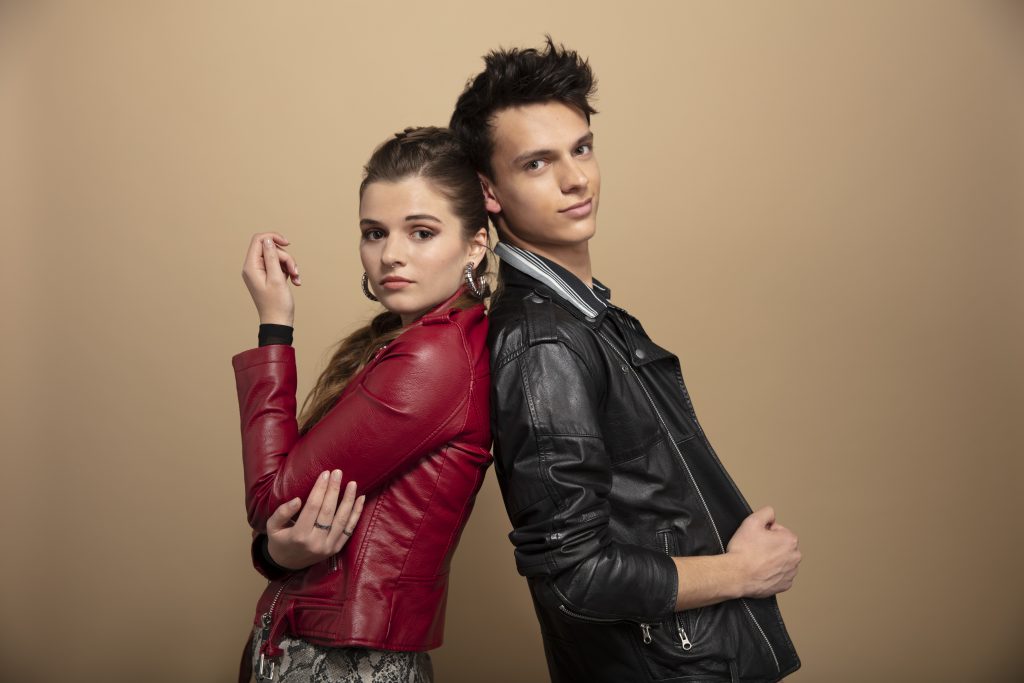
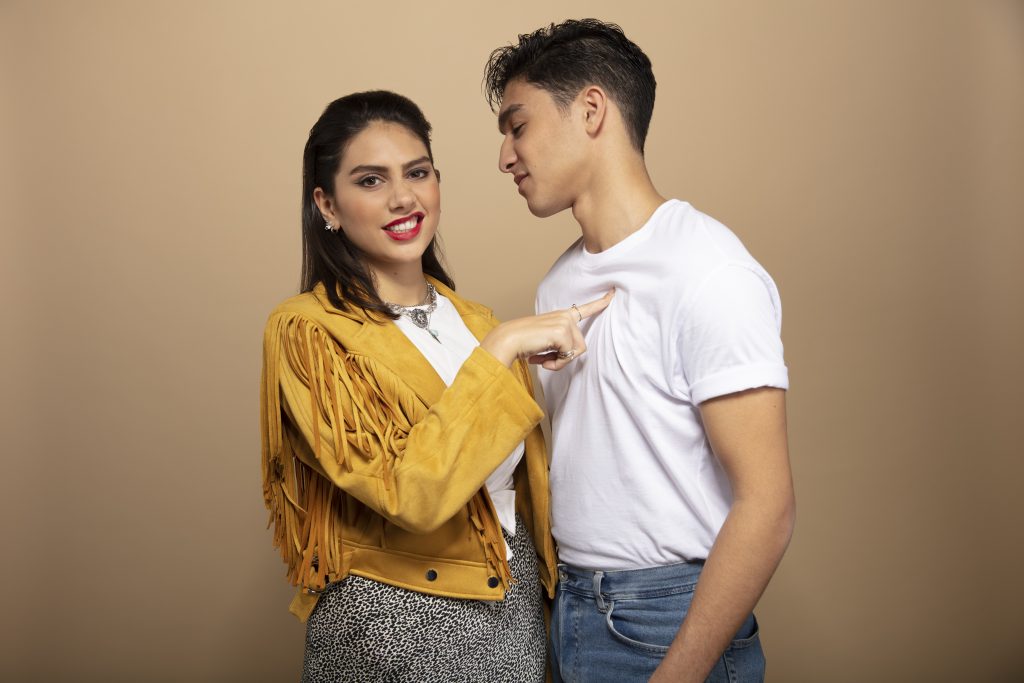
Following a lot of anticipation Netflix has finally released its first Arabic original series, Jinn. The teen supernatural thriller is a six-episode production that is set in Jordan. Featuring a bucket load of Middle Eastern talent, the series is executive produced by Elan and Rajeev Dassani, and comes to you by Lebanese director Mir-Jean Bou Chaaya and Jordanian screenwriter Bassel Ghandour. The young stars of the cast are made up of Salma Malhas, Hamzeh Okab, Sultan Alkhail, Aysha Shahaltough, Yasser Al Hadi and Ban Halaweh. We spoke to four of the stars of the series about their roles and their scary (yet exciting) experience as first-time set actors.
Why did you want to be involved in this production?
Aysha: It is very exciting. For me personally, I didn’t come across an opportunity like that in Jordan before, so when it came up, I definitely jumped at it.
Salma: The whole time I was thinking I wasn’t going to get the role because thousands of people were probably auditioning for it. The risk was worth it though because I thought the show was very interesting. It’s not everyday that you find a series about teenagers in the Middle East, so I loved the idea of being a part of something so original.
Hamzeh: This is the first time for me to act in front of a camera. I’ve been a part of school plays before but that’s about it. When this opportunity came, I really wanted to be involved. It is a special show because this is the first time we get to see an in-depth story all about teenage relationships in the Arab world.
Sultan: For Netflix to make an Arabic original series with a full cast of teenagers; it is remarkable because it gives Arab youth a global platform. This was definitely worth being involved in.
Is there any pressure that comes with having a role on the first Arabic Netflix original series?
Aysha: I think it’s an overstatement to say we are ambassadors for our country. We all make mistakes and so we only represent our own personal lives. I can’t add that type of pressure on myself, and feel like I’m being watched and have to act a certain way.
Hamzeh: We partly feel like ambassadors because filming in Jordan has been a rare occurrence so far. Before the official announcement of the show, rumors were going around about the potential for the Middle East and the whole world to see the special parts of Jordan that we filmed in.
Sultan: In Jordan, you find a variety of people from different nations. So if you live in Amman, it’s like any other capital city in the Arab world. It’s a special chance for us to get to represent the Jordanian culture, and on a bigger scale – the Arab culture.
What was it like filming in Jordan?
Aysha: At first, I thought it was going to be a show about Bedouins. I also didn’t think I look like the typical Arab but they told us they’re not looking for a stereotypical look.
Sultan: As a Jordanian, the news that we were going to film in Jordan brought a lot of enthusiasm concerning this role. It’s good to present parts of Amman and Petra to people who don’t even know what they look like.
What’s the biggest challenge about taking on this role?
Salma: This was the first time for me to act on screen. Shooting on the first day was the most difficult because everyone around me seemed like professionals and I was still figuring out what to do and trying to understand the process of filming. I had only been a part of school productions up to this point. I had never actually acted in front of a camera.
Aysha: For me, it was scary to go after something and not know where it will take me. I had never had a similar experience to compare it to, which is definitely exciting but also very scary.
Hamzeh: I was the last one to get casted. I didn’t even think I’d end up being a main character. They basically gave me a description of the main plot of Keras’ character and told me to improvise. I did a very bad job in the first week of workshops but then I started to speak with the writers and the producer to see the vision they had for my character. We combined my idea of Keras and their vision to produce a full-rounded character.
Tell us a bit about your character and how you relate to it.
Salma: What I love about Mira is her confidence. I mean, I can stand up for myself, but not the way she can. She will do what’s right for her and for the people she loves. She’s very goal-oriented and she knows what she wants, and I think that’s something that a lot of people want but struggle to achieve. She’s not really seen as popular but she has a variety of friendships because she doesn’t judge people for who they are or what their background looks like. During filming, I started seeing more of those connections between Mira and I, and I started noticing how she would react to different situations.
Aysha: Vera is very confident and mysterious. She’s also very stubborn and she doesn’t care about making a scene or deceiving people until she gets what she wants. While auditioning, they told us that they were actually looking for our characters’ attributes in our real personalities so there is definitely a bit of Vera in me, although I’m not convinced we have a lot in common.
Sultan: Yassin is a 17-year-old student who constantly deals with family and social struggles. He was an interesting character for me to play because he has a multi-layered, complicated personality as a result of what he goes through and his emotional side. I experienced bullying at school and so do many people, so it’s something a lot of people can relate to. There is no way you can play a character without finding anything in common with it. Otherwise, he would come across as a fake character to the people watching the show.
Hamzeh: Keras is very odd and mysterious. He doesn’t know how to express his feelings, interact well with people or insert himself in conversations with other teenagers. I like that I could relate to him on a personal level. When I was younger, I didn’t speak Arabic and I was living in Dubai for the first fourteen years of my life before I moved to Jordan. I sounded like a foreign kid and I couldn’t express myself well to other students my age, so they would make fun of me, and it wasn’t a good feeling but I was able to portray it well while playing Keras.
If you could play any other character on this show, who would it be?
Salma: After my first callback, they asked me who I liked the most – Vera, Mira or Layla. I liked Vera because she was like the dramatic, edgy girl who wants to achieve justice.
Aysha: I would go for Mira because she’s a musician and I love music. We might as well switch places.
Sultan: When I first came in, I actually auditioned to play Keras, and then auditioned for Fahed. But they suggested I try Yassin and something clicked, so he became my character. As an actor, you’re up for anything. But if I weren’t to play Yassin, I would’ve definitely chosen Keras.
How was it like to go back to school after filming?
Salma: In the beginning so many people thought I was an extra on the show because it is common for students at my school to be extras on TV shows. It’s something people don’t have on their grid because it has never happened before. My friend from America was actually telling me how it’s very normal there for most people to have one friend suddenly become big and famous. We’re not used to this culture here.
Aysha: Even we didn’t know exactly what we were signing up for, and so it was hard for people to perceive that we are main characters on a Netflix show.
Jinn is streaming on Netflix starting June
Interview By Eman Hassan