 Yara Lotfy
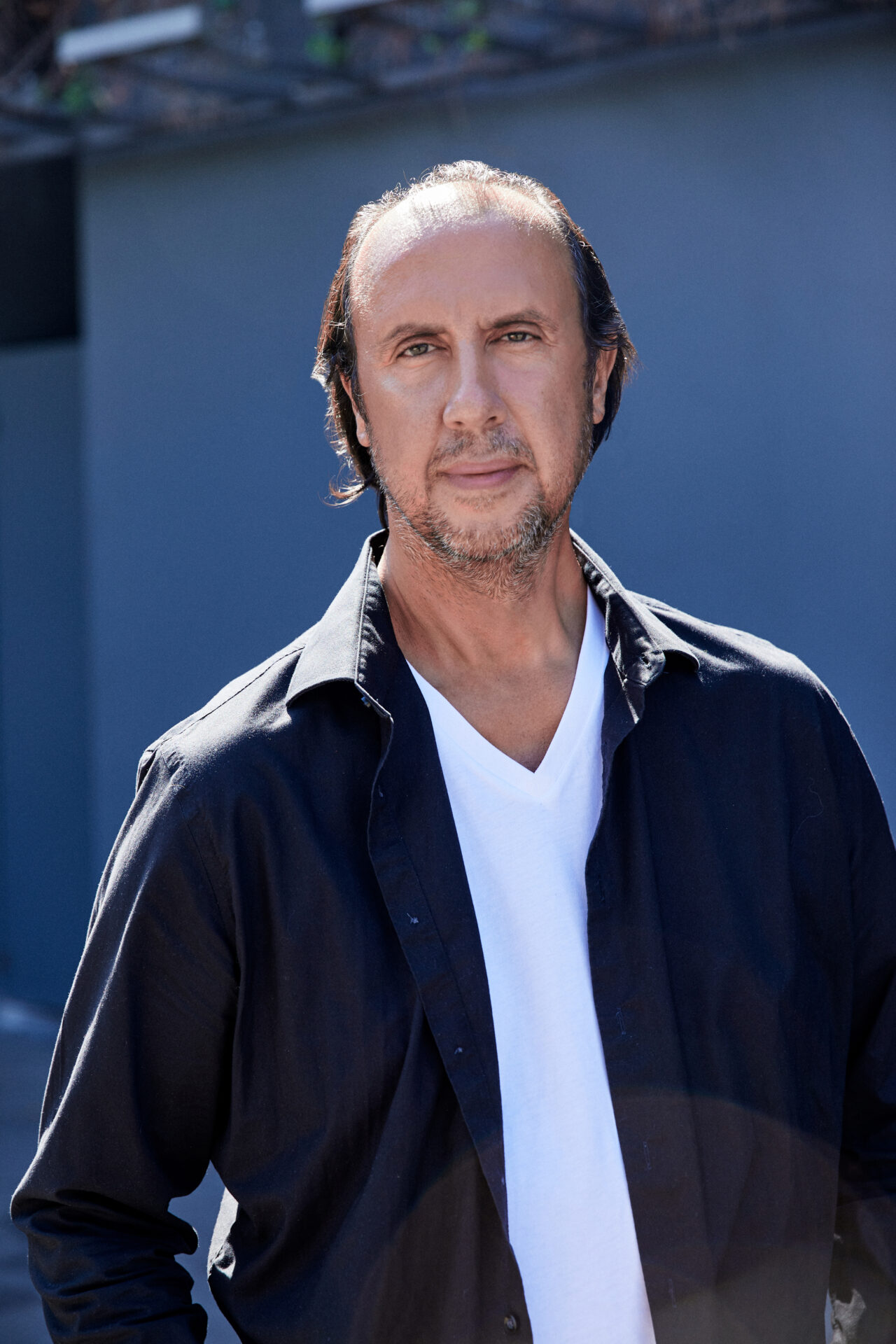
From the ateliers of Beirut to the runways of Paris Fashion Week, Tony Ward, founder and creative director of Tony Ward, has built a couture house where architectural precision meets the intricacy of the human hand. Today, his creations continue to captivate on the international stage, most recently drawing attention at the El Gouna Film Festival, where Dorra, Laila Elwi, and other Egyptian celebrities embraced his designs on the red carpet.
Yet the story behind the Tony Ward name extends far beyond its red-carpet allure. Born into a family immersed in couture, Ward grew up watching his father, Elie Ward, build a fashion house in Beirut from 1952 onward. What began as an inherited world gradually became a personal pursuit, shaped by years of learning, experimentation, and a determination to establish a design identity of his own.
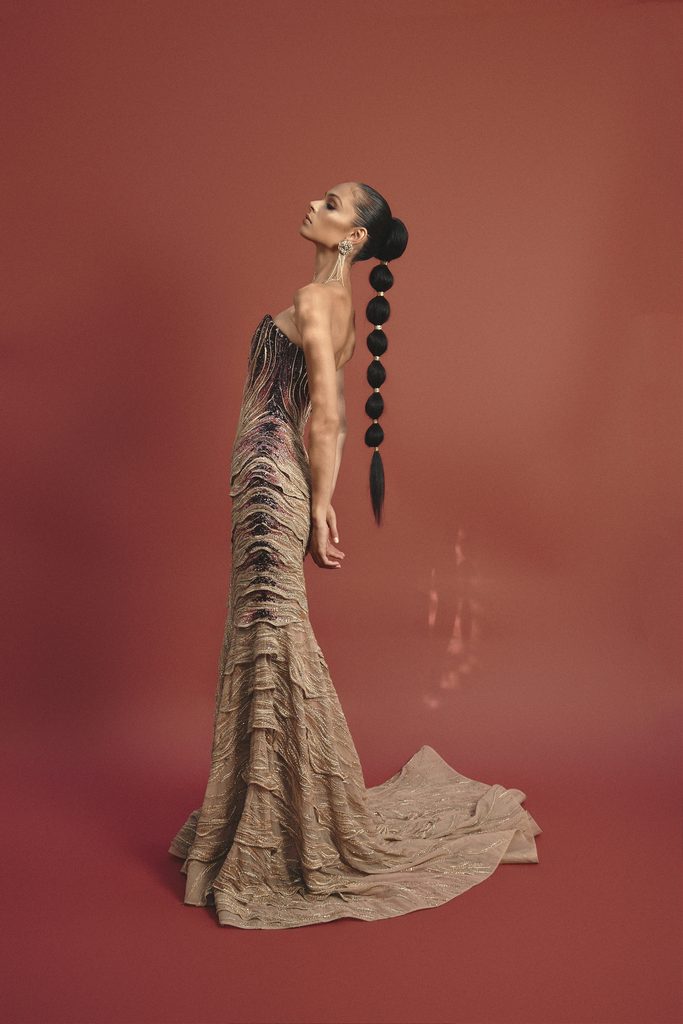
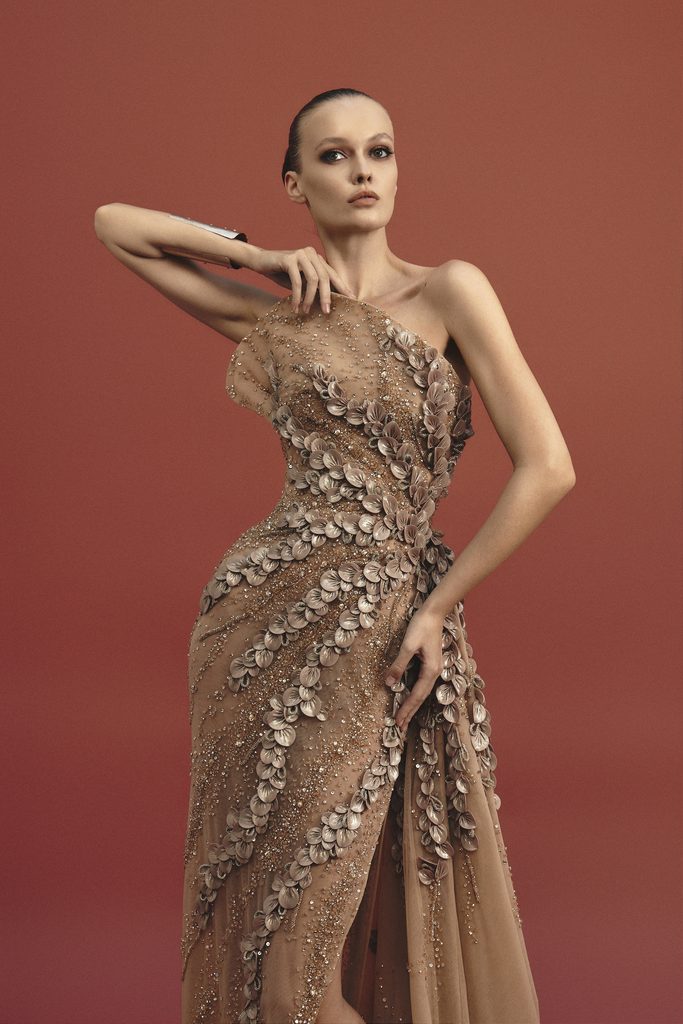
Often described as the Architect of Detail, Ward approaches fashion through the interplay of structure, transparency, volume, and meticulous construction. His formative years in Paris sharpened his technical discipline, while his return to Beirut allowed him to reinterpret his family’s savoir-faire through a distinctly individual lens. Since presenting his own couture line in 1997 and reaching the Paris Fashion Week stage in 2014, he has continued to expand the house across couture, bridal, ready-to-wear, and menswear without relinquishing its founding principles.
In an exclusive conversation with Flair Magazine, Ward reflects on the legacy that shaped him, the philosophy behind his sculptural creations, and the irreplaceable craftsmanship that couture must preserve.
1. You were born into a world of couture, with your father, Elie Ward, establishing his fashion house in Beirut in 1952. What is your earliest memory of being inside his atelier, and when did fashion begin to feel like your own calling rather than simply your family’s world?
I don’t think I have one specific first memory because the Atelier was simply part of my childhood. I grew up around fabrics, fittings, clients coming in and out, and people working with their hands all day. At first, it was just my father’s world. I think it became mine when I started becoming curious about why things were made a certain way. I wanted to understand the cut, the construction, what could be changed. That curiosity eventually became much more than something I had inherited.
2. Your father built a couture house that dressed Beirut’s high society, and you eventually transformed that legacy into an international fashion brand. What did growing up alongside him teach you about craftsmanship, women and the emotional significance of clothing that no fashion school could have taught you?
My father taught me that a beautiful dress or suit is never only about the garment. I watched how he listened to women, how he understood what made them comfortable and what gave them confidence. I also saw the patience behind the work. You can spend hours on something that may look effortless in the end. Fashion school can teach you technique, but the Atelier taught me about people, patience and respect for the savoir-faire (on another note, we still use the savoir-faire that my father used to apply until now).
3. Leaving Lebanon for Paris meant stepping into some of the most influential fashion houses in the world. What did those years teach you about the designer you wanted to become, and what did you consciously decide to do differently when you returned home?
Paris gave me discipline. I learned that creativity is important, but without technique and precision, an idea can easily get lost. Working around very established Houses also showed me how important it is to have a clear identity, but also to think outside of linear things. When I returned to Beirut, I didn’t want to copy what I had seen in Paris. I wanted to take everything I had learned and bring it back into my own world: my family’s savoir-faire, my own way of working with construction, and then eventually my own signature.
4. When you launched your own couture line in 1997, you were building on an established family legacy while trying to establish yourself as an independent designer. What was the hardest part of that transition, and when did you feel the Tony Ward identity had truly emerged?
The hardest part was probably respecting what was already there without being defined by it. I was very proud of what my father had built, but I also knew I had to make mistakes, experiment and find my own way. I don’t think there was one exact moment when I said, “Now this is Tony Ward.” It happened gradually. Over time, people started recognizing certain things in the work: the construction, the details, the way we play with transparency and volume. That is when I felt the identity was becoming clear and the DNA was being built. Step by step, stich by stitch.
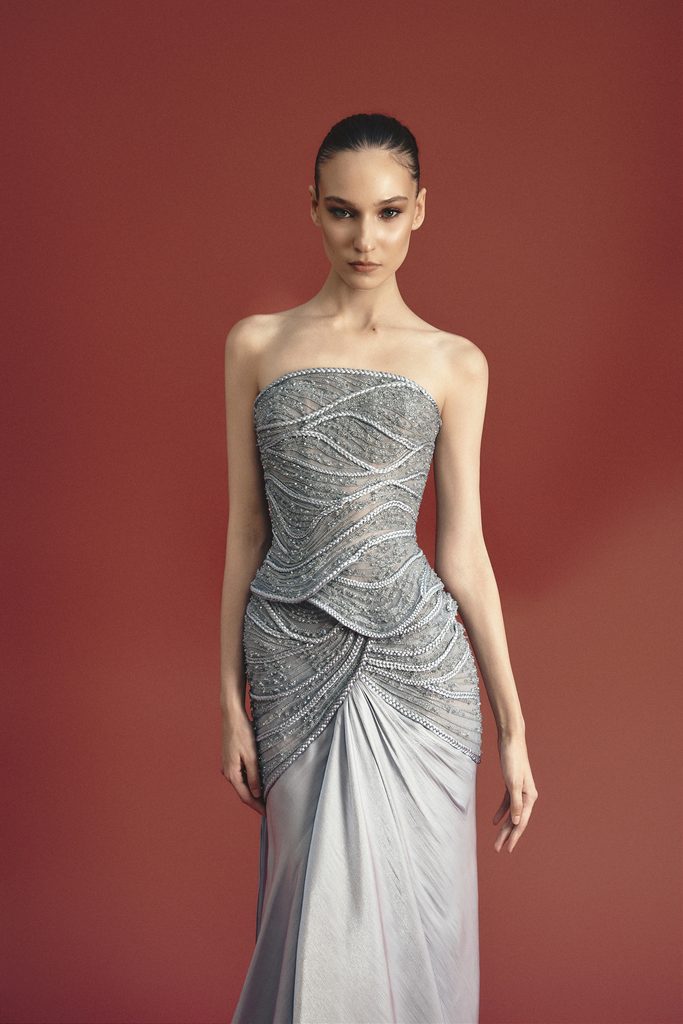
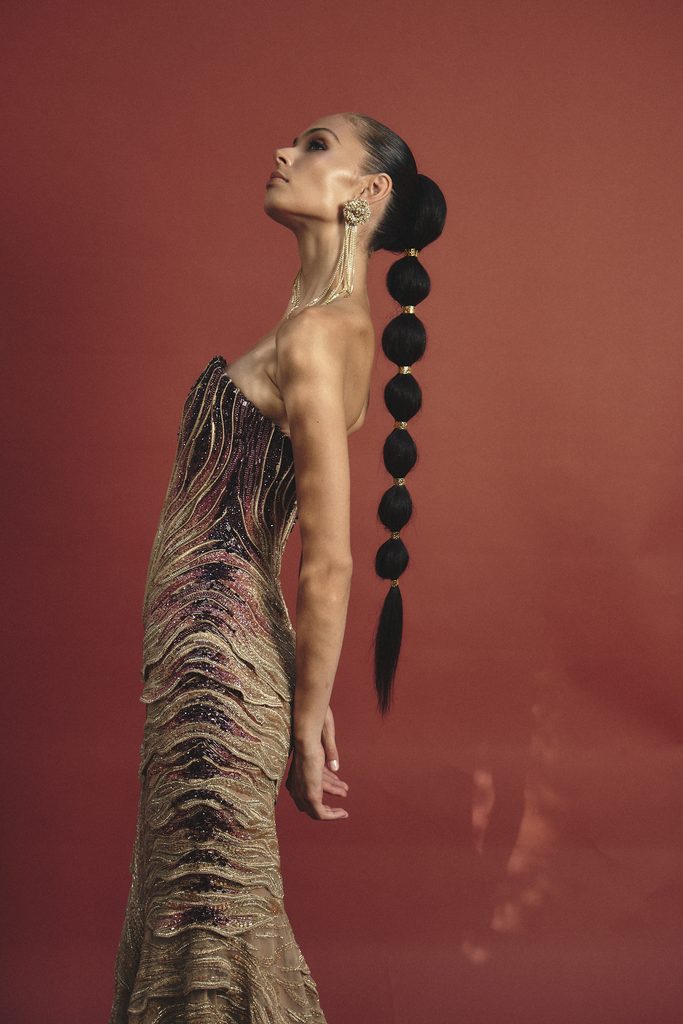
5. You are known as the “Architect of Detail,” drawing inspiration from contemporary architecture to create sculptural silhouettes, intricate construction and the interplay of light and transparency. When you begin a collection, what comes first: an architectural form, a fabric, a woman, or a story?
It changes every time. Sometimes it begins with an image, sometimes a material, a shape, a place, or even a very simple feeling. I never like starting with a fixed formula. But of course I always start thinking about the woman. How will this idea live on her body? How will she move in it? That’s when the sketch stops being just an idea and starts becoming a dress.
6. Your journey took you from showing in Rome to presenting at Paris Fashion Week in 2014. What did Paris represent for you personally, and how did presenting on that stage change the way the house was perceived internationally?
Paris has always had a very personal place in my heart because it is where I studied, worked and really discovered Couture from another perspective. So returning there later with my own name felt like closing a circle.
Presenting in Paris also gave the House a different international visibility. People who may not have known our story in Beirut were discovering the work directly. But for me, the important thing was being in Paris while still creating from Beirut. I never wanted one to replace the other.
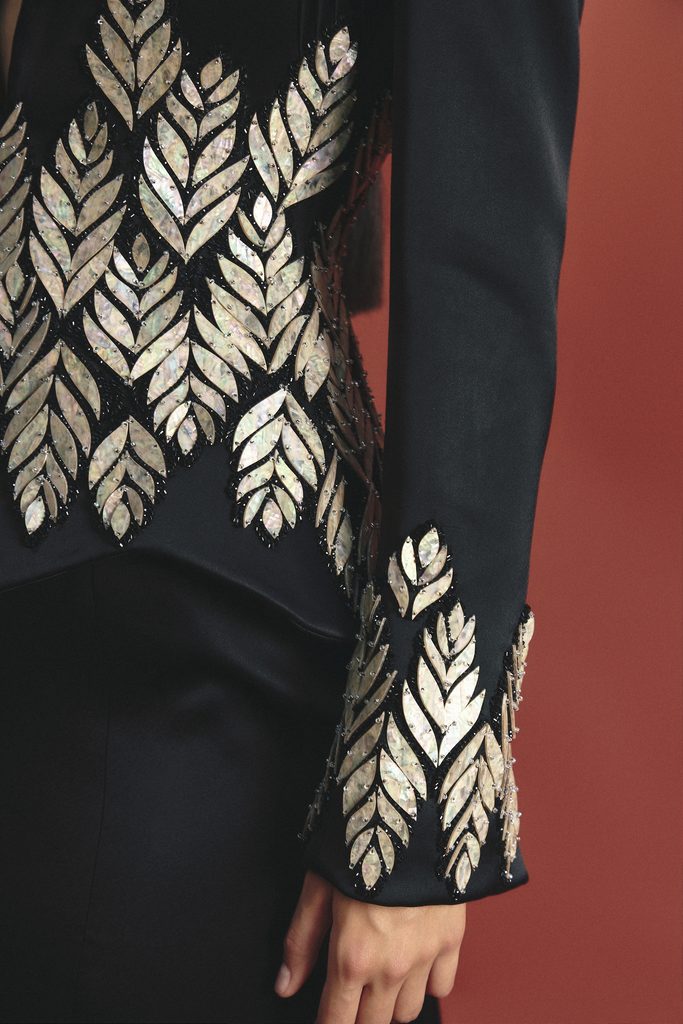
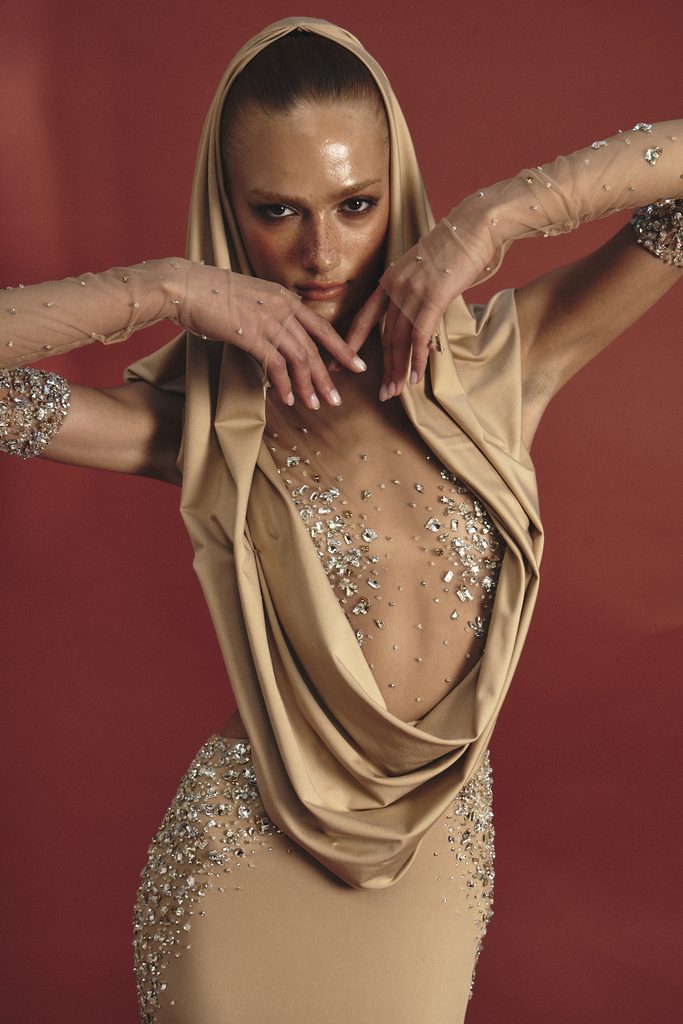
7. From the atelier to the red carpet, your creations are often chosen for moments that women want to remember for the rest of their lives. What do you hope a woman feels when she wears a Tony Ward creation, and how do you balance your artistic vision with her own personality?
I want women wearing my creation to feel like herself. Maybe a stronger version, maybe a more daring version, but still herself.
I never want the dress to wear the woman. You can create something very detailed or dramatic, but if she doesn’t feel comfortable in it, something is missing. My vision gives the dress its identity, but the woman gives it its life, its pulse. Once she puts it on, it has to become hers.
8. Couture is often discussed in terms of spectacle, but its true value lies in the hours of work, technical mastery and human hands behind every creation. In an era of fast fashion and increasingly digital design, what do you believe couture must preserve at all costs?
Couture must preserve The human hand. Technology can help us, and I am very open to it, but there are things you cannot replace. The experience of an embroiderer, the instinct of someone draping directly on a mannequin, the eye of a seamstress who immediately notices that something is one millimeter off… and this knowledge takes years to develop.
For me, Couture has to protect that knowledge and make sure it continues to be passed from one generation to another. Or else, we will lose much more than a technique.
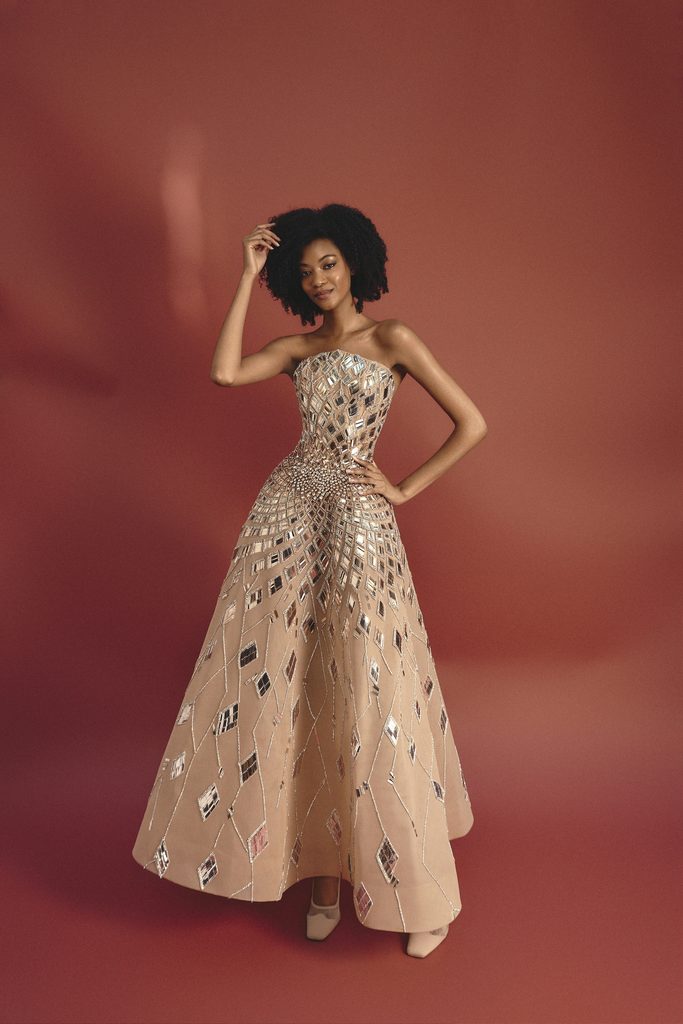
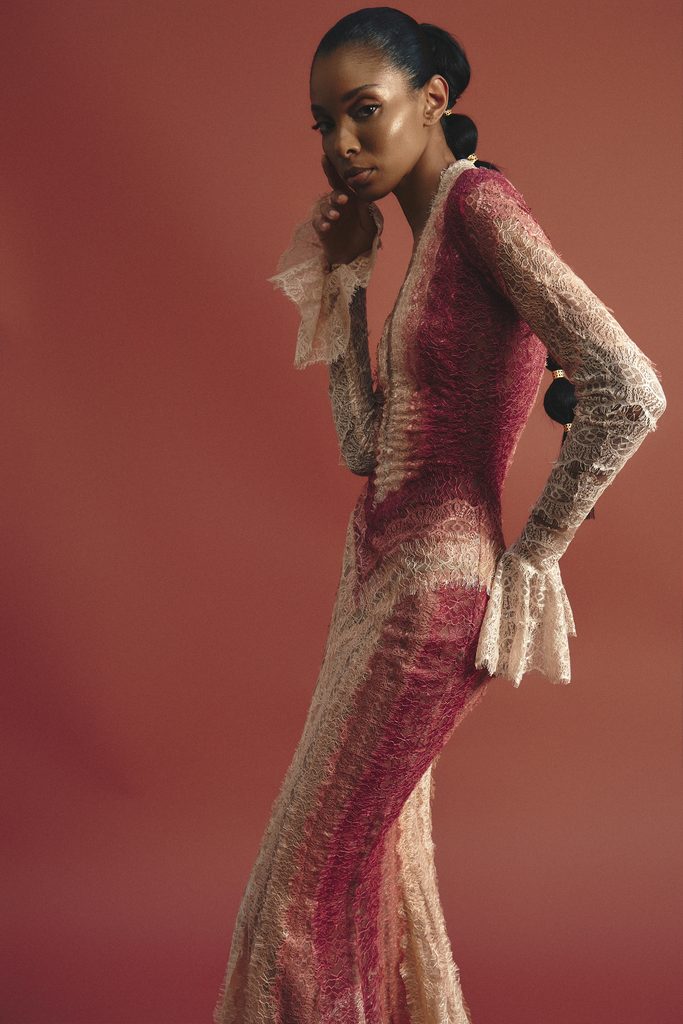
9. Over the years, the house has expanded from couture into bridal and ready-to-wear, and more recently into menswear. What inspired these new directions, and how do you ensure each expansion remains true to the original spirit of Tony Ward?
It happened very naturally. The Tony Ward woman doesn’t only exist on a Couture runway. She gets married, she travels, she works, she goes out, and she has many different moments in her life. Ready-to-Wear and Bridal allowed us to speak to those different moments.
Menswear opened another side of the House and gave us the opportunity to work with proportion, tailoring and detail in a different way.
The categories can change, but the way we approach them doesn’t. There always has to be attention to cut, craftsmanship and detail. Otherwise, there is no reason for Tony Ward to create it.
10.Your father’s legacy remains part of the house you lead today. How has your relationship with that legacy evolved over time, and how do you see the next generation carrying it forward while allowing the brand to continue evolving?
When I was younger, I think I felt more pressure to prove that I could build something of my own. With time, I understood that heritage doesn’t have to be a weight. It can be a foundation.
Today, I look at my father’s work with a different appreciation. There are techniques, values and even ways of working that still exist inside the House because of what he started.
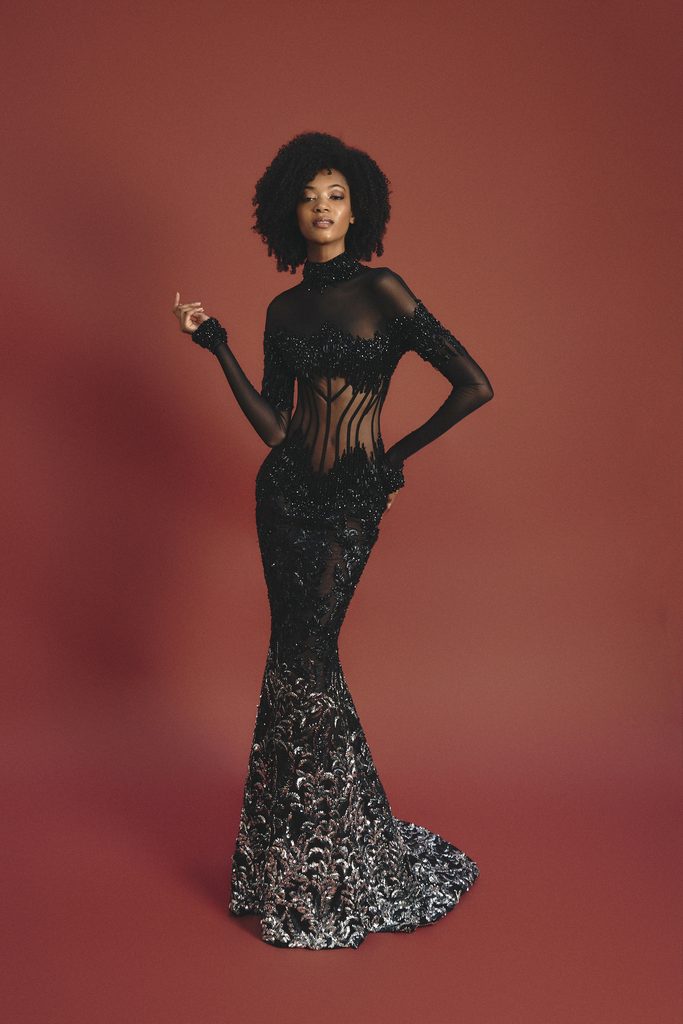
For the next generation, I don’t want them to repeat what my father did or what I did. That would defeat the purpose. I want them to understand the values behind it, to have a respect for craftsmanship, curiosity, discipline and the courage to evolve… and then take the House somewhere we haven’t imagined yet.