 Nahla Zayed
 From Washing Dishes to Stardom, His Love for Egypt and His Dream of Telling the Arab World’s Story
The Tunisian star reflects on his journey to success, his marriage in England, and the 15-year journey behind Sofia, which won Best Director at the Manchester International Film Festival.
Tunisian actor Dhafer L’Abidine looked back on his journey from the football pitches of Tunisia to washing dishes in English restaurants, before achieving stardom in Egypt and across the Arab world. He reflected on a career that was far from an easy path, describing a long journey marked by challenges, determination and the ability to turn setbacks into new opportunities for success.
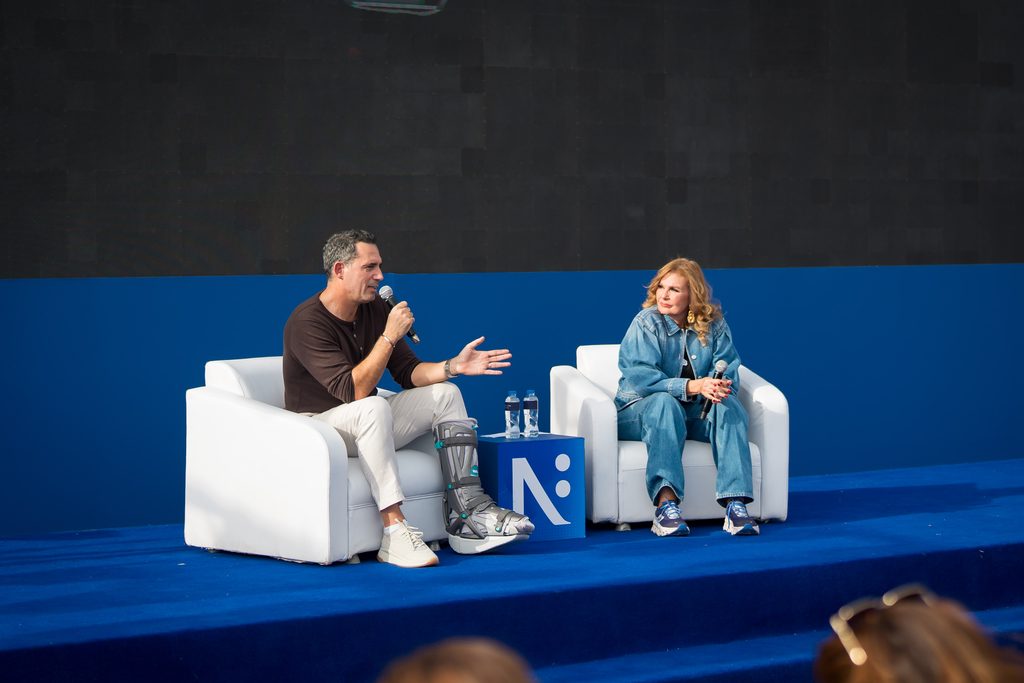
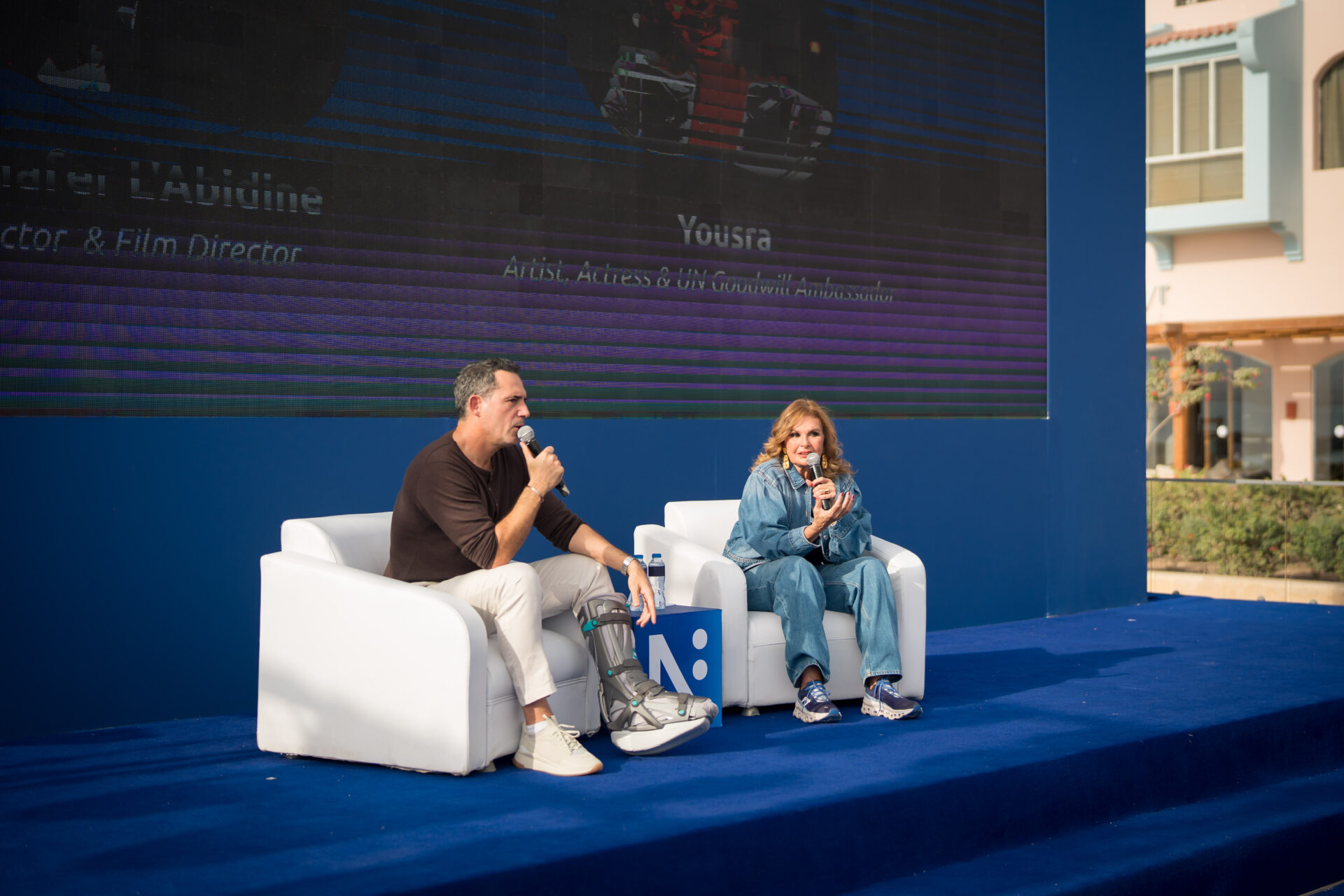
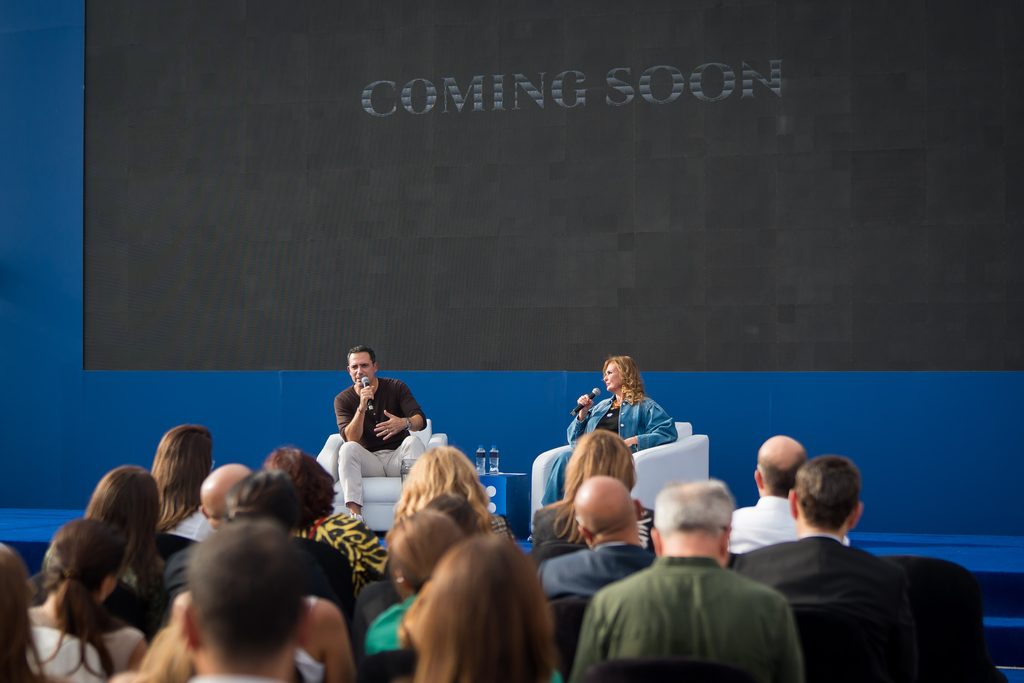
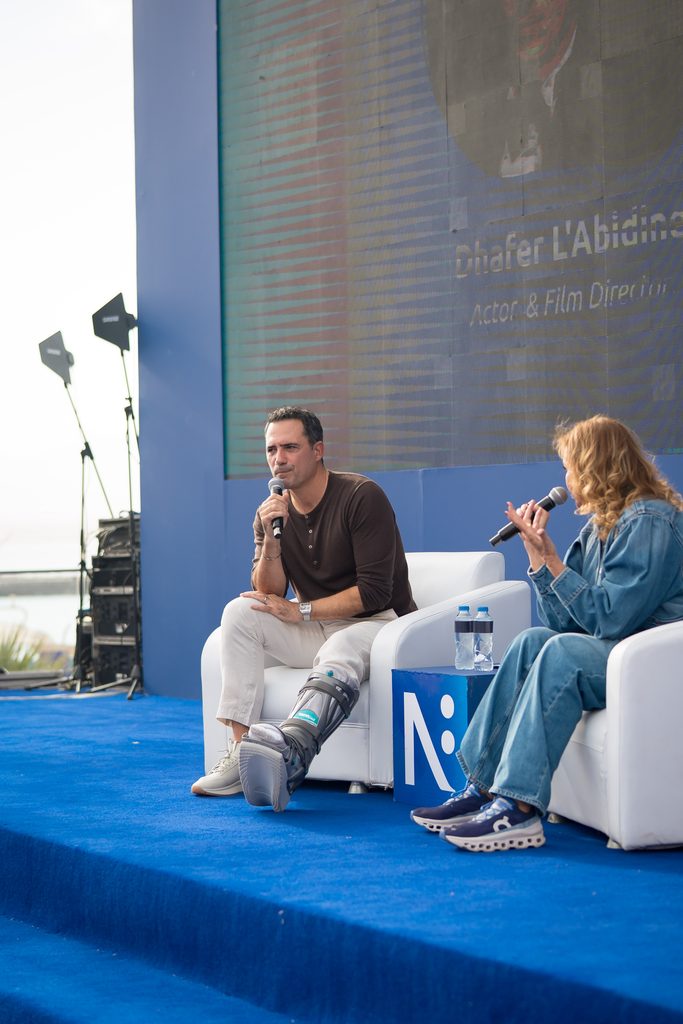
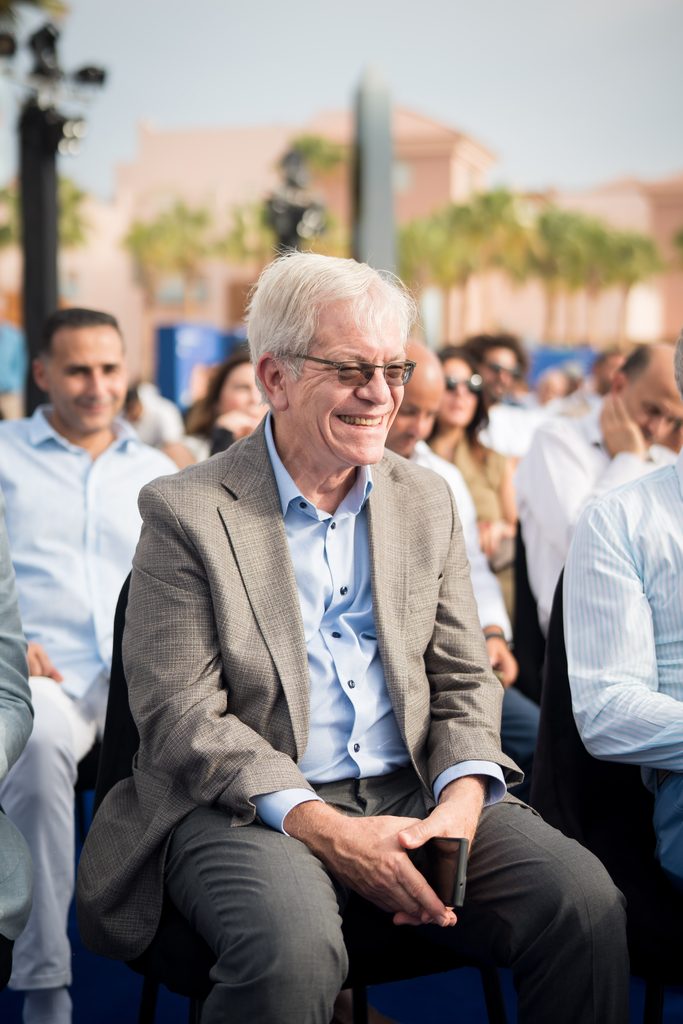
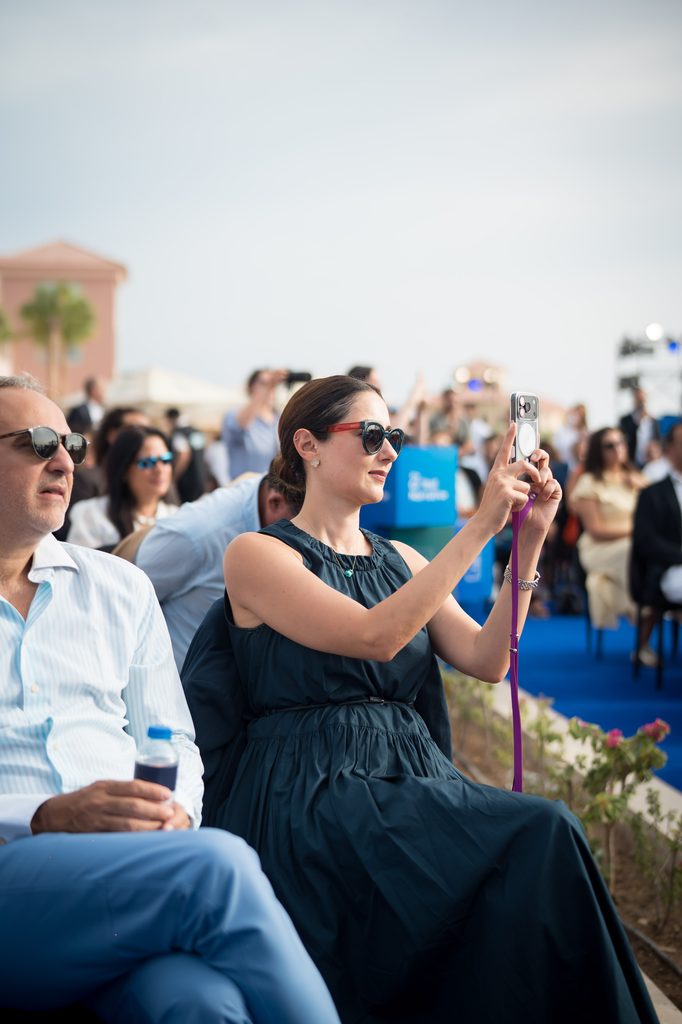
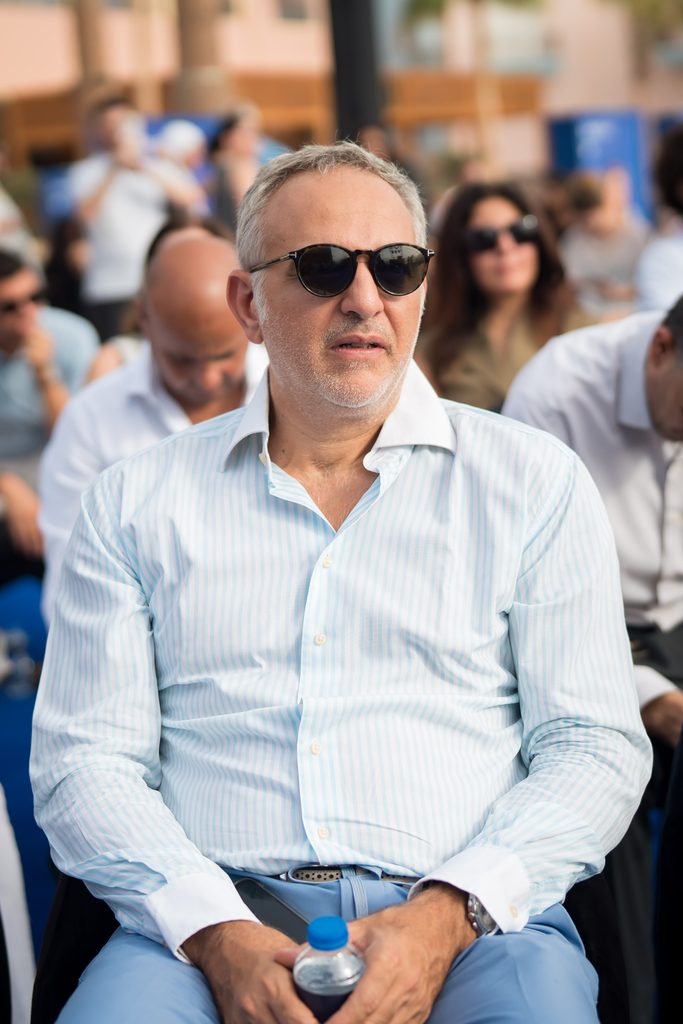
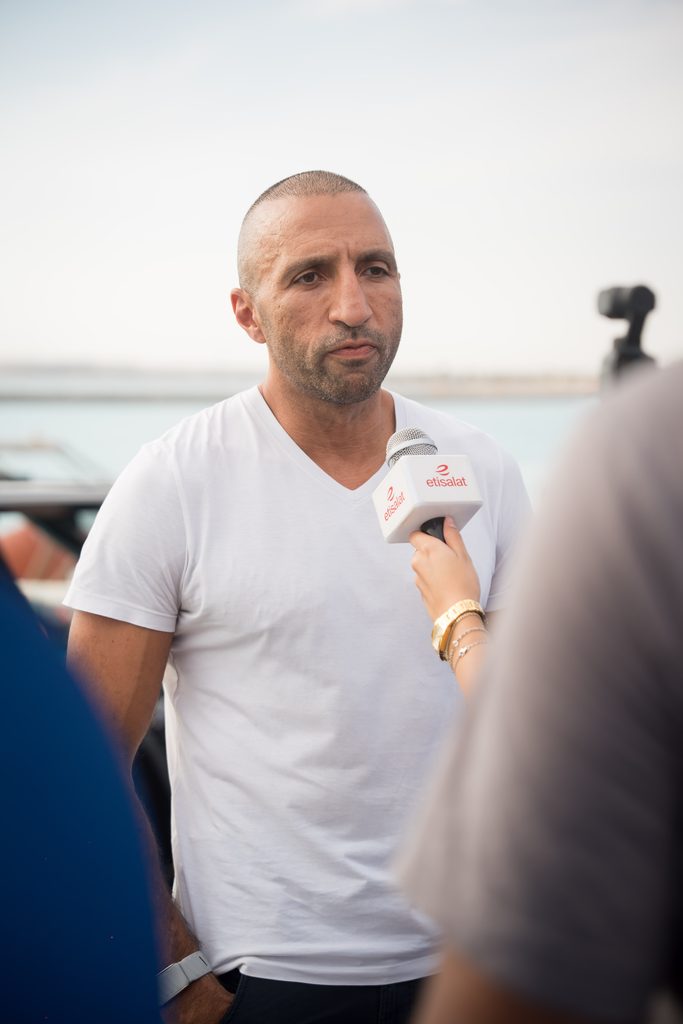
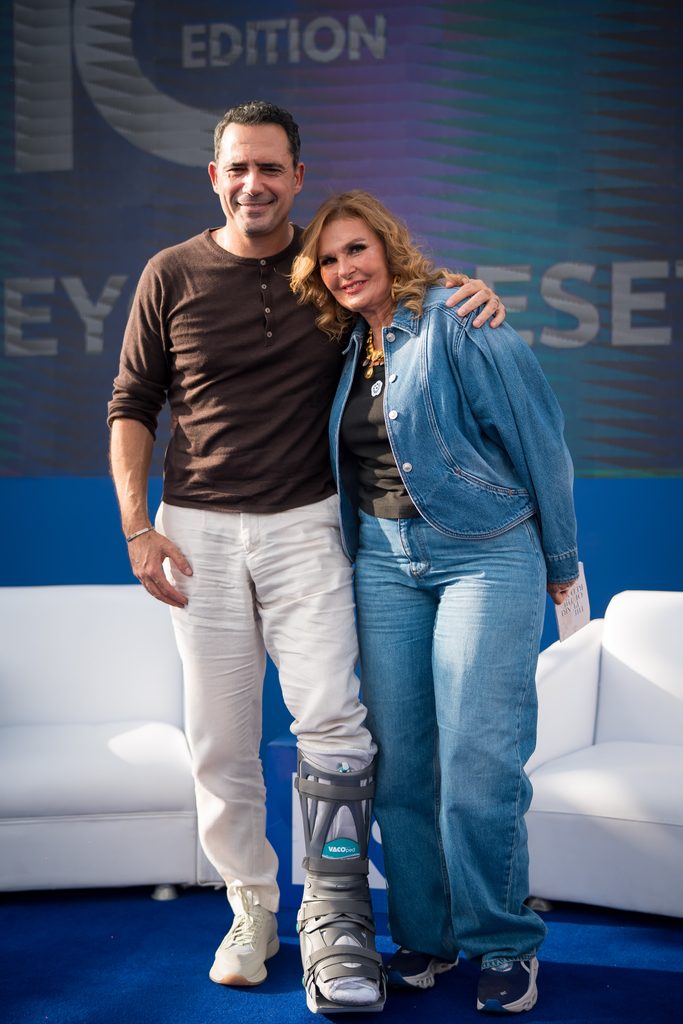
He shared these reflections during a conversation moderated by acclaimed actress Yousra at the 10th edition of Narrative Summit 2026, held at Soma Bay in Egypt’s Red Sea Governorate. During the session, L’Abidine discussed the defining moments that shaped him both professionally and personally, his relationship with his British wife, Joanne Farrell, and his deep affection for Egypt, where he says he has never felt like a stranger. He also spoke about his ambition to create a major Arab production that reflects the strength and civilisation of the Arab world to an international audience.
Dhafer L’Abidine: My First Dream Was to Become a Professional Footballer
L’Abidine recalled his early years in Tunisia, explaining that football had been his first passion since childhood. He played for Espérance Sportive de Tunis and dreamed of becoming a professional footballer, until an injury and complications related to his sporting career forced him away from the pitch.
He described this period as a difficult turning point, having to let go of a dream he had pursued for years. Determined to find a new direction, he turned to modelling before discovering that his true ambition lay in acting and cinema.
His love of film, he explained, began in childhood. His family owned a video rental shop, where he regularly watched films, an experience that helped shape his early connection with cinema.
He later began working as an assistant director in Tunisia, taking his first steps into the film industry. An experience working with a British team eventually encouraged him to move to England to study acting professionally.
From Washing Dishes in England to Pursuing an Acting Career
L’Abidine spoke about the difficulties he faced after moving to England in 1999. He arrived in a country whose language he did not speak fluently and with limited financial means. To cover his living expenses and study English, he worked washing dishes in restaurants and serving customers.
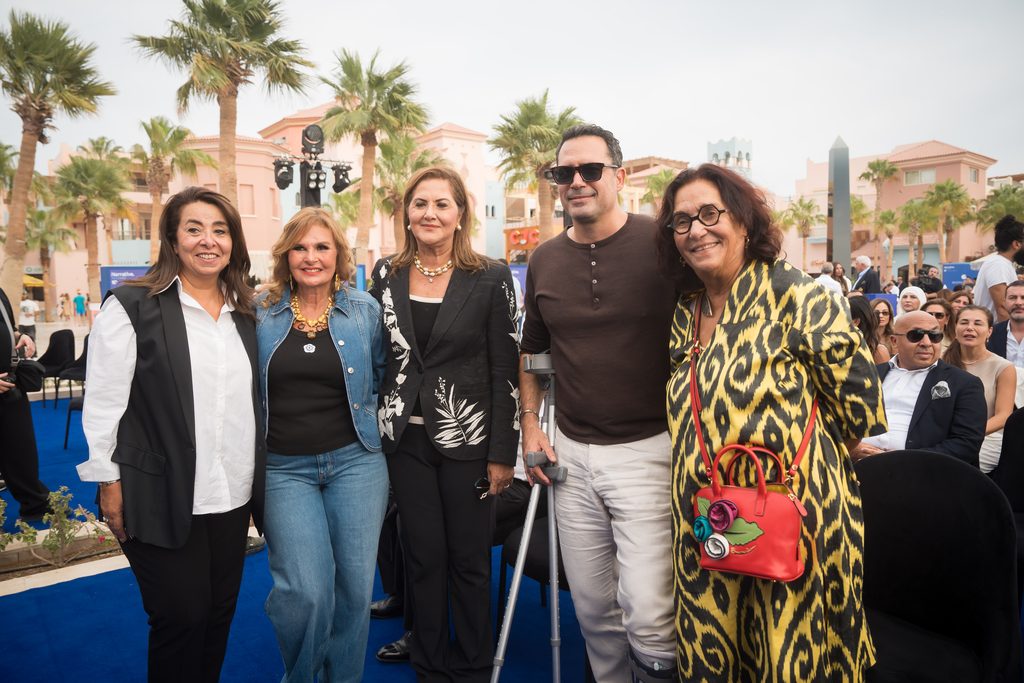
He also faced challenging living conditions and shared accommodation with others to keep costs down. Despite the difficulties of living abroad, he remained committed to his ambition and refused to give up.
The experience, he explained, taught him patience, discipline and self-reliance. He never considered working in modest jobs something to be ashamed of; instead, it was a means of continuing towards his dream.
He went on to study at Birmingham School of Acting, graduating in 2002. He subsequently secured an important opportunity in the British television series Dream Team, in which he played a footballer. His previous sporting experience became one of the factors that helped him begin his acting career in Britain.
Dhafer L’Abidine on His Love Story and Marriage to Joanne Farrell
L’Abidine also shared the story of his relationship with his British wife, actress Joanne Farrell. They first met while working on the British television series Dream Team. Several months later, they met again during a television appearance to promote the show. Their friendship gradually developed into a romantic relationship, culminating in marriage around five years later.
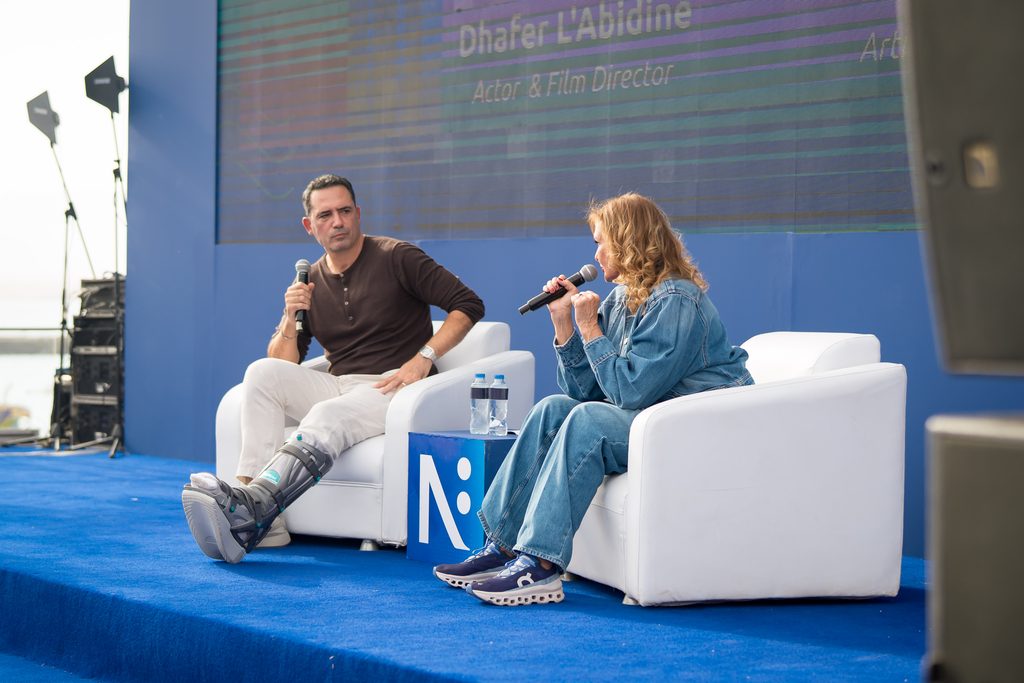
He explained that differences in nationality, culture and language never stood in the way of their relationship. Instead, understanding, friendship and mutual respect became its foundation.
He also noted that love alone is not enough to sustain a marriage. Communication, listening and mutual understanding are equally important, particularly when balancing the pressures of work and everyday life.
Their daughter, Yasmin, is an important source of happiness and stability in his family life. For L’Abidine, professional success holds greater meaning when there is a family with whom to share both its achievements and challenges.
Dhafer L’Abidine: I Love Egypt and Have Never Felt Like a Stranger Here
L’Abidine described his move into Egyptian television drama as a major turning point in his career. His Egyptian debut came in Vertigo in 2012, opposite actress Hend Sabry, opening the door to a wider Egyptian and Arab audience.
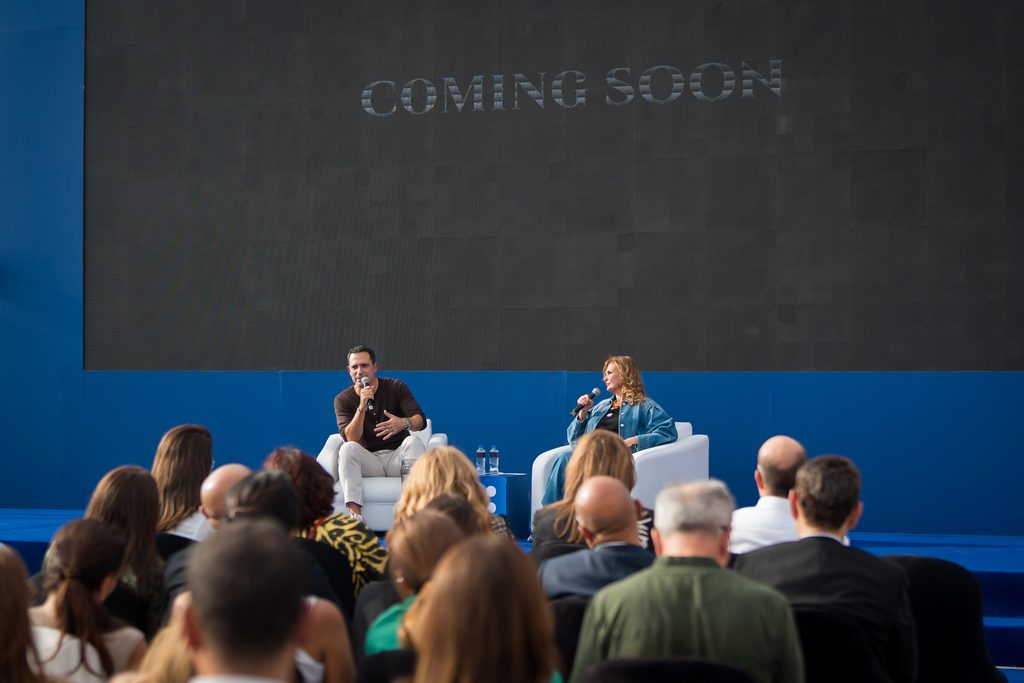
He spoke passionately about his love for Egypt, emphasising that he has never felt like a stranger since arriving in the country. Instead, he found himself among people who welcomed him as one of their own and offered him affection and support, playing an important role in his success and growing recognition.
Egypt, he explained, became far more than a place to work. It became an integral part of his life and identity. He also expressed his pride in the long-standing legacy of Egyptian cinema and its enduring influence across the Arab world.
His participation in prominent Egyptian productions, including Taht El Saytara, Halawet El Donia and Layali Eugenie, gave him the opportunity to work alongside leading actors and directors, while helping him develop his craft and portray a wider range of characters.
He emphasised that Egyptian audiences have been among the key factors behind his success, adding that Egypt will continue to be a major centre of Arab soft power thanks to its artistic, cultural and civilisational heritage.
Sofia: A 15-Year Dream Wins Best Director in Manchester
L’Abidine reflected on Sofia, a film he wrote, directed, produced and starred in, describing it as one of the most important cinematic projects of his career and one he had waited many years to bring to life.
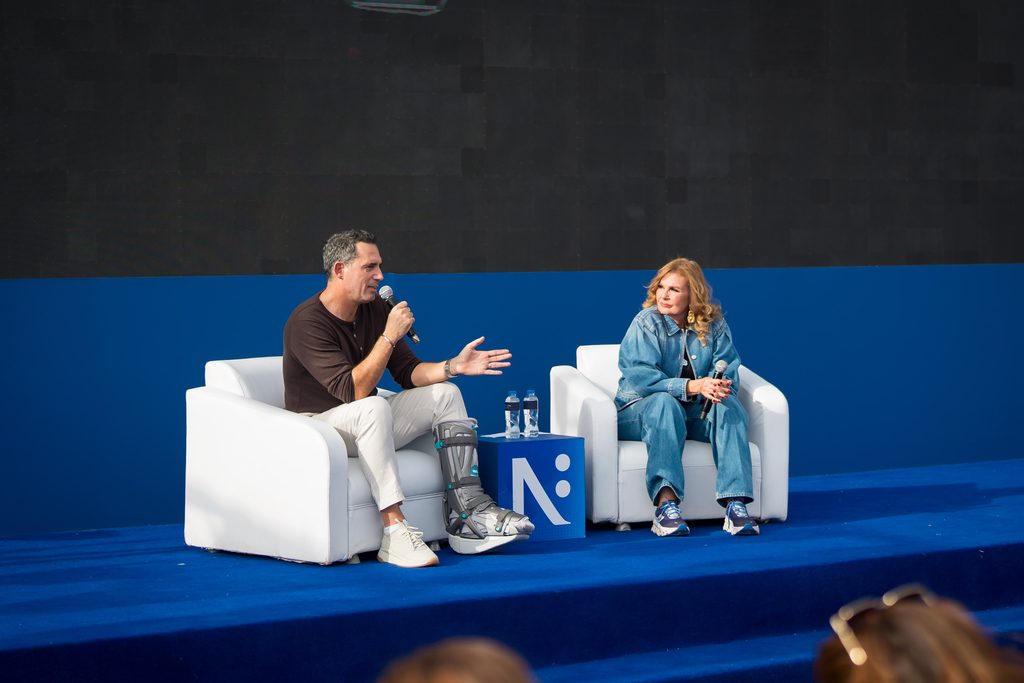
The idea remained with him for around 15 years before he was finally able to realise it, despite the production and creative challenges involved. The film brings together Tunisian and British cinema through a compelling human story set between London and Tunisia.
The story centres on a family whose relationships and secrets become increasingly entangled following the mysterious disappearance of a young girl. Through this premise, the film explores human themes that extend beyond differences in culture and nationality.
L’Abidine expressed his happiness at winning the Best Director award for the film at the 12th edition of the Manchester International Film Festival in the United Kingdom in March 2026. He described the recognition as the result of years of work and determination to bring a long-held creative vision to the screen.
The success of Sofia, he added, strengthened his belief in the ability of Arab cinema to compete internationally and bring its stories to audiences from different cultures and communities.
Dhafer L’Abidine: We Are Best Placed to Tell the World the Story of the Arab World’s Strength
L’Abidine spoke about his ambition to create a major Arab production that showcases the strength, history, civilisation and human and cultural contributions of the Arab world, reaching international audiences in a way that reflects the region’s talent and potential.
He emphasised that the Arab world is rich in success stories, influential figures and historical milestones worthy of major film and television productions. Arabs, he argued, are best placed to tell their own stories and express their cultural influence and strengths, rather than leaving others to shape their image for the world.
His artistic ambitions, he explained, extend beyond achieving further personal success. He hopes to contribute to Arab productions that cross geographical boundaries, compete in international markets and highlight the region’s cultural, human and creative heritage.
L’Abidine also expressed his pride in participating in Narrative Summit and speaking before a distinguished gathering of figures representing Egypt’s soft power, with acclaimed actress Yousra moderating the session. He reaffirmed his appreciation for Egyptian art and its historic role in shaping the Arab collective consciousness.
He concluded by emphasising the exceptional ability of art to bring people closer together and bridge differences in culture and language. Sharing Arab stories with the world, he said, presents a genuine opportunity to strengthen the region’s cultural presence and demonstrate the ability of Arab talent to create impactful work that reaches audiences around the globe.