 Mariyam Meeran
 Some hotels are a place to sleep. Others are a reason to book the trip. The properties on this list belong to the second category – small, design-obsessed hotels where every surface, shadow, and sightline has been considered, and where the building itself becomes the main character of the vacation.
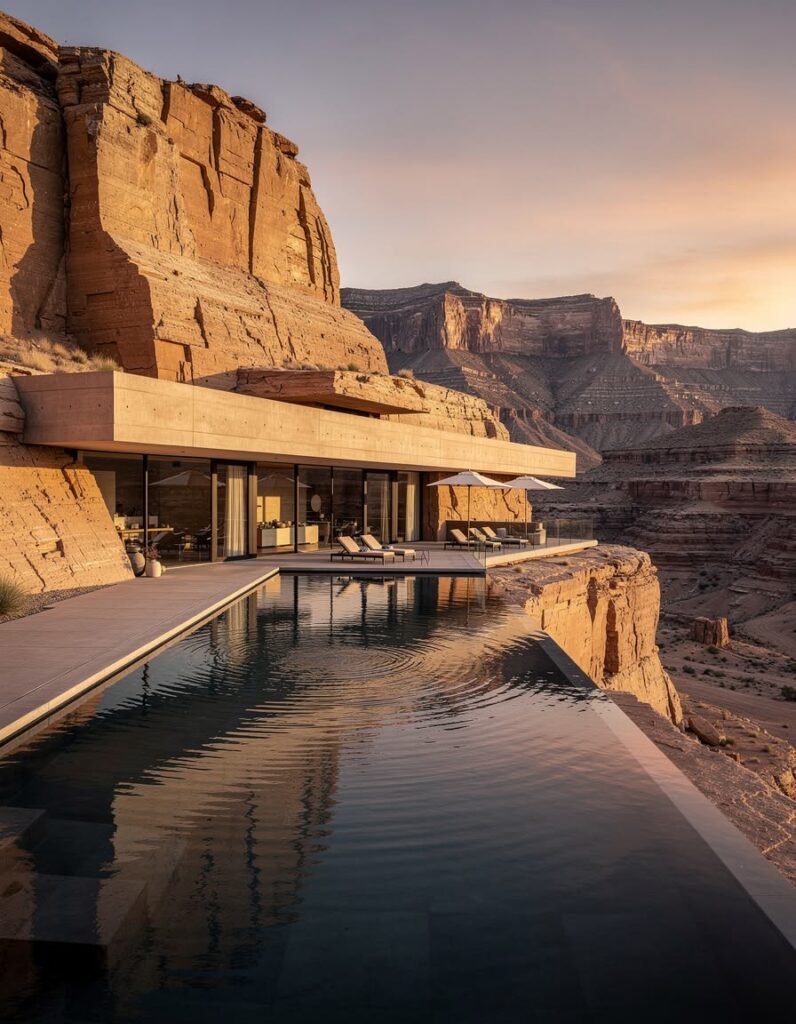
Amangiri, Utah, USA Carved into the folds of the high desert near Lake Powell, Amangiri disappears into its own landscape. Poured-concrete walls echo the surrounding mesas, and the pool wraps around a single sandstone monolith left untouched during construction. It’s less a hotel than a meditation on scale and stillness.
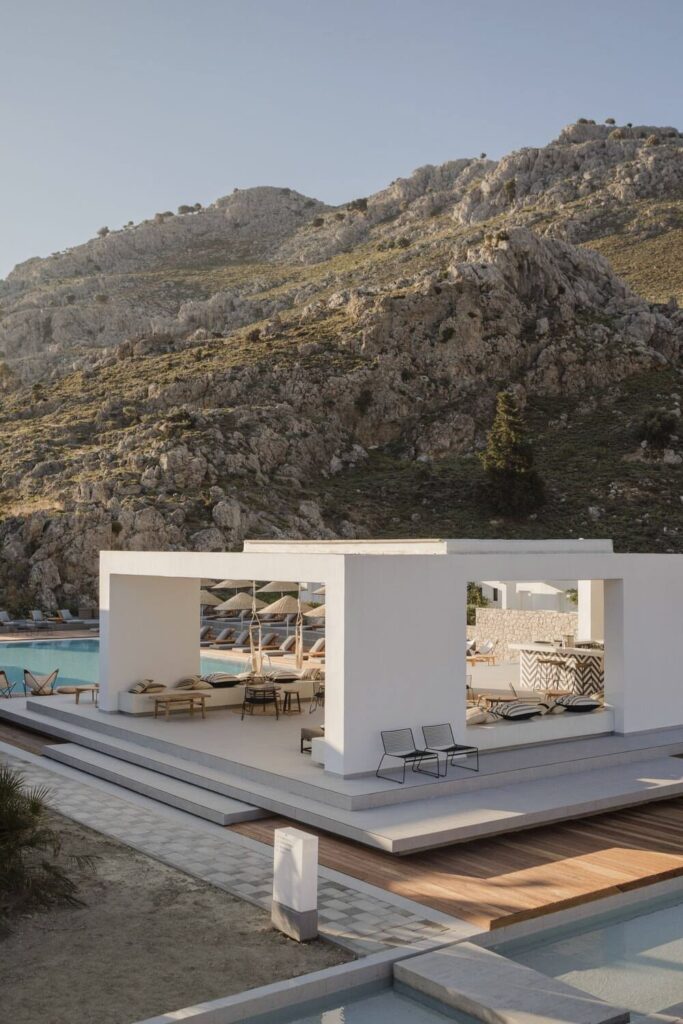
Casa Cook, Kos & Rhodes, Greece Casa Cook trades whitewashed Cycladic cliché for something earthier – raw plaster walls, rattan furniture, and interiors that feel more like a well-traveled friend’s beach house than a resort. The bohemian-luxe aesthetic has become genuinely influential in Mediterranean hotel design over the past decade.
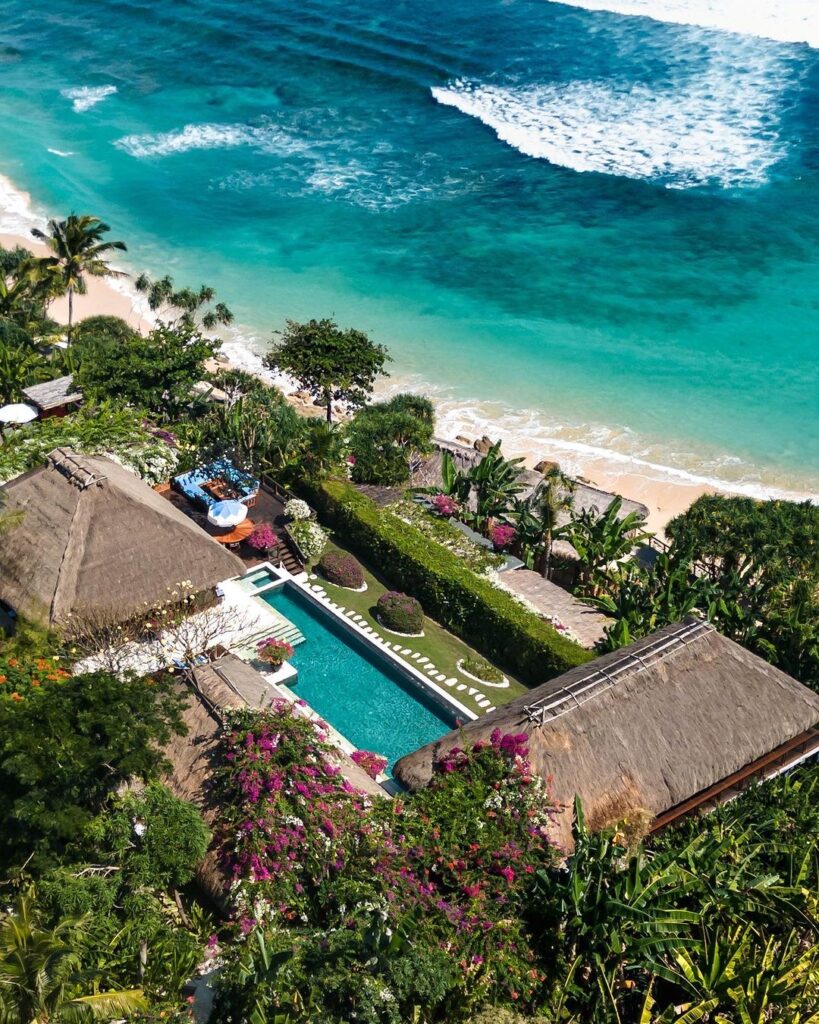
Nihi Sumba, Indonesia Thatched-roof villas, open-air bathrooms, and a private surf break most guests will never see another soul on – Nihi Sumba pairs barefoot-luxury design with total remoteness. Getting there takes real effort, which is precisely the point.
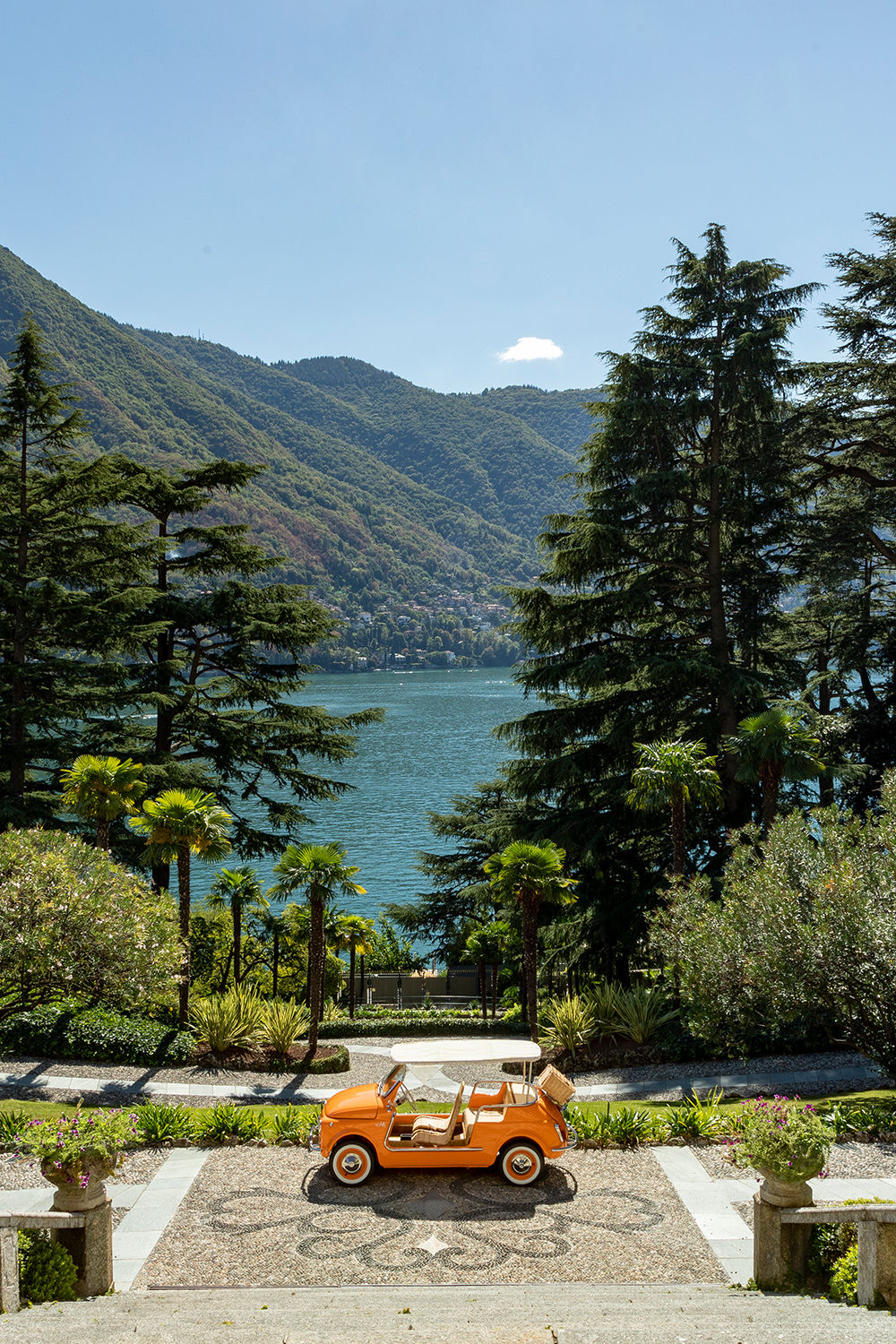
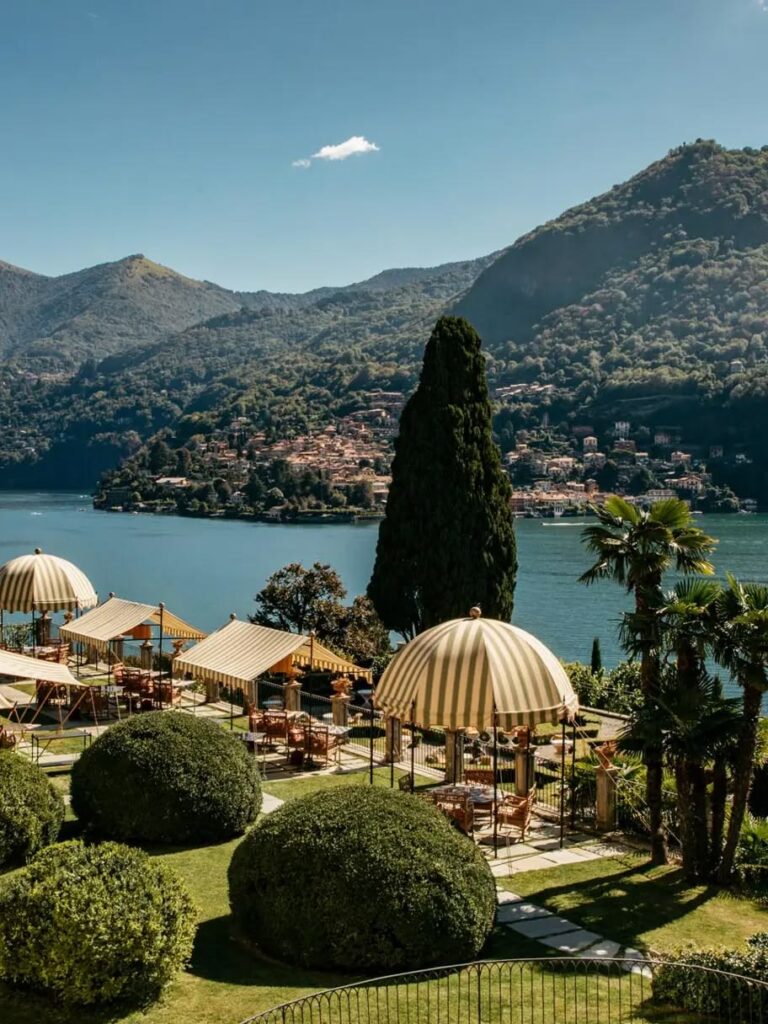
Passalacqua, Lake Como, Italy
An 18th-century villa reimagined for the design set, Passalacqua pairs frescoed ceilings and antique furnishings with a level of restoration precision usually reserved for museums. It’s proof that old-world grandeur and contemporary design sensibility aren’t opposites, just a matter of the right hand doing the editing.
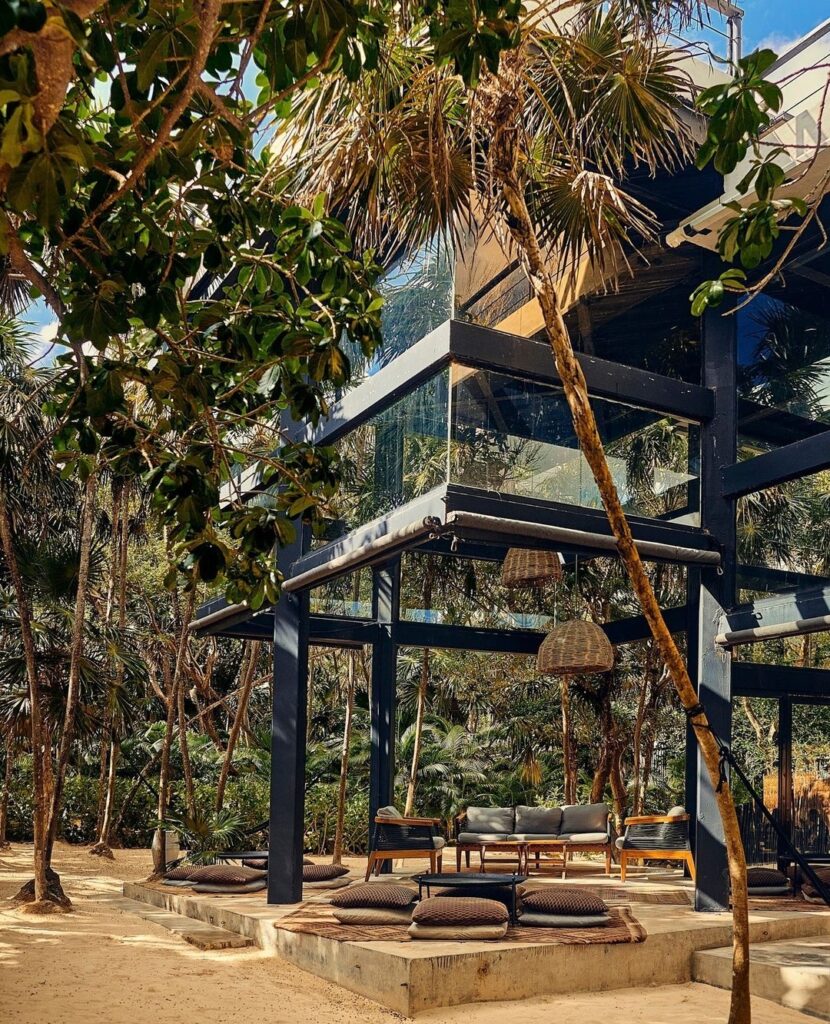
Habitas Tulum, Mexico Built from reclaimed wood and canvas tents nestled into jungle, Habitas Tulum turned “sustainable” into a design language rather than a marketing line. Communal firepits and open-sided lounges make the architecture feel like it’s barely there.
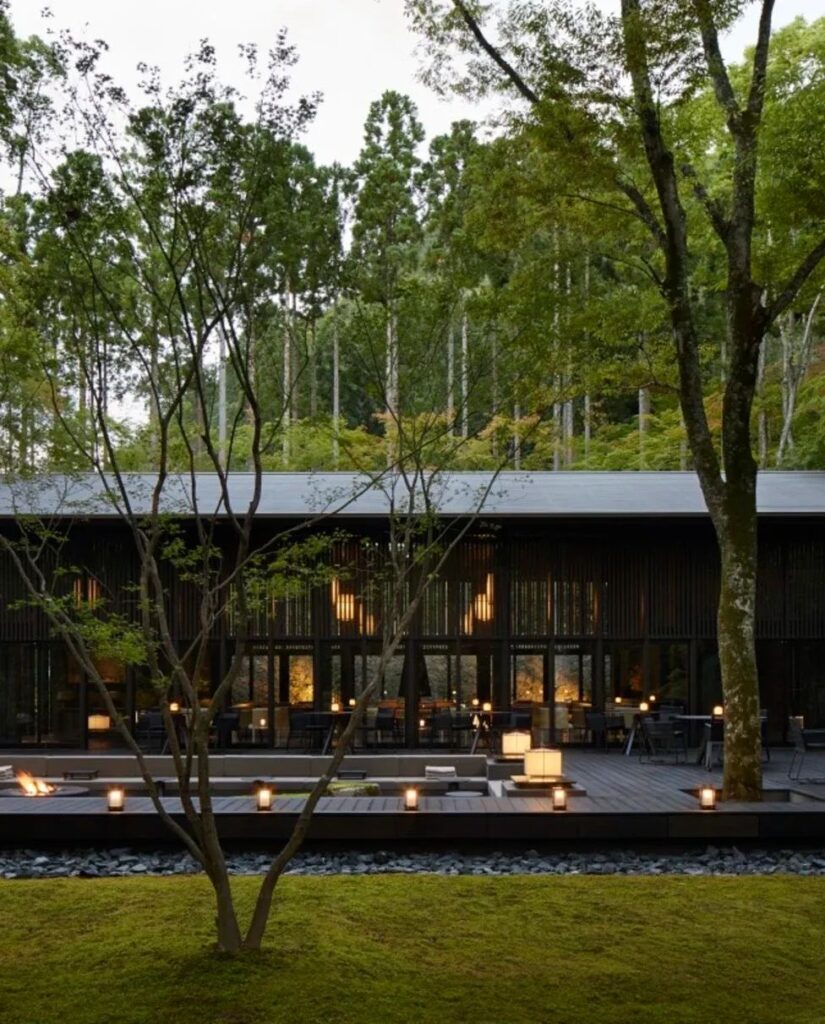
Aman Tokyo, Japan High above the city, Aman Tokyo channels traditional Japanese design – washi paper screens, engawa corridors, a soaring lobby lit like a temple – into thirty-three floors of restrained modern luxury. It’s a masterclass in doing more with less.
What unites these hotels isn’t a shared style, but a shared conviction: that architecture and interiors can be as much a part of a destination as the destination itself. Book the flight for the place. Stay for the building.