 Mariyam Meeran
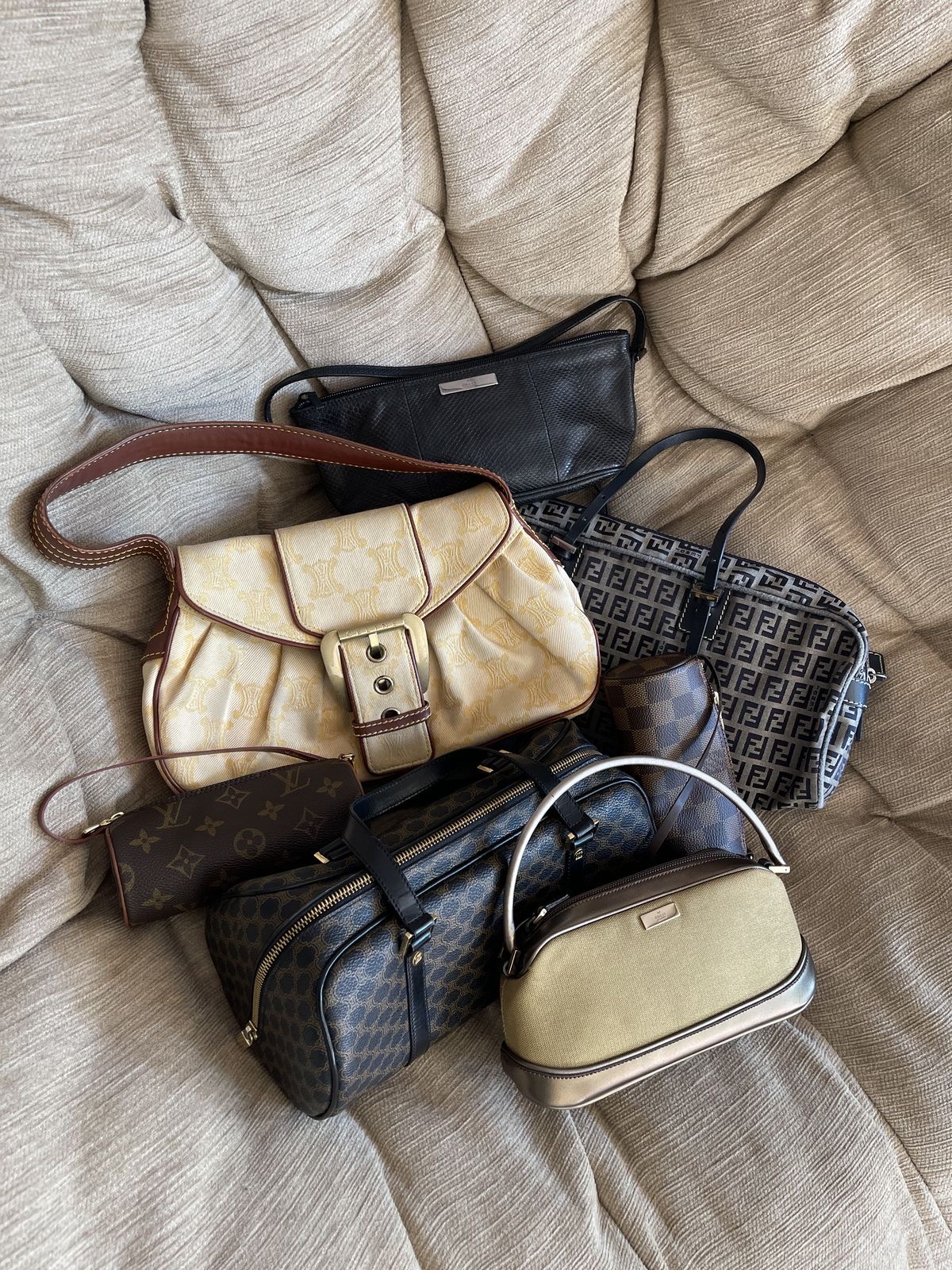
 There was a time when buying secondhand meant settling for less than the real thing. A pre-owned handbag was a workaround, tucked away with an unspoken apology. That era is over. Today, a vintage Chanel flap bag or a rare Rolex bought on the resale market isn’t a consolation prize – it’s often the more coveted purchase, carrying a story and scarcity that a brand-new item from a boutique shelf simply can’t match.
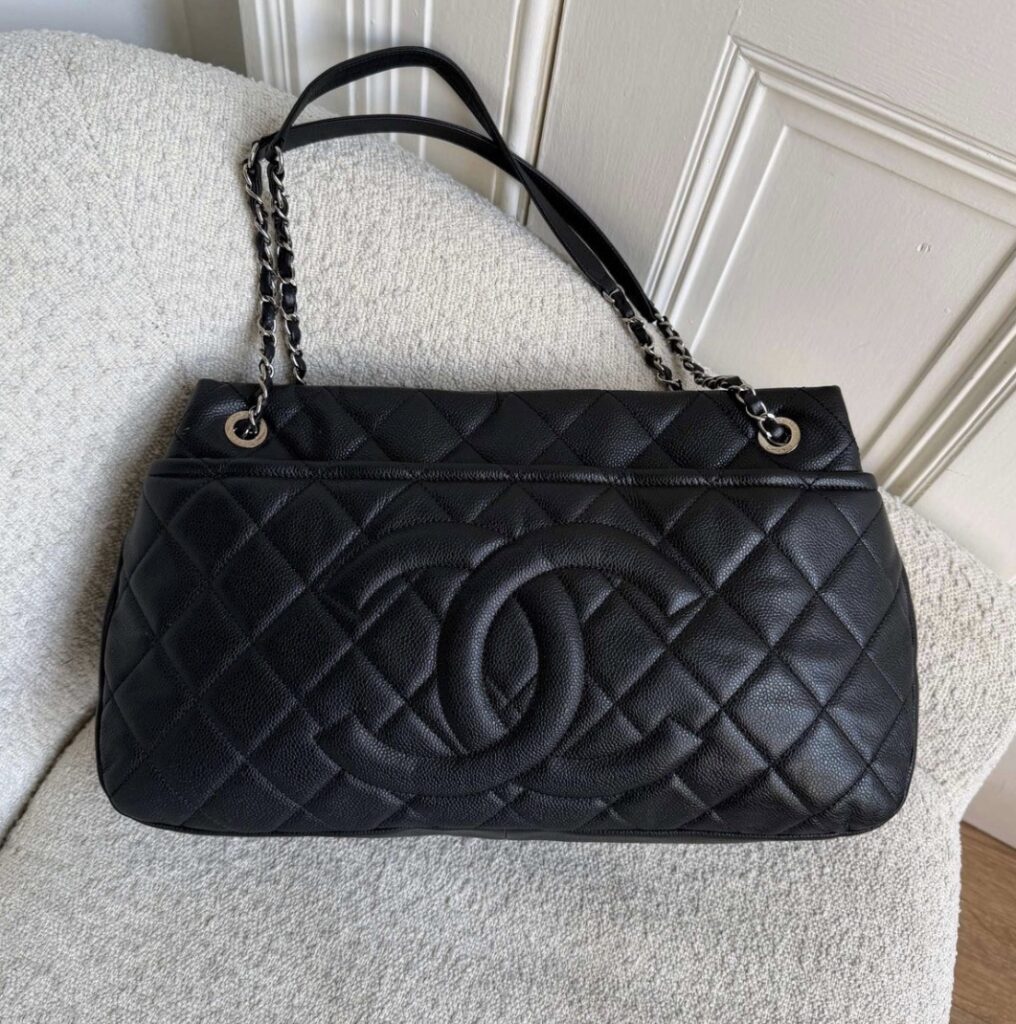
The shift didn’t happen overnight. It’s the product of several forces converging: a generation raised on sustainability messaging, the rise of authentication technology that removed the fear of counterfeits, and a cultural pivot toward individuality over uniformity. Owning something exactly like everyone else who walked into the flagship store this season has started to feel less impressive than owning something that took hunting to find.
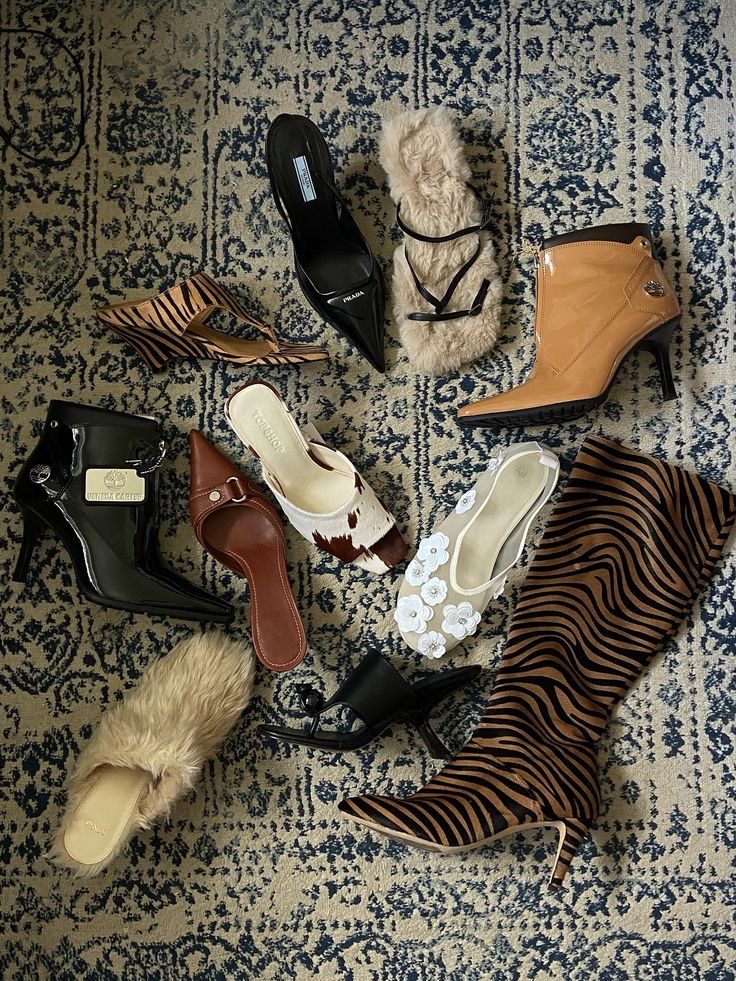
Platforms built specifically for authenticated luxury resale have turned what used to be a flea-market gamble into a polished, trustworthy experience. Professional authentication teams, condition grading, and price transparency have given buyers the confidence that was once reserved for retail. The result is a market that behaves less like a discount bin and more like an auction house – complete with waitlists for the right vintage pieces.
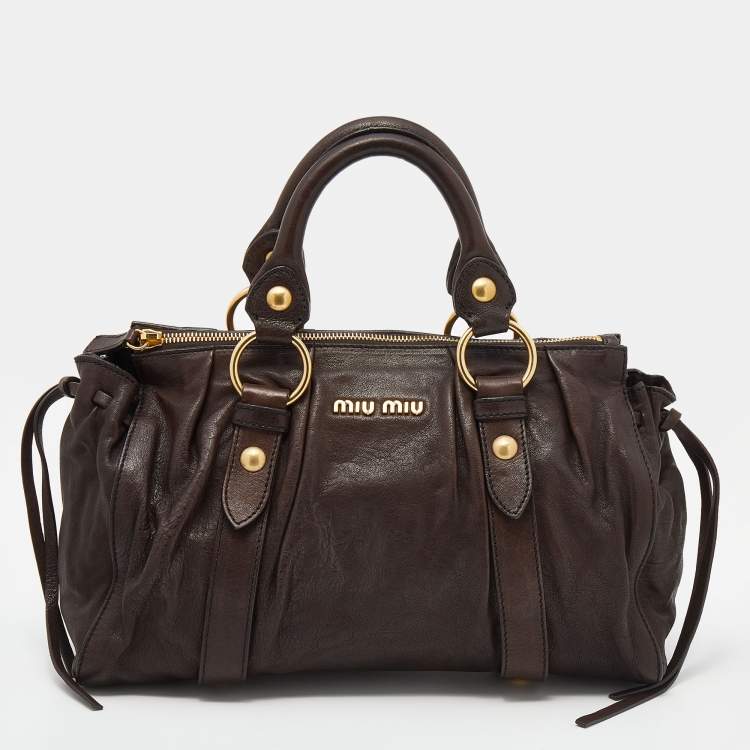
Part of what makes resale luxury so desirable is that many of the most sought-after items are discontinued, limited-run, or from an era a brand no longer produces. A boutique can restock a current-season bag; it cannot restock a 1990s Hermès piece in a color that’s been retired for decades. That unrepeatability has become its own kind of currency. Wearing something rare signals taste and knowledge – a discernment that money alone can’t buy at retail.
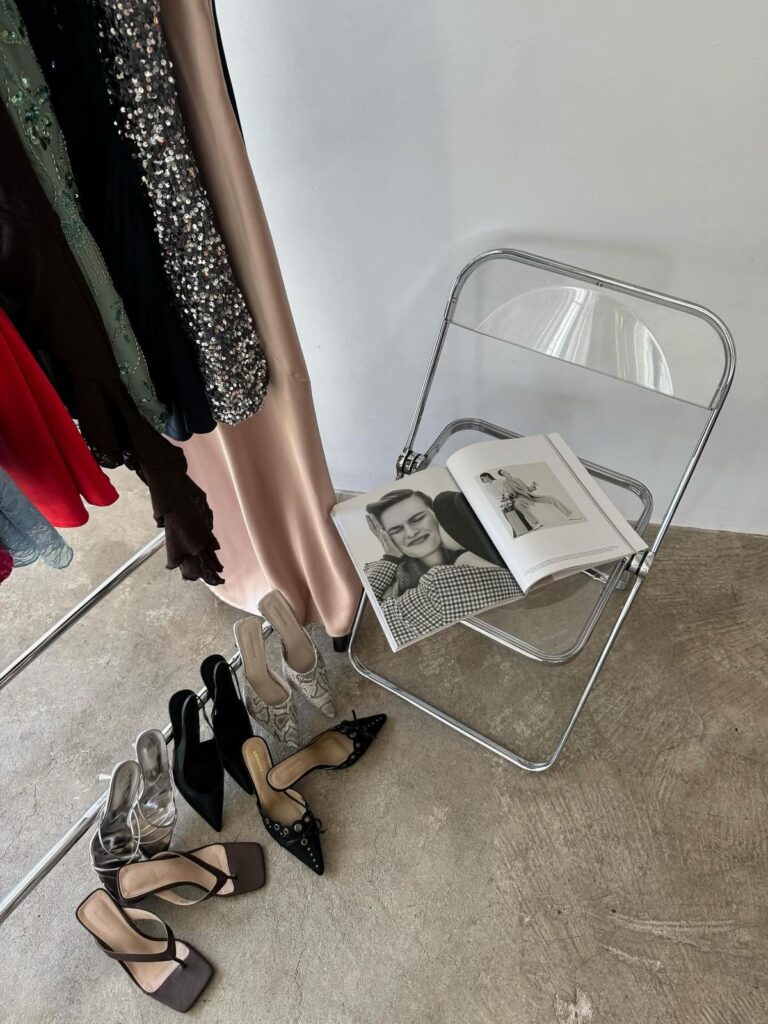
Resale also rewards patience and expertise in a way new purchases don’t. Knowing which era, which stitching, which hardware finish to look for has become a mark of insider status, not unlike collecting rare vinyl or first-edition books. The hunt itself has become part of the appeal.
There’s also a full-blown vintage revival feeding the boom. Nostalgia for past decades – the 1960s Gucci horsebit, 1980s Chanel quilting, 1990s minimalism – has turned age itself into a selling point rather than a drawback. Buyers now chase archival pieces the way collectors chase a good vintage bottle: the older and rarer the year, the more character and value it’s assumed to carry. A well-kept decades-old bag isn’t seen as worn – it’s seen as matured, its patina read as proof of authenticity rather than wear and tear.
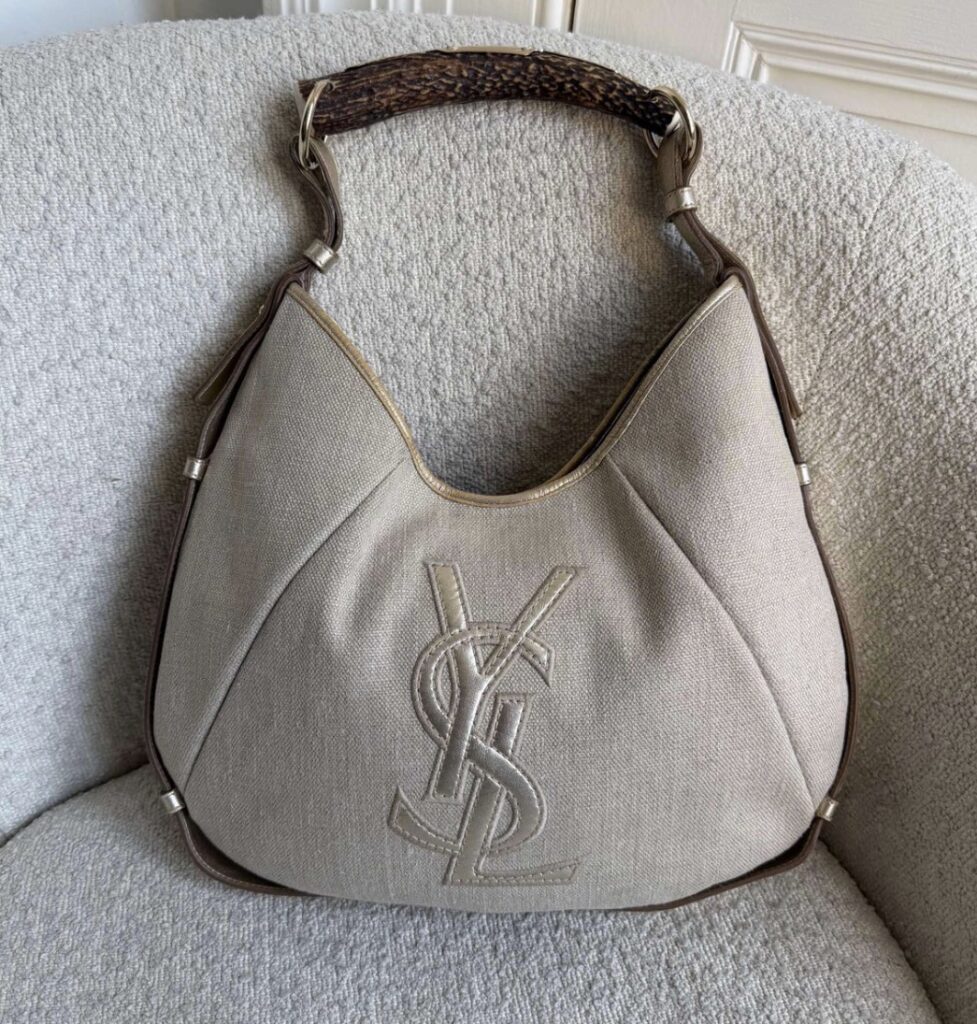
This has changed what “desirable” even means in resale. Pieces from discontinued lines or archival runway collections now command a premium precisely because they can’t be reissued, much like a sought-after vintage isn’t about the grape alone but the specific year it was bottled. That logic has pulled an entirely new wave of shoppers into resale – not because they’re priced out of new, but because vintage offers something new simply can’t replicate.
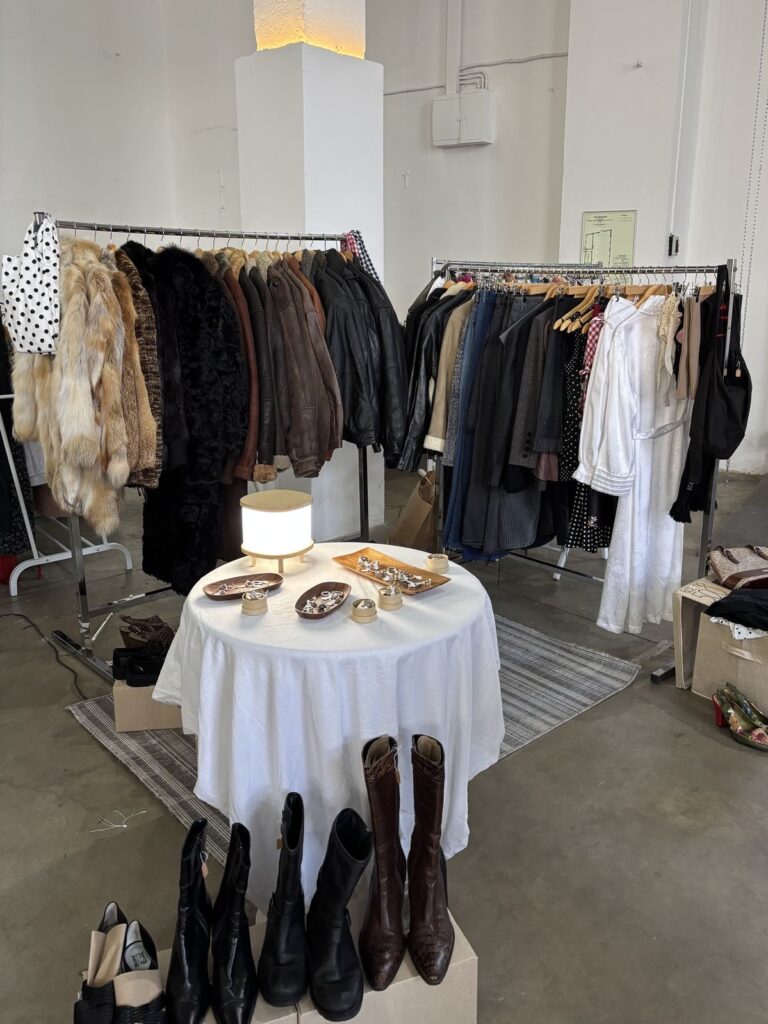
The environmental case for buying secondhand has also matured from a niche talking point into a mainstream expectation. Fashion’s environmental footprint is well documented, and younger, values-driven shoppers increasingly see extending a garment’s life as compatible with – rather than opposed to – looking good. Buying resale now signals both taste and conscience, a combination that’s proven far more persuasive than either argument on its own.
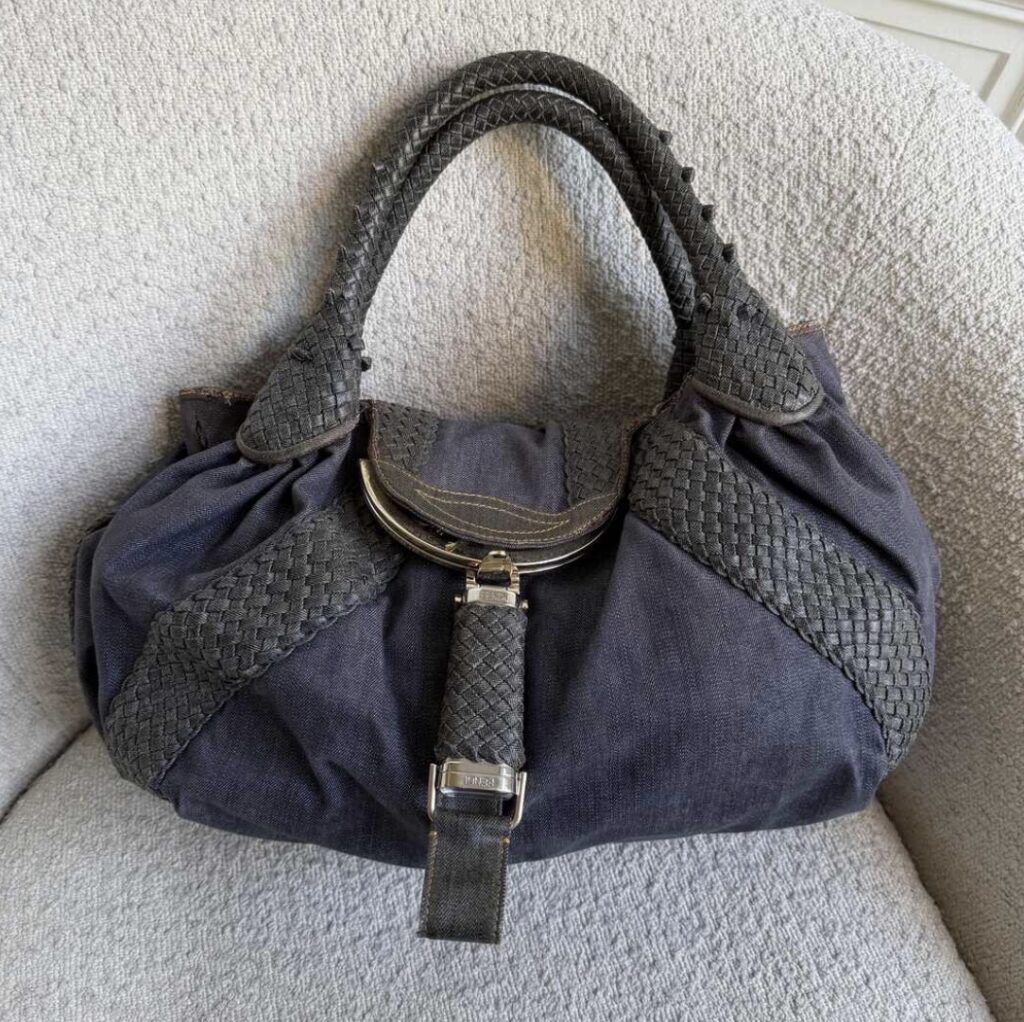
There’s also a financial logic at play. Certain luxury items – some handbags, watches, and jewelry in particular – have shown they can hold or even appreciate in value in ways that new cars or fast fashion never could. That’s turned resale luxury into something closer to an asset class for a subset of buyers, blurring the line between wardrobe and portfolio.
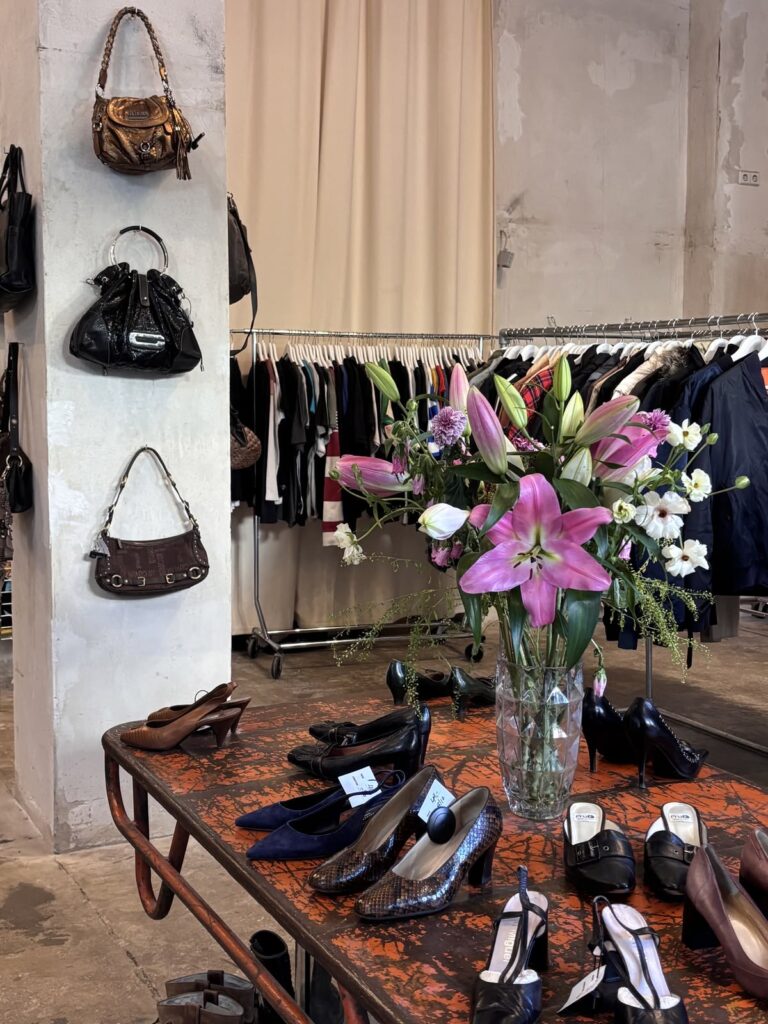
Ultimately, the resale boom reflects a broader recalibration of what luxury even means. It’s no longer just about newness or exclusivity from a brand. It’s about story, scarcity, and the confidence to wear something with history. Pre-loved luxury hasn’t lowered the bar for status – it’s redrawn where the bar sits altogether.