
 Mariyam Meeran
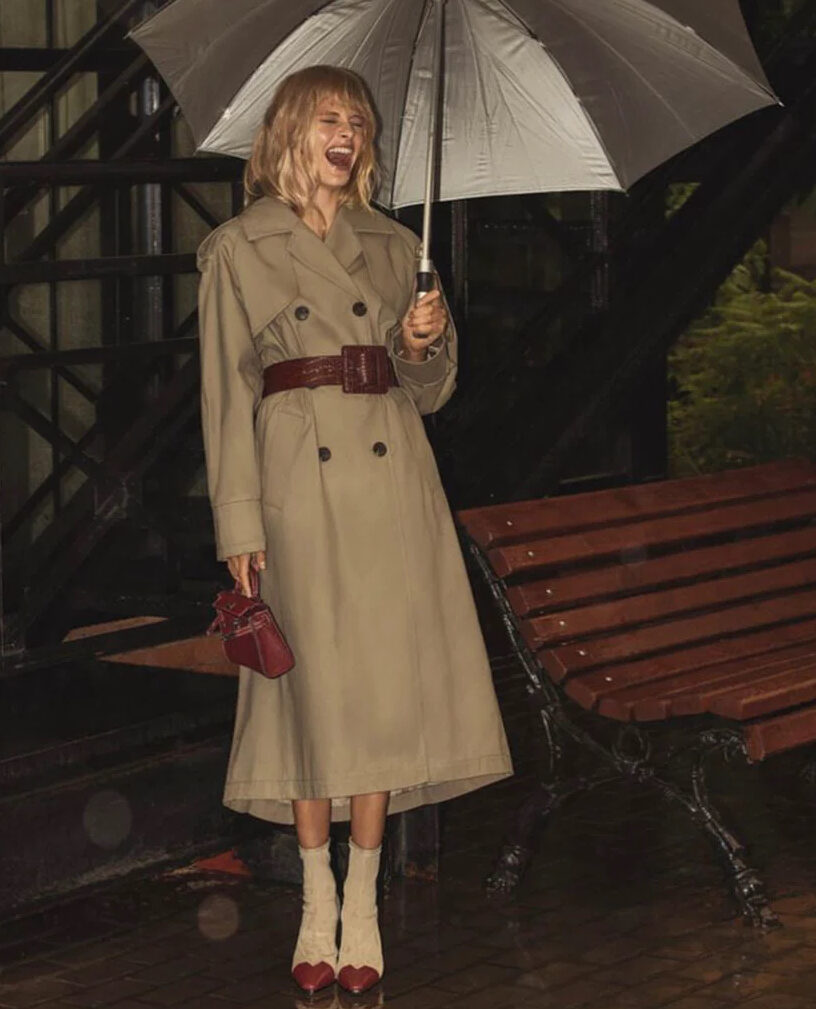
 Some garments are so ubiquitous they stop registering as design at all. The trench coat is one of them – which is exactly why the Victoria and Albert Museum’s decision to dedicate an entire exhibition to a single item of outerwear feels less like a niche curatorial exercise and more like an overdue correction.
The Burberry Trench: Crafting an Icon
opens at V&A South Kensington on 21 September 2026 and runs through 3 January 2027, staged in the museum’s Prince Consort Gallery. Despite its narrow subject matter, the display is free to visit, and it lands on the same day as the final day of London Fashion Week, timed to Burberry’s 170th anniversary.
One Coat, Three Chapters
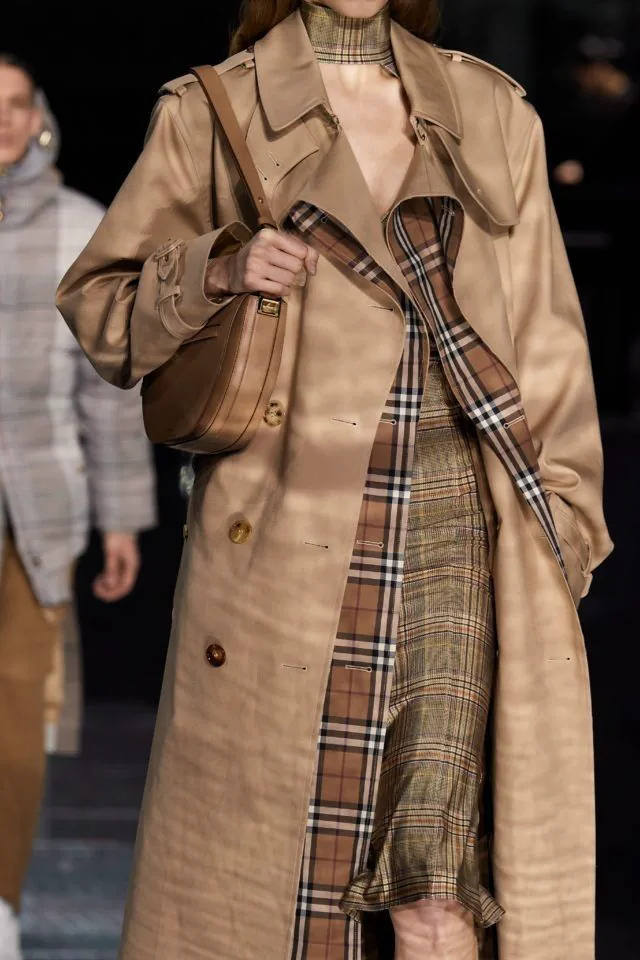
The exhibition is structured in three parts. The first, “Invention,” traces founder Thomas Burberry’s development of cotton gabardine in 1879 – a fabric that was weatherproof and breathable, originally intended for protective outerwear and military kit rather than the fashion runway. That utilitarian origin is central to the coat’s mythology: the trench was carried to the Antarctic by Ernest Shackleton and worn by British officers through both World Wars before it ever became a wardrobe staple.
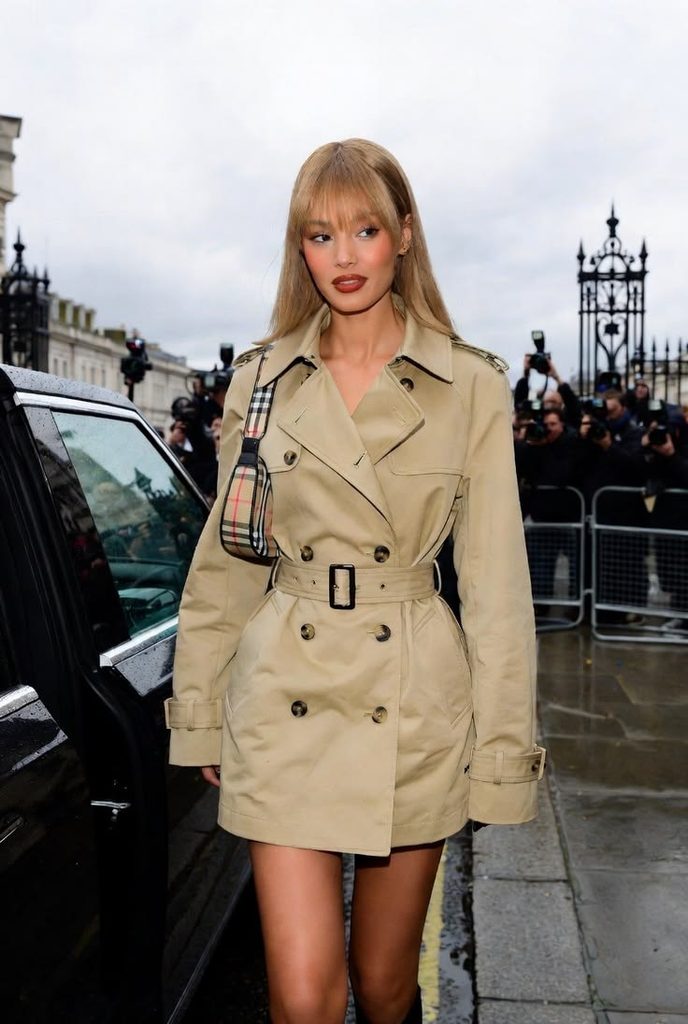
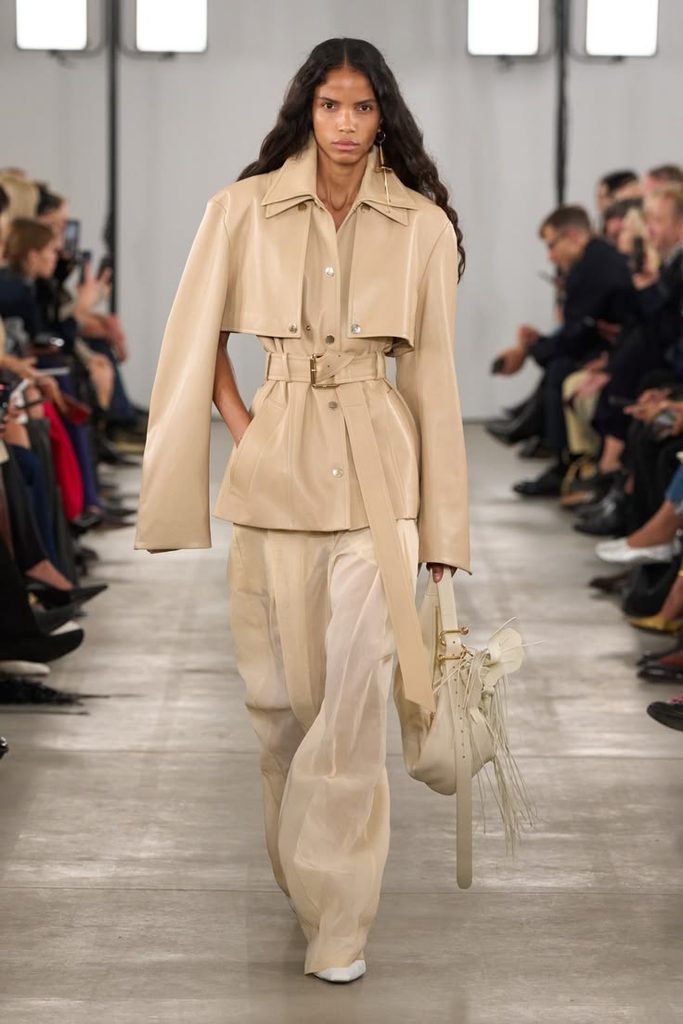
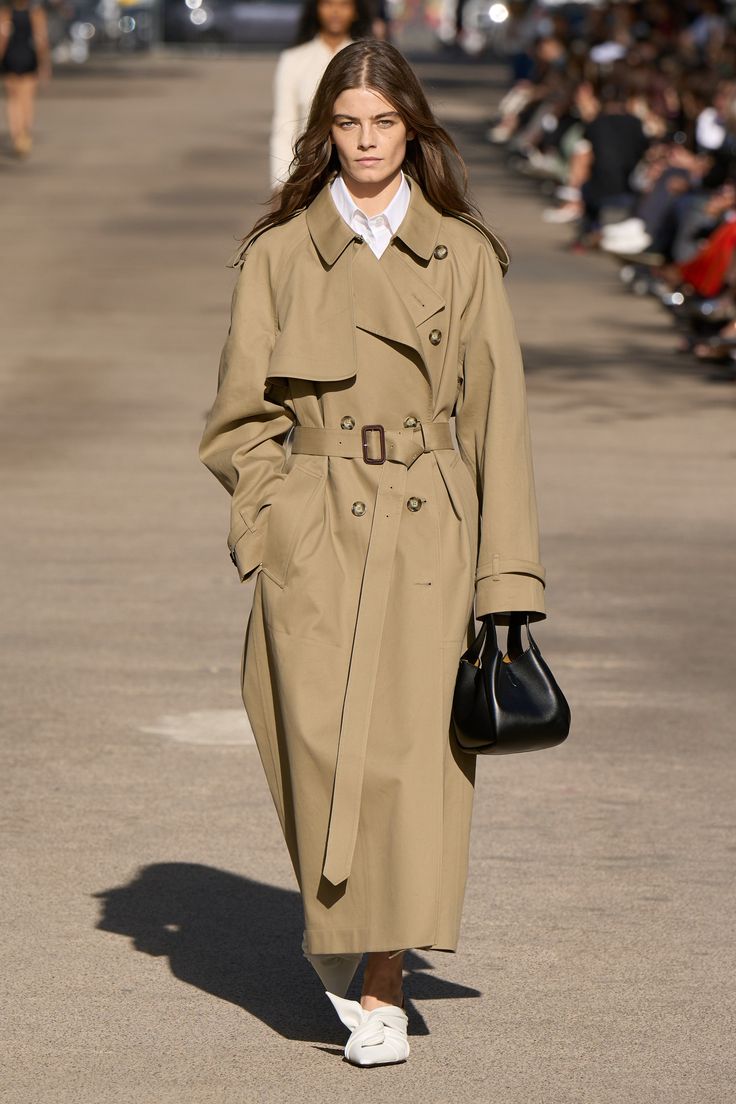
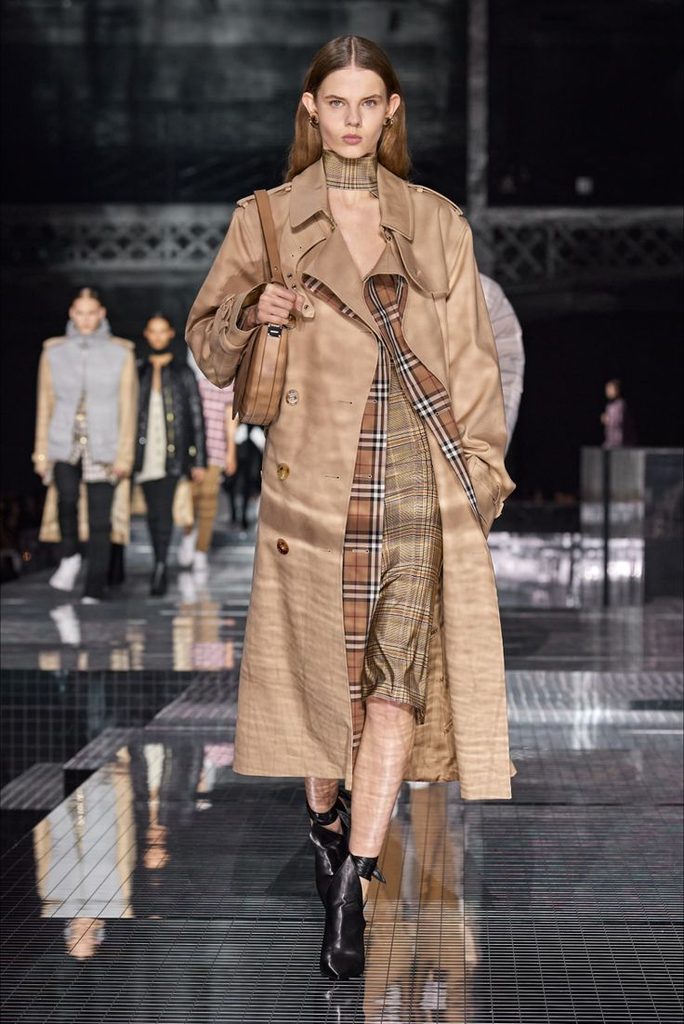
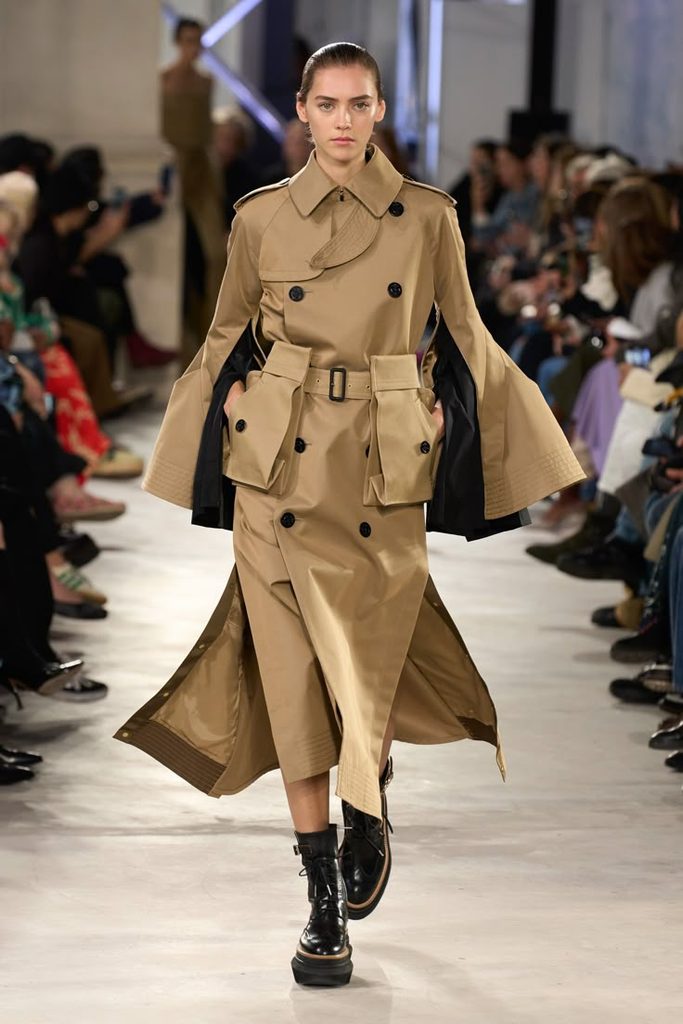
From there, the show moves into the coat’s cultural afterlife – its appearances in some of Hollywood’s most famous scenes, including the rain-soaked kiss in Breakfast at Tiffany’s – and finally into its ongoing reinvention on the runway. That creative chapter brings together nineteen standout runway looks spanning roughly two and a half decades, highlighting the tenures of creative directors Daniel Lee and Christopher Bailey.
Objects Never Shown Before
Brand curator Carly Eck said a number of pieces from Burberry’s archive will be publicly displayed for the first time, including early 20th-century catalogues and a trench once worn by designer Hardy Amies. The garments themselves are made using cotton gabardine woven at Burberry’s mill in Keighley, then tailored at its factory in Castleford, which the company acquired in 1972 – a reminder that the exhibition’s real subject isn’t fashion history in the abstract, but a specific, ongoing manufacturing process rooted in Yorkshire.
Why a Whole Show for One Coat
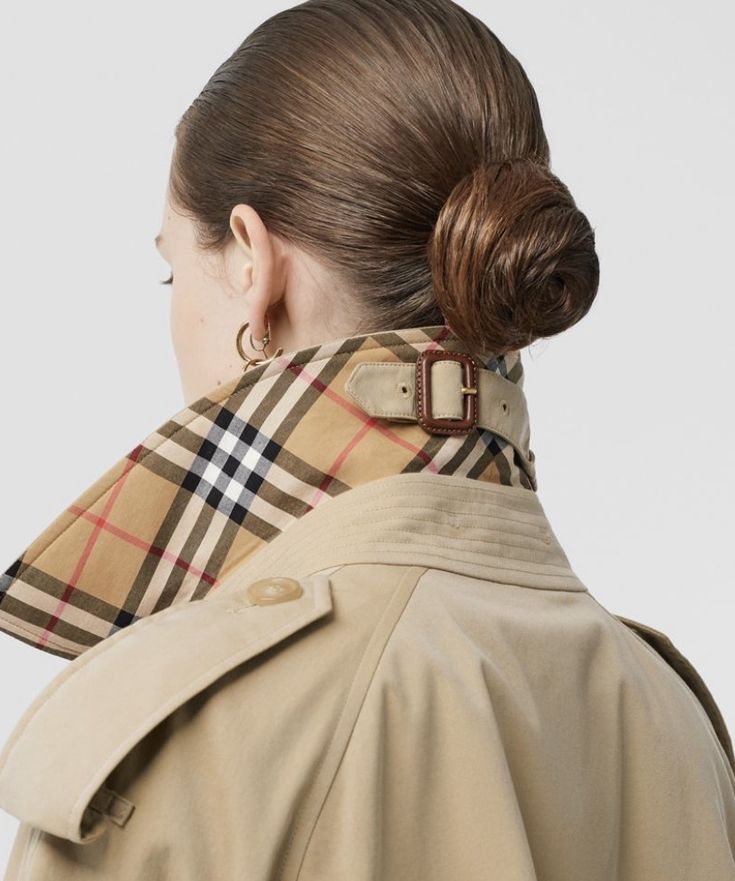
The appeal of “Crafting an Icon” lies precisely in its restraint. Rather than surveying an entire house’s output, it isolates one object and asks visitors to actually look at it: the stitching, the belt, the gun flap, the century of small design decisions that turned battlefield gear into shorthand for effortless style. In an industry that increasingly measures fashion in seasons and drops, a museum dedicating months of gallery space to a single, unchanging silhouette is its own quiet argument for what actually endures.
For anyone visiting London this autumn, it’s a free, focused counterpoint to the city’s louder fashion moments – proof that sometimes the most interesting story in fashion isn’t the newest thing, but the oldest one still being worn.
V&A senior curator Oriole Cullen framed the show as a preview of sorts, noting it arrives ahead of the museum’s planned Fashion Gallery, a forthcoming partnership between the two institutions. The V&A already holds 39 Burberry-related works dating from 1908 to 2014 and has folded the brand into past exhibitions on menswear and British fashion more broadly – but never given it a show of its own.