 Mariyam Meeran
 Every August 12, International Youth Day turns attention to the generation actively remaking the world it’s inheriting – and few industries show that shift as visibly as fashion. Gen Z didn’t just grow up watching style change. They’re the ones changing it, and the rules they’re rewriting look nothing like the ones before them.
Individuality Over Trend Cycles
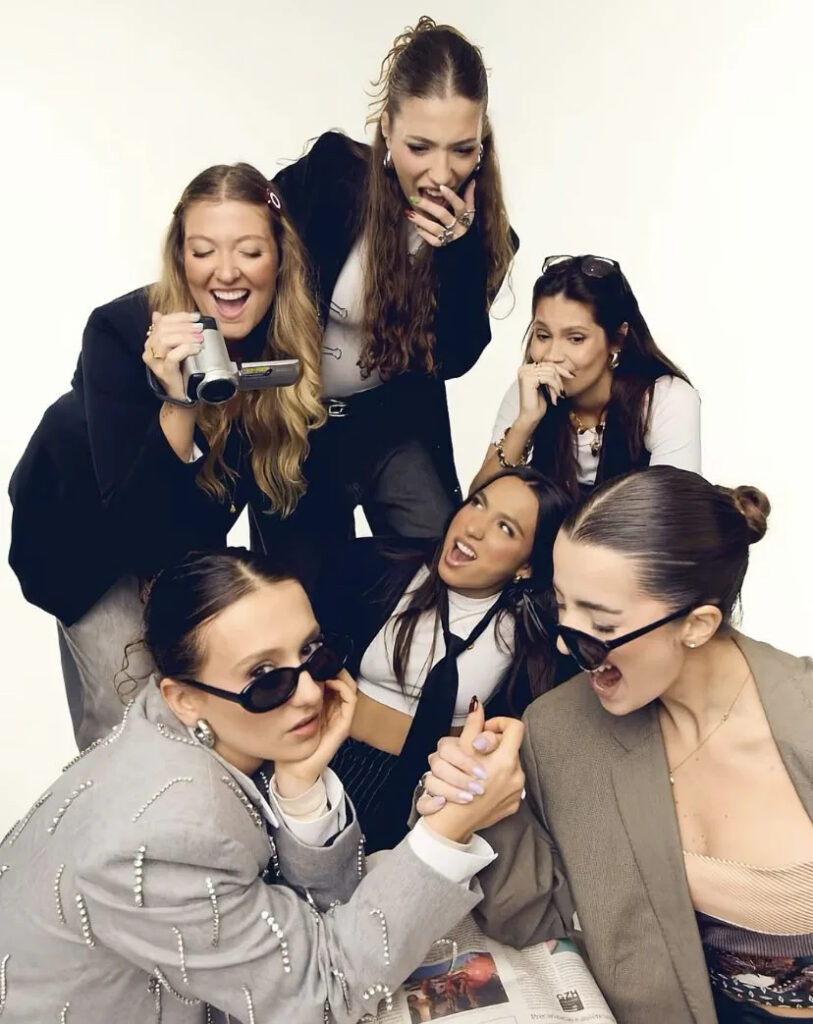
Where past generations often followed a single dominant trend at a time, Gen Z treats style as a personal archive rather than a uniform. Micro-trends now move so fast that trying to keep up with just one has become almost beside the point. Instead, this generation mixes eras, references, and aesthetics freely – vintage paired with logo-heavy streetwear, tailoring paired with something thrifted, nothing required to match a single “look.” The goal isn’t to signal belonging to one trend. It’s to signal a point of view.
Secondhand Isn’t a Backup Plan Anymore
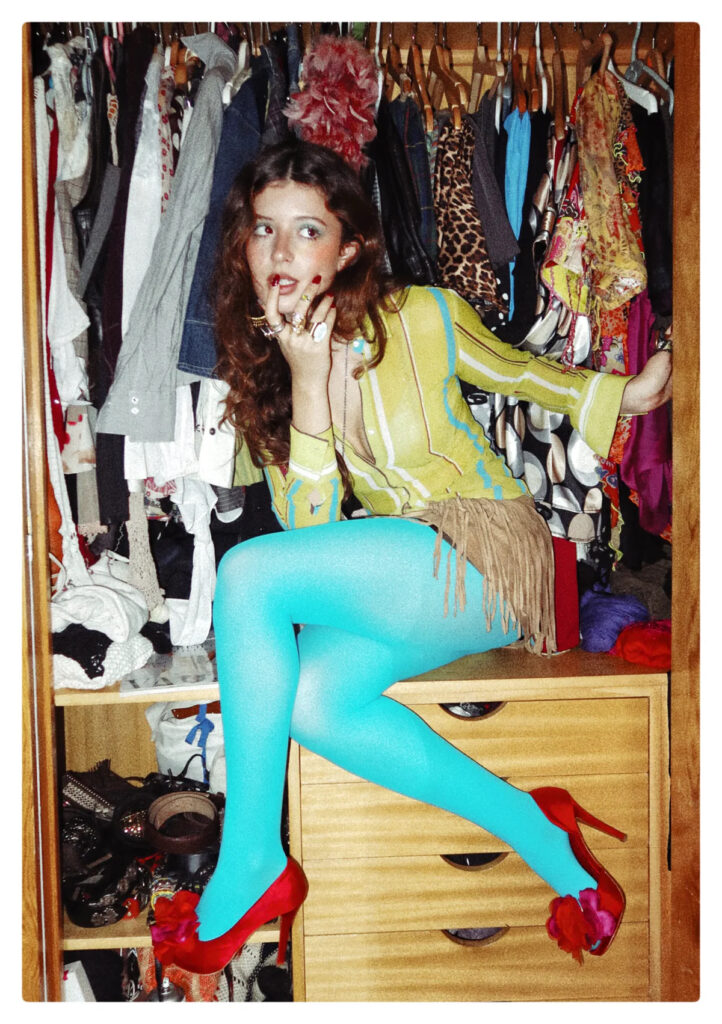
Thrifting and resale have gone from budget necessity to genuine style statement. For a generation raised on sustainability messaging and burned out by fast fashion’s disposability, buying pre-loved isn’t a compromise – it’s often the more interesting, more values-aligned choice. Vintage pieces carry history a brand-new item can’t replicate, and that scarcity has become its own form of status. The result is a resale market growing faster than most of the traditional retail industry around it.
Gender-Fluid Dressing as the New Default
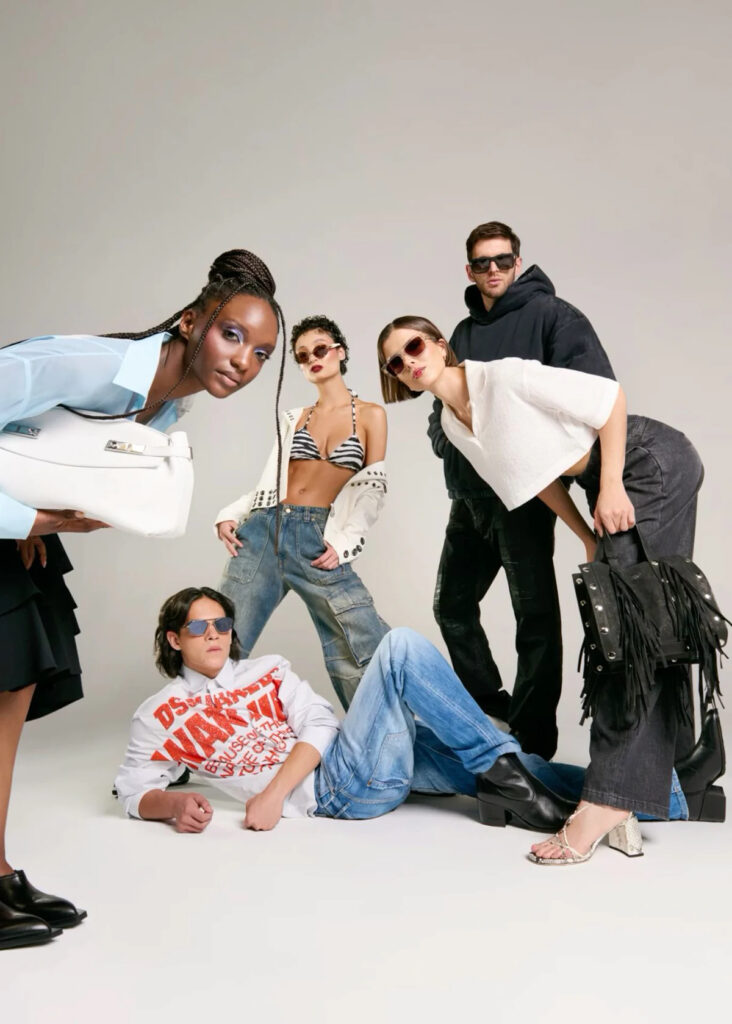
Gen Z has done more than blur the line between menswear and womenswear – for a large share of this generation, that line barely registers as relevant in the first place. Oversized tailoring, unisex silhouettes, and cross-category styling have moved from niche to mainstream, pushed forward by young designers and shoppers who simply don’t see clothing through a strictly binary lens.
Craft and Slow Fashion as Rebellion
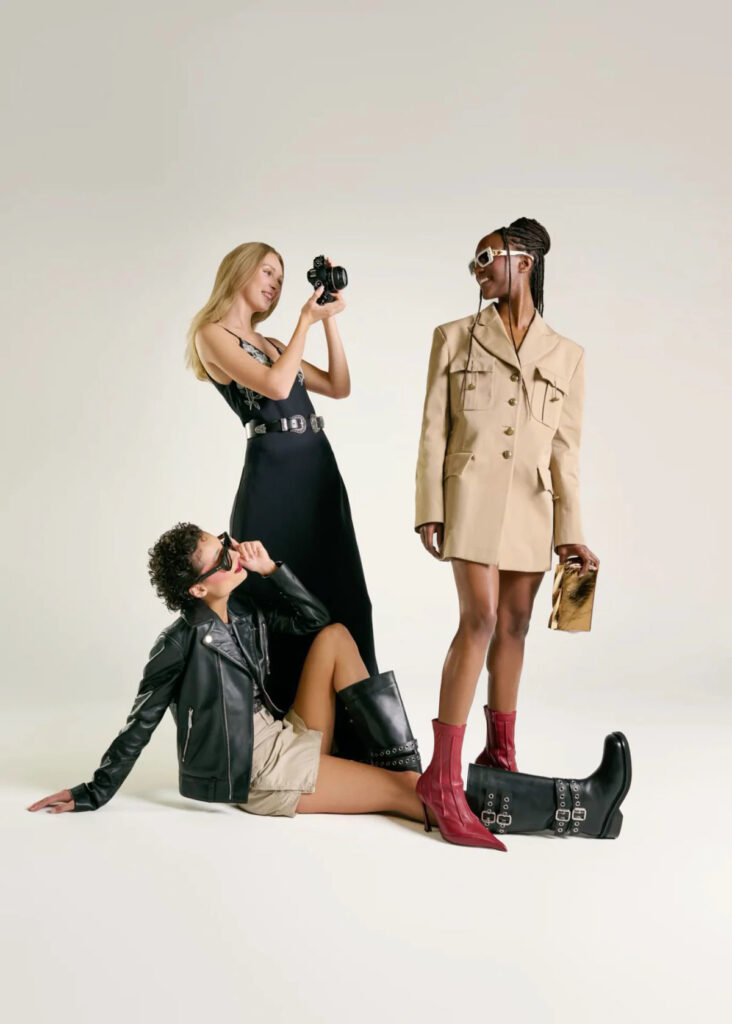
Paradoxically, a generation raised entirely online is also the one pulling fashion back toward handmade, artisanal, and small-batch production. Hand-embroidery, natural dyeing, upcycled materials, and locally sourced textiles have become markers of taste precisely because they’re the opposite of mass production. For young shoppers skeptical of overconsumption, buying fewer, better-made pieces has become its own quiet statement.
Fashion as Identity and Activism
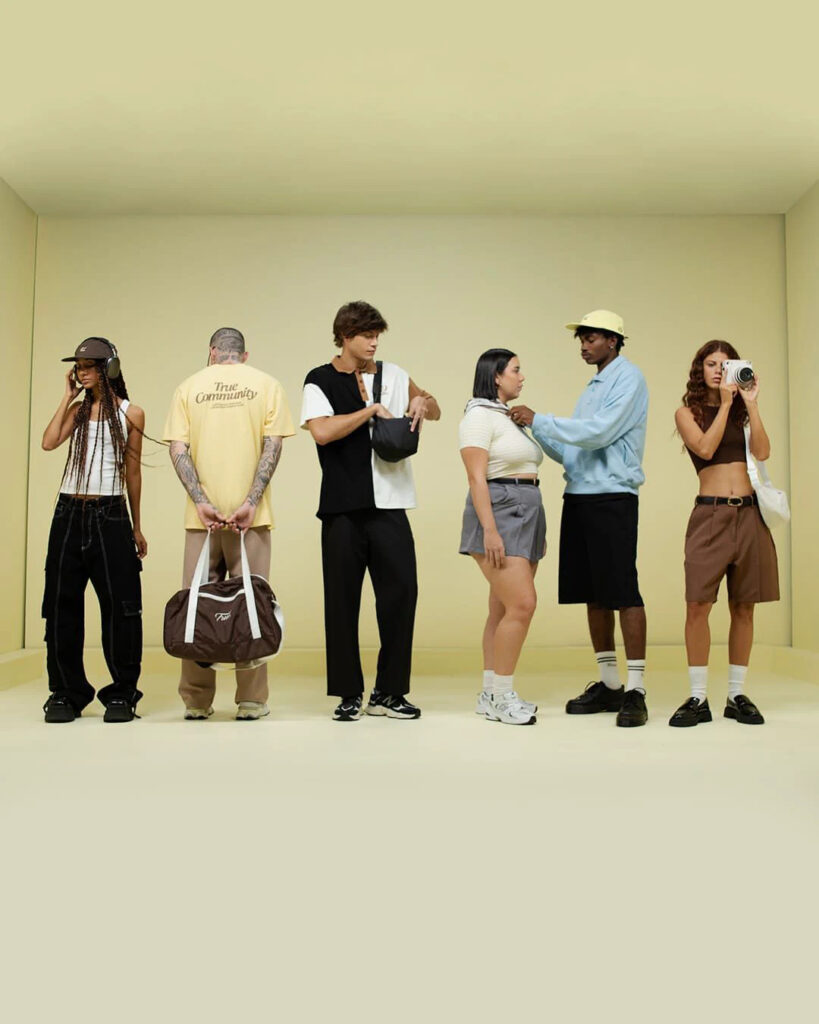
For Gen Z, what you wear is rarely just aesthetic – it’s frequently personal and political at once. Clothing choices increasingly double as expressions of cultural identity, heritage, and values, whether that means reviving traditional techniques passed down through family, supporting independent and regional designers over global conglomerates, or simply refusing to participate in trend cycles built on overproduction and waste.
Digital-First, But Not Digital-Only
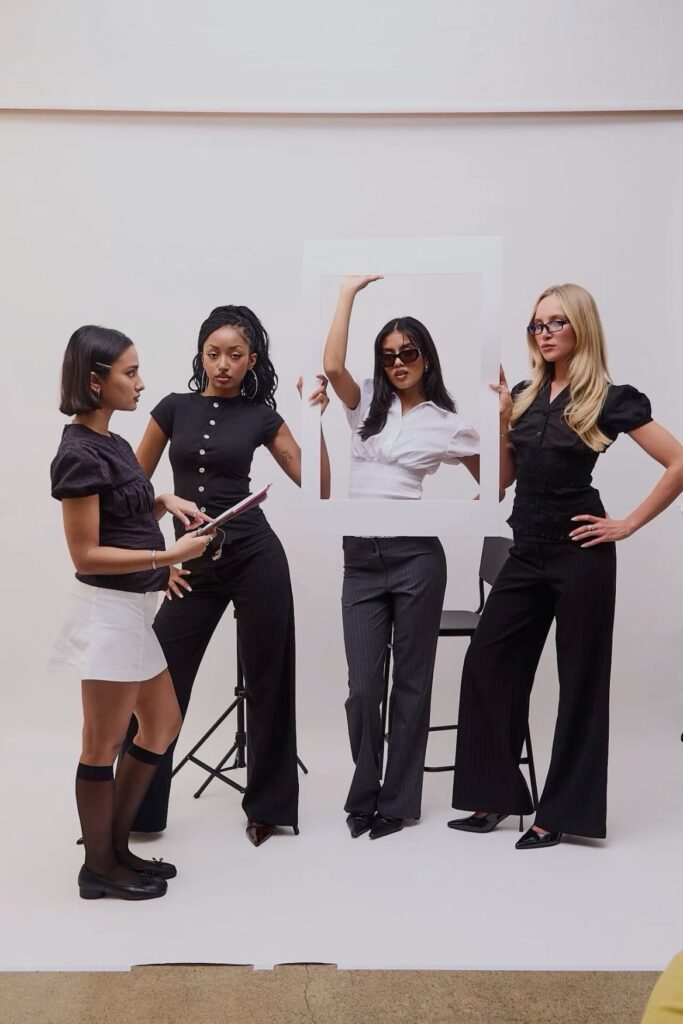
Gen Z discovered most of their style references through platforms and feeds rather than traditional editorial – and that has genuinely reshaped what “influence” means in fashion. But rather than replacing the physical experience of clothing, the digital-first approach has made this generation more resourceful: better at hunting down archive pieces, more fluent in authentication and reselling, and more willing to build a personal style outside of what any one brand or store has on the rack.