 Hedayat Reda
 There is something about returning every year and finding the parts of yourself you’ve missed—the ones that have stood there forever. Or, at least, as long as the house has.
Being able to escape the city and reconnect with nature is a privilege, one that comes with lifelong memories and the expansion of the definition of home.
The right colour. The right finish. The right layout. The right materials. The right trinkets. All of these may initially seem like small choices and yet, when done with love and purpose, they can create a feeling that lasts not just for seasons, but for decades.
Perhaps that is why decorating a beach house feels so different from decorating anywhere else. It is never simply about aesthetics. It is about creating the backdrop to summers, traditions, and the versions of ourselves that only seem to exist by the sea.
For me, growing up, it was Agami and Rowad. Homey getaways with naval-style simplicity.
Our Agami house was a big white remnant of colonialism, a celestial cottage of sorts located on the first row by the beach.
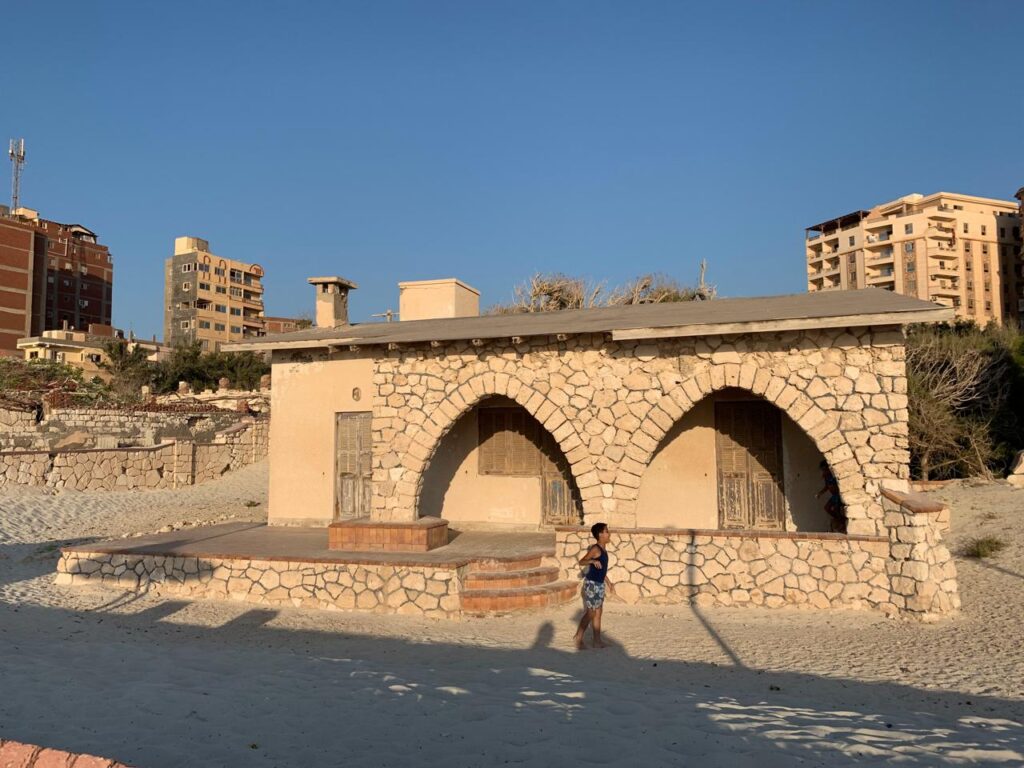
Agami House in Bless- some years after we sold it.
When I think of beach houses, I remember my grandma’s abundant flower patterns, embossed mug collection, and assortment of hand-me-down knitted mafaresh. There was always a red plastic tesht by the stone steps—to wash our feet in—and two big wicker plunge chairs in green and yellow, where my mom did her best reading.
Rowad—my maternal grandmother’s place—was more modern. Filled with plants and a mini garden that you could see from her bedroom window, it was airy and light. The living room featured an azure-blue couch with matching chairs that my grandparents had shipped back from a brief stint living in West Africa, and all of the curtains were white lace.
Both my grandmothers were big collectors and used their beach houses to proudly display their keepsakes. Shishi’s (pat. side) were the kind you would find in an old pirate movie: sailing boats in bottles, old gas lamps, and chandeliers, while Nonna’s (mat. side) were mostly paintings, colourful tiles, and hunting prizes her husband left behind.
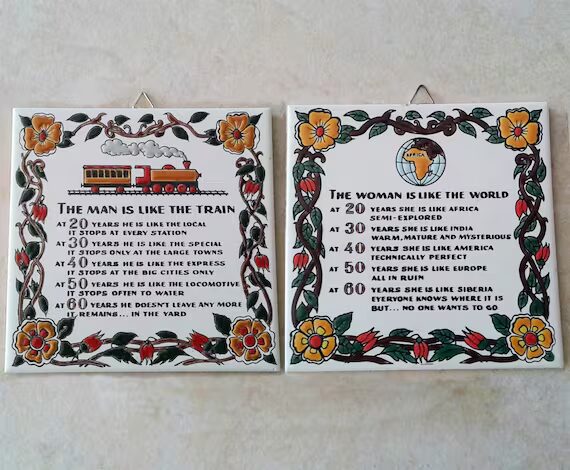
Most vividly, I recall two placards that hung near the Rowad entrance to the kitchen. The first read: The Man Is Like The Train. While the other one read: The Woman Is Like The World. It took me a long time to understand the meaning behind them, but they always made me laugh.
When thinking about the summer ahead and what makes a good beach house, these are the memories that come up for me. A place that is simple but cosy. Well thought-out but practical. And, above all, functional.
To find out what professionals in the field thought about beach house design, I interviewed some of my favourite Egyptian designers today:
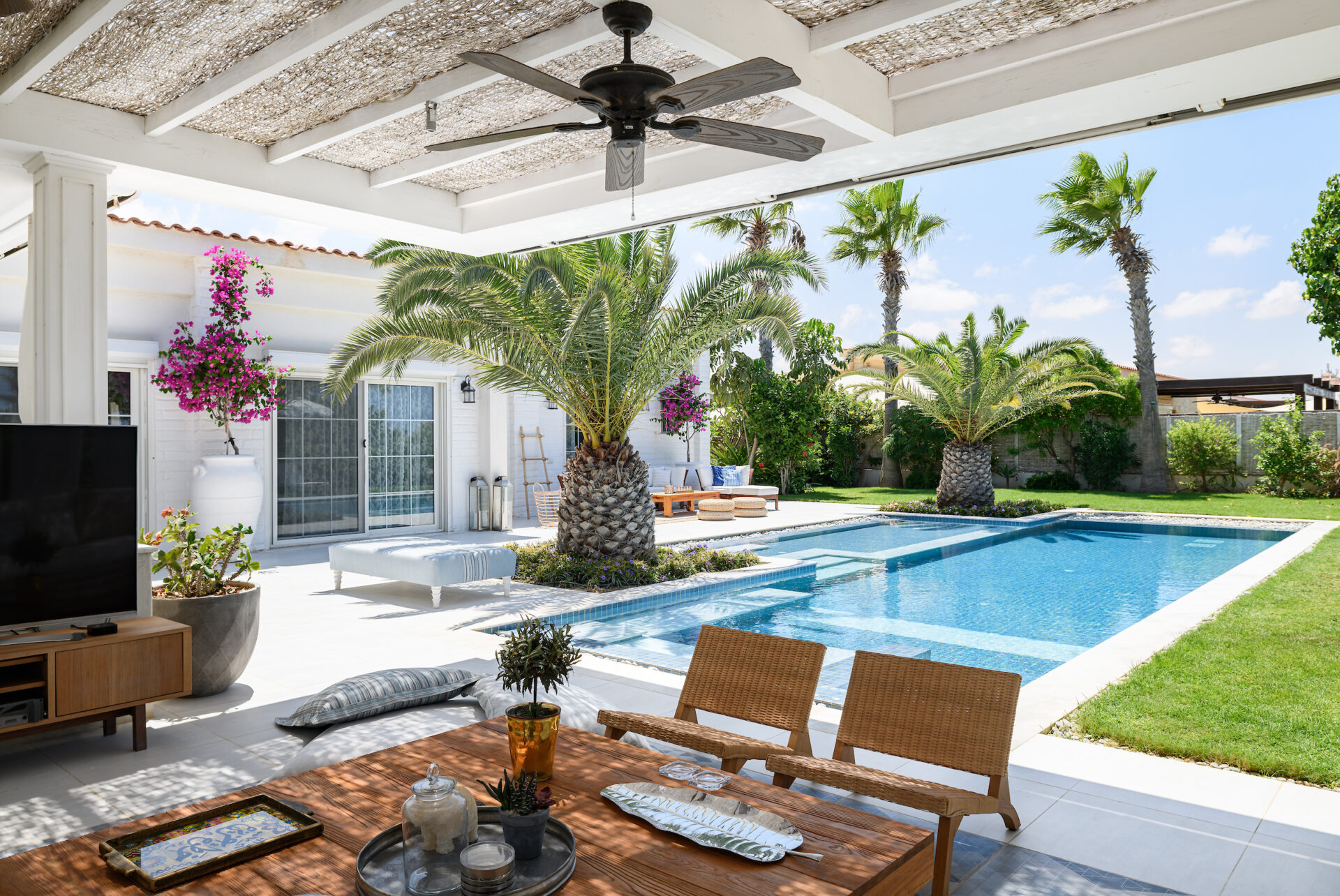
“A beach house, to me, should reflect and carry the personality of the people who live in it. It should have character, memories, and a sense of ease that develops over time, while being one of the places where life slows down,”
Karim El Hayawan—visual artist, interior designer, and one half of Design Point Egypt—proclaimed.
Karim’s advice on beach house decoration was one I immediately sought when thinking of what makes a house a home. Together, both he and his business partner-Nehal Leheta-create designs that speak loudly and visualize what you didn’t know you needed in a home. Beautiful puzzles that comes together seamlessly.
“Natural materials, soft light, comfortable furniture and a strong connection to the outdoors all help create a relaxed atmosphere. But what truly makes a great beach house is authenticity. It should feel personal rather than staged, collected rather than decorated.”
Diplo Beach House- Design Point
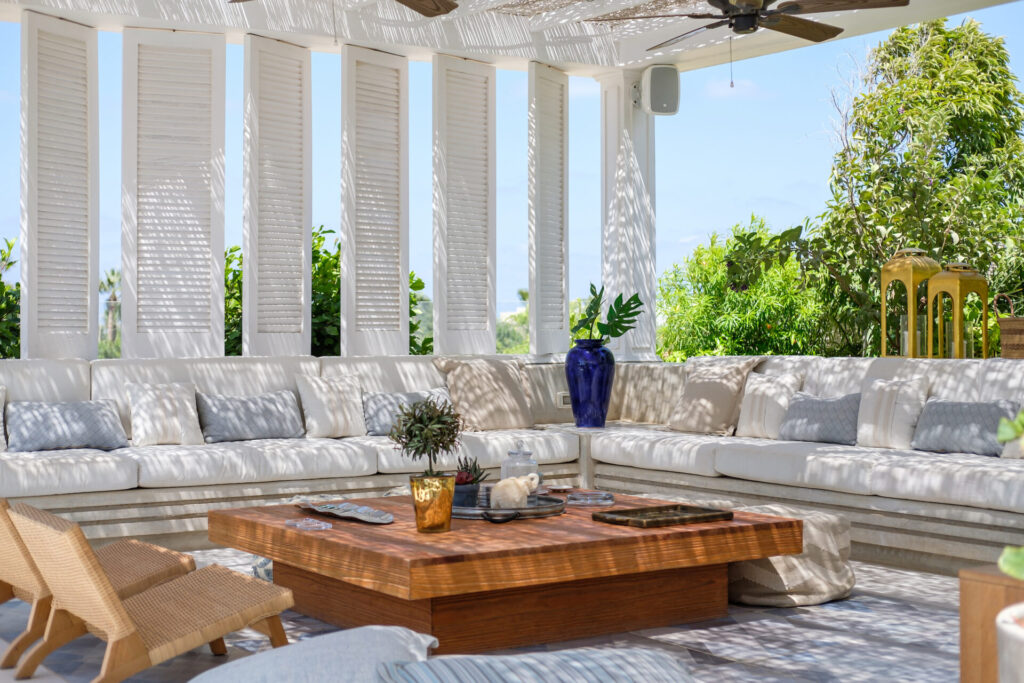
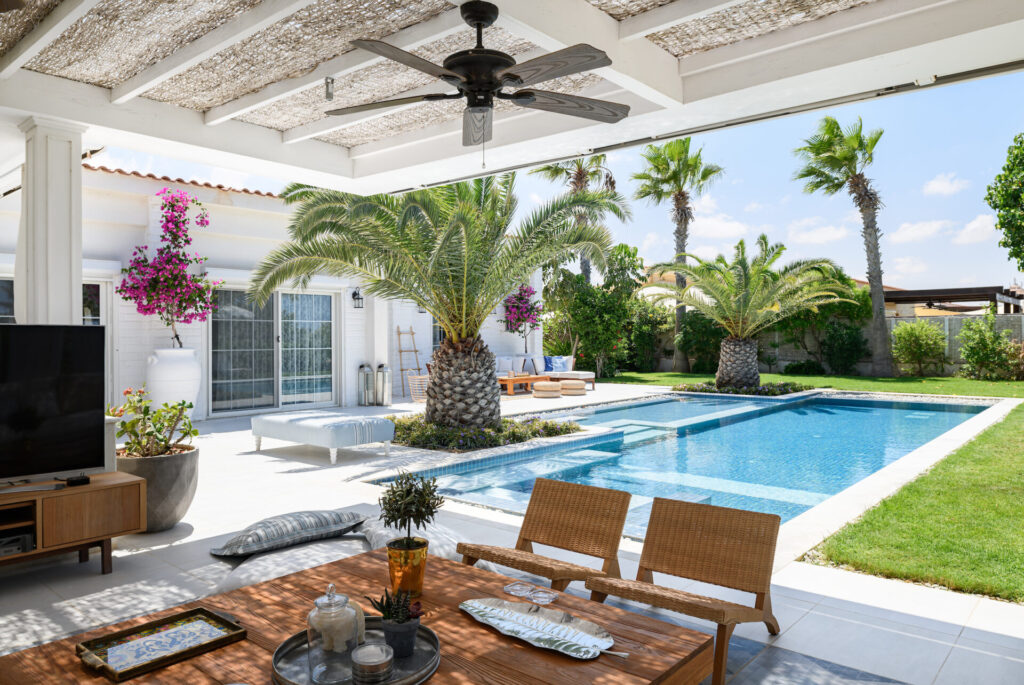
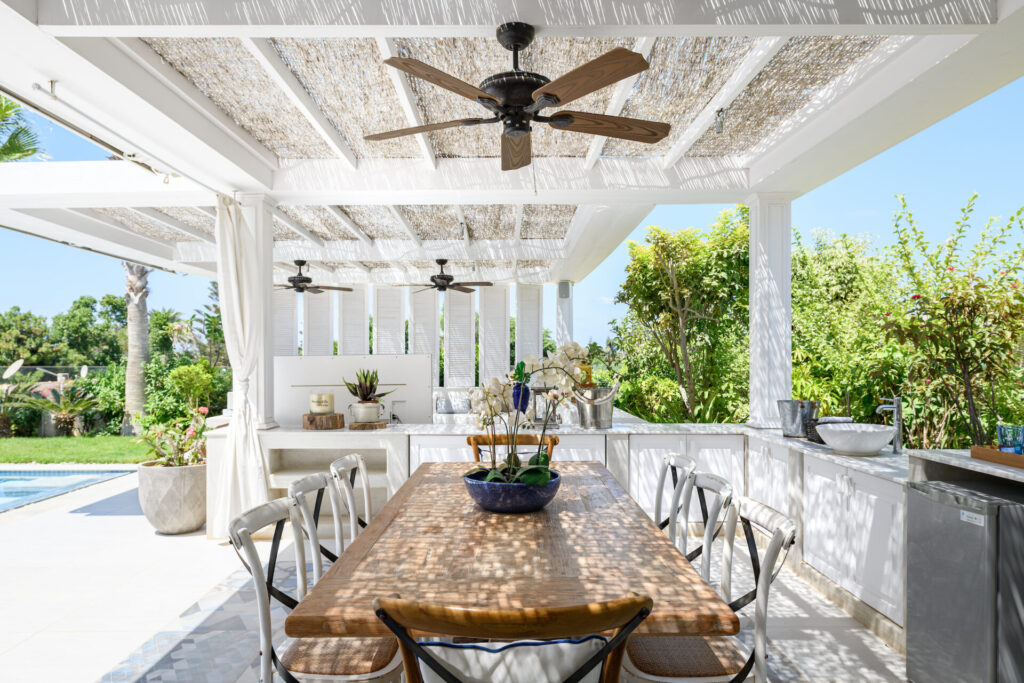
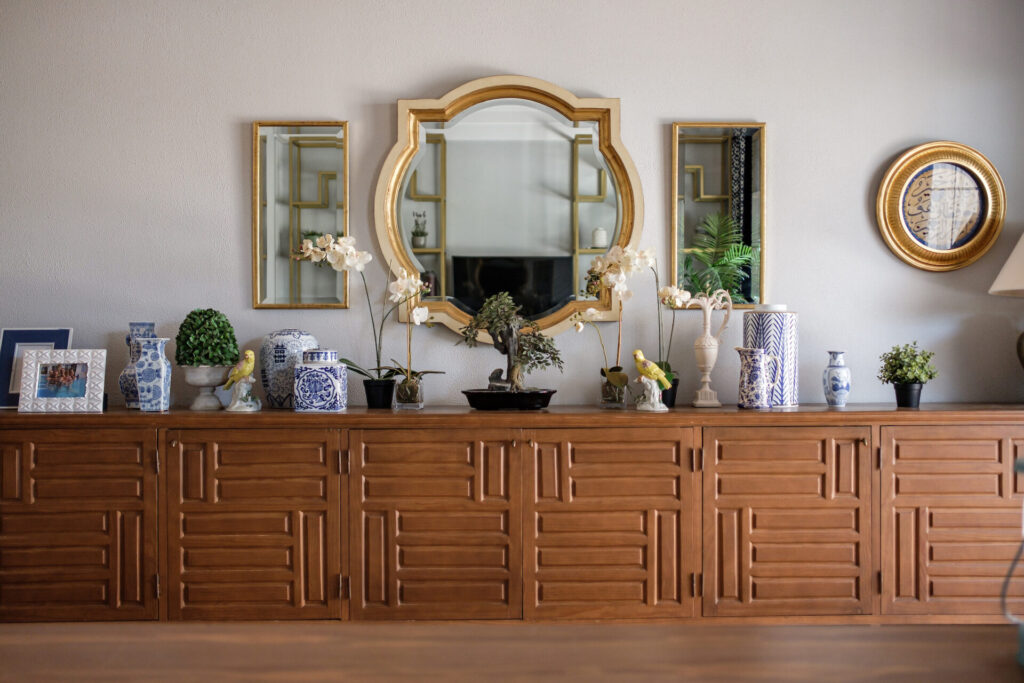
Photo Credits: Nour El Refaie
After Rowad and Agami, we moved to Bianchi, a newer compound with a similar old-school vibe. Weirdly, when it came to decorating it, my mom mixed elements from both houses, reusing old furniture, repainting it, and replacing pieces with her own vision for the space: a beachy, historically-influenced nirvana. She repurposed my grandma’s fish painting while integrating Cairo treasures, like the antique door she uses as a partition.
Amr Abdel-Hadi, founder and lead architect at A_STUDIO, is also an avid collector of natural trinkets and a big believer in letting nature dictate the vibe of a house, especially a coastal one.
“Being by the beach is being close to nature. This concept of the natural world is my decorating centre-point. I like to bring that rawness into the home: I mix sand-toned hues with shades of olive, sage, and terracotta, introduce a lot of wood and focus on plants that are native to the environment.”
Amr recently completed a project in El Gouna that he has nicknamed Nūn House. He tells me how the idea started with the client’s desire for Scandinavian simplicity, but that he chose to introduce Egyptian elements to it, grounding the design in its surroundings.
“I integrated the ancient Egyptian water symbol—used to signify creation and fertility—as a rooting element, while bringing in local materials such as alabaster and handcrafted stone details throughout the house.”
From Nubia, he was inspired by the dome shapes and the hollowed-out triangles found in traditional windows, which he used as the basis for an entire wooden feature wall that guides visitors through the space. Paintings by local artists were added to finalize the look, making the house a real refuge from Cairo and an oasis of comfort and light.
Nūn House- El Gouna
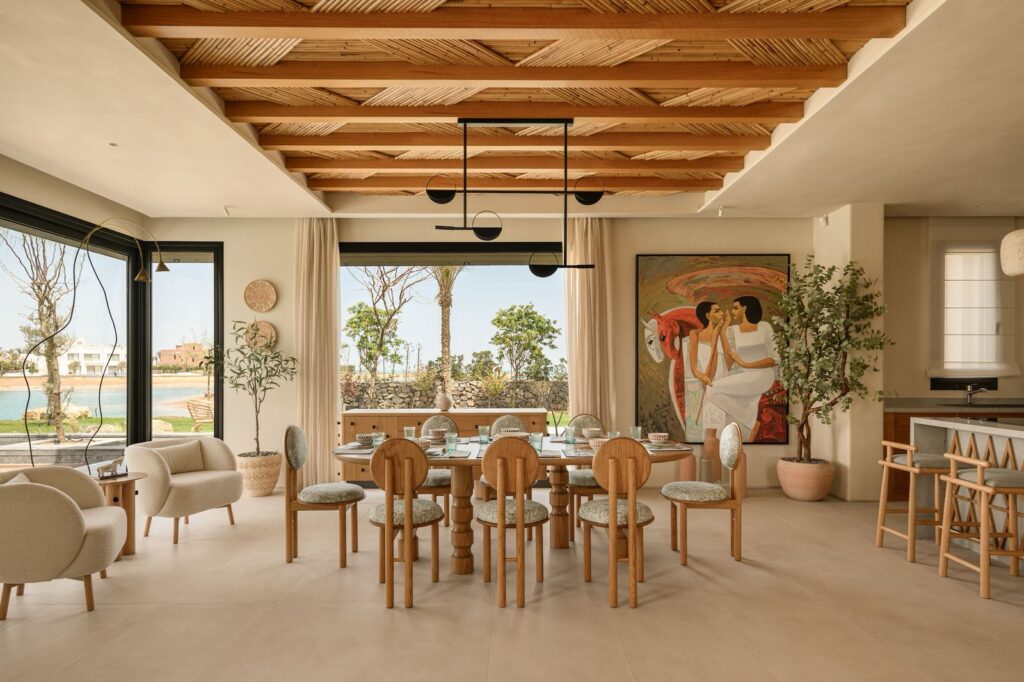
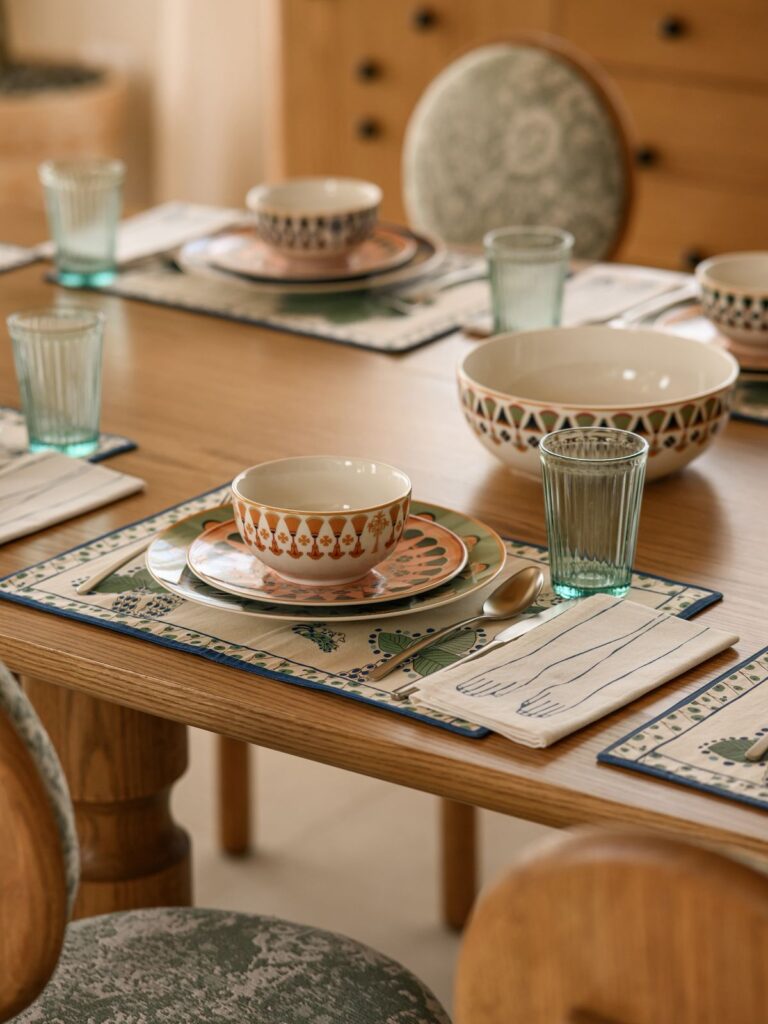
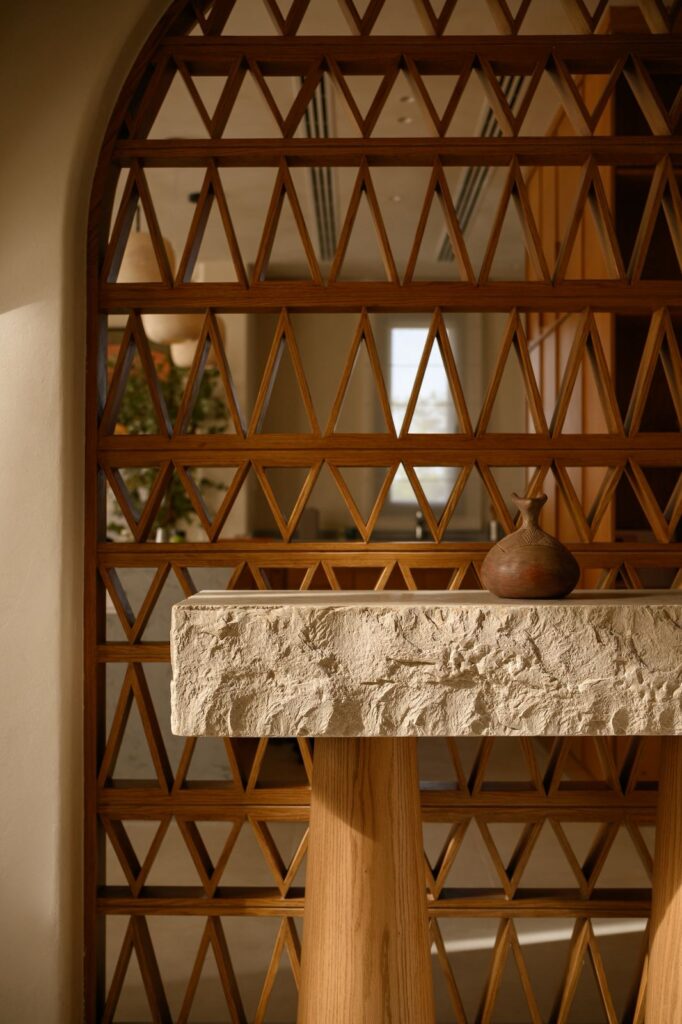
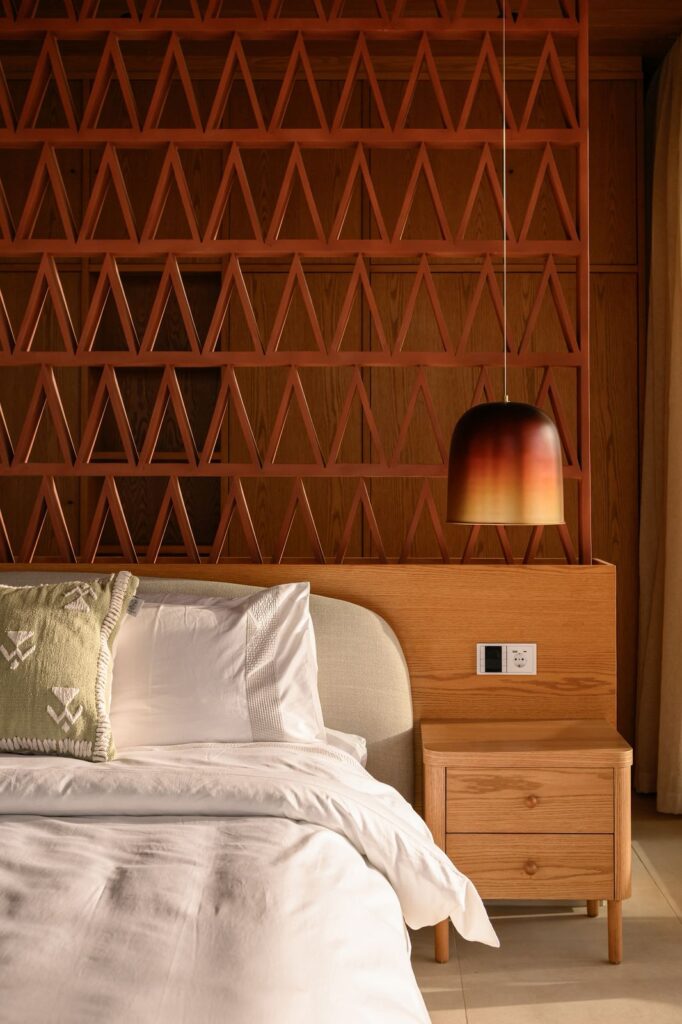
Photo Credits: Nour El Refaie
“I believe in a lot of colour, and mixing elements. To me, a beach house should be bright, not just white and blue,” says Karima Borhan, ex-Alchemy designer and founder of Studio Karima Borhan.
Karima is eclectic, a designer who can mix a vintage piece with a modern pop of colour and bring it new significance.
“The corals and reefs are my inspiration. That is what I think of when I think of the sea: what is underneath the water. All the colours of the world.”
Her home in Cairo is a feast for the eyes: paintings by every type of artist, sculptures, frames, and carved wooden furniture—a space with the kind of colour and detail that is intricate yet easy on the eyes.
And yet, her beach house approach is more minimal and plan-based.
“In a beach house, you have to have a kind of indoor-outdoor experience. You want to be able to walk barefoot all over the house, in and out, so I would bring the outdoors in and make both parts of the house feel similar.”
This is a statement that Amr echoed as well:
“You want the indoor and outdoor to be the same mood. It’s this idea of belonging—belonging to each other and belonging to the environment.”
Bianchi Beach House
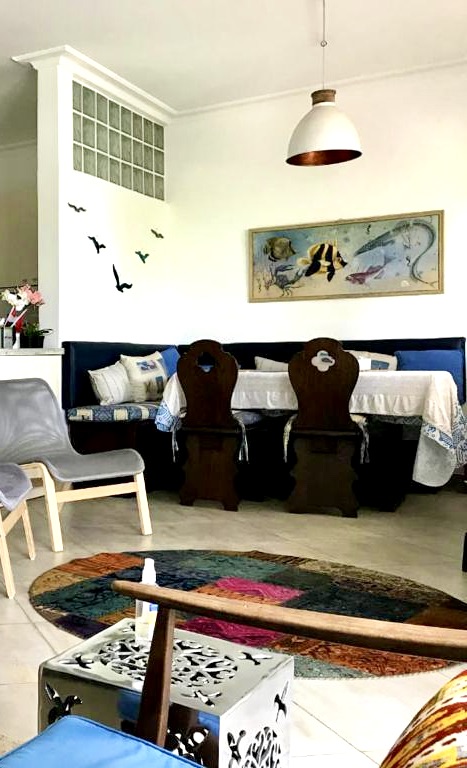
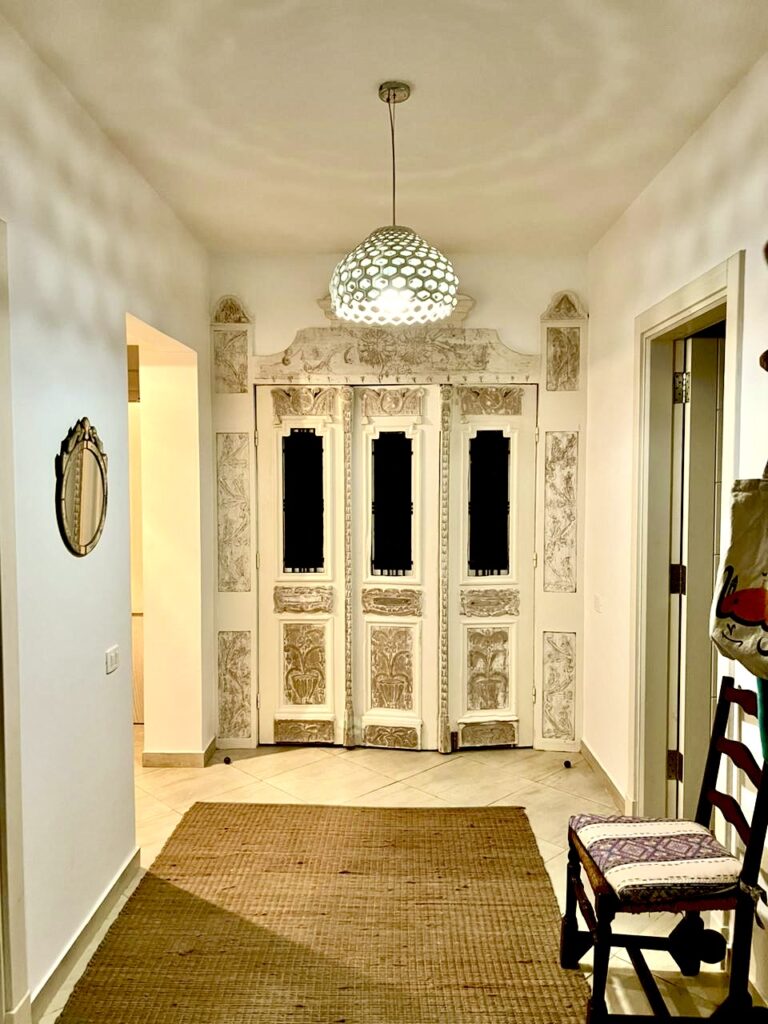
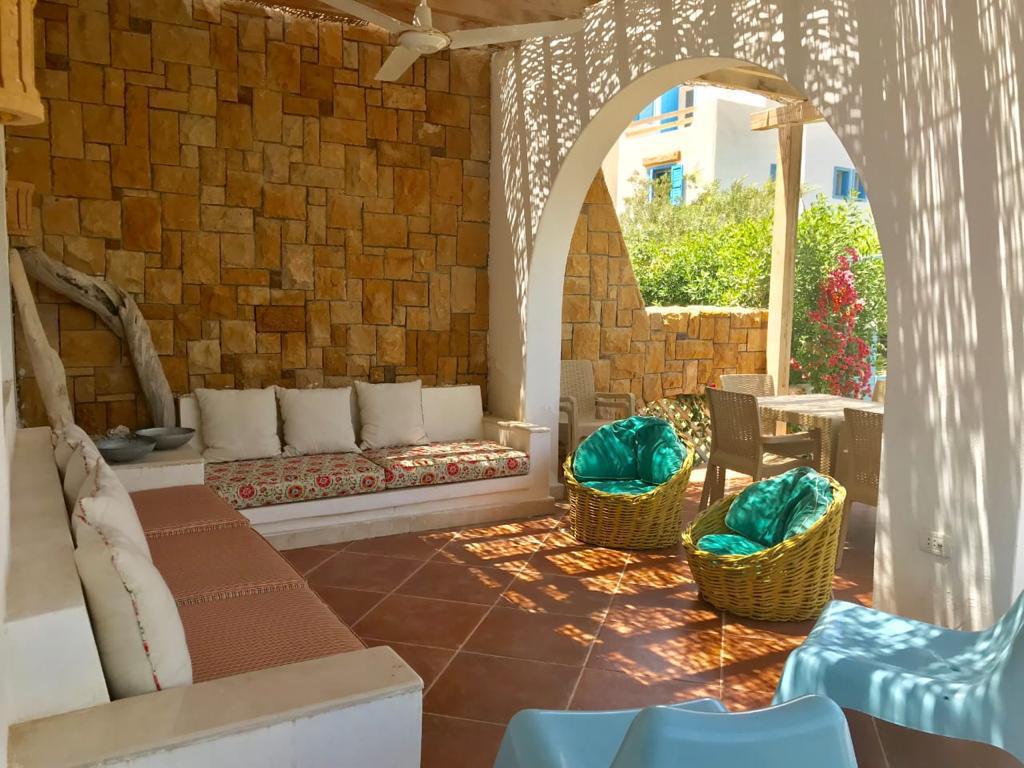
“Whenever I think of beach houses, I don’t really picture the architecture first. I picture the gatherings. The whole idea is bringing everyone together: kids, parents, grandparents, cousins, everyone in the same space for a few days. As beautiful as that is, it also means the house has to deal with the chaos that comes with it. I still remember coming back from the beach, running straight inside, sitting on sofas, and then getting chased out because we were “too wet” or “too sandy” to touch anything. The house becomes part of the memory, but also something everyone is trying not to ruin.”
Malak Hamza, Project Designer at AAID in Dubai is new to the beach house game, having focused primarily on workplaces and projects in hospitality, but she is approaching it with a ferocity and grit.
“That’s really where designing a beach house gets interesting, the materials matter more than anything. The goal is for people to actually live in the space without constantly worrying about it. Sand, water, grass, all of it gets dragged in no matter how careful you are. So, the finishes need to hold up, not just look good on day one, but survive the kind of use these houses naturally go through.”
The more people I spoke to, the more I realised that a good beach house is not really about following a style at all. It is about creating a place that can absorb a lifetime of summers. A place where old furniture gets a second life, where shells collected on morning walks sit beside inherited paintings, where driftwood becomes décor and memories become part of the architecture. A place that feels like you, plus plus.
Colourful, bright, filled with hidden corners to build forts in and the types of objects that awaken a child’s imagination. The best beach houses are never the most pristine ones; they are the ones with the wicker chairs, strange memorabilia, and stories attached to every object. Summer is all about sun on your skin and sand between your toes, and a home that feels like a constant holiday.
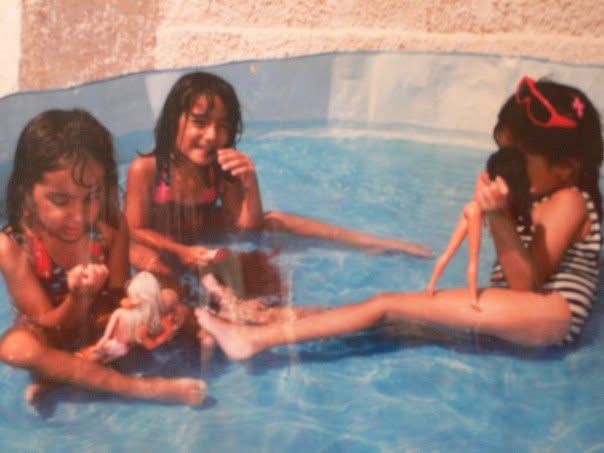
Years later, that plastic kiddie pool may be long gone, but the memory will remain— forever.
Share your beach house ideas and must-haves with us.