
 Habiba ElGaniny
Kids, children, Two-Year-Olds, these tiny human beings don’t use words as we do; they don’t perceive the world as we do and, most importantly, they have yet to discover what lies beyond their own little worlds.
Their world is shaped by their immediate surroundings. Sometimes, it’s as simple as whatever lies directly in front of them. In their world, they communicate through frequencies of their own, each carrying a different meaning. Words? Seems a little outdated to them.
There’s always a particular gesture, a tilt of the head, or a peculiar look. Only the mothers seem to possess the code to decipher what’s going on, leaving the rest of us feeling entirely out of sync. That initial sense of exclusion soon gives way to sheer fascination, leaving us with one persistent question:
Could some of the knots we encounter in life stem from the language we use to untangle them? Should we return to the simplicity of our earliest, wordless days?
Have We Had the Answer All Along?
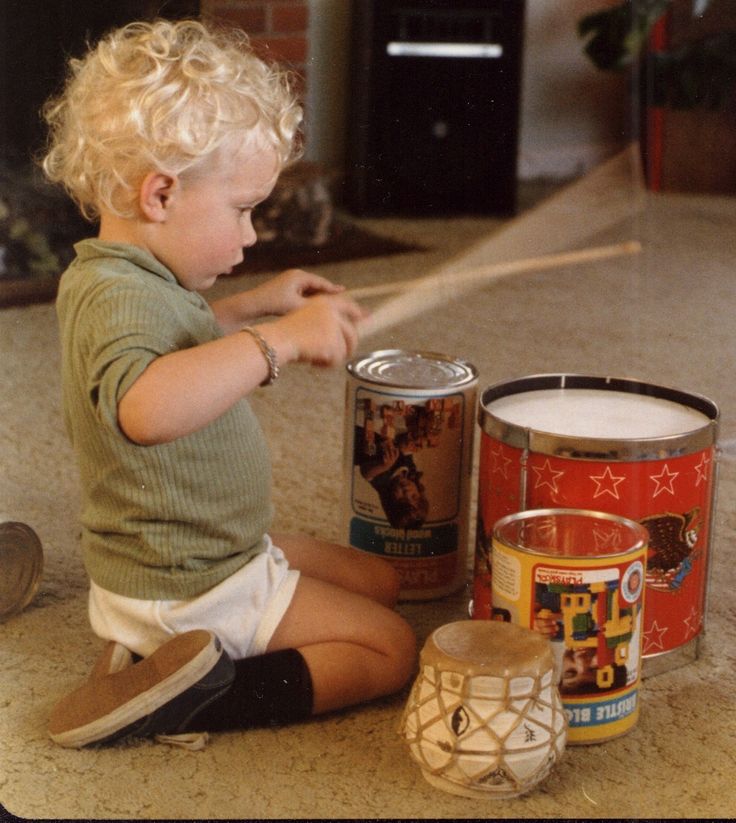
I don’t know if you’ve come across those pictures online or witnessed the phenomenon yourself. But I couldn’t help but wonder whether children are born with an innate inclination towards certain things. Have we had the answer all along, only to become distracted by the endless possibilities surrounding us?
Is it genetics, imitation, or something more elusive? Do we somehow know what we’re drawn to before our very first cry in this world?
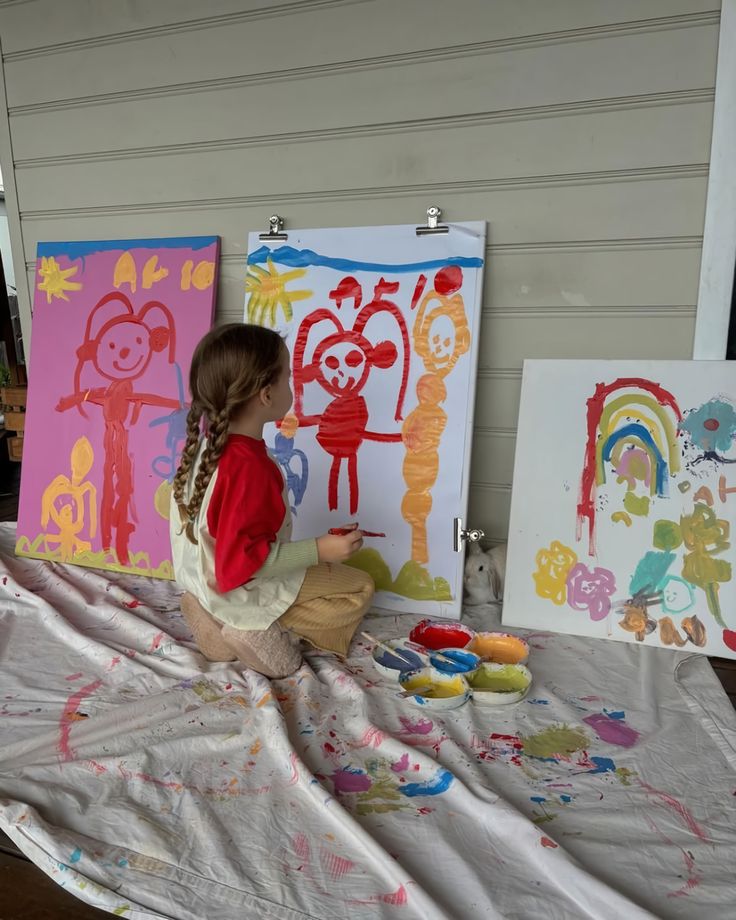
Picture a child tapping a wooden spoon against the cushions as though they were drums, instinctively finding a rhythm. But has this child ever seen a real drum before? Probably not. A girl who’s walking on her tiptoes as if she wished to be reborn as a ballerina. A four-year-old who mixes and matches colors as though he’d spent a lifetime studying Picasso.
Some believe that, right before we come out of our mother’s wombs, we catch a glimpse of the life awaiting us. I wonder whether there’s any truth to that. Could it explain why certain interests seem to emerge so naturally? Or is the mystery far less supernatural than we imagine? But what if some of us never caught that glimpse? Would that mean spending our lives without a clue?
Is self-doubt something we acquire as we grow older, or a gift society bestows upon us?
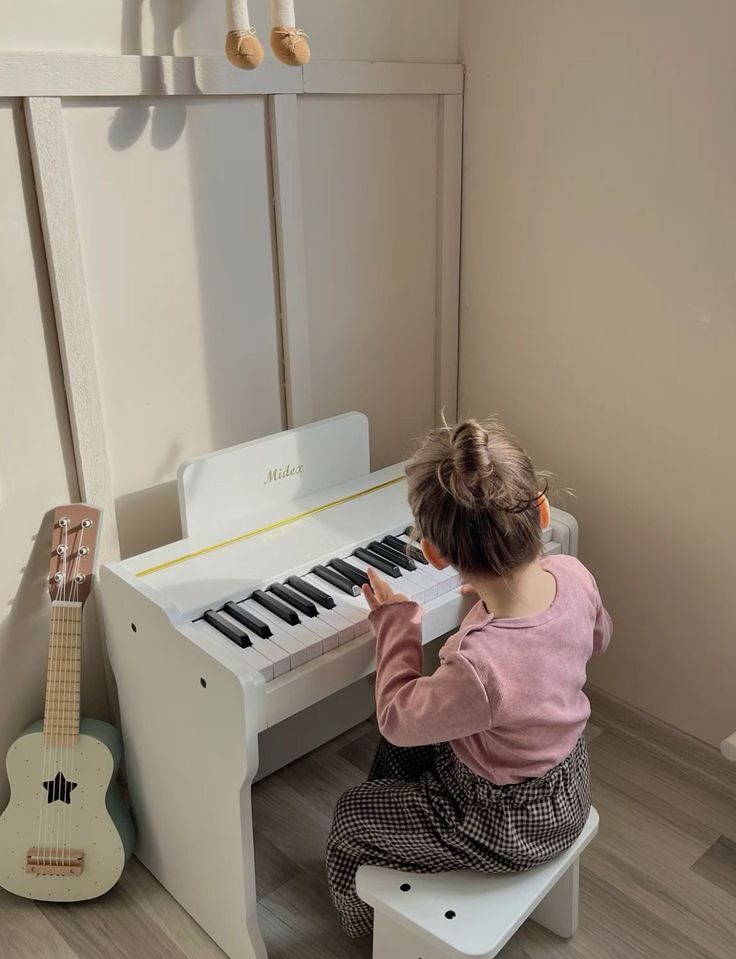
Our younger selves, it seems, hadn’t yet acquired these habits. They moved through the world by observing, experimenting, and trusting their instincts, guided by a two-word manual: freedom and intuition. Some believe there’s something ethereal about children—that angels speak to them, or that they can perceive things beyond our own awareness.
What gave rise to this belief? Is it the language they speak, their seemingly unburdened spirits, their innocent faces, or the fleeting, unpredictable nature of their actions?
When words are beyond your reach, what else is there but intuition and the instinctive expressions of your truest self?
Could our mothers’ memories hold the key to the questions we can no longer answer for ourselves?
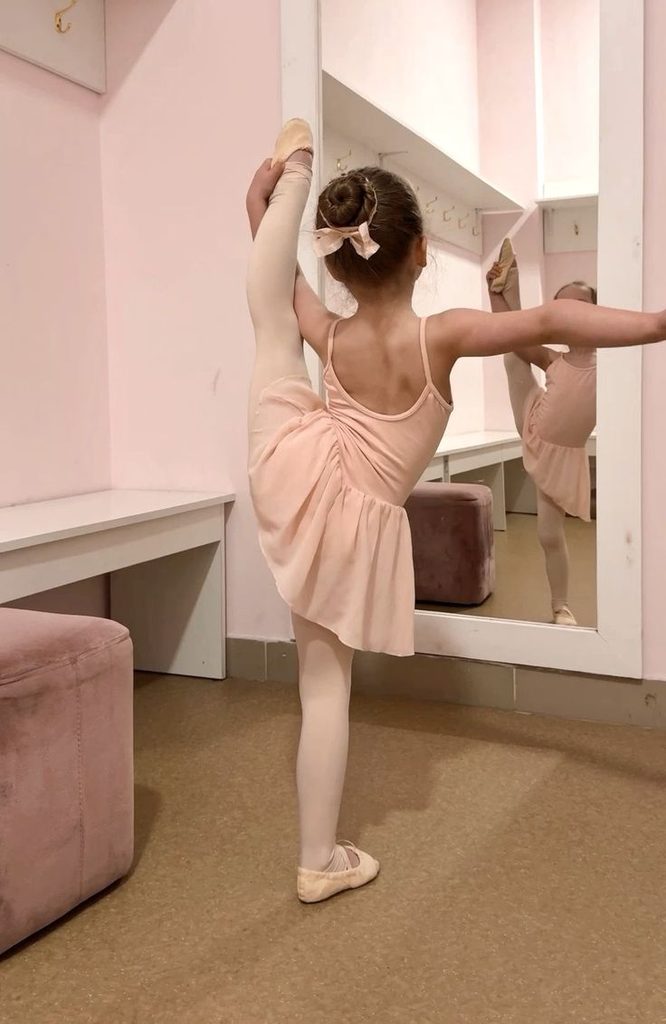
What did we love as children? What did we keep returning to, and what did our mothers notice about us that seemed unusual? Perhaps that’s the very guidance we’ve been searching for. Because I bet your two-year-old self knew.
Can you imagine what life was like before we understood judgement, before we inherited the responsibilities life signed us up for, before we learned to live up to expectations, and before all that noise blurred the certainties we once held.
What you feel in your bones, what interrupts your thoughts before you fall asleep, what occupies your mind when you wake, and what your younger self once pursued so freely and naturally, perhaps they point towards a path that has always felt like yours, beneath the expectations and distractions that have accumulated along the way.
The Little Things We Should Be Paying Attention To
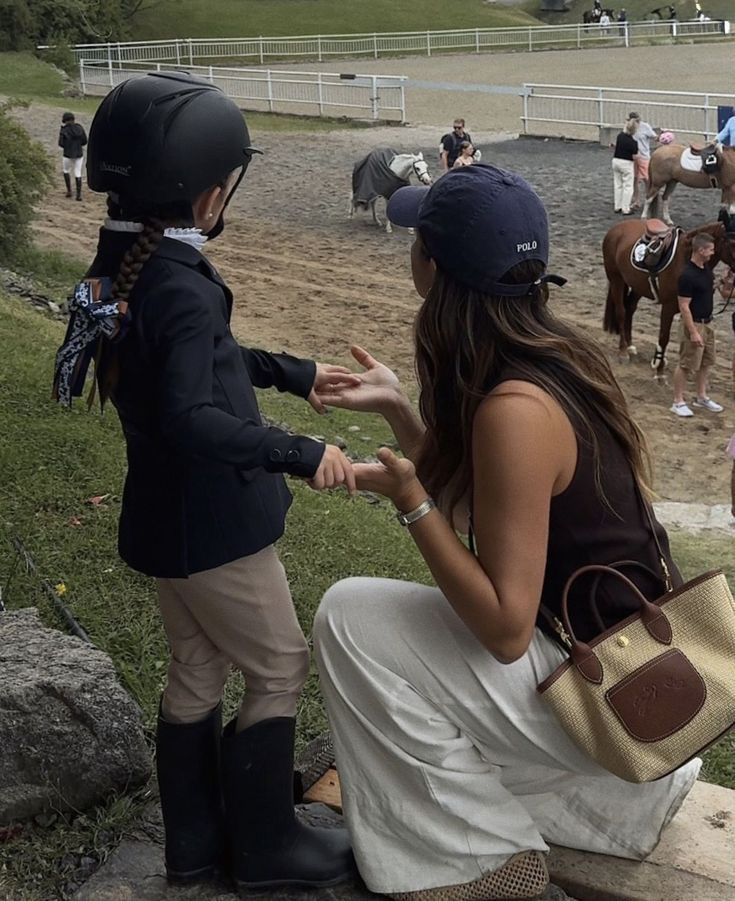
Consider this a call to all the mommies, cool aunties, and older siblings: pay attention. Look closely. Observe the little things you might otherwise dismiss as naïve gestures or awkward, seemingly insignificant moments.
One of those seemingly insignificant moments might be the very memory you return to twenty years later. Imagine the goosebumps you’d get watching that same soul rediscover the same passion. What was once a passing fascination might now become a commitment—a conscious decision to pursue it, dedicate yourself to it, and see where it leads.
What you’re witnessing may be more than a child simply following a passing whim. It may be a glimpse of a soul still unburdened by expectation—boundless, tireless, and free to pursue whatever feels instinctively right. There is something quietly beautiful about watching a child become absorbed in what they love, oblivious to the noise around them and unconcerned with whether their passion makes sense to anyone else.
Your next step? Observe. Take note. Look for the patterns.If a child shows a persistent love for dance, consider a ballet class. If they gravitate towards drawing, explore art classes. If they thrive on movement, try a sports club. Whatever you notice, don’t dismiss it as a fleeting phase. It might be the beginning of something they’ll return to years later.