 Yara Lotfy
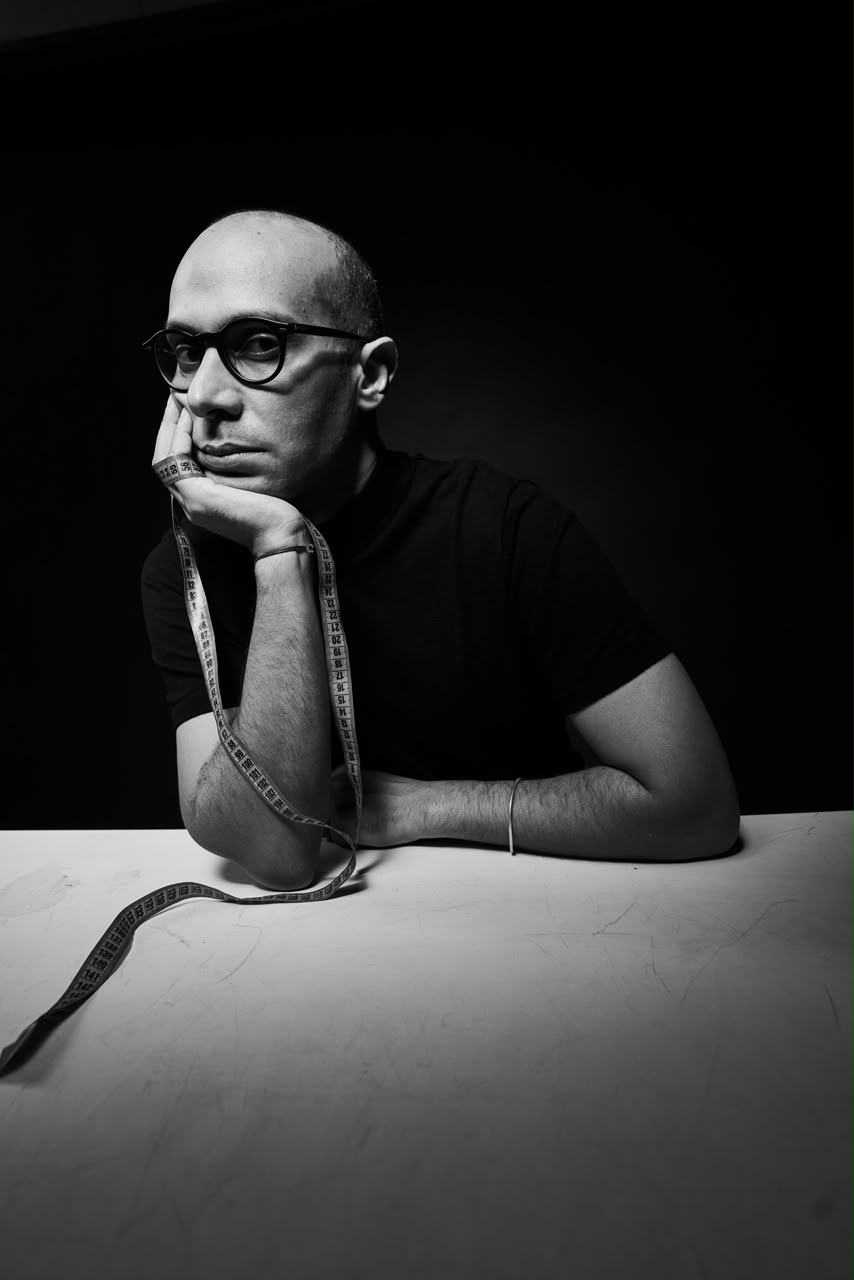
 Ahmed Al-Saedi didn’t grow up dreaming of fashion. He grew up solving problems, trained as an engineer, thinking in systems and structure. Somewhere along the way, that logic found its way into fabric. Today he runs Maison SAEDI, a house that has grown far beyond couture into ready-to-wear, evening wear, daily wear, and fragrance, all built on the same idea: that beauty isn’t the goal, it’s just what happens when an idea is honest enough. His work has taken Egyptian design to Paris, Vienna, Bangkok, and New York, and along the way, he’s become just as focused on the designers coming up behind him as he is on his own next collection.
In conversation with Flair Magazine, Al-Saedi talks about where engineering ends and instinct takes over, what it really means to protect a brand’s identity, and why he thinks talent was never the region’s problem.
Many designers begin their journey through fashion, yet your story started with engineering, a discipline built on precision, function, and problem solving. How did you translate those principles into a world defined by emotion, expression, and beauty?
People often see engineering and fashion as completely different worlds, but for me they have always been connected. Engineering taught me how to think, how to solve problems, and how to build something that is both functional and meaningful. Fashion gave me the freedom to express ideas that cannot be explained through numbers or formulas.
Every collection begins with a concept. Engineering helps me translate that concept into a garment with intention and precision. It taught me that creativity is not the absence of structure. In many ways, structure is what allows creativity to exist.
When you founded Maison SAEDI, what was the biggest challenge, not just in building a couture business, but in convincing the world to see Egyptian fashion through a different lens?
The biggest challenge was changing perception.
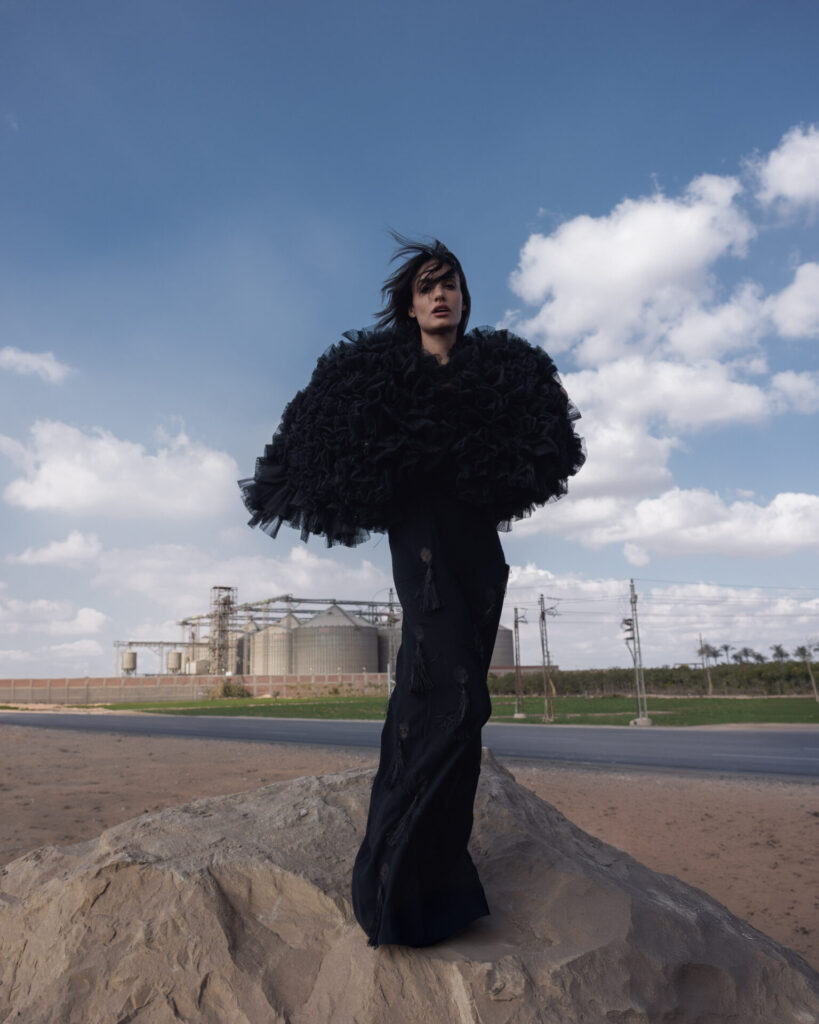
I wanted Maison SAEDI to be seen not simply as an Egyptian couture brand, but as a contemporary luxury house with its own voice. Too often, creativity from our region is expected to fit into preconceived narratives. I wanted to show that we can contribute original ideas to the global fashion conversation while remaining authentic to who we are.
From the beginning, my vision extended beyond couture. Today, Maison SAEDI includes couture, ready to wear, evening wear, daily wear, and fragrances. Every category is connected by the same philosophy and creative language. They represent different ways of experiencing the brand, but they all tell the same story.
Your designs often feature dramatic silhouettes and unconventional fabric treatments. What attracts you to pushing the boundaries of traditional couture?
I have never been interested in creating garments that are beautiful simply for the sake of beauty. Beauty is the outcome, not the objective.
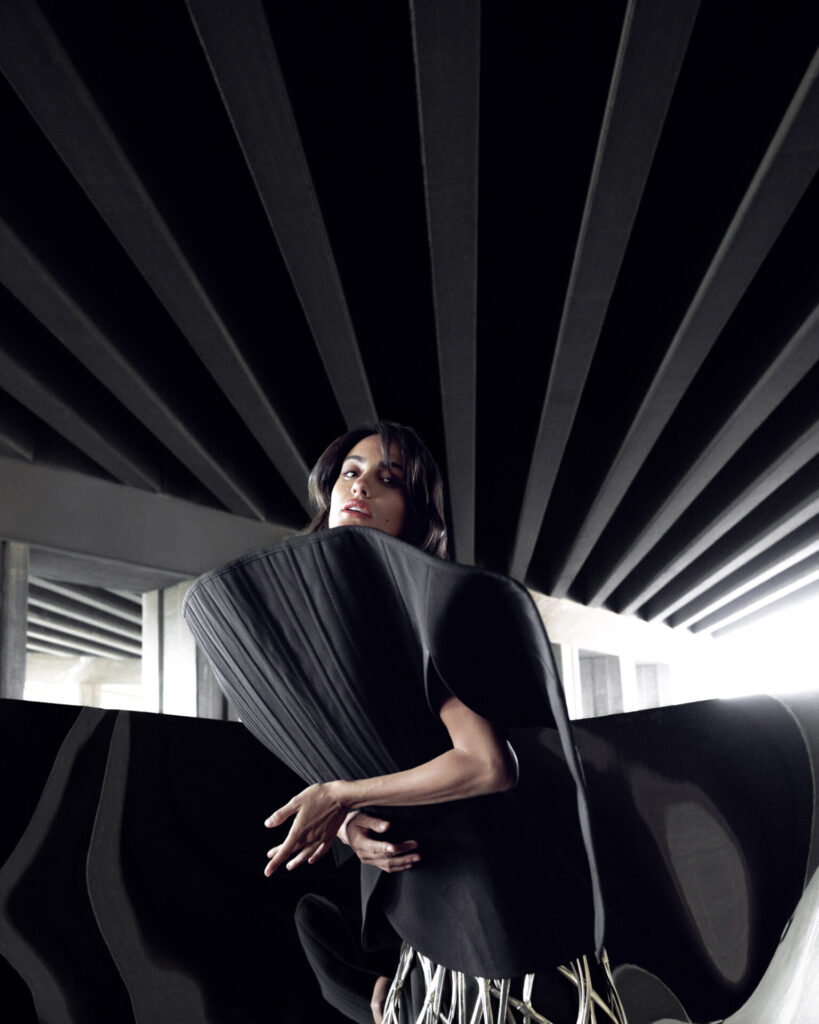
Every collection starts with an idea or a question. Once that idea is defined, I look for the most honest way to express it through form, proportion, texture, and movement. Sometimes that leads to dramatic silhouettes or unexpected fabric manipulations because the concept demands it.
For me, couture is one of the few creative disciplines where imagination still has no limits. It allows ideas to become physical experiences.
What stories do you hope your collections communicate, and what do you want a woman to feel when she wears a Maison SAEDI piece?
My collections often explore identity, transformation, memory, and the invisible moments that shape who we become. I am fascinated by the emotions people experience but rarely express.
When a woman wears Maison SAEDI, I want her to feel like herself, not like someone else. The garment should never define her. It should reveal something that already exists within her.
Whether she is wearing one of our couture creations, an evening look, or a ready to wear piece, I want her to feel confident, comfortable, and emotionally connected to what she is wearing.
How do you protect the integrity of Maison SAEDI while navigating an industry increasingly driven by trends and immediacy?
By staying committed to ideas instead of trends.
The industry moves incredibly fast, but meaningful design cannot be rushed. Every decision we make, whether it involves couture, ready to wear, fragrance, or any future category, begins with the same question. Does this truly represent Maison SAEDI?
Expanding a brand should never dilute its identity. Every product should share the same values, the same attention to detail, and the same emotional depth. That consistency is what protects the integrity of the house.
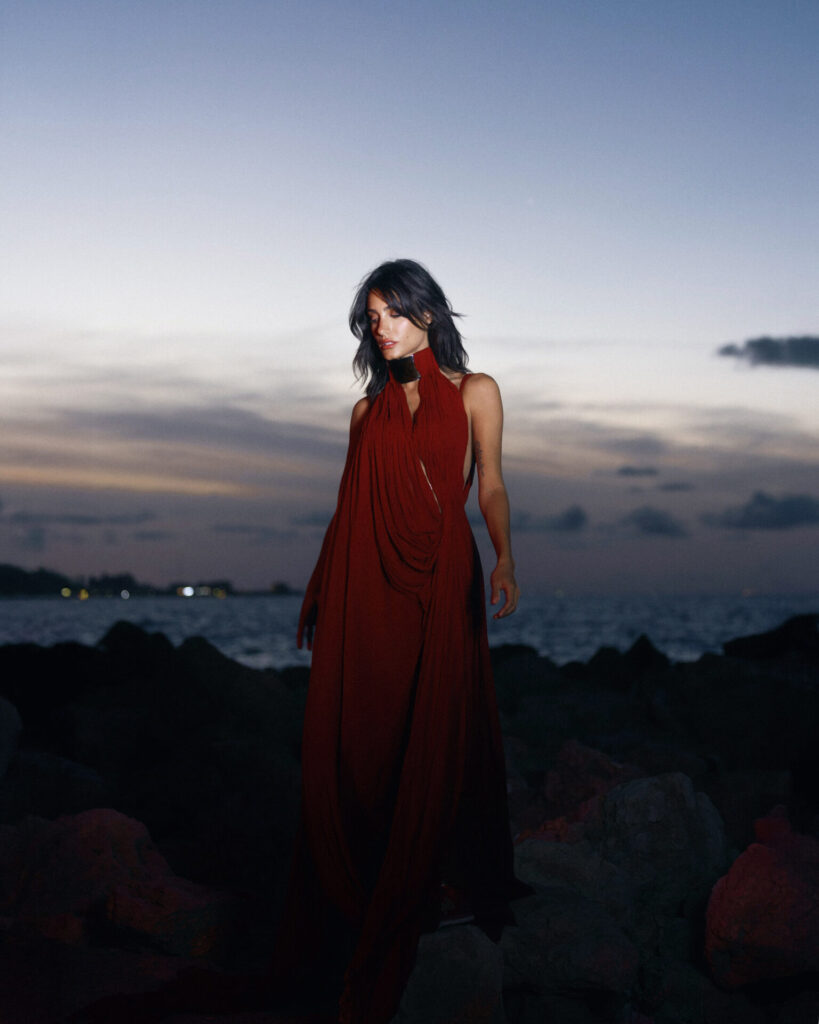
Maison SAEDI has represented Egypt on international stages from Paris and Vienna to Bangkok and New York. How have these experiences shaped your perspective on the industry’s place worldwide? And what do you believe the global fashion community still misunderstands, or perhaps overlooks, about the creativity emerging from Egypt and the wider region?
Representing Egypt internationally has taught me that authenticity always resonates. Every city has its own perspective on fashion, but people everywhere connect with originality and honest storytelling.
International audiences often discover Maison SAEDI through couture, but what excites me most is showing them that we are building something much larger. We are creating a luxury house where fashion, fragrance, and lifestyle products all share the same creative DNA.
I also believe the world still underestimates the intellectual creativity coming from our region. We are often recognized for our heritage, which is something we should be proud of, but today’s designers are also exploring philosophy, science, technology, architecture, psychology, and contemporary culture. Our work is not only inspired by history. It is helping shape the future.
Beyond Maison SAEDI, you have invested in the next generation through IDEAS Factories and mentorship initiatives. What gaps do you believe still exist for emerging designers in the region?
Talent has never been the challenge.
The real challenge is giving designers access to the knowledge and infrastructure needed to build sustainable businesses. Many creative people know how to design beautiful collections, but they are never taught product development, manufacturing, pricing, production planning, or brand strategy.
That is one of the reasons I established IDEAS Factories. I wanted to create an environment where designers could transform ideas into products and products into businesses. Supporting the next generation means giving them the tools to build lasting careers, not just beautiful portfolios.
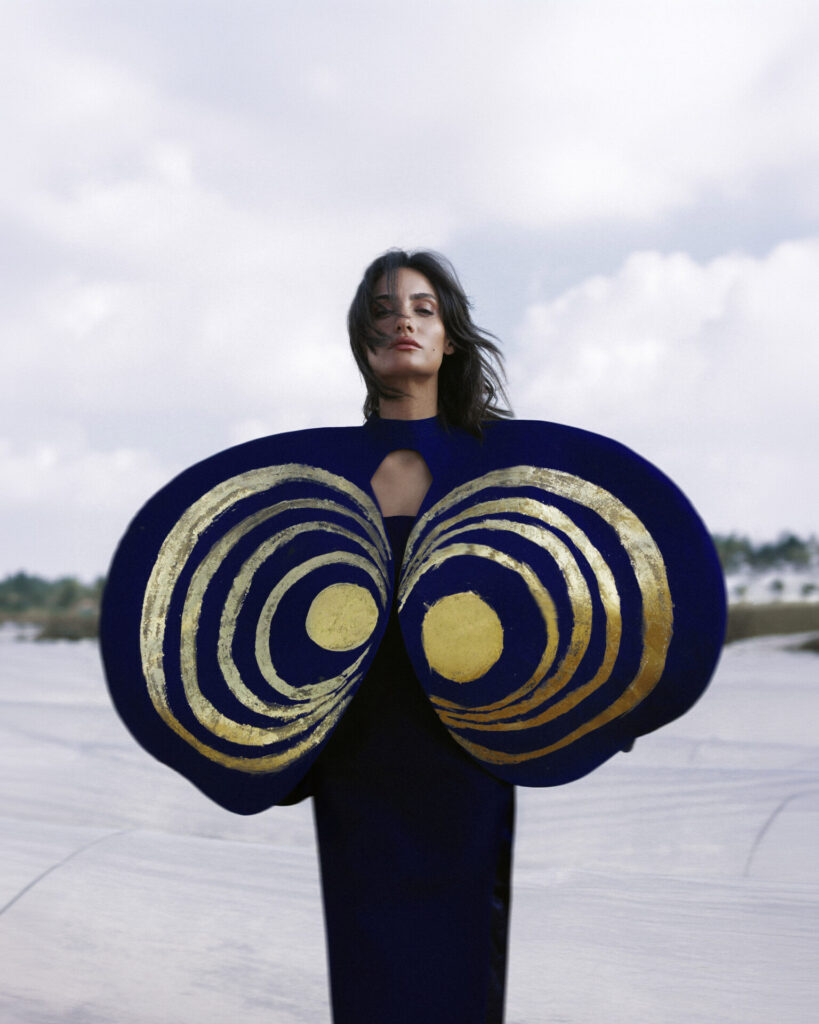
What advice do you find yourself giving most often to young designers who are trying to build a sustainable career in fashion rather than simply a successful social media presence?
I always tell young designers that visibility and value are not the same thing.
Social media can introduce people to your work, but it cannot replace originality, craftsmanship, or consistency. Those things are built over years, not through algorithms.
Spend more time developing your perspective than chasing attention. Learn the business as seriously as you learn design. Be patient with your growth and never stop asking why you are creating.
A collection may be remembered for a season, but a meaningful brand is remembered for generations.