 Yara Lotfy
 In luxury, time has always been something to preserve.
A vintage watch carries the beauty of decades. A couture gown is valued not only for its craftsmanship but for its ability to transcend seasons. A rare piece of jewelery becomes more meaningful with every passing year. Age, in these worlds, is not something we look to erase, rather, it is something to honor.
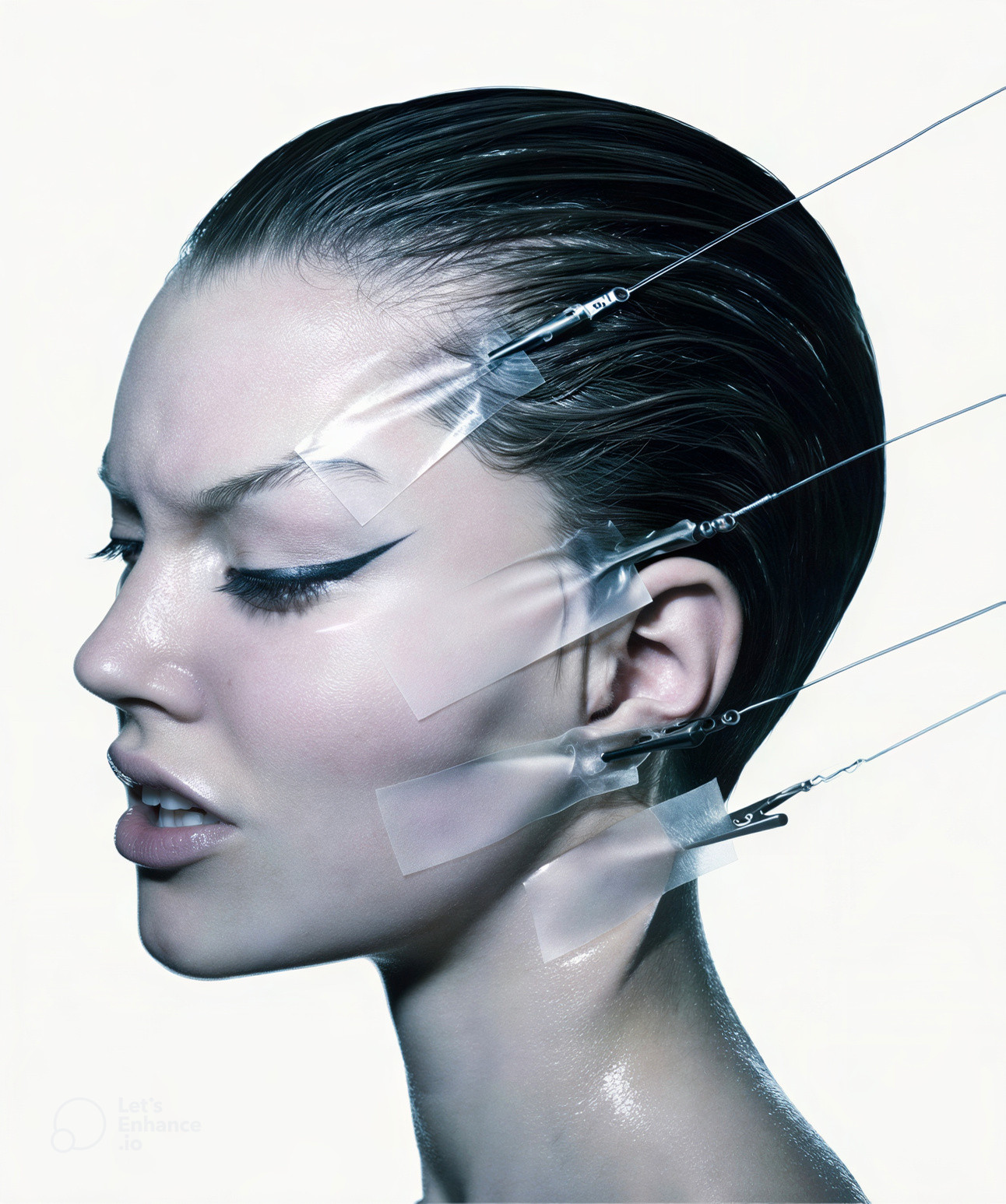
Yet when it comes to beauty, the relationship with time has become far more complex. New conversations are sparking about how to think about aging. The facelift, once associated with Hollywood celebrities and a later chapter in life, has entered a new era. Today, younger generations are discussing procedures not as a way to become someone else, but as a way to preserve a version of themselves they already recognize.
The question is no longer simply: How young is too young for a facelift?
It is ‘Why are we beginning to think about aging before we have even aged?’
The Pursuit of Timelessness
For decades, cosmetic surgery has always been carried with the idea of ‘wait until visible signs of aging appear’, then intervene. The facelift used to be as a response to time, a procedure to restore what had changed.
But today’s approach is shifting from correction to preservation. The rise of preventative aesthetics has introduced a new perception around beauty. Now, rather than waiting for significant changes, some people opt for subtle treatments earlier in life to maintain their features for longer.
This reflects a wider cultural focus on longevity. From wellness routines designed around extending healthspan to personalized skincare regimes promising to protect the future of the skin, modern luxury is increasingly connected to the idea of preservation. And the face has officially become part of that conversation.
What has changed is not necessarily the desire itself, but the way it is discussed, moving from secrecy to openness and self-assurance.
The Influence of The Image Era
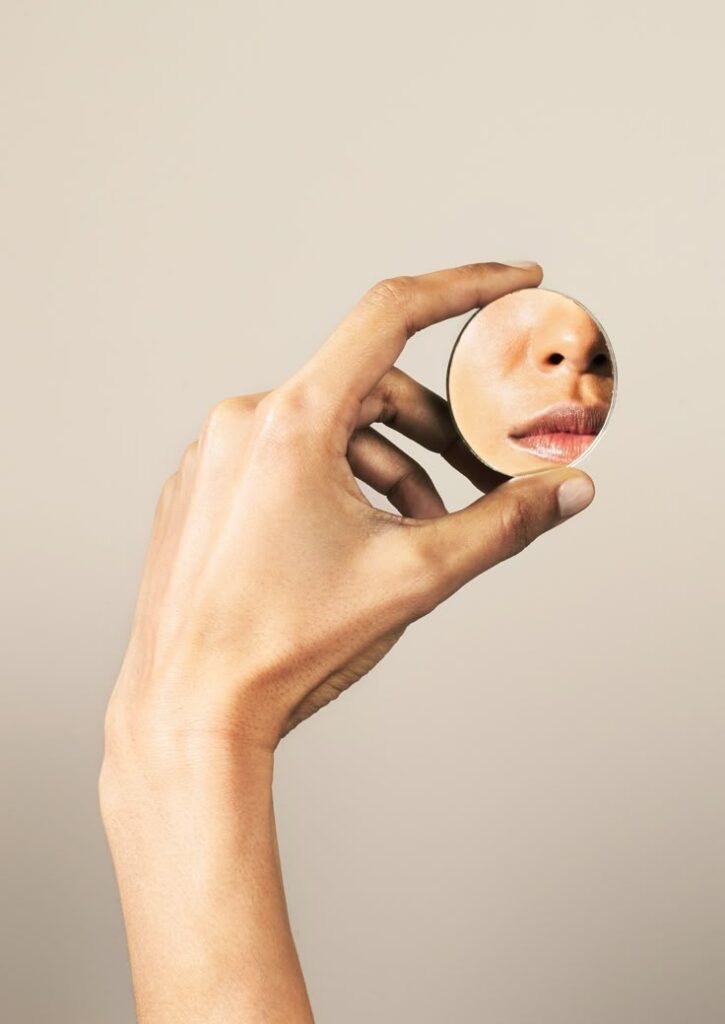
This shift cannot be excluded from reality where social media has transformed beauty from a private experience into a public one. A person’s face is no longer only reflected in the mirror, rather, it exists across thousands of casual selfies.
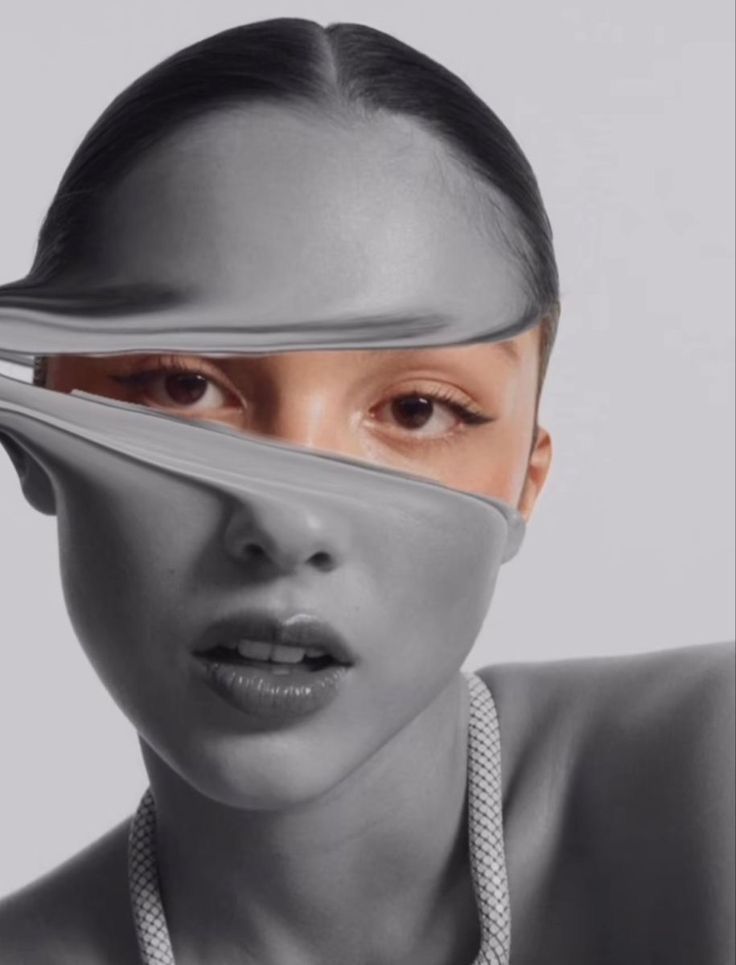
The new demographic, aka younger generations, has created a unique relationship with aging. Many are not comparing themselves to how they looked a decade ago, but to a digitally enhanced version of themselves captured yesterday.
The focus is now less on wanting to look younger and more about creating a sense of alignment between one’s inner sense of self and the image presented to the world.
In this context, procedures like facelifts are increasingly discussed through the language of confidence, self-perception, and personal choice.
The Facelift, Redefined
The facelift itself has evolved with modern techniques moving away from the visibly tightened appearance once associated with the procedure. Many surgeons now focus on creating results that appear natural rather than noticeably altered. The goal is not necessarily to look younger, but to look refreshed and rested.
This reflects a broader shift in beauty standards. The emphasis on perfection is gradually moving to a preference for refinement. Much like luxury fashion, where the finest craftsmanship is often invisible, modern aesthetic procedures increasingly celebrate subtlety.
Between Empowerment And Expectation
As the conversation becomes more open and widely accepted, it also raises a deeper question.
Are people choosing procedures because they genuinely desire them, or because aging has become something society expects them to fight?
The answer is pretty simple.
For some, aesthetic treatments are an expression of confidence. For others, the growing normalisation of facelifts highlights a deeper discomfort with aging itself, particularly in a culture that tends to idealise youthfulness across industries, from entertainment to fashion.

A New Definition of Aging
The future outlook of beauty will likely be less defined by the absence of aging, towards a more personalized approach to it.
Just as luxury has moved toward craftsmanship and authenticity, beauty is moving toward individuality rather than imitation.
The new face of aging is not about stopping time. It is about deciding how to move through it.