
 Flair Magazine
 By Hend Seif El Din
According to Lavoine, the duo worked “from Japanese-inspired mood boards,” opting for natural woods and light hues to bring the brand–along with its travel, savoir-fair and craftsmanship connotations–back to life. Founded in 1989 by Laurent Dumas, “the CFOC was literally a sleeping beauty […] an institution that just needed to be reawakened,” according to Schmidt.
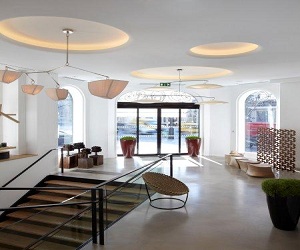
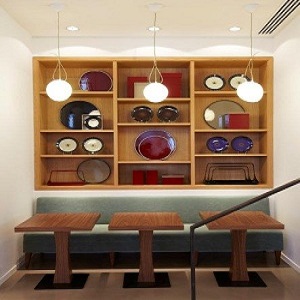
With respect to the interior designing of the space, he adds, “we put the accent on pureness, on a Japanese nuance rather than on a Chinese one, based on highly-sophisticated yet raw materials.”
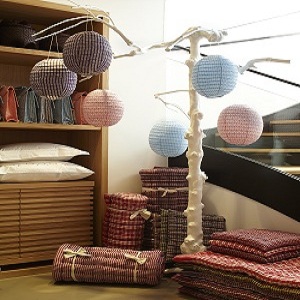
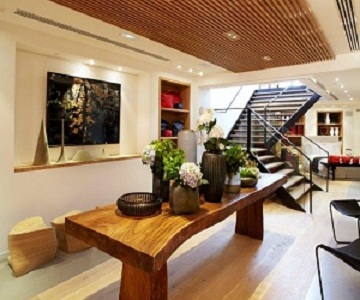
In the words of Dumas, the goal was to create and design “a concept store that will promote art de vivre, the art of living, in the broad sense.” He further adds, “for the CFOC, this means preserving a savoir-faire that is rare or that is on the verge of disappearing by incorporating it into contemporary art de vivre,” allowing consumers to discover affordable luxury, and establishing the latter in major cities. In order to promote this slowly diminishing concept, the premises, as well as the packaging and representation had to be revamped, in order to shed light on the uniqueness and beauty of the “savoir-faire.”
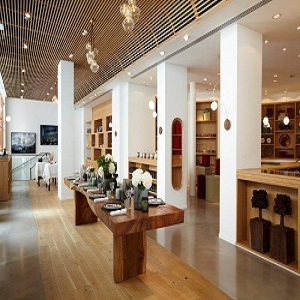
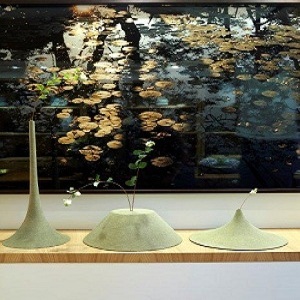
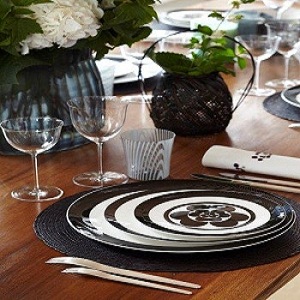

With natural hues, authentic materials, and unique embroidery lying at the essence of the CFOC’s latest collection, the concept store boasts an impressive collection of refined linens, tableware, decorative items and furniture. With lots of wooden furniture–designed and created by Asian and European furniture designers, lacquered timeless pieces with a contemporary twist, blown glass items, ceramic vases, and elegantly simple tableware with cherry blossom motifs and Zen lines, the true savoir-faire feel, laced with contemporary art de vivre, truly comes to life on the Boulevard Haussman.