 Habiba ElGaniny
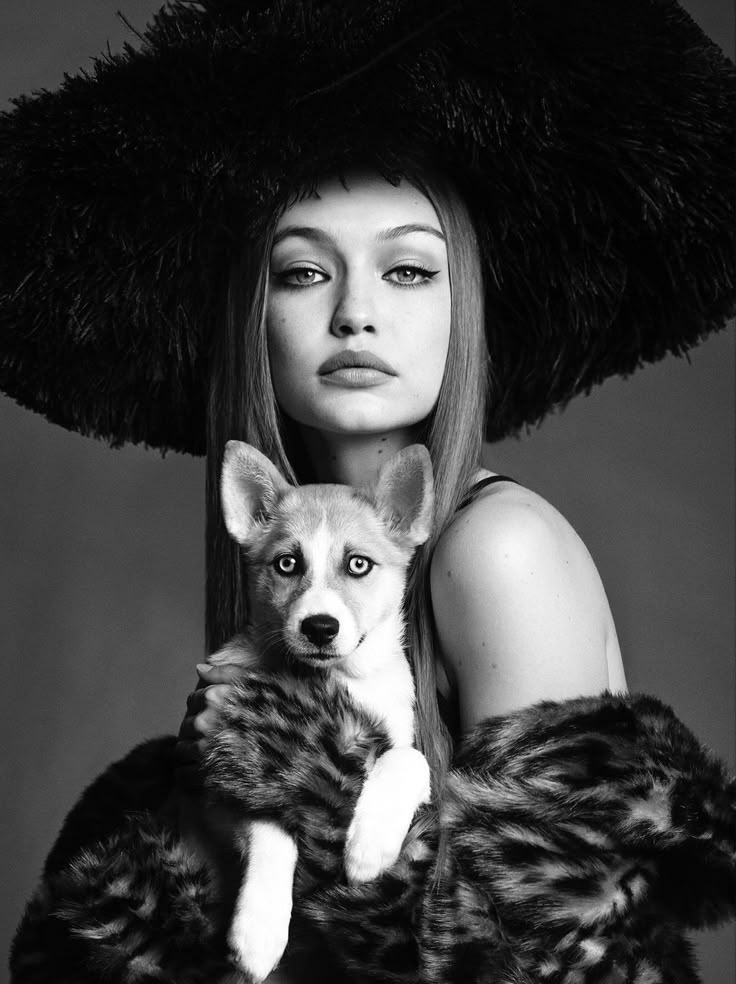
 As an observer who happens not to own a pet, I’ve always found something captivating about the intimate rapport between pets and their owners.
There’s an unspoken language that exists between them, like one subtle cue, a gesture, or even a certain look, and their owners instinctively know exactly what they want. Such a bond is undeniably extraordinary. Some compare it to the relationship between a baby and his mother, and personally, I find the comparison remarkably true. There is something equally mesmerizing about it, a deeply intuitive, soul-to-soul connection that seems to transcend words.
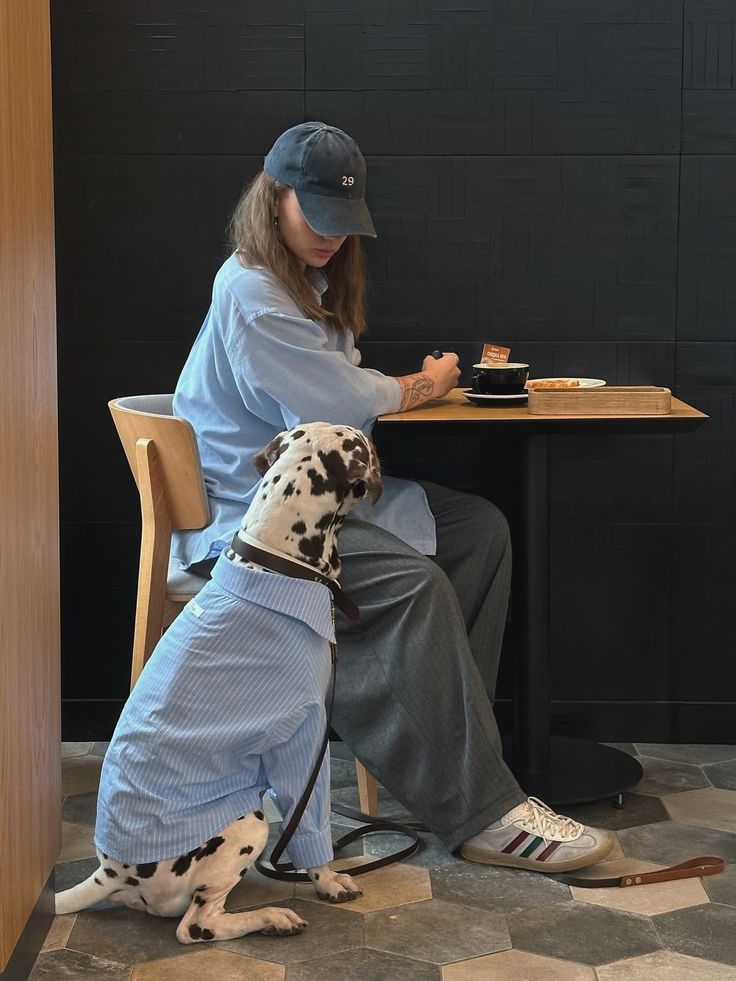
As an outsider, things can become surprisingly stressful when I’m looking after a friend’s pet, even if it’s only for 30 minutes. I’m not familiar with their temperament, their instincts, or, most importantly, their own language. I find myself trying to decipher what they want, talking to them as though they were human and might somehow understand me, and gradually losing my mind a little over the whole situation. Then my friend walks through the door, and suddenly, it feels as though the translator has finally arrived—the one person who understands every clue, every look, every little gesture.
that’s not even the uncanny part yet
It begins when you start to resemble them. Let me widen your horizons for a moment: think of any friend you know who owns a pet. At some point, you start noticing that they seem completely in sync, almost as though they’re gradually beginning to resemble one another.
You’ll find this especially clear with cat owners. They start carrying the same nonchalance as their cats, effortlessly slipping into that unmistakable black-cat energy. And then there are dog owners, who seem to mirror their dogs’ traits without even realising it, giving off those golden-retriever vibes of loyalty, warmth and boundless enthusiasm.
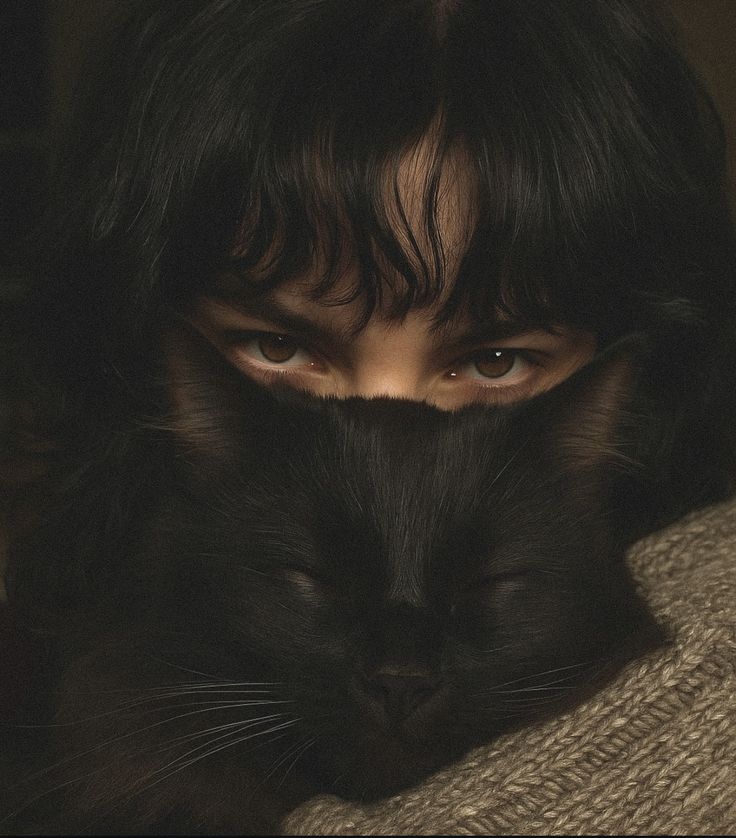
As it turns out, there’s science behind it. It’s called personality convergence, and it helps explain how such a profound bond can create an unparalleled sense of mutual familiarity—so much so that, over time, you may begin to see a little of the pet in the person, and the person in the pet.
That much, I can understand. It’s only natural with such a close companionship—you become attuned to their instincts, while they become accustomed to your rituals, routines and lifestyle.
when you seemingly start to physically resemble your pet.
That part that’s much harder to fathom. What could possibly be behind that? Is it science, psychology, or does that bond somehow begin to play tricks on our subconscious, convincing us that the two of you actually look alike?
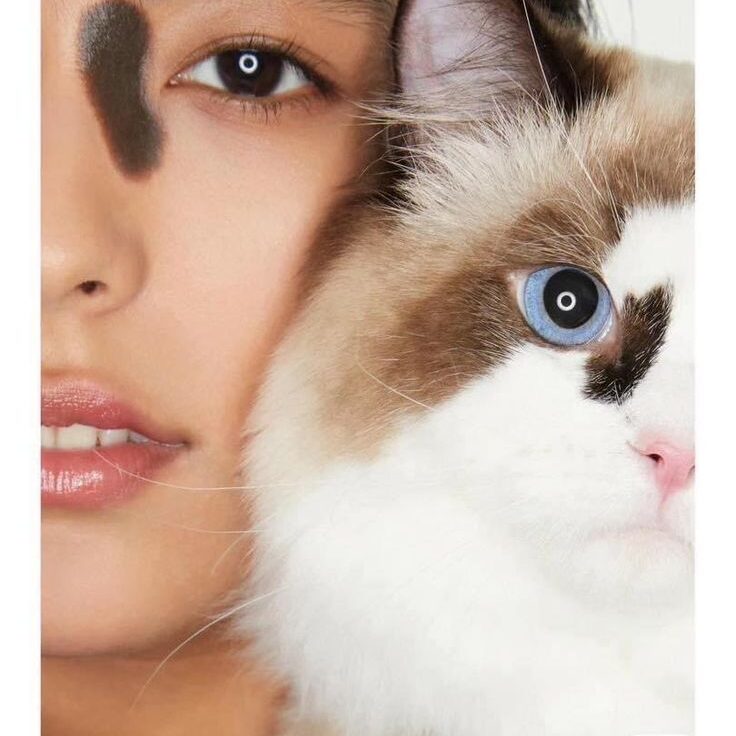
We’ve all heard it: “Wow, they actually look like you,” or, “Oh my God, you have the exact same look.” And somehow, once someone points it out, you can’t quite unsee it.
By now, I’m sure you’ve come to the conclusion that I have an inquisitive mind, so naturally, I went straight down the research rabbit hole—which I shall now distil for you. It turns out there’s no single, definitive explanation for why we sometimes come to resemble our pets, but I did uncover several fascinating theories.
It could be:
Self-Similarity Preference: it proposes that we naturally gravitate toward things that look or feel familiar to us. So we unconsciously choose a pet that resembles us.
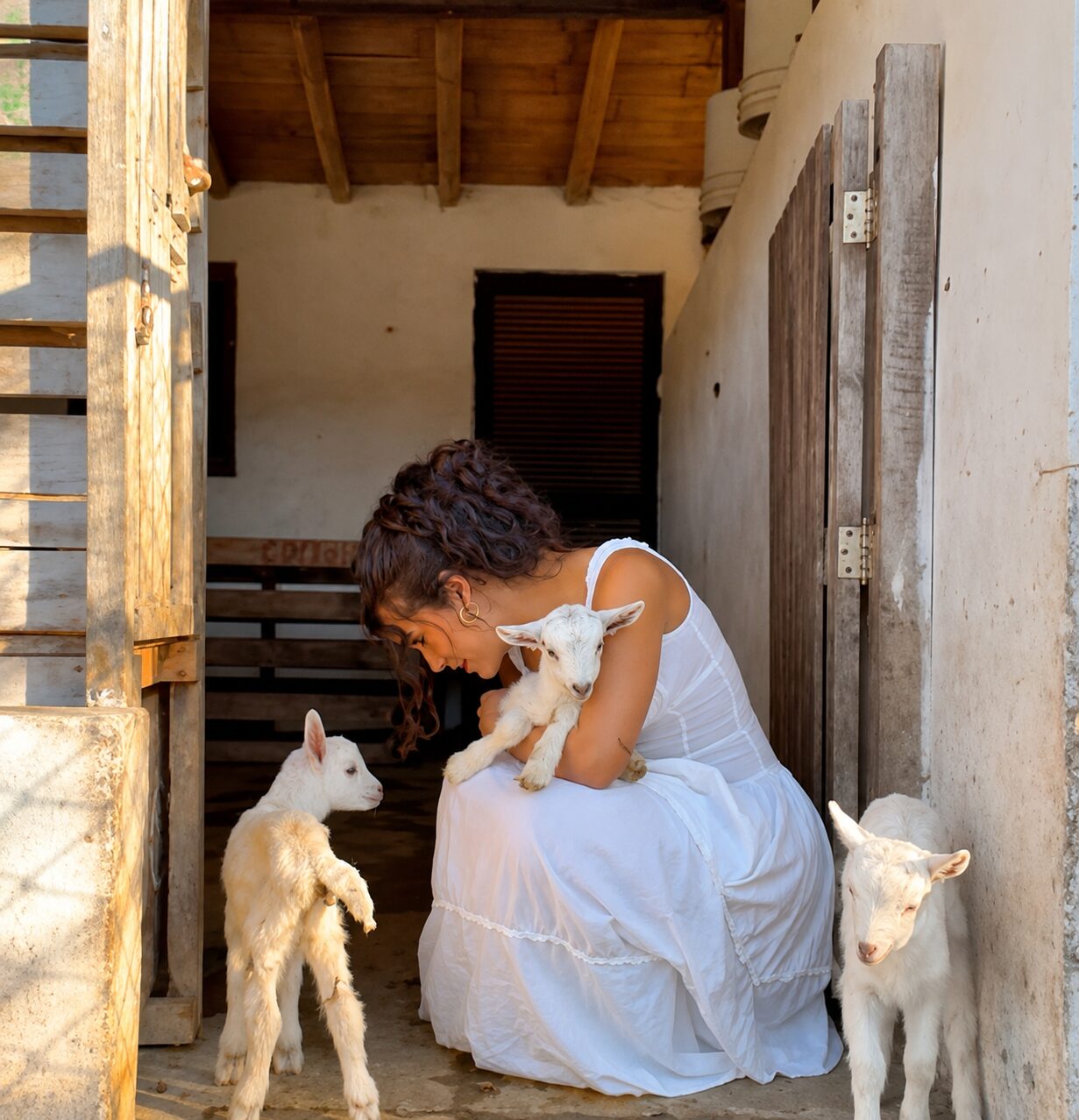
Or it could be the Emotional Contagion and Micro-Expressions: it suggests that, due to that profound bond we’ve previously discussed. Pets gradually begin to subconsciously mimic their owners’ expressions and energy.This means you and your pet often use the same facial muscles to express emotions, making your faces look structurally similar to outsiders.
After reading about and extracting these two concepts, that bond suddenly feels elevated from mere fascination to something almost otherworldly—and quite difficult to fully comprehend. Could such an extraordinary level of familiarity somehow create the illusion of physical duplicates?