 Nahla Zayed
 Only a few series this season have sparked conversation like Ward w Chocolata — a psychological drama that grips its audience not with spectacle, but through its fearless exploration of fractured souls, hidden motives, and the unsettling spaces people inhabit when driven by desire, fear, or survival.

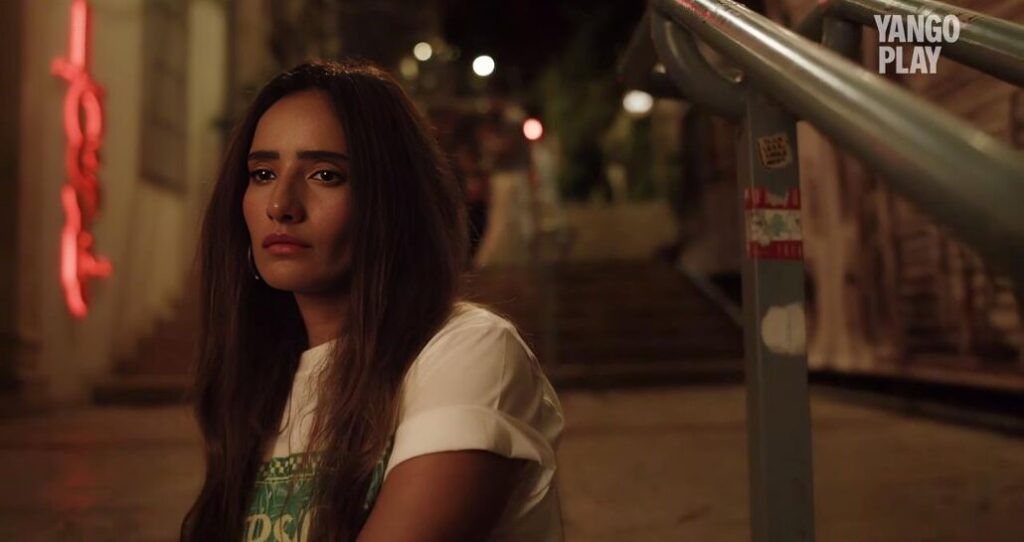
What writer Mohamed Ragaa and director Mohamed “Mando” El Adl achieve is not simply storytelling; it is a study — layered, intimate, and sometimes suffocating in its emotional tension. The series feels like walking through a dim tunnel illuminated by scattered, fragile lights: each character is a flickering lamp, revealing just enough to intrigue, unsettle, and provoke.
A Series Rooted in Reality
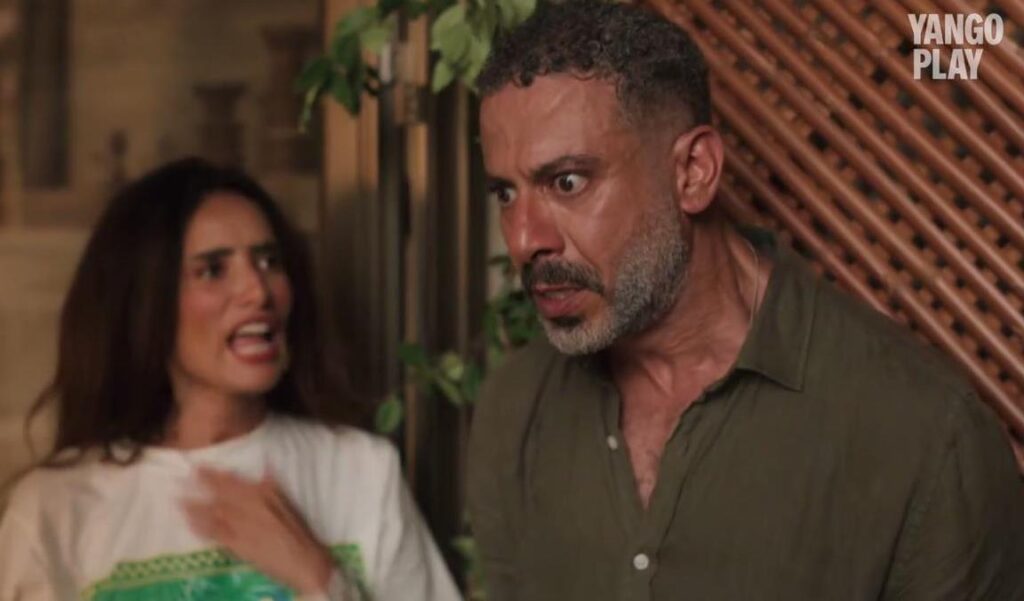

Ward w Chocolata goes beyond conventional psychological drama. Inspired by true murder cases in Egypt, the 10-episode series on Yango Play examines the delicate boundaries of trust, love, and control. The story feels unnervingly familiar, showing how easily affection can turn into danger when emotions collide with hidden desires. In a region where psychological thrillers are still emerging, the series stands out for its boldness, depth, and unflinching portrayal of human fragility.
A Script Grounded in Psychological Precision
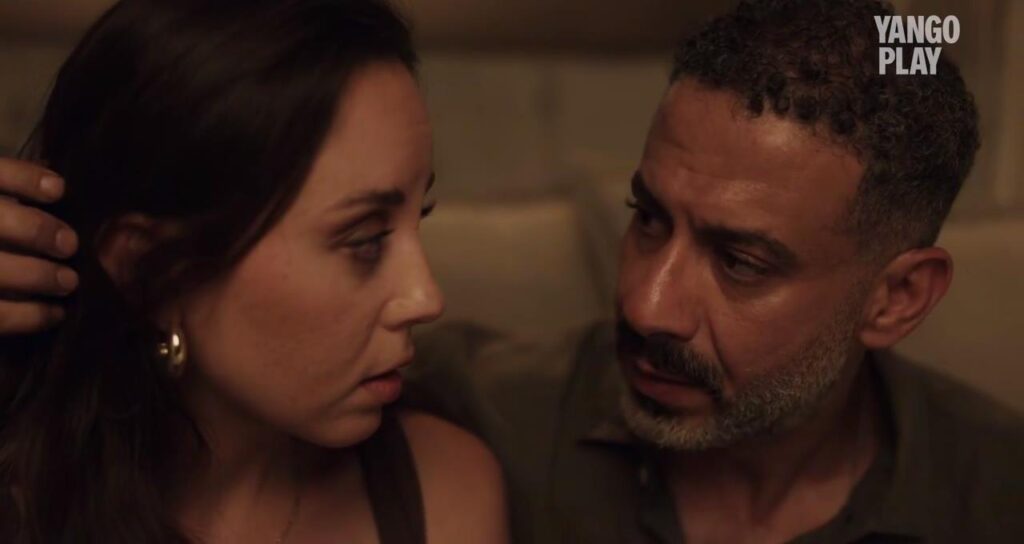
Ragaa’s script thrives on psychological depth. Each character is meticulously drawn — their past, social environment, gestures, and even their wardrobe reflect inner turmoil. Costume designer Ghadea Wafik translates character psychology into tangible visual cues. From the manipulative poise of Kawthar (Safaa El Toukhy) to the fragile aggression of protagonist Marwa (Zina), every costume serves as a clue, a punctuation, a weapon.
Cinematographer Bishoy Roosevelt and the production team reinforce this architecture of emotion. Rooms breathe. Props whisper. Lighting isolates or implicates. Together, these elements create an unsettling realism that immerses viewers into the series’ moral labyrinth.
Performances That Redefine Characters
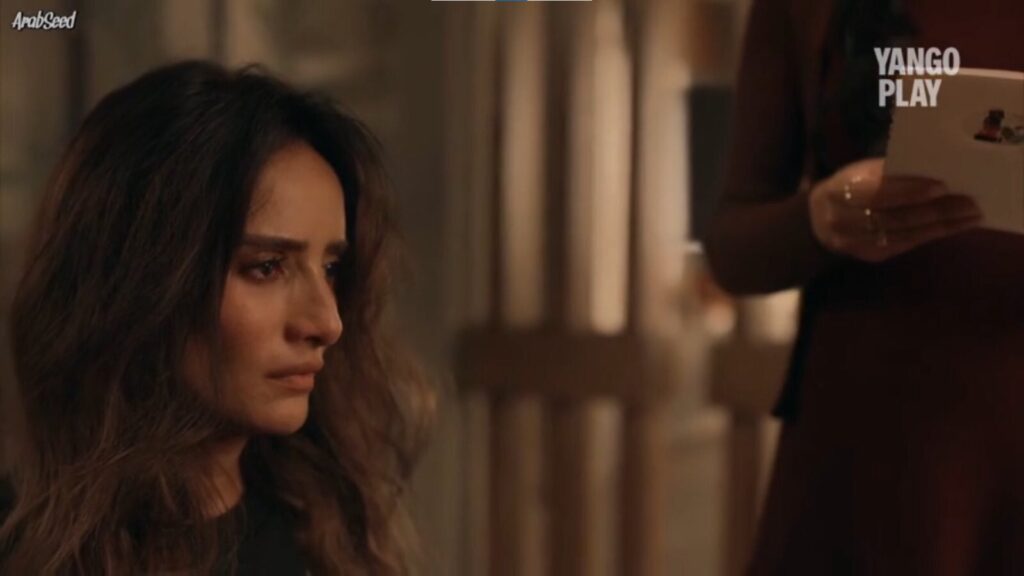
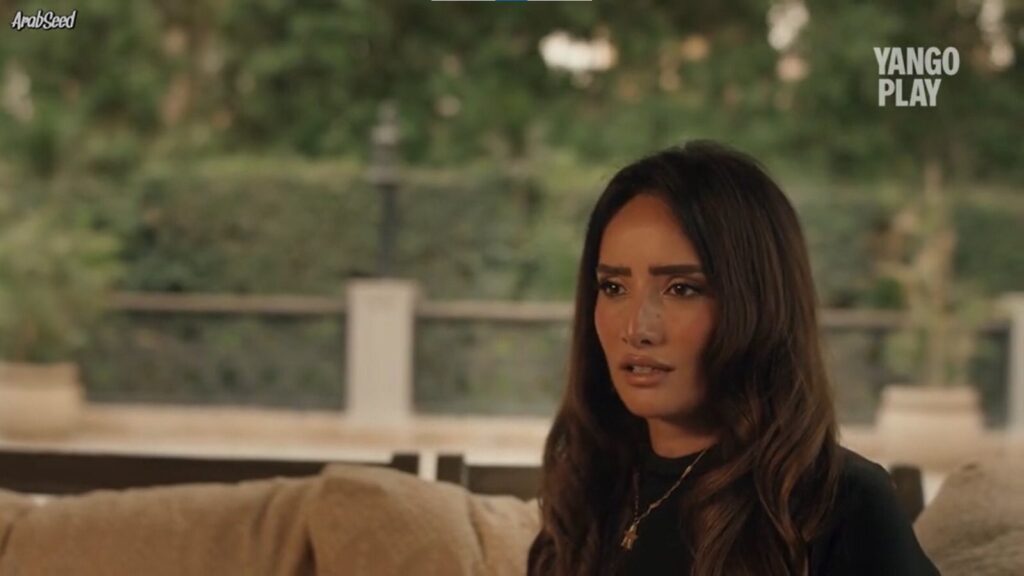

Zina delivers one of her most commanding performances to date. She dissolves into Marwa, stripping away glamour to reveal raw, instinctive humanity. Every gesture, voice modulation, and subtle reflex reflects a woman collapsing inward while striving to maintain control over her world.

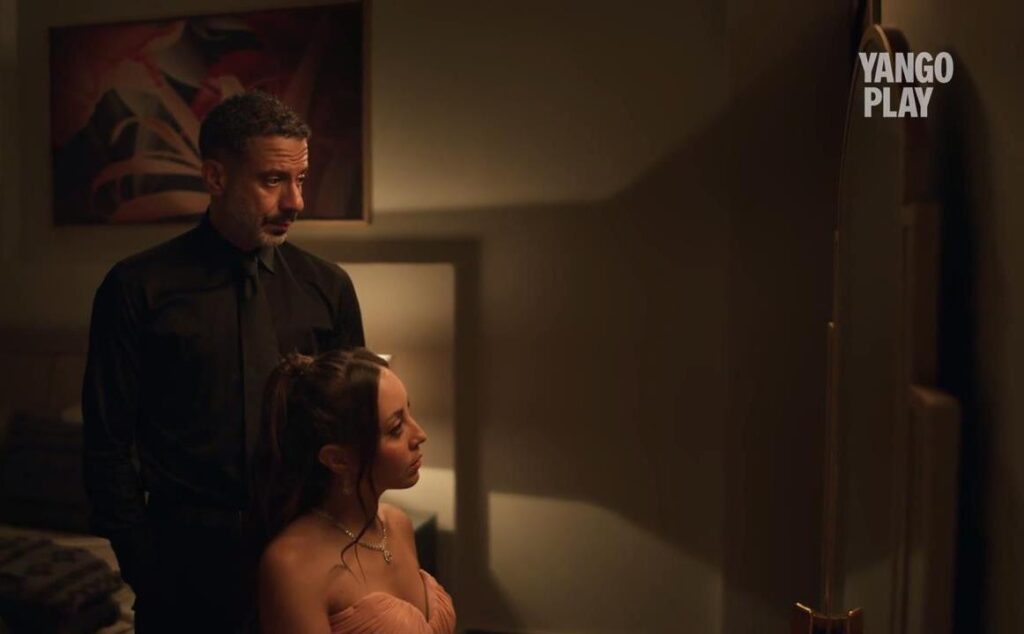
Mohamed Farrag, known for his nuanced antagonists, elevates his craft further. This time, he navigates the role with quiet, calculated intensity, making his presence all the more disarming.


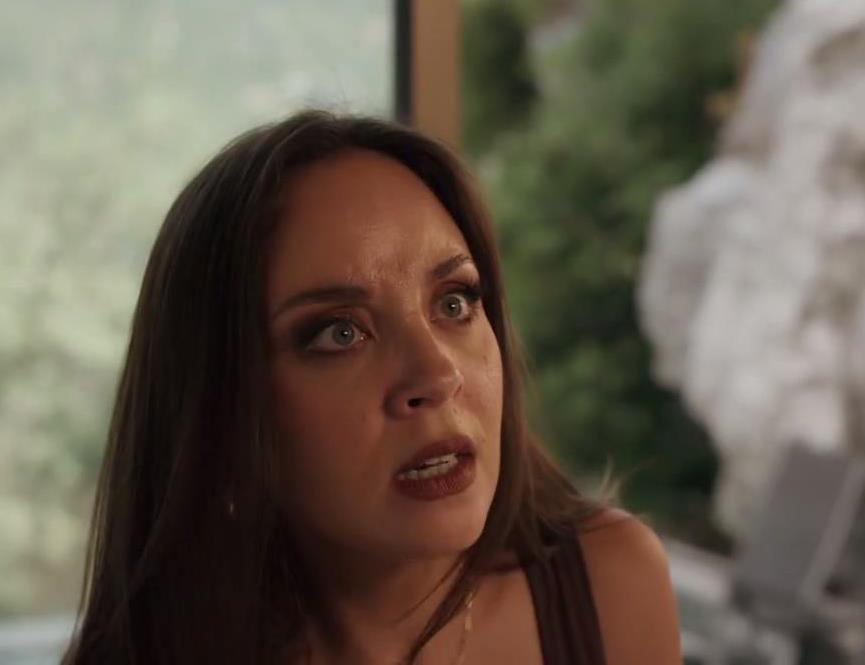
Safaa El Toukhy is magnetic as Kawthar, a woman capable of selling anything — even her own child’s wellbeing — with chilling precision. Maha Nasr impresses as Hanaa, a character walking the fine line between naivety and cunning; her movements, speech, and styling convey a social climber who never truly belongs to any world.
Supporting actors, including Meryem El Khost and Murad Makram,sharpen the show’s psychological tension, ensuring no role feels secondary. Each actor contributes to the series’ intricate, darkly layered world.
Visual Storytelling & Music
The soundtrack, composed by Karim Gaber (Al-Waili), Hady Moammar, and Mohamed Hatem, flows like a hypnotic current beneath every scene. Music is not a backdrop; it immerses the viewer in the characters’ inner lives, amplifying tension, vulnerability, and suspense.
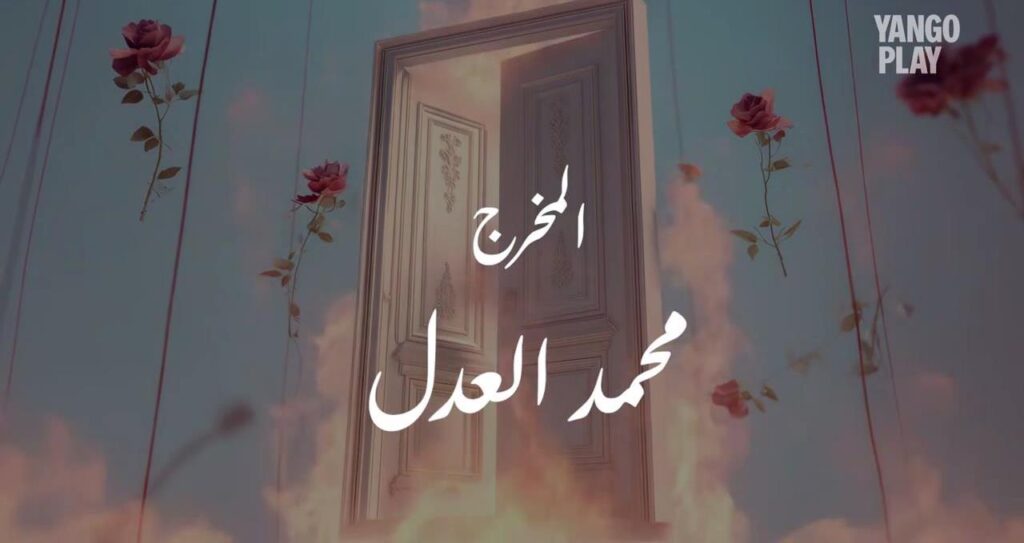
Mando El Adl’s direction is a masterclass in subtle symbolism. Floral motifs, street billboards, and color palettes mirror internal conflicts, carefully embedded to amplify the narrative. His visual decisions — from framing to lighting — serve the story and the characters’ psychology rather than merely decorating the scene.
Titles as a Parallel Narrative
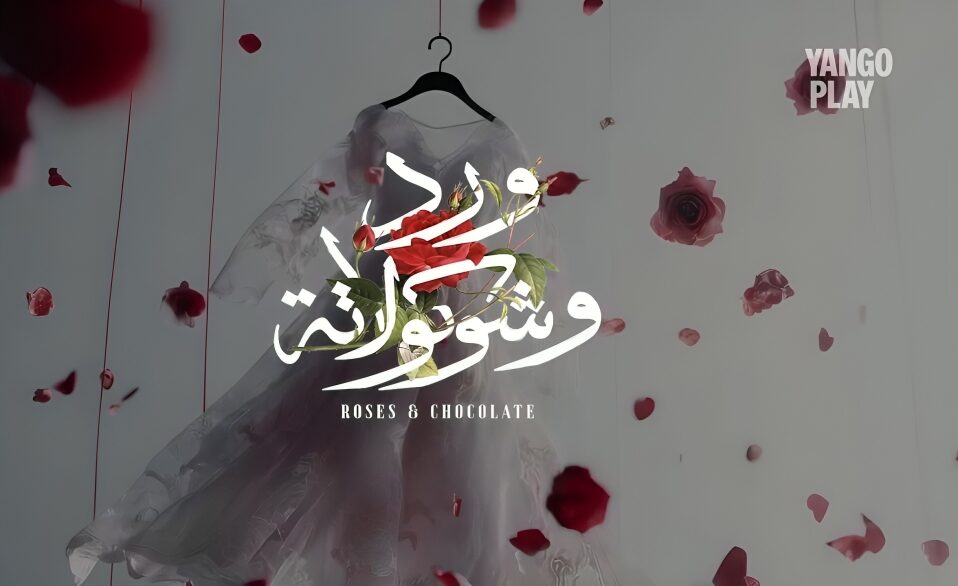
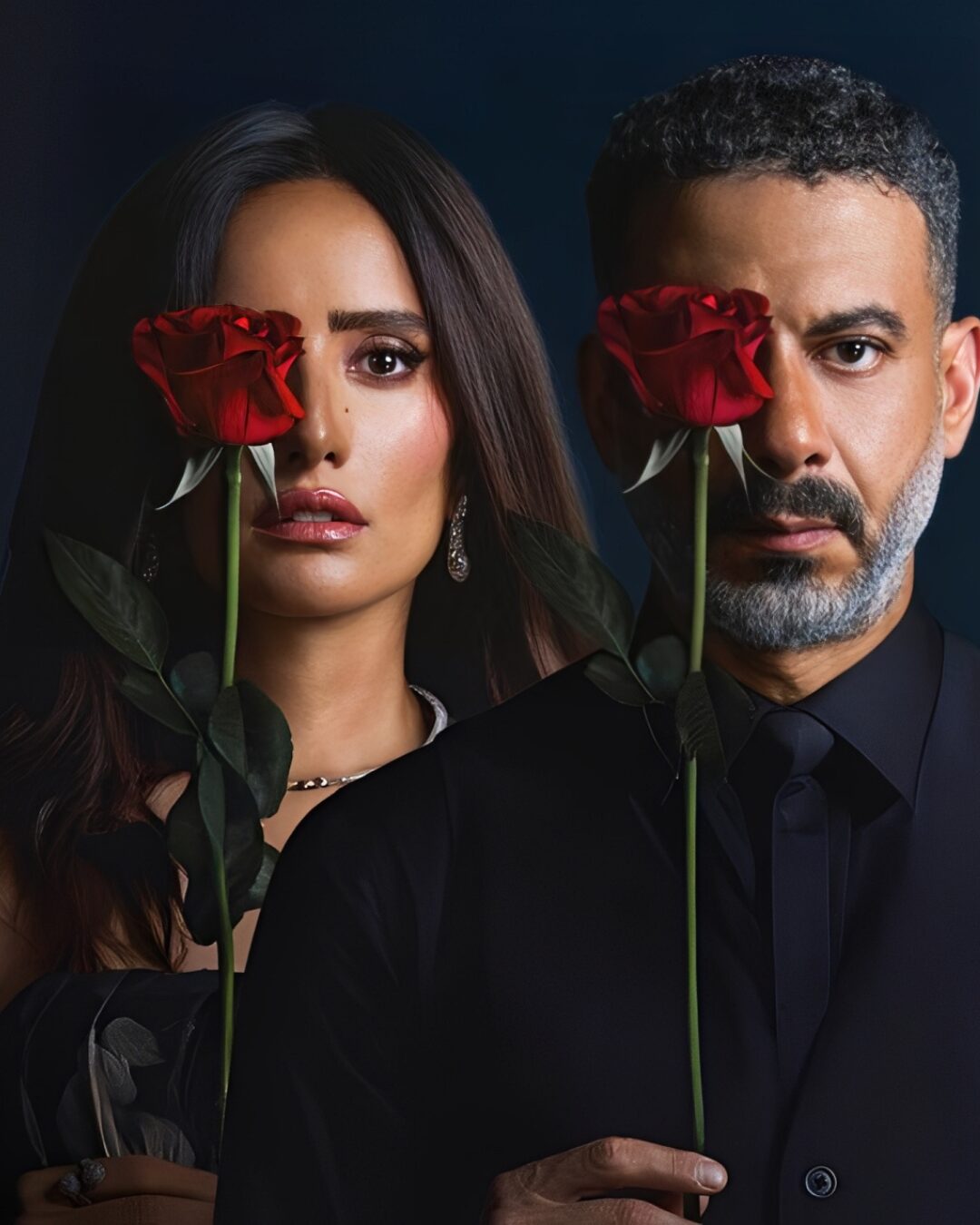
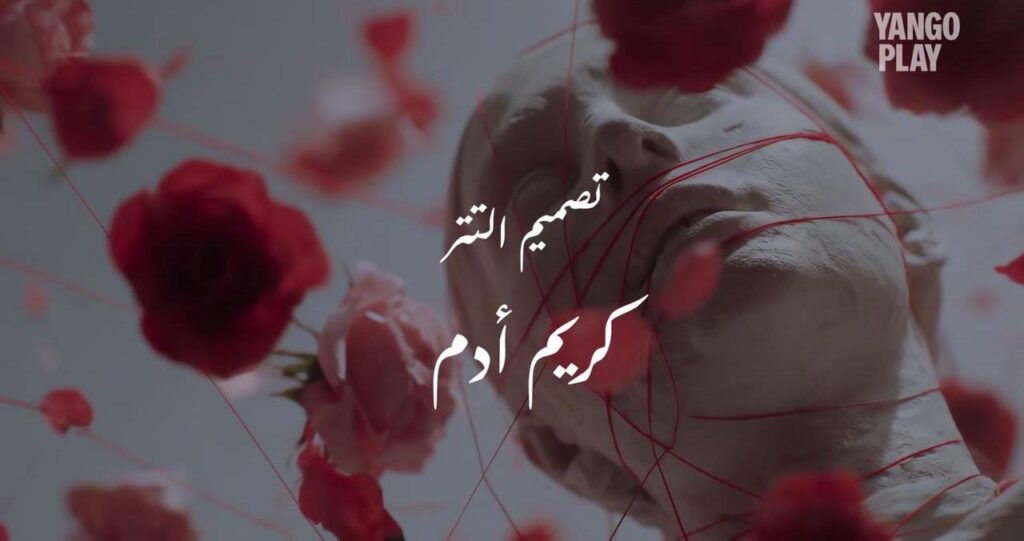
At Flair, we see the opening titles of Ward w Chocolata as more than an introduction — they are a story in themselves. Designed by Karim Adam, the sequence uses stone sculptures and delicate red threads to symbolize control, desire, and the invisible forces shaping the characters’ lives.
The threads visually reflect the constraints and struggles of the protagonists — from Marwa (Zina) and Hanaa (Maha Nasr) to Salah (Mohamed Farrag) — capturing the tension between freedom, ambition, and human vulnerability. Roses, props, and careful visual motifs enhance this narrative, making the titles a subtle, parallel drama that sets the tone for the series.
For Flair, this sequence exemplifies how Ward w Chocolata uses every creative element — from writing and direction to music and production design — to immerse viewers, showing that this is a series meant to be experienced, not just watched.
Flair’s Take: A Series That Dares to Go Dark
At Flair, we value works that challenge formulaic storytelling — and Ward w Chocolata is among the most daring series this year. It chooses discomfort over clichés, psychological truth over easy drama.
The series is not perfect; some early editing choices feel abrupt, briefly disrupting immersion. Yet these moments do little to diminish the show’s overall impact. Its greatest strength lies in its courage: it refuses to simplify human complexity, inviting viewers to confront the darkest and most vulnerable aspects of human nature.
This is not a series you merely watch. It is a series you experience.