 Flair Magazine
 By Menna Saad El Din
In a spectacle that echoed the grandeur of the pharaohs themselves, the Grand Egyptian Museum (GEM) opened its colossal doors on November 1st, 2025, marking not just the unveiling of a new architectural marvel, but a profound cultural and historical milestone for Egypt. The ceremony was attended by Egyptian President Abdel Fattah El-Sisi, the First Lady, alongside many local guests of honor, international dignitaries, including heads of state and government, and members of royal families from approximately 80 countries.
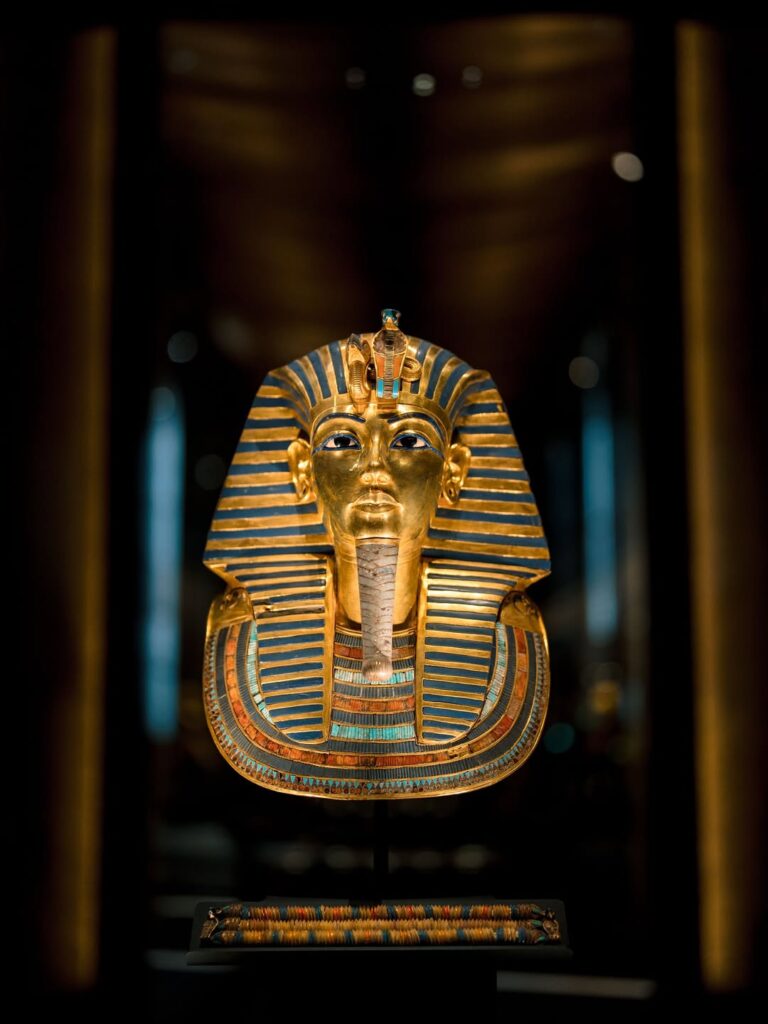
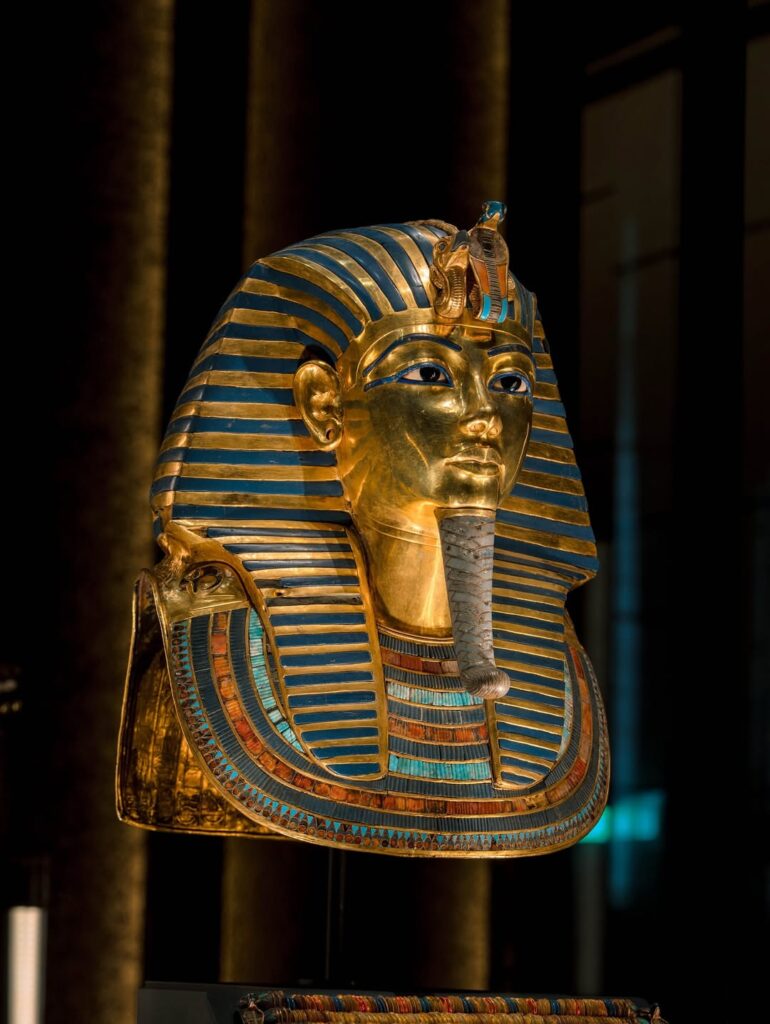
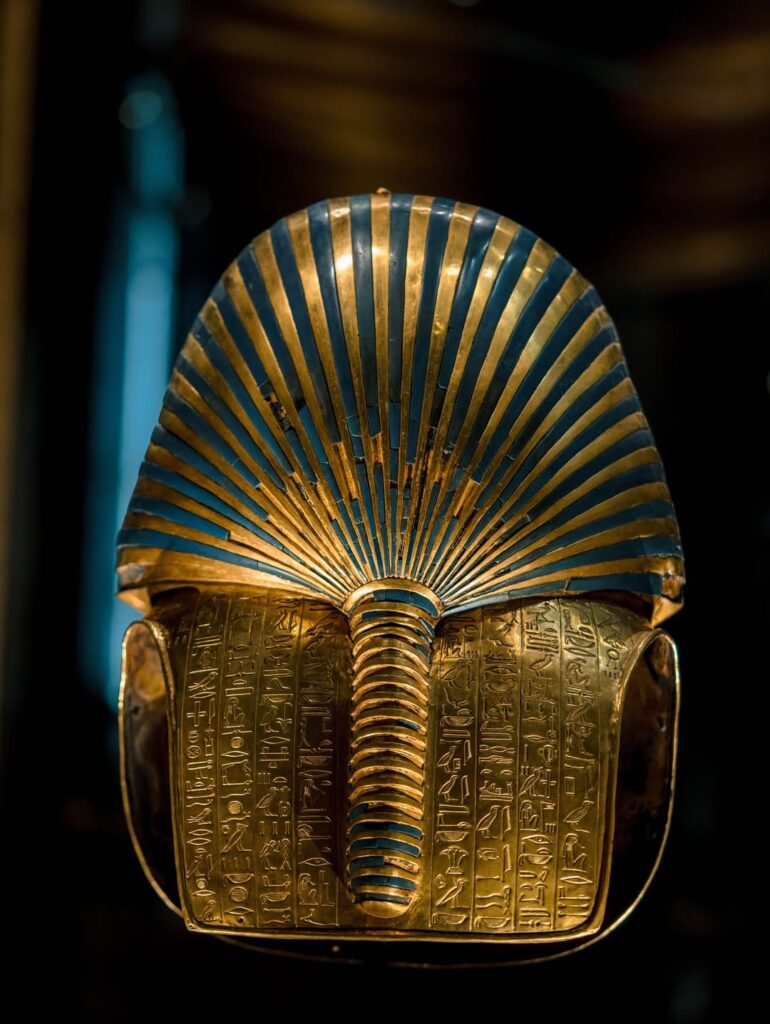
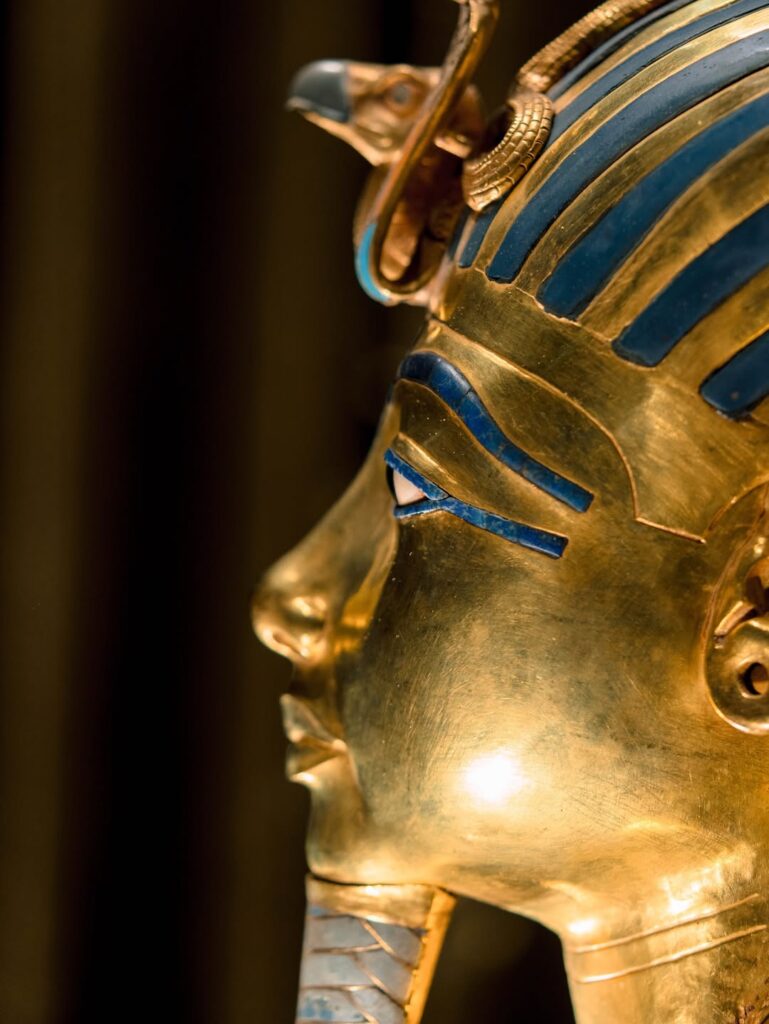
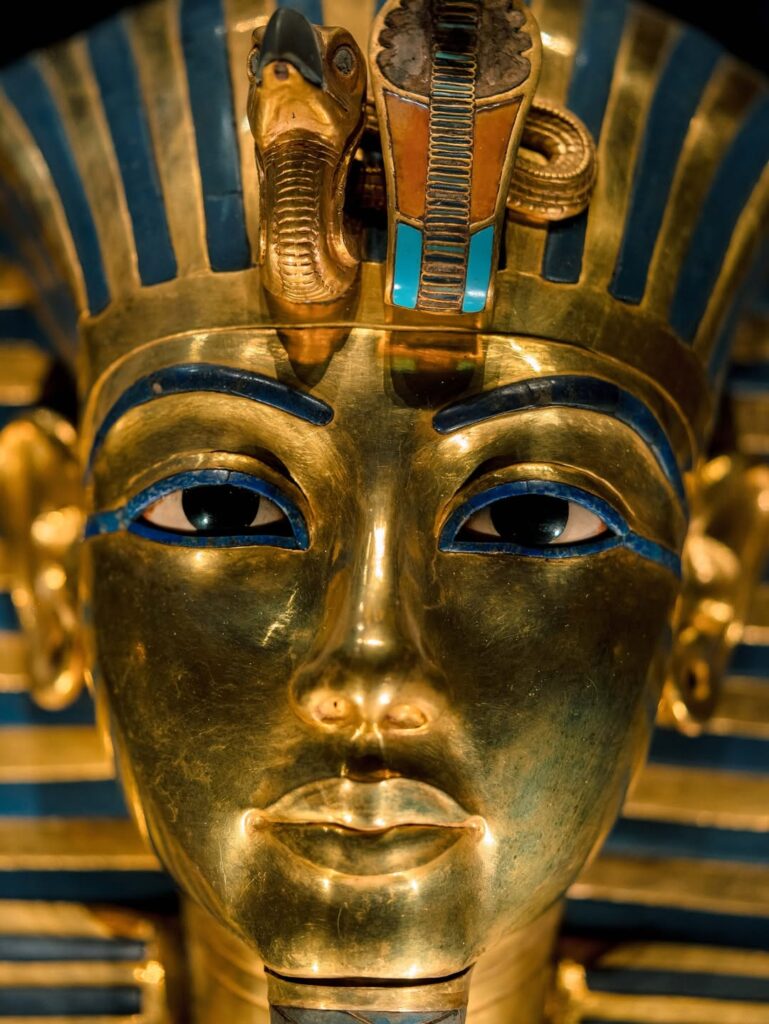
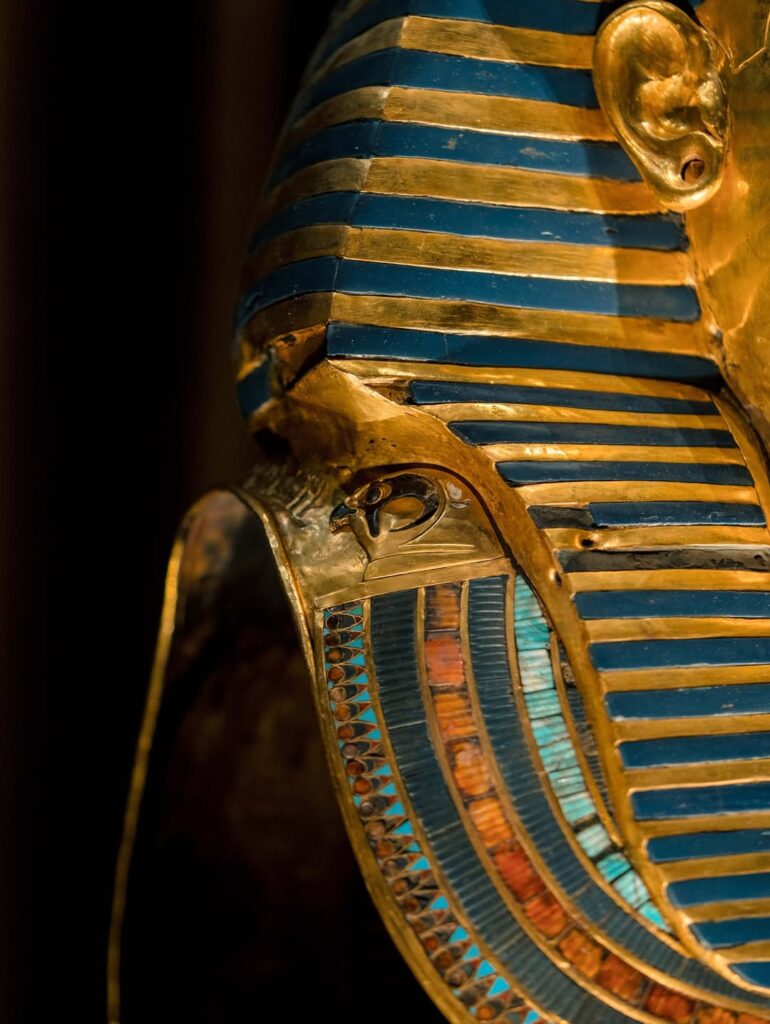
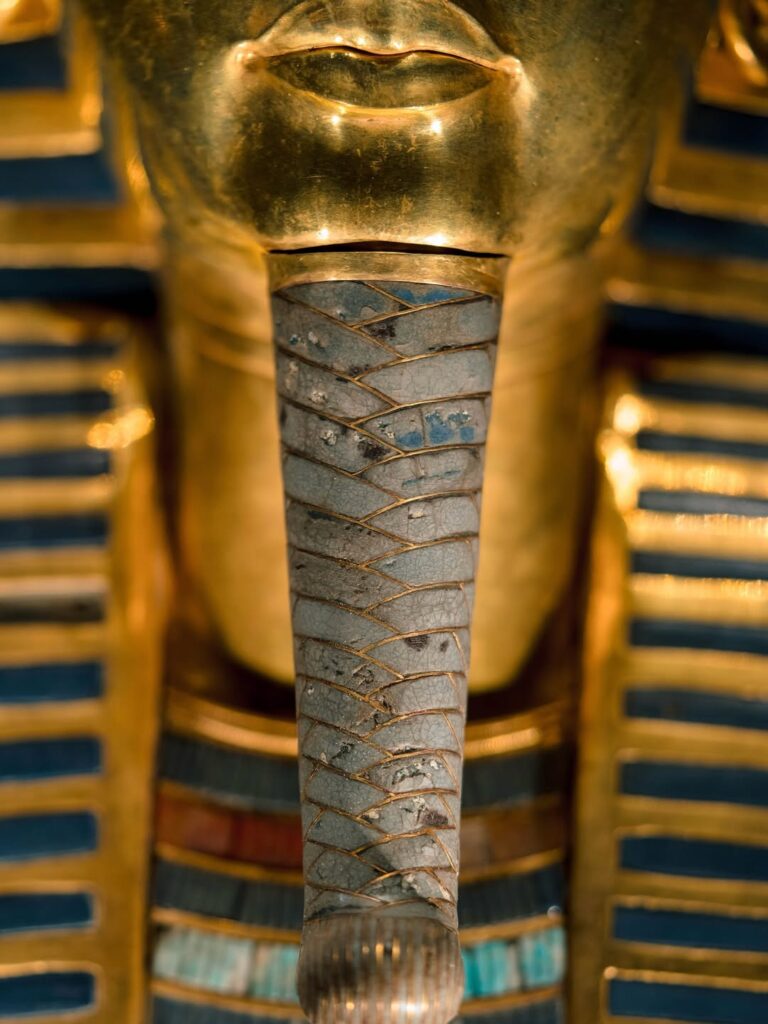
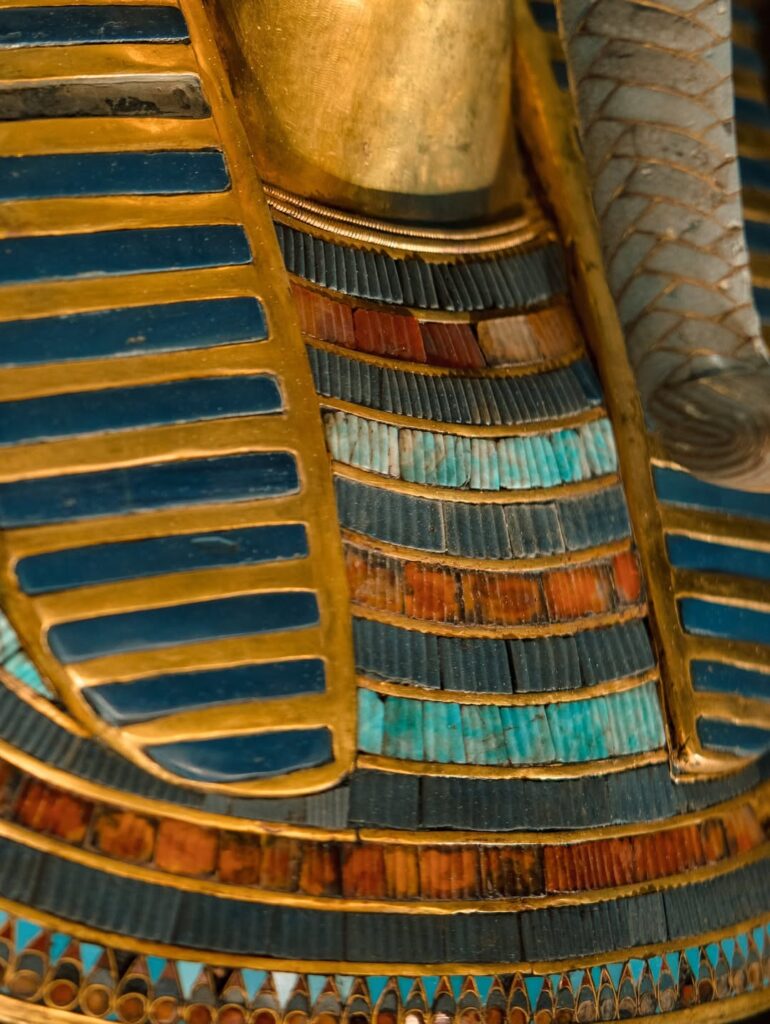
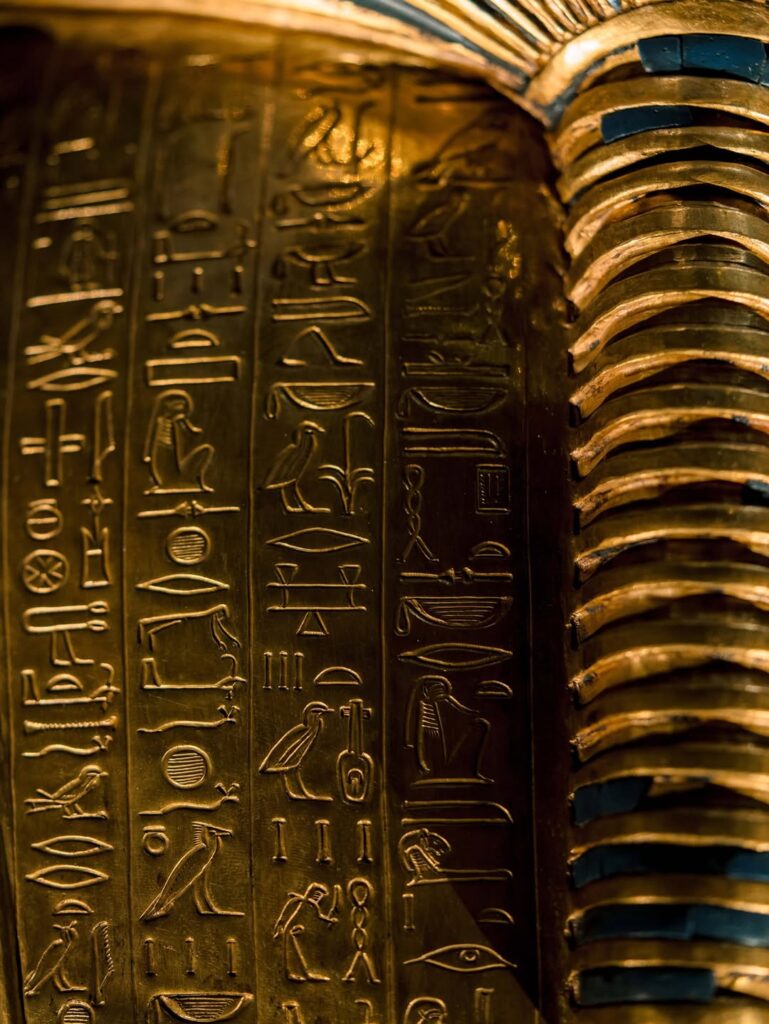
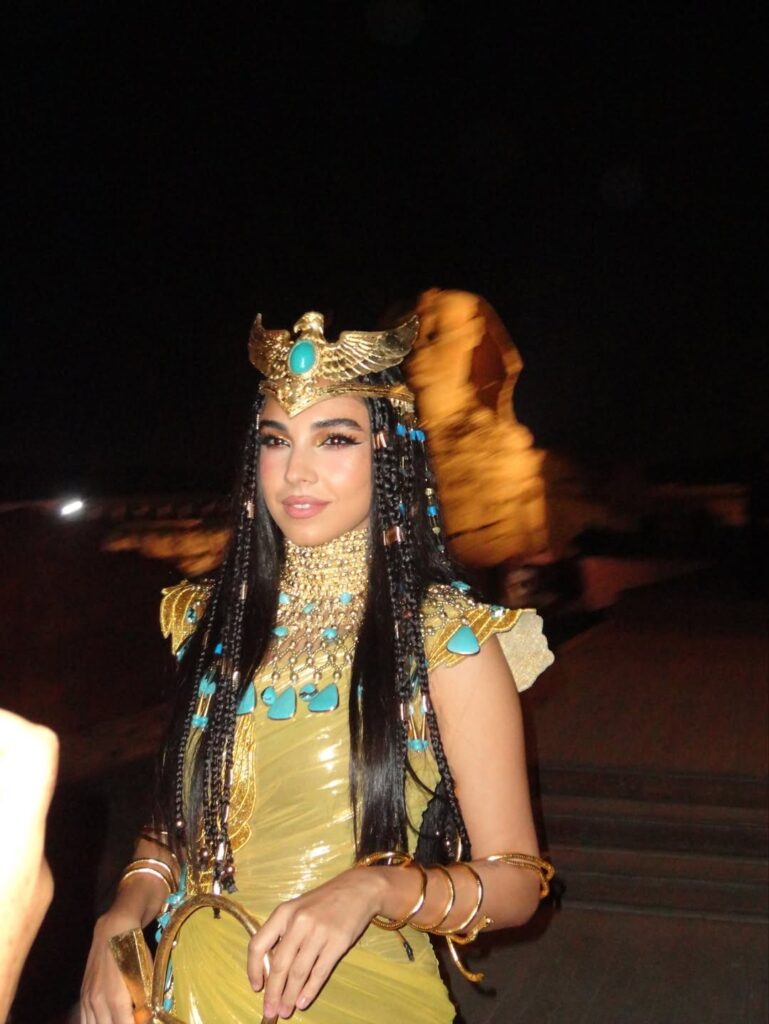
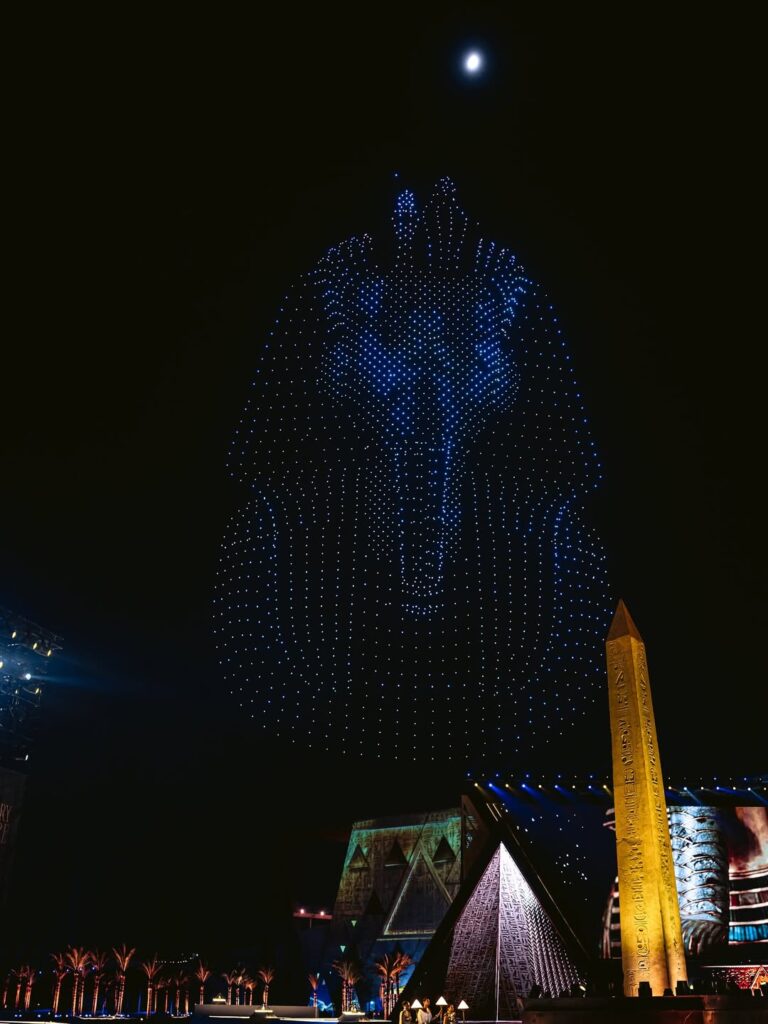
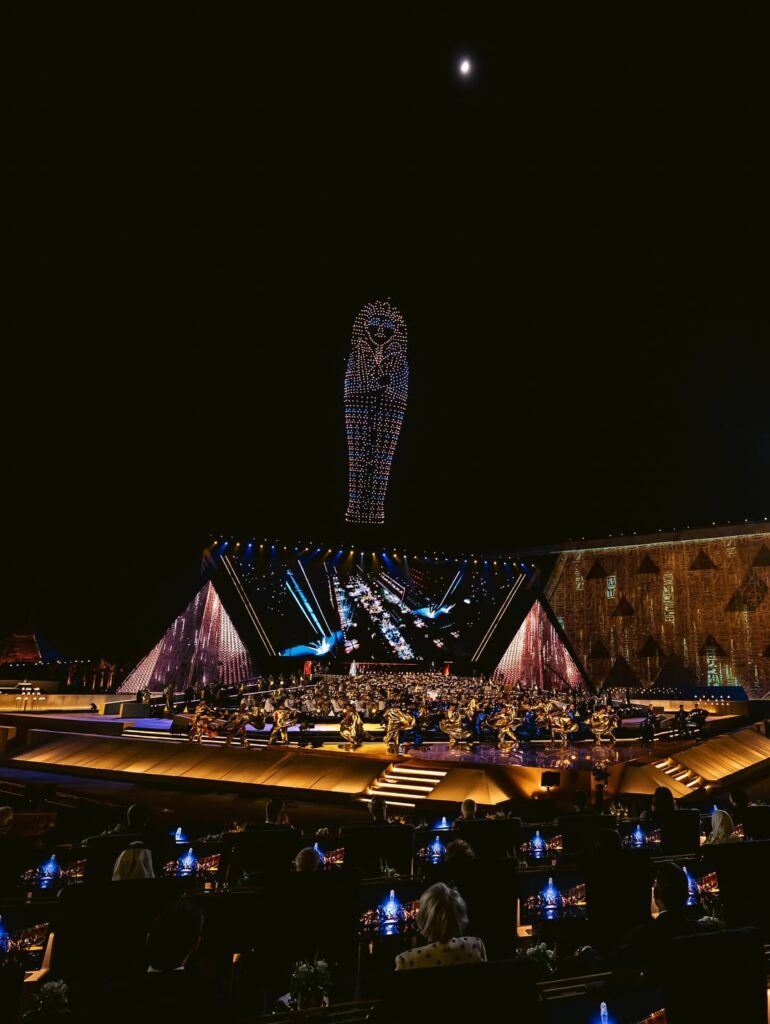
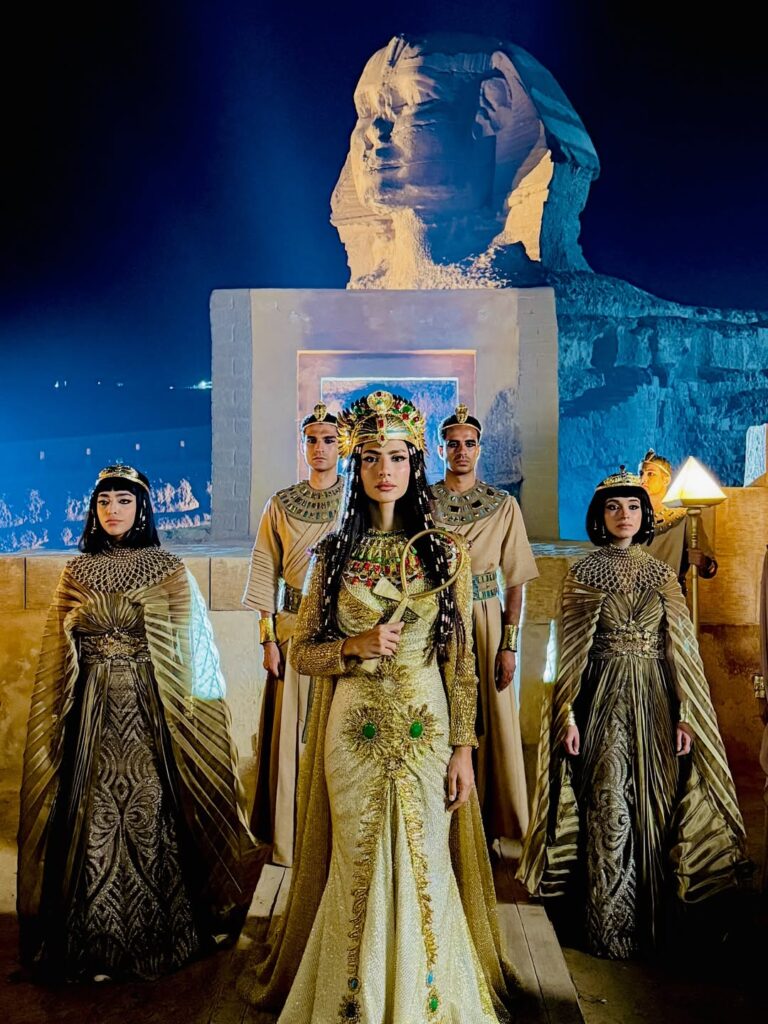
The spectacular event consisted of an elaborate artistic celebration including a drone and light show over the museum and the Giza Pyramids, illustrating ancient Egyptian symbols and artifacts such as the Mask of Tutankhamun. Performances featured renowned Egyptian and international artists, including a debut musical piece by Egyptian composer Hesham Nazih, and a celebration of Egyptian culture involving actors and dancers portraying ancient Egyptian royalty and deities.
More than a mere repository of artifacts, and touted as the largest archaeological museum in the world dedicated to a single civilization, GEM stands as a beacon of national pride. It is truly a testament to a civilization that continues to captivate the world, and a forward-looking institution designed to preserve and present its unparalleled heritage for generations to come.
A long-held dream that originated in 1992, the idea for a new, expansive museum to house Egypt’s vast archaeological treasures was born from the urgent need to alleviate the strain on the ageing Egyptian Museum in Tahrir Square. While very much beloved, the Tahrir museum was bursting at the seams, unable to adequately display or protect its burgeoning collection. The vision for the GEM was clear: to create a state-of-the-art facility capable of showcasing the full splendour of ancient Egypt, particularly the complete Tutankhamun collection, in an immersive and educational experience, all while providing optimal conservation conditions. The purpose was not only to safeguard these priceless relics, but also to redefine the visitor experience, making the journey through Egypt’s past more accessible and engaging than ever before.
The foundation stone was laid in 2002, and the ambitious project officially commenced in 2003, following an international architectural competition. What began as a dream quickly evolved into a monumental undertaking that spanned nearly two decades, requiring immense dedication, innovation, and international collaboration to bring to fruition. The journey was long and complex, and construction was delayed multiple times due to political upheaval, financial crises, and the COVID-19 pandemic.
The Visionaries Behind the Grandeur
A true testament to an extraordinary team of international talent, the realization of the GEM’s striking and elegant vision was conceived by the Irish firm Heneghan Peng Architects. Their winning concept skillfully marries contemporary design with subtle nods to ancient Egyptian aesthetics. Collaborating with local Egyptian architects and construction firms, including Orascom Construction and Ehaf Consulting Engineers, the project fostered a unique synergy of global expertise and local craftsmanship. The design process was meticulous, focusing on creating a structure that would not only be functional and beautiful but also deeply respectful of its iconic surroundings.
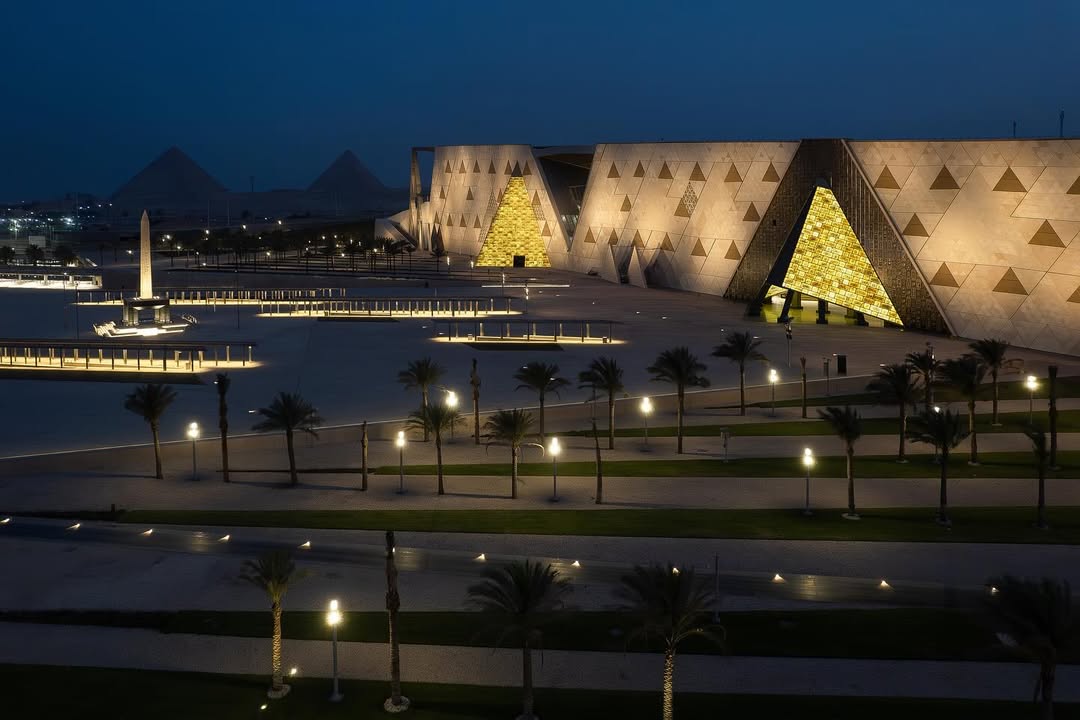
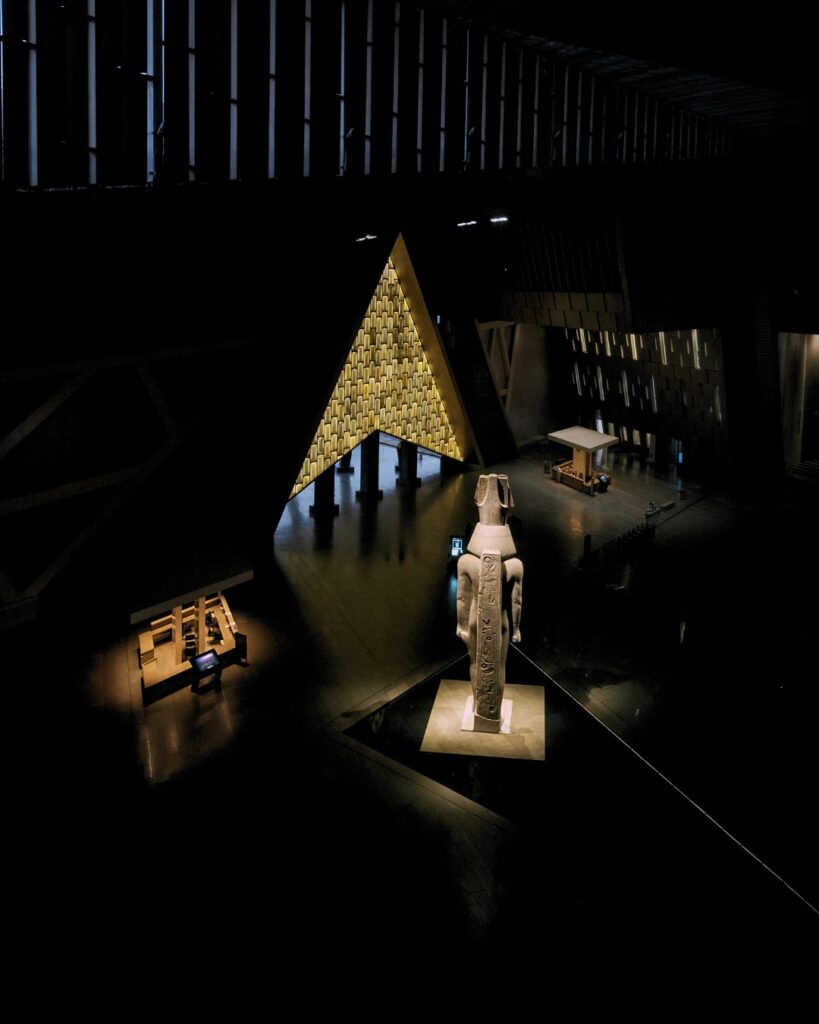
The museum’s concept is rooted in a desire for seamless integration with its historic landscape. Located just two kilometers from the Giza Pyramids, the GEM’s triangular façade and immense scale subtly echo the geometric majesty of the ancient wonders. Constructed primarily from translucent alabaster and concrete, the building seems to emerge organically from the desert plateau. The design strategically frames views of the pyramids, creating a profound dialogue between the ancient past and the modern present. The use of natural light, vast open spaces, and a carefully considered visitor flow ensures an intuitive and awe-inspiring journey through its halls.
A Treasure Trove Reimagined
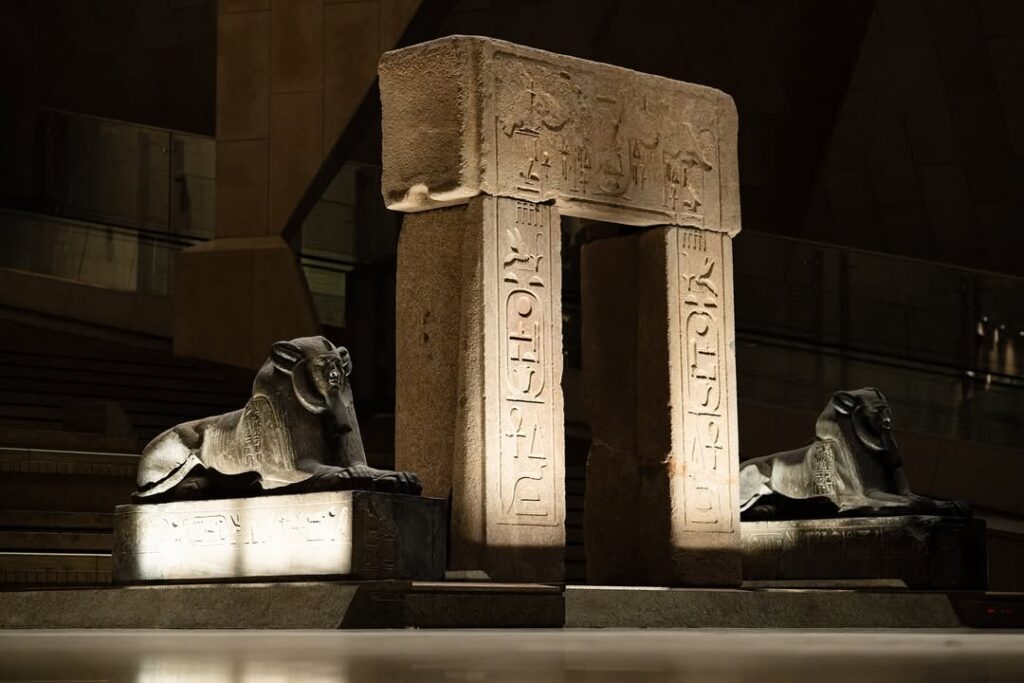
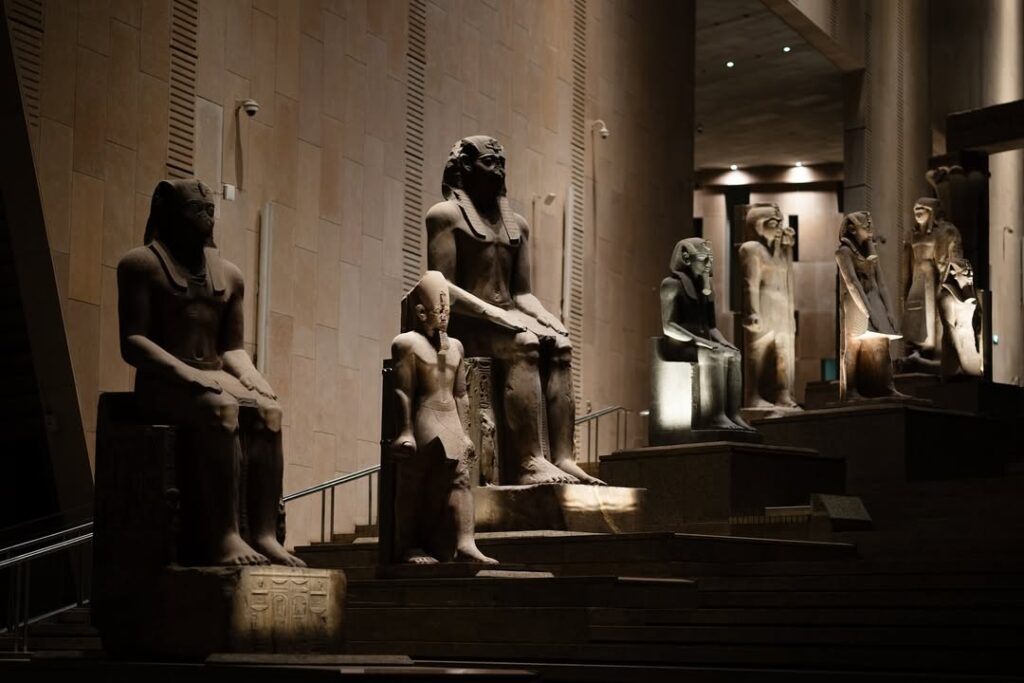
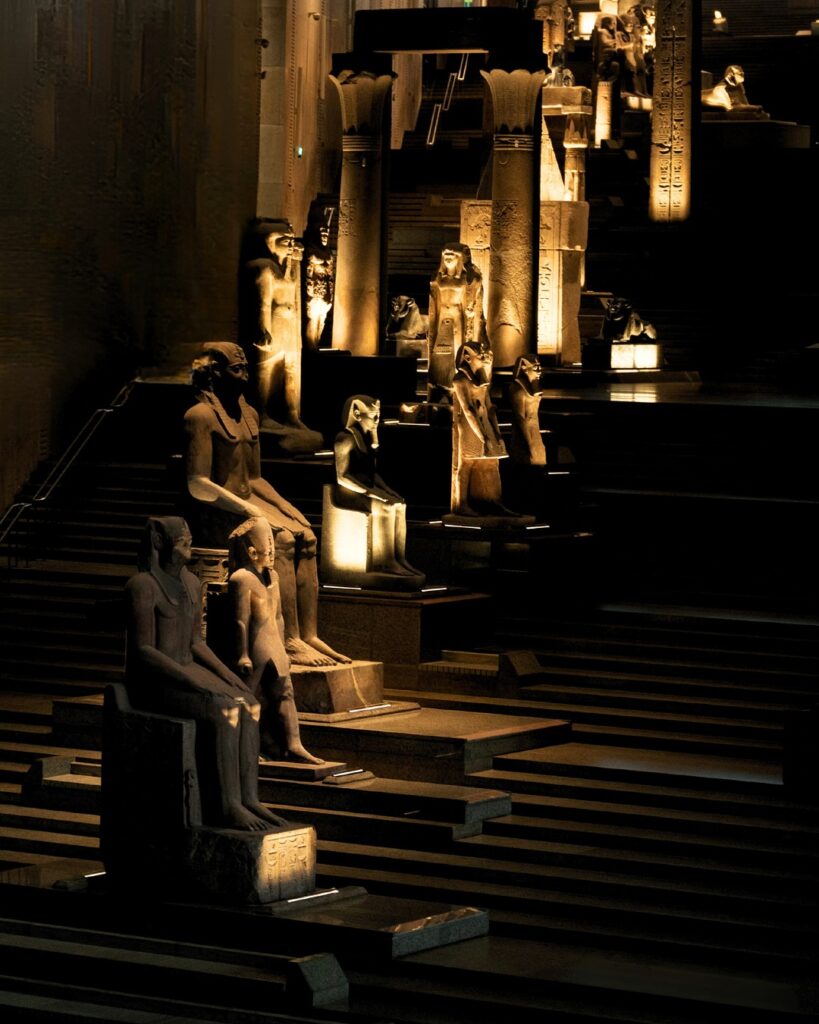
The Grand Egyptian Museum is poised to become the world’s largest archaeological museum, housing an estimated 100,000 artifacts. Its crowning glory, and indeed a major draw, is the complete collection of treasures from the tomb of the “Boy King,” Tutankhamun. For the first time ever, all 5,000-plus pieces, including the iconic golden mask, sarcophagi, jewelry, and everyday objects, are displayed together in a dedicated gallery, offering an unparalleled insight into the life and afterlife of the young pharaoh.
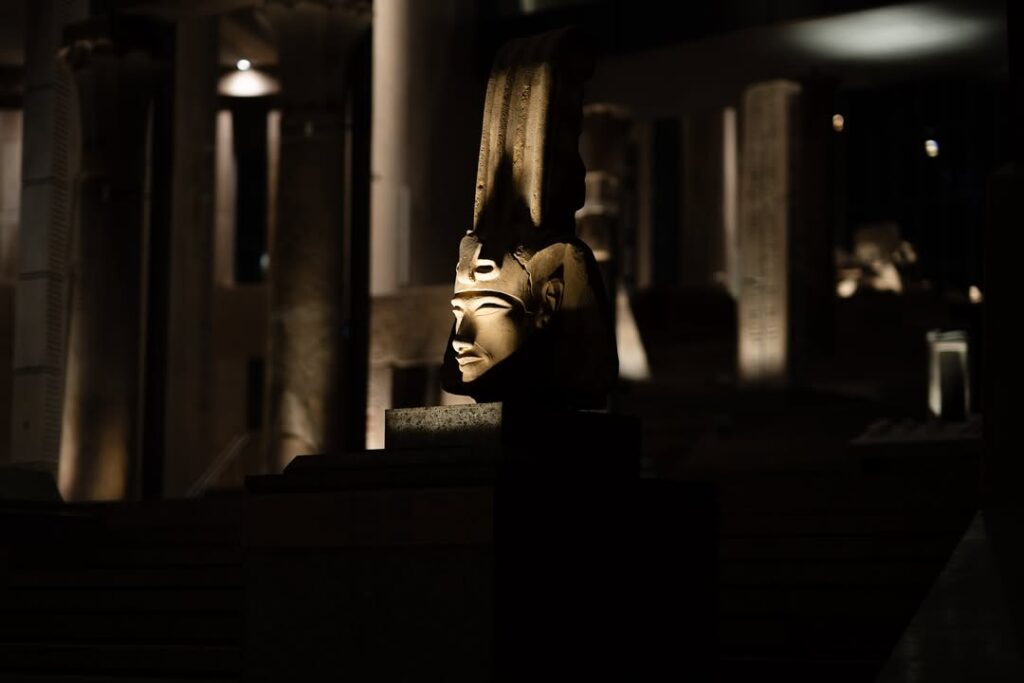
In addition to Tutankhamun’s astounding riches, the museum boasts a breathtaking array of artifacts spanning predynastic times through the Greco-Roman period. Visitors can marvel at colossal statues, intricate papyri, mummies, and an extensive collection of everyday objects that illuminate the daily lives of ancient Egyptians. A significant aspect of the GEM’s collection has been the diligent effort to repatriate artifacts that had found their way to museums and private collections around the globe. While the process is ongoing and complex, several important pieces have already been successfully returned, underscoring Egypt’s commitment to reclaiming and centralizing its heritage.
The Grand Egyptian Museum is more than a building; it is a monumental achievement, a symbol of Egypt’s enduring legacy and its vibrant future. It invites the world to rediscover the wonders of ancient Egypt through a lens of modern scholarship, innovative display, and profound respect for history. As the sun sets over the Giza plateau, casting long shadows from the pyramids onto the gleaming façade of the GEM, one feels an undeniable connection between the past and the present—a timeless dialogue brought to life in this magnificent new home for ancient wonders.