 Nahla Zayed
 The winter afternoons, the fawazeer royalty, the mesaharaty’s drum — and the Egypt that raised us.
Ramadan is beautiful in every era and every season. The spirit remains sacred, the nights still glow, and the tables are always generous. Yet somewhere between today’s flashing productions and endless streaming options, a quiet nostalgia lingers for the Ramadans we grew up with.
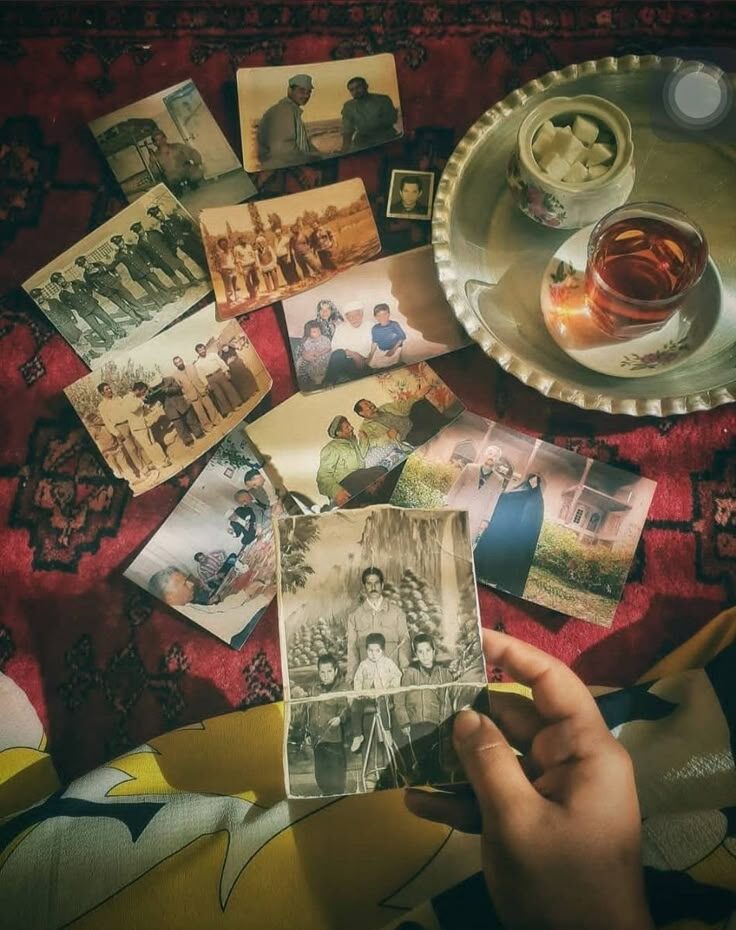
For many of us in the 80s, 90s, and early 2000s, Ramadan arrived wrapped in winter air. The days felt shorter. School passed quickly. We rushed home in our uniforms, knowing that the afternoon held something special.
When Television Meant Togetherness
There were only a few channels. One television in most homes. That limitation created something rare: a shared national experience.
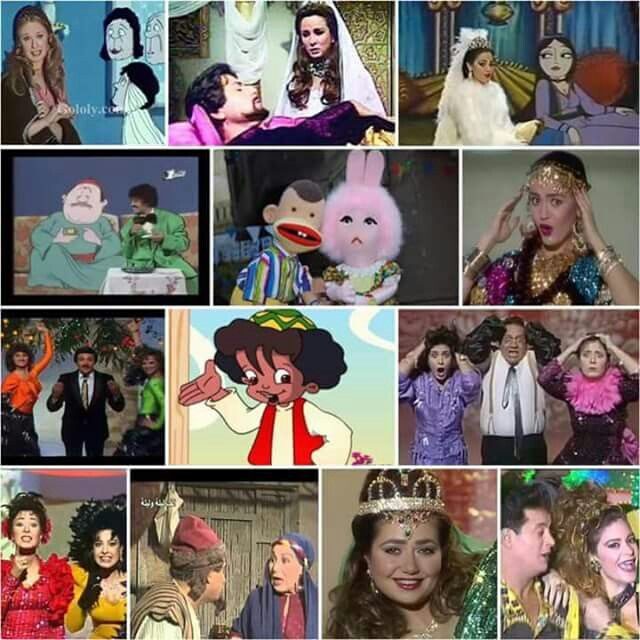
Fawazeer became the heartbeat of the season.
Long before streaming platforms, Egypt had already introduced televised riddles in the 1960s. By the 70s, names like Nelly had become synonymous with Ramadan. Her shows, directed by Fahmi Abdel-Hamid and enriched by the poetry of Salah Jahine and choreography of Hassan Afifi, brought together music, storytelling, and playful mystery in a way that felt distinctly Egyptian.
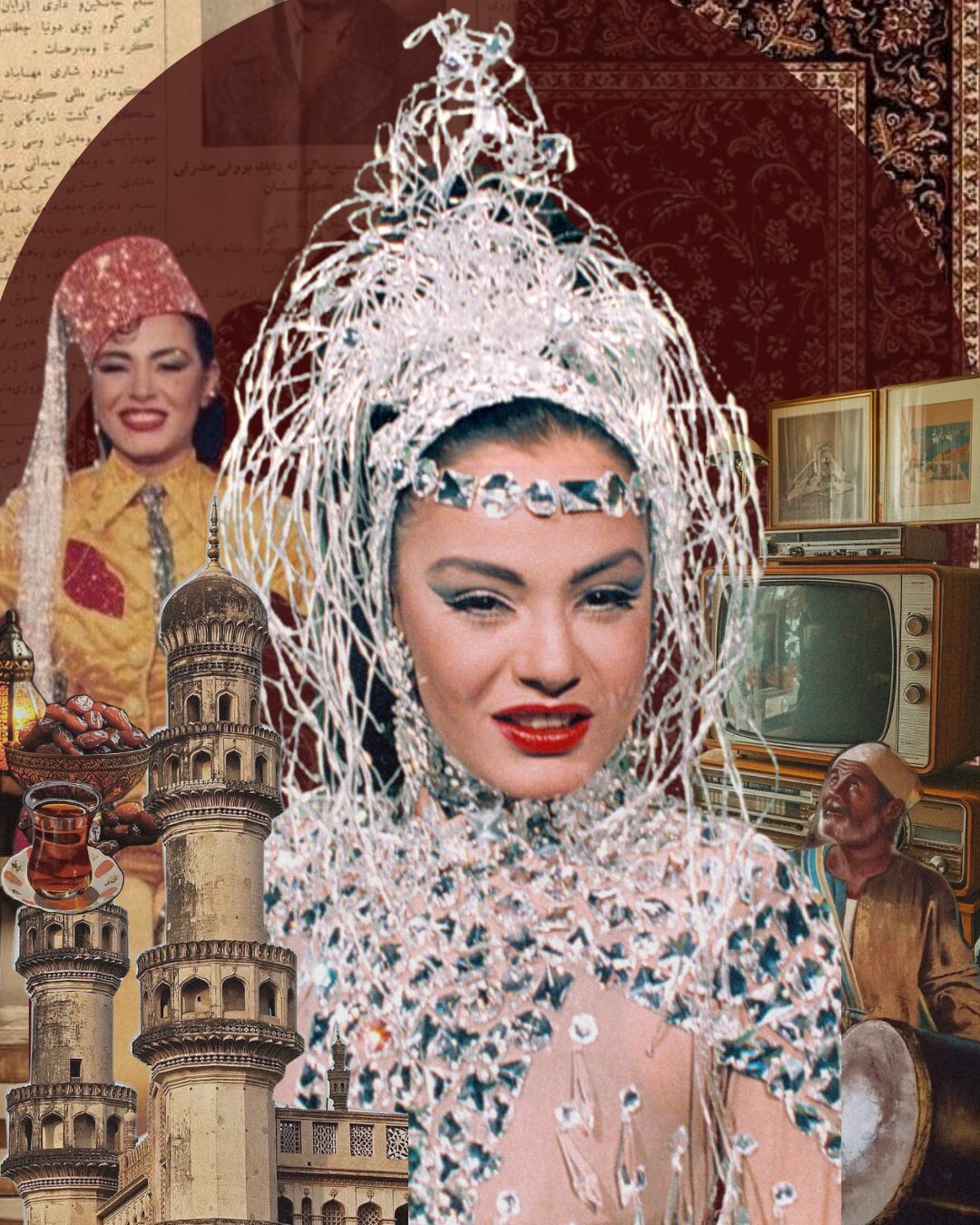
Then came Sherihan. The stage expanded. Costumes grew more elaborate. Dance numbers felt cinematic. Her performances in Alf Leila wa Leila carried theatrical grandeur, yet remained rooted in local imagination. Viewers weren’t simply watching — they were captivated.
These productions were the result of collaboration between poets, composers, directors, and choreographers who spent months crafting something original. The anticipation made every episode feel earned.
The Golden Hour Before Maghrib
Ramadan afternoons carried their own rhythm.
Fatoota, in his oversized green suit and yellow shoes, danced across our screens with mischievous charm. 3ammo Fouad blended humor with gentle lessons. Boogy w Tamtam turned everyday sibling dynamics into unforgettable songs that still echo in our memories.
And then there was Bakkar. The sound of Mohamed Mounir’s voice marked the final stretch before Iftar. Children across Egypt paused their play to gather in front of the television.
We didn’t binge-watch. We waited. The waiting deepened the joy.
The Iftar Cannon Tradition
Before apps and notifications, the entire country relied on a single sound.
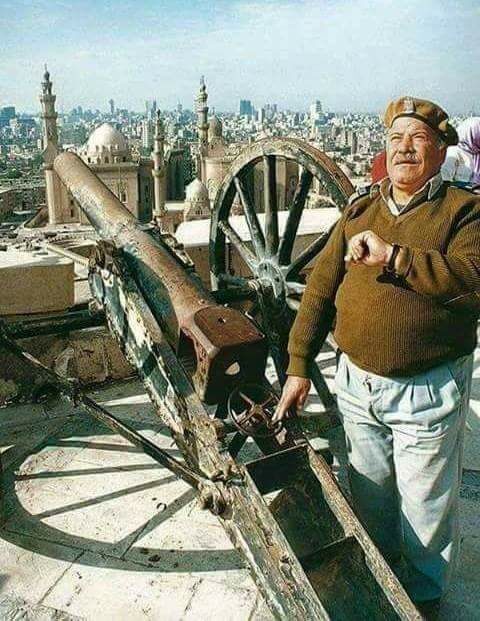
The Iftar Cannon Tradition carried across neighborhoods, stopping conversations mid-sentence. Windows opened. Dates were lifted. Water glasses touched lips. For a brief moment, millions moved in harmony.
The tradition dates back centuries, often traced to the Mamluk era. Over time, it evolved into more than a practical announcement. It became a sensory marker of Ramadan — a sound that still triggers muscle memory decades later.
The Mesaharaty & The Pulse of the Night
As the city quieted, another sound emerged.
The steady drumbeat of the mesaharaty traveling through narrow streets. His voice rising gently in the darkness. Sometimes he called out names. Sometimes he recited blessings. His presence stitched the night together.
Composers like Sayed Mekkawi immortalized the tradition in song, preserving its rhythm in cultural memory. Even today, hearing those melodies instantly transports many of us back to childhood bedrooms with open windows.
Drama That United a Generation
Ramadan dramas were events in themselves.
Layaly Al-Helmiya.
Raafat Al-Haggan.
Ahlam Al-Fata Al-Taer.
Families gathered around one screen, discussing plot twists the next day at school or work. Social class blurred in those moments. Everyone shared the same references.
Writers like Osama Anwar Okasha and actors whose performances defined eras gave these series longevity. They were crafted with intention, not urgency. Production teams spent months refining scripts and music because they knew the entire country would be watching.
Songs That Announced the Season
Before television dominated evenings, Ramadan belonged to the radio.
“Ramadan Gana.”
“Wahawy Ya Wahawy.”
“Aho Geh Ya Wlad.”
These songs carried celebration in their melodies. They also reflected values — generosity, prayer, community. Tawashih and ibtihalat filled homes before Maghrib, with voices like Sheikh Abdel-Basset Abdel-Samad resonating deeply across generations.
Even today, hearing those notes can shift the atmosphere of a room.
Then and Now
Ramadan today is expansive. Bigger budgets. More channels. Limitless options.
Yet abundance has altered the experience. With so many choices, audiences fragment. Shared viewing has become rarer. The collective anticipation that once defined the season feels quieter.
The nostalgia many of us carry isn’t solely about specific shows or traditions. It’s about unity. About knowing that neighbors, classmates, and strangers were all watching, listening, and waiting for the same things at the same time.
Ramadan remains luminous.
But the Ramadans of our childhood hold a different texture — winter evenings, flickering balcony lights, the echo of the cannon, the mesaharaty’s drum, and living rooms filled with shared attention.
Every year, when the first Ramadan song plays, memory does the rest.