 Hedayat Reda
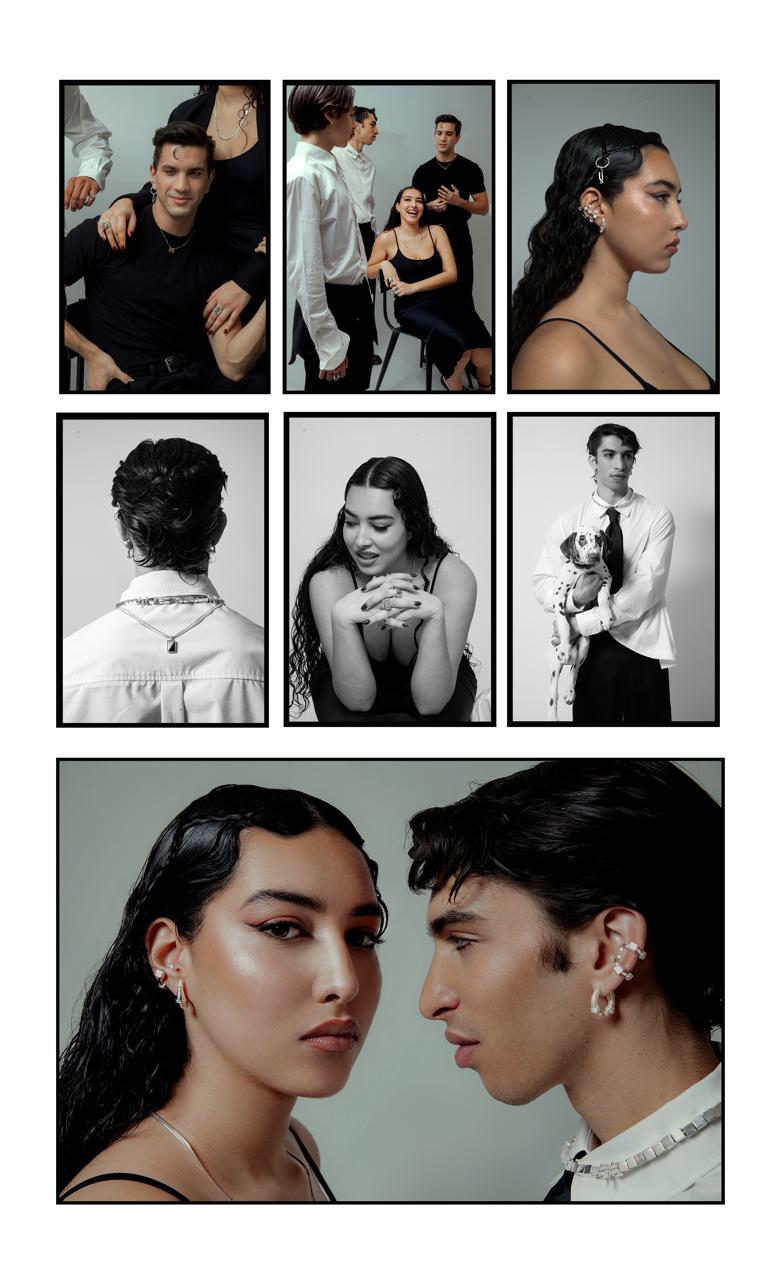
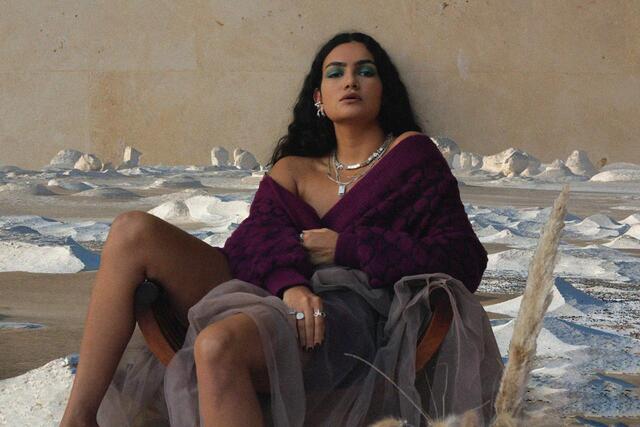
 You may have recently heard of her win of this year’s Fashion Trust Arabia, or you may have been following her for years; whatever the case, one thing is clear: Farah Radwan is here to make waves – and ride them. Based between Paris and Cairo, and working in the historic Khan Souq, this punk virtuoso has taken the best of Cairo craftsmanship and elevated it to a global level. With designs that speak to our desire for something deeply authentic, and our purpose of standing out, Farah has reimagined contemporary jewellery as something that is neither masculine nor feminine, bold nor delicate, sacred nor rebellious – embracing these inherent contradictions and turning them into storied secrets. We sat down with Farah to talk design and creation as well as what this revolutionary is currently working on.
Flair: Tell us about the story of FYR, how did it come into being?
Farah: The origin of FYR is rooted in reclaiming my Egyptian heritage — not only the Egypt of pharaohs and ancient mythology, but also the Egypt shaped by feminist revolutions and by the strength of our grandmothers, who defined who we are today. The brand sits at the intersection of this cultural pride and a spirit of punk rebellion, reinterpreting traditional codes through a non-conformist, modern lens. FYR is also a jewelry language — a kind of olive branch connecting the bearers of change, the lovers of noble materials, quality, and sustainability. Everything is crafted with the intention of creating emotion, with visuals curated to tell stories rather than simply showcase products. At its core, the brand revolves around the idea of a modern heirloom: pieces deeply rooted in culture and tradition, yet reimagined for a new generation that values meaning, individuality, and evolution.
Flair: What is the meaning behind the brand name – FYR – and the logo?
Farah: FYR simply comes from my initials — Farah Yasser Radwan. Our logo is a circle punctuated by three rising “jumprings.” It’s one of the earliest visual codes of the brand, repeated and reimagined across our pieces since the very beginning. The circle speaks to continuity, unity, and the cycles of heritage — what returns and what transforms. The 3 jump rings introduce movement and uplift, but they also echo the punk inspiration that runs through FYR JEWELRY.
Flair: What are you currently working on and what was the inspiration behind it?
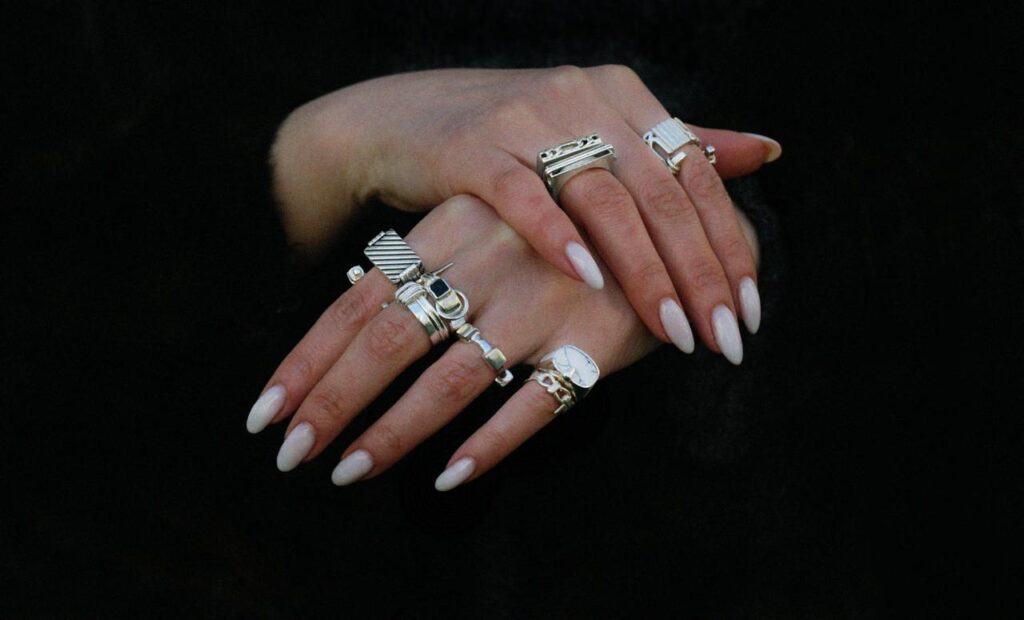
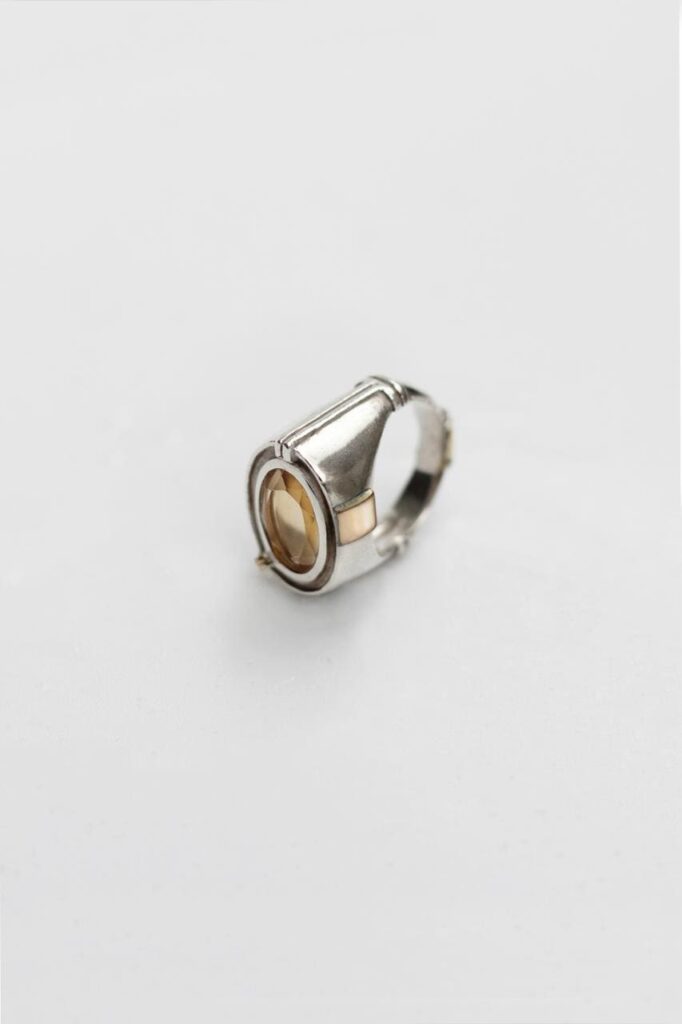
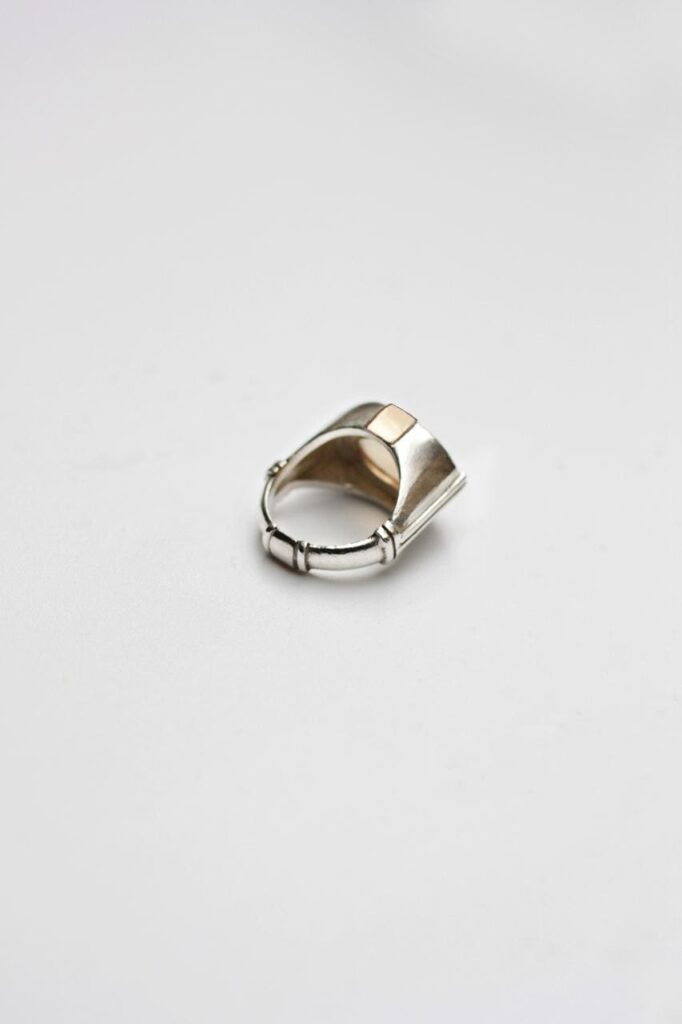
Farah: FYR continues to evolve through collections that deepen its dialogue with Egypt, and “SO WE COULD RUN” is a defining example of this vision. The collection draws from the women who led Egypt’s feminist revolutions — women whose resilience and defiance carved space for the freedoms we experience today. FYR chooses to reclaim this Egypt through this collection: the Egypt of activists, intellects, rebels, and changemakers. Their strength is translated into jewelry through the brand’s signature interplay of masculine and feminine codes — architectural forms paired with delicate stones, gold and silver merged despite local conventions, and subtle punk details that signal resistance.
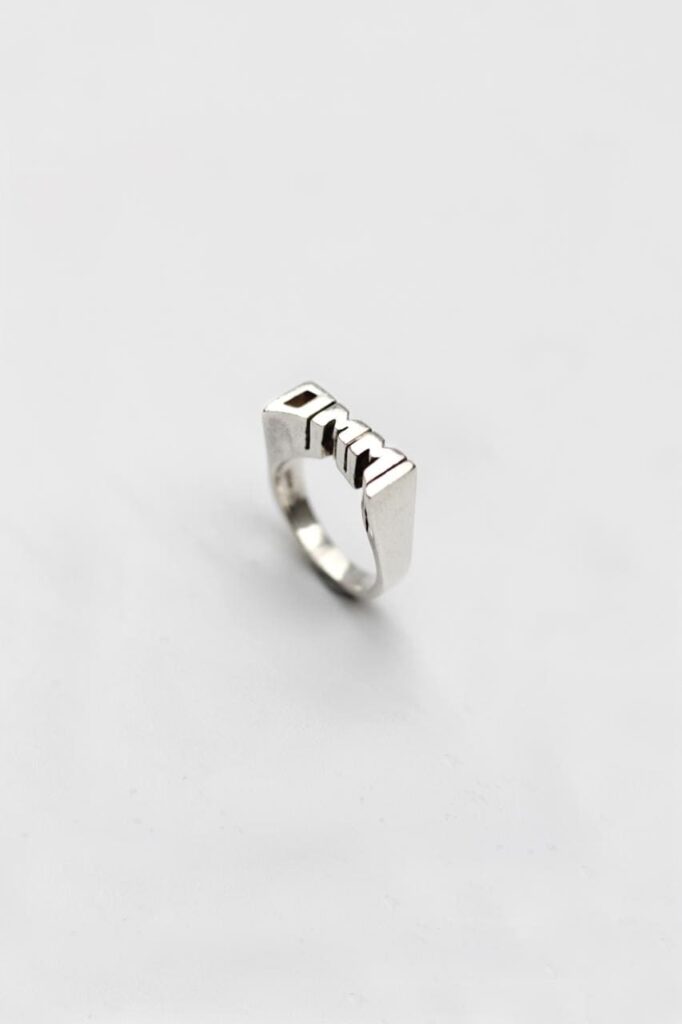
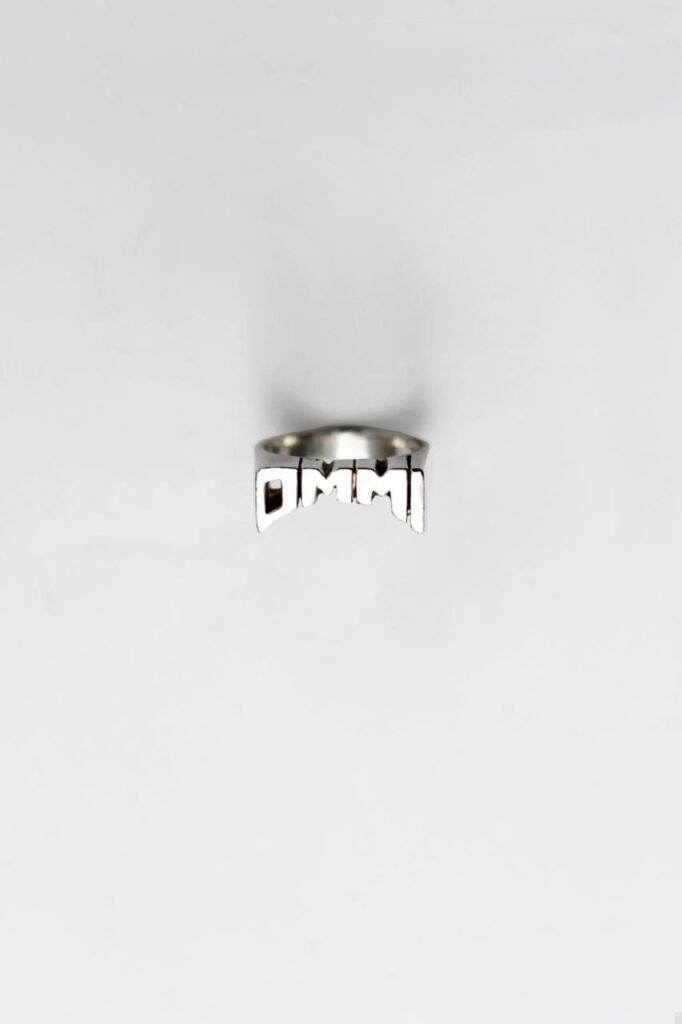
Alongside this, FYR JEWELRY is developing its newest chapter, “DEAR SINAI”, introduced through two initial pieces: the “OMMI RING”, honoring both the mother and the motherland, and the “AYIN RING”, a contemporary interpretation of the All-Seeing Eye and a tribute to Sinai as a witness to centuries of stories. The full collection will continue to reinterpret Egyptian identity in bold, modern, and unexpected ways — not through literal symbols, but through forms that distill the spirit of place and memory.
Flair: Tell us more about your production process and the craftsmanship involved.
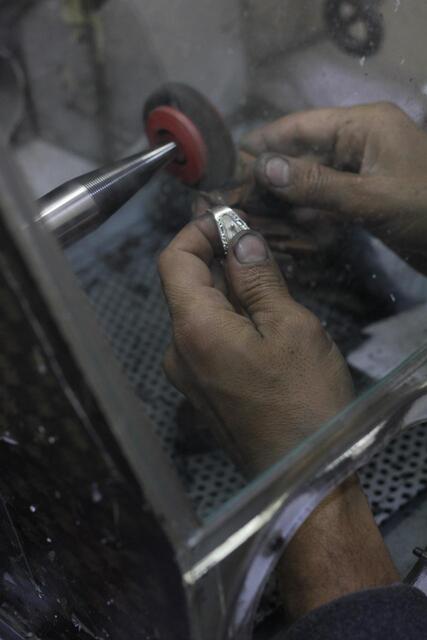
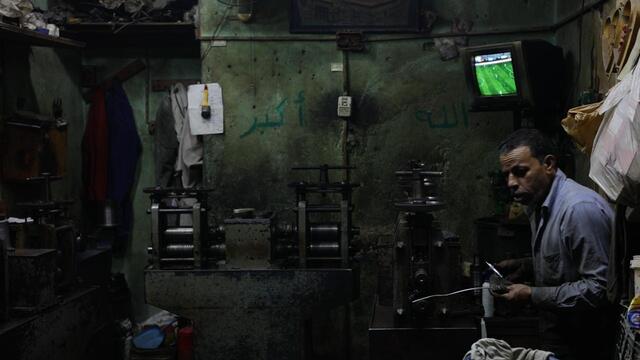
Farah: I often say it, but it can never be repeated enough: FYR is built on a production model that is 100% handmade in Egypt. We work with small workshops rather than large factories, which means every piece is shaped, assembled, and finished entirely by hand. We don’t rely on high-tech machines or mass-production shortcuts — each design takes the time it needs, and our quality control is done piece by piece.
This approach is beautiful, but it’s also challenging. We’re constantly introducing techniques and forms that the artisans of the souk have never made before. Many of our pieces fall completely outside the traditional vocabulary of Egyptian jewelry, so we collaborate closely, experiment together, and push the craft into new territory while respecting its heritage. It goes against the usual rhythms of the souk, but it keeps the work honest and culturally rooted.
Choosing to stay handmade in Egypt is a commitment — and a responsibility. It would be much easier to produce abroad and receive faster, larger quantities, but we would lose the essence of the brand: the craftsmanship, the heritage, and the human ecosystem behind every piece. And this is why the support of our customers matters so much. The more the brand grows, the more we can protect this way of working, invest in new techniques, strengthen the craft community in Cairo, and eventually reach the level of efficiency and scale we aspire to — without ever compromising on the soul of FYR. We’re hopeful, because every piece someone buys helps keep this ecosystem alive and moving forward.
FYR’s jewelry could only exist here: it is shaped by the hands of local artisans, the rhythm of the souk, and a cultural heritage we choose to reinterpret rather than export or dilute. It’s a specific fusion you simply won’t find anywhere else: the raw energy of punk colliding with the depth of Egyptian history.
Flair: Tell us more about your production process and the craftsmanship involved.
Farah: I often say it, but it can never be repeated enough: FYR is built on a production model that is 100% handmade in Egypt. We work with small workshops rather than large factories, which means every piece is shaped, assembled, and finished entirely by hand. We don’t rely on high-tech machines or mass-production shortcuts — each design takes the time it needs, and our quality control is done piece by piece.
This approach is beautiful, but it’s also challenging. We’re constantly introducing techniques and forms that the artisans of the souk have never made before. Many of our pieces fall completely outside the traditional vocabulary of Egyptian jewelry, so we collaborate closely, experiment together, and push the craft into new territory while respecting its heritage. It goes against the usual rhythms of the souk, but it keeps the work honest and culturally rooted.
Choosing to stay handmade in Egypt is a commitment — and a responsibility. It would be much easier to produce abroad and receive faster, larger quantities, but we would lose the essence of the brand: the craftsmanship, the heritage, and the human ecosystem behind every piece. And this is why the support of our customers matters so much. The more the brand grows, the more we can protect this way of working, invest in new techniques, strengthen the craft community in Cairo, and eventually reach the level of efficiency and scale we aspire to — without ever compromising on the soul of FYR. We’re hopeful, because every piece someone buys helps keep this ecosystem alive and moving forward.
FYR’s jewelry could only exist here: it is shaped by the hands of local artisans, the rhythm of the souk, and a cultural heritage we choose to reinterpret rather than export or dilute. It’s a perspective you simply won’t find anywhere else in the world today.
Flair: What is the most personal story connected to a piece of jewelry you’ve ever designed?
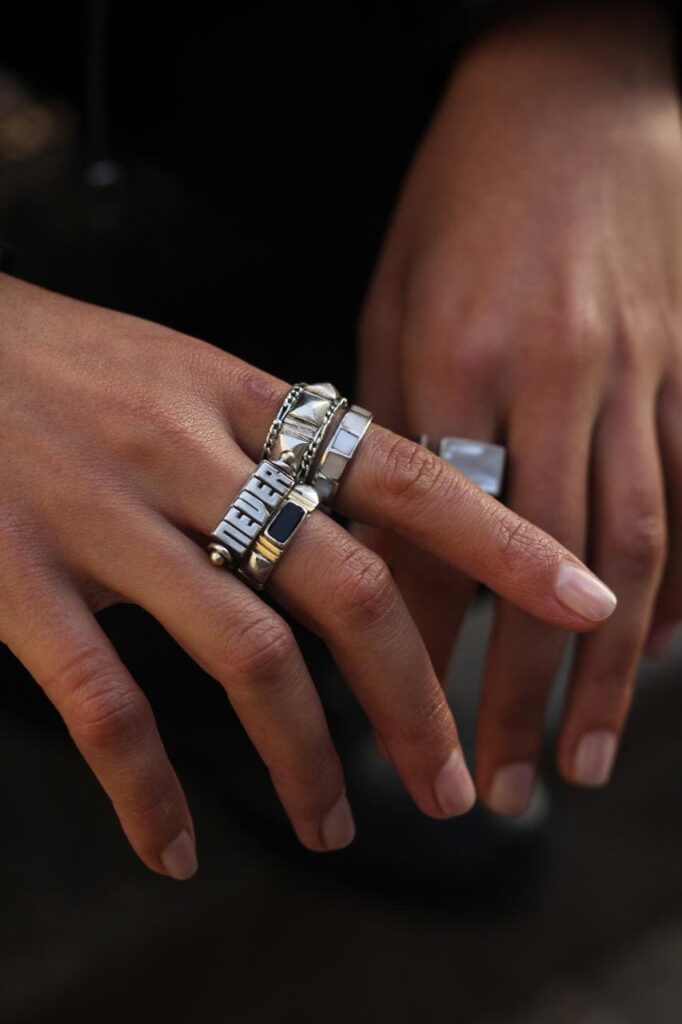
Farah: For me, everything I design is deeply personal, because I build my collections piece by piece, very organically. I’ll start by designing a ring, and once I wear it, I immediately imagine what should come next — what piece would complement it, what ring could stack with it on the same finger, how it could live alongside the rest of the collection.
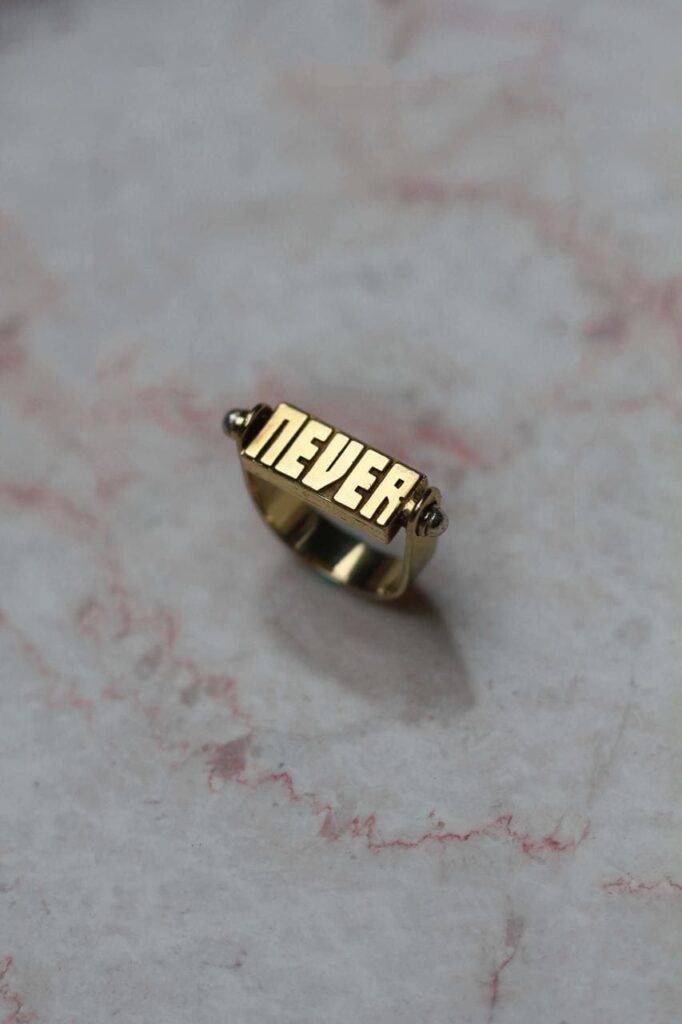
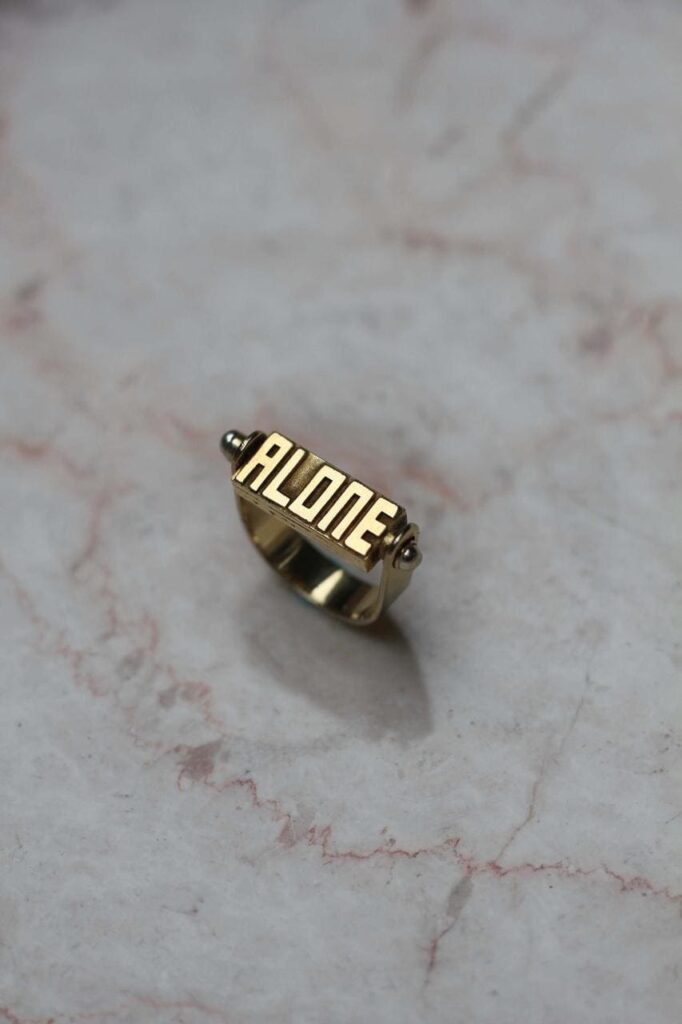
But if there is one piece that carries a truly personal story, it’s the Never Alone Ring, from the Momentum Collection. I designed it during Covid, at a time when we were all in lockdown and separated from the people we loved. In my case, I couldn’t see my partner at the time, and the phrase “Never Alone” really stayed with me. I found it so much more symbolic and poetic than offering a heart or an ‘I love you.’ It felt like a modern, subtle way of saying I care about you.
Flair: What is your biggest, most audacious goal?
Farah: I see FYR standing as a global reference for contemporary Egyptian jewelry — a brand that has redefined what “Egyptian design” means far beyond the clichés of antiquity. My audacious goal is to build a fully empowered craft ecosystem in Cairo: a space where artisans can innovate, learn new techniques, and work with tools that match the ambition of the designs. I want FYR to grow internationally while keeping production 100% in Egypt, proving that local craftsmanship can resonate on a global stage without compromise.
I also imagine the brand with two flagship stores — one in Cairo and one in Paris — alongside a strong presence in concept stores around the world, so people everywhere can experience the pieces physically, not only online. And beyond jewelry, I hope to expand into other forms of ornamentation: perhaps tableware, objects, or new decorative arts.
The most rewarding moment is seeing a piece come alive on someone — carrying, in its silence, all the challenges, experiments, and small victories that shaped it. When you know the journey behind it, the obstacles we pushed through and the craft we insisted on, you look at the final jewel and think: this is only the beginning of what we’re capable of.
Flair: If you could collaborate with anyone, who would it be?
Farah: If I could collaborate with a brand, it would be creating a capsule jewelry collection for Vivienne Westwood. It’s an obvious choice given the house’s nonconformist reputation; that resonates deeply with FYR’s own language. Even if the tension between rebellion and heritage, between subversion and symbolism already exists within my jewelry — I know it could become even more powerful, even more unapologetic, under the name of the queen of punk. The dialogue between her iconic codes and my Egyptian roots could create something truly electric.
Creating a film that showcases the DNA of FYR Jewellery has always been a dream for me. My work explores a tender but powerful take on femininity, while also weaving in the masculine codes embedded in my pieces, and I’m naturally drawn to artists whose visual languages reflect that duality. Carlota Guerrero elevates womanhood into something ritualistic and poetic, while Bilal Kadhi’s work — especially his ability to portray masculinity with emotion and raw vulnerability — deeply resonates with me. That sense of rawness is essential to the kind of film I want to create: something that transforms the everyday streets of Cairo into a cinematic, elevated universe without losing their truth. Both Guerrero and Kadhi inhabit a space where softness and strength coexist, which is exactly where FYR lives, and collaborating with either of them would feel completely aligned with the artistic direction of the brand. They would be my first choices.
Flair: What advice would you give to a local designer starting out today?
Farah: Don’t wait for perfect conditions. Start small, stay consistent, and build genuine relationships with the people who will bring your vision to life — from craftsmen to clients. And don’t be afraid to mess up. Remember that you’re the only one who sees the inside of your business — the client isn’t scrutinizing you the way you imagine, and not everything needs to be flawless on the outside. In fact, there’s a real charm today in brands that are transparent about their weaknesses. We’re moving away from the old model of polished, perfectionist luxury and toward a new, more human approach: one that speaks to community, values the time and craft of artisans, and understands that flaws are part of authenticity. What truly matters is that even if your brand isn’t perfect, your customer feels the care behind it — a genuine commitment to improvement, innovation, and honesty, not just a beautifully staged façade.
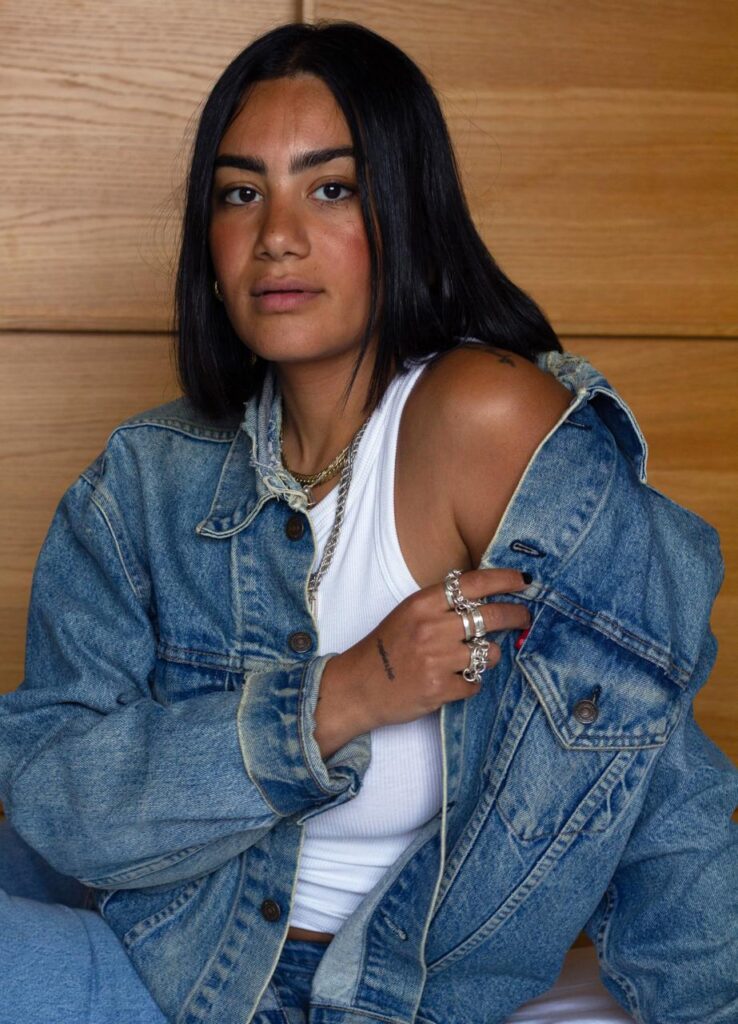
FARAH RADWAN
Flair: What advice would you give to a local designer starting out today?
Farah: Don’t wait for perfect conditions. Start small, stay consistent, and build genuine relationships with the people who will bring your vision to life — from craftsmen to clients. And don’t be afraid to mess up. Remember that you’re the only one who sees the inside of your business — the client isn’t scrutinizing you the way you imagine, and not everything needs to be flawless on the outside. In fact, there’s a real charm today in brands that are transparent about their weaknesses. We’re moving away from the old model of polished, perfectionist luxury and toward a new, more human approach: one that speaks to community, values the time and craft of artisans, and understands that flaws are part of authenticity. What truly matters is that even if your brand isn’t perfect, your customer feels the care behind it — a genuine commitment to improvement, innovation, and honesty, not just a beautifully staged façade.