 Sama Farrag
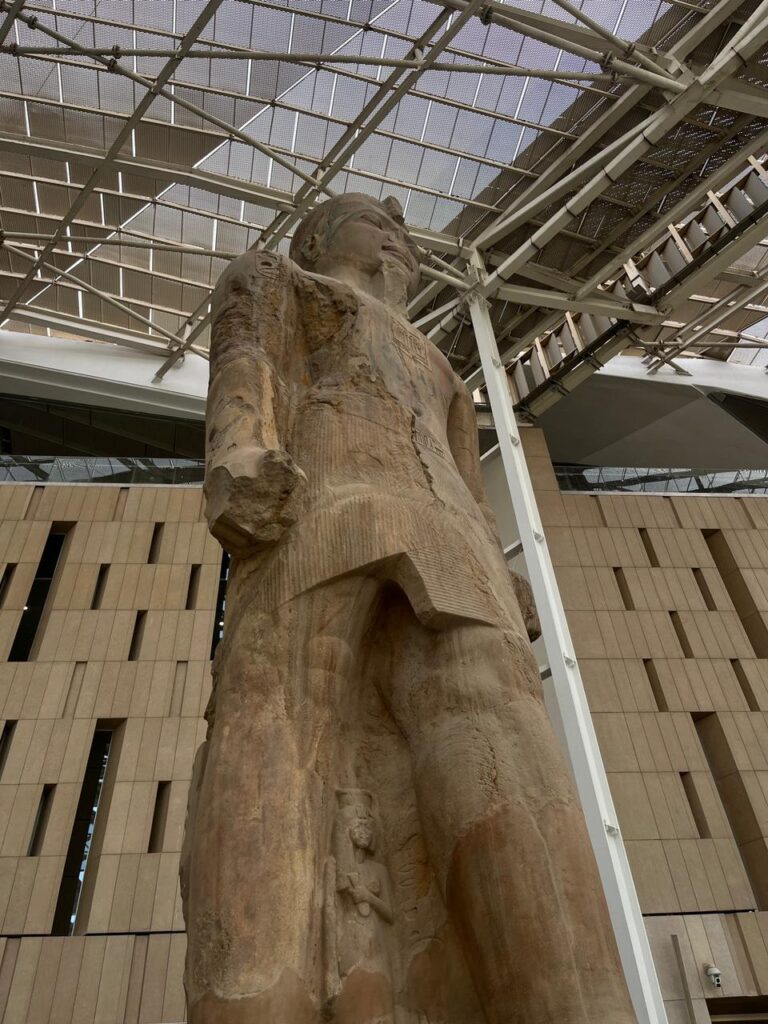
 Twelve years ago, RiseUp started as an ambitious experiment at the GrEEK Campus in downtown Cairo. At the time, the term “startup”—a company built for rapid scale and high-speed problem solving—was still relatively new to the region. The first summit in 2013 was a grassroots attempt to pull a scattered ecosystem of founders, investors, and creatives into one room. Since then, it has evolved into the region’s largest entrepreneurship marathon, moving from the downtown streets to the Pyramids, and now, to the Grand Egyptian Museum.
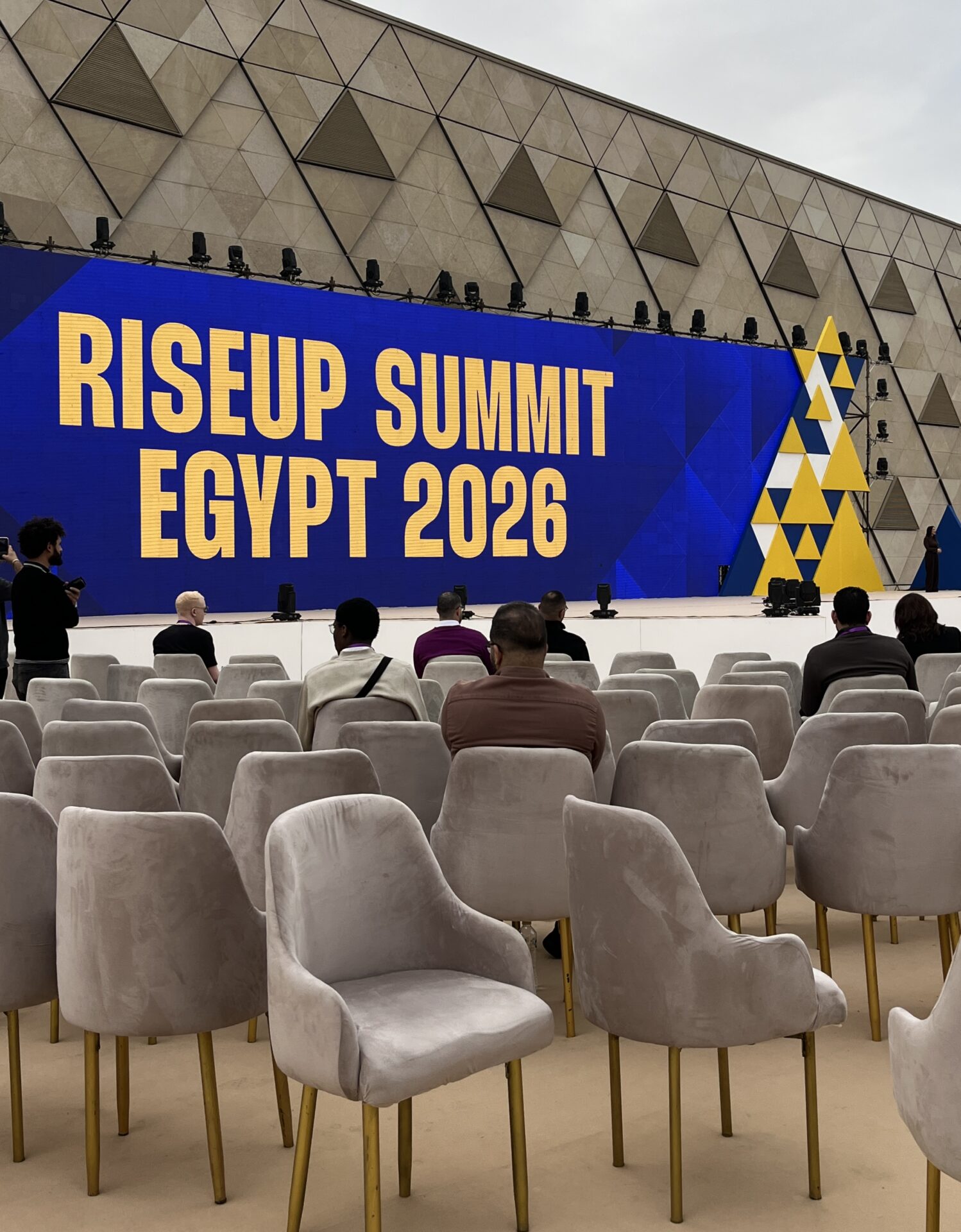
This year’s edition, themed “The Turning Point,” marks a shift in perspective. After over a decade of steady growth, the conversation is no longer just about “starting up” or getting noticed; it’s about durability and intentionality. The 2026 summit is framed as a moment to pause and recalibrate, moving from the rush of early growth toward long-term resilience and real impact.
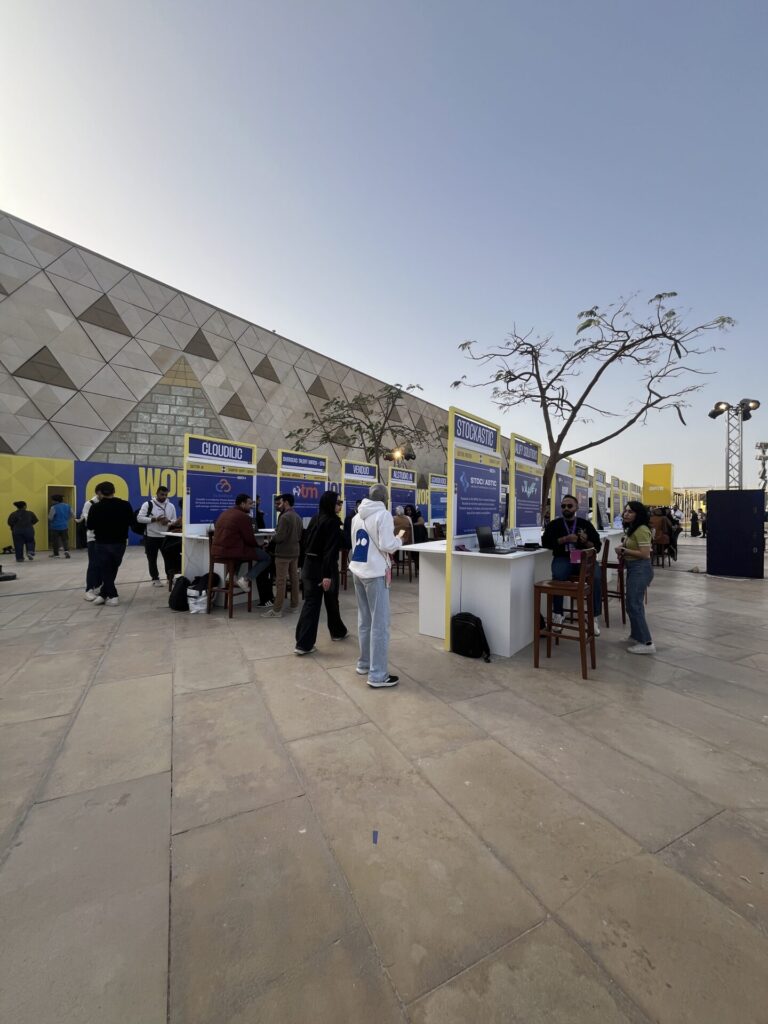
The setting at the GEM has stripped away the typical professional polish. There are no carpeted hallways or quiet lobby lounges; instead, the summit is a sprawling outdoor city of booths and stages built into the museum’s stone courtyard. It’s a raw, exposed environment that forces people to interact without the usual barriers of a hotel ballroom. The space is organized into distinct outdoor hubs:
The Startups Hub: This serves as the central anchor of the event. It is a grid of booths where founders are stationed to pitch their products and field questions. It is the busiest part of the grounds, functioning as the engine room where the actual business of the weekend happens.
The Creative Stage: This has emerged as the most grounded corner of the courtyard. On Day 1, Dara Ghosheh, the founder of Dara’s Ice Cream, bypassed the usual “disruptor” jargon to focus on the reality of building a brand people actually love. She spoke about the grueling work of keeping a product authentic while trying to scale. On Day 2, Plestia Alaqad took the stage, shifting the mood entirely with a session on the responsibility of storytelling and being a witness in a digital age. On this same stage, Jeremy Adams stripped away the “magic” of the industry to talk about the daily grind and the collaborative friction behind major creative projects.
The Capital Stage: This is the high-pressure zone and the loudest part of the courtyard. “If I could invite anyone from ancient Egypt it would be Tutankhamun” is one of the highlights from the live sessions on the capital stage; Dr. Ahmed Ghoneim, CEO of the Grand Egyptian Museum, in conversation with Amy Mowafi (Co-founder & CEO at MO4). They discussed the massive undertaking of bringing the world’s largest museum to life—a project two decades in the making that now serves as the backdrop for the region’s future-forward thinkers.
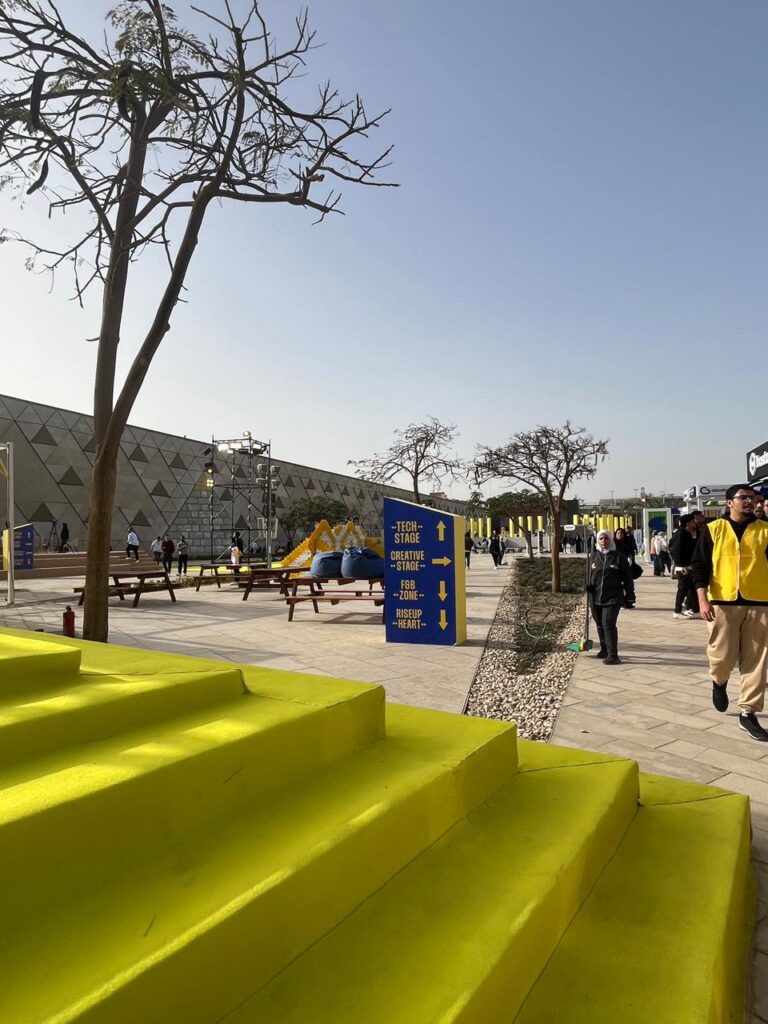
The Tech Stage: Positioned further out, this stage is dedicated to technical execution and infrastructure. A standout demo was delivered by Eduardo Frias (Field CTO at Shopify) titled “How AI Will Run Your Business While You Sleep.” It was a practical discussion where he explored how self-governing systems are now taking the wheel—independently managing workflows, making real-time tactical choices, and refining processes in the background. It’s about moving past manual oversight so companies can expand and sharpen their edge without hitting a wall of collective exhaustion.
Being at the GEM changes the pulse of the event. There is a specific kind of grit that comes with being outdoors. The noise from the stages bleeds together, the ground is uneven, and the Pyramids sit in the background as a constant reminder of permanence.
Without office buildings or quiet rooms to retreat to, you have thousands of people on the ground, standing in lines and huddling around booths. It feels like a massive, temporary workshop where everyone is trying to figure out how to survive and grow in the coming year. By the time the sun goes down over the museum, the exhaustion is visible, but the conversations in the courtyard show no sign of stopping.