 Hedayat Reda
 When I was young my class went on a field trip to “Hammam Pharaon” a known natural sulfur spring about 45km from Suez. I recall the trek up to Pharao’s Cave and the really—quite boiling– temperature of the springs themselves, but mostly it stands in my mind as my first ever encounter with Ancient Egyptian beauty rituals. In a moment that will forever immortalize my fourth grade Social Studies teacher in my mind– RIP Ostaz Said– I recall him telling us, in particular the young girls who were hiking with him up the mountain, that Queen Cleopatra used to bathe here in the springs, and that she was also known for taking regular baths in milk and honey.I was shocked and awed and really–quite disturbed–at the idea of her bathing in something we drink in the mornings for stronger teeth (this was still the age of cow’s milk, the “got milk” moustache, and Adel (عادل): the boy who didn’t drink his milk in the morning so all his friends laughed at him).
Modern life, with its liquid eyeliner, three-in-one peptide moisturizers, and preponderance of injectables, has distracted us from what is native to our bodies and what has been proven – over millenia– to work. In a region that is known for beauty, and in particular–the rituals surrounding beauty and care–it is important to stay connected to the practices of our ancestors.
Here are a few to revive and treasure:
Kohl
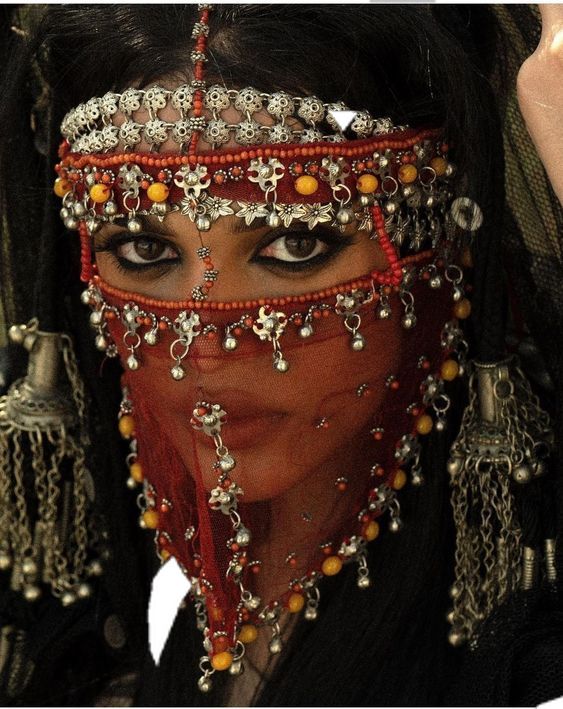
Worn by bedouin women all over Egypt and a critical part of every pharaonic King and Queen’s gidran and statuette depictions, this staple of Arabian power is traditionally made from galena, a natural mineral form of lead sulfide, which is crushed and finely ground into a powder. The powder is then combined with an unperfumed oil, often almond, castor, or olive (depending on which country you are from), and applied with a brush across the lash and waterline.
Kohl is touted as sporting therapeutic properties for the eyes, as well as helping ward off the harsh desert sun and in some belief systems, the evil eye as well.
Wear it smudged for a smoky look or clean and strong as Nefertari did.
Beauty Tip: Applied to the waterline,eyeliner can make eyes appear smaller and more defined. On the lash line, especially with a wing, it creates the illusion of bigger, more open eyes.
Rose Water
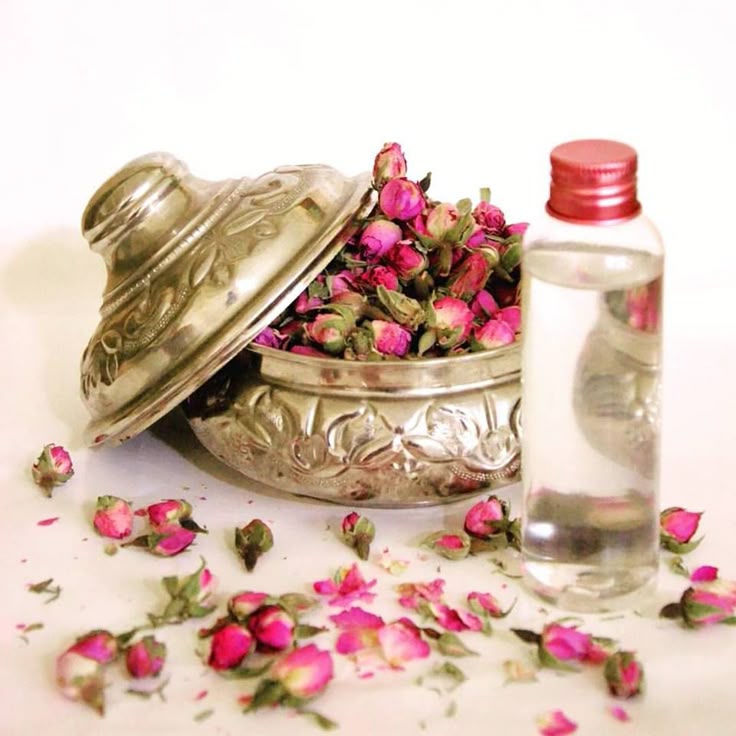
The scent of rosewater has long been woven into the sensory fabric of Arab life — a fragrance that lingers in courtyards, prayer rituals, and beauty routines alike. More than a cosmetic, it carries a quiet spirituality: to press its coolness between one’s palms is an act both of care and of grounding, reminiscent of the ritual purity of wuduuʾ. In the Arab World it serves as perfume and purification, a bridge between outer care and inner calm. The rose water we use is extracted from the Rosa damaskena (Damask Rose), a fragrant and powerful variety of rose, and turned into its final form through steam distillation. Women in the SWANA region use it to soothe irritation and redness, tighten pores, and as an all-purpose toner. This year the rose harvest season in Oman brought in over 90.000 tourists, an indicator of how important this plant is to the region and to its culture: past and present.
Beauty Tip: Combine rose water and Morrocan clay into an at-home mask for weekend relaxation or mist on face before and during travel for revivification (as Selena Gomez does).
Aloe Vera
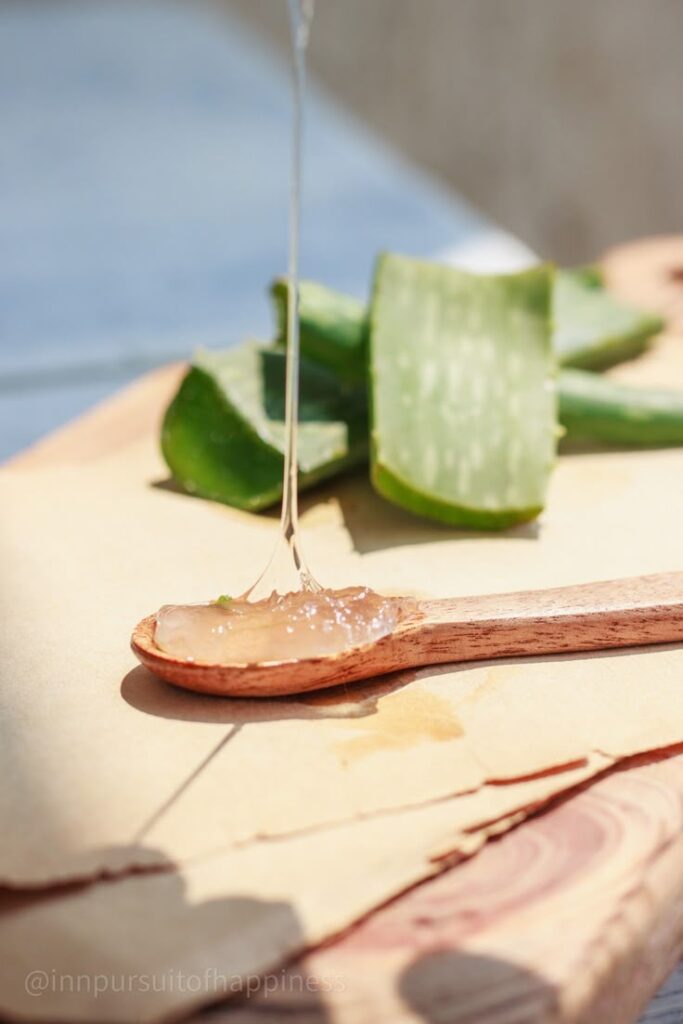
In the heart of the desert, the thick green leaves of aloe vera hold a quiet story of resilience. Known to Arab herbalists as sabr, this gel-rich plant offered relief to skin, comfort to the scalp, and strength to the body. This “plant of immortality” is essential to all desert dwellers as it provides nourishment and hydration in the harsh heat and rough winds. Aloe is rich in vitamins A, C, and E making it ideal for skin repair. In traditional Arab and Islamic medicine (tibb al-nabawi), it was prescribed for wounds, burns, and digestive health, meaning it can be used both internally and externally. It is filled with natural enzymes and polysaccharides that form a protective barrier on the skin, locking in moisture and keeping it supple.
Beauty Tip: Use as a light-hold gel in-between washes to nourish hair, as well as style 😉
Black Seed Oil
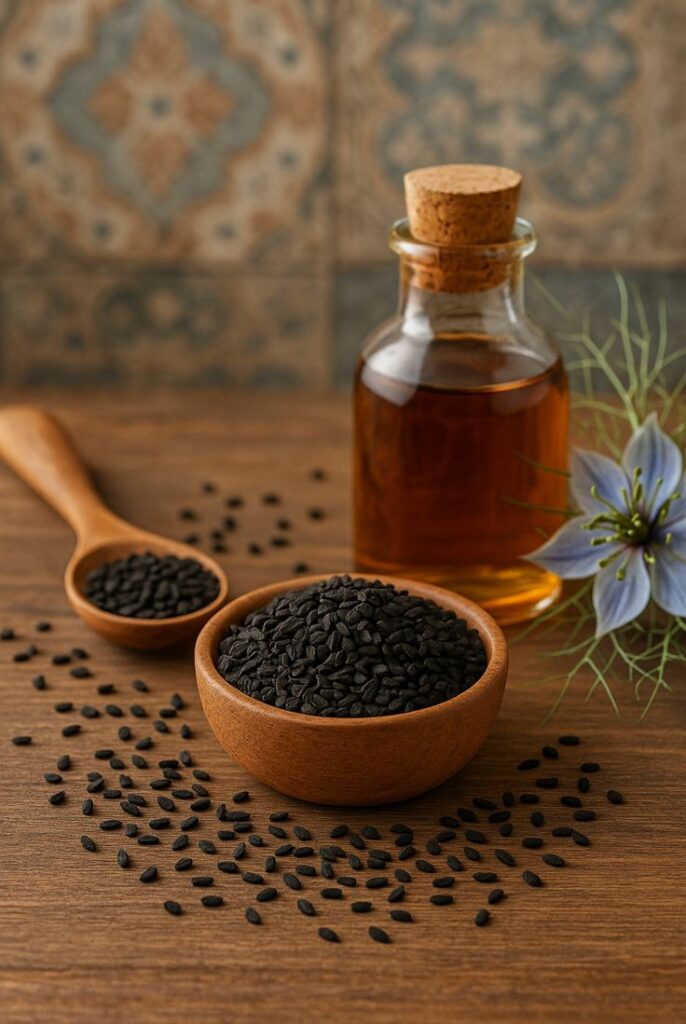
Extracted from the tiny black seeds of the Nigella Sativa plant, this seed oil is most known in households today through a hadith that is attributed to the Prophet Muhammad (PBUH) in which he is claimed to have said that it “heals every wound except death”. Consequently, it is unsurprising that black seed oil also hosts many beauty benefits, sporting a high amount of vitamins A,B, and C, as well as a unique active component called thymoquinone (a natural soothing agent). Blackseed oil can be used topically to fight acne and treat skin conditions such as psoriasis, as well as on the scalp to improve hair growth. Studies out of Europe in the last five years have supported the ancient healing powers of this oil by proving that the daily use of a Nigella sativa extract lotion for 3 months significantly increased hair density and thickness in people with telogen effluvium, a common form of hair loss.
Beauty Tip: Mix a few drops of black seed oil with honey and apply it as a 10-minute mask to help purify pores and soften the skin before a wedding or dinner date.
Honey
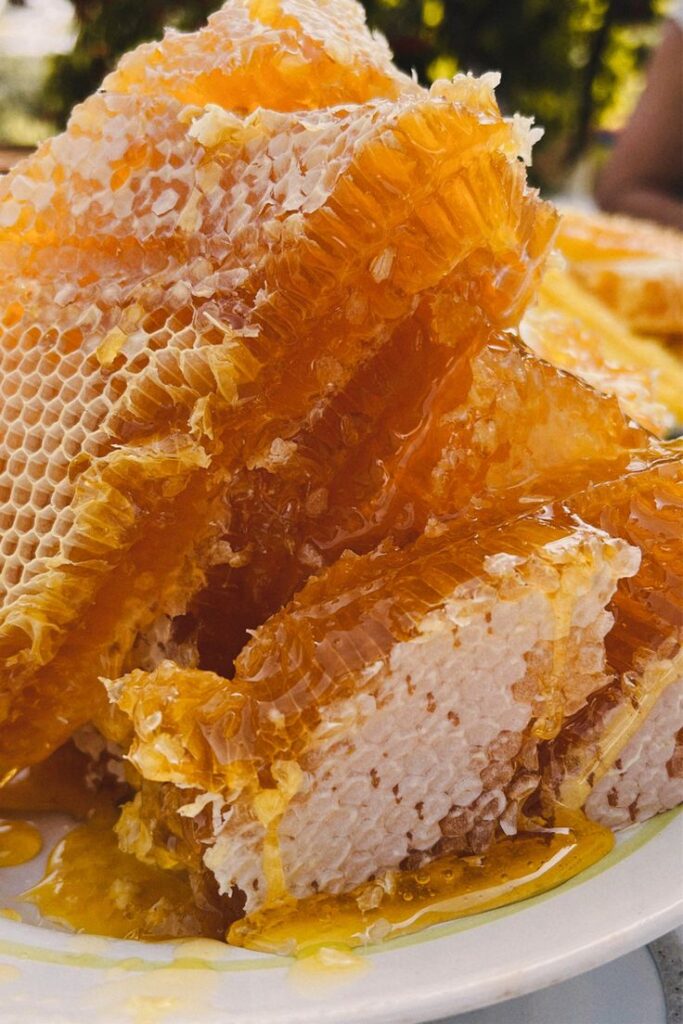
I struggle with a lot of acne scars and recently came across a natural beauty magazine that advises using honey as a face-wash to avoid the stripping of natural oils from the skin. I hadn’t yet connected Cleopatra’s use of honey in her bath to this more modern recommendation, but of course, honey– liquid gold– is well known in the Arab World for its antimicrobial and antioxidant properties since the age of the pharaohs. Most effectively used in skincare, honey is said to clear pores, treat acne, and slow signs of aging by combatting free radicals. Modern beauty brands, including Huda Kattan’s Wishful line, have incorporated honey into their high-end skincare formulas, but nothing works better than a jar of sidr or clover fresh from your most trusted beekeeper (remember to use a wooden spoon, so that it doesn’t react with the metal!).
Beauty Tip: Combine one tablespoon of honey with half a teaspoon each of cinammon and nutmeg and use as an exfoliant mask.
Let us know which of these traditional tips you choose to try and what magic they work on you!

Hamam Pharaon