 Flair Magazine
 Dior didn’t just debut a new collection this Paris Fashion Week — it debuted a new era. Jonathan Anderson, the Northern Irish designer behind JW Anderson and the quietly culture-shaping force at Loewe, has officially made his entrance as Dior’s new creative director for both men’s and women’s. And if the Spring/Summer 2026 show was anything to go by, we’re witnessing a full-scale aesthetic reset.
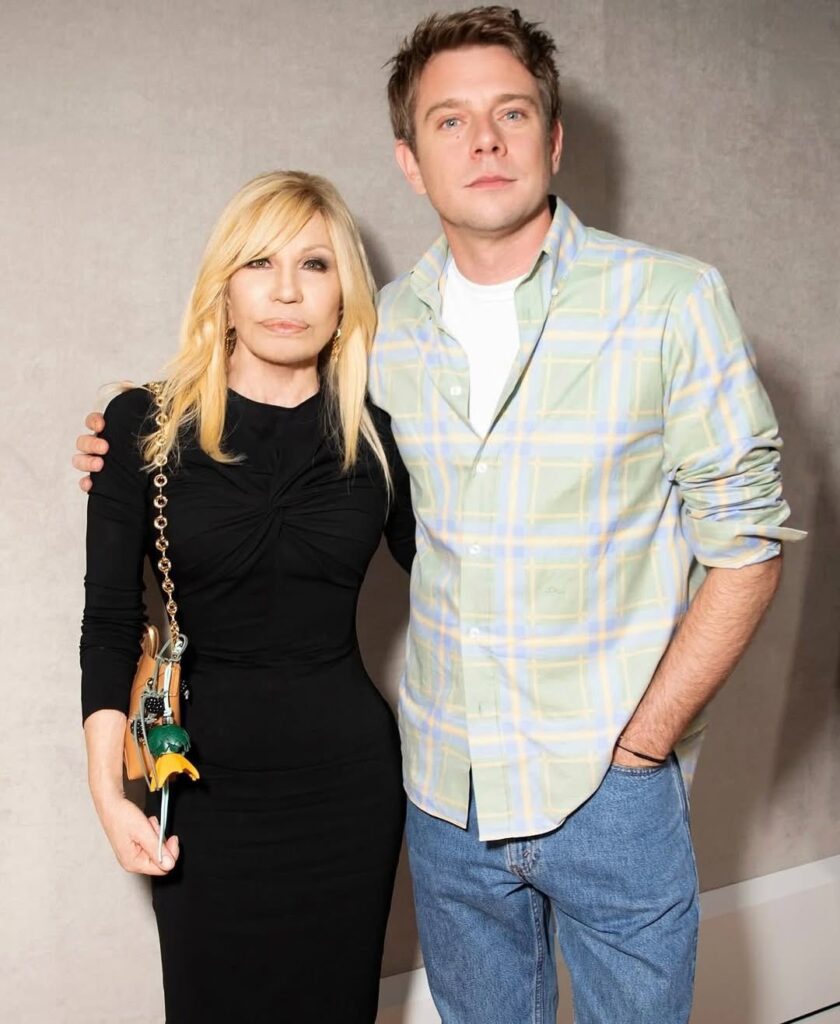
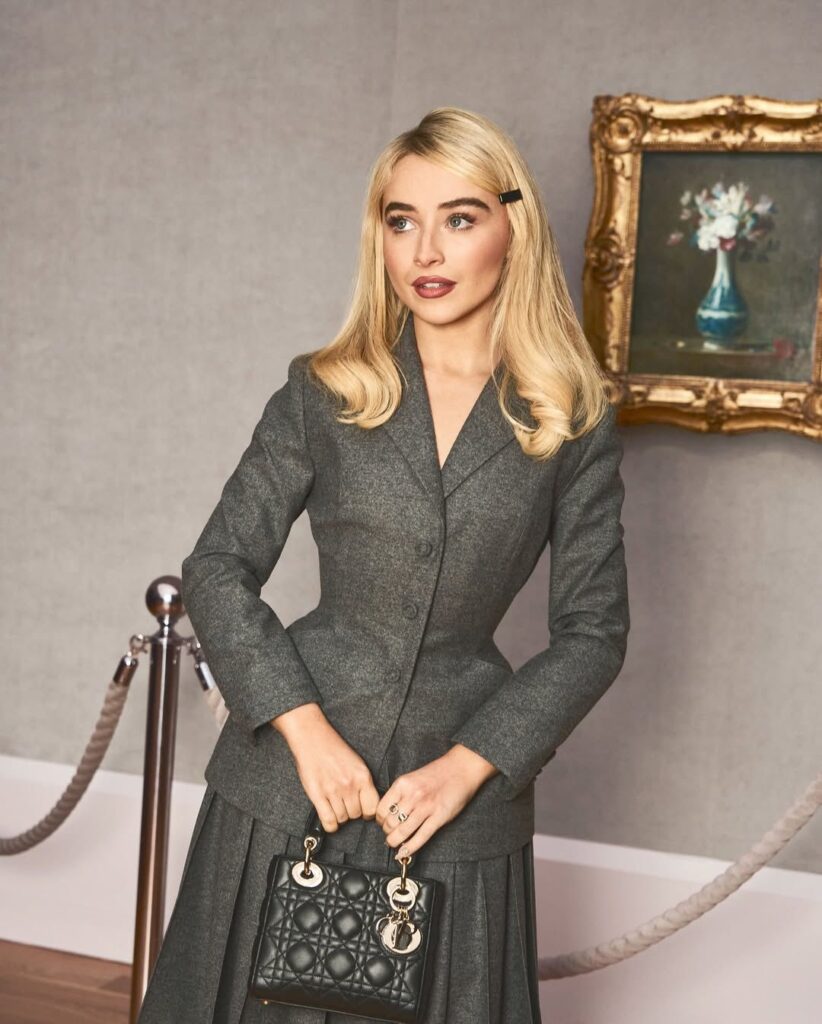
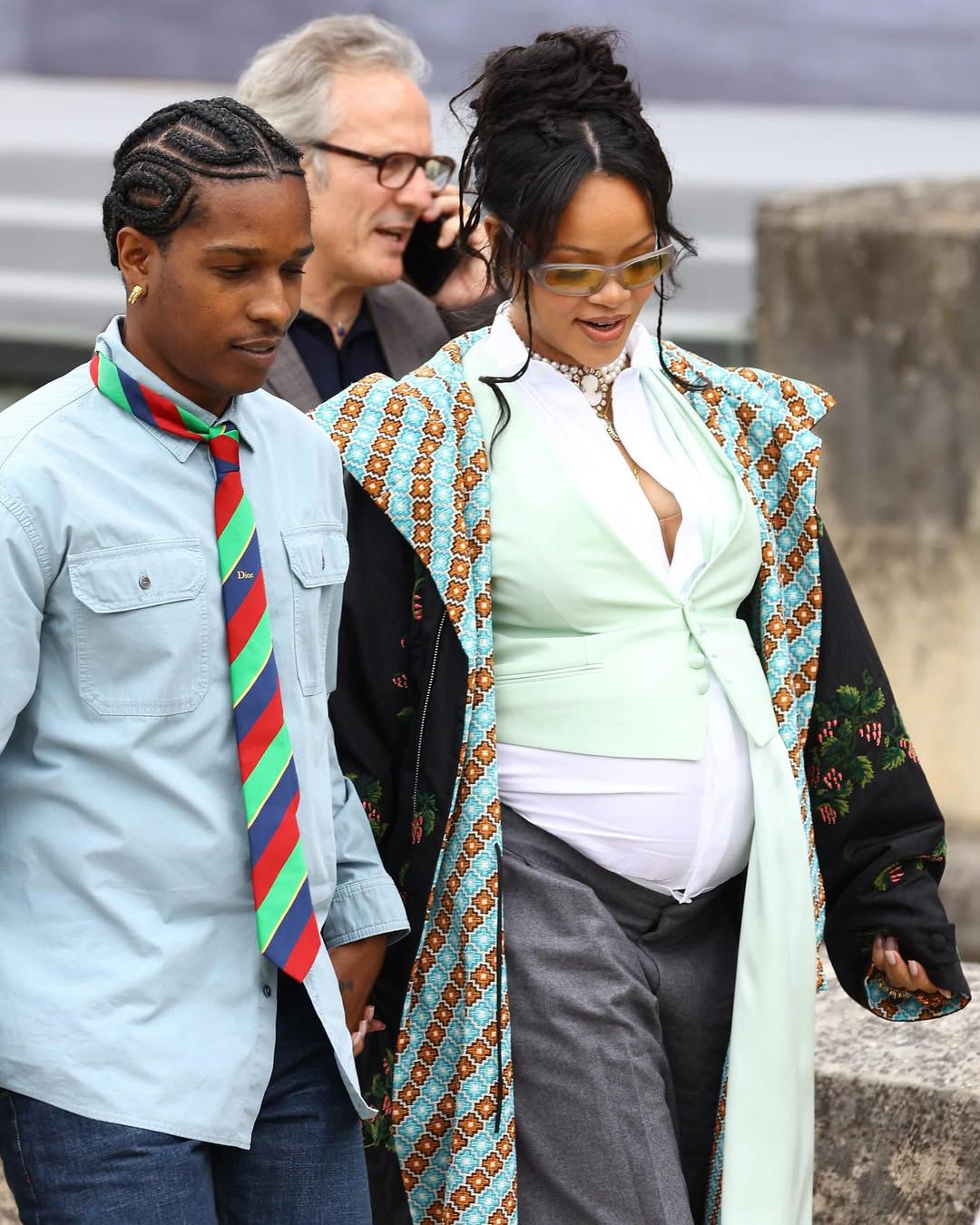
If you haven’t seen the BTS and snippets of the show — it was a Dior show tent made to look like a European art museum. Velvet walls. Parquet floors. Two paintings by Chardin borrowed from the National Galleries of Scotland and Louvre Museum. A star-studded front row with the likes of Rihanna, ASAP Rocky, Robert Pattinson, LaKeith Stanfield, Sabrina Carpenter, Donatella Versace and more. And then the opener: a pair of pleated cargo shorts made from 15 metres of cotton drill, cut like couture and paired with a donegal tweed version of Dior’s iconic Bar jacket. Yes, Jonathan Anderson opened his first Dior show with cargo shorts. And it somehow felt like a mic drop.
The Invites Were A Piece Of Art, Literally
The ceramic plate with eggs, was used as the invitation to Dior’s Spring/Summer 2026 show that carried multiple symbolic meanings. Firstly, it paid homage to 19th-century French trompe l’oeil traditions, where decorative ceramics were crafted to trick the eye and amuse. Secondly, it nodded to Christian Dior’s personal history, with eggs reportedly being a favorite of Monsieur Dior, evoking a sense of intimacy and brand heritage. Finally, it served as a metaphor for Anderson’s creative approach: the eggs representing nourishment, simplicity, and potential—symbolizing a rebirth or renewal as he begins his journey at Dior. The plate, ordinary yet artful, becomes a quiet manifesto: honoring tradition while hinting at transformation.
Dior, But Make It Feel Now
Anderson didn’t throw out Dior’s history. He studied it, reinterpreted it, and then cheekily subverted it. Think 18th-century waistcoats styled with denim, rugby stripes with Rococo embroidery, baroque tailoring balanced with undone collars and off-duty ease. It was equal parts aristocrat and art school, downtown and dynastic.
Where previous designers at Dior have leaned into grandeur or fantasy, Anderson’s take is quieter — more human. His silhouettes feel lived-in, emotionally intelligent, and worn with intent. This isn’t nostalgia. It’s fashion with memory. Anderson himself described it as a “museum of feeling,” and it shows. These are clothes made for the kind of man who buttons his shirt wrong on purpose, who dresses like a daydream but still makes it to the 9AM meeting.
Fashion’s Favourite Designers Came to Watch
When the likes of Jacquemus, Donatella, Glenn Martens, and the entire Arnault dynasty show up to your debut, it’s not just a show — it’s a coronation. There were fewer TikTok influencers and more industry heavyweights, and the crowd felt more like a group of design devotees than fame chasers. It says a lot that even other designers came to study. Because Anderson, despite the buzz, never panders to trends. His strength has always been in making you feel like you’re in on something; A reference, a visual joke, a historical wink.
The Vibe? Preppy, But Pensive
There’s something about the show that felt deeply European — especially very Versailles, but not in the cliché way. Not Riviera linen or old-money polish, but prep with existential depth. If the Loewe man was slightly surreal, the Dior man is romantic with a repressed wild streak.
A Galabeya was sported and poplin shirts were untucked. Collars asymmetrical. Ties were either charmingly loose or artfully wrong. It’s Dior for the boy who grew up on Bruce Springsteen and Basquiat and somehow found himself front row in Paris.
So What Does This All Mean?
Jonathan Anderson isn’t trying to make Dior trendy, he’s trying to make it timely. And that’s a much bigger, braver goal. In a market obsessed with logos and virality, this was a show rooted in subtlety, intention, and craft.
It’s not “quiet luxury” — it’s quiet confidence. Dior, under Anderson, is becoming less about being seen, and more about being known. There’s power in that. And yes, the clothes were beautiful. But more importantly? They made you feel something. And in fashion, that’s everything.
Our personal no no
The return of the Dior tote, and this time it has graphics and repetitive brand name — literally the word Dior Dior on top of one another. While it may be a heinous accessory next to the artistic collection we’ll let it pass this time.